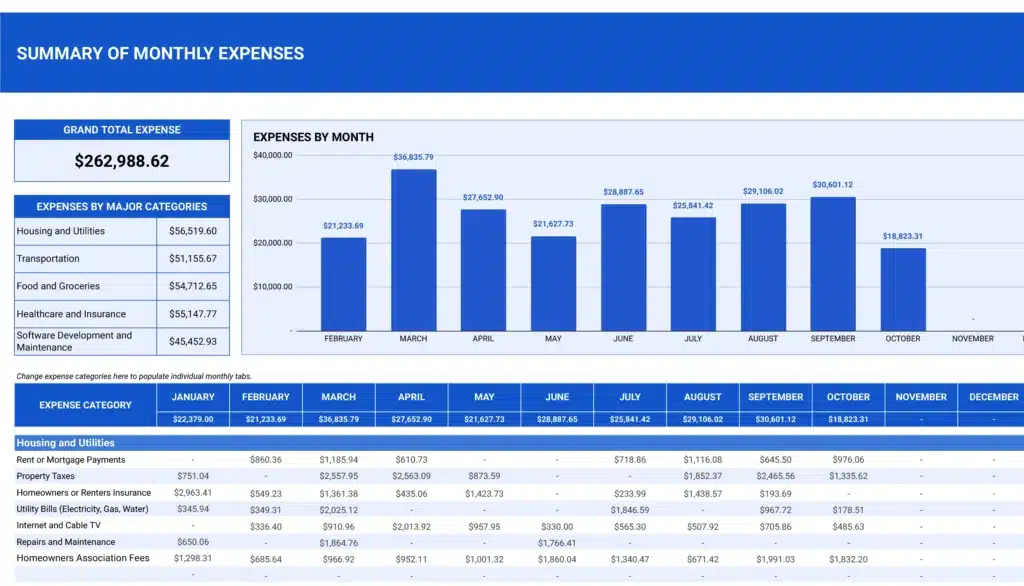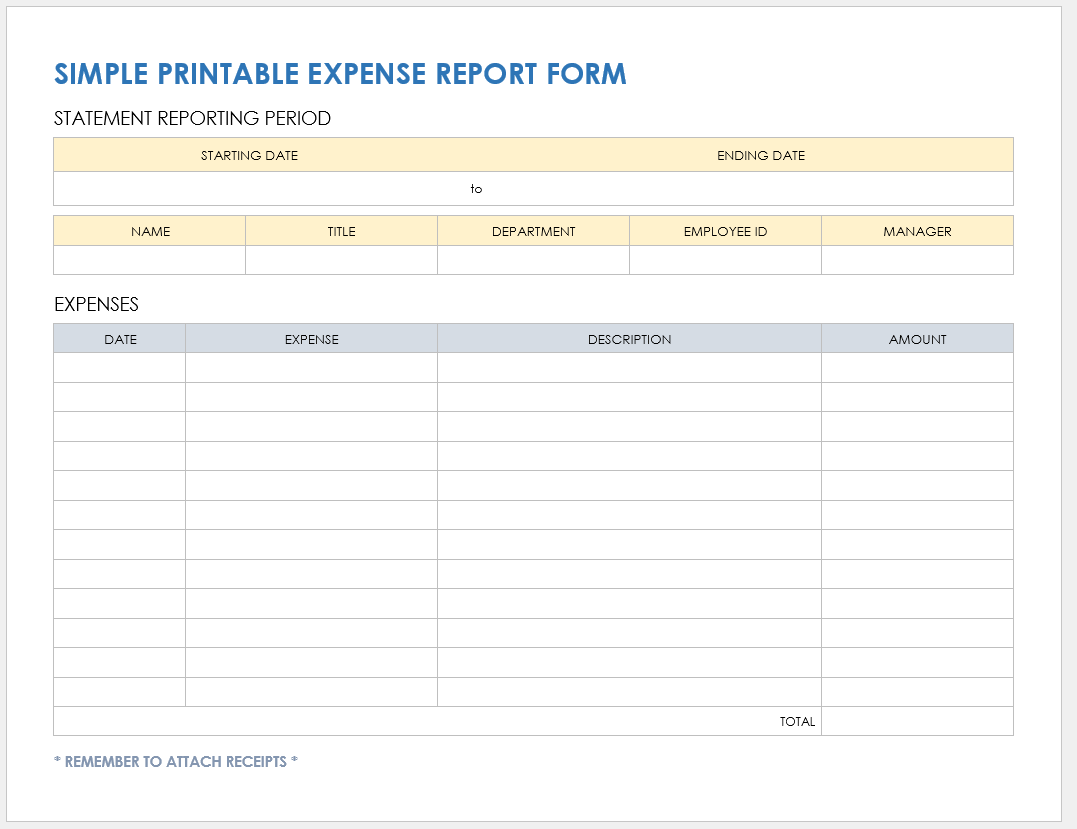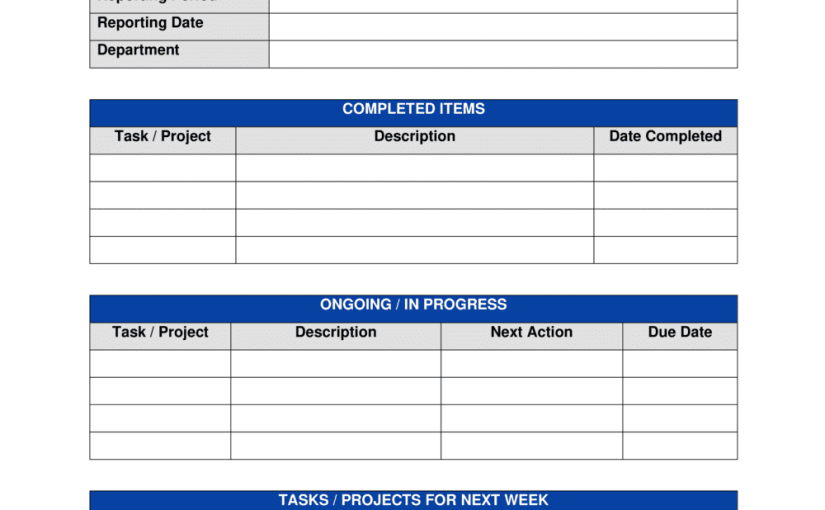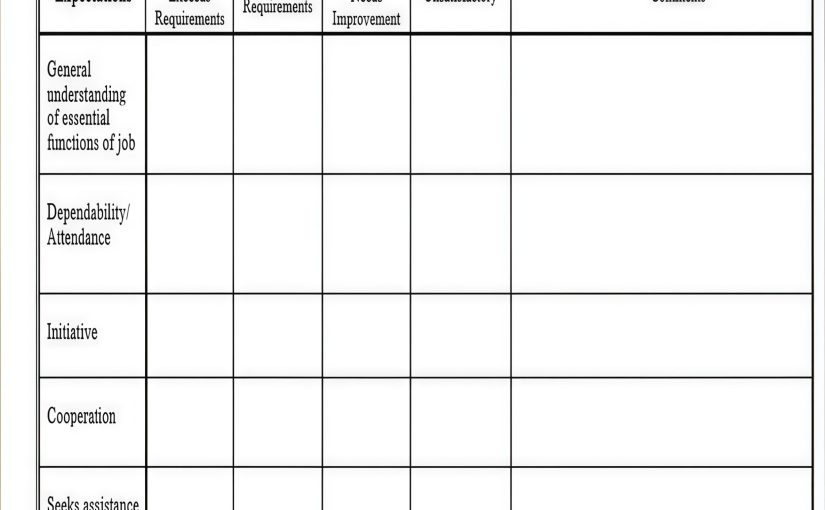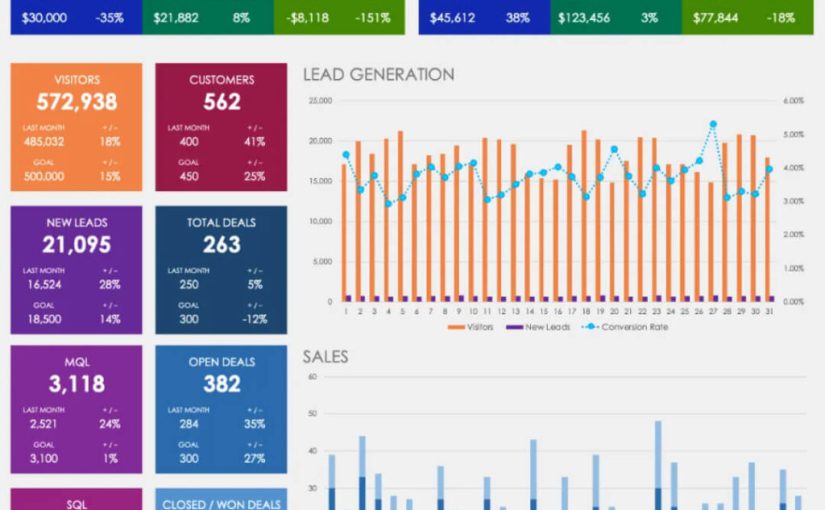
Marketing Report Template (9+ BEST Strategic Formats)

Marketing Report Template usage is essential for translating marketing activity into clear, actionable insight. As marketing efforts become more complex and data-driven, structured reporting helps teams understand what is working, what needs adjustment, and where resources should be focused next.

Without a consistent reporting format, marketing data often becomes fragmented, difficult to interpret, and disconnected from objectives. A well-designed template provides structure, consistency, and clarity—turning raw data into meaningful performance narratives.

What Is a Marketing Report Template?

A Marketing Report Template is a structured document used to summarize marketing activities, results, and insights over a defined period. It presents key information in a clear, organized format that supports evaluation, communication, and decision-making.

Marketing reports typically aim to:

  • Track campaign performance
  • Measure progress against objectives
  • Identify trends and insights
  • Communicate results to stakeholders
  • Support planning and optimization

By standardizing how information is presented, reporting becomes more efficient and easier to compare over time.

Why Structured Marketing Reporting Matters

Marketing generates large volumes of data, but data alone does not create value. Structure is what turns numbers into understanding.

Using a Marketing Report Template helps teams:

  • Focus on relevant metrics
  • Maintain consistency across reporting periods
  • Reduce misinterpretation of results
  • Improve accountability and transparency
  • Support informed decision-making

Clear reporting aligns marketing activity with broader business goals and expectations.

Core Components of an Effective Marketing Report

While formats vary by purpose and audience, effective marketing reports share several key elements.

Reporting Period and Objectives

This section defines the timeframe covered and outlines the goals the marketing activity aimed to achieve.

Campaign or Channel Overview

Summarizes the main initiatives, channels, or campaigns included in the report.

Performance Metrics

Key indicators are presented clearly to show progress and outcomes.

Insights and Observations

This section explains what the results mean and highlights notable patterns or trends.

Challenges and Learnings

Document issues encountered and lessons gained during execution.

Next Steps and Recommendations

Every Marketing Report should guide future action, not just describe past performance.

Types of Marketing Report Templates by Reporting Frequency

Different reporting cycles serve different purposes. Below are the most commonly used formats based on timeframes.

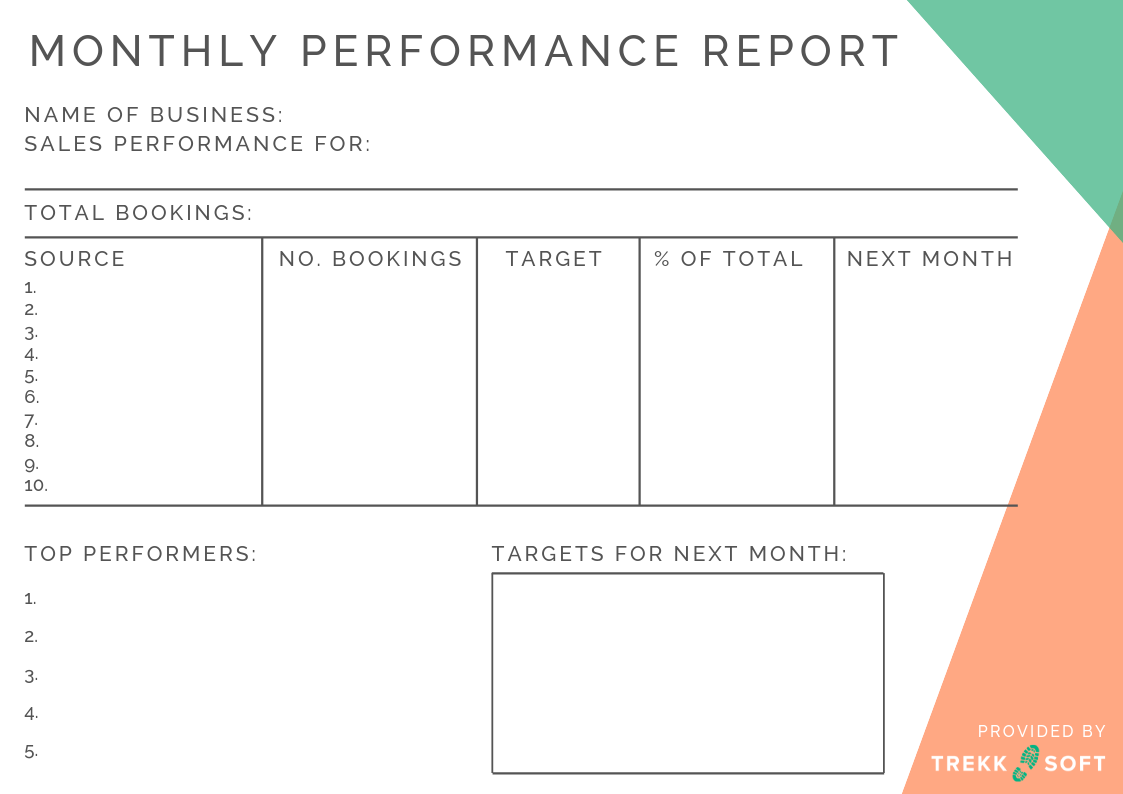
Monthly Marketing Report Template for Consistent Performance Review

A Monthly Marketing Report Template for Structured Performance Evaluation provides a balanced view of short-term results and emerging trends.

This format is commonly used to:

  • Compare performance month over month
  • Track progress toward quarterly goals
  • Identify channels or campaigns needing adjustment

Monthly reports offer enough data for meaningful analysis without overwhelming detail.

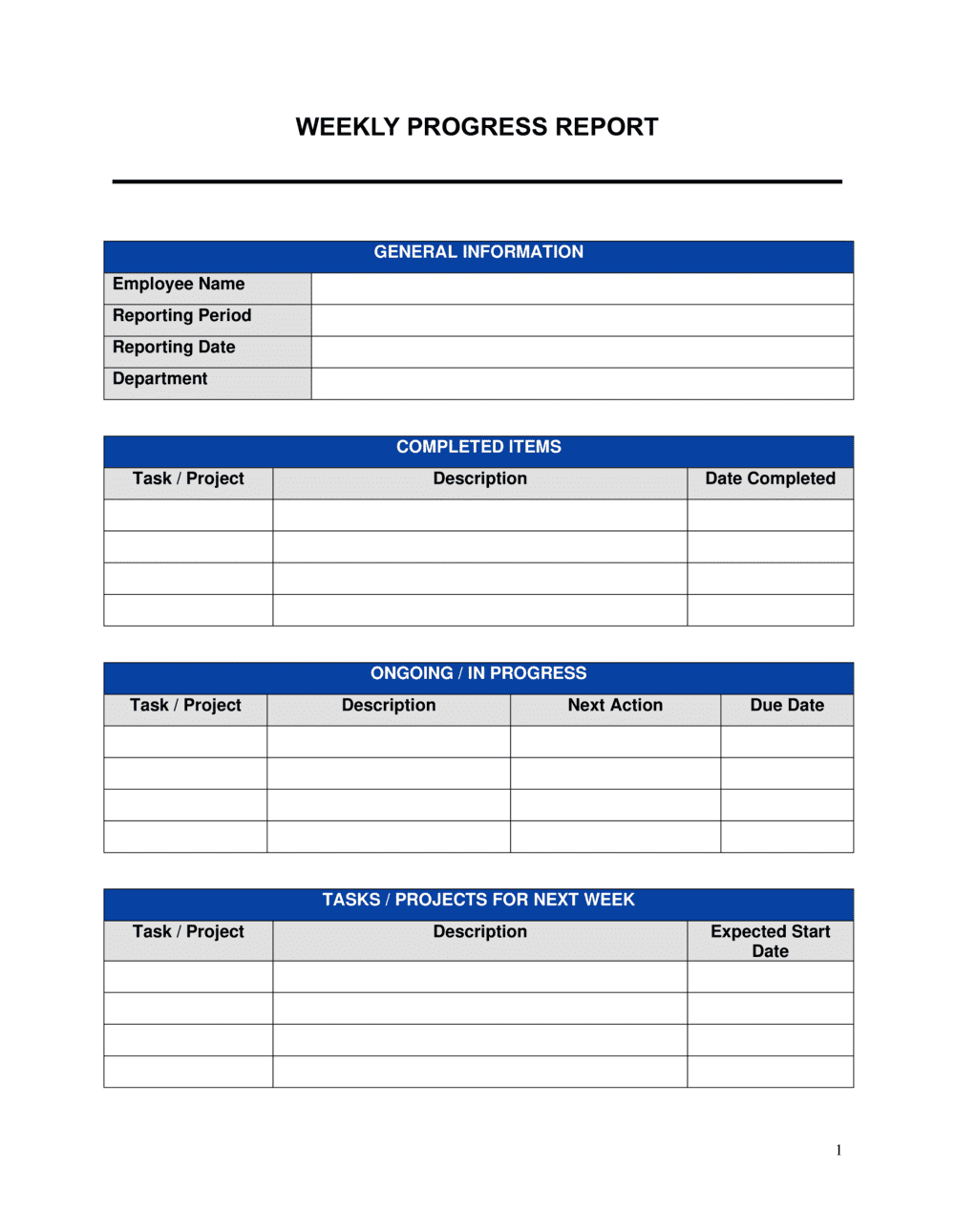
Weekly Marketing Report Template for Tactical Execution Tracking

A Weekly Marketing Report Template for Agile Execution Oversight focuses on immediate activity and short-term outcomes.

This format typically includes:

  • Weekly campaign updates
  • Key performance snapshots
  • Issues or blockers
  • Priorities for the next week

Weekly reporting supports fast-paced environments where quick adjustments are critical.

Get also: Consulting Report Template

Specialized Marketing Report for Different Needs

Beyond frequency-based reports, marketing teams often use specialized formats tailored to specific objectives.

Digital Marketing Report Template for Multi-Channel Performance Clarity

A Digital Marketing Report Template focuses on online campaigns and digital touchpoints.

It commonly covers:

  • Channel-level performance
  • Campaign outcomes
  • Engagement and conversion trends
  • Budget allocation and efficiency

This format helps teams understand how digital initiatives perform collectively and individually.

Choosing the Right Marketing Report Template

Selecting the right template depends on several factors:

  • Reporting audience
  • Decision-making needs
  • Level of detail required
  • Reporting frequency

A Marketing Report Template should be detailed enough to inform decisions, yet concise enough to be reviewed efficiently.

Reports that are too complex risk being ignored, while overly simple reports may lack actionable insight.

Adapting Marketing Reports for Different Stakeholders

Marketing reports are most effective when tailored to their audience.

Executive-Level Reporting

Executives value summaries, insights, and implications rather than granular detail.

Management and Team Reporting

Managers and teams benefit from operational detail, performance drivers, and next steps.

Client or External Reporting

External audiences require clarity, transparency, and alignment with agreed objectives.

A flexible Marketing Report allows for content adjustment without losing structural consistency.

Common Mistakes in Marketing Reporting

Even experienced teams can reduce report effectiveness through common errors, such as:

  • Reporting metrics without context
  • Overloading reports with unnecessary data
  • Ignoring insights and recommendations
  • Changing the report structure frequently

Strong reporting emphasizes clarity, relevance, and interpretation.

Best Practices for Creating High-Quality Marketing Reports

To maximize reporting value:

  • Align metrics with objectives
  • Focus on insights, not just numbers
  • Use consistent formatting
  • Highlight trends and implications
  • End with clear next steps

A well-crafted Marketing Report turns reporting into a strategic asset rather than an administrative task.

Using Marketing Reports to Improve Strategy and Execution

Marketing reports should inform action. When reviewed consistently, they help teams:

  • Identify high-performing initiatives
  • Address underperforming areas
  • Allocate resources more effectively
  • Improve planning accuracy

Over time, historical reports create a performance baseline that supports smarter strategy development.

Integrating Marketing Reports into Planning Cycles

Marketing reports are most valuable when integrated into regular planning and review processes.

They often feed into:

  • Campaign planning sessions
  • Budget reviews
  • Quarterly strategy discussions
  • Performance evaluations

A consistent Marketing Report Template ensures continuity across these cycles.

Long-Term Benefits of Standardized Marketing Reporting

Organizations that adopt structured marketing reporting gain:

  • Improved visibility into performance
  • Stronger alignment across teams
  • Faster decision-making
  • Greater accountability
  • Clearer performance documentation

Over time, reporting becomes a foundation for continuous improvement.

Marketing, Reporting, and Organizational Alignment

Clear reporting creates shared understanding. When everyone reviews performance using the same structure, alignment improves naturally.

A strong Marketing Report ensures that discussions focus on insights and actions rather than debating data interpretation.

Evolving Marketing Reports as Teams Mature

As marketing capabilities grow, reporting should evolve accordingly.

Early-stage teams may focus on activity tracking, while mature teams emphasize:

  • Comparative analysis
  • Trend identification
  • Strategic implications

Templates should adapt without losing consistency.

Conclusion

A Marketing Report Template is a critical tool for organizing marketing data, communicating performance, and supporting informed decision-making. By providing structure and clarity, it transforms marketing activity into actionable insight.

Whether using a Digital Marketing Report Template for Multi-Channel Performance Clarity, a Monthly Marketing Report Template for Consistent Performance Review, or a Weekly Marketing Report Template for Tactical Execution Tracking, the right format ensures that marketing results are visible, understandable, and meaningful.

When applied consistently, marketing reporting strengthens execution, improves alignment, and drives smarter, more confident marketing decisions.

Middle School Book Report Template (10+ Free Printable Formats)

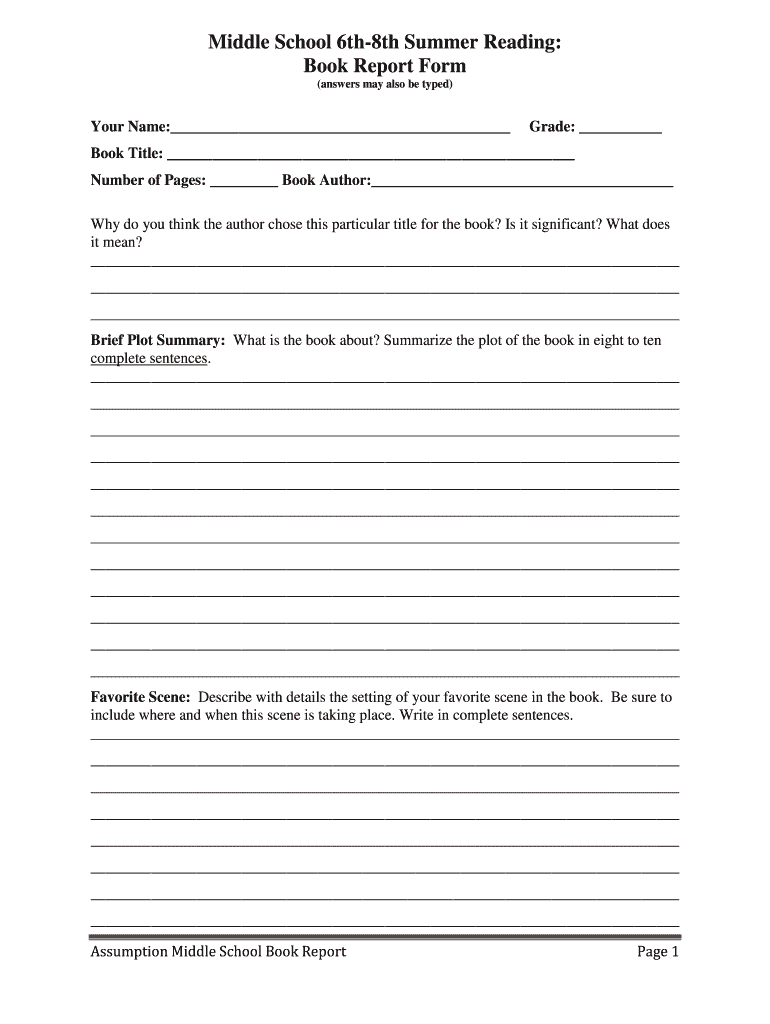
The Middle School Book Report Template becomes increasingly important as students transition from basic reading comprehension to deeper analysis and structured writing.

At the middle school level, book reports are no longer simple summaries. They require students to explain ideas, analyze characters or information, and support opinions with evidence. Without a clear framework, many students struggle to organize their thoughts, connect their ideas, or present their arguments clearly. A structured template provides guidance while still allowing independent thinking and personal interpretation.

What Is a Middle School Book Report?

A Middle School Book Report is a structured guide designed to help students analyze and explain a book in a clear, organized, and age-appropriate manner. It bridges the gap between elementary-level reporting and more advanced analytical writing required in later grades.

These templates are designed to:

  • Improve reading comprehension
  • Develop organized paragraph writing
  • Encourage analytical thinking
  • Teach evidence-based opinions
  • Build academic writing confidence

By using a consistent structure, students focus more on understanding the book and less on how to format their response.

Why Book Reports Matter in Middle School

Middle school is a critical stage for literacy development. Students are expected to:

  • Read more complex texts
  • Understand themes and messages
  • Analyze characters or ideas
  • Explain opinions using examples

A well-designed Middle School Book Report Template supports these expectations by guiding students through higher-level thinking while maintaining clarity and structure.

Book reports also help teachers assess comprehension, reasoning, and writing progress in a consistent way.

Key Skills Developed Through Middle School Book Reports

Structured book reporting supports multiple academic skills at once.

Analytical Reading

Students move beyond recalling events to interpreting meaning and intent.

Organized Writing

Templates teach paragraph structure, transitions, and logical flow.

Critical Thinking

Students evaluate actions, ideas, and themes rather than simply describing them.

Evidence-Based Reasoning

Opinions must be supported with details from the text.

Academic Language Development

Students practice formal tone and subject-specific vocabulary.

A strong Middle School Book Report reinforces all of these skills.

Core Components of an Effective Middle School Book Report

While formats may vary, effective middle school reports share common elements.

Book Information

Includes title, author, genre, and publication details.

Summary

A concise overview of the main plot or ideas, written in the student’s own words.

Main Characters or Key Topics

Focuses on character development in fiction or central concepts in nonfiction.

Setting or Context

Explains where and when the story or information takes place.

Themes or Central Ideas

Identifies important messages, lessons, or arguments.

Personal Analysis

Students explain their opinions and support them with examples from the text.

Every Middle School Book Report Template should encourage clarity, depth, and original thinking.

Different Types of Middle School Book Report Templates

Different genres and learning goals require specialized formats. Below are the most commonly used variations.

6th Grade Book Report Template for Guided Academic Writing

A 6th Grade Book Report Template for Structured Skill Development provides clear prompts that guide students toward more formal writing.

This format typically includes:

  • Paragraph-based summaries
  • Guided analysis questions
  • Opinion prompts with evidence

It helps sixth-grade students transition from elementary-style reports to more analytical writing.

Biography Book Report Template Middle School for Life Story Analysis

A Biography Book Report Template Middle School for Historical and Personal Insight focuses on real individuals and their impact.

This format often includes:

  • Background information
  • Major life events
  • Challenges and achievements
  • Contributions or influence
  • Personal reflection

Biography reports help students connect individual stories to historical or social contexts.

Non Fiction Book Report Template Middle School for Informational Clarity

A Non Fiction Book Report Template Middle School for Concept Understanding and Explanation emphasizes facts, ideas, and arguments rather than narrative elements.

This format commonly covers:

  • Main topic or thesis
  • Key facts or arguments
  • Supporting details
  • New information learned
  • Student reflection

Nonfiction templates help students organize complex information clearly and logically.

Get also: High School Book Report Template

Choosing the Right Template for Middle School Students

Selecting the right format depends on:

  • Grade level
  • Reading complexity
  • Learning objectives
  • Assessment criteria

A Book Report Template should challenge students without overwhelming them. Templates that are too simple limit growth, while overly complex ones may discourage effort.

The best formats offer structure while allowing flexibility in expression.

Get also: Elementary School Book Report Template

How Book Report Expectations Change from Elementary to Middle School

As students progress, book reports become more analytical.

Elementary Level

  • Focus on recall
  • Short answers
  • Simple opinions

Middle School Level

  • Paragraph writing
  • Theme analysis
  • Evidence-based opinions

A well-designed Middle School Book Report Template reflects this shift by emphasizing explanation and reasoning.

How Teachers Use Middle School Book Report Templates

Teachers rely on structured templates to:

  • Standardize assignments
  • Clarify grading expectations
  • Encourage deeper analysis
  • Support diverse learning levels

Templates also make it easier to provide targeted feedback on comprehension, organization, and reasoning.

How Parents Can Support Middle School Book Reports

Parents can help students succeed by:

  • Discussing themes and ideas after reading
  • Encouraging students to explain opinions aloud
  • Reviewing templates before writing
  • Focusing on understanding rather than perfection

A clear Middle School Book Report Template helps parents guide without overcorrecting.

Common Challenges Students Face in Middle School Book Reports

Middle school students often struggle with:

  • Writing overly long summaries
  • Giving opinions without evidence
  • Organizing paragraphs logically
  • Explaining abstract ideas clearly

Templates that include guiding questions and examples help reduce these challenges.

Best Practices for Writing Strong Middle School Book Reports

To improve book report quality:

  • Take notes while reading
  • Identify themes early
  • Use quotes or examples sparingly
  • Follow the template structure
  • Revise for clarity and coherence

These habits prepare students for more advanced academic writing.

Encouraging Independent Thinking Through Book Reports

Book reports are most effective when they encourage original thought.

Good templates:

  • Ask “why” and “how” questions
  • Allow personal interpretation
  • Encourage connections to real life
  • Reward thoughtful analysis

A strong Middle School Book Report Template balances guidance with independence.

Adapting Book Report Templates for Different Learning Styles

Middle school classrooms include diverse learners.

  • Visual learners benefit from charts or graphic organizers
  • Verbal learners benefit from discussion prompts
  • Reluctant writers benefit from sentence starters

Flexible templates support differentiated instruction and inclusion.

Long-Term Benefits of Middle School Book Reporting

Consistent use of book report templates helps students develop:

  • Academic writing skills
  • Analytical thinking
  • Confidence in expressing ideas
  • Preparation for high school assignments

These skills extend beyond language arts into history, science, and other subjects.

Conclusion

A Middle School Book Report Template is a vital academic tool that supports deeper reading comprehension, structured writing, and critical thinking. By providing clear guidance, it helps students analyze books thoughtfully and communicate ideas effectively.

Whether using a 6th Grade Book Report Template for Guided Academic Writing, a Biography Book Report Template Middle School for Life Story Analysis, or a Non Fiction Book Report Template Middle School for Informational Clarity, the right format strengthens learning outcomes and builds confidence.

When applied consistently, middle school book report templates transform reading assignments into meaningful academic experiences and prepare students for advanced writing challenges.

Book Report Template: 10+ Powerful Formats to Improve Critical Thinking

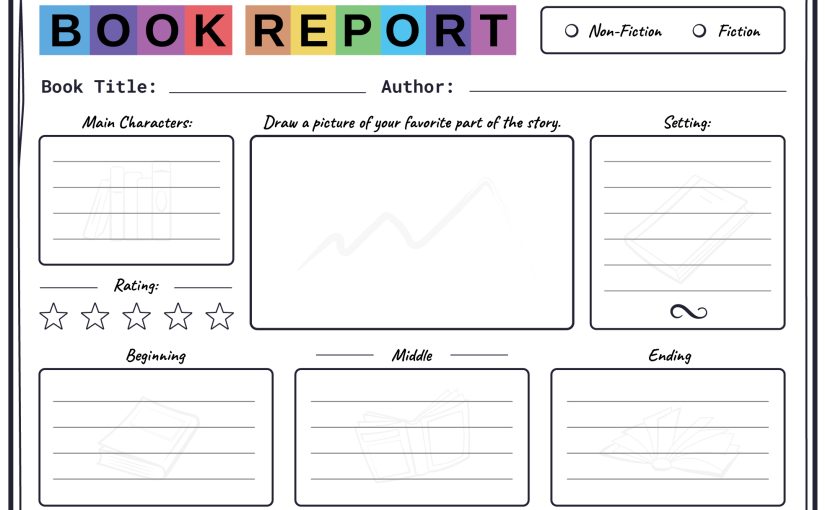
Book Report Template usage remains one of the most effective ways to help readers organize ideas, demonstrate comprehension, and express thoughtful opinions about what they read. From elementary classrooms to independent learning environments, a clear reporting structure transforms reading into an active, reflective process rather than a passive activity.

Without a defined format, book reports often become unfocused summaries or incomplete responses. A structured template provides guidance, clarity, and consistency—allowing writers to concentrate on understanding the content and communicating insights effectively.

What Is a Book Report?

A Book Report is a structured guide that helps readers summarize, analyze, and reflect on a book in an organized way. It breaks down the reporting task into logical sections, making the writing process more manageable and purposeful.

This type of template is designed to:

  • Support reading comprehension
  • Improve writing organization
  • Encourage critical thinking
  • Help writers express opinions clearly
  • Create consistency in assessment and feedback

By following a predictable structure, readers can focus on meaning rather than format.

Why Book Reports Are Still Important

Book reports remain relevant because they require readers to engage deeply with a text. Instead of simply finishing a book, readers must think about:

  • What happened
  • Why it happened
  • What it means
  • How it connects to personal ideas or experiences

A well-designed Book Report encourages active reading and thoughtful reflection, strengthening both comprehension and communication skills.

Core Elements of an Effective Book Report

Although templates can vary by age and purpose, effective book reports share common components.

Basic Book Information

Includes the title, author, and publication details.

Summary

A concise overview of the main events or ideas, written in the reader’s own words.

Main Characters or Key Topics

Identifies central figures in fiction or primary subjects in nonfiction.

Setting or Context

Explains where and when the story or content takes place.

Key Themes or Ideas

Highlights important messages, lessons, or concepts.

Personal Reflection

Encourages the reader to share opinions, reactions, or connections.

Every Book Report should balance structure with flexibility.

How Book Reports Improve Learning Outcomes

Using a consistent reporting structure reinforces essential academic skills.

Improved Reading Comprehension

Readers learn to identify main ideas and supporting details.

Stronger Writing Organization

Templates teach logical sequencing and paragraph structure.

Critical Thinking Development

Reflection prompts encourage evaluation and interpretation.

Confidence in Expression

Clear guidance reduces uncertainty and writing anxiety.

A structured Book Report supports these outcomes across different learning levels.

Different Types of Book Report Templates

Not all books require the same reporting approach. Different formats help address different content types and learning goals.

Book Report Fiction Template for Story Analysis and Narrative Understanding

A Book Report Fiction Template for Story Analysis and Narrative Understanding focuses on plot, characters, setting, and conflict.

This format typically includes:

  • Plot summary
  • Character descriptions
  • Setting analysis
  • Theme identification
  • Personal opinion

It helps readers understand how story elements work together to create meaning.

Get also: Middle School Book Report Template

Book Report Nonfiction Template for Informational Clarity and Concept Mastery

A Book Report Nonfiction Template for Informational Clarity and Concept Mastery emphasizes facts, ideas, and explanations rather than narrative elements.

This format often covers:

  • Main topic or purpose
  • Key facts or arguments
  • Supporting details
  • New information learned
  • Reader reflection

Nonfiction templates help readers organize complex information clearly and logically.

Get also: High School Book Report Template

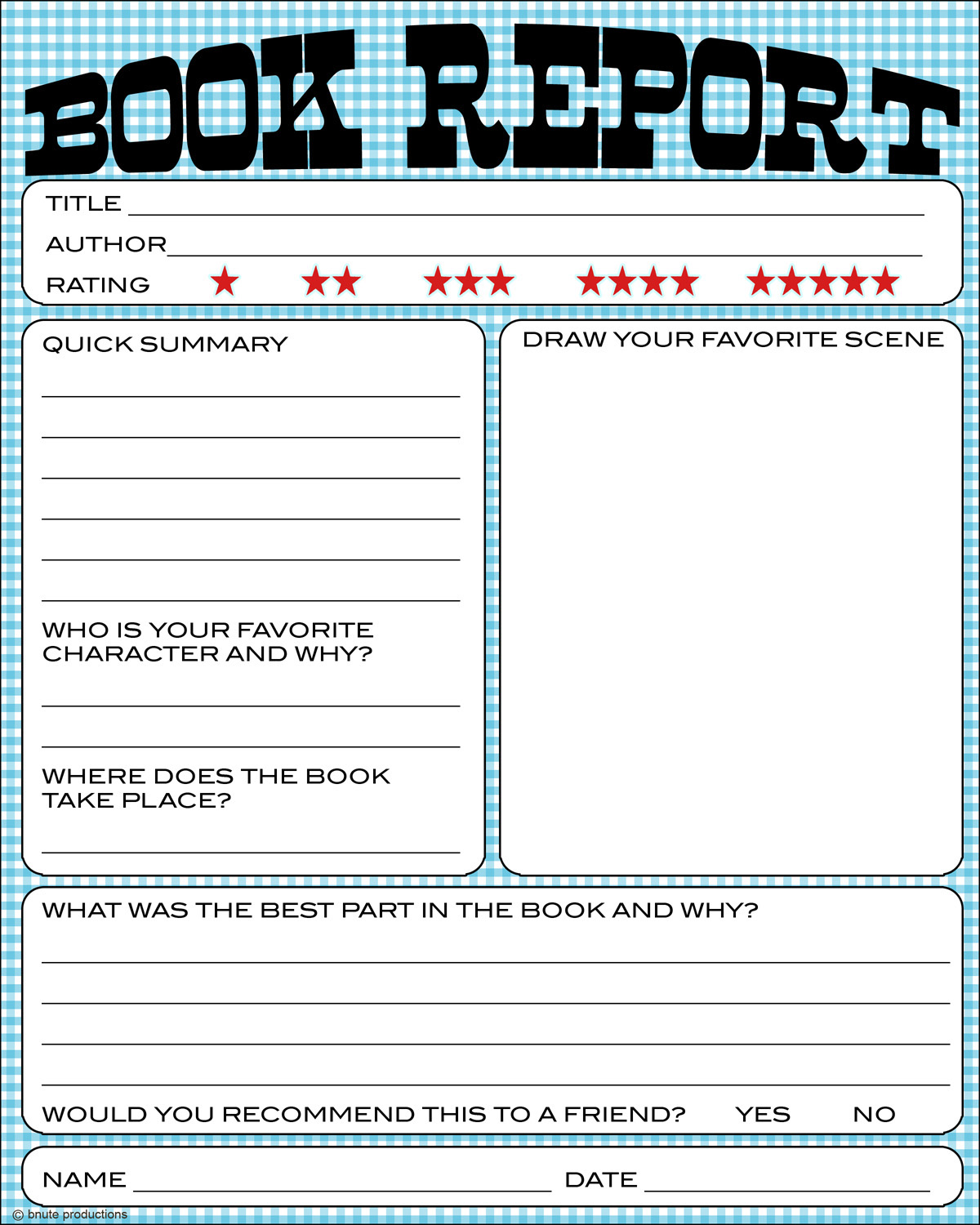
Kids Book Report Template for Engaging and Age-Appropriate Learning

A Kids Book Report Template for Fun and Guided Learning is designed with simplicity and creativity in mind.

Common features include:

  • Short-answer prompts
  • Drawing or illustration sections
  • Favorite part questions
  • Simple opinion statements

These templates make book reporting accessible and enjoyable for younger readers.

Choosing the Right Book Report Template

Selecting the right format depends on:

  • Reader age and skill level
  • Type of book
  • Learning objectives
  • Assessment needs

A Book Report should challenge readers without overwhelming them. Simpler templates work best for beginners, while more detailed formats suit advanced readers.

Adapting Book Reports for Different Grade Levels

Book reporting expectations should evolve as readers develop.

Early Readers

Focus on:

  • Basic recall
  • Simple summaries
  • Visual responses

Intermediate Readers

Focus on:

  • Paragraph writing
  • Character or idea analysis
  • Clear opinions

Advanced Readers

Focus on:

  • Deeper analysis
  • Evidence-based opinions
  • Thematic discussion

A flexible Book Report supports growth across these stages.

How Teachers Use Book Report Templates Effectively

Educators rely on templates to:

  • Standardize assignments
  • Clarify expectations
  • Simplify grading
  • Support diverse learning needs

Templates also help teachers assess comprehension consistently while allowing creativity within structure.

How Parents Can Support Book Reports at Home

Parents can use templates to guide discussions and reinforce learning.

Helpful strategies include:

  • Talking about the book before writing
  • Helping identify key points
  • Encouraging personal opinions
  • Reviewing the completed report together

A clear Book Report makes it easier to support without over-directing.

Common Mistakes in Book Report Writing

Even with templates, readers may encounter challenges.

Common issues include:

  • Copying text directly from the book
  • Writing summaries that are too long or too short
  • Missing key ideas
  • Giving opinions without explanation

Templates that include guiding questions help reduce these mistakes.

Best Practices for Writing High-Quality Book Reports

To create strong book reports:

  • Read actively and take notes
  • Follow the template sections carefully
  • Use original wording
  • Support opinions with examples
  • Review for clarity and completeness

These habits strengthen both reading and writing skills.

Using Book Reports to Encourage a Love of Reading

When designed thoughtfully, book reports can enhance enjoyment rather than reduce it.

They help readers:

  • Engage more deeply with stories
  • Express personal reactions
  • Feel proud of completed work
  • Build long-term reading confidence

A well-structured Book Report turns reading into an interactive and meaningful activity.

Flexibility and Creativity in Book Report Templates

Effective templates allow room for creativity while maintaining structure.

Options include:

  • Alternative formats (posters, journals, slides)
  • Visual elements
  • Choice-based reflection questions

Flexibility keeps readers motivated and invested.

Long-Term Benefits of Using Book Report Templates

Consistent use of book report templates supports:

  • Strong literacy foundations
  • Clear communication skills
  • Analytical thinking
  • Academic independence

Over time, these skills transfer to essays, presentations, and research writing.

Conclusion

A Book Report Template is a powerful educational tool that supports reading comprehension, writing organization, and critical thinking. By providing clear guidance, it helps readers summarize content, analyze ideas, and express opinions with confidence.

Whether using a Book Report Fiction Template for Story Analysis, a Book Report Nonfiction Template for Informational Clarity, or a Kids Book Report Template for Engaging Learning, the right format makes book reporting meaningful and effective.

When applied consistently, book report templates do more than assess reading—they develop lifelong learning skills and a deeper appreciation for books.

Elementary School Book Report Template: 12+ BEST Formats

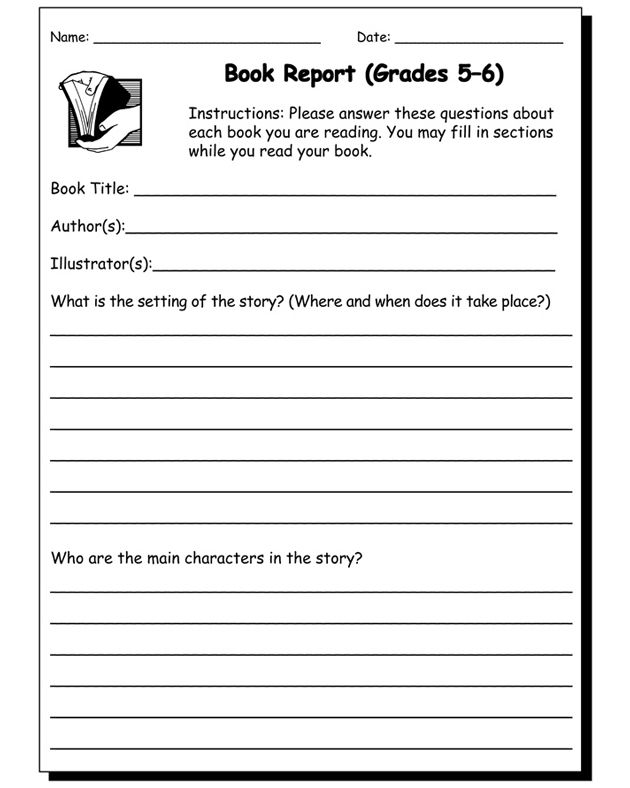
Elementary School Book Report Template use plays an important role in helping young learners organize their thoughts, understand stories deeply, and communicate ideas clearly. At the elementary level, book reports are not just writing exercises—they are tools for developing comprehension, vocabulary, structure, and confidence in expressing opinions.

Without a clear framework, students often struggle to summarize stories, identify key elements, or explain what they learned from a book. A well-designed template provides guidance while still allowing creativity and personal reflection.

What Is an Elementary School Book Report Template?

An Elementary School Book Report Template is a structured guide that helps students summarize and analyze a book in an age-appropriate way. It breaks the reporting process into manageable sections, making it easier for children to understand what information to include and how to present it.

These templates are designed to:

  • Support reading comprehension
  • Encourage organized writing
  • Develop critical thinking
  • Build confidence in written expression
  • Make book reporting less overwhelming

By using a consistent format, students can focus more on understanding the story and less on figuring out how to start.

Why Book Reports Matter in Elementary Education

Book reports play a foundational role in literacy development. At the elementary level, students are learning how to:

  • Identify main ideas
  • Recall important details
  • Understand characters and settings
  • Express opinions with reasons

A structured Book Report Template helps teachers assess comprehension while giving students a clear roadmap for success.

Book reports also encourage accountability, as students must engage with the text carefully in order to complete the assignment accurately.

Key Learning Skills Developed Through Book Reports

Using a consistent reporting structure supports multiple learning objectives.

Reading Comprehension

Students learn to recognize plot, themes, and key events.

Writing Organization

Templates teach students how to structure information logically.

Critical Thinking

Students are encouraged to reflect, evaluate, and form opinions.

Vocabulary Development

Writing about books exposes students to new words and concepts.

Communication Skills

Clear reporting improves written clarity and expression.

A strong Elementary School Book Report Template supports all of these skills simultaneously.

Core Elements of an Effective Elementary Book Report

While complexity varies by grade level, effective book report templates share common components.

Book Information

This section includes the title, author, and sometimes the illustrator.

Main Characters

Students identify key characters and briefly describe them.

Setting

The time and place where the story occurs.

Summary

A short retelling of the story using the student’s own words.

Favorite Part

Students explain which part they liked most and why.

Lesson or Message

This section encourages reflection on what the story teaches.

Every Elementary School Book Report Template should keep instructions simple and language age-appropriate.

Different Types of Elementary School Book Report Templates

Not all students learn the same way. Different formats help meet different learning needs.

Elementary Book Report Template for Clear and Guided Writing

An Elementary Book Report Template for Clear and Guided Writing provides step-by-step prompts that help students organize their thoughts.

This format is ideal for:

  • Early elementary grades
  • Struggling readers
  • Independent practice

Guided templates reduce anxiety and help students stay focused.

Get also: Academic Progress Report Template

Kids Book Report Template for Creative and Engaging Responses

A Kids Book Report Template for Creative and Engaging Responses incorporates visuals, drawings, or short-answer prompts.

This format often includes:

  • Character drawings
  • Scene illustrations
  • Emoji-style reactions
  • Short opinion prompts

Creative templates make book reporting fun and accessible for younger learners.

Grade School Book Report Template for Skill Progression

A Grade School Book Report Template for Structured Skill Progression gradually increases expectations as students advance.

This format may add:

  • Longer summaries
  • Character analysis
  • Simple theme discussion
  • Opinion with evidence

It supports a smooth transition from basic recall to deeper analysis.

Get also: Middle School Book Report Template

Choosing the Right Book Report Template by Grade Level

The effectiveness of a book report depends on matching the template to the student’s developmental stage.

Lower Elementary (Grades 1–2)

Focus on:

  • Simple prompts
  • Short answers
  • Visual elements

Upper Elementary (Grades 3–5)

Focus on:

  • Paragraph writing
  • Story structure
  • Personal reflection

A well-matched Elementary School Book Report Template keeps students challenged without causing frustration.

How Teachers Use Book Report Templates Effectively

Teachers rely on structured templates to:

  • Standardize assessment
  • Save instructional time
  • Provide clear expectations
  • Support diverse learners

Templates also make grading more consistent by ensuring students respond to the same prompts.

When used regularly, book report templates help establish strong literacy routines.

How Parents Can Support Book Reports at Home

Parents play an important role in reinforcing reading and writing skills.

Helpful strategies include:

  • Discussing the story before writing
  • Helping children identify key events
  • Encouraging opinions and personal connections
  • Reviewing the template together

A clear Elementary School Book Report Template makes it easier for parents to guide without doing the work for the child.

Common Mistakes Students Make in Book Reports

Even with a template, students may struggle if expectations are unclear.

Common issues include:

  • Retelling too much or too little
  • Copying text directly from the book
  • Forgetting key story elements
  • Writing opinions without explanations

Templates that include guiding questions help prevent these problems.

Best Practices for Creating High-Quality Book Reports

To help students succeed:

  • Encourage reading comprehension before writing
  • Use simple, clear instructions
  • Allow creativity within structure
  • Provide examples or models
  • Offer feedback focused on effort and understanding

A supportive approach builds confidence and motivation.

Using Book Reports to Build a Love of Reading

Book reports should not feel like punishment. When designed well, they can:

  • Encourage deeper engagement with books
  • Help students express personal interests
  • Build pride in completed work
  • Strengthen long-term reading habits

A thoughtful Elementary School Book Report Template turns reading into an interactive learning experience rather than a chore.

Adapting Book Report Templates for Different Learning Styles

Students learn in different ways, and templates can reflect that diversity.

  • Visual learners benefit from drawing sections
  • Verbal learners enjoy written reflection prompts
  • Reluctant writers benefit from sentence starters

Flexible templates support inclusion and differentiated instruction.

Long-Term Benefits of Structured Book Reporting

Consistent use of book report templates helps students develop:

  • Strong literacy foundations
  • Confidence in writing
  • Analytical thinking skills
  • Academic independence

Over time, these skills transfer to other subjects and higher-grade writing tasks.

Conclusion

An Elementary School Book Report Template is a powerful educational tool that supports reading comprehension, writing development, and critical thinking. By providing a clear structure, it helps young learners organize ideas, reflect on stories, and communicate understanding with confidence.

Whether using an Elementary Book Report Template for Clear and Guided Writing, a Kids Book Report Template for Creative and Engaging Responses, or a Grade School Book Report Template for Structured Skill Progression, the right format makes book reporting meaningful and age-appropriate.

When applied consistently, book report templates do more than assess reading—they nurture curiosity, expression, and a lifelong love of learning.

Travel Expense Report Template: 9+ Proven Formats to Track Trips

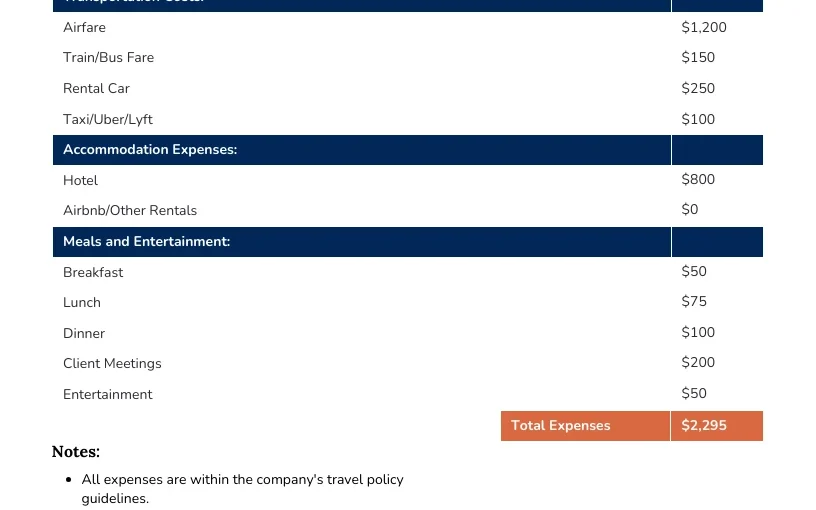
Travel expense report template usage is essential for documenting costs incurred during business trips, field assignments, and professional travel activities. Travel-related expenses often involve multiple categories, currencies, and reimbursement rules, making structured reporting critical for accuracy and accountability.

Without a standardized format, travel expenses can become difficult to verify, inconsistent to review, and prone to disputes. A clear reporting structure ensures that every travel cost is documented properly, approved efficiently, and aligned with financial policies.

What Is a Travel Expense Report Template?

A travel expense report template is a structured document used to record and summarize expenses related to business travel. It captures essential details such as transportation costs, lodging, meals, daily allowances, and incidental expenses within a defined travel period.

This type of reporting is designed to:

  • Support reimbursement requests
  • Ensure compliance with travel policies
  • Improve transparency in travel spending
  • Simplify review and approval processes
  • Maintain accurate financial records

By standardizing how travel costs are documented, organizations reduce errors and improve financial control.

Why Travel Expense Reporting Requires a Dedicated Format

Travel expenses differ from regular operational costs. They often include:

  • Multiple expense categories
  • Daily allowances or limits
  • Variable pricing
  • Receipts from different vendors or locations

A dedicated travel expense report ensures that these complexities are handled consistently. It also helps reviewers assess whether expenses align with policy guidelines and approved travel plans.

Core Components of an Effective Travel Expense Report

Although formats vary, high-quality travel expense reports share common elements that balance detail with usability.

Traveler and Trip Information

This section identifies the traveler, destination, travel dates, and purpose of the trip.

Expense Categories

Typical categories include transportation, accommodation, meals, and miscellaneous travel costs.

Itemized Expense Entries

Each entry records the date, description, amount, currency, and payment method.

Daily or Trip Totals

Totals provide a clear summary of spending at both daily and overall trip levels.

Supporting Documentation

Receipts or references support verification and approval.

Every expense report template should present these components in a clear, repeatable structure.

Common Types of Travel Expense Report Templates

Different travel scenarios require tailored reporting formats. Below are the most commonly used variations.

Travel and Expense Report Template for End-to-End Cost Visibility

A travel and expense report template for end-to-end cost visibility combines trip-related expenses with other reimbursable costs. This format is often used in corporate environments where travel is closely tied to project or client work.

It typically includes:

  • Travel-specific expenses
  • Additional business-related costs
  • Consolidated totals

This integrated approach simplifies submission and review.

Travel Expense Report Form for Standardized Submission

A travel expense report form for standardized submission focuses on clarity and consistency. It uses predefined fields and categories to reduce ambiguity and speed up approvals.

This format is ideal for:

  • Organizations with strict travel policies
  • High-volume travel reporting
  • Centralized finance review

Standardized forms ensure that all required information is provided upfront.

Per Diem Expense Report Template for Daily Allowance Control

A per diem expense report template for allowance-based travel control tracks daily travel allowances rather than itemized meal expenses.

This format is widely used when:

  • Daily meal limits are fixed
  • Policy simplifies reimbursement
  • Administrative efficiency is a priority

Per diem reporting reduces paperwork while maintaining compliance.

Get also: Daily Expense Report Template

Choosing the Right Travel Expense Report Template

Selecting the appropriate format depends on:

  • Travel frequency
  • Policy requirements
  • Level of expense detail
  • Approval workflow

A travel expense report template should be easy to complete while capturing all policy-required details. Overly complex formats discourage timely submission, while overly simple ones may lack sufficient documentation.

Who Uses Travel Expense Reports Most Frequently

Travel expense reporting is common across many roles and industries.

Corporate Employees

Employees use travel reports to claim reimbursement for approved business trips.

Sales and Client-Facing Teams

Frequent travel makes consistent expense documentation critical for control and budgeting.

Consultants and Contractors

Accurate reporting supports client billing and internal cost tracking.

Field and Remote Teams

Travel reports ensure visibility into costs incurred outside the office.

In all cases, structured reporting reduces friction and improves clarity.

Common Mistakes in Travel Expense Reporting

Even with a good template, issues can arise if reporting discipline is weak. Common mistakes include:

  • Missing receipts
  • Incorrect categorization
  • Late submissions
  • Exceeding policy limits without explanation

A strong travel expense report template encourages completeness and transparency, reducing these risks.

Best Practices for Accurate Travel Expense Reports

To maintain high-quality travel expense documentation:

  • Record expenses promptly
  • Keep receipts organized
  • Follow category guidelines
  • Review totals before submission
  • Provide explanations for exceptions

These practices support faster approvals and fewer disputes.

Managing Multi-Day and International Travel Expenses

Longer or international trips introduce additional complexity, such as:

  • Currency conversion
  • Varying tax rules
  • Different per diem rates

A well-designed travel expense report template accommodates these factors by allowing clear documentation of currencies, exchange rates, and location-based allowances.

Using Travel Expense Data to Improve Cost Control

Travel expense data becomes valuable when reviewed collectively. Over time, reports reveal:

  • High-cost travel patterns
  • Opportunities for policy optimization
  • Vendor or route efficiencies
  • Budget alignment issues

Consistent reporting supports better travel planning and cost management.

Integrating Travel Expense Reports with Financial Systems

Travel expense reports often feed into:

  • Reimbursement systems
  • Project cost tracking
  • Budget monitoring
  • Financial statements

Accurate reporting at the travel level ensures reliability across broader financial records.

Long-Term Benefits of Standardized Travel Expense Reporting

Organizations that adopt structured travel reporting gain:

  • Faster reimbursement cycles
  • Improved policy compliance
  • Reduced financial disputes
  • Clearer audit trails
  • Better visibility into travel spending

A reliable travel expense report becomes a cornerstone of financial transparency.

Travel Expense Reporting and Policy Compliance

Clear reporting reinforces compliance by making expectations visible. When travelers know exactly what to report and how to report it, adherence to policy improves naturally.

Templates that align closely with policy rules reduce misunderstandings and manual corrections.

Conclusion

A travel expense report template is a critical tool for tracking travel-related costs, maintaining transparency, and ensuring accurate reimbursement. By standardizing how expenses are documented, organizations and individuals gain clarity, consistency, and control.

Whether using a travel and expense report template for end-to-end cost visibility, a travel expense report form for standardized submission, or a per diem expense report template for allowance-based travel control, the right format simplifies reporting and strengthens financial discipline.

When applied consistently, travel expense reporting transforms trip-related spending into actionable financial insight and long-term cost efficiency.

Daily Expense Report Template: 10+ Free Practical Formats to Control Spending

Daily Expense Report Template usage plays a critical role in maintaining financial accuracy and spending control, especially in environments where transactions occur frequently. Daily reporting creates immediate visibility into costs, prevents small expenses from being overlooked, and supports stronger financial discipline over time.

Unlike weekly or monthly summaries, daily expense documentation captures financial activity at its most granular level. This allows individuals, teams, and businesses to respond quickly to overspending, reconcile records accurately, and maintain real-time awareness of cash movement.

What Is a Daily Expense Report Template?

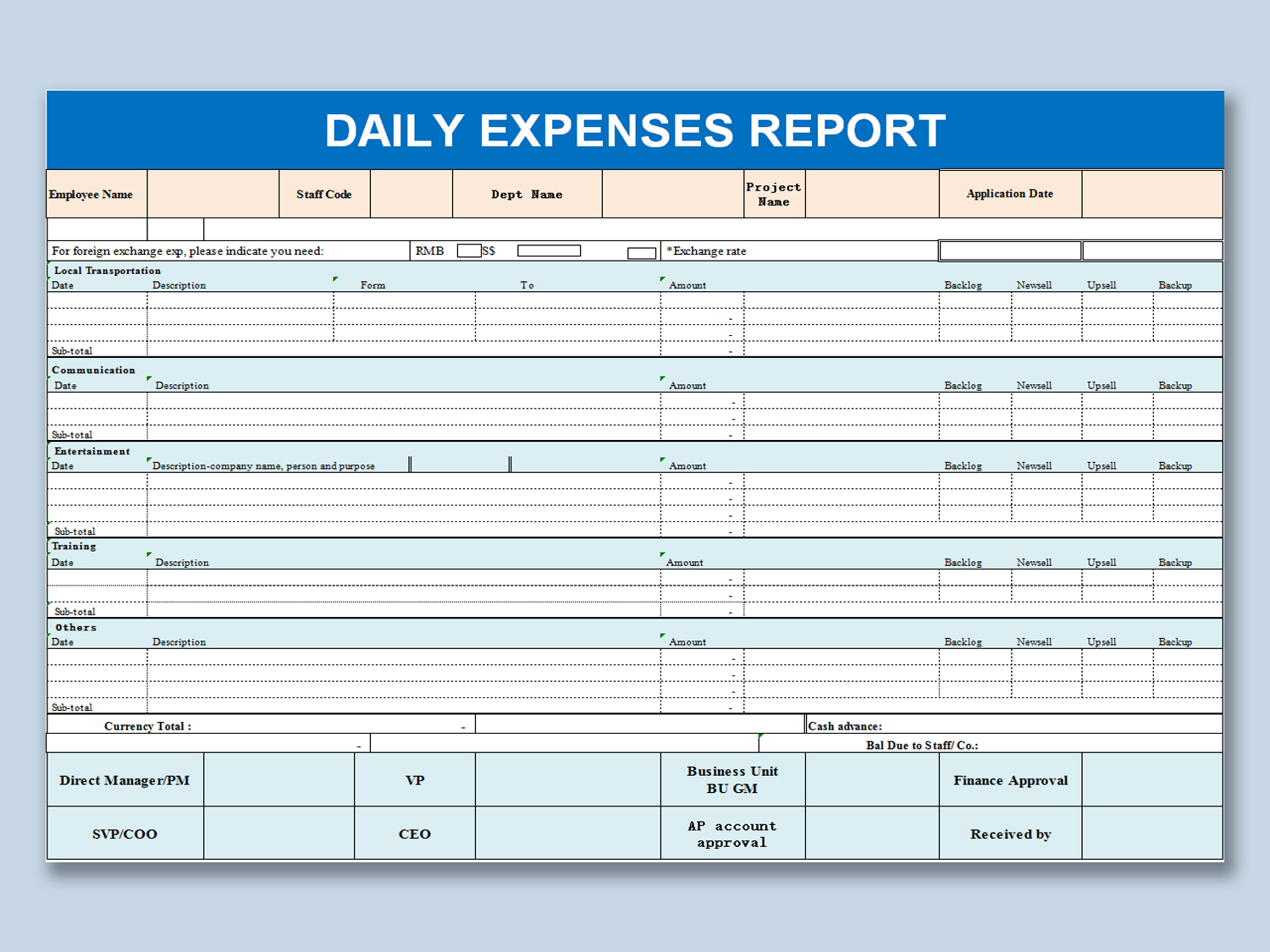
A Daily Expense Report is a structured format used to record expenses incurred within a single day. It documents transaction details such as date, category, description, payment method, and amount, ensuring that every expense is captured promptly and consistently.

Daily reporting is especially valuable when:

  • Transactions are frequent or cash-based
  • Budget control requires close monitoring
  • Financial accuracy is a priority
  • Reconciliation needs to happen quickly

By standardizing how expenses are recorded each day, financial data becomes more reliable and easier to analyze.

Why Daily Expense Tracking Matters

Daily expense tracking creates awareness. When expenses are logged immediately, spending behavior becomes more intentional and controlled.

Using a Daily Expense Report Template helps:

  • Prevent forgotten or missing entries
  • Reduce errors caused by delayed reporting
  • Improve accuracy in financial records
  • Strengthen accountability for daily spending
  • Support faster reconciliation and review

Over time, daily tracking builds a habit of financial discipline that supports healthier cash management.

Daily Reporting vs. Periodic Expense Reports

While weekly and monthly reports summarize spending trends, daily reports focus on execution-level accuracy.

Daily reporting emphasizes:

  • Transaction-level detail
  • Immediate visibility
  • Short feedback loops

Periodic reports emphasize:

  • Aggregated trends
  • Budget comparison
  • Strategic analysis

A daily format does not replace longer reporting cycles; it strengthens them by ensuring the underlying data is accurate and complete.

Core Elements of an Effective Daily Expense Report

A strong daily expense report balances simplicity with completeness. The following components are essential for clarity and consistency.

Date and Reporting Reference

Each report clearly identifies the day covered to avoid confusion during reconciliation.

Expense Category

Categorization allows expenses to be grouped and analyzed later, such as transportation, meals, supplies, or operational costs.

Description or Purpose

A brief explanation provides context and supports transparency.

Payment Method

Cash, card, or digital payment methods are documented for tracking and reconciliation.

Amount

Each transaction amount is recorded clearly to ensure accurate totals.

Daily Total

A summary of total expenses for the day provides an instant snapshot of spending.

Every Expense Report Template should present these elements in a clear, repeatable structure.

Who Benefits Most from Daily Expense Reporting

Daily expense tracking is widely used across different roles and industries.

Individuals and Personal Finance Users

Daily reporting helps individuals monitor spending habits and avoid unnecessary expenses.

Small Business Owners

Frequent expense visibility supports better cash flow management and cost control.

Field Teams and Mobile Workers

Daily reporting ensures expenses are captured while details are still fresh.

Retail and Sales Operations

High transaction volume makes daily documentation essential for accuracy.

Regardless of context, daily reporting reduces financial blind spots.

Specialized Types of Daily Expense Report Templates

Different use cases require tailored daily formats. Below are common variations used in real-world financial tracking.

Daily Income and Expense Report Template for Complete Cash Flow Visibility

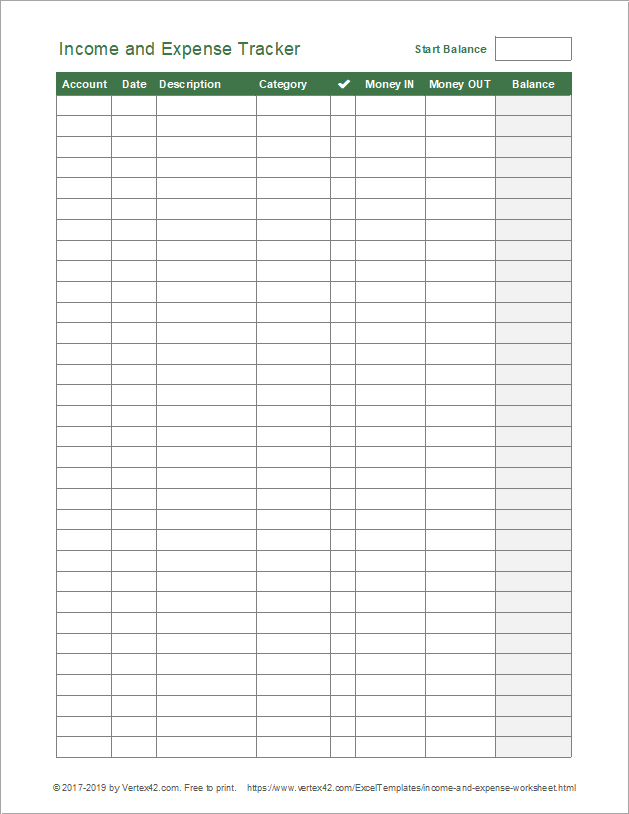
A Daily Income and Expense Report Template for Complete Cash Flow Visibility tracks both money coming in and money going out within the same day.

This format is ideal for:

  • Small shops and kiosks
  • Freelancers and self-employed professionals
  • Cash-based businesses

By recording income and expenses together, users gain a clear picture of daily net performance rather than isolated cost data.

Get also: Travel Expense Report Template

Daily Expense Tracker Template for Simple and Consistent Monitoring

A Daily Expense Tracker Template for Effortless Monitoring and Control focuses on ease of use and speed.

This format emphasizes:

  • Minimal fields
  • Quick data entry
  • Clear daily totals

Expense tracker templates are commonly used for personal budgeting or informal business tracking, where simplicity encourages consistency.

Daily Sales Report Template for Transaction-Level Revenue Insight

A Daily Sales Report Template for Accurate Revenue Oversight integrates expense tracking with sales performance.

This format typically includes:

  • Daily sales totals
  • Expense summaries
  • Net daily results

Sales-driven environments benefit from this structure because it links costs directly to revenue outcomes.

Choosing the Right Daily Expense Report Template

Selecting the right daily format depends on:

  • Transaction volume
  • Level of detail required
  • Reporting audience
  • Reconciliation needs

A Daily Expense Report Template should be simple enough to use every day without friction. If the format feels burdensome, consistency will suffer.

The best template is one that users can complete quickly while still capturing meaningful financial data.

Common Mistakes in Daily Expense Reporting

Daily reporting loses value when common errors occur, such as:

  • Recording expenses days later
  • Skipping small transactions
  • Using inconsistent categories
  • Failing to review daily totals

Even minor lapses can accumulate into significant inaccuracies over time. Consistency is more important than complexity.

Best Practices for Accurate Daily Expense Tracking

To maintain high-quality daily reports:

  • Record expenses immediately
  • Use predefined categories
  • Keep descriptions short but clear
  • Review totals at the end of each day
  • Store reports in a centralized location

These practices ensure that daily records remain reliable and actionable.

Using Daily Expense Data for Better Financial Decisions

Daily expense data becomes powerful when reviewed regularly. Over time, patterns emerge that reveal:

  • Spending habits
  • Cost drivers
  • Inefficiencies
  • Opportunities for savings

A Daily Expense Report Template provides the raw data needed to support smarter budgeting and stronger financial planning.

When daily records feed into weekly or monthly summaries, decision-making becomes more accurate and informed.

Daily Reporting and Financial Discipline

Financial discipline is built through repetition. Daily expense reporting reinforces awareness and accountability by making spending visible every single day.

Instead of reacting to overspending after it happens, daily reporting enables proactive control. Small adjustments made daily often prevent larger financial issues later.

Long-Term Benefits of Daily Expense Reporting

Consistent daily expense tracking delivers long-term value, including:

  • Improved cash flow awareness
  • Reduced financial errors
  • Stronger documentation
  • Faster reconciliation processes
  • Better budget alignment

A well-maintained Daily Expense Report Template becomes the foundation of reliable financial records.

Integrating Daily Expense Reports with Other Financial Records

Daily reports work best when integrated with broader financial systems.

They often feed into:

  • Weekly summaries
  • Monthly expense reports
  • Budget tracking documents
  • Financial statements

This layered reporting structure ensures accuracy from the transaction level up to strategic analysis.

Conclusion

A Daily Expense Report Template is an essential tool for controlling spending, maintaining accuracy, and building strong financial habits. By capturing expenses at the moment they occur, daily reporting eliminates guesswork and strengthens accountability.

Whether combined with a Daily Income and Expense Report Template for Complete Cash Flow Visibility, a Daily Expense Tracker Template for Effortless Monitoring, or a Daily Sales Report Template for Accurate Revenue Oversight, the right daily format ensures that financial activity remains transparent and actionable.

When applied consistently, daily expense reporting transforms routine transactions into meaningful financial insight and long-term control.

Expense Report Template – Strengthen 2026 Financial Transparency

Expense Report Template systems are essential for documenting costs, monitoring spending patterns, and maintaining financial accountability across organizations of all sizes. Without a standardized reporting format, expense tracking often becomes inconsistent, error-prone, and difficult to analyze. A structured template turns scattered receipts and transactions into clear financial insight.

Whether used by individuals, teams, or entire organizations, expense reporting supports better budgeting, clearer reimbursement processes, and stronger financial oversight. This article explores the purpose of expense reporting, the key components of an effective template, and the most practical formats used in different financial reporting scenarios.

What Is an Expense Report Template and Why Does It Matter

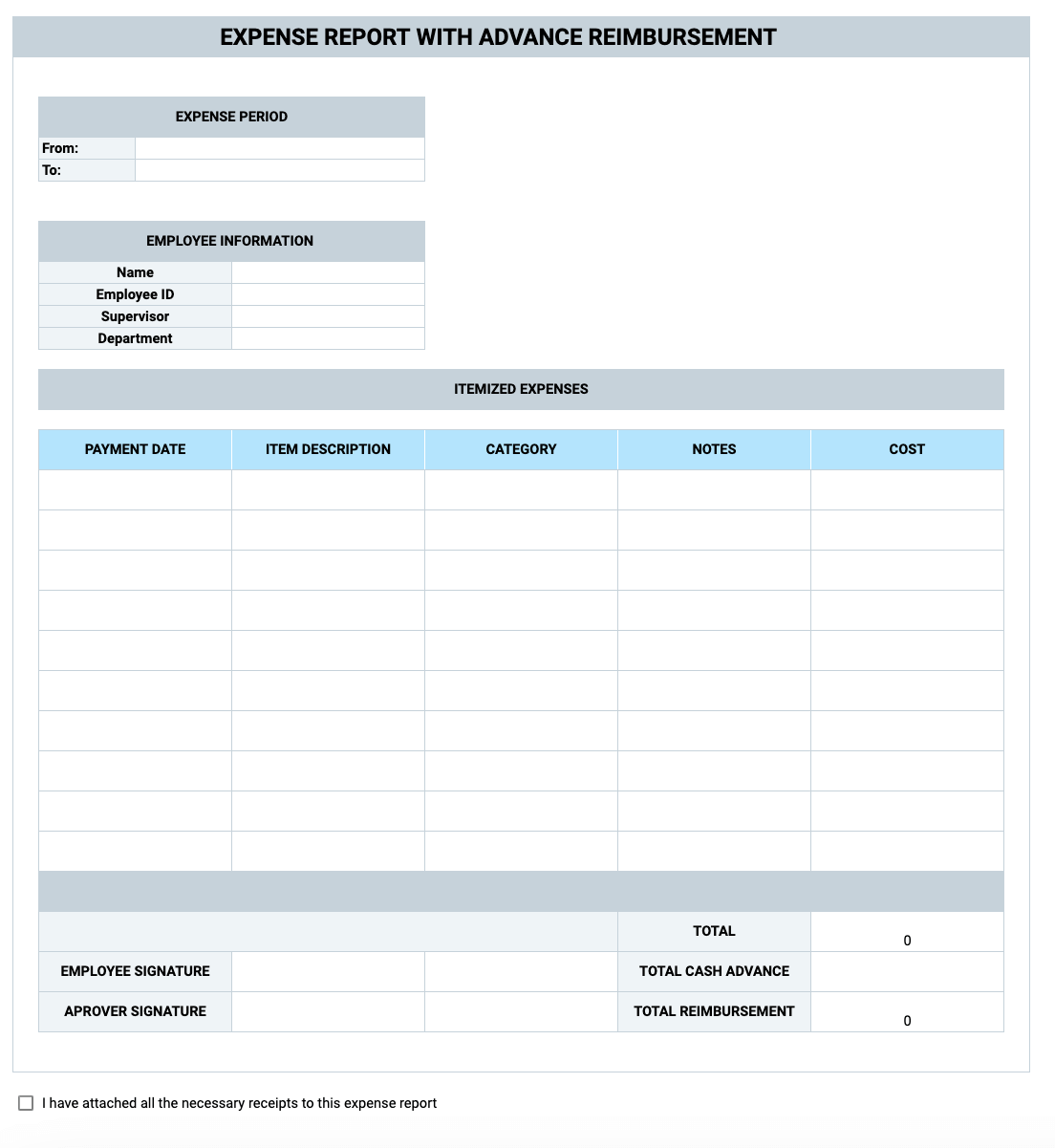
An Expense Report is a structured document designed to record, categorize, and summarize expenses over a specific period. Its primary purpose is to provide transparency into how money is spent and to ensure that financial records are accurate and complete.

Organizations and individuals rely on standardized expense reporting to:

  • Track spending consistently
  • Support reimbursement and approval workflows
  • Identify cost patterns and anomalies
  • Improve budget control and forecasting
  • Maintain clear financial documentation

By using the same reporting framework repeatedly, expense data becomes easier to review, compare, and validate.

The Role of Expense Reporting in Financial Management

Expense reporting plays a critical role in maintaining financial discipline. When expenses are recorded consistently, decision-makers gain visibility into where funds are allocated and how spending aligns with planned budgets.

A well-designed Expense Report helps prevent:

  • Missing or duplicated expense entries
  • Unclear spending justifications
  • Delayed reimbursements
  • Inaccurate financial summaries

Clear documentation also builds trust between employees, finance teams, and management by ensuring that all expenses are transparent and verifiable.

Essential Components of an Effective Expense Report

Although formats may vary, effective expense reports share a common structure that balances detail with usability.

Reporting Period and Basic Information

This section defines the timeframe covered by the report and includes basic details such as name, department, or project reference.

Expense Categories

Expenses are grouped into clear categories, such as travel, meals, supplies, or operational costs, to improve clarity and analysis.

Itemized Expense Details

Each expense entry typically includes the date, description, amount, and payment method.

Supporting Documentation

Receipts or references are listed to support verification and approval.

Total Expense Summary

A consolidated summary shows total spending for the reporting period.

Approval and Review Section

Every Expense Report Template should include space for review, approval, or acknowledgment, ensuring accountability.

Common Types of Expense Report Templates

Different financial needs require different reporting formats. Below are the most widely used expense report variations.

Expense and Income Report Template for Balanced Financial Tracking

An Expense and Income Report Template for Balanced Financial Tracking combines cost tracking with income documentation. This format provides a clearer picture of overall financial performance.

It is commonly used for:

  • Small businesses
  • Freelancers and consultants
  • Personal finance tracking

By capturing both inflows and outflows, this template supports better cash flow awareness and financial planning.

Get also: Annual Income and Expense Report Template

Monthly Expense Report Template for Consistent Budget Oversight

A Monthly Expense Report Template summarizes expenses over a fixed monthly period. Monthly reporting allows for reliable comparison and trend analysis.

This format typically includes:

  • Monthly spending totals
  • Category-based summaries
  • Comparison with planned budgets
  • Notable variances

Monthly expense reports are widely used by finance teams, managers, and individuals who require structured oversight without daily detail.

Free Printable Expense Report Form for Simple Documentation

A Free Printable Expense Report Form for Simple Documentation provides a straightforward, paper-based solution for recording expenses.

This format is especially useful for:

  • Small teams
  • Field workers
  • Temporary or offline reporting needs

While simple, printable forms still support consistency and clarity when designed with clear fields and categories.

Get also: Travel Expense Report Template

Choosing the Right Expense Report Template

Selecting the appropriate template depends on several factors:

  • Reporting frequency
  • Level of detail required
  • Approval processes
  • User familiarity

A good Expense Report should be easy to complete consistently while capturing all necessary financial details.

Overly complex templates discourage regular use, while overly simple formats may lack sufficient information for proper review.

Adapting Expense Reports for Different Use Cases

Expense reporting requirements vary across roles and contexts.

Employee Expense Reporting

Employees benefit from clear templates that simplify submission and reimbursement.

Team or Project Reporting

Project-based expense reports help track costs against specific initiatives or budgets.

Personal Expense Tracking

Individuals use simplified templates to monitor spending habits and manage budgets.

Tailoring the format ensures that expense reporting remains efficient and accurate.

Common Mistakes in Expense Reporting

Even well-designed templates can lose effectiveness if common mistakes occur, such as:

  • Incomplete or missing expense details
  • Poor categorization
  • Delayed reporting
  • Inconsistent reporting periods

A strong Expense Report Template emphasizes completeness, accuracy, and consistency.

Best Practices for Maintaining Accurate Expense Reports

To maximize the value of expense reporting:

  • Record expenses promptly
  • Use clear and consistent categories
  • Attach supporting documentation
  • Review reports before submission
  • Maintain a consistent reporting schedule

These practices reduce errors and improve financial reliability.

Using Expense Reports to Improve Financial Decisions

Expense reports are not only for recordkeeping. When reviewed regularly, an Expense Report Template supports better decision-making by revealing spending patterns and cost drivers.

Consistent reporting helps organizations and individuals:

  • Identify unnecessary expenses
  • Adjust budgets proactively
  • Improve cost control
  • Strengthen financial planning

Over time, historical expense data becomes a valuable resource for forecasting and optimization.

Long-Term Benefits of Standardized Expense Reporting

Organizations that adopt structured expense reporting gain:

  • Improved financial transparency
  • Faster approval and reimbursement cycles
  • Reduced risk of errors or disputes
  • Stronger budget discipline
  • Clearer audit trails

A reliable Expense Report Template becomes a foundational element of sound financial management.

Conclusion

An Expense Report is a vital tool for tracking spending, maintaining transparency, and supporting informed financial decisions. By standardizing how expenses are documented and reviewed, individuals and organizations gain clarity, consistency, and control.

Whether using an Expense and Income Report Template for Balanced Financial Tracking, a Monthly Expense Report Template for Consistent Budget Oversight, or a Free Printable Expense Report Form for Simple Documentation, the right format ensures that financial data is accurate, accessible, and actionable.

When applied consistently, expense reporting transforms everyday transactions into meaningful financial insight and stronger fiscal discipline.

Weekly Progress Report Template – 10+ Formats to Improve Accountability

Weekly Progress Report Template structures are essential for teams and organizations that operate in fast-moving environments where visibility, alignment, and timely action matter. Weekly reporting provides a short feedback loop that helps identify issues early, maintain execution momentum, and ensure that priorities stay on track.

Without a standardized weekly format, progress updates often become fragmented, inconsistent, or overly informal. A clear reporting structure transforms weekly activity into meaningful insight that supports coordination, accountability, and continuous improvement.

What Is a Weekly Progress Report?

A Weekly Progress Report is a structured document used to summarize progress, activities, challenges, and next steps within a one-week reporting period. Its primary goal is to provide a clear and consistent snapshot of work status that supports timely decision-making.

Weekly reports focus on execution rather than long-term strategy. They answer critical questions such as:

  • What was planned for the week?
  • What was completed?
  • What is still in progress?
  • What issues or risks emerged?
  • What are the priorities for next week?

By answering these questions consistently, weekly reporting keeps teams aligned and accountable.

Why Weekly Progress Reporting Is So Effective

Weekly reporting strikes an ideal balance between detail and efficiency. It is frequent enough to catch issues early, yet structured enough to prevent information overload.

A Weekly Progress Report helps teams:

  • Detect delays before they escalate
  • Maintain focus on short-term priorities
  • Track execution against plans
  • Improve communication across roles
  • Reinforce accountability at the task level

Because the reporting cycle is short, corrective actions can be taken quickly and with minimal disruption.

Core Components of an Effective Weekly Progress Report

Although formats vary by context, high-quality weekly reports share common structural elements.

Reporting Period and Scope

This section clearly defines the week covered and the scope of work included in the report.

Planned vs. Completed Tasks

Comparing planned activities with completed work helps assess execution accuracy and reliability.

Work in Progress

This section documents ongoing tasks, their current status, and expected completion timelines.

Issues, Risks, and Blockers

Early identification of challenges allows teams to resolve problems before they affect delivery.

Key Outcomes or Learnings

Notable achievements or lessons learned during the week are highlighted here.

Next Week’s Priorities

Every Weekly Progress Report Template should end with a clear outline of upcoming priorities and responsibilities.

How Weekly Reporting Improves Execution Discipline

Weekly reporting reinforces discipline by creating a predictable rhythm of planning, execution, and review. When teams know progress will be reviewed weekly, priorities become clearer, and follow-through improves.

A Weekly Progress Report Template also encourages ownership. Individuals and teams become more conscious of commitments, timelines, and outcomes when progress is documented regularly.

Specialized Types of Weekly Progress Report Templates

Different contexts require tailored weekly reporting formats. Below are high-impact variations commonly used across industries and environments.

Weekly Project Status Report Template for Structured Delivery Control

A Weekly Project Status Report Template for Structured Delivery Control focuses on project-level execution, milestones, and dependencies.

This format typically includes:

  • Task completion status
  • Milestone progress
  • Schedule alignment
  • Resource or dependency issues

It is widely used in project management environments where coordination across roles and timelines is critical.

Weekly Student Progress Report Template for Academic Performance Tracking

A Weekly Student Progress Report Template for Academic Performance Tracking is designed to monitor learning progress, engagement, and development.

This report format often covers:

  • Academic tasks completed
  • Participation and engagement levels
  • Areas of improvement
  • Learning objectives for the next week

Educators and institutions use weekly student reports to provide timely feedback and support consistent progress.

Get also: Free Weekly Status Report Template Excel

Weekly Training Progress Report Template for Skill Development Monitoring

A Weekly Training Progress Report Template for Skill Development Monitoring tracks progress in structured learning or training programs.

Common elements include:

  • Training modules completed
  • Skill acquisition progress
  • Practice outcomes
  • Challenges or gaps

This format is especially useful in onboarding, professional development, and certification programs.

Choosing the Right Weekly Progress Report Template

Selecting the right template depends on several factors:

  • Nature of the work
  • Reporting audience
  • Level of detail required
  • Decision-making needs

A Weekly Progress Report Template should be simple enough to complete consistently, yet detailed enough to provide real value.

Overly complex templates discourage regular use, while overly simple formats risk missing critical insights.

Adapting Weekly Reports for Different Stakeholders

Although the core structure remains consistent, the presentation should vary depending on who will read the report.

Leadership and Management

Leaders benefit from summaries that highlight outcomes, risks, and alignment with short-term goals.

Team-Level Reporting

Teams need operational detail, task-level status, and clearly defined next steps.

External or Client-Facing Reporting

External audiences value clarity, transparency, and progress tied directly to agreed deliverables.

Tailoring reports ensures relevance without compromising consistency.

Common Mistakes in Weekly Progress Reporting

Weekly reports can lose effectiveness if common mistakes occur, such as:

  • Reporting activities without outcomes
  • Being too vague or overly detailed
  • Ignoring unresolved blockers
  • Changing the report structure frequently

A strong Weekly Progress Report Template emphasizes clarity, honesty, and actionability.

Best Practices for Writing Clear Weekly Progress Reports

To maximize the value of weekly reporting:

  • Use concise and specific language
  • Focus on results and implications
  • Be transparent about challenges
  • Keep formatting consistent
  • Align updates with weekly objectives

Well-written weekly reports support trust, alignment, and continuous improvement.

Using Weekly Progress Reports to Drive Better Decisions

The real value of a Weekly Progress Report lies in how it informs action. When reviewed consistently, weekly reports help teams:

  • Adjust priorities quickly
  • Resolve issues before they escalate
  • Improve execution accuracy
  • Strengthen short-term planning

Over time, weekly reporting creates a detailed execution history that supports better forecasting and performance evaluation.

Long-Term Benefits of Consistent Weekly Reporting

Organizations that adopt structured weekly reporting gain:

  • Stronger execution discipline
  • Improved communication
  • Reduced delivery risk
  • Clearer accountability
  • Better alignment across teams

A Weekly Progress Report Template becomes a foundational tool for maintaining momentum and operational clarity.

Conclusion

A Weekly Progress Report Template is a critical tool for tracking execution, maintaining alignment, and supporting timely decision-making. By standardizing how weekly updates are documented, organizations gain clarity, consistency, and accountability.

Whether using a Weekly Project Status Report Template for Structured Delivery Control, a Weekly Student Progress Report Template for Academic Performance Tracking, or a Weekly Training Progress Report Template for Skill Development Monitoring, the right reporting format ensures that progress is visible and actionable.

When applied consistently, weekly progress reporting transforms short-term activity into sustained performance and measurable results.

Monthly Progress Report Template – 2026 Strengthen Accountability

Monthly Progress Report Template frameworks are essential for organizations that need clear, structured visibility into ongoing work and performance outcomes. Monthly reporting sits at a critical intersection—frequent enough to detect issues early, yet comprehensive enough to show meaningful trends. Without a standardized format, monthly updates often become inconsistent, subjective, or difficult to compare.

A well-structured monthly report transforms scattered updates into reliable insights. It helps teams evaluate progress, communicate status clearly, and maintain accountability across projects, departments, and stakeholders.

What Is a Monthly Progress Report Template?

A Monthly Progress Report Template is a structured document used to summarize activities, achievements, challenges, and next steps within a single month. Its primary purpose is to provide a consistent snapshot of progress that supports informed decision-making.

Unlike informal updates, this template ensures that every report covers the same core elements, making comparisons between months clear and reliable. When used consistently, it becomes a powerful management and communication tool.

Organizations rely on monthly reporting to:

  • Track execution against planned objectives
  • Identify delays or performance gaps
  • Communicate progress transparently
  • Support accountability and ownership
  • Maintain alignment between planning and execution

Why Monthly Progress Reporting Is So Effective

Monthly reporting offers a balanced reporting cadence. It avoids the noise of daily or weekly updates while still providing timely insights before issues escalate.

A Monthly Progress Report allows teams to:

  • Review outcomes over a meaningful timeframe
  • Identify recurring patterns and trends
  • Assess whether corrective actions are working
  • Adjust priorities based on real progress

Because the timeframe is consistent, monthly reports provide a reliable foundation for comparison and performance evaluation.

Core Elements of a Strong Monthly Progress Report

An effective monthly report combines clarity, structure, and relevance. While formats may vary, the following elements are commonly included.

Reporting Period Summary

This section defines the month covered and provides a brief context for the report.

Objectives and Planned Activities

Clear objectives establish what the team aims to accomplish during the month.

Completed Work and Achievements

This section highlights milestones reached, tasks completed, and outcomes delivered, focusing on results rather than effort.

Ongoing Activities

Work still in progress is documented here, along with its current status and expected completion.

Challenges, Risks, and Constraints

Identifying issues early allows teams to take corrective action before delays or failures occur.

Next Month’s Action Plan

Every Monthly Progress Report should conclude with clear priorities and planned actions for the upcoming month.

How a Progress Report Template Supports Long-Term Consistency

A Progress Report Template provides the foundation for structured reporting beyond a single month. When the same framework is reused, teams can easily track performance trends over time.

Consistent reporting helps organizations:

  • Compare progress month over month
  • Maintain standardized documentation
  • Reduce ambiguity in performance reviews
  • Improve clarity in stakeholder communication

Monthly reports become more valuable with repetition, as historical data strengthens analysis and planning.

High-Impact Variations of Monthly Progress Reports

Different industries and functions require tailored reporting formats. Below are specialized monthly report variations commonly used in practice.

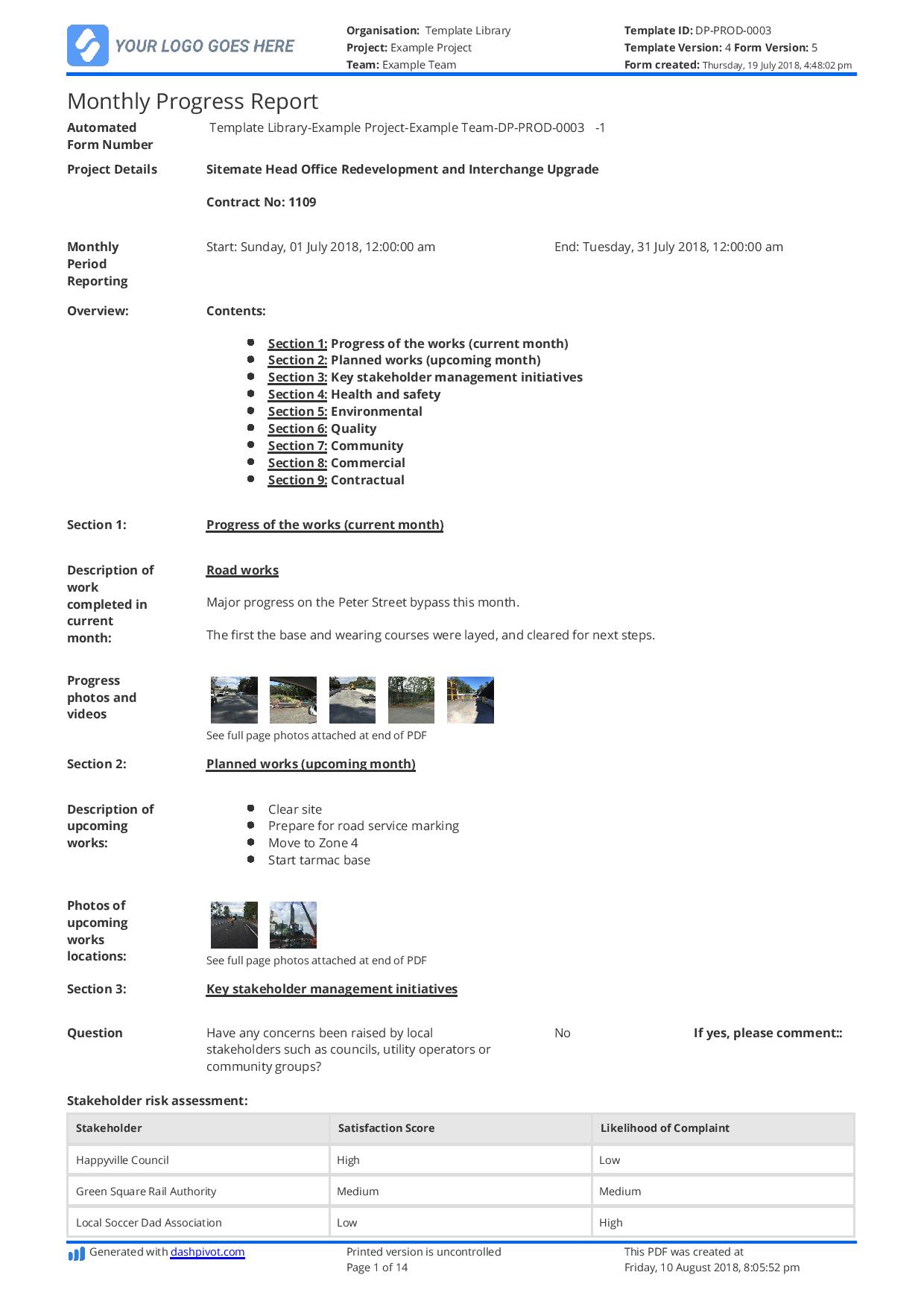
Monthly Performance Report Template for Measurable Results Tracking

A Monthly Performance Report Template for Measurable Results Tracking emphasizes outcomes, metrics, and performance indicators rather than task-level detail.

This format typically focuses on:

  • Key performance indicators
  • Target versus actual results
  • Variance analysis
  • Performance trends

It is especially useful for management reporting, operational oversight, and performance reviews where measurable outcomes matter most.

Monthly Construction Progress Report Template for On-Site Execution Control

A Monthly Construction Progress Report Template for On-Site Execution Control is designed for environments where timelines, resources, and physical progress must be monitored closely.

This report format often includes:

  • Work completed versus schedule
  • Site activities and milestones
  • Resource usage and constraints
  • Safety or compliance observations

Because construction projects involve multiple dependencies, monthly reporting provides critical visibility into execution status and risk exposure.

Get also: Construction Monthly Report Template

Integrated Monthly Progress Report Template for Cross-Functional Teams

Some organizations combine operational updates with performance tracking into a single document. This integrated approach supports collaboration across departments.

An integrated Monthly Progress Report typically includes:

  • Strategic objectives
  • Operational progress
  • Performance outcomes
  • Risks and mitigation actions

This format is ideal for complex projects involving multiple teams or stakeholders.

Choosing the Right Monthly Progress Report Template

Selecting the right template depends on:

  • The nature of the work
  • The level of detail required
  • The intended audience
  • Reporting objectives

For leadership audiences, summary-focused formats are often more effective. For operational teams, detailed task and risk tracking may be necessary.

A well-chosen Monthly Progress Report Template aligns reporting detail with decision-making needs.

Adapting Monthly Reports for Different Audiences

Although the structure remains consistent, the presentation should vary based on who will read the report.

Executive and Leadership Reports

Executives benefit from concise summaries, key outcomes, and high-level risks.

Team and Department Reports

Operational teams require detailed updates, blockers, and clearly defined next steps.

Client or External Reports

External stakeholders typically value transparency, clarity, and progress tied directly to agreed deliverables.

Tailoring reports improves clarity without sacrificing consistency.

Common Mistakes in Monthly Progress Reporting

Even well-designed templates can lose effectiveness if common mistakes occur, such as:

  • Reporting activities instead of outcomes
  • Being overly vague or excessively detailed
  • Hiding or minimizing challenges
  • Changing the report structure frequently

A strong Monthly Progress Report prioritizes honesty, clarity, and relevance.

Best Practices for Writing Effective Monthly Progress Reports

To maximize the impact of monthly reporting:

  • Use clear and professional language
  • Focus on results and implications
  • Highlight risks early
  • Maintain consistent formatting
  • Align updates with stated objectives

Good reporting builds trust and improves collaboration across teams.

Using Monthly Progress Reports to Drive Better Decisions

The true value of a Monthly Progress Report Template lies in how it supports action. Reports should inform decisions, not simply document activity.

When reviewed consistently, monthly reports help organizations:

  • Identify performance gaps
  • Adjust timelines and priorities
  • Allocate resources more effectively
  • Improve forecasting and planning

Over time, monthly reporting creates a reliable performance history that supports continuous improvement.

Long-Term Benefits of Standardized Monthly Reporting

Organizations that adopt structured monthly reporting gain:

  • Stronger accountability
  • Better communication
  • Reduced project risk
  • Improved visibility into execution
  • Clearer alignment between goals and outcomes

A Monthly Progress Report becomes a strategic asset when used consistently.

Conclusion

A Monthly Progress Report Template is a vital tool for tracking progress, evaluating performance, and maintaining accountability across projects and teams. By standardizing how updates are documented, organizations gain clarity, consistency, and actionable insight.

Whether using a Progress Report Template as a foundational framework, a Monthly Performance Report Template for Measurable Results Tracking, or a Monthly Construction Progress Report Template for On-Site Execution Control, the right reporting format ensures that progress is visible and decisions are informed.

When applied consistently, monthly progress reporting turns ongoing work into measurable, manageable results.

Progress Report Template: Drive Accountability in 2025

Progress Report Template structures are essential tools for documenting work status, measuring achievements, and communicating progress clearly across teams and stakeholders. Without a standardized reporting format, updates often become inconsistent, vague, or overly subjective. A well-designed template transforms ongoing activities into structured insights that support clarity, accountability, and informed decision-making.

Whether used in business operations, project management, education, or organizational planning, progress reporting provides a factual snapshot of where work stands and what actions are required next. This article explores the role of progress reporting, the essential elements of an effective template, and the most impactful formats used in different reporting cycles.

What Is a Progress Report Template and Why Does It Matter

A Progress Report Template is a structured document designed to capture updates on tasks, goals, milestones, and outcomes over a defined period. Its primary purpose is to provide visibility into ongoing work and ensure that progress is measured consistently.

Rather than relying on informal updates or scattered notes, organizations use standardized templates to:

  • Track completion status objectively
  • Identify delays, risks, or bottlenecks
  • Communicate progress clearly to stakeholders
  • Maintain alignment between goals and execution
  • Support accountability at individual and team levels

By using the same reporting framework repeatedly, progress becomes easier to evaluate and compare over time.

The Strategic Value of Structured Progress Reporting

Progress reporting is not merely administrative documentation. When structured correctly, it becomes a strategic tool that supports better coordination and performance control.

A Progress Report ensures that updates are:

  • Clear rather than ambiguous
  • Data-driven instead of opinion-based
  • Consistent across reporting periods
  • Action-oriented rather than descriptive

Structured reporting also reduces miscommunication. Everyone involved understands what is expected, what has been completed, and what remains outstanding.

Core Components of an Effective Progress Report

A high-quality template balances simplicity with sufficient detail. While the exact format may vary depending on context, most effective reports include the following elements.

1. Reporting Period Overview

This section defines the timeframe covered by the report, ensuring clarity on what progress is being evaluated.

2. Objectives or Deliverables

Clear objectives provide context for progress updates. This section outlines what the work aimed to accomplish during the reporting period.

3. Completed Activities

A summary of tasks or milestones that have been completed, focusing on outcomes rather than effort alone.

4. Ongoing Work

This section highlights activities that are currently in progress, including their current status and expected completion.

5. Challenges and Risks

Identifying obstacles early allows teams to address issues before they escalate. This section focuses on factors affecting progress.

6. Next Steps and Action Items

Every Progress Report Template should clearly outline what will happen next, who is responsible, and expected timelines.

Different Types of Progress Report Templates and When to Use Them

Progress reporting needs vary depending on how frequently updates are required. Below are the most commonly used reporting formats and their practical applications.

Weekly Progress Report Template for Fast-Paced Execution Control

A Weekly Progress Report Template for Fast-Paced Execution Control is designed for environments where work moves quickly, and frequent updates are necessary.

This format focuses on:

  • Short-term task completion
  • Immediate blockers or risks
  • Priorities for the upcoming week

Weekly reports are commonly used in:

  • Project management teams
  • Agile or sprint-based workflows
  • Operational roles with tight timelines

Their strength I focus on is clarity and immediacy, helping teams stay aligned without excessive detail.

Get also: Consulting Report Template

Monthly Progress Report Template for Strategic Performance Visibility

A Monthly Progress Report Template for Strategic Performance Visibility provides a broader view of progress over a longer period. It balances operational detail with high-level analysis.

This format typically includes:

  • Summary of key achievements
  • Comparison against planned objectives
  • Identification of trends or recurring issues
  • Adjustments to timelines or resources

Monthly reporting is ideal for managers, department heads, and stakeholders who require structured updates without daily or weekly granularity.

Get also: Daily Progress Report Template

Annual Progress Report Template for Comprehensive Outcome Review

An Annual Progress Report Template for Comprehensive Outcome Review delivers a long-term perspective on progress, outcomes, and overall effectiveness.

This format emphasizes:

  • Achievement of annual goals
  • Major milestones and deliverables
  • Lessons learned and performance patterns
  • Strategic priorities for the following period

Annual reports are often used for organizational reviews, institutional reporting, and long-term planning initiatives.

Choosing the Right Report Template for Your Needs

Selecting the appropriate reporting format depends on several factors:

  • Reporting frequency
  • Audience expectations
  • Project complexity
  • Level of detail required

A Progress Report Template should match the decision-making needs of its readers. Short reporting cycles benefit from concise formats, while longer cycles require more analytical depth.

Adapting Progress Reports for Different Stakeholders

Although the core structure remains consistent, progress reports should be tailored to the intended audience.

Executive-Level Reports

Executives benefit from summaries that focus on outcomes, risks, and alignment with broader objectives.

Team-Level Reports

Teams require operational detail, task-level updates, and clear next steps.

Client or External Reports

External audiences typically value transparency, clear explanations, and progress linked directly to agreed deliverables.

Customization ensures relevance without sacrificing consistency.

Common Mistakes That Reduce the Effectiveness of Progress Reports

Even well-designed templates can fail if misused. Common issues include:

  • Reporting activities instead of outcomes
  • Being overly vague or overly detailed
  • Ignoring unresolved challenges
  • Using inconsistent reporting periods

An effective Progress Report emphasizes clarity, relevance, and actionability over volume.

Best Practices for Writing Clear and Useful Progress Reports

To maximize the value of progress reporting:

  • Use clear and concise language
  • Focus on measurable outcomes
  • Be honest about challenges
  • Maintain consistency across reports
  • Align updates with defined objectives

Well-written reports support trust, transparency, and better collaboration.

Using Progress Reports to Improve Decision-Making

Progress reports should actively inform decisions, not simply document activity. When reviewed consistently, a Progress Report helps leaders and teams:

  • Identify performance gaps early
  • Reallocate resources effectively
  • Adjust timelines based on evidence
  • Improve planning accuracy

Over time, consistent reporting builds a reliable record of performance that supports continuous improvement.

The Long-Term Benefits of Standardized Progress Reporting

Organizations that adopt standardized reporting frameworks experience:

  • Improved accountability
  • Better communication
  • Reduced project risk
  • Clearer performance tracking
  • Stronger alignment between planning and execution

A Progress Report Template becomes more valuable with repeated use, as historical data strengthens analysis and forecasting.

Conclusion

A Progress Report is a foundational tool for tracking work, communicating updates, and supporting informed decisions. By standardizing how progress is reported, organizations gain clarity, consistency, and accountability across all levels.

Whether using a Weekly Progress Report Template for Fast-Paced Execution Control, a Monthly Progress Report Template for Strategic Performance Visibility, or an Annual Progress Report Template for Comprehensive Outcome Review, the right format ensures that progress is documented accurately and acted upon effectively.

When applied consistently, progress reporting transforms updates into insights and effort into measurable results.

Exit mobile version