Annual Sales Report Template – 2025 BEST Excel Formats

An effective annual sales report template can transform scattered data, chaotic spreadsheets, and year-end pressure into a polished, organized, and visually clear summary of what a business truly accomplished over the past twelve months. Companies rely on structure to make sense of performance, and a good template offers exactly that: clarity, consistency, and a dependable framework for turning numbers into decisions. Whether the business is a growing startup, a multi-department enterprise, or a small shop navigating tight margins, a well-designed template ensures every sales insight finds its place.

Beyond the aesthetics, a strong template supports reliable documentation, creates accountability, and provides a yearly backbone for internal reviews. Instead of reinventing the wheel every January, teams can simply plug in the new data and focus on interpreting the results. And because sales trends evolve with markets, customer behavior, and seasonal patterns, a template keeps everything grounded, measurable, and comparable year after year.

Understanding the Role of an Annual Sales Report Template

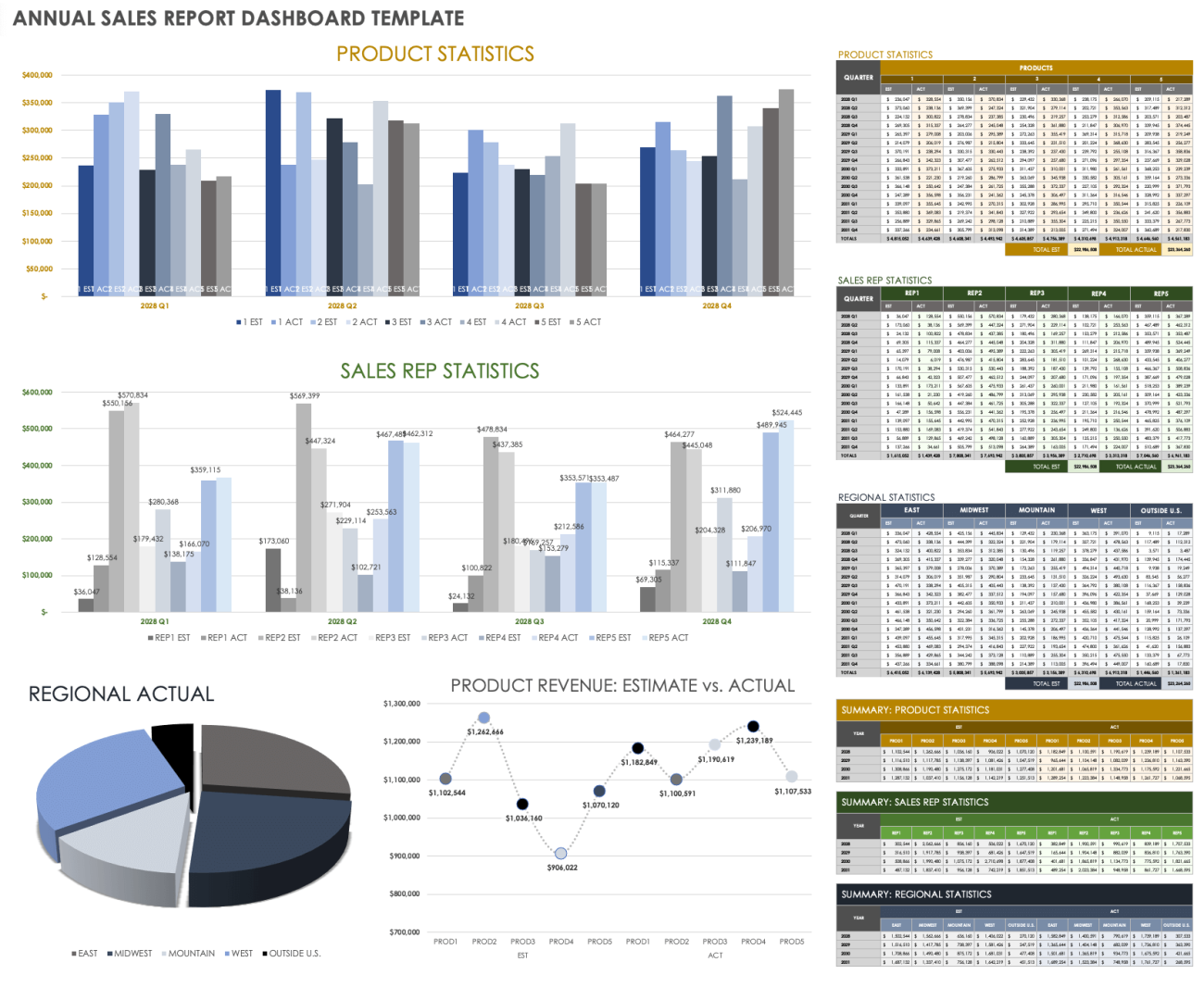
A dependable annual sales report template aligns different departments and sales teams with the same structure each year. It helps organize revenue information, purchasing trends, customer categories, unit volumes, seasonal peaks, and overall performance. When done right, the report becomes a narrative of the company’s journey, highlighting what worked, what struggled, and what opportunities remain untouched.

Templates like these typically include sections for revenue summaries, product breakdowns, channel comparisons, monthly progress, and yearly projections. Instead of navigating dozens of tabs or juggling inconsistent formats, a uniform template keeps the reporting experience clean, predictable, and easy to audit. For management teams, it’s not just a document—it’s a decision-making tool.

The template also minimizes friction during review cycles. Executives get a structured document that communicates results clearly, while sales teams have a predictable format for preparing and presenting data. It reduces ambiguity, reinforces transparency, and makes the entire reporting process feel like a structured annual ritual rather than a scramble.

Annual Sales Summary Report Template

A strong annual sales summary report template focuses on the big picture. It condenses twelve months of activity into a digestible overview that executives, managers, and even new team members can understand without getting lost in granular numbers. Typically, it includes:

  • Total annual revenue
  • YOY growth
  • Top-performing products or categories
  • Highest-value customers
  • Seasonal performance peaks
  • High-level comparisons with previous years

Its purpose is to create clarity, especially for quick presentations or board updates. A good summary report template also enhances readability by using charts, clean tables, and consistent formatting. Even a high-performing year can look underwhelming if the summary is messy, and a template helps avoid that problem.

Annual Sales Performance Report Template

While the summary gives the bird’s-eye view, an annual sales performance report digs into the mechanics of what shaped the year. It’s the place where analysts and managers can evaluate strategies, identify strong and weak quarters, and assess the impact of promotional campaigns.

This part of the template typically includes:

  • Monthly and quarterly trends
  • Sales targets vs. actual results
  • Team or region-based comparisons
  • Channel-specific performance (online, retail, wholesale, B2B)
  • Customer retention and acquisition insights

A performance-oriented section helps teams adjust strategies for the following year. Maybe the third quarter always slumps, maybe one sales region consistently outperforms others, or maybe a new product unexpectedly pushed revenue during off-season months. The performance portion of the template captures all of this, turning hindsight into actionable planning.

Get also: Daily Sales Report Template Free Download

Structuring Data With an Annual Sales Report Template

A solid annual sales report template does more than store numbers—it builds a structure that guides interpretation. When organized correctly, it becomes a storytelling instrument that brings attention to the most important insights. A polished format also helps avoid miscommunication, especially when multiple teams contribute data. Instead of arbitrary charts and inconsistent explanations, the template forces clarity and uniformity across departments.

Standard sections often include revenue summaries, product portfolios, customer segmentation, channel comparisons, and graphic representations of trends. Well-designed templates support quick scanning, allowing readers to spot patterns without combing through endless paragraphs. It’s the difference between a chaotic year-end dump and a refined annual review.

Beyond internal operations, a template also plays a major role in external communication—especially for stakeholders, partners, and potential investors. A structured annual report suggests professionalism, reliability, and maturity. Companies that maintain consistent reporting often gain more trust because their processes appear stable and predictable.

Annual Retail Propane Sales Report

While the name might sound industry-specific, an annual retail propane sales report offers a perfect example of how annual sales report templates adapt to niche markets. Industries like propane distribution depend heavily on seasonality, regional trends, delivery logistics, and commodity pricing. A template tailored for this type of data may include:

  • Winter vs. non-winter revenue
  • Volume sold per region
  • Tank size demand
  • Delivery costs and margins
  • Annual contract commitments
  • Commercial vs. residential consumption

This specialized section showcases how templates can evolve for different sectors. Even if a business has unique reporting needs, the principles remain the same: clarity, consistency, and an organized flow of information.

Get also: Free Annual Marketing Report Template

Annual Sales Performance Report (Extended Use Case)

A broader annual sales performance report can also help large organizations maintain alignment across multiple departments and product lines. When used consistently, these sections uncover which strategies produced long-term benefits and which ones caused unnecessary costs.

For instance, the report may highlight that bundled product offerings drove more conversions than standalone sales. Or it may reveal that digital channels outperformed traditional retail locations during specific months. These details guide planning for future campaigns, staffing decisions, inventory preparation, and forecasting.

Templates built around performance metrics encourage deeper analysis. They turn raw numbers into insight and give companies the tools to adapt to shifting market conditions with confidence.

How an Annual Sales Report Template Supports Planning and Growth

The real value of an annual sales report template shows up during the planning season. Because it consolidates everything into a structured format, it empowers teams to build realistic targets for the upcoming year. They can compare past performance with projected demand, allocate budgets based on proven results, and refine marketing approaches with data-backed precision.

Templates also make data accessible across departments. Finance teams can quickly reference revenue patterns. Marketing teams can identify peak customer engagement periods. Sales teams can pinpoint where they need additional support. When everyone speaks the same reporting language, collaboration becomes frictionless.

Another advantage is the ability to track long-term trends. Year-over-year patterns reveal the broader trajectory of a company’s market position. A template ensures these patterns stay measurable instead of getting lost in detached files or improvised reports. And as businesses grow, the structure becomes even more valuable because it keeps complexity manageable.

From a leadership perspective, the template creates accountability. With clear sections and consistent metrics, teams know exactly what they’re responsible for reporting each year. It removes excuses and creates a high standard for accuracy.

Why a Professional Template Enhances Presentation Quality

A well-designed annual sales report template doesn’t just organize information—it elevates presentation quality. Clean segmentation, readable typography, smart color use, and uniform layouts help executives digest complex information quickly. Instead of feeling overwhelmed by dense spreadsheets, they see polished charts, clear summaries, and thoughtfully arranged data points.

A strong template also reduces misinterpretation. Well-placed headers, labels, and legends ensure numbers tell the correct story without confusion. Even a subtle change in formatting can affect how someone interprets a trend, so consistency matters.

It also helps when a business needs to present reports externally—such as during partnership pitches, vendor negotiations, or investor meetings. The difference between a cluttered report and a sleek, template-driven presentation can influence decision-makers more than most people realize. Appearance doesn’t replace substance, but it certainly supports it.

Subtle humor can even lighten the mood during presentations, especially when reviewing a tough year. As long as the humor comes naturally and doesn’t disrupt professionalism, it helps keep long meetings from turning painfully robotic.

Final Thoughts

An annual sales report template is more than a formatted document—it’s a tool for clarity, alignment, and strategic planning. It keeps data organized, streamlines communication across departments, and allows businesses to understand their progress with confidence. Whether the focus is a detailed annual sales summary, a deeper annual sales performance report, or even specialized formats like an annual retail propane sales report, the right structure elevates the information and empowers better decision-making.

A reliable annual sales report template becomes a yearly anchor, ensuring consistency while allowing room for adaptation as markets and business needs evolve. With clean formatting, relevant sections, and a thoughtful layout, it turns complex numbers into a clear narrative that any company can depend on.

Annual Marketing Report Template – 2025 Free Professional Designs

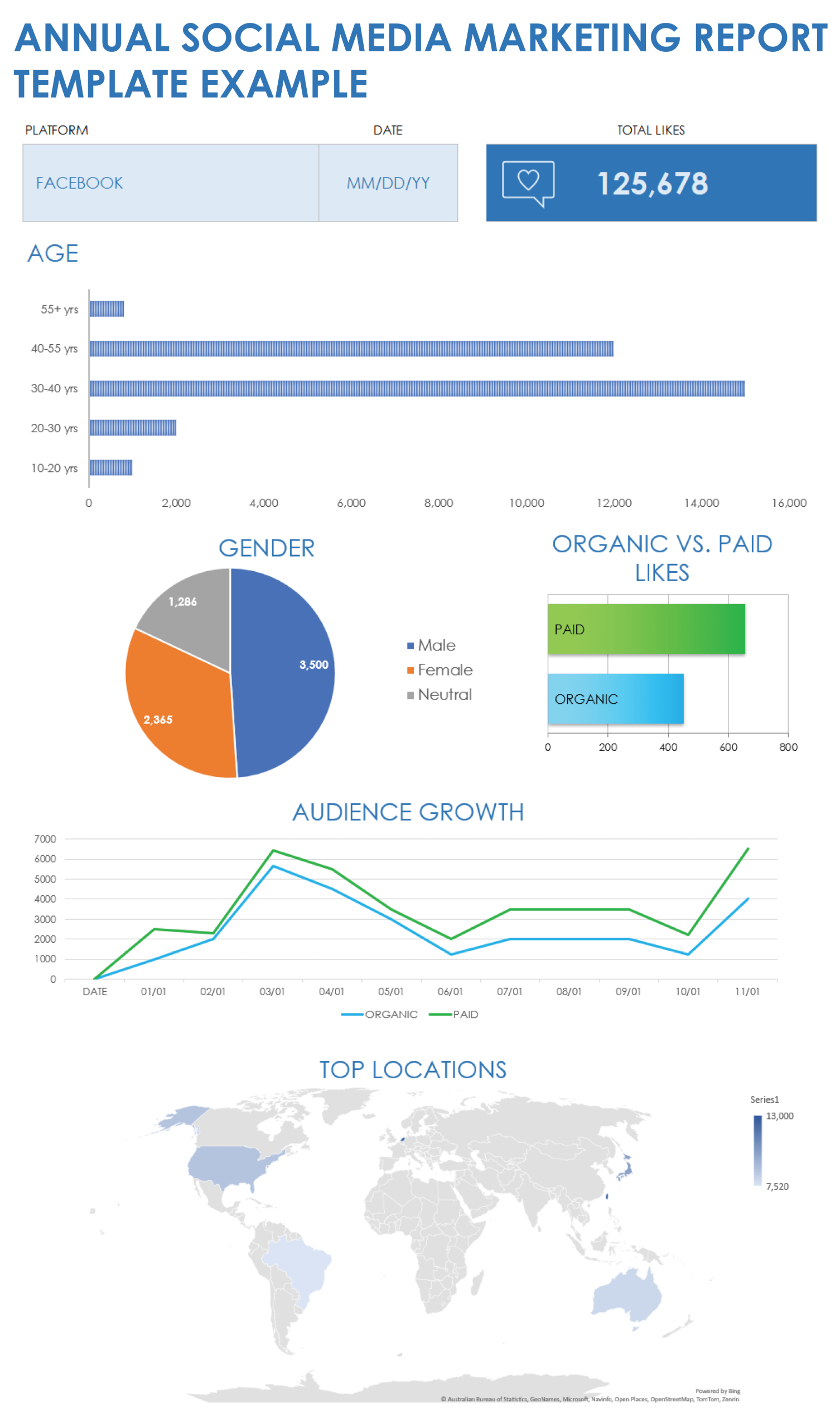
Annual Marketing Report Template: A Complete, High-Value Layout for Stronger Yearly Insights | An annual marketing report template serves as the backbone of how a company reflects on its performance, milestones, and campaigns over an entire year. It’s the kind of document that turns scattered numbers, shifting strategies, and unpredictable market reactions into a narrative that leaders can understand and teams can act on.

A strong report template gives marketers a clear structure, helps decision-makers stay aligned, and makes complex outcomes easier to interpret. When built thoughtfully, it becomes a yearly storytelling tool—one that blends data, direction, and clarity in a way that sparks better planning for the year ahead.

Why an Annual Marketing Report Template Is Essential for Consistent Yearly Evaluation

An annual marketing report template is more than a blank document with boxes for graphs and summaries. It’s the framework that ties together campaign highlights, performance metrics, financial impact, and the strategic movements of a brand. Without it, teams often end up with mismatched reports: one month drowning in numbers, the next full of vague reflections, and the quarter after that overloaded with screenshots, emojis, and chaotic slides worthy of a comedy sketch.

A well-structured template brings order and consistency. It makes year-to-year comparisons smoother, reduces prep time during reporting season, and creates a unified experience across teams. Whether a business focuses on product launches, social media campaigns, seasonal pushes, or multi-channel experiments, the template becomes a tool that adapts to every department while maintaining a familiar layout.

Annual Sales Report Template Integration

Integrating insights from an annual sales report template into your marketing overview adds depth and context to performance analysis. Sales trends reveal which campaigns actually drove conversions, which customer segments responded well, and where transactional gaps exist.

When these data points line up with marketing metrics, the story becomes clearer: campaigns stop being “good” or “bad,” and instead become measurable assets that contribute directly to revenue streams. The alignment also helps identify which growth opportunities were overlooked and which products or categories needed more support throughout the year.

Digital Marketing Annual Report Template Alignment

A strong report often incorporates key elements found in a digital marketing annual report template, especially for brands relying heavily on online channels. Web performance, advertising efficiency, audience behavior, funnel progression, and content engagement metrics all work together to show how the digital footprint evolved.

These insights help clarify which platforms deserved more investment, which creative approaches resonated best, and how digital efforts complemented offline strategies. When woven into the larger annual narrative, these metrics become signposts for refining future campaigns.

Structuring an Annual Marketing Report Template for Clearer Strategic Planning

A well-defined annual marketing report template should guide the reader from past performance to future direction with ease. It starts broad, narrows into specifics, then widens back out into actionable insights and strategic recommendations. The most effective ones blend visual data with narrative explanation so that the report feels both analytical and digestible.

Teams benefit from consistency: a template approach allows every department—from social media to influencer collaborations to brand partnerships—to plug in information that aligns with the overall storytelling. The template acts like a stage, and each team brings their part of the performance without clashing with the scene.

Get also: 10+ BEST Weekly Report Templates to Boost Team Clarity and Momentum

End of Year Marketing Report Template Insights

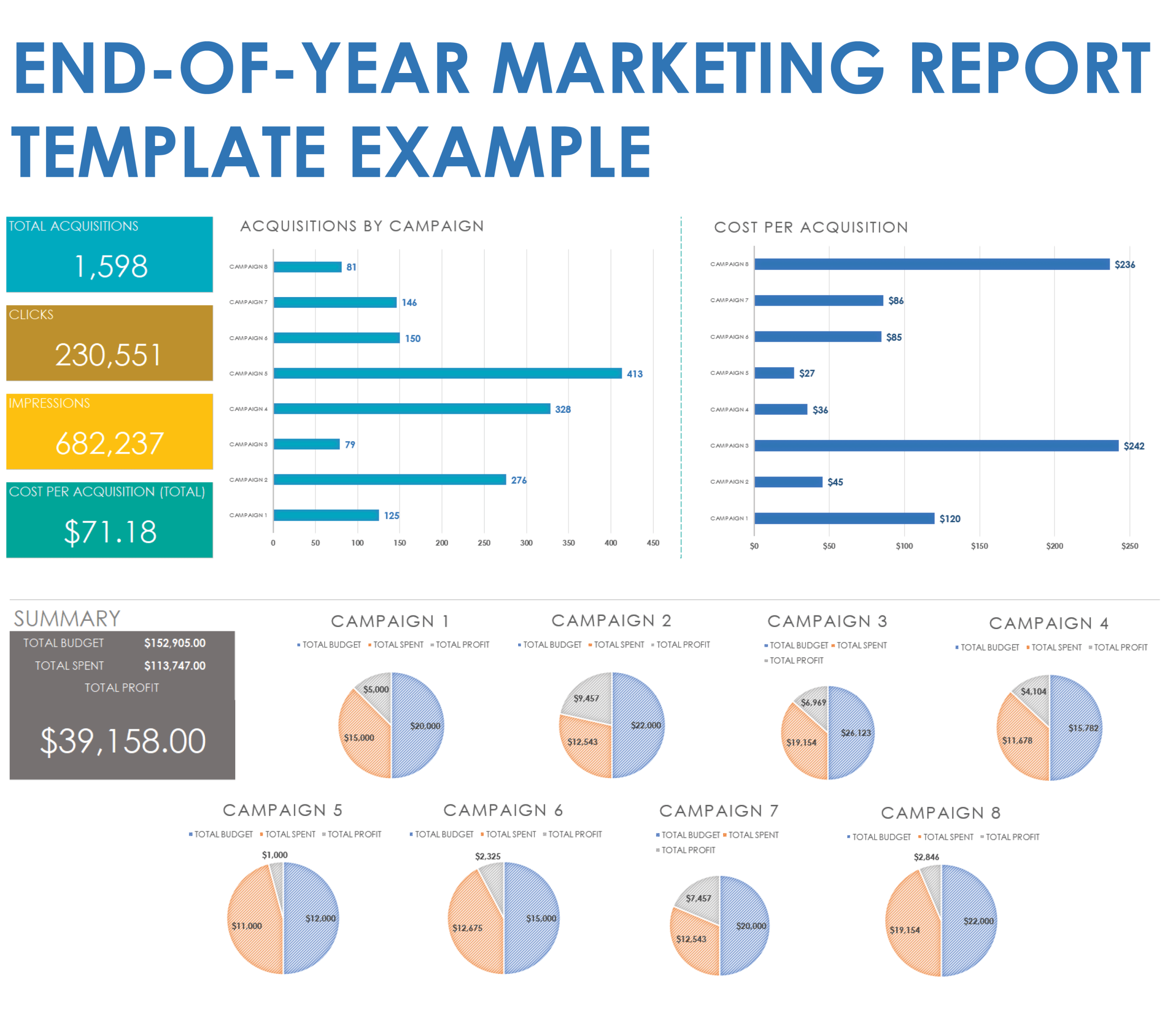
Borrowing elements from an End of year marketing report template helps make the closing section more cohesive. Summaries of campaign performance, budget distribution, notable wins, and unexpected challenges provide a rounded perspective.

This portion isn’t just a recap; it’s the reflection point where teams recognize what shaped the year’s outcomes. Most companies find that even a brief but structured end-of-year summary reduces confusion when future planning meetings begin.

Get also: Free Monthly Report Template

Annual Sales Report Template as a Comparative Tool

A well-placed comparison section inspired by an annual sales report template helps highlight the relationship between marketing activity and commercial results. Whether showcasing quarterly revenue patterns, seasonal sales fluctuations, or product category swings, the alignment between sales and marketing indicators sharpens strategic understanding.

It’s not uncommon for teams to discover that their highest-performing campaigns were actually supporting underperforming products—or vice versa. When this realization emerges within a structured reporting template, future priorities become clearer.

Get also: Free Annual Financial Report Template Excel

What a Modern Annual Marketing Report Template Should Include

The strength of a template lies in the depth of the content included. A modern layout typically features:

Executive Summary

This brief overview captures the essence of the year: major campaigns, overarching performance themes, growth patterns, and areas requiring attention. It’s usually the first page leadership reads, so clarity is key.

Marketing Objectives Review

The template should guide users in evaluating goals set at the beginning of the year. Did the brand aim for audience growth? Lead generation? Market expansion? Funnel efficiency? This comparison between intended direction and actual outcomes frames the rest of the report.

Campaign Performance Analysis

Each major campaign—whether product-focused, seasonal, or awareness-driven—gets its own spotlight. Metrics, narrative insights, and cross-channel comparisons help show how these efforts contributed to the year’s progression.

Channel Performance Overview

A modern template encourages detailed reporting on:

  • Social media
  • Paid advertising
  • Content marketing
  • Email
  • Events and partnerships
  • Influencer initiatives
  • Offline promotions

This section highlights which channels carried the most weight and which need reconsideration next year.

Get also: Construction Daily Report Template

Audience Behavior and Customer Insights

Demographic shifts, behavioral patterns, browsing habits, purchase triggers, and feedback summaries help root the report in real human behavior. The template should organize these insights so that they naturally lead to actionable conclusions.

Budget Allocation and Efficiency

Tracking how funds were spent—alongside ROI snapshots—allows companies to identify which areas deserved more investment. The template ensures that cost decisions appear transparent and logical.

Sales Alignment and Revenue Impact

Here’s where integrating structures from an annual sales report template becomes essential. The overlap between marketing activity and financial outcomes helps leadership understand which initiatives shaped the company’s bottom line.

Competitive and Market Context

Good templates make room for understanding the larger environment. New competitors, industry trends, customer sentiment shifts, and market pressures all influence performance. This context helps reinforce why certain numbers look the way they do.

Strategic Recommendations

The closing section summarizes key lessons and prepares the foundation for next year’s roadmap. This is where marketing teams justify future campaigns, budget adjustments, or channel shifts based on the year’s collected insights.

How an Annual Marketing Report Template Supports Better Decision-Making

The value of a structured reporting template is its ability to transform raw performance into narrative clarity. Instead of isolated charts and fragmented observations, the template ties everything into a cohesive story. Leadership teams are far more likely to make decisive and strategic moves when they can clearly see the relationship between campaigns, customer behavior, and financial impact.

For example, when an End of year marketing report template supports the summarization phase, it reduces the guesswork associated with planning next year’s initiatives. Similarly, integrating standards from a digital marketing annual report template helps teams refine their online strategies based on platform-level insights. The template becomes a map—not just a scrapbook.

It also helps unify departments that sometimes feel disconnected. Content teams can see how their work supported paid campaigns. Sales teams understand the connective role of branding. Leadership sees how audience engagement affects revenue. The template ties everyone to a shared direction.

Choosing the Right Format for an Annual Marketing Report Template

Different companies prefer different formats depending on their workflow. A dynamic, visually rich report works well for leadership presentations, while a text-heavy version may be better suited for internal department archives.

Common formats include:

  • Slide-based templates for meetings
  • Spreadsheet-enhanced templates for data-heavy reports
  • Document-style templates for narrative-heavy versions

Regardless of format, the structure must remain consistent to ensure year-to-year comparability.

Templates should be flexible enough to grow with the business. A small startup might only need four sections in its first year, but that same company might need an expansive ten-section template a few years later. With the right foundation, the structure scales naturally without becoming cluttered.

Final Thoughts

An annual marketing report template is one of the most valuable organizational tools a brand can implement. It brings structure to complexity, continuity to year-over-year evaluation, and clarity to strategic decision-making. Aligning campaign results, customer behavior, digital performance, and sales insights creates a sharper, more complete understanding of how the brand moved within the market.

When supported with the contextual strength of an annual sales report template, the digital depth of a digital marketing annual report template, and the reflective clarity of an End of year marketing report template, the final report becomes a polished and reliable instrument—one that guides planning, inspires smarter decisions, and helps companies approach the new year with confidence and purpose.

Exit mobile version