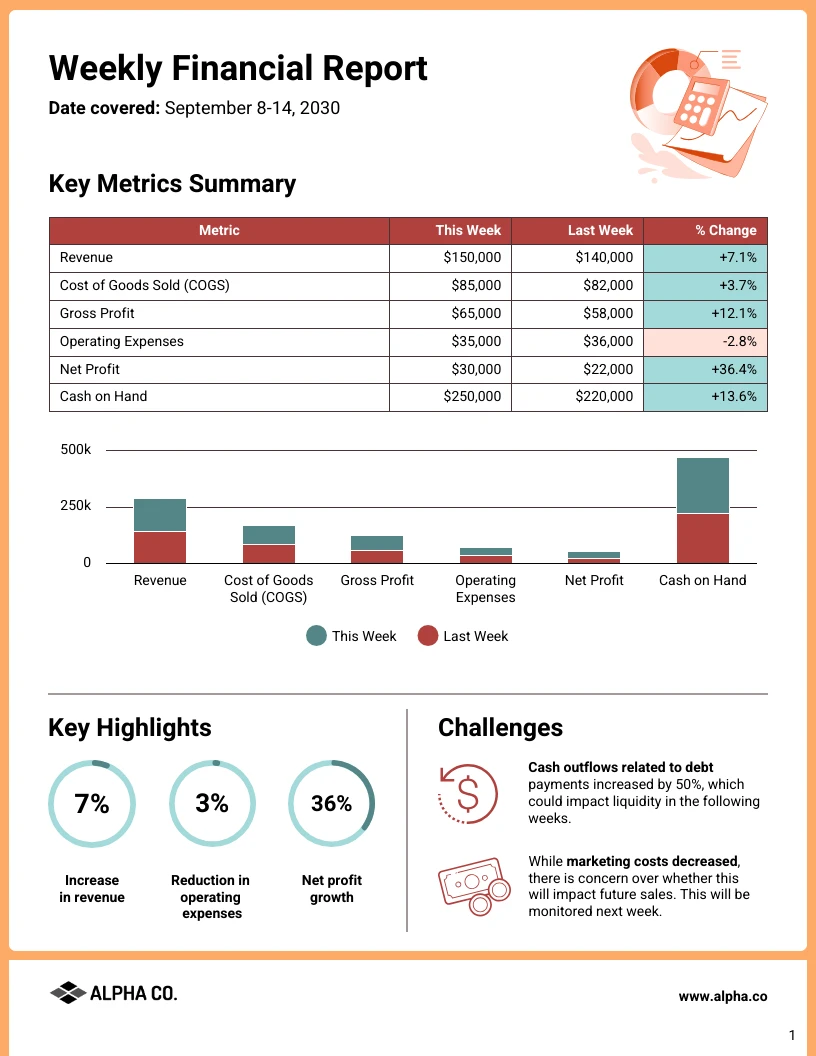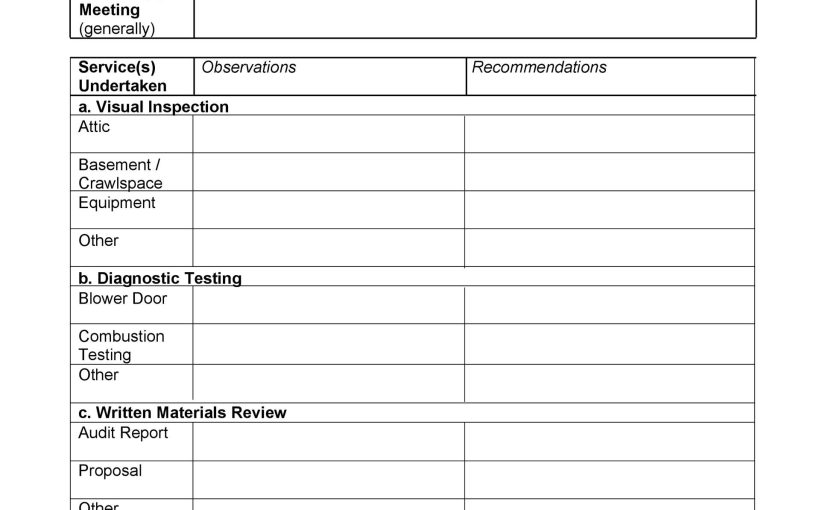
Consulting Report Template: 2026 Strategic Recommendations

Consulting Report Template usage plays a vital role in how consultants communicate findings, analysis, and recommendations to clients. A well-structured report transforms raw data, observations, and expertise into clear, actionable insights that support informed decision-making.

Whether used for strategy consulting, operational reviews, feasibility studies, or advisory engagements, consulting reports must balance professionalism, clarity, and strategic depth. A standardized format ensures consistency, credibility, and client confidence across every engagement.

What Is a Consulting Report?

A Consulting Report is a structured document framework used by consultants to present project objectives, methodologies, findings, and recommendations in a clear and logical manner. It acts as a communication bridge between consultant expertise and client decision-makers.

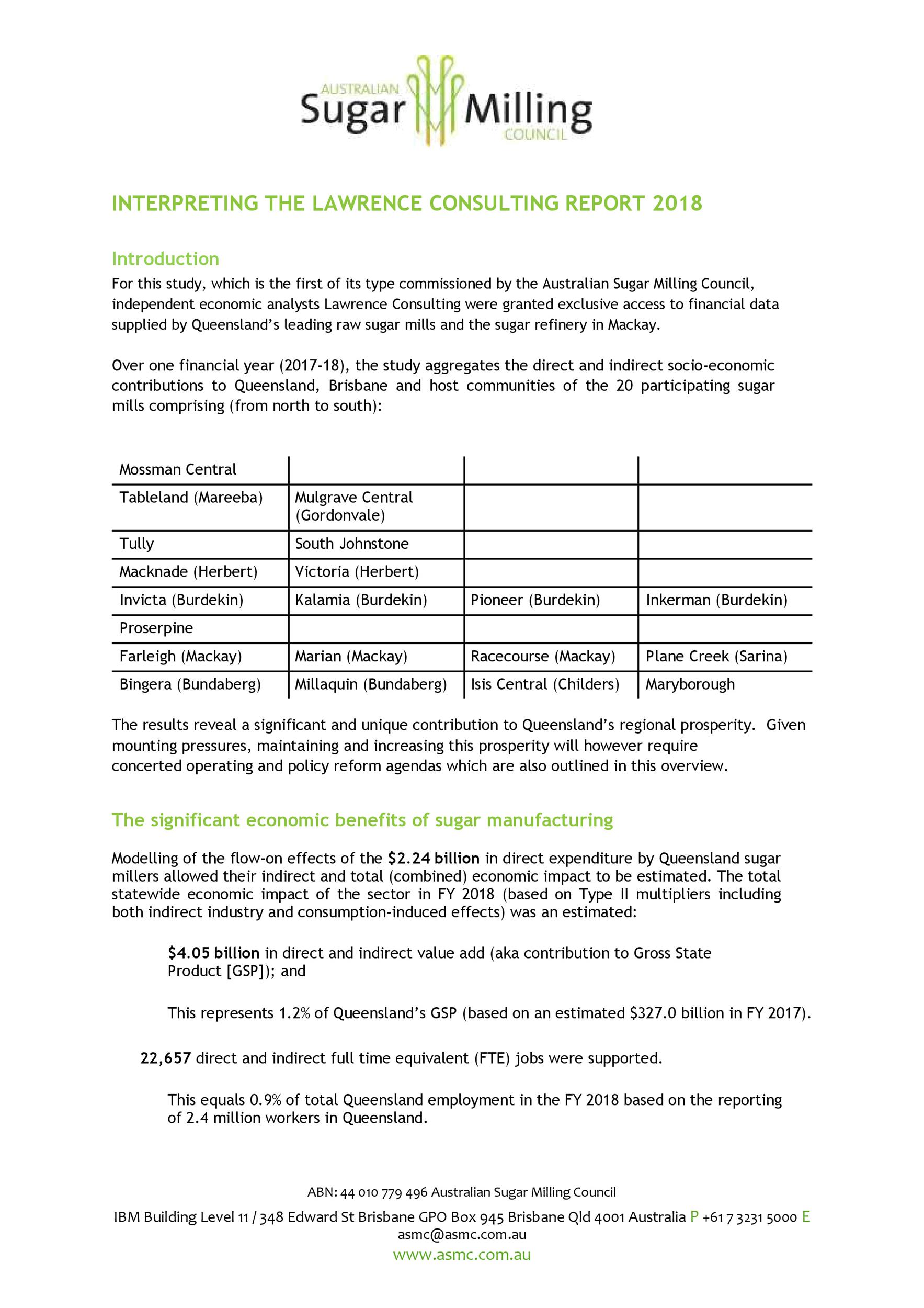
Unlike routine internal reports, consulting reports are client-facing documents designed to influence strategy, policy, or operational direction.

They are commonly used to:

  • Summarize consulting engagements
  • Present analytical findings
  • Evaluate current conditions
  • Propose solutions and recommendations
  • Support executive-level decisions

Why Consulting Reports Require a Structured Format

Consulting projects often involve complex analysis and multiple stakeholders. Without a clear reporting structure, valuable insights may be misunderstood or overlooked.

A standardized Consulting Report helps:

  • Present information logically
  • Improve readability for executives
  • Maintain consistency across engagements
  • Strengthen professional credibility
  • Ensure key insights are not missed

Clear structure allows clients to focus on decisions rather than deciphering information.

Core Sections of an Effective Consulting Report

While formats vary by industry and project type, high-quality consulting reports typically include the following sections.

Executive Summary

A concise overview of objectives, key findings, and major recommendations. This section allows decision-makers to grasp the report’s value quickly.

Project Background and Objectives

Explains why the engagement was initiated and what the consultant aimed to achieve.

Scope and Methodology

Outlines the approach used, including data sources, interviews, site visits, and analytical methods.

Key Findings and Analysis

Presents insights supported by evidence, data interpretation, and professional judgment.

Recommendations and Action Plan

Provides clear, prioritized, and actionable recommendations aligned with client goals.

Conclusion and Next Steps

Summarizes outcomes and proposes follow-up actions or implementation phases.

A strong Consulting Report Template ensures these elements flow cohesively.

Types of Consulting Report Templates Commonly Used

Different consulting engagements require different reporting approaches. Below are widely used consulting report formats.

Consultancy Report Template for Professional Client Engagements

A Consultancy Report Template for Professional Client Engagements is a general-purpose format suitable for strategy, management, or advisory projects.

It is ideal for:

  • Business strategy reviews
  • Organizational assessments
  • Process optimization studies
  • Market or feasibility analysis

This format emphasizes clarity, logic, and executive relevance.

Get also: Free Printable Marketing Report Template

Consultant Site Visit Report Template for On-Site Assessments

A Consultant Site Visit Report Template for Structured Field Observations is used when consultants conduct physical inspections or on-location evaluations.

It typically documents:

  • Site conditions and observations
  • Operational practices
  • Compliance issues
  • Risks and improvement opportunities

This format ensures observations are recorded objectively and consistently.

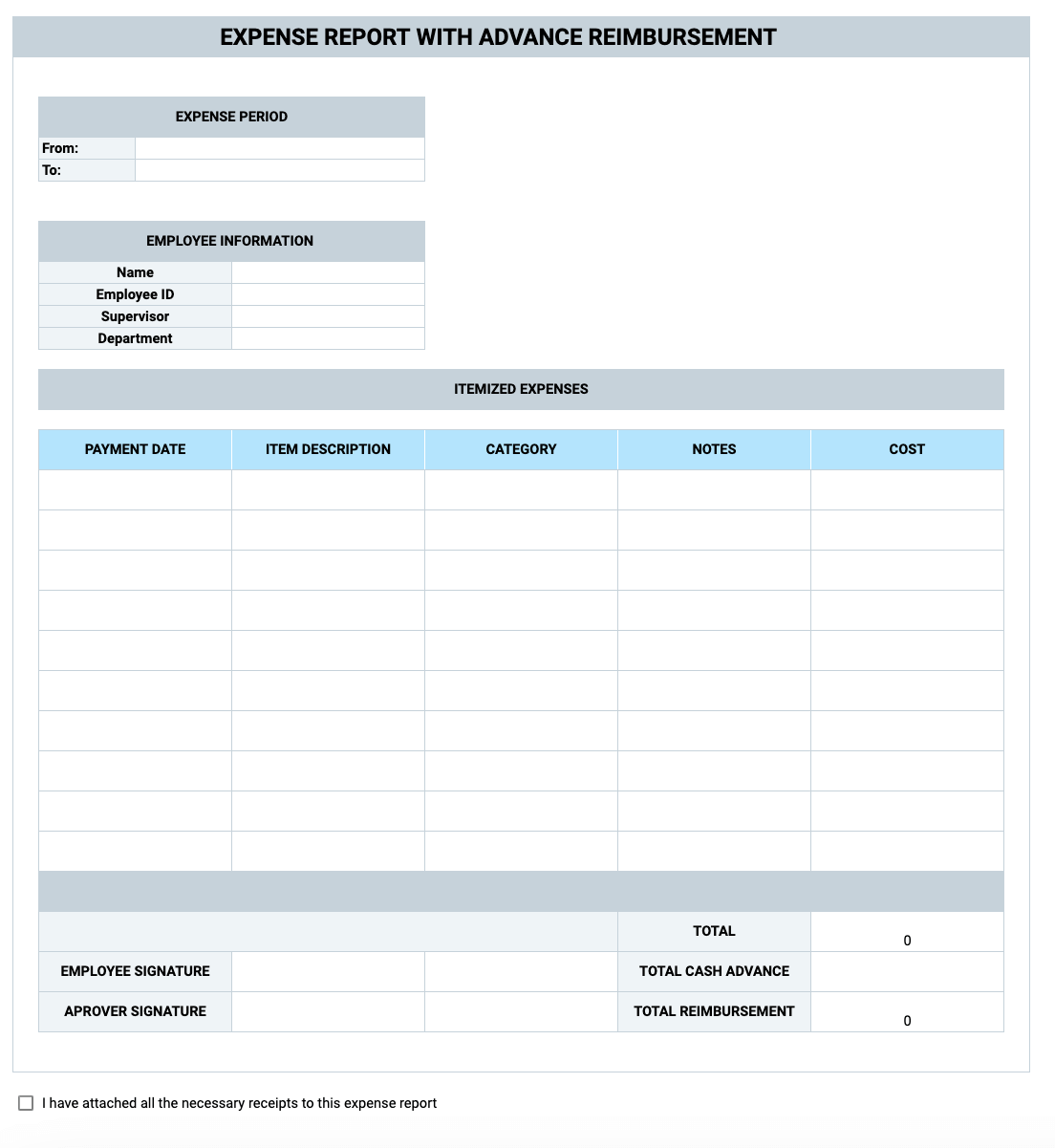
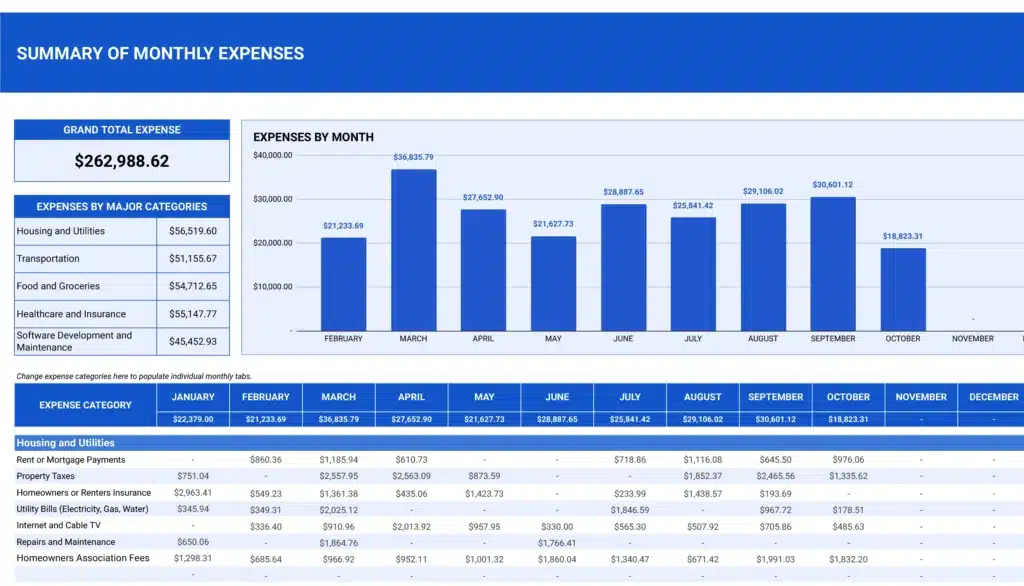
Get also: 2026 Expense Report Template

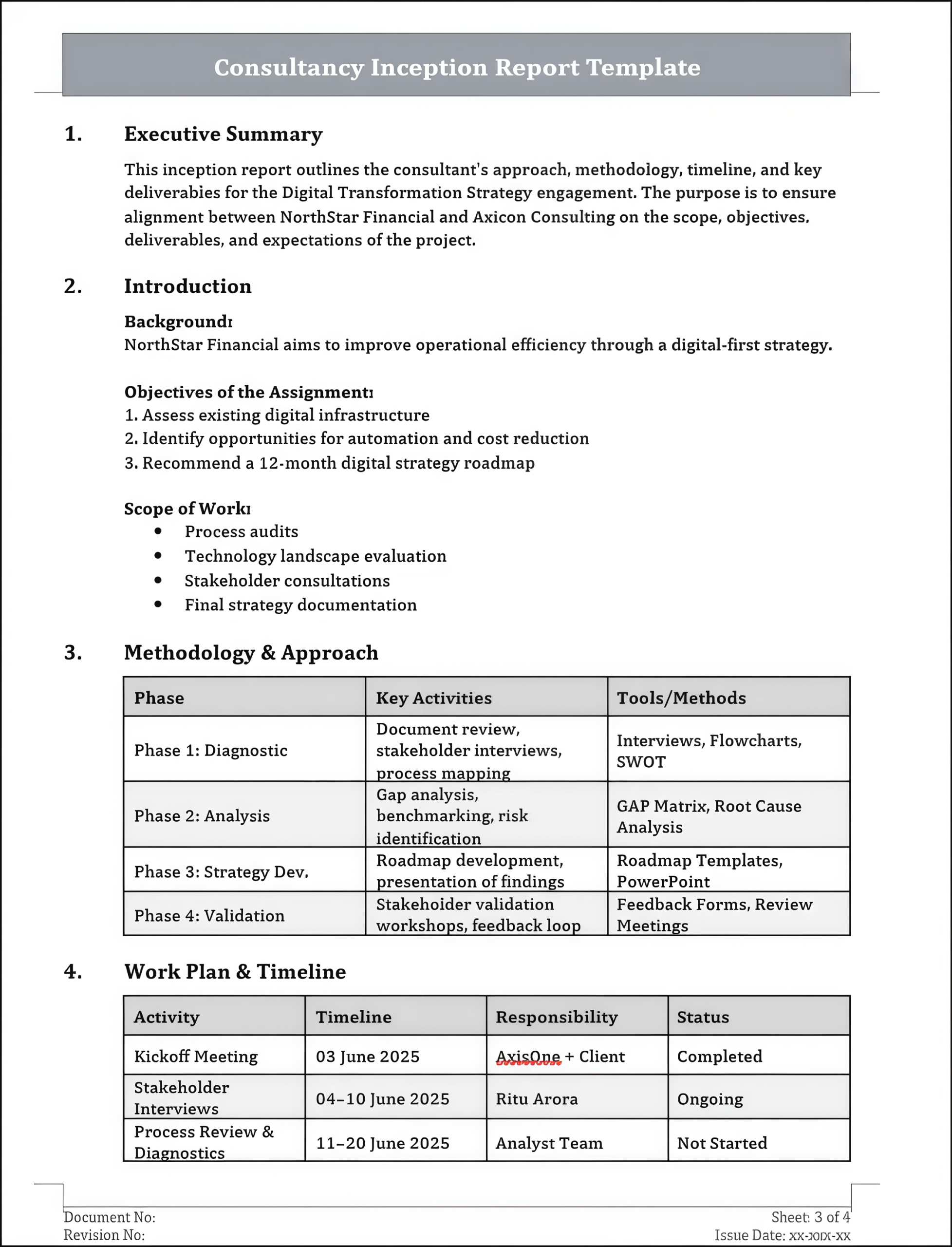
Consultancy Inception Report Template for Project Alignment

A Consultancy Inception Report Template for Clear Project Direction is used at the beginning of an engagement to confirm scope, expectations, and methodology.

It often includes:

  • Project objectives and deliverables
  • Work plan and timeline
  • Roles and responsibilities
  • Reporting and communication protocols

This template helps align consultants and clients before full execution begins.

Benefits of Using a Consulting Report Template

Using standardized templates provides significant advantages for consultants and clients alike.

Professional Consistency

Templates ensure reports meet professional standards regardless of the consultant or project.

Time Efficiency

Predefined structures reduce time spent on formatting and organization.

Improved Client Understanding

Clear sections make reports easier to read and interpret.

Stronger Decision Support

Well-structured insights enhance confidence in recommendations.

A dependable Consulting Report improves both delivery and impact.

Who Uses Consulting Reports?

Consulting reports are used across industries and organizational levels.

Common users include:

  • Management consultants
  • IT and systems consultants
  • Financial and risk advisors
  • Engineering and technical consultants
  • Independent advisors and firms

Clients typically include executives, boards, investors, and senior managers.

Adapting Consulting Reports to Different Industries

While the core structure remains consistent, consulting reports should reflect industry-specific needs.

Business and Management Consulting

Focus on strategy, performance metrics, and organizational effectiveness.

IT and Technology Consulting

Emphasize systems analysis, technical findings, and implementation feasibility.

Engineering and Infrastructure Consulting

Highlight site conditions, technical assessments, and risk analysis.

Public Sector and Development Consulting

Stress transparency, objectives, and measurable outcomes.

A flexible Consulting Report Template allows customization without losing clarity.

Best Practices for Writing High-Impact Consulting Reports

To maximize effectiveness:

  • Write clearly and concisely
  • Use data to support insights
  • Prioritize actionable recommendations
  • Avoid unnecessary jargon
  • Maintain a professional, objective tone

These practices elevate report quality and client trust.

Common Mistakes to Avoid in Consulting Reports

Even experienced consultants can undermine reports through avoidable errors.

Common issues include:

  • Overly technical language
  • Weak executive summaries
  • Unclear recommendations
  • Poor logical flow
  • Excessive length without focus

Templates help reduce these risks by guiding structure.

Consulting Reports as Strategic Communication Tools

A consulting report is more than documentation—it is a strategic communication instrument. It reflects the consultant’s expertise, credibility, and value delivered to the client.

A polished Consulting Report Template reinforces professionalism and strengthens client relationships.

Digital vs. Traditional Consulting Report Formats

Modern consulting reports are increasingly digital, though traditional formats remain relevant.

Digital Consulting Reports

  • Easy distribution
  • Interactive elements
  • Faster updates

Traditional Reports

  • Formal presentation
  • Suitable for board reviews
  • Archival reliability

Most consultants combine both formats depending on client preferences.

Choosing the Right Consulting Report Template

The best template depends on:

  • Project scope and complexity
  • Client expectations
  • Industry requirements
  • Engagement phase

Selecting the right Consulting Report Template ensures clarity, relevance, and impact.

How Consulting Reports Support Long-Term Client Value

Well-documented consulting insights create lasting value by:

  • Serving as reference material
  • Supporting implementation efforts
  • Informing future strategy reviews
  • Strengthening institutional knowledge

High-quality reports extend the influence of consulting beyond the engagement period.

Conclusion

A Consulting Report Template is an essential business reporting tool for delivering structured analysis, credible insights, and actionable recommendations. Whether using a Consultancy Report Template for Professional Client Engagements, a Consultant Site Visit Report Template for On-Site Assessments, or a Consultancy Inception Report Template for Project Alignment, standardized reporting ensures clarity, consistency, and strategic impact.

By adopting well-designed consulting report formats, consultants enhance communication quality, strengthen decision support, and deliver measurable value to clients across industries.
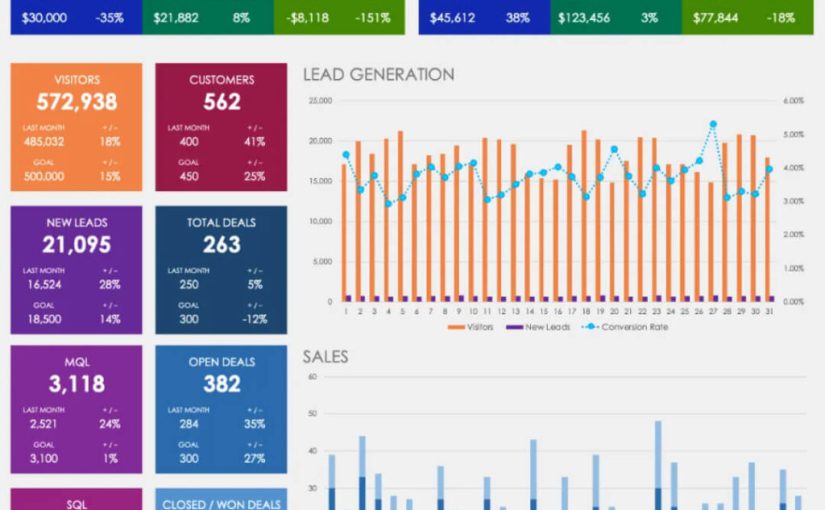
Marketing Report Template (9+ BEST Strategic Formats)

Marketing Report Template usage is essential for translating marketing activity into clear, actionable insight. As marketing efforts become more complex and data-driven, structured reporting helps teams understand what is working, what needs adjustment, and where resources should be focused next.

Without a consistent reporting format, marketing data often becomes fragmented, difficult to interpret, and disconnected from objectives. A well-designed template provides structure, consistency, and clarity—turning raw data into meaningful performance narratives.

What Is a Marketing Report Template?

A Marketing Report Template is a structured document used to summarize marketing activities, results, and insights over a defined period. It presents key information in a clear, organized format that supports evaluation, communication, and decision-making.

Marketing reports typically aim to:

  • Track campaign performance
  • Measure progress against objectives
  • Identify trends and insights
  • Communicate results to stakeholders
  • Support planning and optimization

By standardizing how information is presented, reporting becomes more efficient and easier to compare over time.

Why Structured Marketing Reporting Matters

Marketing generates large volumes of data, but data alone does not create value. Structure is what turns numbers into understanding.

Using a Marketing Report Template helps teams:

  • Focus on relevant metrics
  • Maintain consistency across reporting periods
  • Reduce misinterpretation of results
  • Improve accountability and transparency
  • Support informed decision-making

Clear reporting aligns marketing activity with broader business goals and expectations.

Core Components of an Effective Marketing Report

While formats vary by purpose and audience, effective marketing reports share several key elements.

Reporting Period and Objectives

This section defines the timeframe covered and outlines the goals the marketing activity aimed to achieve.

Campaign or Channel Overview

Summarizes the main initiatives, channels, or campaigns included in the report.

Performance Metrics

Key indicators are presented clearly to show progress and outcomes.

Insights and Observations

This section explains what the results mean and highlights notable patterns or trends.

Challenges and Learnings

Document issues encountered and lessons gained during execution.

Next Steps and Recommendations

Every Marketing Report should guide future action, not just describe past performance.

Types of Marketing Report Templates by Reporting Frequency

Different reporting cycles serve different purposes. Below are the most commonly used formats based on timeframes.

Monthly Marketing Report Template for Consistent Performance Review

A Monthly Marketing Report Template for Structured Performance Evaluation provides a balanced view of short-term results and emerging trends.

This format is commonly used to:

  • Compare performance month over month
  • Track progress toward quarterly goals
  • Identify channels or campaigns needing adjustment

Monthly reports offer enough data for meaningful analysis without overwhelming detail.

Weekly Marketing Report Template for Tactical Execution Tracking

A Weekly Marketing Report Template for Agile Execution Oversight focuses on immediate activity and short-term outcomes.

This format typically includes:

  • Weekly campaign updates
  • Key performance snapshots
  • Issues or blockers
  • Priorities for the next week

Weekly reporting supports fast-paced environments where quick adjustments are critical.

Get also: Consulting Report Template

Specialized Marketing Report for Different Needs

Beyond frequency-based reports, marketing teams often use specialized formats tailored to specific objectives.

Digital Marketing Report Template for Multi-Channel Performance Clarity

A Digital Marketing Report Template focuses on online campaigns and digital touchpoints.

It commonly covers:

  • Channel-level performance
  • Campaign outcomes
  • Engagement and conversion trends
  • Budget allocation and efficiency

This format helps teams understand how digital initiatives perform collectively and individually.

Choosing the Right Marketing Report Template

Selecting the right template depends on several factors:

  • Reporting audience
  • Decision-making needs
  • Level of detail required
  • Reporting frequency

A Marketing Report Template should be detailed enough to inform decisions, yet concise enough to be reviewed efficiently.

Reports that are too complex risk being ignored, while overly simple reports may lack actionable insight.

Adapting Marketing Reports for Different Stakeholders

Marketing reports are most effective when tailored to their audience.

Executive-Level Reporting

Executives value summaries, insights, and implications rather than granular detail.

Management and Team Reporting

Managers and teams benefit from operational detail, performance drivers, and next steps.

Client or External Reporting

External audiences require clarity, transparency, and alignment with agreed objectives.

A flexible Marketing Report allows for content adjustment without losing structural consistency.

Common Mistakes in Marketing Reporting

Even experienced teams can reduce report effectiveness through common errors, such as:

  • Reporting metrics without context
  • Overloading reports with unnecessary data
  • Ignoring insights and recommendations
  • Changing the report structure frequently

Strong reporting emphasizes clarity, relevance, and interpretation.

Best Practices for Creating High-Quality Marketing Reports

To maximize reporting value:

  • Align metrics with objectives
  • Focus on insights, not just numbers
  • Use consistent formatting
  • Highlight trends and implications
  • End with clear next steps

A well-crafted Marketing Report turns reporting into a strategic asset rather than an administrative task.

Using Marketing Reports to Improve Strategy and Execution

Marketing reports should inform action. When reviewed consistently, they help teams:

  • Identify high-performing initiatives
  • Address underperforming areas
  • Allocate resources more effectively
  • Improve planning accuracy

Over time, historical reports create a performance baseline that supports smarter strategy development.

Integrating Marketing Reports into Planning Cycles

Marketing reports are most valuable when integrated into regular planning and review processes.

They often feed into:

  • Campaign planning sessions
  • Budget reviews
  • Quarterly strategy discussions
  • Performance evaluations

A consistent Marketing Report Template ensures continuity across these cycles.

Long-Term Benefits of Standardized Marketing Reporting

Organizations that adopt structured marketing reporting gain:

  • Improved visibility into performance
  • Stronger alignment across teams
  • Faster decision-making
  • Greater accountability
  • Clearer performance documentation

Over time, reporting becomes a foundation for continuous improvement.

Marketing, Reporting, and Organizational Alignment

Clear reporting creates shared understanding. When everyone reviews performance using the same structure, alignment improves naturally.

A strong Marketing Report ensures that discussions focus on insights and actions rather than debating data interpretation.

Evolving Marketing Reports as Teams Mature

As marketing capabilities grow, reporting should evolve accordingly.

Early-stage teams may focus on activity tracking, while mature teams emphasize:

  • Comparative analysis
  • Trend identification
  • Strategic implications

Templates should adapt without losing consistency.

Conclusion

A Marketing Report Template is a critical tool for organizing marketing data, communicating performance, and supporting informed decision-making. By providing structure and clarity, it transforms marketing activity into actionable insight.

Whether using a Digital Marketing Report Template for Multi-Channel Performance Clarity, a Monthly Marketing Report Template for Consistent Performance Review, or a Weekly Marketing Report Template for Tactical Execution Tracking, the right format ensures that marketing results are visible, understandable, and meaningful.

When applied consistently, marketing reporting strengthens execution, improves alignment, and drives smarter, more confident marketing decisions.

Travel Expense Report Template: 9+ Proven Formats to Track Trips

Travel expense report template usage is essential for documenting costs incurred during business trips, field assignments, and professional travel activities. Travel-related expenses often involve multiple categories, currencies, and reimbursement rules, making structured reporting critical for accuracy and accountability.

Without a standardized format, travel expenses can become difficult to verify, inconsistent to review, and prone to disputes. A clear reporting structure ensures that every travel cost is documented properly, approved efficiently, and aligned with financial policies.

What Is a Travel Expense Report Template?

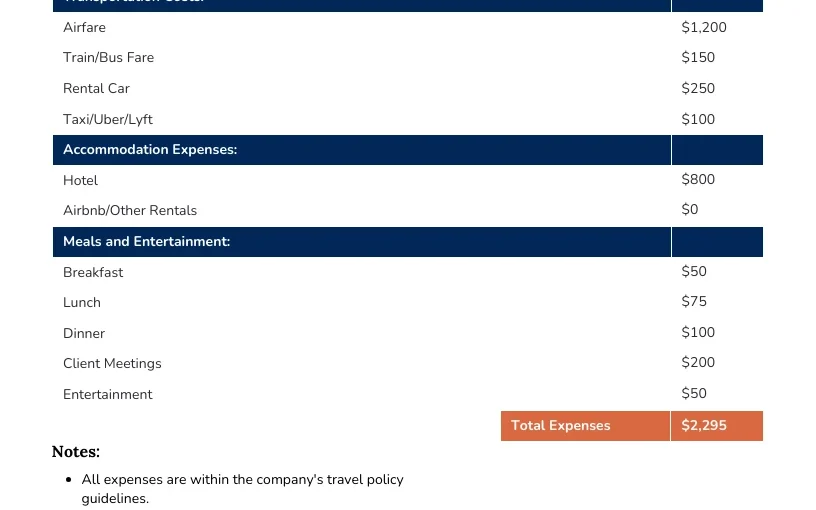
A travel expense report template is a structured document used to record and summarize expenses related to business travel. It captures essential details such as transportation costs, lodging, meals, daily allowances, and incidental expenses within a defined travel period.

This type of reporting is designed to:

  • Support reimbursement requests
  • Ensure compliance with travel policies
  • Improve transparency in travel spending
  • Simplify review and approval processes
  • Maintain accurate financial records

By standardizing how travel costs are documented, organizations reduce errors and improve financial control.

Why Travel Expense Reporting Requires a Dedicated Format

Travel expenses differ from regular operational costs. They often include:

  • Multiple expense categories
  • Daily allowances or limits
  • Variable pricing
  • Receipts from different vendors or locations

A dedicated travel expense report ensures that these complexities are handled consistently. It also helps reviewers assess whether expenses align with policy guidelines and approved travel plans.

Core Components of an Effective Travel Expense Report

Although formats vary, high-quality travel expense reports share common elements that balance detail with usability.

Traveler and Trip Information

This section identifies the traveler, destination, travel dates, and purpose of the trip.

Expense Categories

Typical categories include transportation, accommodation, meals, and miscellaneous travel costs.

Itemized Expense Entries

Each entry records the date, description, amount, currency, and payment method.

Daily or Trip Totals

Totals provide a clear summary of spending at both daily and overall trip levels.

Supporting Documentation

Receipts or references support verification and approval.

Every expense report template should present these components in a clear, repeatable structure.

Common Types of Travel Expense Report Templates

Different travel scenarios require tailored reporting formats. Below are the most commonly used variations.

Travel and Expense Report Template for End-to-End Cost Visibility

A travel and expense report template for end-to-end cost visibility combines trip-related expenses with other reimbursable costs. This format is often used in corporate environments where travel is closely tied to project or client work.

It typically includes:

  • Travel-specific expenses
  • Additional business-related costs
  • Consolidated totals

This integrated approach simplifies submission and review.

Travel Expense Report Form for Standardized Submission

A travel expense report form for standardized submission focuses on clarity and consistency. It uses predefined fields and categories to reduce ambiguity and speed up approvals.

This format is ideal for:

  • Organizations with strict travel policies
  • High-volume travel reporting
  • Centralized finance review

Standardized forms ensure that all required information is provided upfront.

Per Diem Expense Report Template for Daily Allowance Control

A per diem expense report template for allowance-based travel control tracks daily travel allowances rather than itemized meal expenses.

This format is widely used when:

  • Daily meal limits are fixed
  • Policy simplifies reimbursement
  • Administrative efficiency is a priority

Per diem reporting reduces paperwork while maintaining compliance.

Get also: Daily Expense Report Template

Choosing the Right Travel Expense Report Template

Selecting the appropriate format depends on:

  • Travel frequency
  • Policy requirements
  • Level of expense detail
  • Approval workflow

A travel expense report template should be easy to complete while capturing all policy-required details. Overly complex formats discourage timely submission, while overly simple ones may lack sufficient documentation.

Who Uses Travel Expense Reports Most Frequently

Travel expense reporting is common across many roles and industries.

Corporate Employees

Employees use travel reports to claim reimbursement for approved business trips.

Sales and Client-Facing Teams

Frequent travel makes consistent expense documentation critical for control and budgeting.

Consultants and Contractors

Accurate reporting supports client billing and internal cost tracking.

Field and Remote Teams

Travel reports ensure visibility into costs incurred outside the office.

In all cases, structured reporting reduces friction and improves clarity.

Common Mistakes in Travel Expense Reporting

Even with a good template, issues can arise if reporting discipline is weak. Common mistakes include:

  • Missing receipts
  • Incorrect categorization
  • Late submissions
  • Exceeding policy limits without explanation

A strong travel expense report template encourages completeness and transparency, reducing these risks.

Best Practices for Accurate Travel Expense Reports

To maintain high-quality travel expense documentation:

  • Record expenses promptly
  • Keep receipts organized
  • Follow category guidelines
  • Review totals before submission
  • Provide explanations for exceptions

These practices support faster approvals and fewer disputes.

Managing Multi-Day and International Travel Expenses

Longer or international trips introduce additional complexity, such as:

  • Currency conversion
  • Varying tax rules
  • Different per diem rates

A well-designed travel expense report template accommodates these factors by allowing clear documentation of currencies, exchange rates, and location-based allowances.

Using Travel Expense Data to Improve Cost Control

Travel expense data becomes valuable when reviewed collectively. Over time, reports reveal:

  • High-cost travel patterns
  • Opportunities for policy optimization
  • Vendor or route efficiencies
  • Budget alignment issues

Consistent reporting supports better travel planning and cost management.

Integrating Travel Expense Reports with Financial Systems

Travel expense reports often feed into:

  • Reimbursement systems
  • Project cost tracking
  • Budget monitoring
  • Financial statements

Accurate reporting at the travel level ensures reliability across broader financial records.

Long-Term Benefits of Standardized Travel Expense Reporting

Organizations that adopt structured travel reporting gain:

  • Faster reimbursement cycles
  • Improved policy compliance
  • Reduced financial disputes
  • Clearer audit trails
  • Better visibility into travel spending

A reliable travel expense report becomes a cornerstone of financial transparency.

Travel Expense Reporting and Policy Compliance

Clear reporting reinforces compliance by making expectations visible. When travelers know exactly what to report and how to report it, adherence to policy improves naturally.

Templates that align closely with policy rules reduce misunderstandings and manual corrections.

Conclusion

A travel expense report template is a critical tool for tracking travel-related costs, maintaining transparency, and ensuring accurate reimbursement. By standardizing how expenses are documented, organizations and individuals gain clarity, consistency, and control.

Whether using a travel and expense report template for end-to-end cost visibility, a travel expense report form for standardized submission, or a per diem expense report template for allowance-based travel control, the right format simplifies reporting and strengthens financial discipline.

When applied consistently, travel expense reporting transforms trip-related spending into actionable financial insight and long-term cost efficiency.

Daily Expense Report Template: 10+ Free Practical Formats to Control Spending

Daily Expense Report Template usage plays a critical role in maintaining financial accuracy and spending control, especially in environments where transactions occur frequently. Daily reporting creates immediate visibility into costs, prevents small expenses from being overlooked, and supports stronger financial discipline over time.

Unlike weekly or monthly summaries, daily expense documentation captures financial activity at its most granular level. This allows individuals, teams, and businesses to respond quickly to overspending, reconcile records accurately, and maintain real-time awareness of cash movement.

What Is a Daily Expense Report Template?

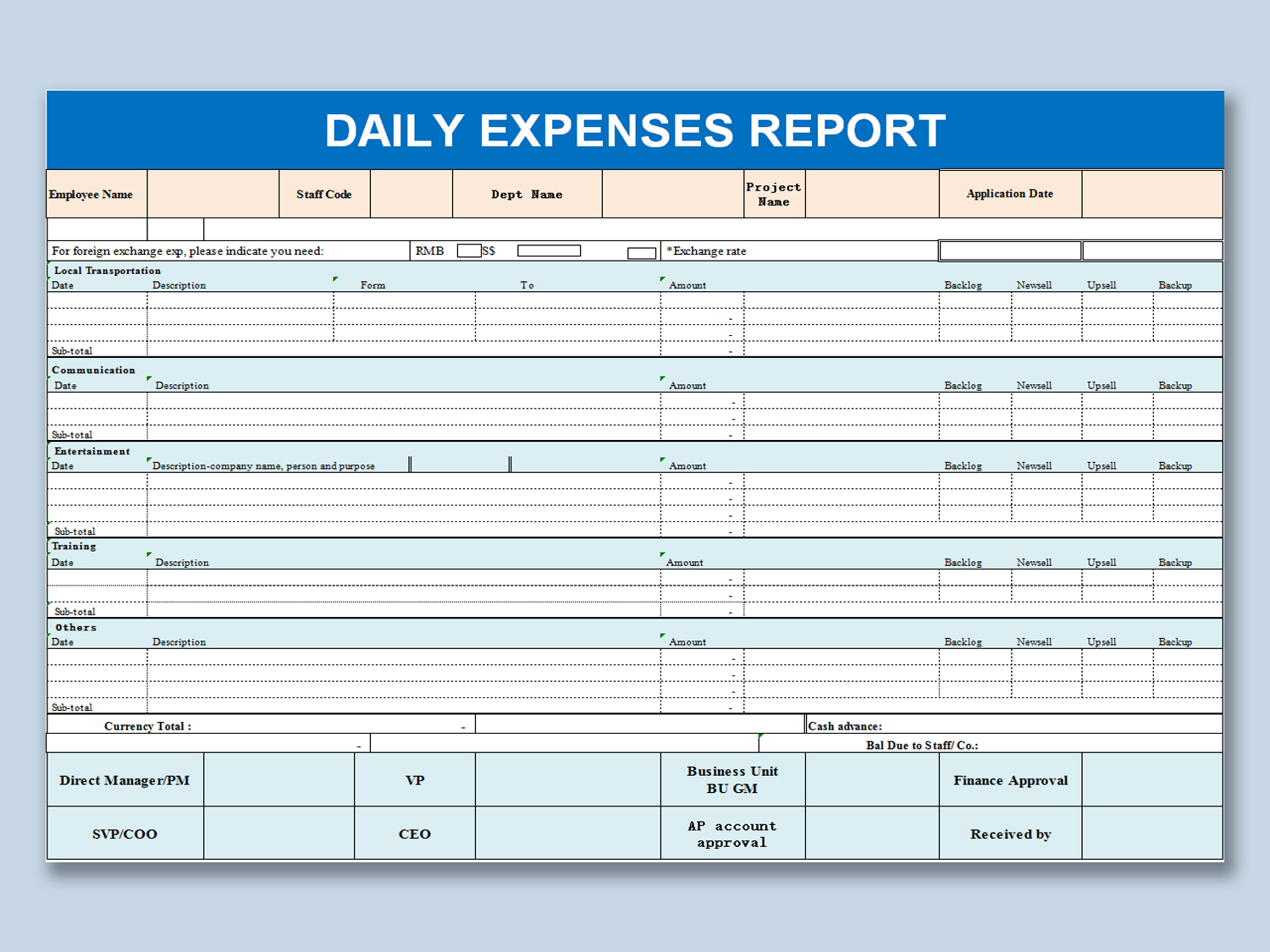
A Daily Expense Report is a structured format used to record expenses incurred within a single day. It documents transaction details such as date, category, description, payment method, and amount, ensuring that every expense is captured promptly and consistently.

Daily reporting is especially valuable when:

  • Transactions are frequent or cash-based
  • Budget control requires close monitoring
  • Financial accuracy is a priority
  • Reconciliation needs to happen quickly

By standardizing how expenses are recorded each day, financial data becomes more reliable and easier to analyze.

Why Daily Expense Tracking Matters

Daily expense tracking creates awareness. When expenses are logged immediately, spending behavior becomes more intentional and controlled.

Using a Daily Expense Report Template helps:

  • Prevent forgotten or missing entries
  • Reduce errors caused by delayed reporting
  • Improve accuracy in financial records
  • Strengthen accountability for daily spending
  • Support faster reconciliation and review

Over time, daily tracking builds a habit of financial discipline that supports healthier cash management.

Daily Reporting vs. Periodic Expense Reports

While weekly and monthly reports summarize spending trends, daily reports focus on execution-level accuracy.

Daily reporting emphasizes:

  • Transaction-level detail
  • Immediate visibility
  • Short feedback loops

Periodic reports emphasize:

  • Aggregated trends
  • Budget comparison
  • Strategic analysis

A daily format does not replace longer reporting cycles; it strengthens them by ensuring the underlying data is accurate and complete.

Core Elements of an Effective Daily Expense Report

A strong daily expense report balances simplicity with completeness. The following components are essential for clarity and consistency.

Date and Reporting Reference

Each report clearly identifies the day covered to avoid confusion during reconciliation.

Expense Category

Categorization allows expenses to be grouped and analyzed later, such as transportation, meals, supplies, or operational costs.

Description or Purpose

A brief explanation provides context and supports transparency.

Payment Method

Cash, card, or digital payment methods are documented for tracking and reconciliation.

Amount

Each transaction amount is recorded clearly to ensure accurate totals.

Daily Total

A summary of total expenses for the day provides an instant snapshot of spending.

Every Expense Report Template should present these elements in a clear, repeatable structure.

Who Benefits Most from Daily Expense Reporting

Daily expense tracking is widely used across different roles and industries.

Individuals and Personal Finance Users

Daily reporting helps individuals monitor spending habits and avoid unnecessary expenses.

Small Business Owners

Frequent expense visibility supports better cash flow management and cost control.

Field Teams and Mobile Workers

Daily reporting ensures expenses are captured while details are still fresh.

Retail and Sales Operations

High transaction volume makes daily documentation essential for accuracy.

Regardless of context, daily reporting reduces financial blind spots.

Specialized Types of Daily Expense Report Templates

Different use cases require tailored daily formats. Below are common variations used in real-world financial tracking.

Daily Income and Expense Report Template for Complete Cash Flow Visibility

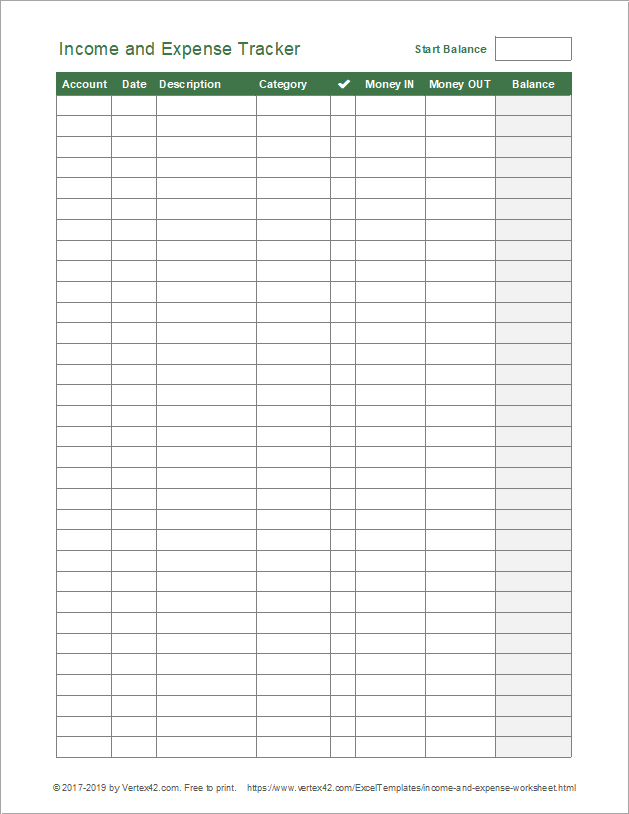
A Daily Income and Expense Report Template for Complete Cash Flow Visibility tracks both money coming in and money going out within the same day.

This format is ideal for:

  • Small shops and kiosks
  • Freelancers and self-employed professionals
  • Cash-based businesses

By recording income and expenses together, users gain a clear picture of daily net performance rather than isolated cost data.

Get also: Travel Expense Report Template

Daily Expense Tracker Template for Simple and Consistent Monitoring

A Daily Expense Tracker Template for Effortless Monitoring and Control focuses on ease of use and speed.

This format emphasizes:

  • Minimal fields
  • Quick data entry
  • Clear daily totals

Expense tracker templates are commonly used for personal budgeting or informal business tracking, where simplicity encourages consistency.

Daily Sales Report Template for Transaction-Level Revenue Insight

A Daily Sales Report Template for Accurate Revenue Oversight integrates expense tracking with sales performance.

This format typically includes:

  • Daily sales totals
  • Expense summaries
  • Net daily results

Sales-driven environments benefit from this structure because it links costs directly to revenue outcomes.

Choosing the Right Daily Expense Report Template

Selecting the right daily format depends on:

  • Transaction volume
  • Level of detail required
  • Reporting audience
  • Reconciliation needs

A Daily Expense Report Template should be simple enough to use every day without friction. If the format feels burdensome, consistency will suffer.

The best template is one that users can complete quickly while still capturing meaningful financial data.

Common Mistakes in Daily Expense Reporting

Daily reporting loses value when common errors occur, such as:

  • Recording expenses days later
  • Skipping small transactions
  • Using inconsistent categories
  • Failing to review daily totals

Even minor lapses can accumulate into significant inaccuracies over time. Consistency is more important than complexity.

Best Practices for Accurate Daily Expense Tracking

To maintain high-quality daily reports:

  • Record expenses immediately
  • Use predefined categories
  • Keep descriptions short but clear
  • Review totals at the end of each day
  • Store reports in a centralized location

These practices ensure that daily records remain reliable and actionable.

Using Daily Expense Data for Better Financial Decisions

Daily expense data becomes powerful when reviewed regularly. Over time, patterns emerge that reveal:

  • Spending habits
  • Cost drivers
  • Inefficiencies
  • Opportunities for savings

A Daily Expense Report Template provides the raw data needed to support smarter budgeting and stronger financial planning.

When daily records feed into weekly or monthly summaries, decision-making becomes more accurate and informed.

Daily Reporting and Financial Discipline

Financial discipline is built through repetition. Daily expense reporting reinforces awareness and accountability by making spending visible every single day.

Instead of reacting to overspending after it happens, daily reporting enables proactive control. Small adjustments made daily often prevent larger financial issues later.

Long-Term Benefits of Daily Expense Reporting

Consistent daily expense tracking delivers long-term value, including:

  • Improved cash flow awareness
  • Reduced financial errors
  • Stronger documentation
  • Faster reconciliation processes
  • Better budget alignment

A well-maintained Daily Expense Report Template becomes the foundation of reliable financial records.

Integrating Daily Expense Reports with Other Financial Records

Daily reports work best when integrated with broader financial systems.

They often feed into:

  • Weekly summaries
  • Monthly expense reports
  • Budget tracking documents
  • Financial statements

This layered reporting structure ensures accuracy from the transaction level up to strategic analysis.

Conclusion

A Daily Expense Report Template is an essential tool for controlling spending, maintaining accuracy, and building strong financial habits. By capturing expenses at the moment they occur, daily reporting eliminates guesswork and strengthens accountability.

Whether combined with a Daily Income and Expense Report Template for Complete Cash Flow Visibility, a Daily Expense Tracker Template for Effortless Monitoring, or a Daily Sales Report Template for Accurate Revenue Oversight, the right daily format ensures that financial activity remains transparent and actionable.

When applied consistently, daily expense reporting transforms routine transactions into meaningful financial insight and long-term control.

Expense Report Template – Strengthen 2026 Financial Transparency

Expense Report Template systems are essential for documenting costs, monitoring spending patterns, and maintaining financial accountability across organizations of all sizes. Without a standardized reporting format, expense tracking often becomes inconsistent, error-prone, and difficult to analyze. A structured template turns scattered receipts and transactions into clear financial insight.

Whether used by individuals, teams, or entire organizations, expense reporting supports better budgeting, clearer reimbursement processes, and stronger financial oversight. This article explores the purpose of expense reporting, the key components of an effective template, and the most practical formats used in different financial reporting scenarios.

What Is an Expense Report Template and Why Does It Matter

An Expense Report is a structured document designed to record, categorize, and summarize expenses over a specific period. Its primary purpose is to provide transparency into how money is spent and to ensure that financial records are accurate and complete.

Organizations and individuals rely on standardized expense reporting to:

  • Track spending consistently
  • Support reimbursement and approval workflows
  • Identify cost patterns and anomalies
  • Improve budget control and forecasting
  • Maintain clear financial documentation

By using the same reporting framework repeatedly, expense data becomes easier to review, compare, and validate.

The Role of Expense Reporting in Financial Management

Expense reporting plays a critical role in maintaining financial discipline. When expenses are recorded consistently, decision-makers gain visibility into where funds are allocated and how spending aligns with planned budgets.

A well-designed Expense Report helps prevent:

  • Missing or duplicated expense entries
  • Unclear spending justifications
  • Delayed reimbursements
  • Inaccurate financial summaries

Clear documentation also builds trust between employees, finance teams, and management by ensuring that all expenses are transparent and verifiable.

Essential Components of an Effective Expense Report

Although formats may vary, effective expense reports share a common structure that balances detail with usability.

Reporting Period and Basic Information

This section defines the timeframe covered by the report and includes basic details such as name, department, or project reference.

Expense Categories

Expenses are grouped into clear categories, such as travel, meals, supplies, or operational costs, to improve clarity and analysis.

Itemized Expense Details

Each expense entry typically includes the date, description, amount, and payment method.

Supporting Documentation

Receipts or references are listed to support verification and approval.

Total Expense Summary

A consolidated summary shows total spending for the reporting period.

Approval and Review Section

Every Expense Report Template should include space for review, approval, or acknowledgment, ensuring accountability.

Common Types of Expense Report Templates

Different financial needs require different reporting formats. Below are the most widely used expense report variations.

Expense and Income Report Template for Balanced Financial Tracking

An Expense and Income Report Template for Balanced Financial Tracking combines cost tracking with income documentation. This format provides a clearer picture of overall financial performance.

It is commonly used for:

  • Small businesses
  • Freelancers and consultants
  • Personal finance tracking

By capturing both inflows and outflows, this template supports better cash flow awareness and financial planning.

Get also: Annual Income and Expense Report Template

Monthly Expense Report Template for Consistent Budget Oversight

A Monthly Expense Report Template summarizes expenses over a fixed monthly period. Monthly reporting allows for reliable comparison and trend analysis.

This format typically includes:

  • Monthly spending totals
  • Category-based summaries
  • Comparison with planned budgets
  • Notable variances

Monthly expense reports are widely used by finance teams, managers, and individuals who require structured oversight without daily detail.

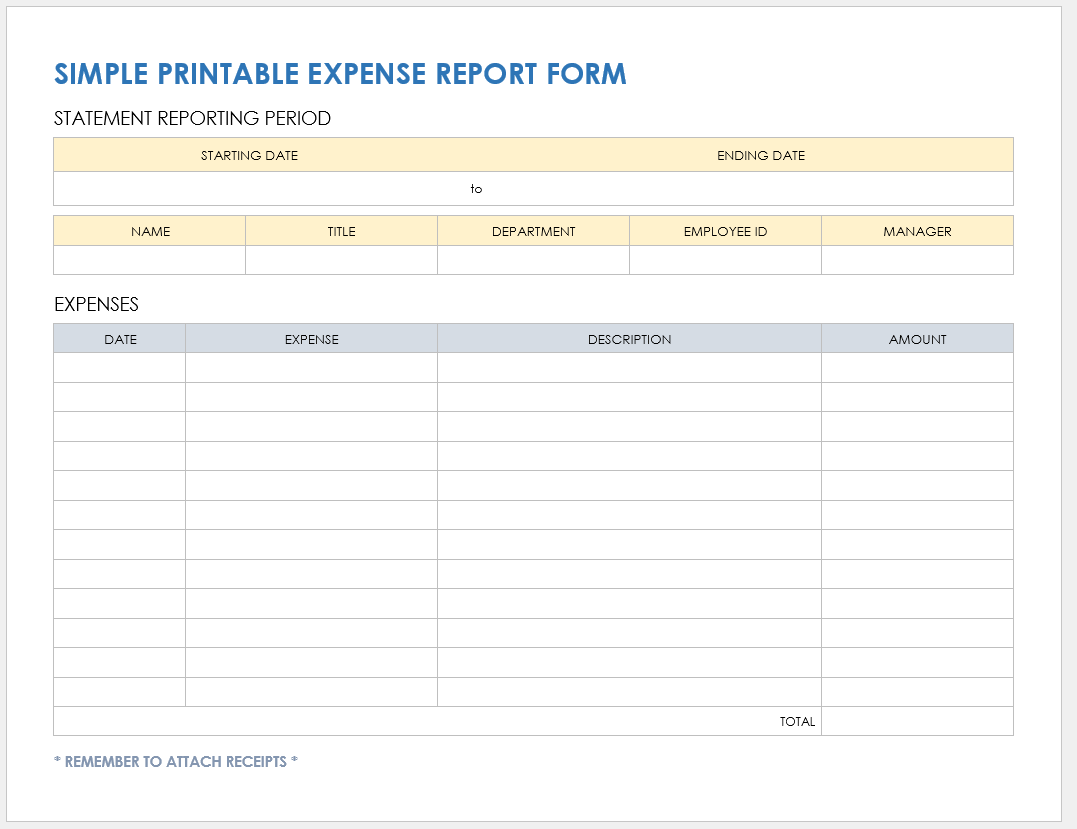
Free Printable Expense Report Form for Simple Documentation

A Free Printable Expense Report Form for Simple Documentation provides a straightforward, paper-based solution for recording expenses.

This format is especially useful for:

  • Small teams
  • Field workers
  • Temporary or offline reporting needs

While simple, printable forms still support consistency and clarity when designed with clear fields and categories.

Get also: Travel Expense Report Template

Choosing the Right Expense Report Template

Selecting the appropriate template depends on several factors:

  • Reporting frequency
  • Level of detail required
  • Approval processes
  • User familiarity

A good Expense Report should be easy to complete consistently while capturing all necessary financial details.

Overly complex templates discourage regular use, while overly simple formats may lack sufficient information for proper review.

Adapting Expense Reports for Different Use Cases

Expense reporting requirements vary across roles and contexts.

Employee Expense Reporting

Employees benefit from clear templates that simplify submission and reimbursement.

Team or Project Reporting

Project-based expense reports help track costs against specific initiatives or budgets.

Personal Expense Tracking

Individuals use simplified templates to monitor spending habits and manage budgets.

Tailoring the format ensures that expense reporting remains efficient and accurate.

Common Mistakes in Expense Reporting

Even well-designed templates can lose effectiveness if common mistakes occur, such as:

  • Incomplete or missing expense details
  • Poor categorization
  • Delayed reporting
  • Inconsistent reporting periods

A strong Expense Report Template emphasizes completeness, accuracy, and consistency.

Best Practices for Maintaining Accurate Expense Reports

To maximize the value of expense reporting:

  • Record expenses promptly
  • Use clear and consistent categories
  • Attach supporting documentation
  • Review reports before submission
  • Maintain a consistent reporting schedule

These practices reduce errors and improve financial reliability.

Using Expense Reports to Improve Financial Decisions

Expense reports are not only for recordkeeping. When reviewed regularly, an Expense Report Template supports better decision-making by revealing spending patterns and cost drivers.

Consistent reporting helps organizations and individuals:

  • Identify unnecessary expenses
  • Adjust budgets proactively
  • Improve cost control
  • Strengthen financial planning

Over time, historical expense data becomes a valuable resource for forecasting and optimization.

Long-Term Benefits of Standardized Expense Reporting

Organizations that adopt structured expense reporting gain:

  • Improved financial transparency
  • Faster approval and reimbursement cycles
  • Reduced risk of errors or disputes
  • Stronger budget discipline
  • Clearer audit trails

A reliable Expense Report Template becomes a foundational element of sound financial management.

Conclusion

An Expense Report is a vital tool for tracking spending, maintaining transparency, and supporting informed financial decisions. By standardizing how expenses are documented and reviewed, individuals and organizations gain clarity, consistency, and control.

Whether using an Expense and Income Report Template for Balanced Financial Tracking, a Monthly Expense Report Template for Consistent Budget Oversight, or a Free Printable Expense Report Form for Simple Documentation, the right format ensures that financial data is accurate, accessible, and actionable.

When applied consistently, expense reporting transforms everyday transactions into meaningful financial insight and stronger fiscal discipline.

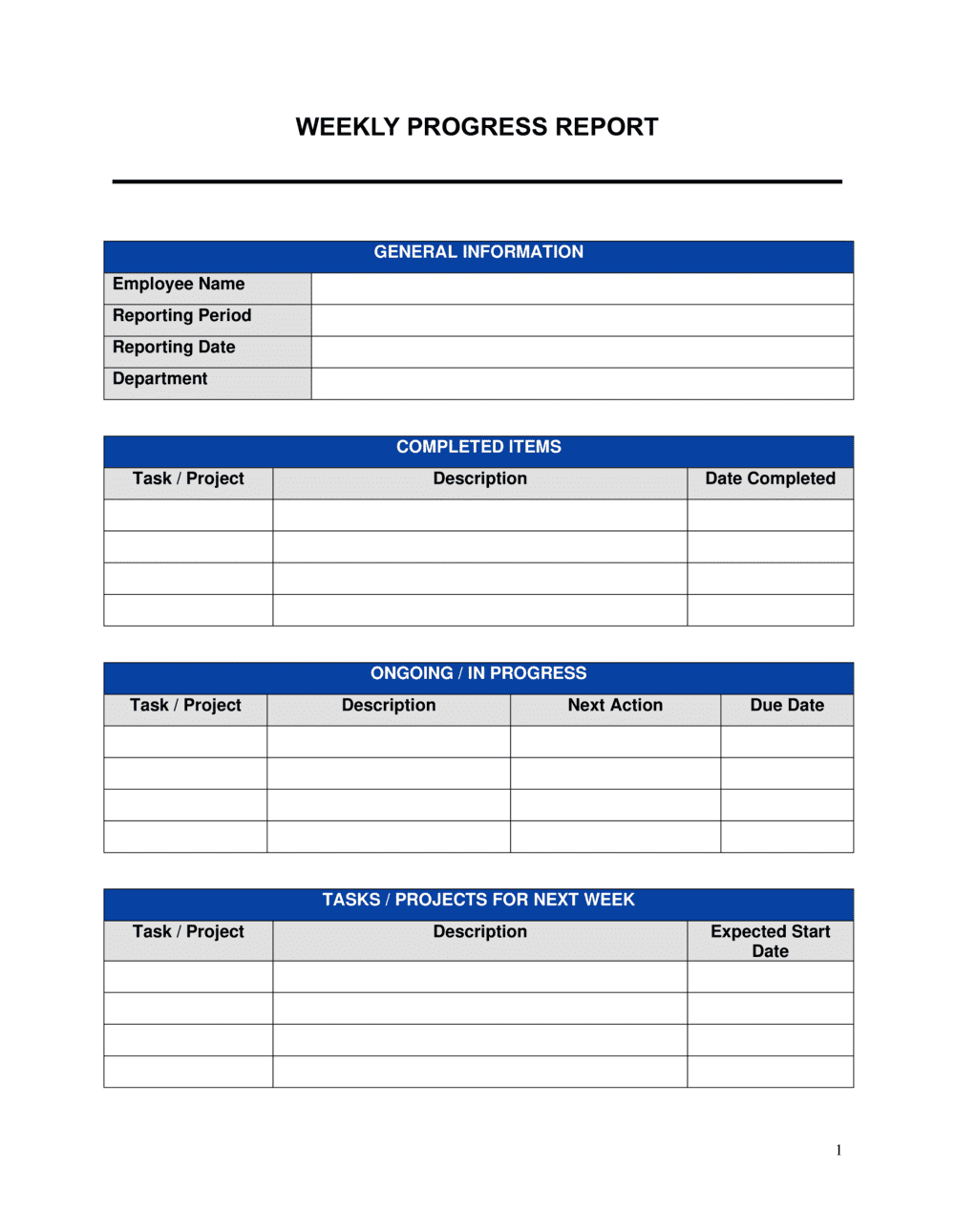
Weekly Progress Report Template – 10+ Formats to Improve Accountability

Weekly Progress Report Template structures are essential for teams and organizations that operate in fast-moving environments where visibility, alignment, and timely action matter. Weekly reporting provides a short feedback loop that helps identify issues early, maintain execution momentum, and ensure that priorities stay on track.

Without a standardized weekly format, progress updates often become fragmented, inconsistent, or overly informal. A clear reporting structure transforms weekly activity into meaningful insight that supports coordination, accountability, and continuous improvement.

What Is a Weekly Progress Report?

A Weekly Progress Report is a structured document used to summarize progress, activities, challenges, and next steps within a one-week reporting period. Its primary goal is to provide a clear and consistent snapshot of work status that supports timely decision-making.

Weekly reports focus on execution rather than long-term strategy. They answer critical questions such as:

  • What was planned for the week?
  • What was completed?
  • What is still in progress?
  • What issues or risks emerged?
  • What are the priorities for next week?

By answering these questions consistently, weekly reporting keeps teams aligned and accountable.

Why Weekly Progress Reporting Is So Effective

Weekly reporting strikes an ideal balance between detail and efficiency. It is frequent enough to catch issues early, yet structured enough to prevent information overload.

A Weekly Progress Report helps teams:

  • Detect delays before they escalate
  • Maintain focus on short-term priorities
  • Track execution against plans
  • Improve communication across roles
  • Reinforce accountability at the task level

Because the reporting cycle is short, corrective actions can be taken quickly and with minimal disruption.

Core Components of an Effective Weekly Progress Report

Although formats vary by context, high-quality weekly reports share common structural elements.

Reporting Period and Scope

This section clearly defines the week covered and the scope of work included in the report.

Planned vs. Completed Tasks

Comparing planned activities with completed work helps assess execution accuracy and reliability.

Work in Progress

This section documents ongoing tasks, their current status, and expected completion timelines.

Issues, Risks, and Blockers

Early identification of challenges allows teams to resolve problems before they affect delivery.

Key Outcomes or Learnings

Notable achievements or lessons learned during the week are highlighted here.

Next Week’s Priorities

Every Weekly Progress Report Template should end with a clear outline of upcoming priorities and responsibilities.
How Weekly Reporting Improves Execution Discipline

Weekly reporting reinforces discipline by creating a predictable rhythm of planning, execution, and review. When teams know progress will be reviewed weekly, priorities become clearer, and follow-through improves.

A Weekly Progress Report Template also encourages ownership. Individuals and teams become more conscious of commitments, timelines, and outcomes when progress is documented regularly.

Specialized Types of Weekly Progress Report Templates

Different contexts require tailored weekly reporting formats. Below are high-impact variations commonly used across industries and environments.
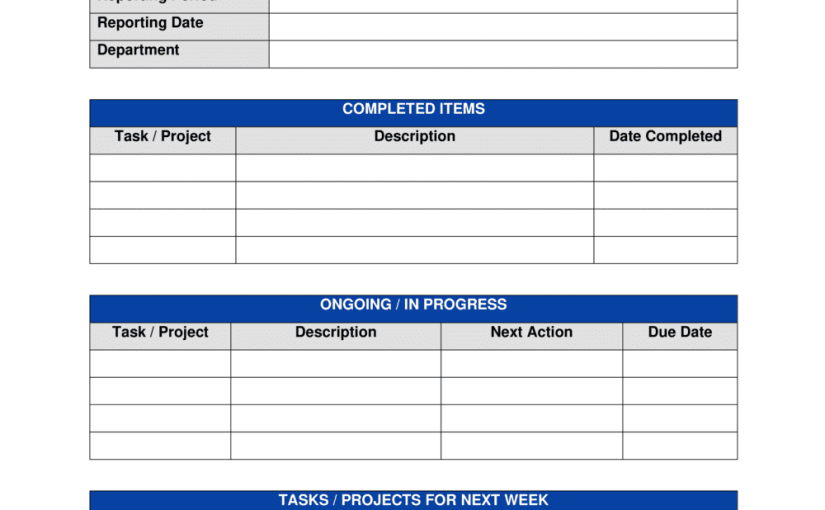
Weekly Project Status Report Template for Structured Delivery Control

A Weekly Project Status Report Template for Structured Delivery Control focuses on project-level execution, milestones, and dependencies.

This format typically includes:

  • Task completion status
  • Milestone progress
  • Schedule alignment
  • Resource or dependency issues

It is widely used in project management environments where coordination across roles and timelines is critical.

Weekly Student Progress Report Template for Academic Performance Tracking

A Weekly Student Progress Report Template for Academic Performance Tracking is designed to monitor learning progress, engagement, and development.

This report format often covers:

  • Academic tasks completed
  • Participation and engagement levels
  • Areas of improvement
  • Learning objectives for the next week

Educators and institutions use weekly student reports to provide timely feedback and support consistent progress.

Get also: Free Weekly Status Report Template Excel

Weekly Training Progress Report Template for Skill Development Monitoring

A Weekly Training Progress Report Template for Skill Development Monitoring tracks progress in structured learning or training programs.

Common elements include:

  • Training modules completed
  • Skill acquisition progress
  • Practice outcomes
  • Challenges or gaps

This format is especially useful in onboarding, professional development, and certification programs.

Choosing the Right Weekly Progress Report Template

Selecting the right template depends on several factors:

  • Nature of the work
  • Reporting audience
  • Level of detail required
  • Decision-making needs

A Weekly Progress Report Template should be simple enough to complete consistently, yet detailed enough to provide real value.

Overly complex templates discourage regular use, while overly simple formats risk missing critical insights.

Adapting Weekly Reports for Different Stakeholders

Although the core structure remains consistent, the presentation should vary depending on who will read the report.

Leadership and Management

Leaders benefit from summaries that highlight outcomes, risks, and alignment with short-term goals.

Team-Level Reporting

Teams need operational detail, task-level status, and clearly defined next steps.

External or Client-Facing Reporting

External audiences value clarity, transparency, and progress tied directly to agreed deliverables.

Tailoring reports ensures relevance without compromising consistency.

Common Mistakes in Weekly Progress Reporting

Weekly reports can lose effectiveness if common mistakes occur, such as:

  • Reporting activities without outcomes
  • Being too vague or overly detailed
  • Ignoring unresolved blockers
  • Changing the report structure frequently

A strong Weekly Progress Report Template emphasizes clarity, honesty, and actionability.

Best Practices for Writing Clear Weekly Progress Reports

To maximize the value of weekly reporting:

  • Use concise and specific language
  • Focus on results and implications
  • Be transparent about challenges
  • Keep formatting consistent
  • Align updates with weekly objectives

Well-written weekly reports support trust, alignment, and continuous improvement.

Using Weekly Progress Reports to Drive Better Decisions

The real value of a Weekly Progress Report lies in how it informs action. When reviewed consistently, weekly reports help teams:

  • Adjust priorities quickly
  • Resolve issues before they escalate
  • Improve execution accuracy
  • Strengthen short-term planning

Over time, weekly reporting creates a detailed execution history that supports better forecasting and performance evaluation.

Long-Term Benefits of Consistent Weekly Reporting

Organizations that adopt structured weekly reporting gain:

  • Stronger execution discipline
  • Improved communication
  • Reduced delivery risk
  • Clearer accountability
  • Better alignment across teams

A Weekly Progress Report Template becomes a foundational tool for maintaining momentum and operational clarity.

Conclusion

A Weekly Progress Report Template is a critical tool for tracking execution, maintaining alignment, and supporting timely decision-making. By standardizing how weekly updates are documented, organizations gain clarity, consistency, and accountability.

Whether using a Weekly Project Status Report Template for Structured Delivery Control, a Weekly Student Progress Report Template for Academic Performance Tracking, or a Weekly Training Progress Report Template for Skill Development Monitoring, the right reporting format ensures that progress is visible and actionable.

When applied consistently, weekly progress reporting transforms short-term activity into sustained performance and measurable results.

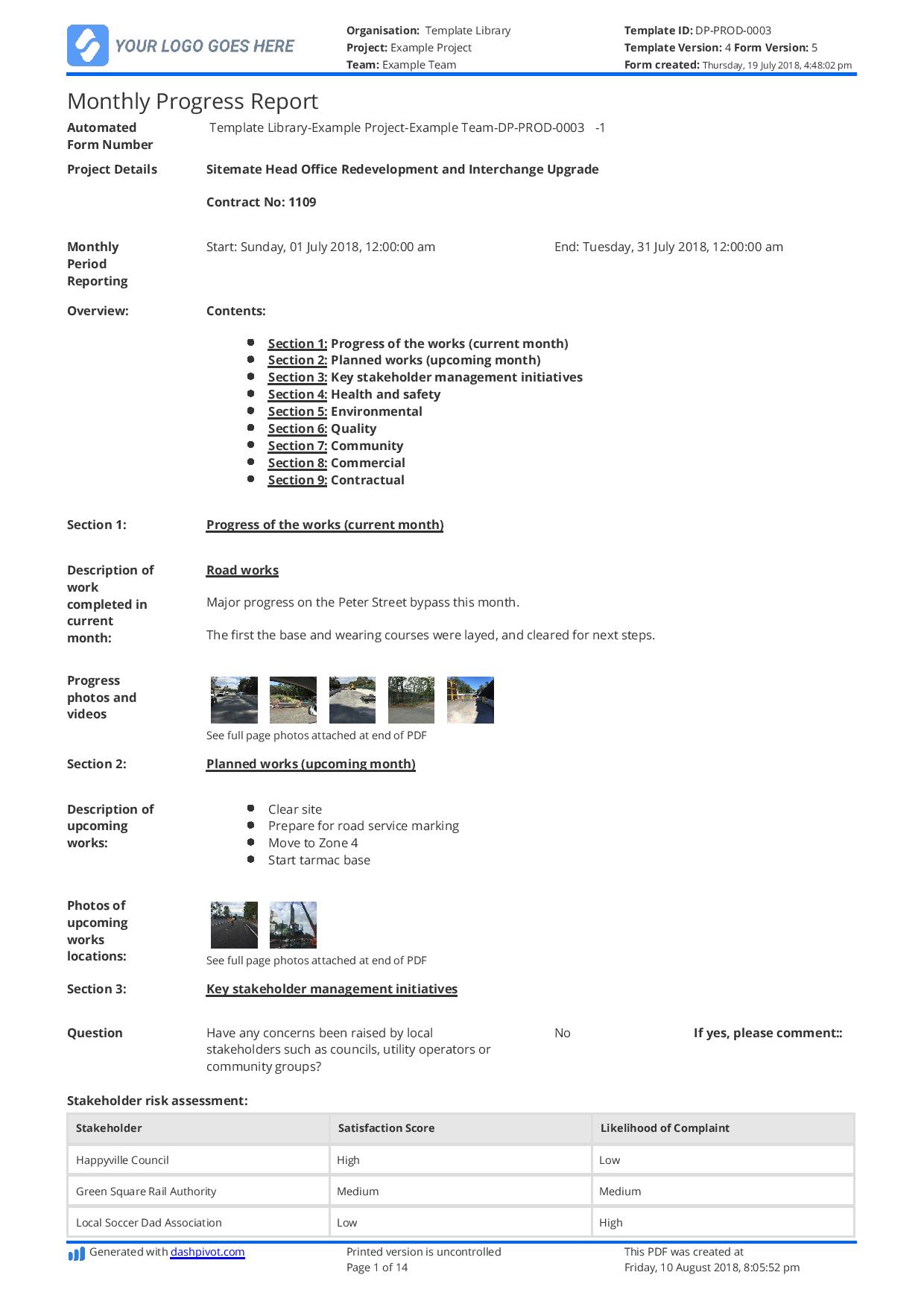
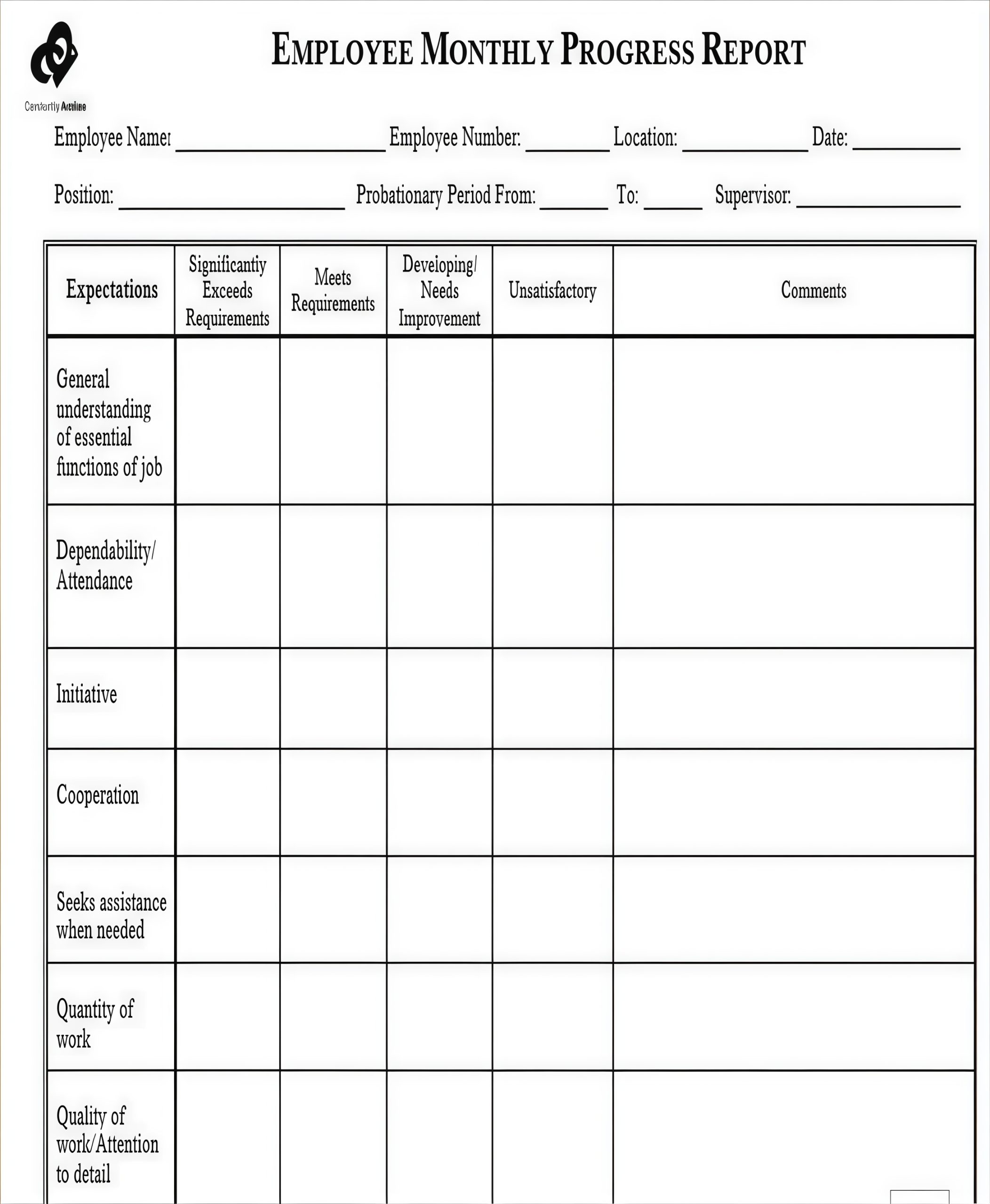
Monthly Progress Report Template – 2026 Strengthen Accountability

Monthly Progress Report Template frameworks are essential for organizations that need clear, structured visibility into ongoing work and performance outcomes. Monthly reporting sits at a critical intersection—frequent enough to detect issues early, yet comprehensive enough to show meaningful trends. Without a standardized format, monthly updates often become inconsistent, subjective, or difficult to compare.

A well-structured monthly report transforms scattered updates into reliable insights. It helps teams evaluate progress, communicate status clearly, and maintain accountability across projects, departments, and stakeholders.

What Is a Monthly Progress Report Template?

A Monthly Progress Report Template is a structured document used to summarize activities, achievements, challenges, and next steps within a single month. Its primary purpose is to provide a consistent snapshot of progress that supports informed decision-making.

Unlike informal updates, this template ensures that every report covers the same core elements, making comparisons between months clear and reliable. When used consistently, it becomes a powerful management and communication tool.

Organizations rely on monthly reporting to:

  • Track execution against planned objectives
  • Identify delays or performance gaps
  • Communicate progress transparently
  • Support accountability and ownership
  • Maintain alignment between planning and execution

Why Monthly Progress Reporting Is So Effective

Monthly reporting offers a balanced reporting cadence. It avoids the noise of daily or weekly updates while still providing timely insights before issues escalate.

A Monthly Progress Report allows teams to:

  • Review outcomes over a meaningful timeframe
  • Identify recurring patterns and trends
  • Assess whether corrective actions are working
  • Adjust priorities based on real progress

Because the timeframe is consistent, monthly reports provide a reliable foundation for comparison and performance evaluation.

Core Elements of a Strong Monthly Progress Report

An effective monthly report combines clarity, structure, and relevance. While formats may vary, the following elements are commonly included.

Reporting Period Summary

This section defines the month covered and provides a brief context for the report.

Objectives and Planned Activities

Clear objectives establish what the team aims to accomplish during the month.

Completed Work and Achievements

This section highlights milestones reached, tasks completed, and outcomes delivered, focusing on results rather than effort.

Ongoing Activities

Work still in progress is documented here, along with its current status and expected completion.

Challenges, Risks, and Constraints

Identifying issues early allows teams to take corrective action before delays or failures occur.

Next Month’s Action Plan

Every Monthly Progress Report should conclude with clear priorities and planned actions for the upcoming month.

How a Progress Report Template Supports Long-Term Consistency

A Progress Report Template provides the foundation for structured reporting beyond a single month. When the same framework is reused, teams can easily track performance trends over time.

Consistent reporting helps organizations:

  • Compare progress month over month
  • Maintain standardized documentation
  • Reduce ambiguity in performance reviews
  • Improve clarity in stakeholder communication

Monthly reports become more valuable with repetition, as historical data strengthens analysis and planning.

High-Impact Variations of Monthly Progress Reports

Different industries and functions require tailored reporting formats. Below are specialized monthly report variations commonly used in practice.

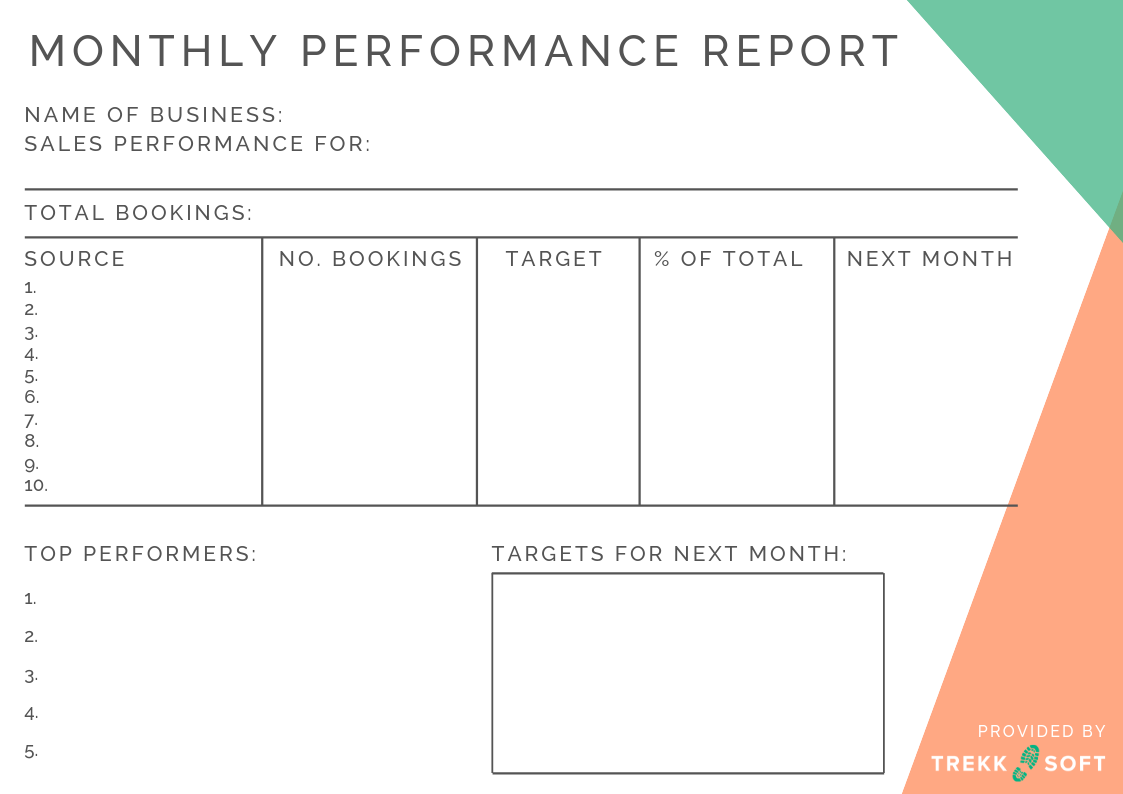
Monthly Performance Report Template for Measurable Results Tracking

A Monthly Performance Report Template for Measurable Results Tracking emphasizes outcomes, metrics, and performance indicators rather than task-level detail.

This format typically focuses on:

  • Key performance indicators
  • Target versus actual results
  • Variance analysis
  • Performance trends

It is especially useful for management reporting, operational oversight, and performance reviews where measurable outcomes matter most.

Monthly Construction Progress Report Template for On-Site Execution Control

A Monthly Construction Progress Report Template for On-Site Execution Control is designed for environments where timelines, resources, and physical progress must be monitored closely.

This report format often includes:

  • Work completed versus schedule
  • Site activities and milestones
  • Resource usage and constraints
  • Safety or compliance observations

Because construction projects involve multiple dependencies, monthly reporting provides critical visibility into execution status and risk exposure.

Get also: Construction Monthly Report Template

Integrated Monthly Progress Report Template for Cross-Functional Teams

Some organizations combine operational updates with performance tracking into a single document. This integrated approach supports collaboration across departments.

An integrated Monthly Progress Report typically includes:

  • Strategic objectives
  • Operational progress
  • Performance outcomes
  • Risks and mitigation actions

This format is ideal for complex projects involving multiple teams or stakeholders.

Choosing the Right Monthly Progress Report Template

Selecting the right template depends on:

  • The nature of the work
  • The level of detail required
  • The intended audience
  • Reporting objectives

For leadership audiences, summary-focused formats are often more effective. For operational teams, detailed task and risk tracking may be necessary.

A well-chosen Monthly Progress Report Template aligns reporting detail with decision-making needs.

Adapting Monthly Reports for Different Audiences

Although the structure remains consistent, the presentation should vary based on who will read the report.

Executive and Leadership Reports

Executives benefit from concise summaries, key outcomes, and high-level risks.

Team and Department Reports

Operational teams require detailed updates, blockers, and clearly defined next steps.

Client or External Reports

External stakeholders typically value transparency, clarity, and progress tied directly to agreed deliverables.

Tailoring reports improves clarity without sacrificing consistency.

Common Mistakes in Monthly Progress Reporting

Even well-designed templates can lose effectiveness if common mistakes occur, such as:

  • Reporting activities instead of outcomes
  • Being overly vague or excessively detailed
  • Hiding or minimizing challenges
  • Changing the report structure frequently

A strong Monthly Progress Report prioritizes honesty, clarity, and relevance.

Best Practices for Writing Effective Monthly Progress Reports

To maximize the impact of monthly reporting:

  • Use clear and professional language
  • Focus on results and implications
  • Highlight risks early
  • Maintain consistent formatting
  • Align updates with stated objectives

Good reporting builds trust and improves collaboration across teams.

Using Monthly Progress Reports to Drive Better Decisions

The true value of a Monthly Progress Report Template lies in how it supports action. Reports should inform decisions, not simply document activity.

When reviewed consistently, monthly reports help organizations:

  • Identify performance gaps
  • Adjust timelines and priorities
  • Allocate resources more effectively
  • Improve forecasting and planning

Over time, monthly reporting creates a reliable performance history that supports continuous improvement.

Long-Term Benefits of Standardized Monthly Reporting

Organizations that adopt structured monthly reporting gain:

  • Stronger accountability
  • Better communication
  • Reduced project risk
  • Improved visibility into execution
  • Clearer alignment between goals and outcomes

A Monthly Progress Report becomes a strategic asset when used consistently.

Conclusion

A Monthly Progress Report Template is a vital tool for tracking progress, evaluating performance, and maintaining accountability across projects and teams. By standardizing how updates are documented, organizations gain clarity, consistency, and actionable insight.

Whether using a Progress Report Template as a foundational framework, a Monthly Performance Report Template for Measurable Results Tracking, or a Monthly Construction Progress Report Template for On-Site Execution Control, the right reporting format ensures that progress is visible and decisions are informed.

When applied consistently, monthly progress reporting turns ongoing work into measurable, manageable results.

Progress Report Template: Drive Accountability in 2025

Progress Report Template structures are essential tools for documenting work status, measuring achievements, and communicating progress clearly across teams and stakeholders. Without a standardized reporting format, updates often become inconsistent, vague, or overly subjective. A well-designed template transforms ongoing activities into structured insights that support clarity, accountability, and informed decision-making.

Whether used in business operations, project management, education, or organizational planning, progress reporting provides a factual snapshot of where work stands and what actions are required next. This article explores the role of progress reporting, the essential elements of an effective template, and the most impactful formats used in different reporting cycles.

What Is a Progress Report Template and Why Does It Matter

A Progress Report Template is a structured document designed to capture updates on tasks, goals, milestones, and outcomes over a defined period. Its primary purpose is to provide visibility into ongoing work and ensure that progress is measured consistently.

Rather than relying on informal updates or scattered notes, organizations use standardized templates to:

  • Track completion status objectively
  • Identify delays, risks, or bottlenecks
  • Communicate progress clearly to stakeholders
  • Maintain alignment between goals and execution
  • Support accountability at individual and team levels

By using the same reporting framework repeatedly, progress becomes easier to evaluate and compare over time.

The Strategic Value of Structured Progress Reporting

Progress reporting is not merely administrative documentation. When structured correctly, it becomes a strategic tool that supports better coordination and performance control.

A Progress Report ensures that updates are:

  • Clear rather than ambiguous
  • Data-driven instead of opinion-based
  • Consistent across reporting periods
  • Action-oriented rather than descriptive

Structured reporting also reduces miscommunication. Everyone involved understands what is expected, what has been completed, and what remains outstanding.

Core Components of an Effective Progress Report

A high-quality template balances simplicity with sufficient detail. While the exact format may vary depending on context, most effective reports include the following elements.

1. Reporting Period Overview

This section defines the timeframe covered by the report, ensuring clarity on what progress is being evaluated.

2. Objectives or Deliverables

Clear objectives provide context for progress updates. This section outlines what the work aimed to accomplish during the reporting period.

3. Completed Activities

A summary of tasks or milestones that have been completed, focusing on outcomes rather than effort alone.

4. Ongoing Work

This section highlights activities that are currently in progress, including their current status and expected completion.

5. Challenges and Risks

Identifying obstacles early allows teams to address issues before they escalate. This section focuses on factors affecting progress.

6. Next Steps and Action Items

Every Progress Report Template should clearly outline what will happen next, who is responsible, and expected timelines.

Different Types of Progress Report Templates and When to Use Them

Progress reporting needs vary depending on how frequently updates are required. Below are the most commonly used reporting formats and their practical applications.

Weekly Progress Report Template for Fast-Paced Execution Control

A Weekly Progress Report Template for Fast-Paced Execution Control is designed for environments where work moves quickly, and frequent updates are necessary.

This format focuses on:

  • Short-term task completion
  • Immediate blockers or risks
  • Priorities for the upcoming week

Weekly reports are commonly used in:

  • Project management teams
  • Agile or sprint-based workflows
  • Operational roles with tight timelines

Their strength I focus on is clarity and immediacy, helping teams stay aligned without excessive detail.

Get also: Consulting Report Template

Monthly Progress Report Template for Strategic Performance Visibility

A Monthly Progress Report Template for Strategic Performance Visibility provides a broader view of progress over a longer period. It balances operational detail with high-level analysis.

This format typically includes:

  • Summary of key achievements
  • Comparison against planned objectives
  • Identification of trends or recurring issues
  • Adjustments to timelines or resources

Monthly reporting is ideal for managers, department heads, and stakeholders who require structured updates without daily or weekly granularity.

Get also: Daily Progress Report Template

Annual Progress Report Template for Comprehensive Outcome Review

An Annual Progress Report Template for Comprehensive Outcome Review delivers a long-term perspective on progress, outcomes, and overall effectiveness.

This format emphasizes:

  • Achievement of annual goals
  • Major milestones and deliverables
  • Lessons learned and performance patterns
  • Strategic priorities for the following period

Annual reports are often used for organizational reviews, institutional reporting, and long-term planning initiatives.

Choosing the Right Report Template for Your Needs

Selecting the appropriate reporting format depends on several factors:

  • Reporting frequency
  • Audience expectations
  • Project complexity
  • Level of detail required

A Progress Report Template should match the decision-making needs of its readers. Short reporting cycles benefit from concise formats, while longer cycles require more analytical depth.

Adapting Progress Reports for Different Stakeholders

Although the core structure remains consistent, progress reports should be tailored to the intended audience.

Executive-Level Reports

Executives benefit from summaries that focus on outcomes, risks, and alignment with broader objectives.

Team-Level Reports

Teams require operational detail, task-level updates, and clear next steps.

Client or External Reports

External audiences typically value transparency, clear explanations, and progress linked directly to agreed deliverables.

Customization ensures relevance without sacrificing consistency.

Common Mistakes That Reduce the Effectiveness of Progress Reports

Even well-designed templates can fail if misused. Common issues include:

  • Reporting activities instead of outcomes
  • Being overly vague or overly detailed
  • Ignoring unresolved challenges
  • Using inconsistent reporting periods

An effective Progress Report emphasizes clarity, relevance, and actionability over volume.

Best Practices for Writing Clear and Useful Progress Reports

To maximize the value of progress reporting:

  • Use clear and concise language
  • Focus on measurable outcomes
  • Be honest about challenges
  • Maintain consistency across reports
  • Align updates with defined objectives

Well-written reports support trust, transparency, and better collaboration.

Using Progress Reports to Improve Decision-Making

Progress reports should actively inform decisions, not simply document activity. When reviewed consistently, a Progress Report helps leaders and teams:

  • Identify performance gaps early
  • Reallocate resources effectively
  • Adjust timelines based on evidence
  • Improve planning accuracy

Over time, consistent reporting builds a reliable record of performance that supports continuous improvement.

The Long-Term Benefits of Standardized Progress Reporting

Organizations that adopt standardized reporting frameworks experience:

  • Improved accountability
  • Better communication
  • Reduced project risk
  • Clearer performance tracking
  • Stronger alignment between planning and execution

A Progress Report Template becomes more valuable with repeated use, as historical data strengthens analysis and forecasting.

Conclusion

A Progress Report is a foundational tool for tracking work, communicating updates, and supporting informed decisions. By standardizing how progress is reported, organizations gain clarity, consistency, and accountability across all levels.

Whether using a Weekly Progress Report Template for Fast-Paced Execution Control, a Monthly Progress Report Template for Strategic Performance Visibility, or an Annual Progress Report Template for Comprehensive Outcome Review, the right format ensures that progress is documented accurately and acted upon effectively.

When applied consistently, progress reporting transforms updates into insights and effort into measurable results.

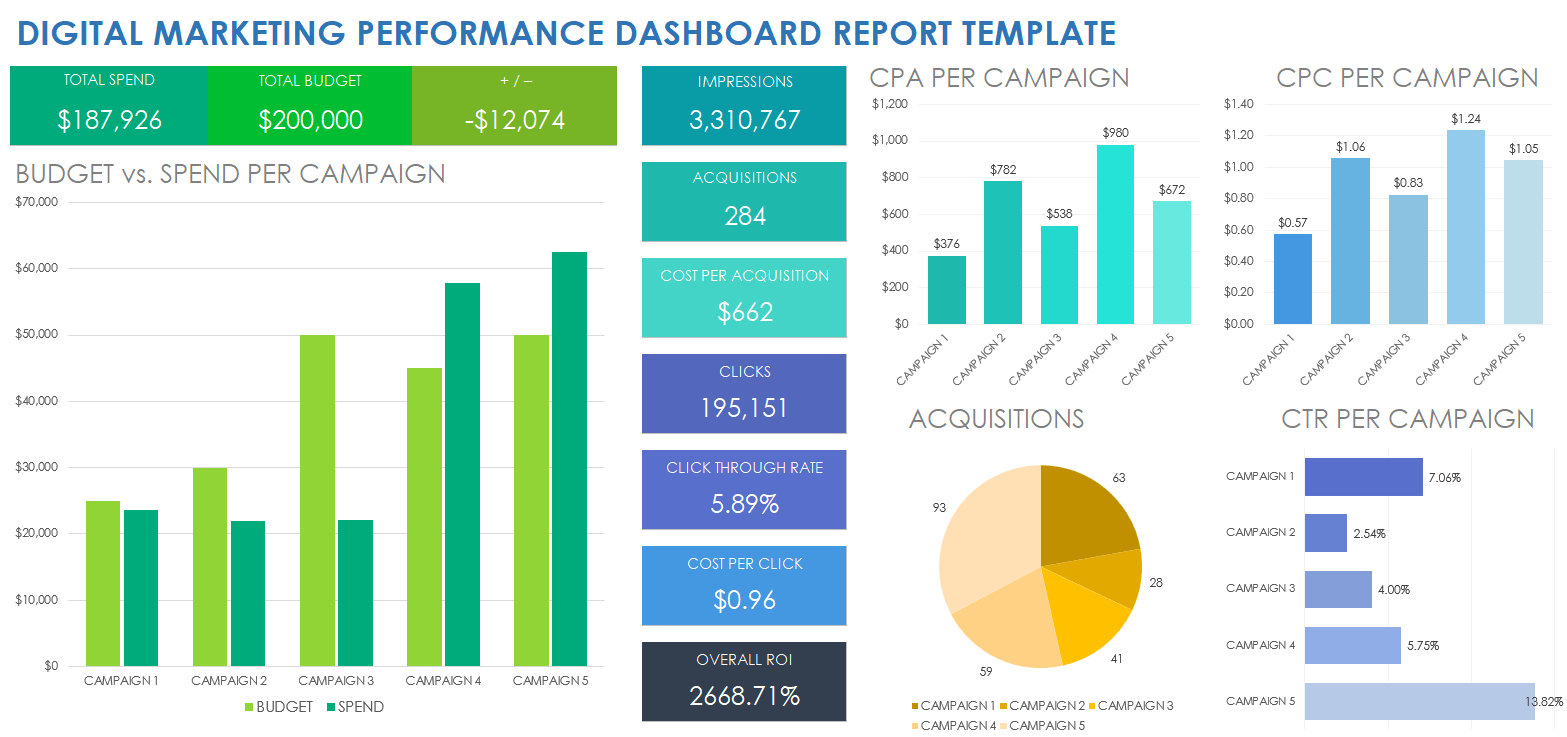
Digital Marketing Report Template – 7+ Free High-Impact Frameworks

Digital Marketing Report Template frameworks play a central role in how modern organizations evaluate performance, interpret outcomes, and plan future initiatives. Without a clear reporting structure, digital marketing data becomes scattered, difficult to compare, and easy to misinterpret. A structured approach to reporting ensures that results are not only visible but also meaningful.

By using a standardized reporting format, teams can translate complex data into clear insights that support better decisions. This article explores the structure, purpose, and practical use of reporting frameworks, along with the most impactful variations used across different digital marketing scenarios.

What Makes a Digital Marketing Report Template Essential

A Digital Marketing Report Template is designed to organize marketing performance data into a consistent and repeatable format. Rather than reviewing isolated metrics from multiple sources, teams rely on a single document that presents outcomes in a logical and easy-to-read structure.

The core objectives of a Digital Marketing Report Template include:

  • Providing clarity across multiple marketing channels
  • Ensuring consistent measurement over time
  • Supporting performance comparison between initiatives
  • Improving communication with stakeholders
  • Guiding future planning and optimization

When reporting follows a clear framework, patterns become easier to identify, and insights become more actionable.

Why Consistency Is Critical in Digital Marketing Reporting

Digital marketing activities often run simultaneously across platforms, audiences, and timelines. Without a unified reporting structure, evaluating overall performance becomes inefficient and unreliable.

A Digital Marketing Report Template ensures that all initiatives are measured using the same criteria. This consistency allows teams to:

  • Track progress accurately
  • Identify long-term performance trends
  • Understand the relationship between effort and outcome
  • Maintain alignment across departments

Consistent reporting also reduces subjective interpretation, keeping discussions focused on data-driven outcomes rather than assumptions.

Core Components of a High-Quality Digital Marketing Report

An effective report balances high-level summaries with detailed analysis. While formats may vary, most successful reports include the following elements.

Performance Snapshot

This opening section summarizes key outcomes, highlighting notable changes and overall direction. It allows readers to understand results quickly before diving into details.

Objectives and Measurement Framework

Clear objectives give context to performance data. This section outlines what the marketing activities aimed to achieve and which indicators were used to measure success.

Channel-Level Results

Breaking performance down by channel helps identify where results originate and how different platforms contribute to overall outcomes.

Audience Engagement Analysis

This section focuses on how users interact with digital assets, providing insight into behavior, interest, and interaction depth.

Conversion and Business Impact

Conversions represent measurable outcomes. This part of the report tracks completed actions that reflect real business value.

Insights and Interpretation

Beyond presenting numbers, this section explains what the data suggests and why certain trends may have occurred.

Strategic Recommendations

A Marketing Report Template should always conclude with clear, actionable recommendations based on observed performance.

High-Impact Types of Digital Marketing Reporting Templates

Different reporting goals require different frameworks. Below are the most commonly used formats, each serving a distinct purpose.

Digital Marketing Performance Report Template for Strategic Growth Tracking

A Digital Marketing Performance Report Template for Strategic Growth Tracking provides a comprehensive overview of ongoing marketing activities. It emphasizes long-term trends, overall effectiveness, and cross-channel performance.

This format is especially valuable for:

  • Monthly or quarterly performance reviews
  • Executive-level reporting
  • Internal strategy evaluation

By focusing on the bigger picture, this report helps organizations understand how individual efforts contribute to broader objectives.

Get also: Digital Marketing Monthly Report Template

Digital Marketing Campaign Report Template for Conversion-Driven Analysis

A Digital Marketing Campaign Report Template for Conversion-Driven Analysis is designed to evaluate a specific initiative within a defined timeframe. It isolates campaign-related data to measure effectiveness and efficiency.

This framework is commonly used for:

  • Promotional campaigns
  • Product or service launches
  • Paid media initiatives

Focusing on a single campaign allows teams to refine tactics, identify strengths, and address weaknesses with precision.

Digital Marketing Audit Report Template for Deep Strategic Assessment

A Digital Marketing Audit Report Template for Deep Strategic Assessment takes a diagnostic approach to reporting. Instead of emphasizing short-term results, it evaluates the overall condition of digital marketing activities.

Audit reports typically examine:

  • Channel alignment and consistency
  • Content effectiveness
  • Funnel structure and flow
  • Process efficiency

This format is ideal for identifying gaps and improvement opportunities before implementing new strategies.

Adapting a Digital Marketing Report Template for Different Audiences

While the structure of a Digital Marketing Report Template remains consistent, the presentation should be adapted to the intended audience.

Executive Reporting

Executives benefit from concise summaries, trend-focused insights, and outcome-driven conclusions.

Operational Team Reporting

Marketing teams often require deeper analysis, including detailed metrics and tactical observations.

Client-Facing Reporting

Clients typically value clarity, transparency, and clearly explained recommendations that connect performance to value.

Adapting reports ensures relevance without compromising consistency.

Key Advantages of Using a Standardized Reporting Framework

Organizations that rely on structured reporting frameworks gain measurable benefits:

  • Clear and consistent performance evaluation
  • Faster insight generation
  • Improved communication across teams
  • Stronger accountability
  • Better alignment between goals and outcomes

A Digital Marketing Report also simplifies historical comparison, making long-term analysis more reliable.

Common Reporting Challenges and How to Avoid Them

Even well-designed reports can lose effectiveness if common mistakes occur. These include:

  • Overloading reports with raw data
  • Focusing on activity rather than outcomes
  • Ignoring context when interpreting results
  • Inconsistent reporting periods

Avoiding these issues ensures that reports remain useful and actionable.

Using Reports as a Foundation for Better Decisions

The true value of a Digital Marketing Report lies in how it supports decision-making. Reports should not exist solely for documentation, but as tools that guide future actions.

When reviewed consistently, reports help teams:

  • Identify performance patterns
  • Optimize underperforming initiatives
  • Allocate resources more effectively
  • Improve planning accuracy

Over time, structured reporting builds a reliable performance history that supports smarter and more confident decisions.

Conclusion

A Digital Marketing Report Template is a critical asset for organizations managing complex digital initiatives. By providing a clear and consistent structure, it enables teams to evaluate outcomes, compare performance, and refine strategies with confidence.

Whether using a Digital Marketing Performance Report Template for Strategic Growth Tracking, a Digital Marketing Campaign Report Template for Conversion-Driven Analysis, or a Digital Marketing Audit Report Template for Deep Strategic Assessment, structured reporting transforms data into actionable insight.

When applied consistently, these frameworks support stronger alignment, clearer communication, and more effective digital marketing outcomes.

Weekly Expense Report Template – 2026 Powerful Financial Control

Weekly Expense Report Template – Eye-Opening Structure for Clear Financial Discipline | A Weekly Expense Report Template is a practical tool designed to keep spending visible, controlled, and accountable on a short-term horizon. Unlike monthly or annual reports that summarize after the fact, weekly expense reporting operates in real time. It captures financial behavior as it happens, making corrections possible before small leaks turn into serious budget problems.

Organizations that rely on weekly reporting often discover a simple truth: money behaves differently when it is watched closely. A Weekly Expense Report Template creates that visibility. It records routine costs, tracks operational spending, and highlights unusual activity while the details are still fresh.

This type of template is widely used across departments, project teams, sales operations, and field-based roles. Its value lies in immediacy. Managers do not need to wait for end-of-month reconciliations to understand spending patterns. Decisions can be made faster, supported by current data rather than outdated summaries.

Weekly Expense Report Template

A well-designed Weekly Expense Report Template organizes expenses into a consistent structure that can be completed quickly without sacrificing accuracy. The goal is simplicity paired with clarity.

Most weekly expense reports include:

  • Reporting period and employee or department details
  • Expense categories such as travel, meals, supplies, and services
  • Individual expense entries with dates and descriptions
  • Payment methods used (cash, card, reimbursement)
  • Subtotals by category
  • Weekly total expenses
  • Approval or verification section

This structure allows the report to function as both a tracking tool and a control mechanism. Employees can log expenses daily, while supervisors can review totals at the end of the week without needing additional clarification.

Consistency is critical. When the same template is used every week, comparisons become effortless. Trends emerge naturally, and irregular spending becomes easy to identify.

Why Weekly Expense Tracking Matters

Weekly reporting serves a different purpose than longer reporting cycles.

Immediate Visibility

Spending issues are identified while they can still be corrected.

Improved Budget Control

Frequent summaries prevent overspending from going unnoticed.

Faster Approvals

Shorter reporting periods reduce review time and bottlenecks.

Stronger Accountability

Clear ownership of weekly expenses encourages discipline.

Reduced Administrative Stress

Less pressure at month-end or year-end.

A Weekly Expense Report Template supports all of these benefits by standardizing how information is captured and reviewed.

General Supporting Section

Different operational needs call for slightly different reporting formats. The following variations expand on the core weekly expense structure while maintaining compatibility with a standardized approach.

Weekly Financial Report Template – Unbelievable Clarity Beyond Expenses

A Weekly Financial Report Template extends beyond expense tracking to provide a broader snapshot of short-term financial performance. While expenses remain a key component, this format also incorporates income, balances, and cash movement.

Typical elements include:

  • Weekly income or revenue summaries
  • Operating expenses and overhead costs
  • Net cash movement
  • Outstanding payables or receivables
  • Brief financial notes or observations

This weekly report template is particularly useful for small businesses, project-based teams, and departments that need to monitor cash flow closely. By pairing expense data with income information, decision-makers gain a clearer understanding of financial health on a week-by-week basis.

Used consistently, a Weekly Financial Report Template supports proactive planning. Instead of reacting to financial surprises, teams can anticipate short-term needs and adjust spending behavior accordingly.

Get also: Weekly Sales Report Template

Weekly Expense Sheet Excel Template – Stunning Simplicity for Fast Data Entry

A Weekly Expense Sheet Excel Template prioritizes speed and ease of use. It is often presented in a tabular format that allows quick entry of expenses with minimal friction.

Common features include:

  • Predefined expense categories
  • Simple rows for daily entries
  • Automatic weekly totals
  • Clear separation between reimbursable and non-reimbursable costs

This format is ideal for field staff, sales teams, and employees who incur frequent small expenses. The simplicity encourages consistent usage, which improves data accuracy over time.

Because the sheet format is easy to review, managers can scan totals quickly and focus attention where it matters most. Small irregularities stand out without requiring complex analysis.

Get also: Daily Expense Report Template

Weekly Expense Report Form – Eye-Opening Standardization for Approvals

An Expense Report Form emphasizes structure and approval workflows. It is often used in organizations that require formal validation before expenses are reimbursed or recorded.

This format typically includes:

  • Employee identification and role
  • Expense descriptions with supporting references
  • Declaration or confirmation statements
  • Supervisor review and approval fields
  • Submission and approval dates

The strength of this template lies in accountability. Every expense is clearly attributed, documented, and approved within a defined timeframe. This reduces disputes, prevents duplication, and supports internal controls.

For organizations with compliance requirements, a standardized Weekly Expense Report Form ensures that documentation remains consistent and review-ready.

Key Elements That Strengthen Weekly Expense Reporting

Clear Categories

Defined categories reduce misclassification and confusion.

Short Reporting Cycles

Weekly intervals keep data relevant and actionable.

Consistent Layout

Familiar structure speeds up completion and review.

Accurate Descriptions

Brief notes add context without unnecessary detail.

Approval Visibility

Clear sign-offs reinforce responsibility.

These elements turn routine expense tracking into a reliable management process.

Common Use Cases for Weekly Expense Reports

A Weekly Expense Report Template is effective in many real-world scenarios:

  • Sales teams tracking travel and client-related costs
  • Construction and field operations monitoring on-site expenses
  • Project teams controlling short-term budgets
  • Departments managing discretionary spending
  • Small businesses overseeing cash flow

In each case, the weekly format offers a balance between detail and efficiency.

Practical Benefits of Using a Standard Template

Organizations that adopt a consistent Weekly Expense Report Template experience measurable advantages:

  • Faster reporting cycles: Less time spent compiling data
  • Improved accuracy: Regular entries reduce forgotten expenses
  • Better oversight: Spending patterns become visible quickly
  • Simplified reviews: Managers know exactly where to look
  • Scalable process: Works for small teams and larger operations

Over time, these benefits contribute to stronger financial discipline and more confident decision-making.

Challenges Without Weekly Structure

Without a weekly reporting framework, organizations often face:

  • Delayed expense visibility
  • Incomplete or rushed month-end reports
  • Higher reimbursement disputes
  • Reduced spending accountability
  • Increased administrative workload

A structured weekly template resolves these issues by spreading reporting effort evenly across the reporting period.

Design and Presentation Considerations

While functionality is the priority, presentation still matters:

  • Use clean tables for readability
  • Highlight totals clearly
  • Separate daily entries visually
  • Keep formatting professional and consistent

A clear design improves adoption and reduces errors.

Final Thoughts

A Weekly Expense Report Template provides immediate insight into spending behavior, supports accountability, and simplifies financial oversight. When complemented by a Weekly Financial Report Template, streamlined through a Weekly Expense Sheet Template, and formalized using a Weekly Expense Report Form, it becomes a complete system for short-term financial control.

Consistent weekly reporting strengthens discipline. Clear documentation builds trust. And structured templates transform expense tracking from a routine task into a strategic advantage.

Exit mobile version