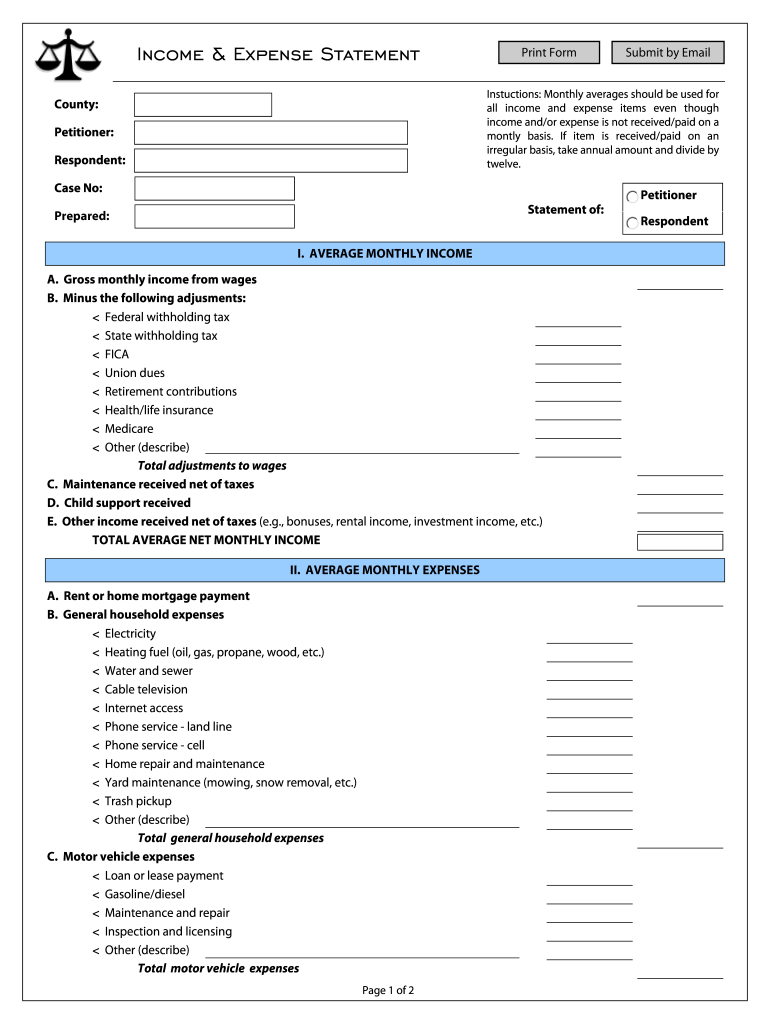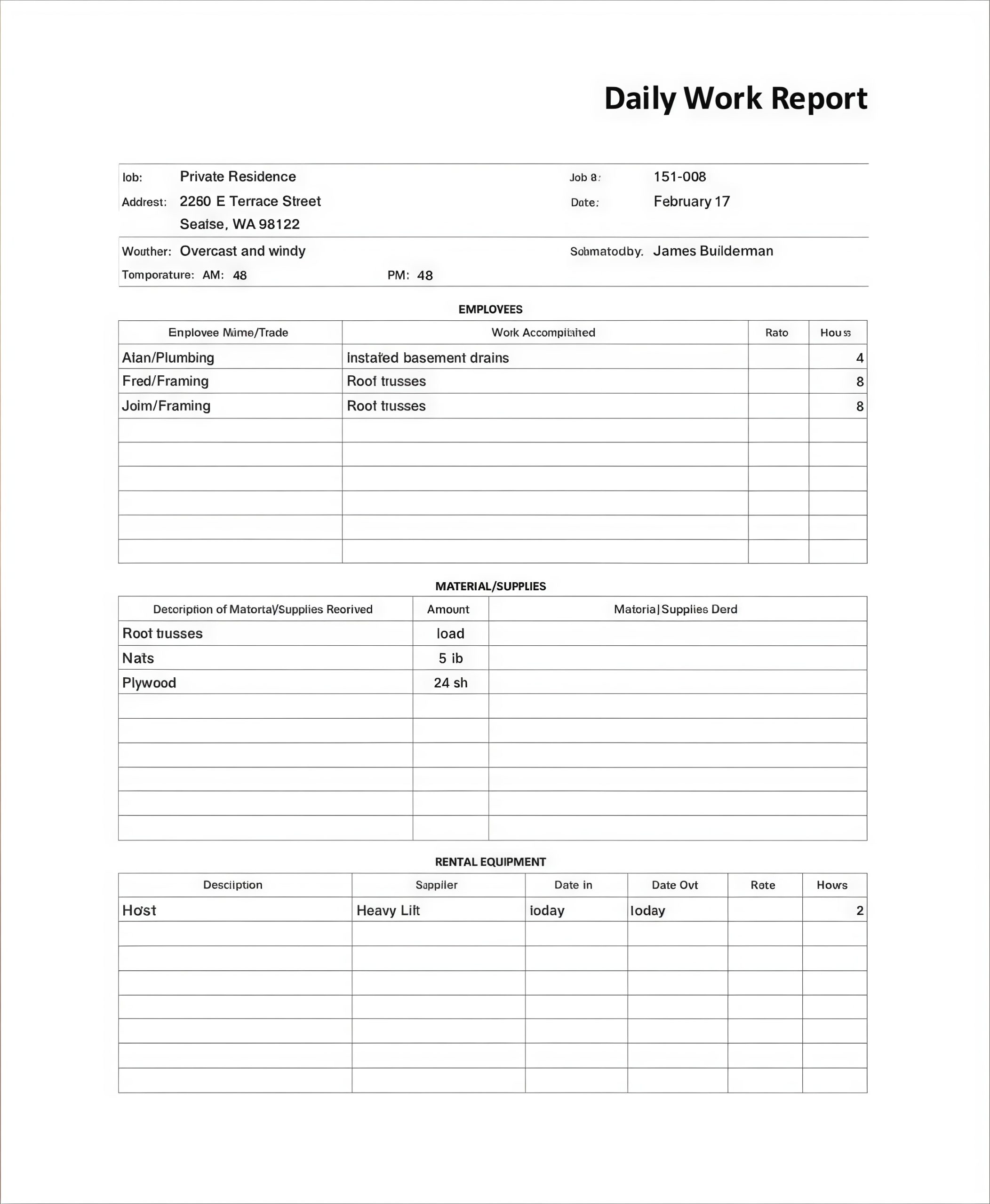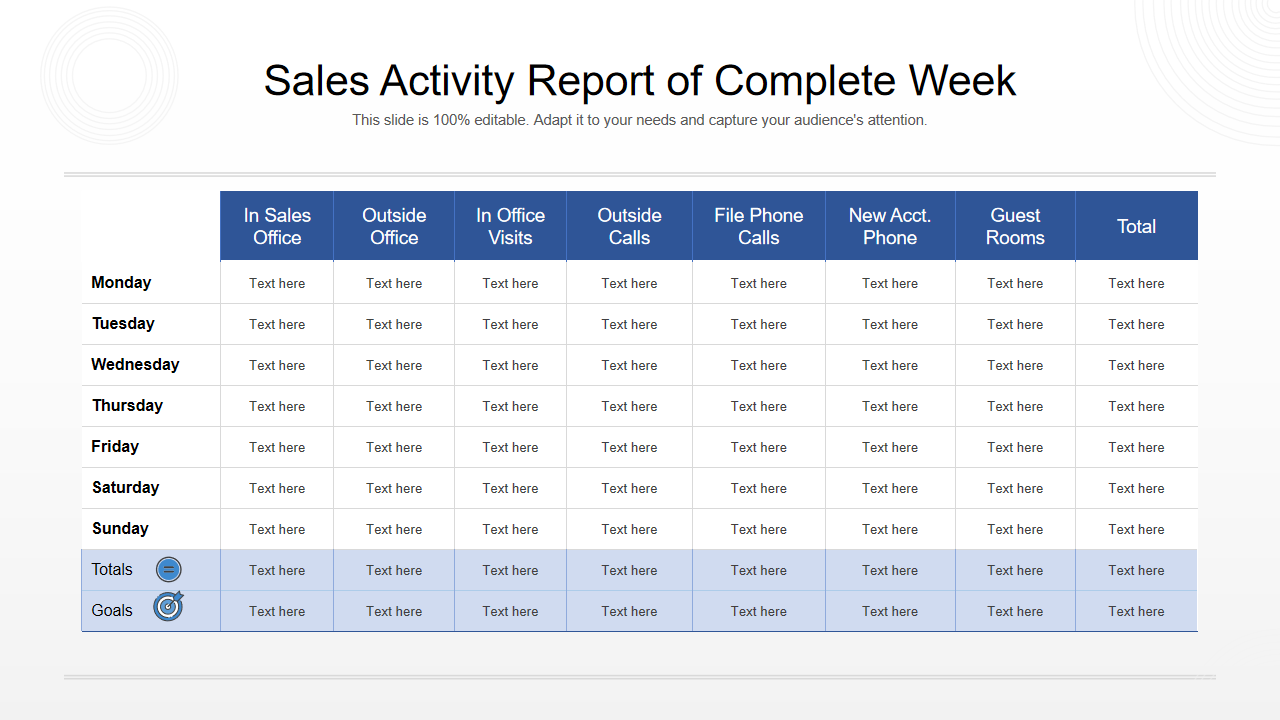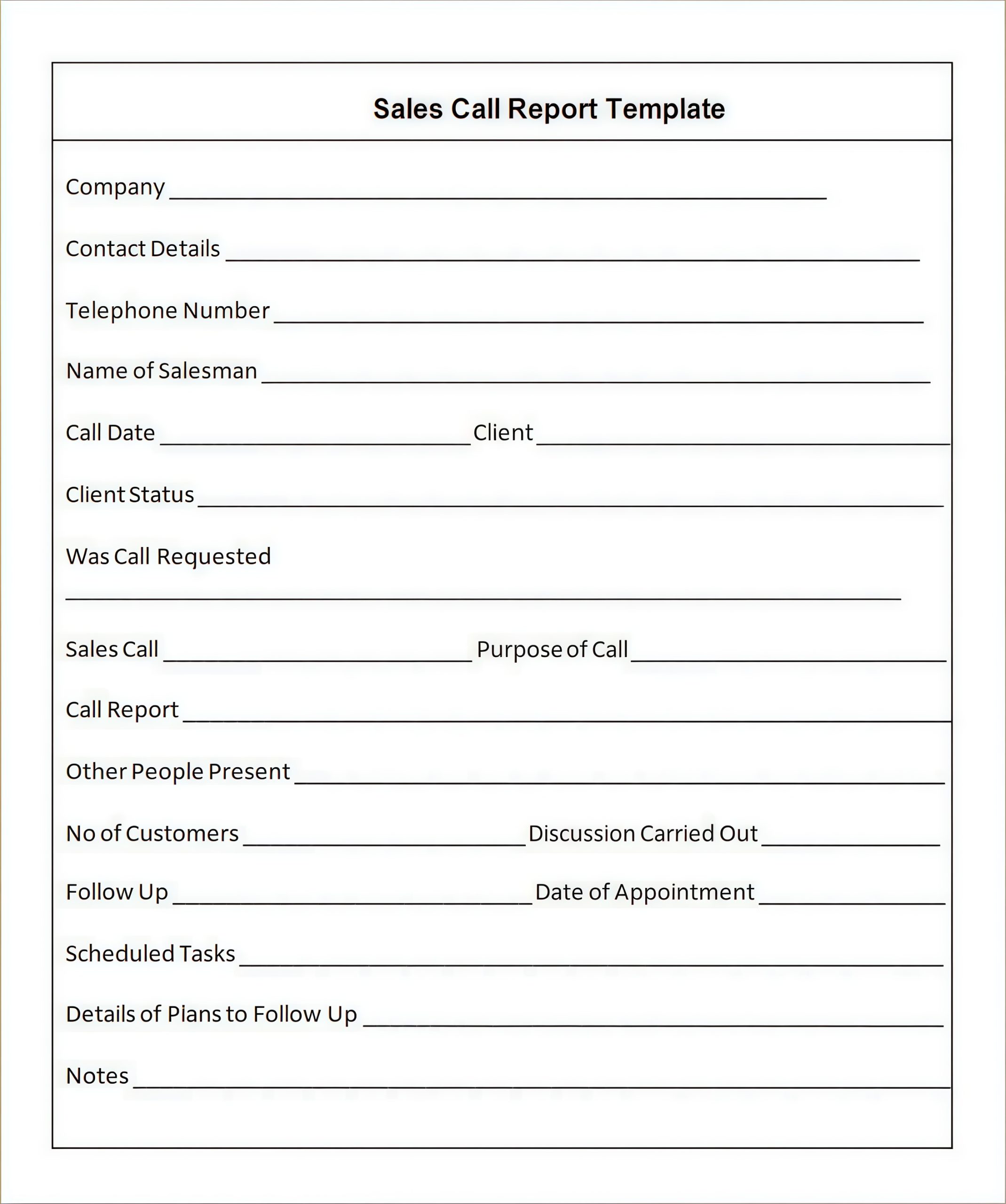
Annual Expense Report Template – 2026 Yearly Financial Clarity

Annual Expense Report Template – A Powerful Framework for Accurate Year-End Tracking | An Annual Expense Report Template is more than a financial summary—it is a control system for understanding where money truly goes over an entire year. Whether used by small businesses, organizations, nonprofits, or internal departments, this type of report brings order to what would otherwise be scattered receipts, inconsistent records, and vague assumptions.

Expenses have a habit of growing quietly. A coffee here, a subscription there, operational costs that seem harmless month to month suddenly look very different when viewed annually. An Annual Expense Report Template transforms those fragmented transactions into a clear, structured financial picture.

With a reliable template, decision-makers gain visibility. Patterns become obvious. Inefficiencies surface naturally. Budget discussions stop being emotional debates and start becoming evidence-based conversations. Most importantly, financial accountability becomes a habit rather than a once-a-year scramble.

Annual Expense Report Template

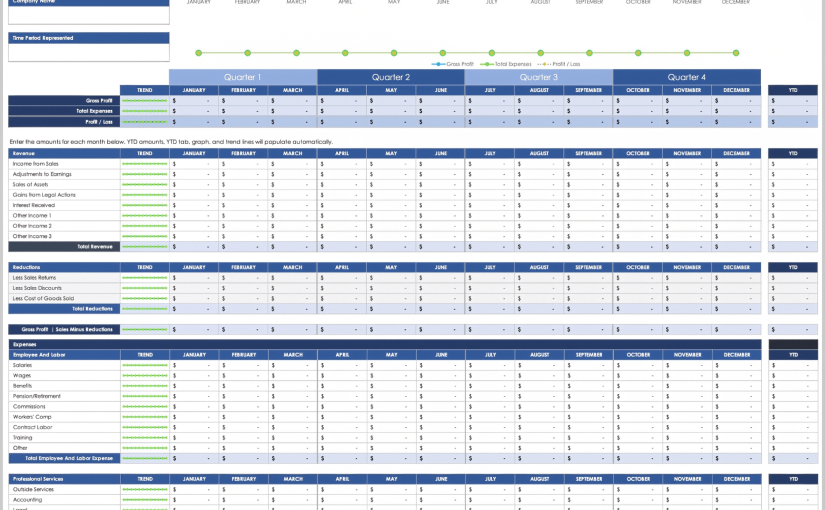
A well-structured Annual Expense Report Template organizes financial data into logical categories that make sense at a yearly scale. Instead of focusing on isolated transactions, it emphasizes trends, totals, and comparisons.

Typical sections within an annual expense report include:

  • Administrative and operational expenses
  • Payroll and contractor costs
  • Utilities and facility-related spending
  • Marketing and promotional expenses
  • Travel and logistics costs
  • Technology, software, and subscriptions
  • Miscellaneous and one-time expenses
  • Annual totals and variance summaries

Each category serves a purpose. Grouping expenses this way helps organizations quickly identify which areas consume the largest portion of resources and which costs fluctuate unpredictably.

A strong template also supports consistency. When the same structure is used year after year, financial comparisons become effortless. Leaders can assess growth, cost control, and sustainability without rebuilding reports from scratch.

Why Annual Expense Reporting Matters

Annual reporting offers a perspective that monthly or quarterly views cannot fully capture.

Long-Term Financial Awareness

Yearly expense summaries reveal trends that short-term reports often hide.

Budget Optimization

Understanding annual totals allows for more realistic budgeting for the future.

Accountability and Transparency

Clear expense documentation builds trust with stakeholders.

Audit Readiness

Structured records simplify internal reviews and external checks.

Strategic Decision Support

Reliable data improves planning and resource allocation.

An Annual Expense Report Template ensures these benefits are achieved without unnecessary complexity.

General Supporting Section

Different organizations and regulatory environments require tailored approaches to annual expense reporting. The following report formats address specific needs while remaining compatible with a standardized structure.

Yearly Expense Report Template – Unbelievable Simplicity for Long-Term Tracking

A Yearly Expense Report Template focuses on clarity and continuity. It is ideal for businesses and teams that want a straightforward, repeatable format to track expenses across a full calendar year.

This template typically emphasizes:

  • Monthly expense breakdowns aggregated into annual totals
  • Clear category definitions
  • Side-by-side comparisons between months
  • Visual summaries such as tables or charts

The strength of this format lies in its simplicity. Finance teams can trace how expenses evolve throughout the year without losing sight of the big picture. Sudden spikes or gradual increases become easy to spot.

For managers, a Yearly Expense Report Template reduces guesswork. Decisions about cost controls, vendor negotiations, or budget reallocations are grounded in documented patterns rather than assumptions.

Get also: Annual Financial Report Template

CT Annual Income and Expense Report – Eye-Opening Compliance and Accuracy

A CT Annual Income and Expense Report is designed to meet specific regulatory or organizational reporting standards, particularly where income and expenses must be presented together in a clearly reconciled format.

This type of report often includes:

  • Total annual income by source
  • Categorized annual expenses
  • Net surplus or deficit calculations
  • Supporting notes or explanations
  • Structured layouts aligned with reporting requirements

The value of this format lies in precision. Income and expense figures must align accurately, leaving little room for ambiguity. A structured template ensures that all required fields are addressed consistently.

Organizations using a CT Annual Income and Expense Report benefit from reduced compliance risk and improved confidence in their financial records. Leadership can review results knowing that data has been captured methodically.

Get also: Annual Marketing Report Template

Annual Income and Expense Report Template – Stunning Balance Between Costs and Revenue

An Annual Income and Expense Report Template presents a complete financial snapshot by pairing spending with earnings. Rather than viewing expenses in isolation, this format highlights financial sustainability.

Common components include:

  • Revenue streams and funding sources
  • Operating and non-operating expenses
  • Net financial position
  • Comparative figures from previous years
  • Summary insights and notes

This expense report template is particularly useful for nonprofits, project-based organizations, and internal departments. It allows stakeholders to understand how expenses relate directly to income and whether financial performance supports long-term goals.

By using a consistent Annual Income and Expense Report Template, organizations gain clarity. Financial discussions shift from fragmented cost analysis to holistic performance evaluation.

Key Elements That Strengthen Annual Expense Reports

Clear Categorization

Well-defined expense categories prevent misclassification and confusion.

Consistent Time Frames

Using the same reporting period ensures accurate comparisons.

Supporting Documentation

References to invoices or records strengthen credibility.

Readable Layout

Logical spacing and structure improve comprehension.

Summary Insights

High-level observations help readers interpret the data.

These elements turn raw numbers into meaningful financial intelligence.

Common Use Cases for Annual Expense Reporting

An Annual Expense Report Template supports a wide range of real-world scenarios:

  • Year-end financial reviews
  • Budget planning and forecasting
  • Board or leadership presentations
  • Regulatory and compliance reporting
  • Internal audits and evaluations

In each case, consistency and clarity make the report more effective and easier to trust.

Practical Benefits of Using a Template

Organizations that rely on a standardized Annual Expense Report Template gain lasting advantages:

  • Efficiency: Faster preparation and review
  • Accuracy: Reduced risk of missing or duplicated data
  • Transparency: Clear visibility into spending
  • Comparability: Easy year-over-year analysis
  • Scalability: Adaptable as operations grow

Over time, these benefits translate into stronger financial discipline and better strategic outcomes.

Challenges Without a Structured Template

Without a consistent reporting framework, organizations often face:

  • Incomplete expense records
  • Inconsistent categorization
  • Difficulty reconciling totals
  • Time-consuming manual reviews
  • Limited financial insight

A structured template resolves these issues by imposing order and repeatability.

Design and Presentation Considerations

While accuracy is essential, presentation also influences how reports are received:

  • Use tables for clarity
  • Group related expenses logically
  • Highlight totals and key figures
  • Keep formatting clean and professional

A well-presented report invites understanding rather than confusion.

Final Thoughts

An Annual Expense Report is a foundational tool for financial clarity and accountability. When combined with a Yearly Expense Report Template, aligned with regulatory needs such as a CT Annual Income and Expense Report, and integrated into a broader Annual Income and Expense Report Template, it provides a complete and reliable financial picture.

Clear reporting strengthens decision-making. Structured documentation builds trust. And consistent templates turn financial review from a burden into a strategic advantage.

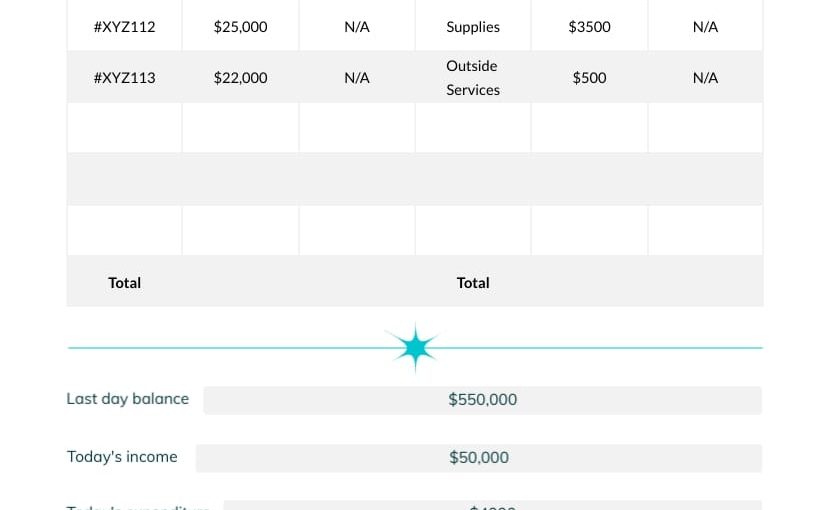
Daily Financial Report Template – 2026 Smarter Daily Decisions

Daily Financial Report Template – Incredibly Effective for Tracking Daily Performance | A Daily Financial Report Template gives businesses a reliable way to understand their cash flow, spending behavior, and financial health on a day-to-day basis. Even companies with strong accounting systems often struggle with the “daily gap”—the difference between what happened today financially versus what becomes visible only at the end of the week or month. This Daily Financial Report Template fills that gap with a clean, structured workflow that turns daily activity into immediate insight.

When used consistently, a Daily Financial Report Template becomes a stabilizing force. It highlights opportunities, reveals inconsistencies, and provides a steady rhythm of visibility. Whether you’re monitoring revenue streams, tracking expenses, reviewing balances, or reconciling transactions, the template organizes everything into an easy-to-understand format that anyone on the finance team can use.

It’s especially valuable for businesses handling high-volume transactions, frequent cash movements, or expenses that appear unexpectedly. Retailers, service companies, hospitality venues, contractors, and field teams all benefit from having a daily financial snapshot that increases accuracy and removes guesswork.

Daily Financial Report Template Free Download

A standard Daily Financial Report Template includes several structured components designed to capture a full day’s financial picture:

  • Revenue summary
  • Cash inflows and outflows
  • Receipts and payment logs
  • Outstanding invoices or payables
  • Operational expenses
  • Account balances and adjustments
  • Notes on irregularities or anomalies
  • Plans or follow-up actions for the next day

Each section helps maintain transparency. Teams gain immediate visibility into spending patterns, revenue trends, and financial movements that would otherwise remain hidden until later reports are compiled.

By documenting the financial story of each day, businesses avoid miscalculations and ensure every dollar is accounted for. The template also reduces reliance on memory—something especially important when multiple departments or cash handlers are involved.

Daily reporting also simplifies long-term analysis. When patterns emerge over weeks or months, managers can adjust budgets, refine operations, or strengthen financial policies based on concrete evidence collected from daily logs.

General Supporting Section

Daily Cash Report Template Excel – Hidden Advantages for Cash Control and Accuracy

A Daily Cash Report Template Excel provides one of the most practical tools for businesses that depend heavily on cash transactions. Excel’s flexibility—combined with formulas, drop-down fields, and automated calculations—makes it ideal for daily financial documentation.

This kind of template typically includes:

  • Opening cash balance
  • Total cash received
  • Cash payments and withdrawals
  • Petty cash transactions
  • Closing cash balance
  • Variance tracking

The biggest advantage is accuracy. With formulas handling calculations automatically, human error is reduced significantly. Cashiers, bookkeepers, and finance officers can enter numbers quickly while Excel keeps everything aligned and reconciled.

Daily cash reporting also supports accountability. For businesses with multiple cash handlers, shifts, or branches, this template ensures that every cent is tracked with clarity. It helps identify discrepancies early, preventing issues from snowballing into significant financial losses.

It also supports better forecasting. Cash-heavy businesses often rely on these reports to understand purchasing patterns, replenishment needs, or staffing requirements. By reviewing daily movements, managers can plan more effectively and maintain steady operations.

Get also: Daily Sales Report Template

Daily Financial Statements – Little-Known Benefits for Operational Stability

Daily Financial Statements provide a condensed version of a company’s income, expenses, and financial standing for the day. Unlike traditional monthly or quarterly statements, daily statements offer real-time financial intelligence.

These statements tend to include:

  • Daily revenue breakdown
  • Cost of goods or services sold
  • Daily operational expenses
  • Taxes, fees, or other obligations
  • Running totals for the month
  • Short commentary for context

The benefit of daily statements is their ability to expose trends and inefficiencies early. If daily expenses spike without explanation, the issue becomes visible instantly. If revenue dips unexpectedly, managers can investigate within hours rather than waiting until month-end.

For organizations with complex operations or multiple revenue channels, daily statements bring everything together. They allow teams to monitor financial health with a level of frequency that encourages proactive management.

Additionally, they reinforce internal controls. By reviewing daily numbers, managers can verify accuracy, detect errors, or confirm that financial procedures are being followed consistently across the business.

Daily Income and Expense Report Template – Stunning Ways to Improve Budget Visibility

A Daily Income and Expense Report Template gives both individuals and businesses a straightforward way to understand their financial habits. For companies, this template often becomes the backbone of operational financial tracking.

It usually includes:

  • Total income collected for the day
  • Detailed expense breakdown
  • Category sorting (utilities, materials, payroll, marketing, etc.)
  • Notes on unusual items
  • Net total for the day
  • Running daily comparison charts

This format helps teams stay disciplined. It’s easy to underestimate daily spending, especially when purchases are small or frequent. By tracking each expense, organizations gain clarity over where their money is going and which areas may require cost adjustments.

For teams managing projects, service operations, or daily supply needs, this template supports smarter financial behavior. It helps highlight unnecessary expenses, duplicated purchases, or cost inefficiencies that would otherwise go unnoticed.

It also improves accountability. When employees know expenses are monitored daily, adherence to financial policies strengthens naturally. Managers gain visibility without the need for excessive oversight, creating a healthier financial culture.

Get also: Daily Marketing Report Template

How Companies Use a Daily Financial Report Template in Real Scenarios

1. Retail and Hospitality

Businesses with high transaction volume use daily reporting to track sales, reconcile cash, monitor shifts, and adjust staffing needs.

2. Construction and Contracting

Teams use templates to track daily expenses, material purchases, subcontractor payments, and project-specific financial activity.

3. Service-Based Companies

Daily tracking helps align revenue with hours worked, client billing, and operational expenses.

4. Corporate Finance Offices

Daily snapshots support cashflow forecasting, budget pacing, and internal audit readiness.

5. Startups and Small Businesses

Daily clarity helps new businesses avoid overspending and maintain steady control during rapid growth phases.

Internal Benefits of Using Daily Financial Reports

1. Stronger Budget Pacing

Daily visibility ensures budgets are followed consistently rather than over- or under-used.

2. Faster Problem Detection

Errors, fraud, or miscalculations can be discovered immediately.

3. Increased Transparency

Teams gain clarity about where financial resources are going.

4. Better Decision-Making

Daily trends inform smarter operational and financial choices.

5. More Accurate Month-End Reporting

Daily documentation makes the monthly closing smoother and more accurate.

Practical Tips for Getting the Most Out of Your Daily Financial Reports

1. Keep Data Entry Simple

Avoid overly complex fields. Make the template easy to update consistently.

2. Standardize Categories

Consistency ensures comparisons remain accurate and meaningful.

3. Review Numbers with Context

Small daily notes help explain anomalies in future audits.

4. Cross-Check Cash, Cards, and Transfers

Daily reconciliation prevents future confusion.

5. Align the Report With Business Model Needs

Adjust sections based on cashflow patterns, transaction types, or operational demands.

Final Thoughts

A Daily Financial Report Template provides an essential foundation for businesses that need control, accuracy, and real-time financial visibility. Whether used alongside a Daily Cash Report Template Excel, Daily Financial Statements, or a Daily Income and Expense Report Template, it strengthens financial discipline and keeps teams aligned with daily operational realities.

Daily Marketing Report Template – 2026 Stronger Campaign Performance

Daily Marketing Report Template – Extraordinary Precision for Daily Growth Tracking | A Daily Marketing Report Template gives marketing teams the clarity they need to navigate fast-moving campaigns, shifting audience behaviors, and performance indicators that change faster than a trending meme. With so many channels producing data—social posts, ads, email sends, landing pages, content releases—this template consolidates the chaos into a single, organized snapshot of progress.

In the world of marketing, every click, view, or interaction contributes to the larger puzzle. A Daily Marketing Report Template helps teams understand what happened today, why it happened, and how to adjust tomorrow’s strategy with confidence. It turns scattered numbers into actionable insights, allowing marketers to stay aligned, agile, and accountable.

This structured daily reporting system becomes especially useful for teams managing multi-channel campaigns, seasonal promotions, or rapid A/B testing cycles. Whether you’re refining messaging, monitoring budgets, or adjusting creative assets, this template keeps your daily priorities grounded in clarity.

Daily Marketing Report Template

A robust Daily Marketing Report Template typically includes sections for:

  • Daily campaign updates
  • Channel performance snapshots
  • Audience engagement metrics
  • Spend tracking and budget alignment
  • Lead insights and conversions
  • Creative asset performance
  • Daily challenges or blockers
  • Planned actions for the next day

This helps teams avoid the “guessing game” and make decisions using actual data rather than assumptions. The template also ensures that daily shifts don’t go unnoticed—something that becomes invaluable when campaigns scale quickly, or unexpected spikes occur.

Marketers often juggle content calendars, ad performance, email metrics, creative iterations, and stakeholder requests all at once. By documenting everything daily, the team gains a clear picture of what’s influencing conversions and what needs further optimization.

General Supporting Section

Daily Work Report Template Marketing – Hidden Methods for Clarifying Daily Priorities

A Daily Work Report Template Marketing helps individual marketers organize the dozens of tasks that fill their day. From drafting copy to analyzing metrics to preparing campaign assets, marketing roles often involve rapid context switching. This template ensures that every priority is documented, categorized, and aligned with ongoing goals.

Key elements typically include:

  • Tasks completed today
  • Tasks in progress
  • Pending tasks awaiting approval
  • Campaign insights gathered during the day
  • Notable team interactions
  • Obstacles preventing progress
  • Goals for the next day

This format is especially helpful in collaborative departments where multiple marketers contribute to a single campaign. When everyone documents their workflow, the team avoids duplication, misunderstanding, or gaps that can slow down performance.

It also supports transparency—helpful for managers who need visibility without micromanaging. When used consistently, this template reveals working patterns, highlights bottlenecks, and strengthens productivity habits.

Get also: Daily Sales Report Template Excel Free Download

Daily Marketing Activity Report Format – Eye-Opening Ways to Track Promotions and Engagement

A Daily Marketing Activity Report Format captures the critical details behind performance-driven marketing actions. It provides a breakdown of everything that happened during the day, from content distribution to customer interactions.

Typical sections include:

  • Social media results
  • Paid advertising metrics
  • Email campaign performance
  • Content output (blogs, videos, graphics)
  • Website activity and landing page behavior
  • Lead flow patterns
  • Audience sentiment or feedback
  • Cross-channel synergy analysis

This daily activity report format helps teams identify which touchpoints are driving momentum and which require refinement. For example, a social post might generate unusually high engagement, or a new email segment might convert better than expected. The format highlights these patterns immediately.

Marketers often underestimate how fast performance can shift based on messaging, timing, or audience behavior. Documenting these shifts daily ensures that small insights turn into big opportunities sooner rather than later.

Get also: Free Daily Progress Report Template

Daily Financial Report Template – Classified Insights for Budget Control and Spend Efficiency

A Daily Financial Report Template becomes indispensable for marketing teams managing multiple campaigns, ad sets, or vendor partnerships. Marketing budgets can drain faster than expected—especially when ads scale automatically or when campaigns include several creative variations.

This template usually contains:

  • Daily spend breakdown
  • Cost per result
  • Budget pacing
  • Vendor payments or charges
  • Refunds, adjustments, or financial anomalies
  • ROI indicators
  • Forecasted vs. actual spend
  • Notes related to financial decisions

Daily financial reporting prevents budget surprises. Instead of discovering problems at the end of the week, teams see issues in real time—such as overspending, underperformance, or unbalanced budget allocation.

This format also helps justify decisions to stakeholders, ensuring that every dollar is tied to a measurable action or outcome. It supports smarter resource allocation and strengthens relationships with finance or executive teams by delivering consistent clarity.

How Teams Use a Daily Marketing Report Template in Real Scenarios

1. Multi-Channel Campaign Monitoring

Track performance across social ads, search ads, email blasts, organic content, and influencer collaborations—all in one place.

2. Creative Asset Testing

Understand which graphics, videos, headlines, or CTAs resonate best with specific audiences.

3. Content Calendar Execution

Document what was published today, where it was distributed, and how it performed within hours.

4. Marketing Team Coordination

Ensure everyone—from copywriters to analysts—moves in sync with campaign objectives.

5. Real-Time Optimization

Identify weak-performing ads, rising trends, or sudden engagement spikes and adjust immediately.

6. Stakeholder Communication

Daily reporting gives managers and clients confidence by offering transparent, up-to-date snapshots of progress.

Key Benefits of Using These Templates Daily

1. They Improve Decision-Making

When traditional marketing decisions rely on instinct, daily reporting introduces logic and clarity.

2. They Create Consistency

Campaigns thrive when data is reviewed consistently rather than occasionally.

3. They Help Teams React Faster

Spotting a sudden shift in engagement becomes much easier when you track it every day.

4. They Strengthen Collaboration

Transparency fosters smarter teamwork and fewer miscommunications.

5. They Support Long-Term Growth

Daily patterns reveal the bigger picture—helping campaigns evolve strategically rather than reactively.

Best Practices for Using a Daily Marketing Report Template

1. Keep Data Clean and Organized

Avoid long paragraphs when short summaries deliver clarity.

2. Focus on Metrics That Matter

Track actionable insights rather than vanity metrics.

3. Compare Performance Day to Day

Trends reveal themselves through consistent measurement.

4. Tie Activities to Outcomes

Make it easy to see which tasks influence results most.

5. Review as a Team

Collaboration turns data into decisions.

Final Thoughts

A Daily Marketing Report Template helps marketing teams thrive in environments where performance can shift within hours. Combined with tools like the Daily Work Report Template Marketing, Daily Marketing Activity Report Format, and Daily Financial Report Template, it forms a complete reporting ecosystem that keeps your marketing organization aligned, agile, and data-driven.

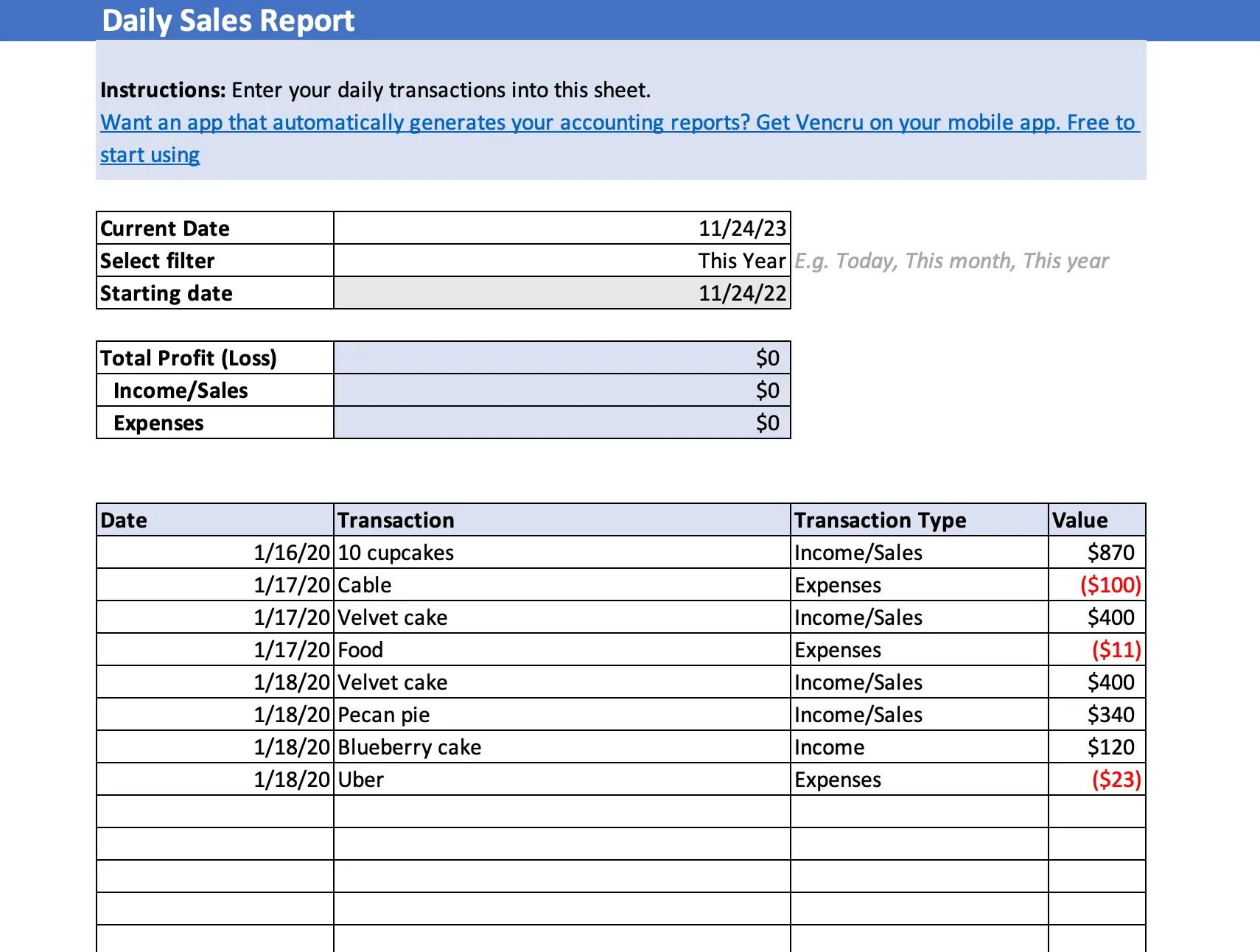
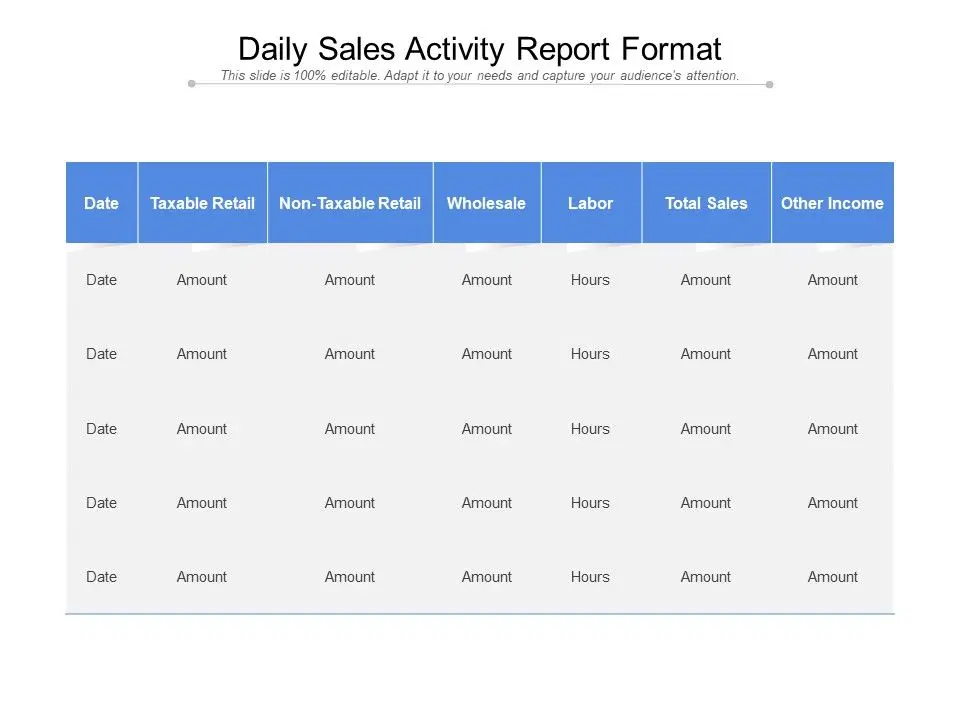
Daily Sales Activity Report Template – 8+ Best Options

Daily Sales Activity Report Template – Stunning Insights for Daily Revenue Momentum | A Daily Sales Activity Report Template keeps sales teams grounded in clarity, consistency, and measurable performance. When your day is filled with calls, follow-ups, client demos, product inquiries, and a never-ending stream of “Let me think about it,” this template becomes your structured anchor. It transforms busy work into organized progress—making it easier to see what drives results and what needs adjustment.

Sales environments move quickly. Prospects shift priorities, pipelines fluctuate, and deals evolve from cold to warm to “Tell your manager I’ll sign next week”—and back to cold again. A well-structured Daily Sales Activity Report Template captures all these movements in a clean layout that highlights progress, effort, and opportunities.

Below, we break down its value, functionality, and the power of related report types that strengthen your entire sales ecosystem.

Why a Daily Sales Activity Report Template Matters

Salespeople work hard—no one questions that. But working hard without tracking progress is like running on a treadmill, thinking you’re crossing cities. A Daily Sales Activity Report Template offers a reality check and a roadmap simultaneously.

It captures critical metrics such as:

  • Number of calls made
  • Emails sent
  • Meetings conducted
  • Follow-ups completed
  • New leads added
  • Deals progressed
  • Deals closed
  • Obstacles encountered
  • Insights worth sharing with the team
  • Next steps planned

This template isn’t about micromanaging sales reps—it’s about giving them clarity. Clarity on their flow, their productivity, and their pipeline health. When the day ends, the report shows what truly moved the needle.

What Makes This Template Effective

1. It Reveals Daily Sales Momentum

Numbers don’t lie. A Daily Sales Activity Report Template helps you see patterns—whether you’re gaining traction or just circling the same prospects.

2. It Strengthens Accountability

Not in the “look over your shoulder” way. It helps reps back up their performance with real data.

3. It Improves Forecasting

The more consistent your daily reporting, the more accurate your weekly, monthly, and quarterly predictions become.

4. It Highlights Bottlenecks

Transport delays, client objections, unclear product details—daily reporting exposes challenges that need support.

5. It Reinforces Professional Development

Patterns in activity levels reveal where training, support, or process updates are needed.

What’s Inside a Great Daily Sales Activity Report Template

A complete template includes:

  • Sales rep name and date
  • Call summaries
  • Prospects contacted
  • Communication types used
  • Outcomes of each interaction
  • Commitments made by prospects
  • Pending tasks
  • Competitor insights gathered
  • New opportunities discovered
  • Metrics related to sales quotas
  • Notes for tomorrow

When a template is designed well, it becomes a natural extension of the sales workflow—not an extra task.

General Supporting Section

Daily Sales Call Report Template – Unique Techniques for Capturing Every Client Interaction

A Daily Sales Call Report Template gives structure to the most essential sales activity: conversations. Whether you’re working with cold leads or nurturing long-term clients, calls often dictate the direction of your sales pipeline.

A strong template records:

  • Total calls made
  • Call duration
  • Customer interest level
  • Objections received
  • Promises or commitments given
  • Meeting arrangements
  • Call outcomes (successful, voicemail, follow-up required)

This template helps sales reps avoid losing track of valuable conversations. It also ensures that small details—like names, purchase timelines, or objections—don’t get buried under the next call. Sales managers also benefit by understanding communication patterns and identifying both strong talk tracks and areas needing refinement.

Ultimately, a Daily Sales Call Report Template keeps your call strategy consistent, transparent, and efficient.

Get also: Retail Daily Sales Report Template Excel

Daily Sales Tracking Report Template – Astonishing Ways to Monitor Sales Flow

A Daily Sales Tracking Report Template helps sales teams visualize progress in real time. It connects activities to outcomes by breaking down the entire daily workflow into digestible segments.

Strong templates include:

  • Sales targets vs. actual sales
  • Lead sources
  • Sign-ups or registrations
  • Deals created or updated
  • Revenue achieved
  • Category-based performance (products, services, regions)
  • Prospect engagement metrics

Tracking daily performance creates an ongoing narrative. Over time, you see patterns emerge—like which days consistently perform better, which leads convert fastest, or which product categories attract the most interest.

This template is especially useful for teams that handle multiple product lines or diverse customer segments. With proper tracking, the team gains the ability to refocus resources where they matter most.

Get also: Daily Expense Report Template

Daily Sales Report Format in Excel – Concealed Systems for Clean, Organized Sales Data

A Daily Sales Report Format in Excel brings structure, formulas, and automation into your daily reporting process. Excel remains unmatched for fast calculations, sortable tables, drop-down lists, and conditional formatting that highlights performance at a glance.

Typical fields include:

  • Total orders
  • Total revenue
  • Product categories
  • Payment types
  • Top-selling items
  • Refunds or cancellations
  • Customer types (new vs. returning)
  • Notes about unique customer interactions

Excel doesn’t just store information—it helps interpret it. With functions and filters, teams gain immediate clarity without manually analyzing each line. For businesses handling large datasets or multiple salespeople, this format keeps things uniform and easy to audit.

It also supports importing data from CRM tools, POS systems, and spreadsheets used by other departments, making it a flexible reporting backbone.

Practical Use Cases

1. Inside Sales Teams

Track calls, outreach, follow-ups, and conversions with precision.

2. Field Sales Representatives

Record client visits, on-site demos, and discussions with buyers.

3. Retail Sales Teams

Monitor daily transactions, customer volumes, and product performance.

4. Real Estate Professionals

Log property tours, buyer inquiries, investor calls, and deal negotiations.

5. B2B Sales Teams

Document each stage of the pipeline and track enterprise prospects.

6. Service-Based Sales

Track packages, service requests, upsells, and consultative interactions.

How to Make the Most of Your Daily Sales Activity Report Template

1. Fill it in consistently

Being consistent gives your data power. The more you track, the more insights you gain.

2. Use short, clear notes

Avoid vague summaries like “Good call.”
Instead:

  • “Client interested in Q2 upgrade—needs proposal.”
  • “Requested sample—send tomorrow.”

3. Review weekly patterns

Daily insights become meaningful when viewed over time.

4. Share highlights with your team

Your patterns may help someone else, and their insights may elevate your strategy.

5. Link it to your sales goals

Daily activity should always ladder up to bigger targets.

Why Teams Love Using These Templates

They reduce chaos

Sales involves juggling dozens of interactions. Templates help organize the whirlwind.

They improve performance

Clear records mean better coaching, more strategic follow-ups, and smarter prioritization.

They build confidence

Reps can show exactly how much work they put in, giving them data-backed pride.

They strengthen customer relationships

Recording conversations accurately prevents missed commitments or forgotten details.

Final Thoughts

A Daily Sales Activity Report Template is more than paperwork—it’s a performance engine. It transforms your daily routine into structured progress and drives smarter decisions grounded in real activity. With complementary tools like the Daily Sales Call Report Template, Daily Sales Tracking Report Template, and Daily Sales Report Format in Excel, you build a complete reporting system that enhances clarity and streamlines your workflow.

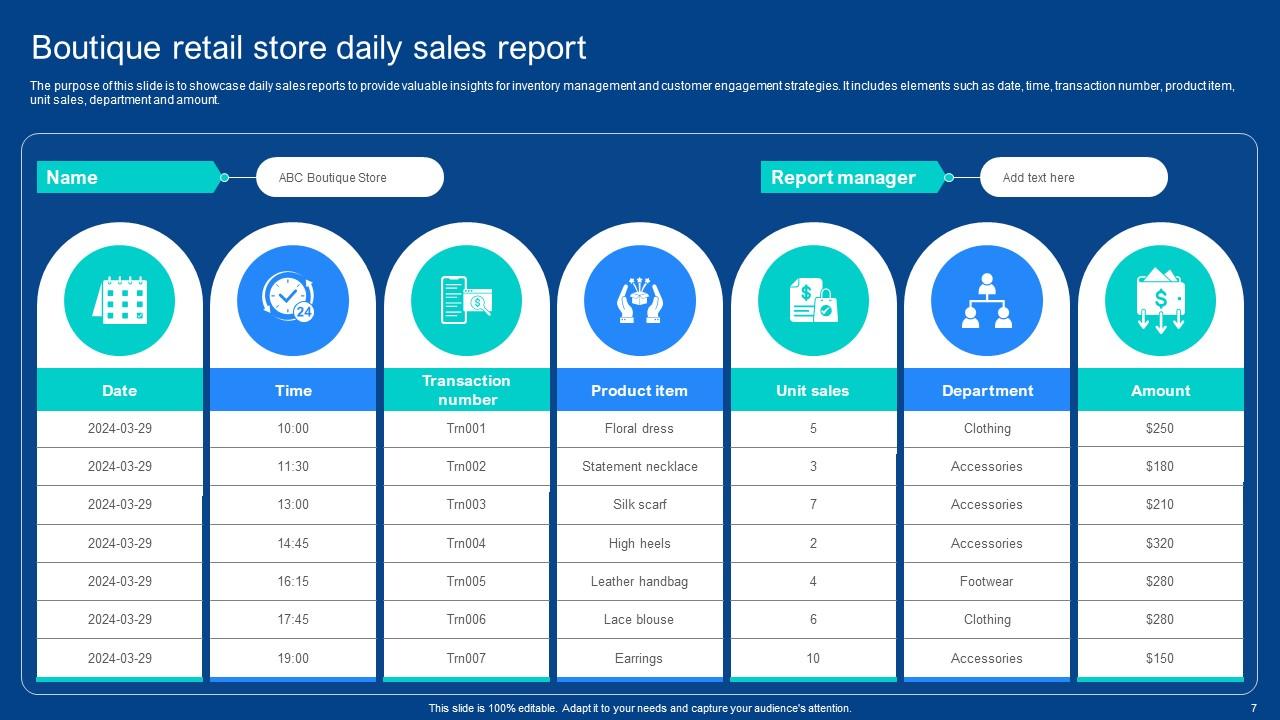
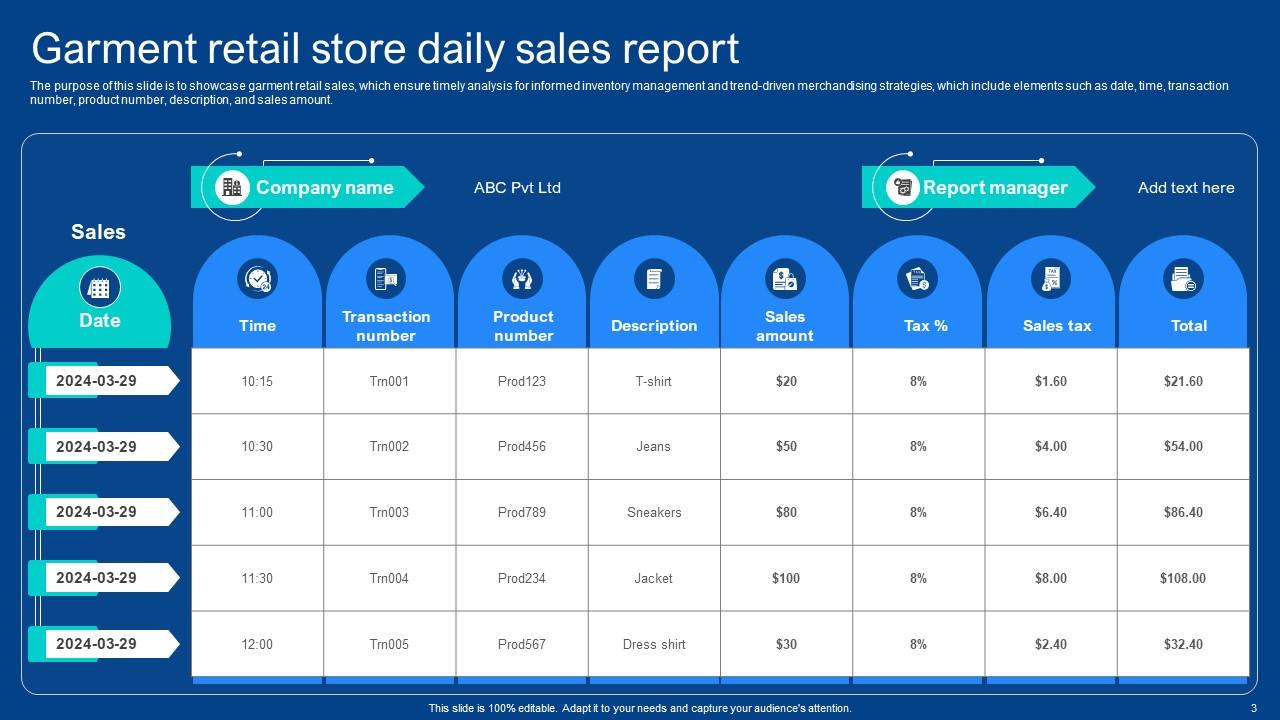
Retail Daily Sales Report Template (2026 Smarter Store Management)

Retail Daily Sales Report Template – Stunning Ways to Capture Daily Revenue with Precision | A Retail Daily Sales Report Template helps retail managers break free from the guesswork that often surrounds daily revenue performance. Instead of juggling scattered POS summaries, notebook scribbles, and late-night mental math, you get a streamlined structure that records sales activity with clarity and consistency.

This template becomes the heartbeat of your store’s financial rhythm. Each day tells a story—how customers behaved, which products made an impact, where operations slowed down, and how your team contributed. With the right format, these details turn from scattered noise into actionable insights that elevate the entire business.

Let’s dig into the value, structure, and practical uses of a Retail Daily Sales Report Template, along with the powerful variations that support different industries.

Why a Retail Daily Sales Report Template Matters

Retail environments never sit still. Customers come in waves, products fly off shelves unpredictably, and staff performance shifts hour by hour. A Retail Daily Sales Report Template provides stability in the middle of this organized chaos.

It captures essential operational and financial details, including:

  • Total daily sales
  • Hourly revenue tracking
  • Payment methods (cash, card, digital wallet)
  • Discounts and returns
  • Product category breakdowns
  • Inventory levels
  • Customer traffic
  • Staff performance metrics
  • Notes about unusual activities (machine downtime, stock-outs, etc.)

When these pieces are documented daily, patterns emerge—patterns that help managers make smarter, faster, and more confident decisions.

Benefits You Feel Immediately

A Retail Daily Sales Report Template delivers measurable advantages within the first week of consistent use.

1. Faster, Cleaner Financial Clarity

You gain a clear picture of revenue, allowing you to adjust operations without delays.

2. Stronger Inventory Control

Daily product tracking reveals which items move fast, which stall, and which require immediate restocking or reconsideration.

3. Staff Accountability and Motivation

When performance is logged daily, coaching becomes easier, and good performance becomes more visible.

4. Early Detection of Issues

Price mismatches, POS errors, or cash discrepancies get flagged before they snowball.

5. Better Planning and Forecasting

Retail thrives on understanding habits—customers’, products’, and even employees’. Daily reporting makes these habits obvious.

General Supporting Section

Gas Station Daily Sales Report Excel Template – Hidden Insights for High-Volume Operations

A Gas Station Daily Sales Report Excel Template is built for high-frequency transactions and complex product portfolios that change throughout the day. Gas stations operate at a unique pace—fast, varied, and deeply dependent on accurate reconciliation.

A strong template includes:

  • Fuel pump readings
  • Fuel grades sold (diesel, premium, regular)
  • Forecourt sales vs. convenience store sales
  • Cash register balances
  • Shift-based employee reports
  • Credit card and digital payment summaries
  • Refunds, voids, and exceptional entries

Because gas stations rely on both product and service-driven revenue, this template helps maintain a clean separation of categories. Managers can quickly spot inconsistencies, monitor high-selling fuel grades, and track profitable items inside the store.

It also reduces reconciliation errors—something every station owner knows can turn into a headache faster than a car pulling up with a nearly empty tank.

Get also: Daily Marketing Report Template Free Download

Hotel Daily Sales Report Format in Excel – Confidential Methods for Front Desk Accuracy

A Hotel Daily Sales Report Format in Excel ensures that the hospitality environment—which is part retail, part service, part customer experience—runs smoothly without revenue leaks.

Hotels deal with a variety of income streams:

  • Room sales (nightly stays, upgrades, extensions)
  • Restaurant or café sales
  • Event or banquet bookings
  • Laundry services
  • Spa or facility fees
  • City taxes and tourism charges
  • Guest refunds or adjustments

This template combines these elements into a structured, easy-to-read format that the front desk, finance team, and management can rely on daily.

Because hotels often operate 24/7, a daily summary ensures proper handover between shifts. It reduces confusion, preserves accuracy, and keeps the revenue picture clean for both small boutique hotels and large multi-floor properties.

It also helps the team understand occupancy patterns, guest purchasing habits, and the days when extra staff or special promotions create significant boosts.

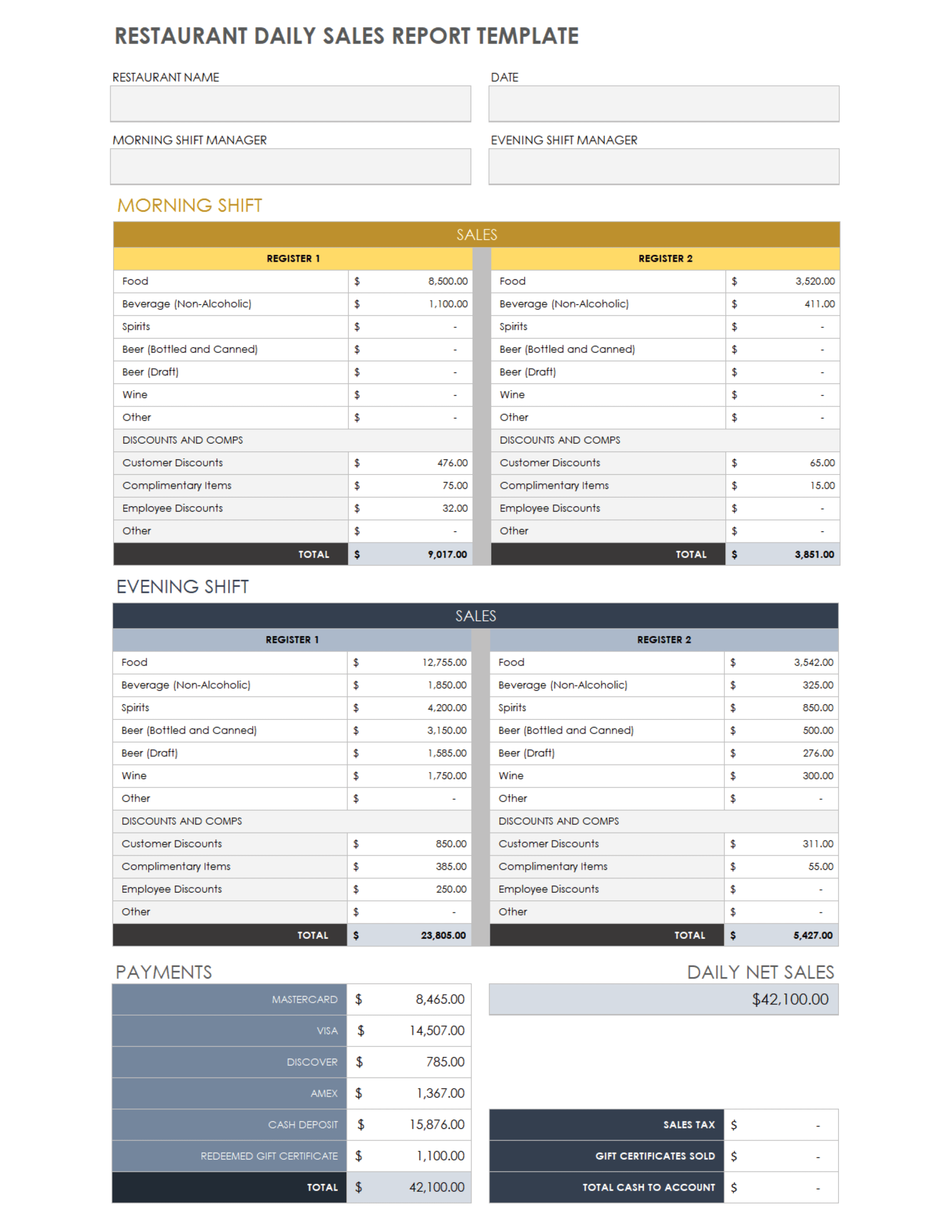
Daily Sales Report Restaurant Template – Unexplored Techniques to Boost Menu Performance

A Daily Sales Report Restaurant Template provides clarity in an industry where small operational mistakes can quickly cut into profit margins.

Restaurants balance multiple moving parts:

  • Table turnover rate
  • Popular vs. underperforming dishes
  • Ingredient consumption
  • Daily cash flow
  • Discounts and voided orders
  • Delivery vs. dine-in vs. takeout share
  • Staff performance by shift
  • Peak service hours

This Daily Sales Report Template highlights menu items that sell out early, dishes with consistent popularity, and areas where food cost optimization is needed. Managers can also track which staff members upsell effectively, which shifts generate the most sales, and how promotions influence customer choices.

By combining menu data with operational notes, the template provides a full picture of how the restaurant functions day to day—making improvements easier and more predictable.

How to Maximize Your Reporting System

Using a Retail Daily Sales Report Template becomes far more impactful when paired with a few simple habits.

1. Make data entry concise, not cryptic

Short notes work best:

  • “Promo sold out at 3 PM.”
  • “The card terminal froze twice.”
  • “Customer surge during rain”

Clarity beats cleverness.

2. Review at the same time daily

Whether at closing time or during the morning shift, consistency creates a clean dataset.

3. Use reports to guide next-day decisions

Daily data should feed into:

  • restocking plans
  • staffing adjustments
  • special promotions
  • layout changes
  • product pricing

Even small tweaks accumulate into big improvements.

4. Compare week-to-week patterns

The value of daily reports compounds over time. After a few weeks, you’ll see natural cycles emerge—busy days, slow hours, trending items, and seasonal fluctuations.

5. Involve the team

Staff understand the on-the-ground reality. Their notes elevate your data from numbers to insights.

Who Benefits Most from a Retail Daily Sales Report Template

Retail Stores

Perfect for tracking sales trends, customer behavior, and product performance.

Convenience Stores

Fast-moving, high-turnover products require clear daily tracking.

Boutique Shops

Great for monitoring sales cycles and customer preferences.

Service-Based Retail

Salons, repair shops, and specialty stores can track both service and product sales.

Multi-Branch Chains

Daily reports create standardized data that makes comparison effortless.

Final Takeaway

A Retail Daily Sales Report Template gives you the structure retail teams need to maintain clear visibility, consistent performance, and smarter decision-making. When paired with supporting tools like the Gas Station Daily Sales Report Excel Template, Hotel Daily Sales Report Format in Excel, and Daily Sales Report Restaurant Template, it becomes part of a high-performance reporting ecosystem.

Daily Sales Report Template – 2026 Performance with Confidence

Daily Sales Report Template – Extraordinary Ways to Understand Your Numbers Faster | A Daily Sales Report Template does far more than record transactions—it builds the backbone of your business intelligence. Whether you’re managing a retail store, coordinating a sales team, or monitoring multi-branch operations, this template provides the kind of clarity that shifts decision-making from instinct to accuracy.

It offers real-time visibility into performance, helps isolate patterns, and gives you the tools to ensure each day’s momentum doesn’t slip through tiny, unnoticed gaps. With the right template, your daily figures stop being “just numbers” and start becoming actionable insights.

Let’s break down how this template enhances control, improves profitability, and strengthens accountability across any sales-driven environment.

Why a Daily Sales Report Template Is a Game-Changer

A well-designed Daily Sales Report Template helps you monitor revenue, note variances, evaluate sales reps, and track product movement—all without drowning in spreadsheets. Its structure transforms scattered data into a consistent rhythm of reporting that keeps your entire team aligned.

Core elements often include:

  • Total daily sales
  • Payment method breakdowns
  • Individual salesperson performance
  • High-performing products
  • Low-performing or stagnant items
  • Discounts and returns
  • Cash reconciliation
  • Inventory notes
  • Customer flow and peak-hour patterns

When these elements are consistently tracked, your sales strategy naturally becomes sharper and more responsive.

Real Benefits That Start Immediately

A Daily Sales Report Template improves operations in ways most businesses notice within the first week:

Clarity in Daily Revenue

Instead of relying on gut feeling, managers get concrete visibility over what’s working and what isn’t.

Smarter Inventory Decisions

When sales trends are documented daily, it’s easier to spot which products need replenishment and which items are dragging the shelf.

Better Staff Performance Tracking

You see who’s closing, who’s assisting, and who might need help or coaching.

Early Detection of Financial Discrepancies

Cash variances, unusual refunds, or unbalanced register totals get flagged before they become serious issues.

Improved Communication Across Teams

Everyone—from sales staff to upper management—stays informed without excessive meetings or lengthy explanations.

General Supporting Section

Below are your three required H3s, each starting with a secondary keyword + a power word. They expand the ecosystem around your main template, offering advanced clarity and structure.

Retail Daily Sales Report Template – Unexplored Insights for Storefront Success

A Retail Daily Sales Report Template focuses on the unique patterns and operational demands of physical retail spaces. Beyond revenue, it highlights customer behavior, time-based buying patterns, and inventory flow.

This template typically includes:

  • Foot traffic estimates
  • Hourly sales breakdowns
  • Top-selling product categories
  • Loss or shrinkage notes
  • Store promotion effectiveness
  • Returns and exchange reasons
  • Staff scheduling impact

Retail operations move fast, and this template ensures no meaningful detail—positive or negative—goes unnoticed. You’ll quickly discover peak hours, products that sell out too fast, stagnant shelf items, and even how the weather or local events affect daily revenue.

It becomes a powerful optimization tool for store managers who want smoother workflows, sharper product placement, and more predictable daily output.

Daily Cash Sales Report Template – Secret Strategies for Error-Free Reconciliation

A Daily Cash Sales Report Template provides a crystal-clear breakdown of all cash-based sales and transactions. It’s particularly essential in environments where cash flow remains significant—small retail shops, food stalls, restaurants, kiosks, or hybrid POS systems.

Key components include:

  • Opening cash balance
  • Total cash received
  • Cash refunds issued
  • Petty cash withdrawals
  • Register variances
  • Closing balance

When used daily, this template eliminates guesswork and dramatically reduces reconciliation errors. Staff become more disciplined, cash irregularities get caught early, and financial oversight becomes easier and cleaner.

Because everything is logged in real time, it becomes nearly impossible for inaccuracies to slip through unnoticed. It brings transparency not just to cashiers, but to supervisors and finance teams who rely on clean inputs.

Get also: Weekly Sales Report Template

Sales Daily Activity Report Template – Hidden Techniques for Sharper Team Performance

A Sales Daily Activity Report Template zeroes in on the specific actions taken by salespeople instead of just the results. It captures effort, strategy, and customer interactions—everything that contributes to tomorrow’s revenue.

Common entries include:

  • Number of customer interactions
  • Follow-up calls or emails
  • Demos conducted
  • Leads closed
  • Pending prospects
  • Challenges encountered
  • Competitor observations

This template helps leaders understand not only what the sales team achieved, but how they worked throughout the day. It also uncovers gaps in follow-up, opportunities for coaching, and habits that lead to consistent performance.

When paired with the Daily Sales Report Template, it creates a complete picture—from effort to outcome—and helps managers predict future revenue with surprising accuracy.

Get also: Monthly Sales and Marketing Report Template

How to Maximize Your Daily Reporting Workflow

Here are simple, high-impact practices to make every report more valuable:

1. Keep entries short but specific

Avoid vague descriptions like “good customer flow.” Instead, use measurable notes:

  • “58 walk-ins between 10 AM–2 PM”
  • “12 units sold during lunch-hour promo”

Clarity drives better decisions.

2. Log issues the moment they happen

A faulty card machine, an inventory shortage, or an unexpected refund should be documented right away. Small disruptions often reveal bigger patterns.

3. Always connect today’s insights to tomorrow’s plan

  • If an item sold out quickly, adjust orders.
  • If staff were overwhelmed during peak hours, revisit scheduling.
  • If customers repeatedly ask for a product you don’t carry, consider adding it.

Daily insights create tomorrow’s wins.

4. Ensure consistent use

The value of these templates compounds over time. After a month of consistent reporting, patterns emerge that you’d never spot from weekly or monthly summaries alone.

5. Share insights selectively

Not all findings need a team-wide announcement. Share operational details with the right people—cash handling notes with finance, sales trends with managers, and performance insights with team leads.

Examples Across Different Business Types

Retail Stores

Tracks product performance, customer trends, employee productivity, and cash flow—all essential for profit optimization.

Restaurants & Cafés

Daily sales tied to menu items, peak dining hours, staff performance, and POS activity become easier to manage.

Online Shops

Even e-commerce operations gain value by logging daily order volume, product movement, refunds, and fulfillment speed.

Service-Based Businesses

Sales activities, follow-ups, client inquiries, and package performance all benefit from a daily structure.

Franchises & Multi-Branch Operations

Daily reports bring uniformity across locations, creating clear benchmarking data.

Final Thoughts

A Daily Sales Report Template gives you the clarity your business needs to react quickly, make informed decisions, and sustain healthy revenue flow. When paired with strong supporting structures like the Retail Daily Sales Report Template, Daily Cash Sales Report Template, and Sales Daily Activity Report Template, it becomes a powerhouse system that elevates daily performance across your entire operation.

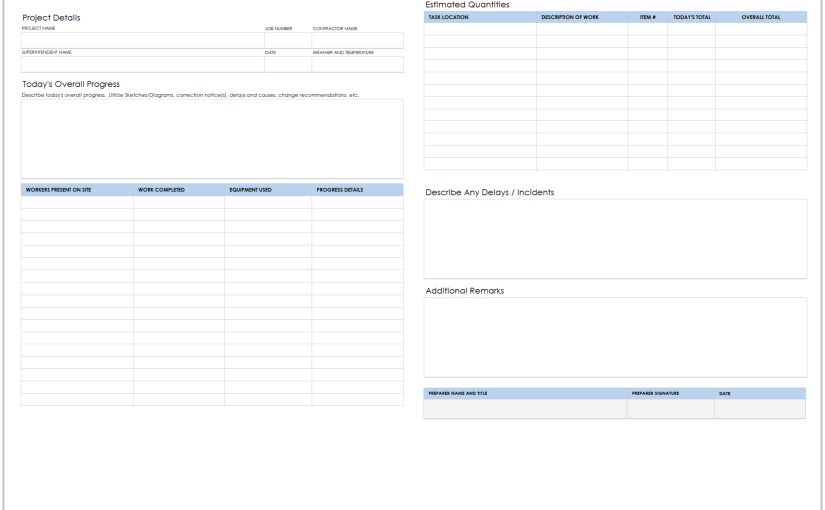
Daily Progress Report Template (9+ Stunning Insights for Faster Workflows)

Daily Progress Report Template – Extraordinary Ways to Streamline Your Workday | A Daily Progress Report Template isn’t just a document—it’s your operational heartbeat. It gives clarity when schedules feel scattered, brings structure when tasks overlap, and creates accountability without adding unnecessary administrative weight. When used correctly, this simple template becomes an indispensable tool for aligning teams, anticipating delays, and keeping everyone moving in the same direction.

If your workday involves managing people, tracking productivity, or ensuring tasks get completed on time, this template instantly becomes one of the most practical systems you’ll ever integrate. From monitoring short-term goals to flagging obstacles early, it provides a clean visual of what’s done, what’s pending, and what needs attention before it snowballs.

Let’s break down how this template transforms daily operations.

What Makes a Daily Progress Report Template So Effective?

The strength of this Daily Progress Report Template lies in its ability to simplify complex activities into digestible entries. Whether you’re overseeing a construction site, coordinating a technical team, running operations in an office, or managing remote employees, it creates a consistent rhythm that keeps performance measurable and transparent.

Key components include:

  • Task breakdowns
  • Accomplishments completed today
  • Issues or blockers identified early
  • Materials, equipment, or resources used
  • Planned tasks for the next day
  • Time allocation and productivity markers

When teams work without this structure, it’s easy for misunderstandings, duplicated efforts, and delays to creep in unnoticed. With a well-designed template, the entire workflow becomes visible and easier to control.

Real-World Benefits That Show Up Fast

A Progress Report Template makes a measurable difference in day-to-day operations:

  • Improved task clarity
    No one gets lost wondering what needs to be done or who’s doing what.
  • Better accountability
    Records show who completed which tasks, reducing ambiguity and guesswork.
  • Stronger cross-team communication
    Information flows cleanly, ensuring all stakeholders stay aligned.
  • Early identification of issues
    Blockers get flagged while still manageable, rather than after deadlines slip.
  • Streamlined decision-making
    Leaders react using real data, not assumptions.
  • Enhanced continuity between shifts or teams
    Especially useful in industries running multiple shifts or layered operations.

This template isn’t just a piece of paperwork; it’s a performance amplifier.

Supporting Insights for Maximizing Your Daily Reporting System

This section expands on how supporting templates elevate your reporting system even further. Each Daily Progress Report Template listed below starts with your secondary keyword and includes a power word as required.

Daily Status Report Template – Unconventional Performance Boosters

A Daily Status Report Template works hand-in-hand with your Daily Progress Report Template by focusing on where projects currently stand at a snapshot level. It bridges the operational “what happened today” with the strategic “how today affects the overall plan.”

How it helps:

  • Identifies slowing tasks before they impact long-term timelines
  • Clarifies resource allocation, including personnel, equipment, and budget shifts
  • Provides a big-picture view of status across multiple projects or teams
  • Captures priority items that need leadership attention without clutter

This template reduces confusion in complex environments where multiple processes run simultaneously. It also makes briefing stakeholders easier, since everything is captured in structured, daily increments.

Get also: Daily Activity Report Template

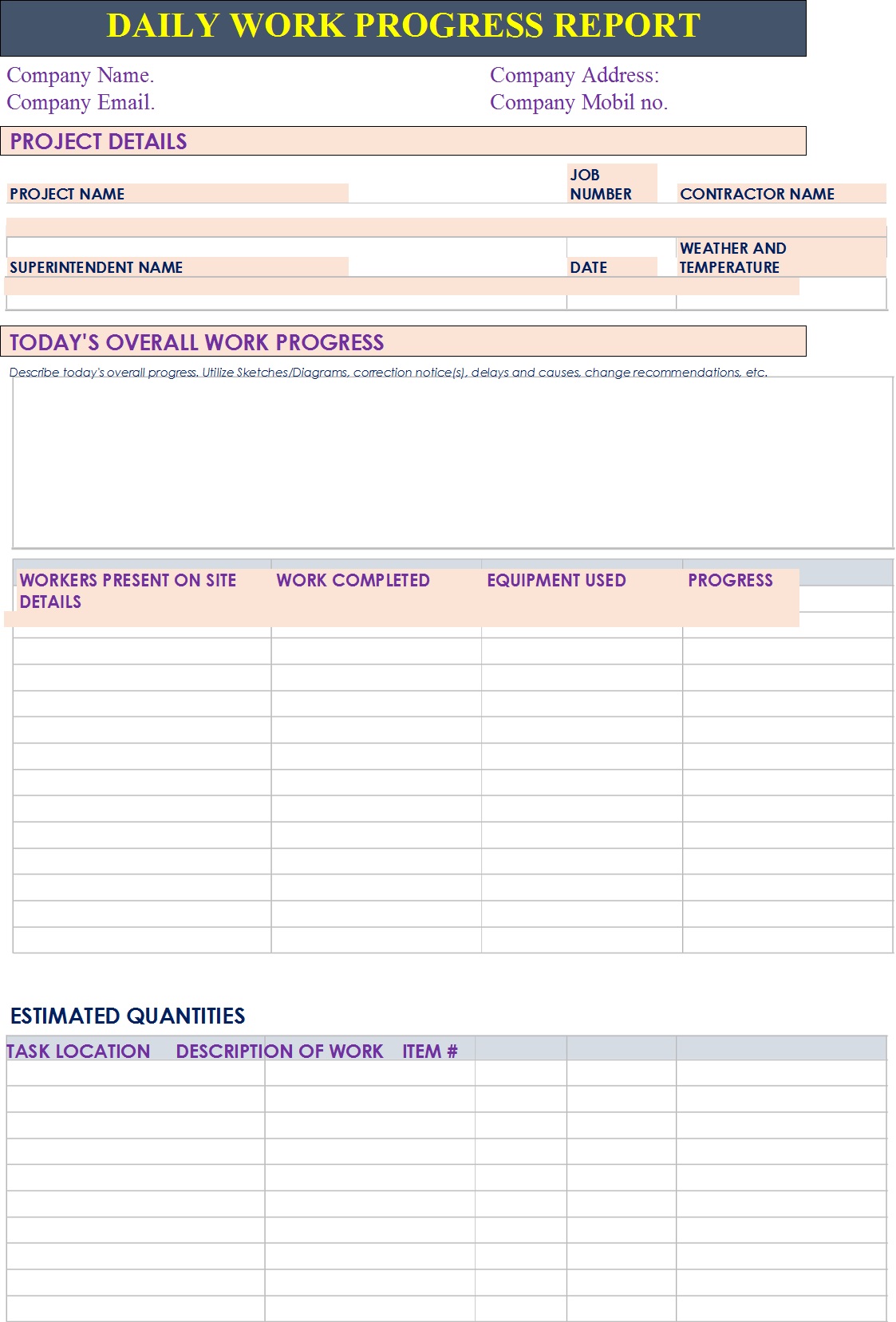
Daily Work Progress Report Template – Extraordinary Workflow Clarity

The Daily Work Progress Report Template is ideal for teams working in environments where precise tracking of progress is essential—manufacturing, construction, engineering, maintenance, and high-output operations.

Where this template shines:

  • Detailed activity logs show exactly what was completed
  • Time tracking sections highlight workflow inefficiencies
  • Resource usage fields keep material consumption transparent
  • Task-level progress descriptions help identify skill gaps or bottlenecks

This template gives supervisors a deeper understanding of productivity patterns. If a particular team is consistently delayed by the same issue (equipment failure, material shortage, external dependency), the report exposes that pattern with clarity. It’s the difference between reacting to problems late and preventing them early.

Get also: Daily Marketing Report Template Free Download

Daily Accomplishment Report Template – Hidden Productivity Insights

A Daily Accomplishment Report Template zeroes in on results rather than activities. Instead of focusing on what was attempted, it highlights what was actually completed. This shift in focus provides remarkably accurate visibility into output quality and team performance.

Why it matters:

  • Completion-focused mindset
    Teams naturally begin thinking in terms of deliverables instead of busywork.
  • Clear measurement of outcomes
    Leaders get immediate insight into the value generated each day.
  • Better planning for next-day workloads
    Completed tasks dictate what’s realistically achievable tomorrow.
  • Creates a momentum loop
    Seeing accomplishment lists grow boosts morale and discipline.

This template is especially powerful in environments where productivity fluctuates or where deliverables must be validated daily.

Get also: Construction Daily Report Template

How to Get the Best Results From These Templates

To optimize your Daily Progress Report Template and all supporting templates:

1. Use short but meaningful descriptions

Avoid vague entries. Replace “work done” with actual detail, such as:

  • Inspected HVAC ducting on level 3
  • Finalized design revisions for client presentation
  • Completed maintenance checks on generator set #2

These details help stakeholders understand progress without requiring additional explanation.

2. Document issues immediately

Blockers, safety concerns, equipment failures, or missing materials should be documented the moment they appear. Early visibility helps prevent tomorrow’s crisis.

3. Review reports before the next shift or workday

Reports gain value when reviewed consistently. Whether you’re handing over a construction site, passing tasks to a remote worker in another timezone, or running a rotating operations team, this ensures continuity.

4. Maintain consistency

The true power of these templates emerges when used every day, not sporadically. Consistency creates historical data that reveals patterns and insights.

5. Tie progress to the next-day plan

Each report should clearly inform the next steps. This transforms the reporting cycle into a forward-moving workflow rather than a daily chore.

Practical Examples Across Different Industries

Construction

Daily reporting templates track manpower, weather conditions, material usage, safety concerns, structure inspections, and subcontractor performance. They prevent miscommunication across large teams and ensure compliance documentation is always prepared.

IT & Software Development

Agile teams use daily progress reports to track features completed, pending tasks, blockers, bug fixes, and testing status. It’s a perfect complement to sprint planning.

Security & Facilities

Reports document patrol routes, inspections, incidents, maintenance concerns, and safety observations. They strengthen accountability and improve shift handovers.

Manufacturing

Detailed progress reports help identify machinery downtime, production volume, deviations, and resource shortages. Managers use them to fine-tune daily operational efficiency.

Professional Services

Consultants, finance teams, and corporate departments use daily reporting to show task progress, client updates, deliverable status, and unexpected challenges.

Across all sectors, the result is the same: less confusion, more clarity.

Final Thoughts

A well-structured Daily Progress Report Template anchors your entire workflow. Pairing it with high-value supporting templates like the Daily Status Report Template, Daily Work Progress Report Template, and Daily Accomplishment Report Template gives your team clarity, direction, and measurable progress every single day.

When used consistently, these Daily Progress Report Templates provide transparency, reduce operational friction, and help everyone stay aligned toward the day’s most important outcomes.

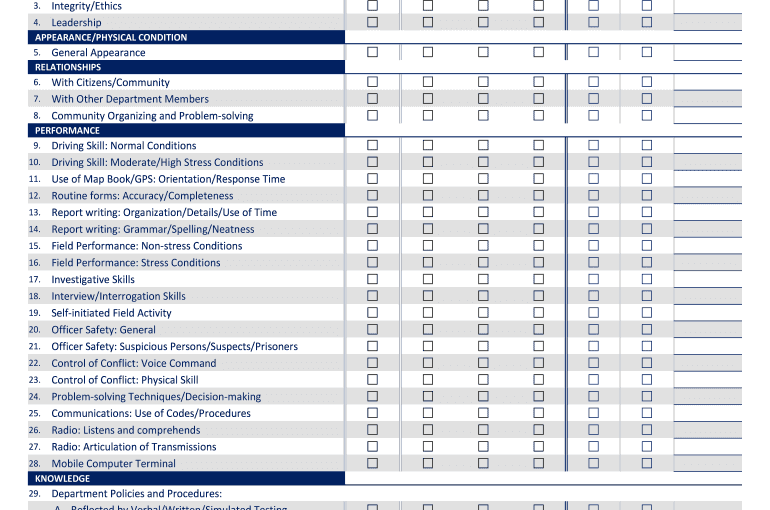
Daily Observation Report Template: 9+ Extraordinary Tools for Sharper Oversight

Daily Observation Report Template – Unlock Consistency and High-Value Operational Awareness | A Daily Observation Report is one of the most reliable tools for maintaining clarity, consistency, and accountability across day-to-day operations. Whether used on construction sites, warehouses, manufacturing floors, security shifts, healthcare facilities, or general workplace environments, this template ensures that every noteworthy detail is captured, reviewed, and acted upon. It transforms casual observations into structured insights that strengthen communication, improve safety, and keep workflows predictable.

Most organizations underestimate the power of small daily observations. A loose cable today becomes an accident tomorrow. An unusual noise from equipment will result in downtime next week. A recurring unsafe shortcut becomes a headline nobody wants to read. The Daily Observation Report Template helps teams spot these patterns early and communicate them in a format that’s easy to interpret and easy to store.

With a structured template, supervisors don’t need to guess what happened, workers don’t need to rely on memory, and managers don’t need to chase missing information. Everything is written clearly, consistently, and time-stamped—giving teams a reliable operational pulse every single day.

This is not just documentation. It’s clarity, prevention, and preparedness packaged into one simple system.

Why the Daily Observation Report Template Matters

A strong reporting structure gives teams more than just a paper trail—it gives them confidence. Each observation becomes a piece of operational intelligence that helps prevent incidents, improve workflows, and support long-term planning.

It Makes Hidden Issues Visible

Observations often spotlight small problems before they turn into major setbacks. This helps organizations respond early instead of reacting late.

It Supports Better Decision-Making

When the format is consistent, trends become easier to monitor. Managers can tell whether an issue is isolated or recurring, whether it’s growing or declining, and whether new risks are emerging.

It Improves Team Coordination

Because the Daily Observation Report records conditions, behaviors, and anomalies, it gives incoming shifts a running start. Nobody starts blind—they begin informed.

It Strengthens Safety Accountability

A well-crafted template helps track compliance patterns:

  • Are protocols followed every day?
  • Are the same warnings being repeated?
  • Are new risks appearing?
  • Are workers responding to corrective actions?

The clearer the observations, the safer the environment.

What a High-Quality Daily Observation Report Template Should Include

A powerful template keeps things clean, structured, and easy to fill in without sacrificing detail. The most effective ones include:

  • Date & time
  • Observer name or role
  • Work area or section
  • Activities observed
  • Equipment involved
  • Behavioral observations
  • Environmental or situational notes
  • Potential hazards
  • Positive compliance examples
  • Corrective actions taken
  • Follow-up requirements
  • Signatures or verification fields

These components create a clear documentation flow that’s easy for any role to understand—from field supervisors to safety officers to operations managers.

Supporting Templates That Strengthen Daily Observation Reporting

Daily Incident Report Template – Unbelievable Clarity for Critical Moments

A Daily Incident Report Template plays a vital role in documenting any unexpected event that could affect safety, productivity, or operational stability. When something goes wrong—or almost goes wrong—this template captures the story with precision.

A strong incident report includes:

  • What occurred
  • Who was involved
  • The sequence of events
  • Environmental conditions
  • Witness statements
  • Immediate actions taken
  • Recommendations
  • Preventive suggestions

Unlike casual notes, this template creates a complete picture of the incident, helping teams understand not just what happened, but why it happened. It ensures that investigations start with accurate facts, not fragmented memories.

When paired with the Daily Observation Report Template, it acts like a dual reporting system: one capturing “everyday signals,” and the other capturing “critical events.” Combined, they give management a complete understanding of daily conditions and emerging issues.

Get also: Daily Activity Report Template

Safety Daily Observation Report Format – Eye-Opening Precision for High-Risk Environments

A Safety Daily Observation Report Format focuses specifically on identifying potential hazards, unsafe behaviors, or conditions that could lead to injuries. It’s especially useful in environments where risk levels shift throughout the day.

This format usually highlights:

  • Personal protective equipment usage
  • Work-at-height compliance
  • Housekeeping and clutter issues
  • Equipment malfunction indicators
  • Hazardous material handling
  • Unsafe shortcuts or behaviors
  • Weather-related risks
  • Temporary structures or barriers

Supervisors and safety officers use this format to maintain real-time visibility into how well safety standards are followed. It encourages workers to remain alert and reinforces a culture where risks are spotted, documented, and corrected early.

The power of this format becomes clear when subtle patterns emerge—like a safety issue that only appears during night shifts, or a specific work zone repeatedly showing near-misses. Without structured daily observations, these patterns stay hidden. With the format, they become actionable insights.

Get also: Contractor Daily Report Template

Daily Observation Report Form – Hidden Strength for Reliable Documentation

A Daily Observation Report Form brings simplicity and structure into everyday monitoring. Designed for speed, clarity, and usability, it guides observers through consistent sections while still allowing space for nuance and detail.

Typical elements include:

  • Tick-box sections for quick checks
  • Structured fields for observations
  • Open text areas for narrative descriptions
  • Numeric ratings (when relevant)
  • Option to attach photos or files
  • Verification fields for supervisors

The advantage of a structured form is that it removes guesswork. Observers know what to look for, what to document, and how to communicate it. This results in reports that are more uniform, more reliable, and easier to analyze collectively.

When used consistently, the Daily Observation Report Form becomes part of the organization’s operational identity. It supports audits, continuous improvement programs, compliance reviews, and internal evaluations with professional-level clarity.

How These Templates Work Together to Create a Complete Reporting Ecosystem

While each template serves a unique purpose, they complement each other when used together:

  • Daily Observation Report Template
    Captures everyday insights, behaviors, conditions, and trends.
  • Daily Incident Report Template
    Documents unexpected events that require further action or investigation.
  • Safety Daily Observation Report Format
    Focuses on hazard detection and safety compliance patterns.
  • Daily Observation Report Form
    Provides a structured, easy-to-complete format for routine monitoring.

Combined, they provide:

  • Better risk detection
  • Stronger operational continuity
  • More consistent communication
  • Faster corrective actions
  • Clearer documentation for audits or reviews
  • Reduced incidents due to early intervention

This ecosystem turns daily monitoring into a strategic advantage.

Final Thoughts

A robust Daily Observation Report Template is more than a document—it’s a foundation for smoother operations, safer environments, and more informed decision-making. When supported by templates for incident reporting, safety observations, and structured forms, it creates a complete, reliable reporting framework that benefits every level of an organization.

Daily Activity Report Template (13+ Extraordinary Daily Documentations)

Daily Activity Report Template – Unlock Clear, Consistent, and Reliable Daily Tracking | A Daily Activity Report Template is one of the most important operational tools any team can use—whether in security, construction, field operations, inspections, or general workforce management. It brings clarity to the daily workflow and provides an organised system for logging tasks, observations, incidents, progress, and site-wide updates. When done right, it becomes the foundation of accountability, transparency, and data-driven decision-making.

Many people think a daily report is only about “writing what happened today.” In reality, the structure of the template determines whether that information becomes genuinely useful. A powerful Daily Activity Report Template shows patterns, exposes inefficiencies, improves shift handovers, strengthens coordination, and protects organisations when disputes or questions arise. It’s not just a record—it’s an operational safety net.

A well-crafted template does three things extremely well:

  1. Captures facts without confusion
  2. Provides context that supports decisions
  3. Creates consistency across different staff members and shifts

When teams use it daily, it quickly becomes the heartbeat of predictable, well-managed operations.

Why a Daily Activity Report Template Is a Game-Changer

Shifts change, supervisors rotate, conditions evolve—but a structured daily activity report preserves continuity. It closes communication gaps that often cause delays, misunderstandings, or operational risks.

It Strengthens Communication Across Teams

Workflows become clearer when everyone is working with the same reporting structure. Information is easier to compare, trends are easier to detect, and managers don’t need to play guessing games.

It Protects Operations With Clean Documentation

If an incident occurs, a problem escalates, or a client asks for clarification, the report template provides a factual, time-stamped trail of what really happened.

It Improves Shift Handover Efficiency

New shift teams start ahead because they can quickly see:

  • What tasks were completed
  • What issues are pending
  • What risks were identified
  • What priorities require follow-up

This alone saves hours of repeated work every week.

It Boosts Accountability

When activities are documented the same way every day, responsibility becomes clearer—and teams naturally become more proactive.

What an Ideal Daily Activity Report Template Should Capture

A polished, high-value Daily Activity Report Template usually includes:

  • Project or site name
  • Date and shift details
  • Staff or personnel present
  • Task descriptions
  • Observations and field notes
  • Progress updates
  • Equipment usage (if applicable)
  • Issues, delays, or obstacles
  • Safety or compliance notes
  • Visitors or third-party presence
  • Photos or file attachments
  • Signatures or verification

These sections ensure the information is actionable, not just descriptive.

Supporting Templates That Strengthen Daily Activity Reporting

Security Guard Daily Activity Report Template – Extraordinary Clarity for Safer Premises

A Security Guard Daily Activity Report Template focuses on safety, surveillance, and incident prevention. It’s one of the most essential documents in a security operation, because small details can make a massive difference.

A well-structured template for security guards typically includes:

  • Patrol start and end times
  • Patrol routes taken
  • Door, window, and access-point checks
  • Suspicious activities
  • Unusual observations
  • Client interactions
  • Incident descriptions
  • Equipment checks (flashlight, bodycam, radio, etc.)

This template helps supervisors identify:

  • Repeated high-risk zones
  • Gaps in patrol coverage
  • Security patterns (e.g., crowded times, recurring issues)
  • Visitor or contractor tendencies
  • Maintenance or lighting problems affecting safety

Imagine a guard notices a back gate fails to lock on windy nights. If properly logged, maintenance fixes it early instead of discovering the issue during an actual intrusion. The template turns small clues into preventive actions.

And because security work relies heavily on consistency, this document becomes the backbone of shift handovers, investigations, and compliance reporting.

Get also: Daily Sales Report Template Free Download

Daily Field Report Template – Uncharted Visibility for On-Site Operations

A Daily Field Report Template is essential in industries where fieldwork is the core of operations. This includes utilities, telecom, energy, engineering, maintenance, and inspection teams. The field is unpredictable, which makes structured reporting critical for maintaining control.

Key components of a strong field report include:

  • Weather and site conditions
  • Work locations accessed
  • Field crew members
  • Tasks completed
  • Measurements or readings
  • Equipment issues
  • Delays or hazards
  • Interactions with clients or inspectors
  • Next-step recommendations

For example, a team performing underground cable inspection might log that water intrusion made a conduit inaccessible. Operations can immediately reschedule heavy pumping equipment for the next day—avoiding wasted crew hours.

The best Daily Field Report Template turns unpredictable environments into manageable workflows. It gives managers visibility without requiring constant calls or field visits.

Daily Observation Report Template – Hidden Insights for Smarter Oversight

A Daily Observation Report Template is ideal for roles where monitoring, compliance, and evaluation matter more than raw task completion. This includes safety officers, inspectors, supervisors, and consultants.

It often includes:

  • Hazard observations
  • Safety compliance notes
  • Environmental conditions
  • Worker behavior
  • Equipment safety status
  • Warnings or verbal reminders given
  • Recommendations for risk mitigation
  • Reinspection needs

Unlike a general activity report, this template emphasises the quality of operations, not just activities performed.

Real-world example:
A safety officer notes that workers repeatedly remove safety harnesses while repositioning. This observation—captured clearly in the template—allows supervisors to arrange a 10-minute reinforcement briefing the next morning, preventing a potential incident.

Daily observations often uncover trends long before they escalate. That’s the hidden value.

Construction Daily Activity Report Template – Unbelievable Detail for Fast-Moving Job Sites

A Construction Daily Activity Report Template captures the rapid, high-energy workflow of construction sites. Because so many trades overlap and so many variables shift, this template needs to be thorough, structured, and extremely easy to read.

Key sections often include:

  • Trades present
  • Headcount by subcontractor
  • Equipment operating on site
  • Work areas accessed
  • Material deliveries
  • Weather impacts
  • Unexpected interruptions
  • Safety toolbox talks
  • Incidents or near misses
  • Coordination notes for tomorrow

Here’s how it delivers value:

1. It prevents schedule surprises

If steel workers fall behind because crane availability was cut short, the report makes the issue visible immediately—so planners adjust quickly instead of discovering the delay days later.

2. It improves trade coordination

If electricians can’t start because drywallers began early, the activity report exposes the conflict and prevents repeat mistakes.

3. It supports inspections and claims

From tools used to areas accessed, everything is documented for compliance, billing justification, and progress verification.

4. It strengthens safety monitoring

Micro-level insights reveal unsafe patterns before they become major incidents.

This template is the operational diary of the construction site—capturing complexity in a clean, structured format.

Why These Templates Work Best When Combined

While each template serves a different purpose, they all enhance the reliability of the main Daily Activity Report Template by adding depth, context, and specialised insights.

  • Security Guard Template → Safety & surveillance clarity
  • Daily Field Template → Task and environment clarity
  • Daily Observation Template → Quality and compliance clarity
  • Construction Activity Template → High-volume operational clarity

Together, they create a reporting ecosystem that boosts:

  • Cross-team alignment
  • Daily accountability
  • Incident prevention
  • Progress visibility
  • Resource planning
  • Documentation quality

It’s the difference between “hoping everyone is on the same page” and actually ensuring they are.

Final Thoughts

A robust Daily Activity Report Template doesn’t just organise information—it elevates operational performance. When supported by specialised templates like security, field, observation, and construction activity reports, it becomes a complete, reliable reporting system that keeps projects smooth, safe, and predictable.

Contractor Daily Report Template for 2026 Flawless Project Tracking

Contractor Daily Report Template – Unbelievable Ways It Transforms Job-Site Visibility | A Contractor Daily Report Template is more than a simple checklist. It’s the backbone of predictable construction performance—your day-by-day, boots-on-the-ground story of what’s happening on-site, why it matters, and how you control the moving parts. When used properly, it reduces ambiguity, strengthens communication, and eliminates those classic “Wait, I thought you meant that” debates that derail progress.

Teams rely on this template to track daily labor activities, equipment usage, weather impacts, progress notes, safety observations, delays, site conditions, subcontractor involvement, and field changes. Instead of scattered updates across chats, verbal discussions, and sticky notes that fall off the dashboard of a contractor’s truck, the Contractor Daily Report Template consolidates everything into a clean, repeatable reporting structure.

At its core, this template ensures three crucial things:

  1. What happened today is documented clearly.
  2. What should happen next is visible to everyone.
  3. What may cause delays is flagged early instead of exploding later.

Whether a project spans 30 days or 30 months, daily accuracy compounds. Project managers use these reports to adjust manpower, clients depend on them to verify progress, and foremen rely on them to keep field updates consistent. That’s the real muscle behind a Contractor Daily Report Template—it plugs leaks in communication before they ever become sinkholes.

Essential Foundation for Reliable Reporting

A solid reporting process keeps teams aligned from the field to the office. This section breaks down how the structure works, why consistency matters, and where secondary templates elevate the system even further.

Construction Daily Field Report Template – Extraordinary Impact on On-Site Coordination

A Construction Daily Field Report Template captures the minute-by-minute pulse of the job site. Think of it as the operational diary, documenting the actual manpower, tasks, weather disruptions, productivity notes, and subcontractor activities.

Essential elements include:

  • Headcounts for labor and subcontractor teams
  • Equipment hours and unexpected breakdowns
  • Material deliveries with confirmation status
  • Progress updates broken down by trade
  • Field challenges requiring escalation

Its magic lies in transparency. When everyone sees exactly what resources are used, where, and by whom, it becomes nearly impossible for misinterpretations to slip through.

Here’s a common real-world example:
A site may plan for eight concrete finishers, but only five arrive due to another project running overtime. Without a field report, this shortage might only be recognized late in the afternoon when tasks fall behind. With the field report captured early in the day, the project manager can source a supplemental crew, adjust work sequences, or call the client with an updated timeline.

No drama. No confusion. Just clarity.

And when this field report feeds into a Contractor Daily Report Template, it completes the picture—productivity data aligns with inspection feedback, giving decision-makers a full view of current project health.

Daily Construction Inspection Report Template – Uncharted Advantages for Risk Control

Revisiting the Daily Construction Inspection Report Template through a different lens reveals its second major purpose: risk prediction.

Beyond compliance, this Construction Daily Report Template helps identify patterns that could turn into future delays or safety issues. When inspections are logged into a consistent framework, trends emerge:

  • Repeated moisture issues near excavation zones
  • Recurring safety hazards involving specific equipment
  • Slow progress tied to a particular subcontractor trade
  • Material inconsistencies with shipments from certain suppliers

These insights allow project managers to adjust schedules, enforce stronger safety measures, renegotiate supply terms, or apply preventive maintenance before equipment fails.

Integrated with a Contractor Daily Report Template, the inspection template is an early-warning radar system. The contractor’s report tells you what happened today. The inspection template often tells you why it might impact tomorrow.

Combined, they drive smarter forecasting and reduce the kind of volatility that makes construction infamous for sudden surprises.

How These Templates Work Together for Consistent Success

When all three templates—contractor, inspection, and field—work in harmony, the project reporting structure becomes a seamless ecosystem. The Contractor Daily Report Template serves as the master document, pulling insights from inspections and field reports to create a complete daily narrative.

Here’s how they connect:

  • Field report → operational data
  • Inspection report → quality and compliance data
  • Contractor report → consolidated summary + actionable narrative

This interconnected data flow ensures:

  • Job-site decisions are made based on facts, not assumptions
  • Clients receive accurate daily progress without needing to micromanage
  • Delays are isolated early and handled efficiently
  • Safety performance stays visible and accountable
  • Labor productivity is trackable and comparable across days or weeks

A consistent daily reporting rhythm builds stability. Even if a project faces unexpected weather, manpower fluctuations, or supply chain hiccups, the reporting system prevents information vacuum and response delays.

What a Perfect Contractor Daily Report Template Should Include

To maximize its impact, a high-quality Contractor Daily Report Template should include:

  • Project identification and date
  • Weather conditions and impacts
  • Labor details per trade
  • Equipment usage and downtime
  • Material deliveries and shortages
  • Tasks completed versus planned
  • Site conditions and safety observations
  • Delays and reasons
  • Photos or attachments (optional but valuable)
  • Notes requiring follow-up from the office or client

This structure ensures every stakeholder sees the job from the same vantage point. Whether it’s a superintendent walking the site, a PM sitting at a desk, or a client hundreds of miles away, the report creates shared understanding.

Real Use Cases That Show Why These Templates Matter

  1. A commercial renovation avoids a costly rework
    An inspection template catches improper rebar placement early. The contractor’s report documents immediate corrections, preventing a three-day delay.
  2. A site stays productive despite equipment failure
    A field report logs a skid steer breakdown at 9:15 AM. The contractor report summarizes the event, allowing the PM to mobilize a rental replacement by noon.
  3. A client receives proof of daily progress
    Using consistent daily contractor reports, a highway contractor demonstrates uninterrupted work during a period with frequent rain, earning approval for milestone reimbursement.
  4. Trade coordination improves without arguments
    Daily field data clarifies that electricians were onsite and completed rough-in phases as scheduled, avoiding disputes during inspection week.

Each scenario shows the power of consistent documentation and communication through a strong reporting structure.

Final Thoughts

A well-structured Contractor Daily Report Template becomes the project’s daily source of truth—capturing the right details, reducing ambiguity, and synchronizing the field and office. Supported by reliable inspection and field report templates, it ensures teams work predictably, transparently, and efficiently, day after day.

Exit mobile version