Parenting Plan Template (8+ Best Word Designs)

A well-structured Parenting Plan Template can make family organization, co-parenting communication, and daily routines much easier to manage. Whether you are creating a schedule for shared parenting responsibilities or preparing for an upcoming family transition, having a clear plan helps reduce stress and improve consistency.

From a practical co parenting planner template to a professional parental leave plan template, these tools provide structure, clarity, and better coordination for parents and caregivers.

In this guide, you’ll learn how parenting plan templates work, why they are useful, and how to choose the best format for your family’s needs.

What Is a Parenting Plan?

A Parenting Planner is a structured document designed to organize parenting responsibilities, schedules, routines, and communication. It helps families maintain consistency and clarity while supporting a child’s emotional, educational, and daily needs.

A parenting plan may include:

  • Weekly schedules
  • Custody arrangements
  • School and activity planning
  • Communication guidelines
  • Shared responsibilities

Many families also use a co-parenting planner to simplify coordination between parents.

Why a Parenting Planner Is Important

Parenting involves constant coordination and decision-making. A structured plan helps reduce confusion and improve organization.

1. Creates Consistency for Children

Children thrive when routines are stable and predictable.

A parenting planner helps establish clear expectations and schedules.

2. Improves Communication

A well-organized co-parenting planner reduces misunderstandings and keeps both parents informed.

3. Reduces Stress

Having schedules, responsibilities, and plans documented helps minimize daily stress.

4. Supports Better Time Management

A clear system allows parents to balance responsibilities more effectively.

5. Helps During Family Transitions

A parental leave plan is especially useful when preparing for maternity or paternity leave.

Key Features of an Effective Parenting Plan

To be truly useful, a parenting plan should include several important components.

1. Parenting Schedule

This outlines daily or weekly routines and responsibilities.

2. Communication Guidelines

A good co-parenting planner should include communication methods and expectations.

3. Child Activity Tracking

This helps manage school events, appointments, and extracurricular activities.

4. Shared Responsibilities

Clearly defining tasks reduces confusion between caregivers.

5. Flexibility

Family schedules change, so the plan should allow adjustments when needed.

Types of Parenting Plan Templates

Different families need different planning systems. Here are the most common types.

1. Basic Parenting Plan Template

A simple structure focused on routines and responsibilities. A well-organized parenting plan template creates structure and clarity. Instead of relying on memory or last-minute discussions, everything is documented in one place. This improves organization and helps parents feel more in control of their routines.

2. Co Parenting Planner Template

Designed for separated or divorced parents who share parenting responsibilities.

It often includes:

  • Custody schedules
  • Communication logs
  • Shared expense tracking

Using a co-parenting planner template can help establish consistent routines for:

  • School preparation
  • Homework time
  • Meals and bedtime
  • Activities and appointments

Consistency also helps parents manage their own schedules more efficiently. Over time, these routines become habits that make family life easier and more organized.

3. Family Routine Planner

Helps organize daily routines, chores, and schedules for the entire household.

4. Parental Leave Plan Template

A parental leave plan template helps employees and families prepare for maternity or paternity leave.

It may include:

  • Work handover plans
  • Leave schedules
  • Return-to-work planning

Families preparing for maternity or paternity leave may benefit most from a parental leave planner that includes transition planning and work coordination.

The best template is one that feels easy to use consistently.

5. Child-Focused Parenting Planner

This type emphasizes emotional well-being, development, and educational support.

How to Create an Effective Parenting Plan

Creating a useful parenting planner template doesn’t have to be complicated.

Step 1: Define Your Priorities

Determine what your family needs most:

  • Scheduling
  • Communication
  • Child support organization
  • Leave planning

Step 2: Organize Responsibilities

Clearly divide parenting tasks and responsibilities.

Step 3: Build a Schedule

Create a consistent weekly or monthly structure.

Step 4: Include Communication Plans

A strong co parental plan template should establish how parents communicate and share updates.

Step 5: Review and Adjust

Family needs evolve over time, so regular updates are important.

Get also: Free Printable Nursing Teaching Plan Template

Best Practices for Using a Parenting Plan Template

To get the best results, keep these tips in mind.

Keep the Plan Simple

Overly complicated systems are harder to maintain.

Prioritize the Child’s Needs

The goal is to create stability and support for children.

Stay Flexible

Unexpected changes happen, so adaptability is important.

Communicate Clearly

Good communication improves cooperation and reduces conflict.

Review Regularly

Schedules and responsibilities may need updates as children grow.

Common Mistakes to Avoid

Even a good parenting plan template can become ineffective if common mistakes are made.

Lack of Consistency

Inconsistent routines can create confusion for children.

Poor Communication

A co-parenting planner template only works when communication remains respectful and clear.

Overcomplicating the Plan

Simple systems are often more sustainable.

Ignoring Long-Term Planning

Family needs change over time, so plans should evolve as well.

How a Co-Parenting Planner Template Helps Families

A co parenting planner template is especially valuable for shared parenting arrangements.

Benefits include:

  • Better scheduling
  • Reduced misunderstandings
  • Improved organization
  • Easier tracking of appointments and activities

It also helps create a more stable environment for children.

Using a Parental Leave Plan Template Effectively

A parental leave plan template helps parents and employers manage transitions smoothly.

It can help with:

  • Work delegation
  • Communication planning
  • Leave scheduling
  • Return-to-work preparation

This type of planning reduces uncertainty and improves organization during major life changes.

How Parental Plan Templates Improve Family Organization

Using structured planners helps families develop healthier routines and habits.

Benefits include:

  • Better time management
  • Reduced stress
  • Improved communication
  • More organized schedules

Over time, these systems help create a more balanced household.

Digital vs Printable Parenting Templates

Both formats offer advantages depending on your preference.

Printable Templates

  • Easy to use
  • Great for physical organization
  • Ideal for family command centers

Digital Templates

  • Easy to edit
  • Accessible from multiple devices
  • Convenient for shared parenting communication

Some families combine both approaches for maximum flexibility.

How Parenting Planners Help Reduce Daily Stress

One of the biggest benefits of using a structured parenting planner is reduced stress. Parenting often involves managing schedules, responsibilities, communication, school activities, appointments, and unexpected changes. Without a clear system, it’s easy for things to become overwhelming.

For co-parenting situations, having a shared plan also reduces misunderstandings and unnecessary conflict. When expectations are clearly outlined, communication becomes smoother and more productive.

Long-Term Benefits of Parenting Organization

Using a structured planner consistently can improve more than just daily scheduling.

Over time, organized parenting systems can help families:

  • Improve communication
  • Reduce stress and confusion
  • Build healthier routines
  • Manage responsibilities more effectively
  • Create a more stable environment for children

These long-term benefits make parenting templates valuable tools for both practical organization and family well-being.

Final Thoughts

A well-designed Parenting Plan Template can improve communication, organization, and family routines. Whether you are managing schedules with a co parenting planner template or preparing for time away using a parental leave plan template, having a structured system makes parenting responsibilities easier to handle.

The best plans are simple, flexible, and focused on supporting both parents and children. With the right structure in place, families can reduce stress, improve coordination, and create a more stable environment for everyone involved.


Bonus: Simple Parenting Plan Example

  • Morning routine schedule
  • Weekly custody calendar
  • School and activity tracker
  • Shared expense list
  • Communication notes section

6+ SMART Monthly Meal Plan Templates Free Download to Simplify Your Routine

A well-designed Monthly Meal Plan Template can completely transform the way you manage your meals. Instead of making daily decisions about what to cook, you can plan, stay organized, and reduce stress throughout the month.

Whether you’re managing meals for yourself or using a monthly family meal planner to organize food for your household, having a clear system makes everything easier. And if you want to streamline your shopping as well, a monthly meal planner and grocery list help you combine planning and budgeting in one place.

In this guide, you’ll learn how to use a monthly meal plan effectively, explore different template styles, and build a system that fits your lifestyle.

What Is a Monthly Meal Plan?

A Monthly Meal Planner is a structured layout that helps you organize meals for an entire month. Instead of planning week by week, you get a big-picture view of your meals, which allows for better preparation and consistency.

A typical template includes:

  • Daily or weekly meal breakdown
  • Space for notes and planning
  • Grocery list sections
  • Optional budget or nutrition tracking

Using a monthly meal planner and grocery list helps ensure that your meal planning and shopping are aligned, saving both time and money.

Why You Should Use a Monthly Meal Planner

Planning your meals monthly offers several advantages compared to daily or weekly planning.

1. Saves Time in the Long Run

Planning once for the entire month reduces the need for daily decision-making.

2. Improves Organization

A monthly meal plan gives you a clear overview of your meals, making it easier to stay on track.

3. Supports Healthy Eating Habits

With a structured meal plan template, you’re more likely to maintain balanced meals and avoid unhealthy choices.

4. Reduces Grocery Trips

A monthly meal planner and grocery list help you shop efficiently and avoid unnecessary store visits.

5. Ideal for Families

A monthly family meal plan helps coordinate meals for multiple people with different preferences.

Key Features of an Effective Monthly Meal Plan

To get the most out of your monthly meal plan, it should include the following elements.

1. Monthly or Weekly Layout

You can organize meals by week within the month for better clarity. Get also: Weekly Meal Planner Template

2. Meal Categories

Include sections for:

  • Breakfast
  • Lunch
  • Dinner
  • Snacks

3. Grocery List Integration

A built-in monthly meal planner and grocery list ensures you always have what you need.

4. Notes Section

Use this for meal prep ideas, substitutions, or reminders.

5. Flexibility

Your plan should be easy to adjust based on your schedule.

Types of Monthly Meal Plan Templates

Different templates serve different needs.

1. Basic Monthly Meal Plan Template

A simple layout focusing on meal organization.

2. Monthly Family Meal Plan Template

Designed for households, this template helps manage meals for multiple people and preferences.

3. Monthly Meal Planner and Grocery List Template

Combines meal planning with shopping lists for maximum efficiency.

4. Budget-Friendly Meal Planner

Includes cost tracking and helps reduce food expenses.

5. Healthy Meal Plan Template

Focused on balanced nutrition and wellness goals. Get also: Gestational Diabetes Meal Plan Template

How to Create a Monthly Meal Plan That Works

Creating an effective monthly meal plan template doesn’t have to be complicated.

Step 1: Define Your Goals

Decide whether your focus is:

  • Healthy eating
  • Budget savings
  • Convenience

Step 2: Plan Weekly Themes

Divide your month into weekly segments such as:

  • Quick meals
  • Healthy meals
  • Family favorites

Step 3: Fill in Daily Meals

Use your monthly meal plan template to assign meals to each day.

Step 4: Build Your Grocery List

A monthly meal planner and grocery list template helps ensure you have all the necessary ingredients.

Step 5: Prepare in Advance

Meal prep can save significant time during busy days.

Best Practices for Using a Monthly Meal Plan Template

To get the best results, follow these tips.

Keep It Realistic

Avoid overcomplicating your plan.

Reuse Meals

Repeating meals saves time and reduces effort.

Plan Around Your Schedule

Choose simple meals for busy days and more complex ones when you have time.

Stay Flexible

Adjust your plan as needed.

Track What Works

Take note of meals that are successful and reuse them.

Common Mistakes to Avoid

Even with a structured monthly meal plan template, mistakes can happen.

Overplanning

Trying too many new recipes can lead to burnout.

Ignoring Preferences

Plan meals that everyone enjoys, especially when using a monthly family meal plan template.

Skipping the Grocery List

Without a monthly meal planner and grocery list template, you may forget important items.

Lack of Preparation

Failing to prep ingredients can make your plan harder to follow.

How to Adapt a Monthly Meal Plan for Families

Using a monthly family meal plan template requires additional considerations.

  • Account for different preferences
  • Include kid-friendly meals
  • Plan for leftovers
  • Assign cooking responsibilities

This makes meal planning more collaborative and manageable.

Smart Grocery Planning for the Month

A well-organized grocery system is essential for success.

Start by breaking your shopping into weekly trips. Even if you plan monthly, buying fresh ingredients weekly helps maintain quality.

Group items by category to make shopping faster. Always check your pantry before buying to avoid duplicates.

Using a monthly meal planner and grocery list template helps keep everything organized and prevents overspending.

Meal Prep Strategies for Monthly Planning

Meal prep is key to making your plan work efficiently.

  • Batch cook staple ingredients
  • Pre-cut vegetables
  • Prepare sauces in advance
  • Store meals properly

These strategies save time and reduce stress during the week.

How to Stay Consistent With Monthly Meal Planning

Consistency is what makes meal planning effective.

  • Set a regular planning day each month
  • Keep your template accessible
  • Start simple and improve gradually
  • Allow flexibility for unexpected changes

Over time, meal planning becomes a habit rather than a chore.

Benefits of Using a Monthly Meal Planner Long-Term

A monthly meal plan template offers long-term advantages beyond daily convenience.

  • Builds healthier eating habits
  • Reduces food waste
  • Saves money over time
  • Improves time management

When used consistently, it becomes a powerful tool for improving your lifestyle.

Final Thoughts

A well-structured monthly meal plan template helps you stay organized, save time, and make better food choices. Whether you’re planning for yourself or using a monthly family meal plan template, the key is consistency and flexibility.

By combining planning with a monthly meal planner and grocery list template, you can simplify your routine, reduce stress, and create a system that works for your lifestyle.

Start simple, refine your process, and enjoy the benefits of a more organized and efficient approach to meal planning.

Bonus: Simple Monthly Meal Plan Structure

  • Week 1: Easy meals
  • Week 2: Balanced meals
  • Week 3: Variety and new recipes
  • Week 4: Leftovers and flexible meals

Weekly Meal Planner Template: Simplify Your 2026 Meals and Save Time

A well-designed Weekly Meal Planner Template can completely change how you manage your meals. Instead of stressing over what to eat each day, you’ll have a clear, organized plan that saves time, reduces waste, and supports your health goals.

Whether you’re looking for a simple weekly meal planning template or a more detailed weekly meal plan and grocery list template, having the right structure makes meal prep easier and more efficient.

In this guide, you’ll learn how to use a weekly meal planner effectively, explore different template styles, and create a system that works for your lifestyle.

What Is a Weekly Meal Planner?

A Weekly Meal Planner is a structured layout that helps you plan meals for the entire week in advance. It typically includes sections for breakfast, lunch, dinner, snacks, and sometimes a grocery list.

Using a weekly meal planner allows you to:

  • Stay organized
  • Save time during busy days
  • Maintain a balanced diet
  • Reduce food waste

Many people also prefer a weekly meal plan and grocery list because it combines planning and shopping in one place.

Why You Should Use a Weekly Meal Planner

Planning meals ahead offers several benefits beyond convenience.

1. Saves Time Every Day

Instead of deciding what to cook multiple times a day, you plan once and follow the schedule.

2. Helps You Eat Healthier

With weekly meal planning, you can ensure balanced nutrition and avoid last-minute unhealthy choices.

3. Reduces Food Waste

Planning meals and groceries together prevents overbuying and unused ingredients.

4. Saves Money

A weekly meal plan and grocery list help you shop smarter and stick to a budget.

5. Lowers Stress

Knowing exactly what to cook each day removes decision fatigue.

Key Features of an Effective Weekly Meal Planner

To get the most out of your Weekly Meal Planner Template, look for these essential features.

1. Daily Meal Sections

Each day should include:

  • Breakfast
  • Lunch
  • Dinner
  • Snacks

2. Grocery List Integration

A built-in weekly meal plan and grocery list make shopping more efficient.

3. Space for Notes

This allows you to add prep ideas, substitutions, or reminders.

4. Flexible Layout

A good weekly meal plan should be easy to customize.

5. Nutrition Tracking (Optional)

Some templates include calorie or macro tracking for added value.

Types of Weekly Meal Planner Templates

Different people need different types of planners. Here are the most popular options.

1. Basic Weekly Meal Planning Template

A simple layout focusing on daily meals. Best for beginners or those who prefer minimal planning.

2. Weekly Meal Plan and Grocery List Template

This version combines meal planning with a shopping list. It is ideal for saving time and staying organized.

3. Printable Weekly Meal Planner Template

Designed for easy printing and manual use.

4. Healthy Meal Planner Template

Focused on balanced nutrition and healthy eating. Get also: Diabetes Meal Plan Template

5. Family Meal Planning Template

Helps manage meals for multiple people with different preferences. Get also: Monthly Meal Plan Template Free Download

How to Create a Weekly Meal Plan That Works

Creating an effective Weekly Meal Planner Template doesn’t have to be complicated.

Step 1: Set Your Goal

Decide what you want to achieve:

  • Weight loss
  • Muscle gain
  • Balanced diet

Step 2: Choose Your Meals

Plan meals that match your goal and schedule.

Step 3: Organize by Day

Fill in your meal planning template for each day of the week.

Step 4: Build Your Grocery List

Use a weekly meal plan and grocery list template to list everything you need.

Step 5: Prep in Advance

Prepare ingredients ahead of time to save effort during the week.

How to Customize Your Weekly Meal Planner for Maximum Results

One of the biggest advantages of using a meal planner is flexibility. A good system is not rigid—it adapts to your lifestyle, preferences, and goals.

Start by identifying your weekly routine. If your weekdays are busy, focus on quick and easy meals that require minimal preparation. Reserve more time-consuming recipes for weekends when you have more flexibility.

You can also customize your planner based on dietary preferences. Whether you follow a vegetarian, high-protein, or balanced diet, your meal plan should reflect your personal needs. This makes it easier to stay consistent over time.

Another effective approach is to create a rotating system. Instead of planning entirely new meals every week, reuse successful meal combinations. This reduces decision fatigue and speeds up your planning process.

Meal Prep Strategies That Save Time and Effort

A planner becomes significantly more powerful when combined with meal preparation.

Batch cooking is one of the most effective strategies. Preparing large portions of food in advance allows you to save time during busy days. You can cook proteins, grains, and vegetables ahead of time and mix them into different meals throughout the week.

Another helpful strategy is ingredient prep. Instead of cooking everything at once, you can chop vegetables, marinate proteins, and portion ingredients in advance. This reduces cooking time and makes daily meal preparation much easier.

Freezing meals is also a great option. If you prepare extra portions, you can store them for future use. This is especially useful for maintaining consistency during hectic weeks.

Best Practices for Using a Weekly Meal Planner Template

To get the best results, follow these simple tips.

Keep It Simple

Avoid overcomplicating your plan with too many recipes.

Repeat Meals

Repeating meals can save time and reduce effort.

Plan Around Your Schedule

Choose quick meals for busy days and more complex ones for weekends.

Stay Flexible

Adjust your plan as needed.

Track What Works

Take note of meals you enjoy and reuse them.

Common Mistakes to Avoid

Even a great Weekly Meal Planner Template won’t help if these mistakes are made.

Overplanning

Trying too many new recipes can lead to burnout.

Ignoring Preferences

Plan meals you actually enjoy eating.

Skipping the Grocery List

Without a weekly meal plan and grocery list template, you may forget key ingredients.

Not Prepping

Lack of preparation can derail your plan.

How a Weekly Meal Planner Template Supports Different Goals

A Weekly Meal Planner Template can be adapted to fit various lifestyles.

For Weight Loss

  • Focus on portion control
  • Track calories
  • Plan balanced meals

For Muscle Gain

  • Increase protein intake
  • Include nutrient-dense foods

For Busy Professionals

  • Plan quick and easy meals
  • Use batch cooking

For Families

  • Include meals everyone enjoys
  • Plan ahead to avoid stress

Tips to Stay Consistent With Meal Planning

Consistency is key to success.

  • Choose a fixed planning day each week
  • Keep your templates easily accessible
  • Start simple and improve gradually
  • Celebrate small wins

Final Thoughts

A Weekly Meal Planner Template is more than just a schedule—it’s a powerful tool for improving your lifestyle. It helps you stay organized, eat healthier, and reduce daily stress.

Whether you prefer a simple weekly meal planning template or a detailed weekly meal plan and grocery list template, the key is to find a system that works for you and stick with it.

With consistent use, you’ll save time, reduce waste, and enjoy a more structured and balanced approach to your meals.

Bonus: Simple Weekly Meal Plan Example

  • Monday: Grilled chicken + vegetables
  • Tuesday: Pasta + salad
  • Wednesday: Stir-fry
  • Thursday: Rice + protein + veggies
  • Friday: Light meals
  • Weekend: Flexible

5E Lesson Plan Template: Best Designs to Improve Student Engagement

A well-structured 5E Lesson Plan Template is one of the most effective tools for creating engaging, student-centered lessons. Designed around inquiry and active learning, the 5E model helps teachers guide students through a meaningful learning process—from curiosity to understanding and application.

Whether you’re using a 5E inquiry based lesson plan template, aligning with standards through an NGSS 5E lesson plan, or completing coursework with an ELM 462 5E lesson plan, this framework provides a clear and effective structure for teaching.

In this guide, you’ll learn how the 5E model works, how to use it effectively, and how to create lesson plans that improve student engagement and outcomes.

What Is a 5E Lesson Planner?

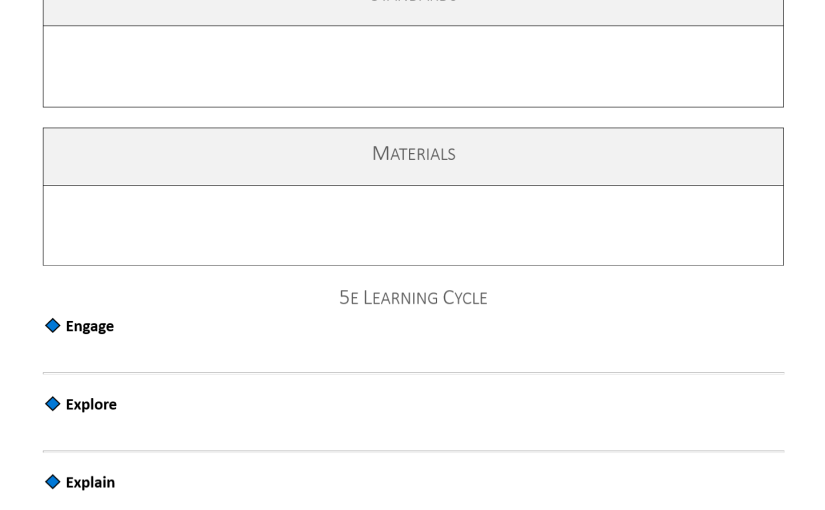
A 5E Lesson Planner is based on the 5E instructional model, which includes five phases:

  • Engage
  • Explore
  • Explain
  • Elaborate
  • Evaluate

This model is widely used in modern education because it promotes inquiry, critical thinking, and active participation.

A lesson planner template encourages students to ask questions, investigate concepts, and build their own understanding rather than passively receiving information.

Why Teachers Use the 5E Lesson Plan Model

The 5E model is popular because it aligns with how students naturally learn.

1. Encourages Active Learning

Students are not just listening—they are participating, exploring, and discovering.

2. Supports Inquiry-Based Instruction

Using a 5E inquiry based lesson planner, students learn by asking questions and investigating answers.

3. Improves Understanding

The step-by-step structure helps students build knowledge gradually.

4. Aligns With Standards

An NGSS 5E lesson planner ensures lessons meet required educational standards.

5. Ideal for Teacher Training

The ELM 462 5E lesson planner is commonly used in teacher education programs to develop effective instructional skills.

The 5 Phases of the 5E Lesson Plan Model

Understanding each phase is essential for using a 5E Lesson Plan model effectively.

🔹 Engage

This phase captures students’ attention and connects the lesson to prior knowledge.

Examples include:

  • Asking thought-provoking questions
  • Showing a short video or demonstration
  • Presenting a real-world problem

The goal is to spark curiosity and prepare students for learning.

🔹 Explore

In this phase, students actively investigate the concept.

Activities may include:

  • Hands-on experiments
  • Group discussions
  • Problem-solving tasks

A 5E inquiry based lesson planner emphasizes student exploration rather than direct instruction.

🔹 Explain

Students begin to make sense of what they have learned.

This phase includes:

  • Class discussions
  • Teacher explanations
  • Introduction of key vocabulary

Teachers guide students toward an accurate understanding.

🔹 Elaborate

Students apply their knowledge to new situations.

This may involve:

  • Real-world applications
  • Extended projects
  • Deeper analysis

This phase strengthens understanding and promotes critical thinking.

🔹 Evaluate

Assessment takes place to measure student learning.

This can include:

  • Quizzes or tests
  • Observations
  • Student reflections

Evaluation helps determine whether learning objectives have been achieved.

Get also: Free Danielson Lesson Plan Template

How to Create an Effective 5E Lesson Plan Template

Creating a strong Five E Lesson Plan Template requires thoughtful planning.

Step 1: Define Learning Objectives

Clearly state what students should know or be able to do.

Step 2: Align With Standards

Use an NGSS 5E lesson plan template or other standards to ensure compliance.

Step 3: Plan Engaging Activities

Each phase should include meaningful and interactive activities.

Step 4: Include Assessment Strategies

Plan how you will evaluate student understanding.

Step 5: Add Differentiation

Ensure your lesson meets the needs of all learners.

Types of Five E Lesson Plan Templates

There are several variations of the Five E Lesson Plan Template, depending on your needs.

1. Basic 5E Lesson Plan Template

A simple format focusing on the five phases.

2. 5E Inquiry Based Lesson Plan Template

Designed for inquiry-driven learning and student exploration.

3. NGSS 5E Lesson Plan Template

Aligns with science standards and includes detailed objectives and assessments.

4. ELM 462 5E Lesson Plan Template

Used in teacher preparation programs, often requiring detailed documentation and reflection.

5. Advanced 5E Science Lesson Plan Template

Includes additional elements such as:

  • Academic language
  • Differentiation strategies
  • Time allocation

Best Practices for Using a 5E Lesson Plan Template

To maximize effectiveness, follow these best practices.

Focus on Student Engagement

Design activities that encourage participation and curiosity.

Encourage Inquiry

Allow students to ask questions and explore ideas independently.

Use Real-World Connections

Relating lessons to real-life situations improves understanding.

Provide Clear Instructions

Ensure students understand what is expected in each phase.

Reflect and Improve

Use feedback and reflection to improve future lessons.

Common Mistakes to Avoid

Even with a structured 5E Instructional Model Lesson Plan Template, mistakes can happen.

Overloading the Lesson

Too much content can overwhelm students.

Skipping Phases

Each phase is important and should not be ignored.

Lack of Engagement

Passive lessons reduce effectiveness.

Weak Assessment

Without proper evaluation, it’s difficult to measure success.

How to Adapt the 5E Model for Different Subjects

The 5E model is flexible and can be used across subjects.

  • Science: Experiments and investigations
  • Math: Problem-solving and reasoning
  • Language Arts: Reading and discussion activities
  • Social Studies: Case studies and analysis

This versatility makes the 5E Science Lesson Plan Template a valuable tool for all educators.

Final Thoughts

A well-designed 5E Lesson Plan Template helps teachers create engaging, structured, and effective lessons. By guiding students through the five phases—Engage, Explore, Explain, Elaborate, and Evaluate—you can improve understanding and promote active learning.

Whether you are using a 5E inquiry based lesson plan template, aligning with standards through an NGSS 5E lesson plan template, or completing coursework with an ELM 462 5E lesson plan template, the key is to focus on engagement, inquiry, and continuous improvement.

With the right approach, the 5E model can transform your teaching and enhance student learning outcomes.

Bonus: Quick 5E Lesson Plan Example

  • Engage: Ask a real-world question
  • Explore: Conduct a hands-on activity
  • Explain: Discuss findings
  • Elaborate: Apply knowledge to a new situation
  • Evaluate: Assess understanding

Monthly Workout Plan Template: 8+ Best Designs for Your Fitness Routine

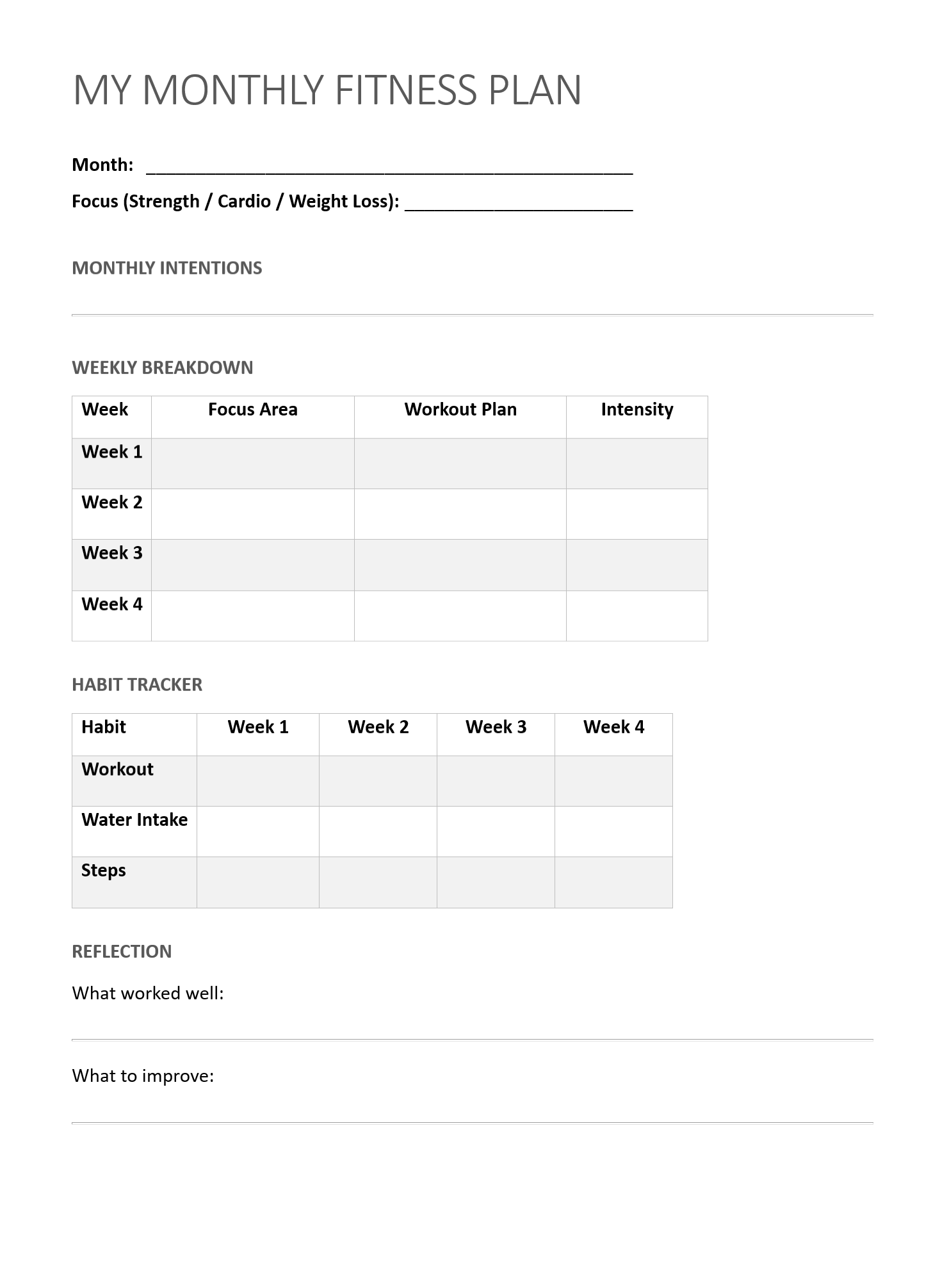
A monthly workout plan template is one of the most effective ways to stay consistent, track progress, and achieve long-term fitness goals. Instead of planning workouts day by day, a monthly approach gives you a clear roadmap that keeps you focused and disciplined.

Whether you’re training at the gym, following a monthly workout plan at home, or working toward fat loss with a monthly workout plan for weight loss, having a structured system can make a huge difference in your results.

In this guide, you’ll learn how to use a monthly workout schedule, explore different formats, and build a plan that actually works.

What Is a Monthly Workout Planner?

A monthly workout planner is a structured layout that organizes your workouts across an entire month. It helps you plan your routines in advance, balance intensity, and include proper recovery.

Unlike weekly or daily plans, a monthly format allows you to:

  • Track long-term progress
  • Adjust intensity gradually
  • Maintain consistency over time

A well-designed monthly workout schedule ensures that your workouts are balanced and aligned with your goals.

Why You Should Use a Monthly Workout Plan

Many people struggle with consistency because they lack a long-term plan. A monthly workout planner solves this problem by providing structure and clarity.

1. Builds Long-Term Consistency

Planning your workouts for the entire month helps you stay committed and avoid skipping sessions.

2. Improves Progress Tracking

With a monthly workout schedule, you can clearly see how your performance evolves over time.

3. Helps Balance Workouts and Recovery

A monthly plan ensures that you include rest days and avoid overtraining.

4. Supports Different Fitness Goals

Whether your goal is muscle gain, endurance, or a monthly workout plan for weight loss, a structured plan helps you stay on track.

5. Saves Time and Effort

You don’t have to plan your workouts every day. Everything is already organized.

Key Components of an Effective Monthly Workout Planner

To get the best results, your monthly workout planner should include these essential elements.

1. Clear Fitness Goals

Define your primary goal for the month:

  • Weight loss
  • Muscle gain
  • Endurance
  • General fitness

Your goal will determine the structure of your plan.

2. Weekly Breakdown

Divide your month into weeks and assign workout focuses such as:

  • Strength training
  • Cardio
  • Recovery

This makes your plan easier to follow.

Get also: Free Weekly Workout Plan Template

3. Daily Workout Structure

Each day should have a clear purpose:

  • Upper body
  • Lower body
  • Full body
  • Cardio

Get also: Daily Workout Plan Template

4. Rest and Recovery Days

Recovery is essential for progress. A good monthly workout schedule template always includes rest days.

5. Progress Tracking Section

Track metrics such as:

  • Workouts completed
  • Weight or body measurements
  • Energy levels

Types of Monthly Workout Plan Templates

Different types of monthly workout plan templates are designed for different needs.

1. Basic Monthly Workout Schedule Template

This format focuses on scheduling workouts throughout the month. It is simple, easy to use, and perfect for beginners.

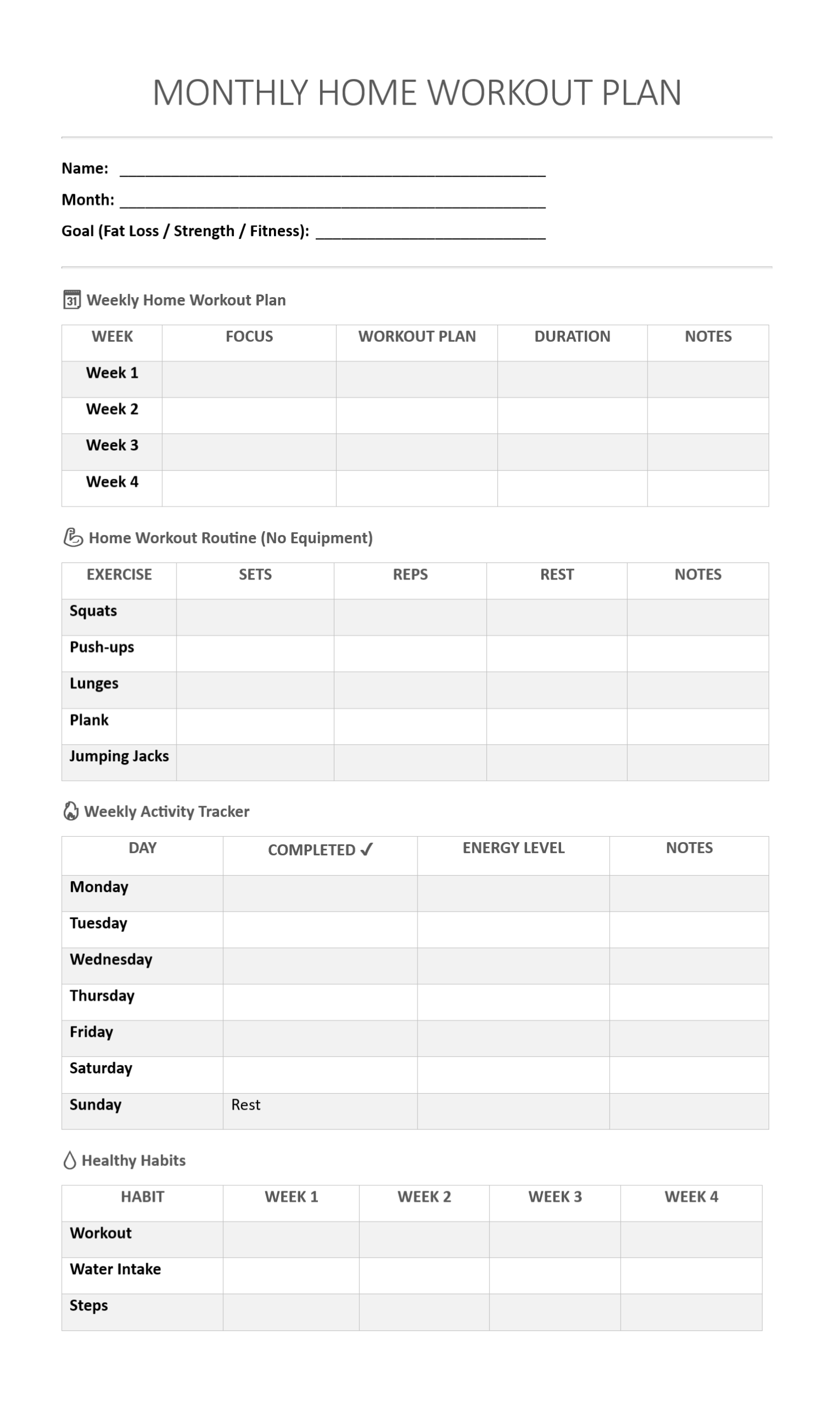
2. Monthly Workout Plan at Home

A workout plan at home is ideal for people who prefer convenience.

It includes:

  • Bodyweight exercises
  • Minimal equipment routines
  • Flexible scheduling

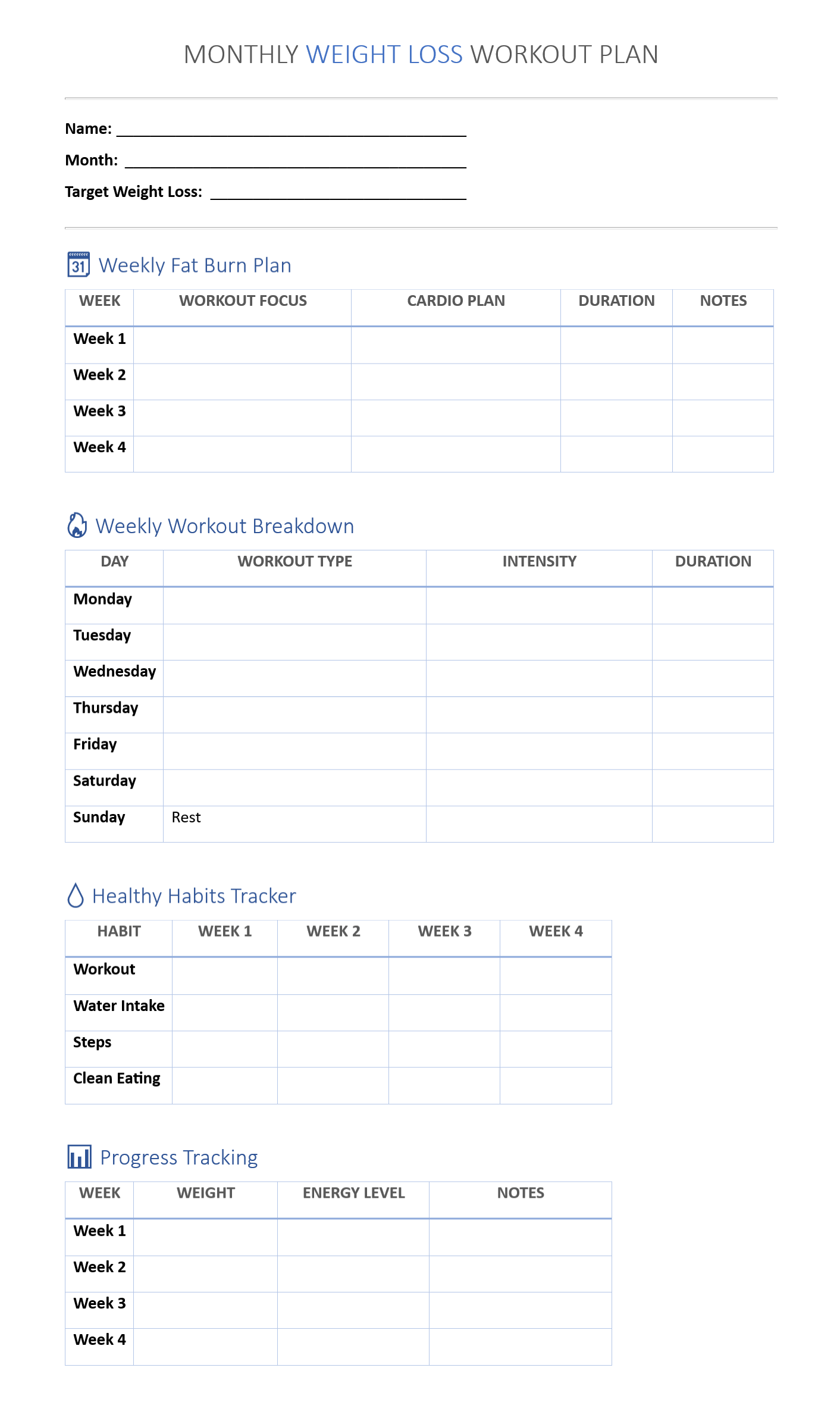
3. Monthly Workout Plan for Weight Loss

This type focuses on fat loss and includes:

  • Cardio sessions
  • High-intensity workouts
  • Calorie-burning routines

A monthly workout plan for weight loss helps maintain consistency and track progress effectively.

4. Advanced Monthly Workout Plan

Designed for experienced individuals, this Workout Planner Template includes:

  • Progressive overload
  • Structured training splits
  • Performance tracking

5. Printable Monthly Workout Template

This version is designed for easy printing and manual tracking.

How to Create a Monthly Workout Plan That Works

Creating an effective monthly workout plan template is simple if you follow a structured approach.

Step 1: Define Your Goal

Start with a clear objective for the month.

Step 2: Plan Weekly Structure

Divide your workouts into weekly segments with different focuses.

Step 3: Assign Daily Workouts

Plan specific workouts for each day.

Step 4: Include Rest Days

Ensure your schedule includes recovery time.

Step 5: Track and Adjust

Use your monthly workout schedule to monitor progress and make improvements.

Best Practices for Using a Monthly Workout Plan Template

To maximize your results, follow these best practices.

Stay Consistent

Consistency is the key to long-term success.

Keep It Realistic

Avoid overly ambitious plans that are difficult to maintain.

Focus on Progress

Track improvements rather than aiming for perfection.

Combine With Proper Nutrition

Nutrition plays a major role in achieving your goals, especially for a monthly workout planner for weight loss.

Listen to Your Body

Adjust your plan based on your energy levels and recovery needs.

Common Mistakes to Avoid

Even with a structured monthly workout plan template, mistakes can happen.

Overtraining

Too much exercise without rest can lead to fatigue and injury.

Lack of Planning

Without a clear structure, workouts become inconsistent.

Ignoring Recovery

Recovery is essential for long-term success.

Not Tracking Progress

Without tracking, it’s difficult to measure improvement.

How to Adapt Your Plan for Home Workouts

A monthly workout plan at home requires a slightly different approach compared to gym training.

Focus on:

  • Bodyweight exercises
  • Resistance bands or light equipment
  • High-repetition routines

Home workouts can be just as effective when structured properly.

How to Stay Motivated Throughout the Month

Staying motivated for an entire month can be challenging, but there are ways to make it easier.

  • Set weekly milestones
  • Track your progress
  • Reward yourself for consistency
  • Keep your routine interesting

Motivation may fluctuate, but consistency is what drives results.

The Role of Nutrition in Monthly Fitness Planning

Your workout plan should always be supported by proper nutrition.

For weight loss:

  • Maintain a calorie deficit
  • Focus on whole foods
  • Stay hydrated

For muscle gain:

  • Increase protein intake
  • Ensure adequate calories
  • Support recovery with proper nutrients

Combining a monthly workout plan template with good nutrition leads to better and faster results.

Final Thoughts

A well-structured monthly workout plan template is essential for building consistency and achieving long-term fitness goals. It helps you stay organized, track progress, and maintain balance in your routine.

Whether you are using a monthly workout schedule template, following a monthly workout plan at home, or focusing on a workout plan for weight loss, the key is to stay consistent and committed.

With the right plan, realistic goals, and continuous improvement, you can transform your fitness routine and achieve lasting results.

Bonus: Simple Monthly Workout Plan Example

Here’s a simple example you can follow:

  • Week 1: Build foundation
  • Week 2: Increase intensity
  • Week 3: Push performance
  • Week 4: Recovery and adjustment

This structure allows you to progress gradually while avoiding burnout.

Daily Workout Plan Template: 8+ Free Designs to Maximize Your Fitness Results

A daily workout plan template is one of the most effective tools for building consistency, improving performance, and staying focused on your fitness goals. Instead of randomly choosing exercises every day, a structured plan gives you direction and purpose in every workout session.

Whether you are working out at the gym or following a daily workout plan at home, having a clear structure ensures that your time and effort are used efficiently. A well-designed daily workout planner helps you track progress, maintain discipline, and achieve better results over time.

In this guide, you’ll learn how to use a daily workout routine planner, explore different formats, and build a system that fits your lifestyle.

What Is a Daily Workout Plan?

A daily workout plan is a structured layout used to organize a single day’s workout session. It includes details such as exercises, sets, repetitions, duration, and notes.

Unlike weekly or monthly plans, a daily format allows for more detailed tracking and focus. This is especially helpful for people who want to improve performance, monitor progress, or follow a specific training program.

A daily workout planner template ensures that every workout session is planned and executed effectively.

Why You Should Use a Daily Workout Plan Template

Many people struggle to stay consistent because they lack structure. A daily workout plan template solves this by providing a clear and actionable plan.

1. Improves Focus

When you know exactly what to do, you can focus entirely on your workout instead of wasting time deciding.

2. Enhances Performance

A structured daily workout routine planner allows you to track your performance and gradually improve over time.

3. Saves Time

You don’t have to plan your workout on the spot. Everything is already prepared.

4. Builds Discipline

Following a consistent routine helps develop discipline, which is essential for long-term success.

5. Supports All Fitness Levels

Whether you are a beginner or advanced, a daily workout plan at home or in the gym can be tailored to your needs.

Key Components of an Effective Daily Workout Plan

To get the most out of your daily workout plan, it should include the following elements.

1. Workout Goal

Start by defining your goal for the day.

Examples:

  • Strength training
  • Cardio endurance
  • Flexibility
  • Recovery

2. Warm-Up Section

A proper warm-up prepares your body for exercise and reduces the risk of injury.

Common warm-up activities include:

  • Light cardio
  • Dynamic stretching
  • Mobility exercises

3. Main Workout

This is the core of your plan. It should include:

  • Exercise names
  • Sets and repetitions
  • Duration or intensity
  • Rest intervals

4. Cardio or Conditioning

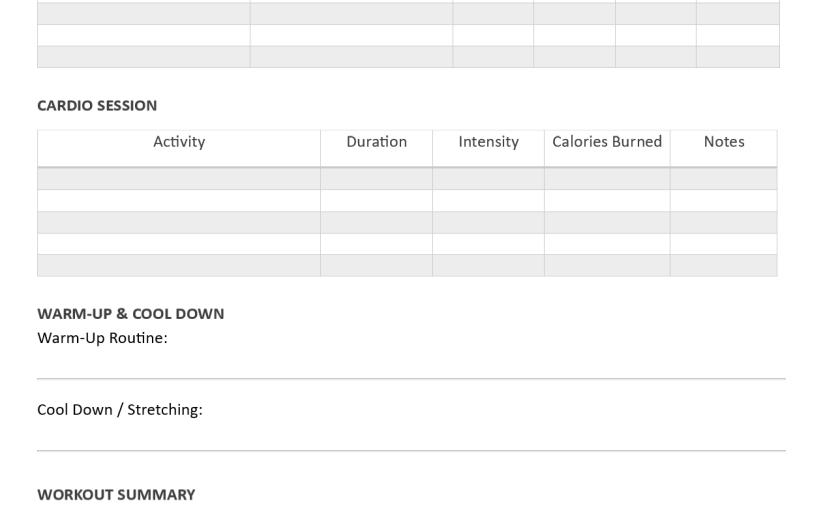
Many daily workout planner templates include a cardio section to improve endurance and burn calories.

5. Cool Down and Stretching

Cooling down helps your body recover and reduces muscle soreness.

6. Progress Tracking

Tracking your performance allows you to monitor improvement.

You can track:

  • Weight lifted
  • Workout duration
  • Energy levels

7. Notes Section

This section helps you reflect on your workout and make adjustments.

Types of Daily Workout Plan Templates

Different types of daily workout plan templates are designed for different purposes.

1. Gym Daily Workout Plan Template

This template is ideal for gym users and includes:

  • Strength training exercises
  • Equipment-based workouts
  • Structured sets and reps

2. Daily Workout Plan at Home

A daily workout plan at home focuses on:

  • Bodyweight exercises
  • Minimal equipment
  • Flexible routines

This is perfect for people who prefer convenience and simplicity.

3. Daily Workout Routine Planner Template

A daily workout routine planner template provides a detailed breakdown of the entire workout session.

It often includes:

  • Warm-up
  • Main workout
  • Cardio
  • Cool down
  • Notes

4. Beginner Daily Workout Plan Template

Beginners need simple and easy-to-follow plans.

These templates usually include:

  • Basic exercises
  • Lower intensity
  • Clear instructions

5. Advanced Daily Workout Planner Template

Advanced users benefit from detailed tracking and structured routines.

These Workout Planner Templates may include:

  • Progressive overload tracking
  • High-intensity workouts
  • Performance metrics

Get also: Free Weekly Workout Plan Template

How to Create a Daily Workout Plan That Works

Creating an effective daily workout plan template is simple if you follow a structured approach.

Step 1: Define Your Goal

Decide what you want to achieve in that session.

Step 2: Choose the Right Exercises

Select exercises that align with your goal.

Step 3: Set Structure

Determine:

  • Sets
  • Repetitions
  • Duration
  • Rest time

Step 4: Include Warm-Up and Cool Down

Never skip these sections, as they are essential for safety and recovery.

Step 5: Track Your Results

Use your daily workout planner to monitor performance and progress.

Best Practices for Using a Daily Workout Plan

To maximize results, follow these tips.

Stay Consistent

Consistency is the key to success in fitness.

Keep It Simple

Avoid overly complex routines, especially if you are a beginner.

Focus on Progress

Track improvements over time rather than aiming for perfection.

Combine with Proper Nutrition

A balanced diet supports your fitness goals.

Listen to Your Body

Adjust your plan if you feel fatigued or overwhelmed.

Common Mistakes to Avoid

Even with a structured daily workout plan template, mistakes can happen.

Skipping Warm-Ups

This increases the risk of injury.

Overtraining

Too much exercise without rest can harm your progress.

Lack of Tracking

Without tracking, it’s difficult to measure improvement.

Ignoring Recovery

Recovery is essential for long-term success.

How to Build a Sustainable Daily Fitness Habit

Building a daily fitness routine is not just about planning workouts—it’s about creating habits that you can maintain long-term. Many people start strong but lose consistency after a few weeks. The difference between success and failure often comes down to sustainability.

One of the most effective ways to build a lasting habit is to start small. Instead of committing to long and intense workouts every day, begin with manageable sessions. Even 20–30 minutes of focused exercise can deliver results if done consistently.

Another important factor is routine timing. Try to exercise at the same time every day, whether it’s in the morning, afternoon, or evening. Consistency in timing helps your body and mind adapt, making workouts feel like a natural part of your day.

The environment also plays a key role. If you are following a daily workout plan at home, create a dedicated space for your workouts. It doesn’t have to be large—just a clean, distraction-free area where you can focus.

How to Stay Motivated Every Day

Motivation naturally fluctuates, so relying on it alone is not enough. Instead, you should build systems that keep you going even when motivation is low.

One effective strategy is setting short-term goals. Instead of focusing only on long-term results, aim for small wins such as completing all planned workouts for the week. These small achievements create momentum.

Tracking progress visually can also boost motivation. Seeing completed workouts in your daily workout planner template provides a sense of accomplishment and encourages consistency.

You can also reward yourself for staying consistent. Rewards don’t have to be big—they can be simple things like a rest day, a favorite meal, or new workout gear.

Adapting Your Plan for Busy Schedules

One of the biggest challenges people face is finding time to work out. A structured plan helps, but flexibility is just as important.

If you have a busy schedule, consider shorter workouts. High-intensity sessions can be very effective even if they only last 15–20 minutes.

Another option is splitting your workouts into smaller sessions throughout the day. For example:

  • Morning: quick cardio
  • Evening: strength training

This approach allows you to stay active without needing a large block of time.

Planning ahead is also crucial. Use your daily workout routine planner template to decide your workouts in advance so you don’t waste time thinking about what to do.

The Role of Nutrition in Daily Fitness

Exercise alone is not enough to achieve optimal results. Nutrition plays an equally important role in supporting your fitness routine.

Your body needs the right fuel to perform well and recover properly. A balanced diet should include:

  • Protein for muscle repair
  • Carbohydrates for energy
  • Healthy fats for overall health

Hydration is also critical. Drinking enough water improves performance, reduces fatigue, and supports recovery.

If your goal is weight loss or muscle gain, tracking your meals alongside your workouts can be extremely beneficial. Combining fitness and nutrition creates a more complete and effective system.

Final Thoughts

A well-designed daily workout plan template is essential for anyone serious about fitness. It helps you stay organized, consistent, and focused on your goals.

Whether you use a daily workout planner, a detailed daily workout routine planner, or a flexible daily workout plan at home, having a structured plan makes a huge difference.

By following a clear routine, tracking your progress, and staying consistent, you can achieve better results and build a sustainable fitness lifestyle.

Consistency, structure, and balance are the foundation of any successful fitness routine. A well-organized daily plan helps you stay focused, track progress, and continuously improve.

By combining proper planning, realistic goals, and a sustainable approach, you can turn daily workouts into a long-term habit that delivers real results.

Remember, progress does not happen overnight. What matters most is showing up every day and putting in the effort. Over time, those small daily actions lead to significant transformations.

10+ Free Weekly Workout Plan Templates: Stay Consistent and Get Results

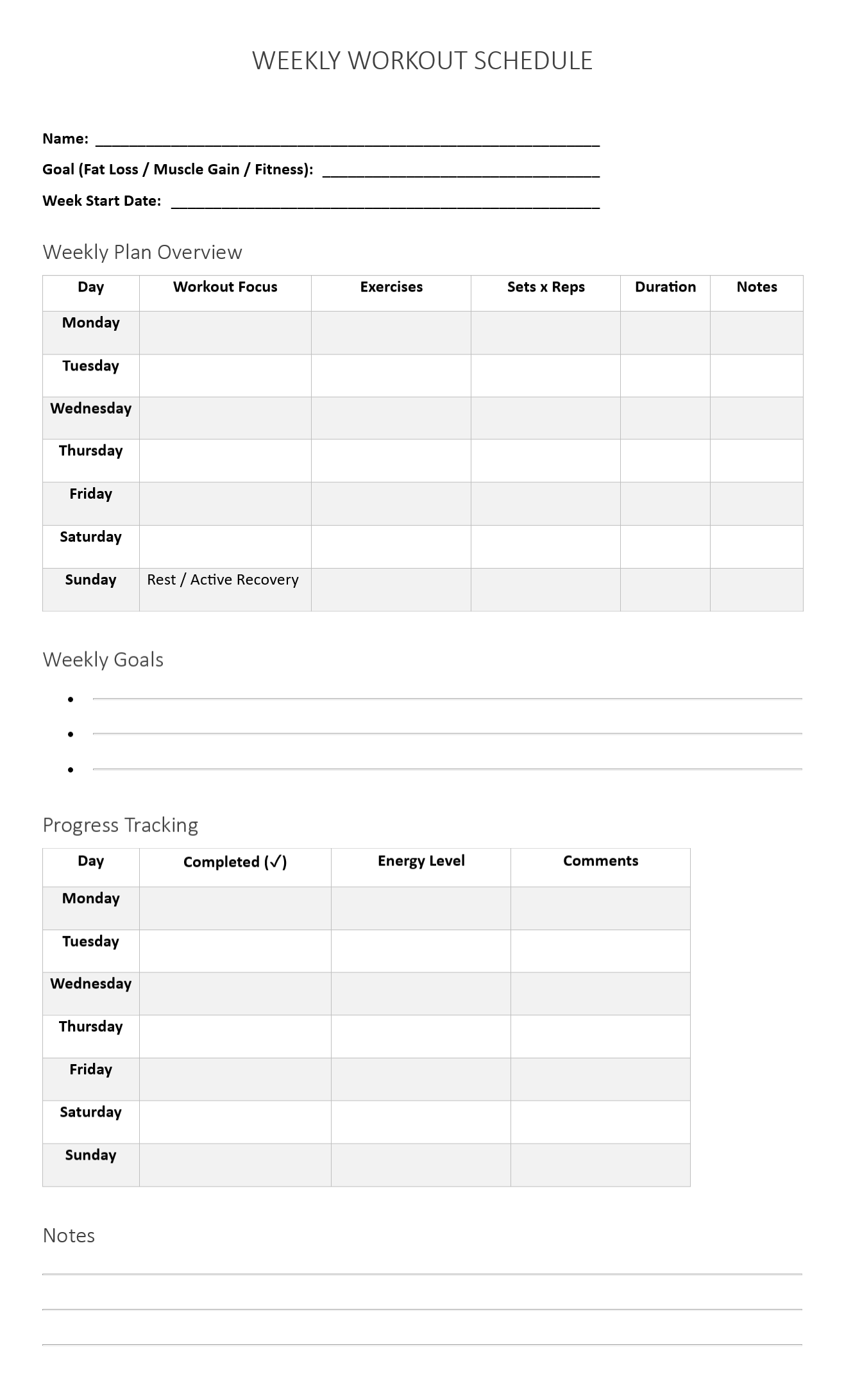
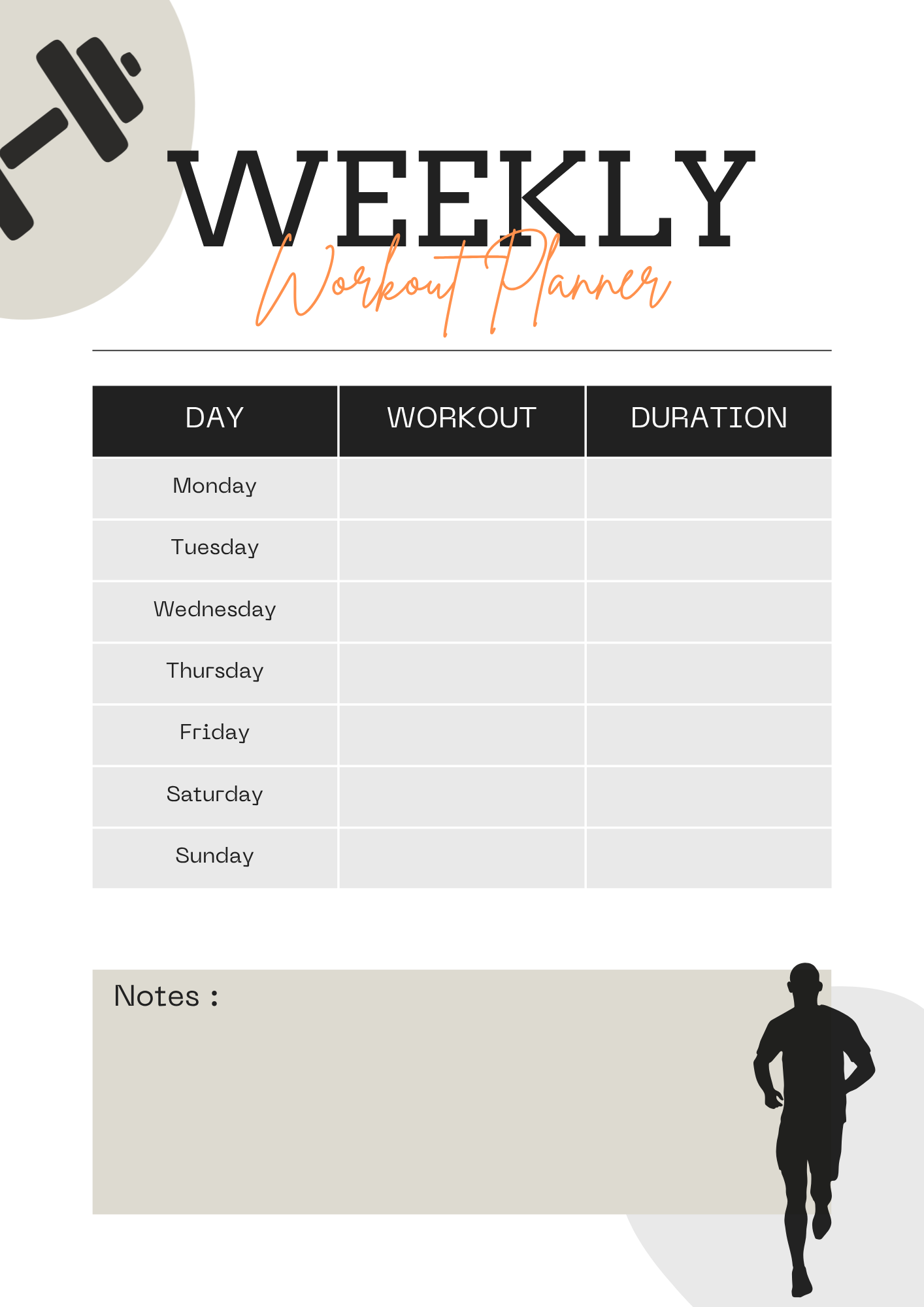
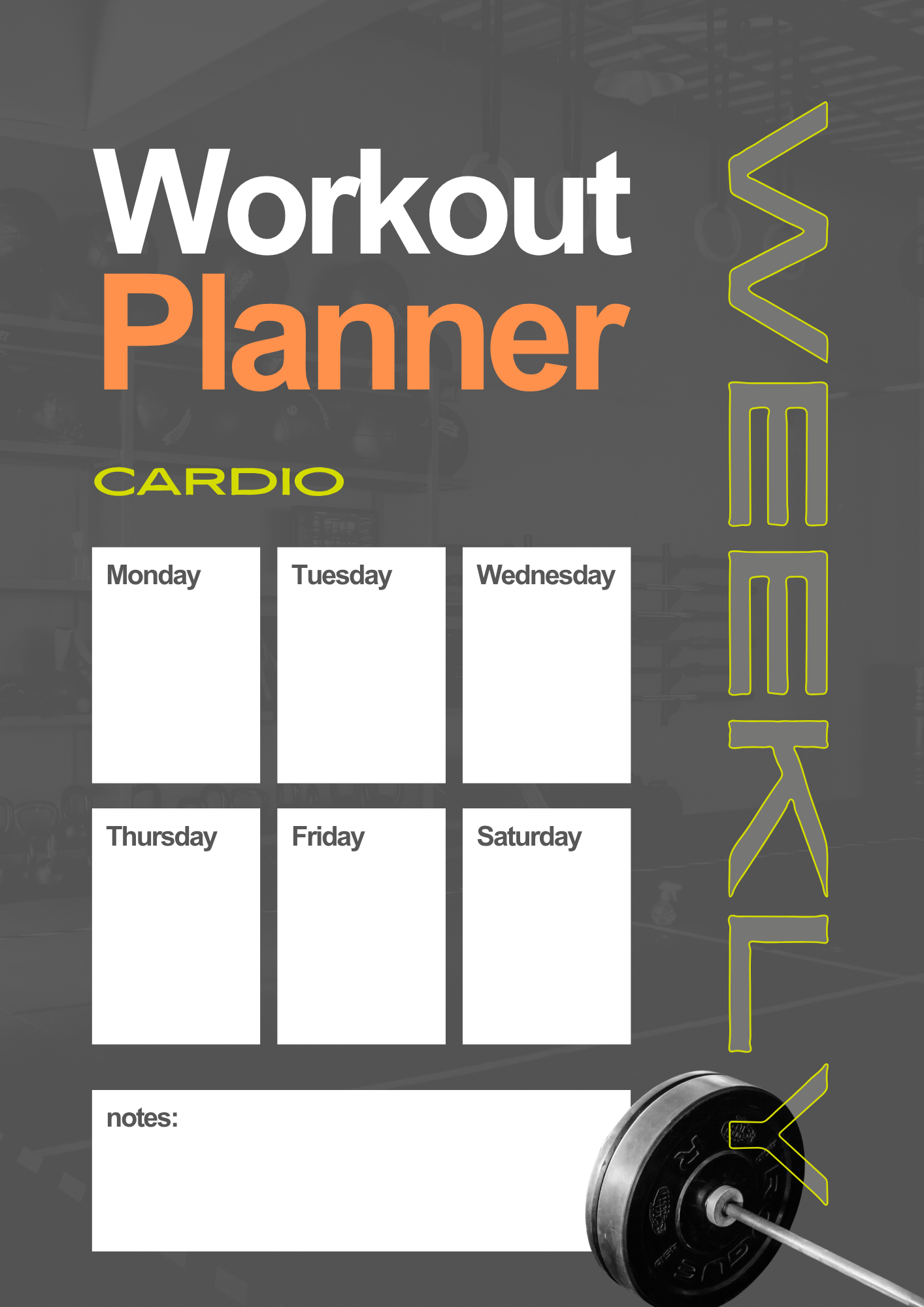
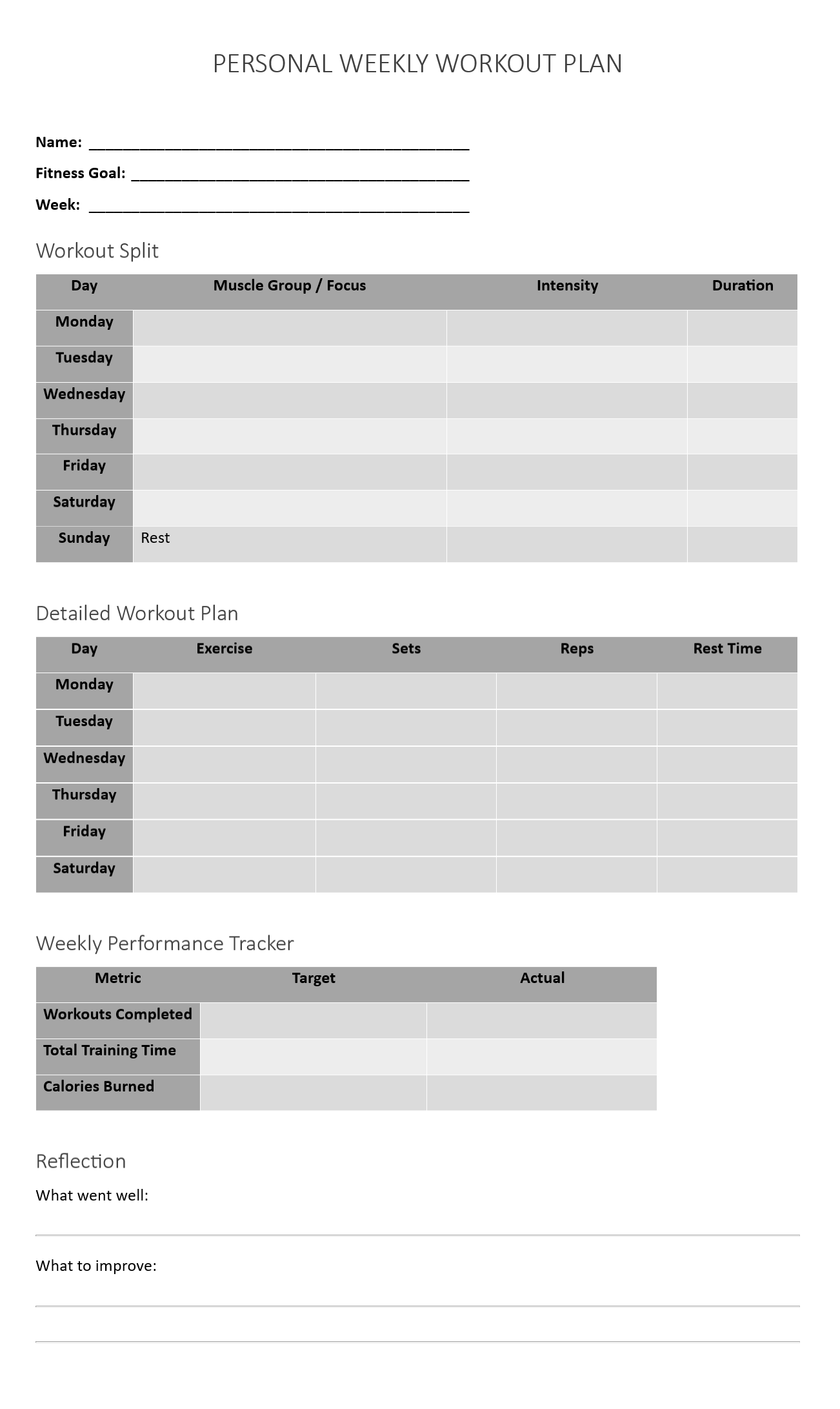
A weekly workout plan template is one of the simplest yet most powerful tools to keep your fitness routine consistent and effective. Instead of guessing what to do every day, a structured weekly plan helps you stay focused, organized, and aligned with your fitness goals.

Whether you’re a beginner trying to build a habit or someone experienced looking to optimize performance, using a weekly workout planner template can dramatically improve your results. It gives you a clear roadmap for the week, helping you balance workouts, recovery, and progression.

In this guide, you’ll learn how to use a workout weekly plan template, explore different formats, including a weekly workout schedule, and discover how to create a plan that actually works.

What Is a Weekly Workout Plan?

A weekly workout plan is a structured layout that helps you organize your workouts across seven days. It allows you to plan each session in advance, including exercises, intensity, and rest days.

Most templates include:

  • Daily workout schedule
  • Exercise focus (strength, cardio, etc.)
  • Sets, reps, or duration
  • Notes or progress tracking

Using a weekly plan template ensures that your workouts are balanced and aligned with your goals.

Why You Should Use a Weekly Workout Plan

Many people struggle with consistency because they don’t have a clear plan. A weekly workout plan eliminates that problem.

1. Builds Consistency

Planning your workouts for the week makes it easier to stick to your routine.

2. Saves Time

You don’t have to think about what to do each day. Just follow your schedule.

3. Improves Results

A structured weekly workout planner ensures that all muscle groups are trained properly and recovery time is included.

4. Prevents Overtraining

A good plan includes rest days, which are essential for recovery and performance.

5. Tracks Progress

Using a weekly workout schedule allows you to monitor your performance and make improvements.

Key Components of an Effective Weekly Workout Plan

To get the best results, your weekly workout plan template should include the following elements.

1. Workout Goals

Start by defining your goal:

  • Weight loss
  • Muscle gain
  • Endurance
  • General fitness

Your goal determines your entire weekly structure.

2. Weekly Schedule

This is the core of your plan. Assign workouts to each day of the week.

Example:

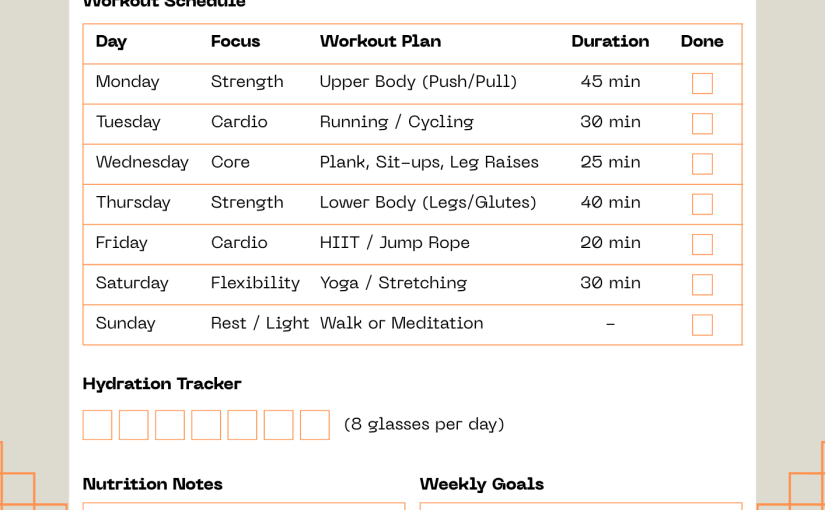
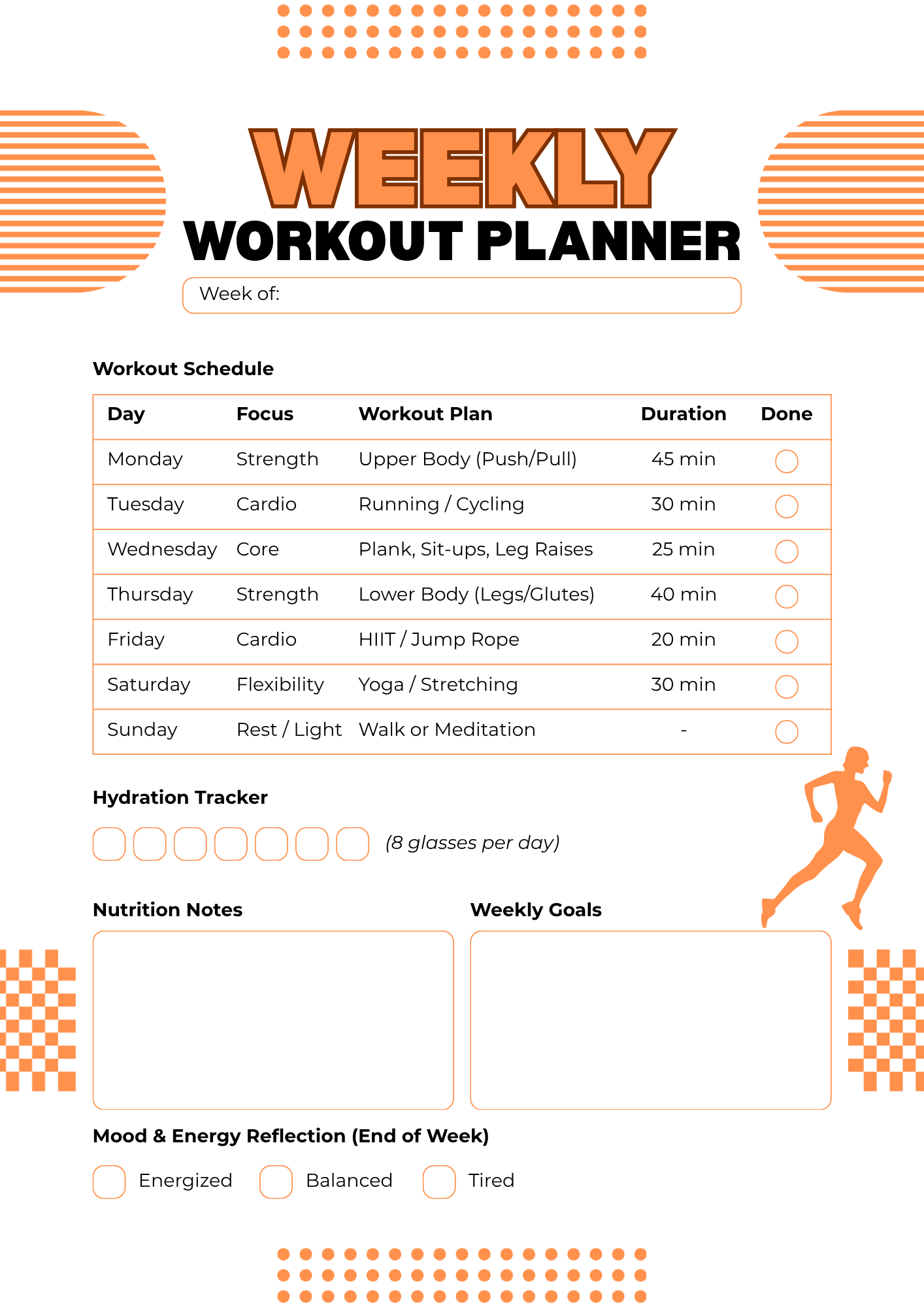
  • Monday: Upper body
  • Tuesday: Cardio
  • Wednesday: Lower body
  • Thursday: Rest
  • Friday: Full body
  • Saturday: Cardio
  • Sunday: Rest

3. Exercise Details

Each workout session should include:

  • Exercise names
  • Sets and reps
  • Duration
  • Intensity level

4. Rest and Recovery

Rest days are just as important as workout days. A good weekly workout planner always includes recovery time.

5. Progress Tracking

Track metrics such as:

  • Completed workouts
  • Energy levels
  • Strength improvements

Types of Weekly Workout Plan Templates

There are several variations of a weekly workout plan template, depending on your needs.

1. Basic Weekly Workout Template

This is a simple layout with daily workout planning.

Perfect for beginners who need a straightforward plan.

2. Free Weekly Workout Schedule Template

A free weekly workout schedule template is ideal for those who want a ready-to-use format.

It usually includes:

  • Pre-structured tables
  • Easy-to-fill sections
  • Printable format

3. Weekly Workout Planner Template

A workout planner template provides more detailed tracking.

It may include:

  • Exercise breakdown
  • Notes section
  • Progress tracking

Get also: Monthly Workout Plan Template

4. Workout Weekly Plan Template for Gym

This type focuses on structured training:

  • Strength training splits
  • Equipment-based exercises
  • Progressive overload

Get also: Daily Workout Plan Template

5. Home Workout Weekly Plan Template

Designed for people who work out at home:

  • Bodyweight exercises
  • Minimal equipment
  • Flexible routines

How to Create a Weekly Workout Plan That Works

Creating an effective weekly workout plan template is easier than you think.

Step 1: Define Your Goal

Be specific about what you want to achieve.

Step 2: Choose Training Days

Decide how many days per week you will work out.

Step 3: Plan Workout Types

Balance your routine with:

  • Strength training
  • Cardio
  • Mobility or stretching

Step 4: Schedule Rest Days

Rest is essential for recovery and long-term success.

Step 5: Track and Adjust

Use your weekly workout planning to track progress and make improvements.

Best Practices for Using a Weekly Workout Plan Template

To maximize results, follow these best practices.

Stay Consistent

Consistency is more important than intensity.

Start Simple

Don’t overcomplicate your plan, especially at the beginning.

Focus on Progress

Track improvements instead of aiming for perfection.

Combine with Nutrition

Pair your workouts with proper nutrition for better results.

Listen to Your Body

Adjust your plan if needed to avoid injury or burnout.

Common Mistakes to Avoid

Even with a structured weekly workout plan template, mistakes can happen.

Skipping Workouts

Missing sessions breaks consistency and slows progress.

Overtraining

Too much exercise without rest can lead to fatigue and injury.

Lack of Planning

Without a proper workout plan, workouts can become random and ineffective.

Ignoring Recovery

Recovery is essential for muscle growth and performance.

How to Stay Consistent With Your Weekly Fitness Routine

Consistency is often the biggest challenge in any fitness journey. Even with a well-structured plan, many people struggle to follow through week after week. The key is not just having a plan, but knowing how to stick to it.

One effective strategy is to treat your workouts like important appointments. Schedule them at specific times and avoid skipping them unless absolutely necessary. When workouts become part of your routine, they require less mental effort and discipline.

Another helpful approach is to prepare everything in advance. Lay out your workout clothes, prepare your meals, and decide on your exercises the day before. This reduces friction and makes it easier to start your workout without hesitation.

Motivation also plays a role, but relying on motivation alone is not enough. Building habits is far more reliable. Start small, stay consistent, and gradually increase the intensity of your workouts over time.

Conclusion

A well-designed weekly workout plan template is the foundation of a successful fitness routine. It helps you stay organized, consistent, and focused on your goals.

Whether you use a free weekly workout schedule template, a detailed weekly workout planner template, or a structured workout weekly plan template, having a clear plan makes all the difference.

By following a weekly structure, tracking your progress, and staying consistent, you can achieve better results and build a sustainable fitness lifestyle.

8+ POWERFUL Workout Planner Template Designs to Transform Your Fitness Routine

A workout planner template is one of the most effective tools for anyone who wants to stay consistent, organized, and results-driven in their fitness journey. Whether your goal is weight loss, muscle gain, or overall health improvement, having a structured plan makes a huge difference.

Instead of randomly choosing exercises every day, a well-designed workout planning template helps you map out your routines, track progress, and stay accountable. From beginners to advanced athletes, structured planning is often the key factor that separates success from inconsistency.

In this guide, you’ll discover how to use a workout plan template, explore different formats like a workout weekly plan template and a workout and diet plan template, and learn how to build a system that actually works.

What Is a Workout Planner?

A workout planner is a structured document that helps you organize your exercise routines, schedule workouts, and track your fitness progress.

It typically includes:

  • Workout schedule (daily or weekly)
  • Exercise details
  • Sets and repetitions
  • Duration or intensity
  • Notes or progress tracking

Using a planner template ensures that your workouts are consistent and aligned with your fitness goals.

Why You Need a Workout Planner

Many people struggle to stay consistent with their workouts. A structured workout planner solves this problem by creating a clear plan to follow.

Stay Consistent

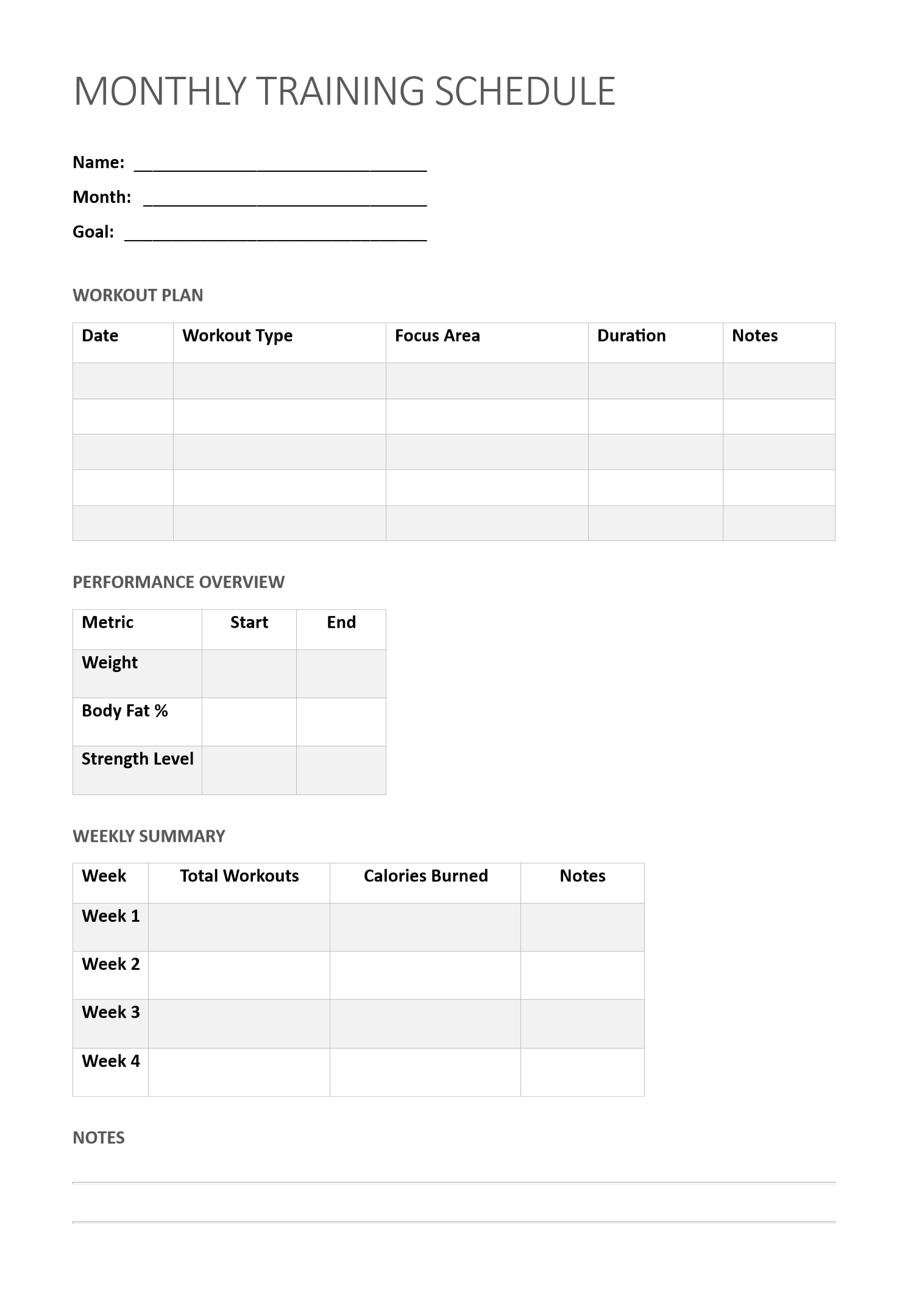
When your workouts are planned in advance, you are more likely to stick to your routine.

Track Your Progress

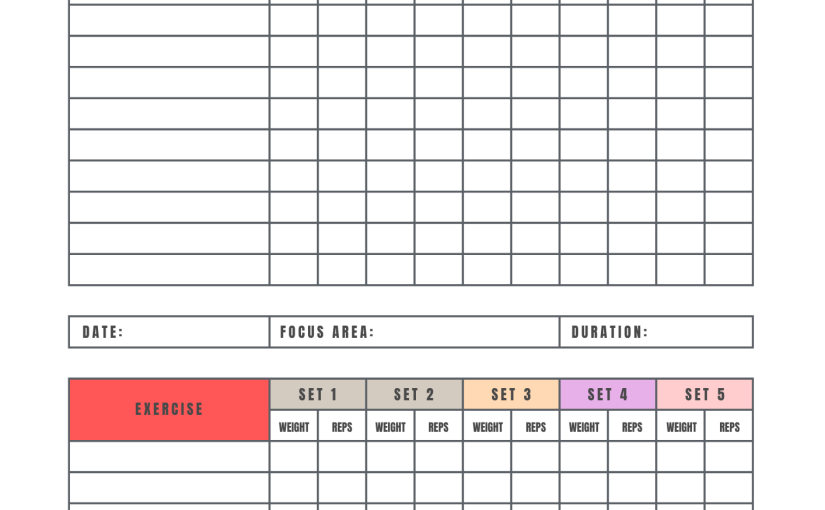
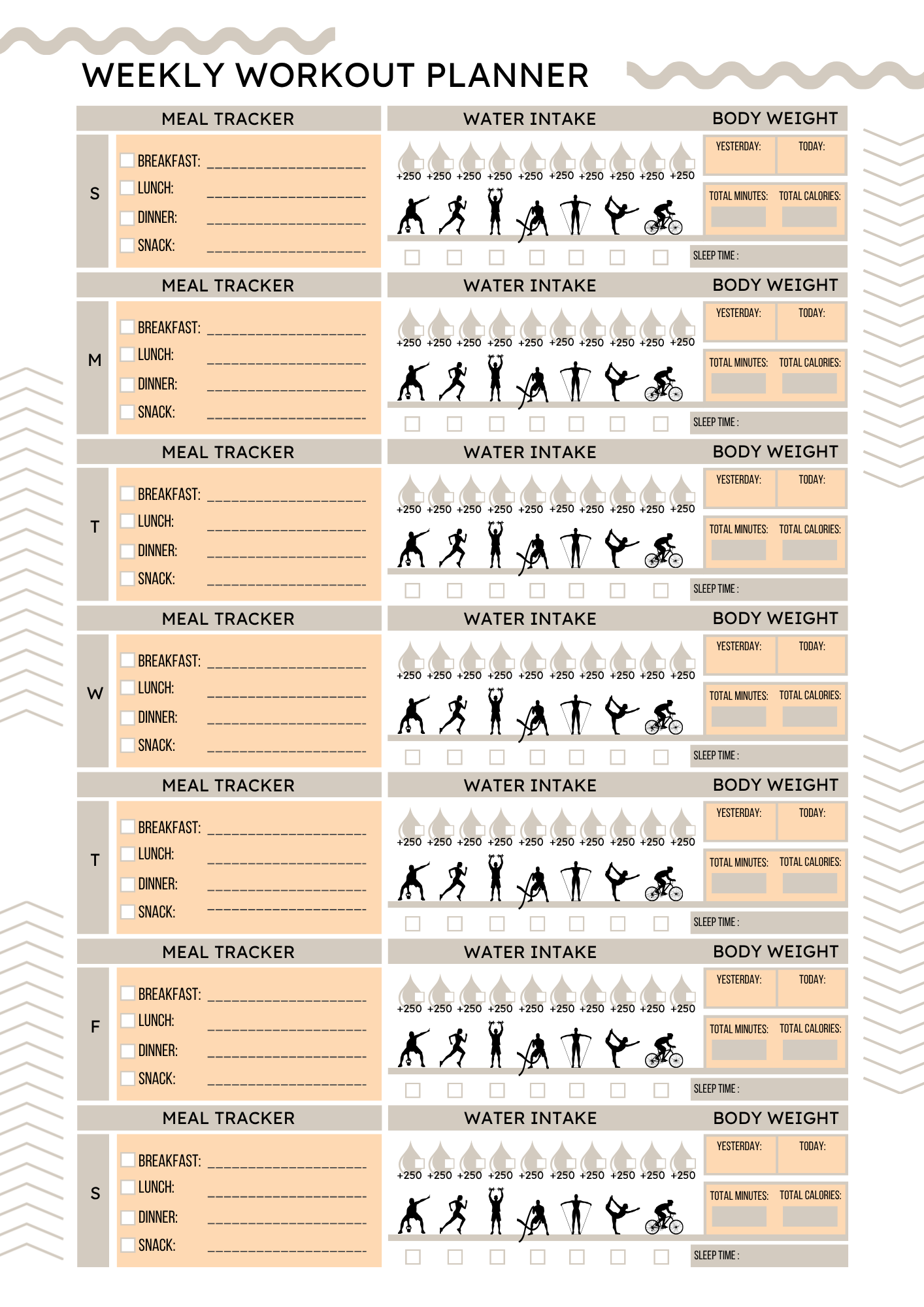
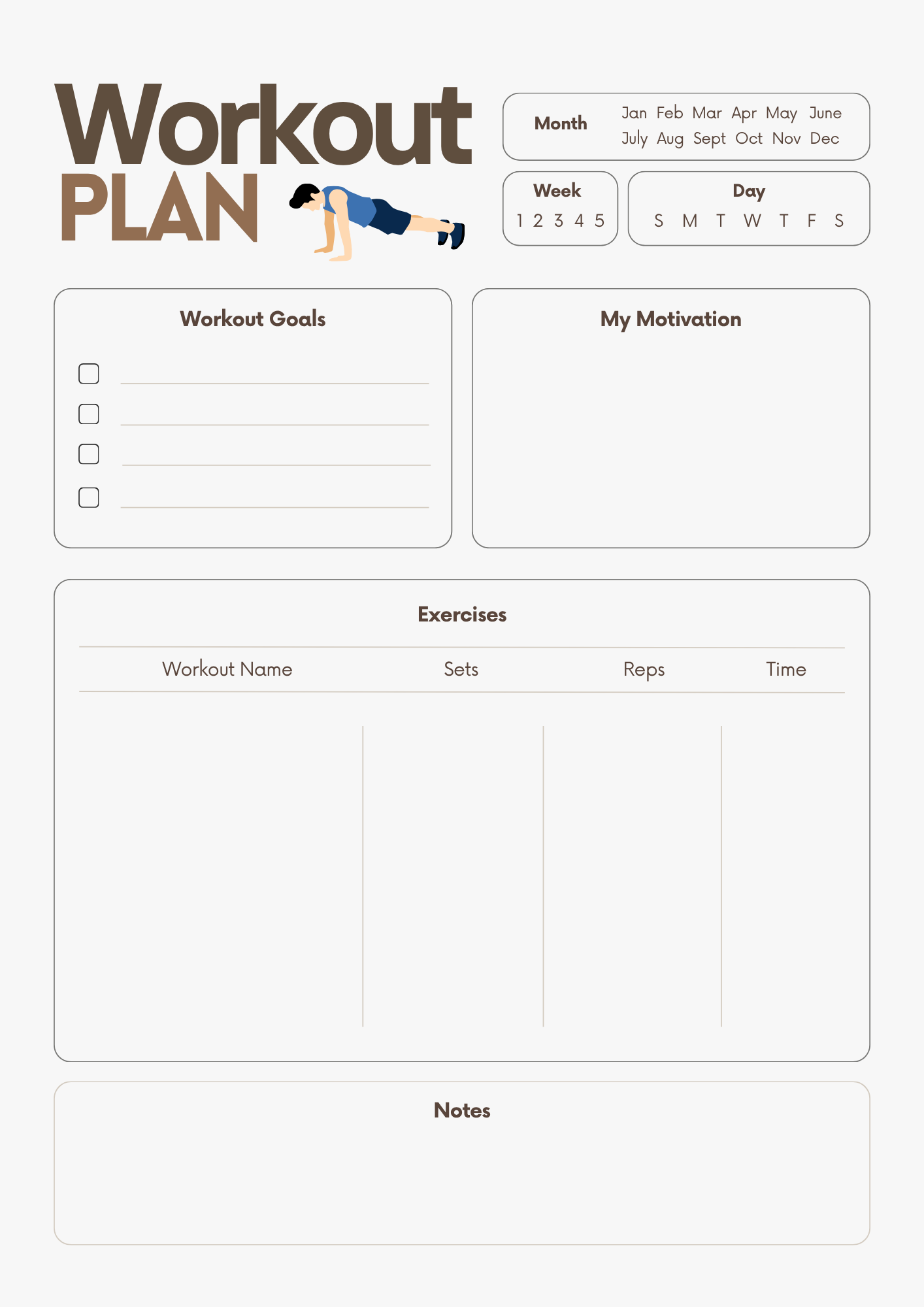
A good workout planner allows you to monitor improvements in strength, endurance, and overall performance.

Save Time

Instead of deciding what to do each day, you can simply follow your pre-planned routine.

Improve Results

Structured training helps ensure that all muscle groups and fitness goals are addressed properly.

Key Components of an Effective Workout Planner

A high-quality workout planner should include the following sections.

1. Fitness Goals

Start by defining your objective:

  • Weight loss
  • Muscle building
  • Endurance improvement
  • General fitness

Clear goals help shape your entire plan.

2. Workout Schedule

This section outlines when you will train.

A weekly workout planner is one of the most popular formats because it allows you to balance workouts and recovery days effectively.

3. Exercise Details

Each workout should include:

  • Exercise name
  • Sets and reps
  • Duration
  • Equipment needed

This ensures clarity during your training sessions.

4. Progress Tracking

Tracking progress helps you stay motivated and measure results.

You can track:

  • Weight lifted
  • Workout duration
  • Body measurements
  • Energy levels

5. Notes Section

A notes section allows you to record:

  • How you felt during the workout
  • Adjustments needed
  • Challenges or improvements

Get also: Training Plan Template Free Printable

Types of Workout Planner Templates

There are several variations of a workout training planner template, each designed for different needs.

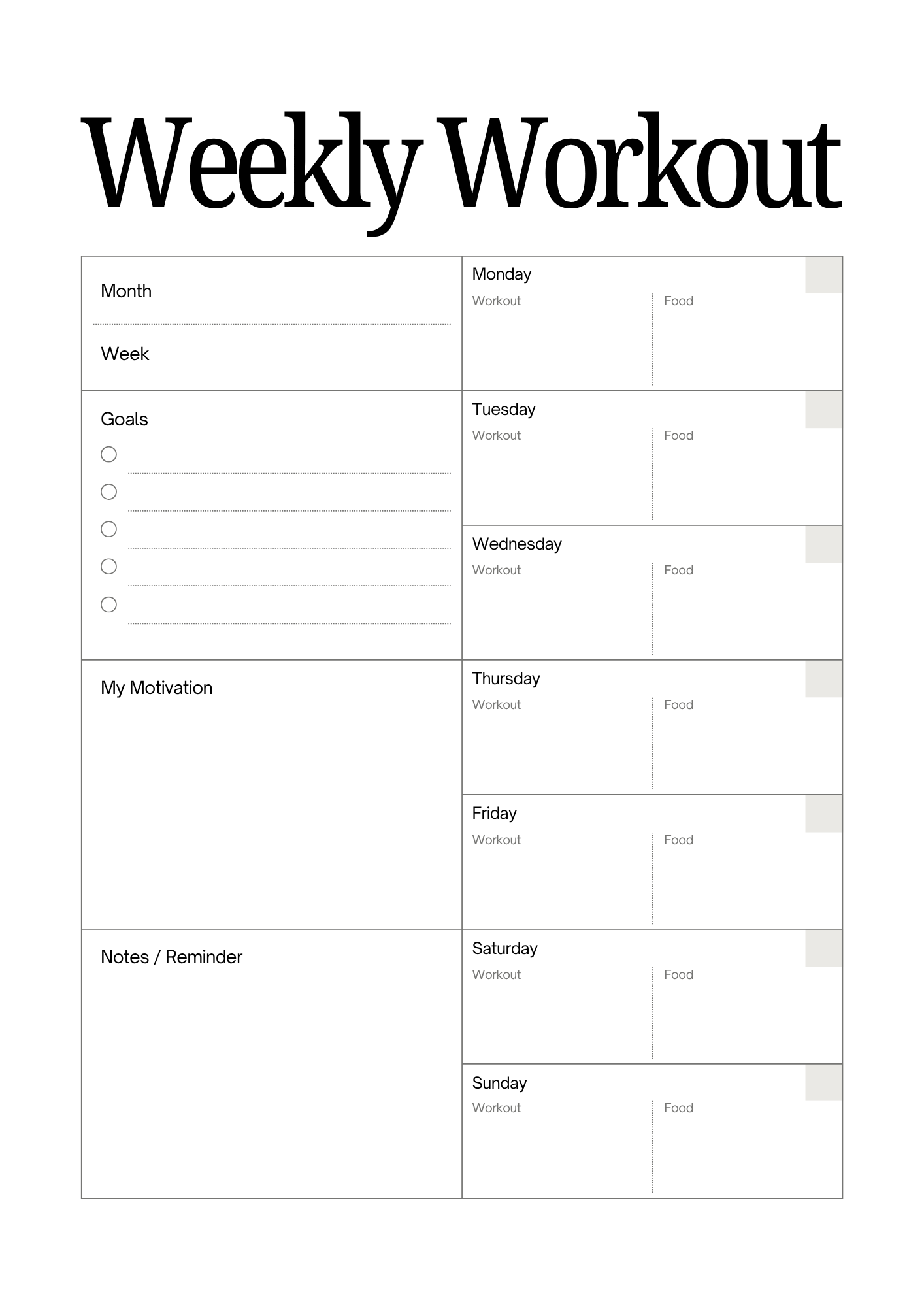
1. Weekly Workout Planner Template

A weekly workout plan template is the most commonly used format.

It allows you to:

  • Plan workouts for each day
  • Balance strength and cardio
  • Schedule rest days

This format is ideal for both beginners and experienced fitness enthusiasts.

2. Daily Workout Plan Design

This Daily Workout Plan Template focuses on a single workout session.

It is useful for:

  • Detailed exercise breakdown
  • Tracking sets and reps
  • Monitoring performance

3. Workout and Diet Plan Template

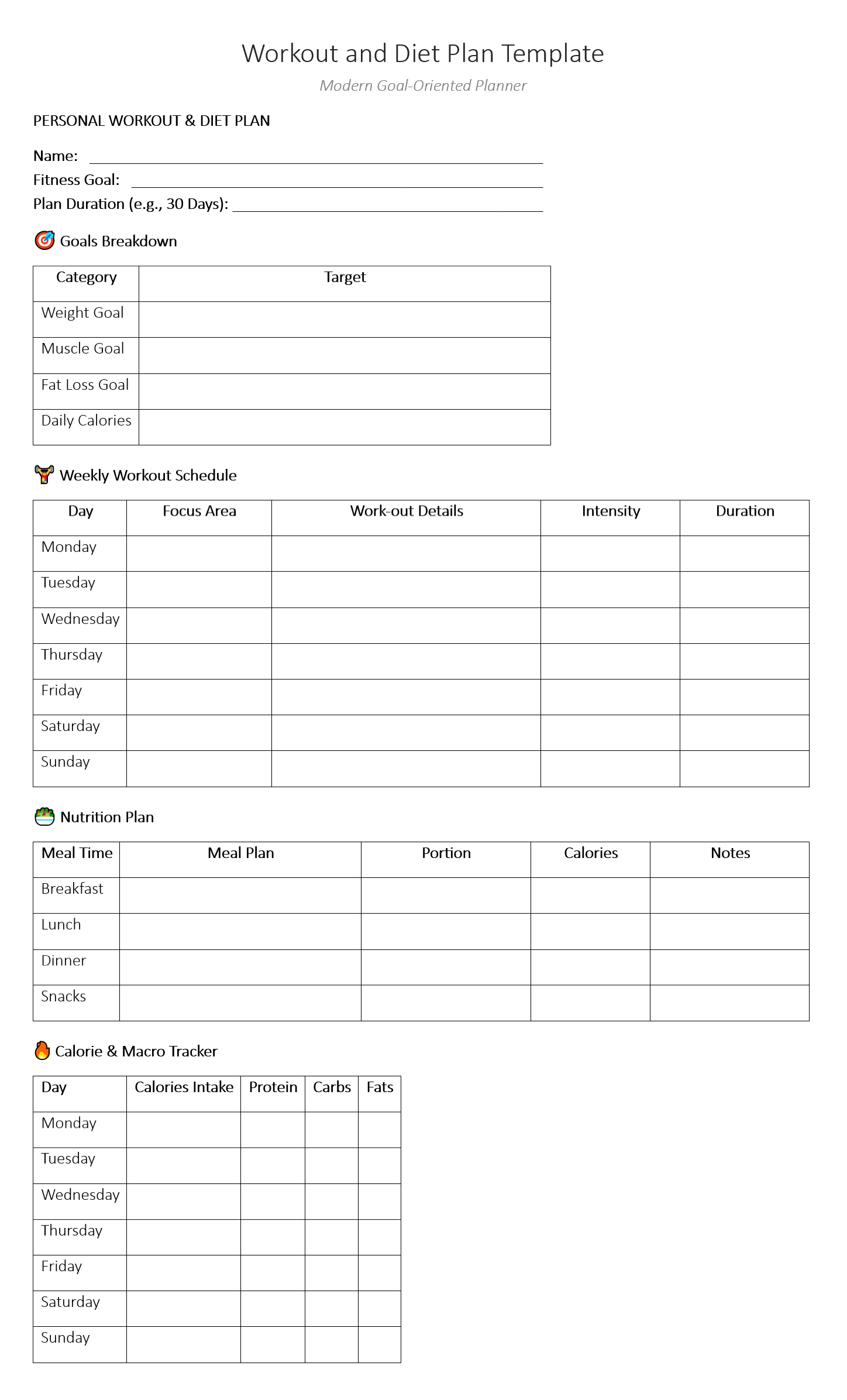
A workout and diet plan template combines fitness and nutrition into one system.

This is especially useful for:

  • Weight loss programs
  • Muscle gain plans
  • Overall health improvement

It typically includes:

  • Daily meals
  • Calorie tracking
  • Macronutrient breakdown
  • Workout schedule

4. Monthly Workout Planner

A monthly workout planner provides a broader view of your fitness routine.

It helps you:

  • Track long-term progress
  • Set monthly goals
  • Plan progressive overload

5. Home Workout Planner Design

Designed for people who train at home, this template focuses on:

  • Bodyweight exercises
  • Minimal equipment workouts
  • Flexible scheduling

6. Gym Workout Planner Template

A gym-based workout plan includes:

  • Strength training routines
  • Machine-based exercises
  • Structured workout splits

7. Printable Workout Planner Format

Printable templates are perfect for those who prefer writing things down.

They are:

  • Easy to use
  • Visually organized
  • Great for daily tracking

8. Beginner Workout Planner Design

Beginners need simple and easy-to-follow plans.

These templates usually include:

  • Basic exercises
  • Lower intensity workouts
  • Gradual progression

9. Advanced Workout Planner Design

Advanced users require more detailed planning.

These templates include:

  • Complex workout splits
  • High-intensity training
  • Performance tracking

Get also: Free Meal Planner Template

How to Create a Workout Planner Template That Works

Creating your own workout planner is simple if you follow a structured approach.

Step 1: Define Your Goal

Decide what you want to achieve.

Examples:

  • Lose 5 kg in 2 months
  • Build muscle mass
  • Improve endurance

Step 2: Choose a Training Schedule

Decide how many days per week you will train.

A weekly workout plan template is ideal for balancing workouts and recovery.

Step 3: Select Exercises

Choose exercises based on your goals.

For example:

  • Strength training → weightlifting
  • Fat loss → cardio + HIIT
  • Flexibility → stretching or yoga

Step 4: Set Reps, Sets, and Duration

Structure your workouts clearly to avoid confusion.

Step 5: Track and Adjust

Monitor your progress and adjust your plan as needed.

Best Practices for Using a Workout Planner Template

To get the most out of your workout planner template, follow these tips.

Be Consistent

Consistency is the most important factor in achieving fitness results.

Start Simple

Avoid overly complex plans, especially if you are a beginner.

Focus on Progress

Track improvements over time rather than aiming for perfection.

Combine Workout and Nutrition

Using a diet plan template ensures your fitness and nutrition work together.

Listen to Your Body

Adjust your plan if you feel fatigued or overwhelmed.

Common Mistakes to Avoid

Even with a structured workout planner template, some mistakes can slow your progress.

Skipping Rest Days

Recovery is essential for muscle growth and injury prevention.

Overtraining

Too much exercise without proper recovery can lead to burnout.

Lack of Clear Goals

Without goals, your workouts may lack direction.

Not Tracking Progress

If you don’t track your progress, it’s difficult to measure success.

Conclusion

A well-designed workout planner template can completely transform your fitness routine. It helps you stay organized, consistent, and focused on your goals.

Whether you use a workout plan template for daily tracking, a workout weekly plan template for structured scheduling, or a workout and diet plan template to combine fitness and nutrition, having a clear plan is essential for success.

By using the right template and following a consistent routine, you can achieve better results, stay motivated, and build a sustainable fitness lifestyle.

Free Danielson Lesson Plan Template for 100% Effective Instruction

A Danielson lesson plan template helps teachers design structured, purposeful lessons that align with the widely used instructional evaluation framework developed by Charlotte Danielson. Many schools across the United States and other countries rely on this framework to evaluate teaching effectiveness and support professional growth.

When teachers prepare lessons using a Danielson model lesson plan template, they ensure that instruction meets professional teaching standards while also supporting student engagement and learning outcomes.

In this guide, you will learn how a Danielson lesson plan template works, why schools require it for evaluations, and how to create a structured Danielson aligned lesson plan template for formal observations that meets the expectations of administrators.

What Is the Danielson Lesson Plan?

A Danielson lesson plan is a structured lesson planning format designed to align with the Danielson Framework for Teaching, a widely respected teacher evaluation system.

The framework focuses on four key domains of teaching effectiveness:

  1. Planning and preparation
  2. Classroom environment
  3. Instruction
  4. Professional responsibilities

When teachers build their lessons using a Danielson framework lesson planner, they demonstrate how each lesson supports these domains.

This structured approach helps educators organize instruction clearly while ensuring their lessons meet professional teaching standards.

Why Schools Use the Danielson Framework for Lesson Planning

Many schools adopt the Danielson Framework for Teaching because it provides a comprehensive way to evaluate and improve teaching practices.

Clear Instructional Structure

A Danielson lesson plan template helps teachers organize lessons in a logical sequence—from objectives to assessment—making instruction easier to follow.

Alignment with Teacher Evaluations

Administrators often require teachers to submit a Danielson Aligned Lesson Plan Template for formal observations during classroom evaluations.

This ensures the lesson demonstrates effective planning and instructional strategies.

Improved Student Engagement

Lessons built using the Danielson model emphasize student participation, discussion, and active learning rather than passive instruction.

Professional Growth for Teachers

Using this model lesson plan template helps teachers reflect on their teaching practices and continuously improve their instructional strategies.

Key Components of a Danielson Lesson Plan Template

A well-designed Danielson lesson plan template usually includes several structured sections that align with the framework’s teaching domains.

1. Learning Objectives

Learning objectives describe what students should know or be able to do by the end of the lesson.

Strong objectives are:

  • Clear and measurable
  • Student-focused
  • Aligned with academic standards

Example objective:

Students will analyze the main idea and supporting details in an informational text.

2. Standards Alignment

Teachers must connect lessons to required academic standards. These might include state curriculum standards or national frameworks.

This section ensures the lesson supports broader learning goals within the curriculum.

3. Materials and Resources

The materials section lists all tools needed to conduct the lesson effectively.

Examples include:

  • Textbooks
  • Worksheets
  • Presentation slides
  • Videos or digital tools
  • Classroom manipulatives

Preparing these materials in advance ensures the lesson runs smoothly.

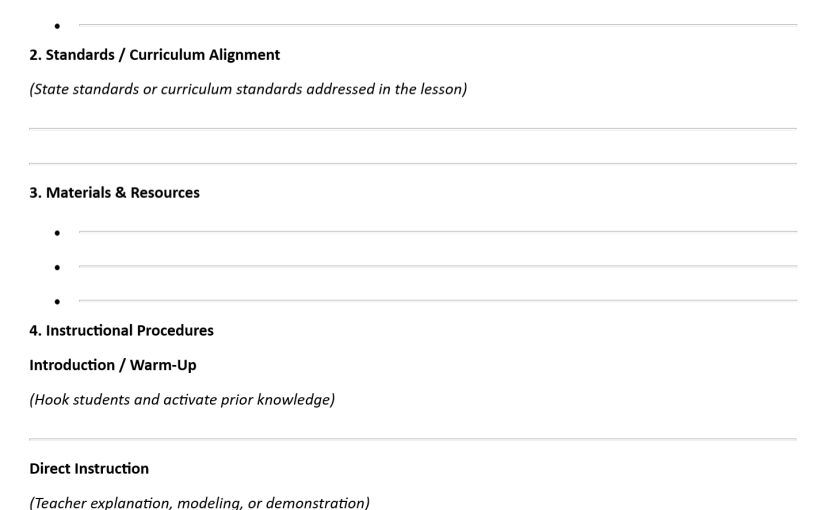
4. Instructional Procedures

Instructional procedures outline the step-by-step flow of the lesson. A typical Danielson framework lesson plan template includes several stages.

Introduction or Lesson Hook

The lesson begins by capturing student attention and connecting the topic to prior knowledge.

Examples include:

  • A short discussion question
  • A quick problem-solving activity
  • A visual or video introduction

Direct Instruction

During this stage, the teacher explains the key concept or skill.

This might include:

  • Demonstrations
  • Modeling problem-solving steps
  • Presenting examples

Guided Practice

Students practice the skill with teacher guidance.

This stage allows teachers to provide immediate feedback and correct misunderstandings.

Independent Practice

Students apply the concept independently to demonstrate their understanding.

This might involve worksheets, writing tasks, or project work.

Lesson Closure

Closure reinforces the main idea of the lesson and allows students to reflect on what they learned.

5. Differentiation Strategies

An essential part of the Danielson lesson plan template is differentiation. Teachers must explain how the lesson supports students with different learning needs.

Examples include:

  • Simplified instructions for struggling learners
  • Extension activities for advanced students
  • Visual aids for English language learners

Differentiation ensures all students can access the lesson effectively.

6. Assessment Methods

Assessment helps teachers determine whether learning objectives were achieved.

Most Danielson aligned lesson plan templates for formal observations include two types of assessment.

Formative Assessment

These quick checks occur during the lesson.

Examples include:

  • Exit tickets
  • Question-and-answer discussions
  • Short quizzes

Summative Assessment

These assessments measure learning at the end of the lesson or unit.

Examples include:

  • Tests
  • Essays
  • Projects

Get also: 5E Lesson Plan Template Free Download

Types of Danielson Lesson Plan Templates

Teachers often adapt the teacher lesson planner template depending on the purpose of the lesson.

1. Daily Danielson Lesson Plan Template

This template is used for everyday instruction.

It typically includes:

  • Lesson objectives
  • Activities
  • Assessment strategies

Daily templates help teachers stay organized and maintain a consistent lesson structure.

Get also: Daily Lesson Plan Template

2. Danielson Model Lesson Plan Template

A Danielson model lesson plan template is often used in professional development programs.

It demonstrates best practices aligned with the Danielson Framework for Teaching and serves as a guide for teachers learning the system.

3. Danielson Aligned Lesson Plan Template for Formal Observations

When administrators conduct classroom observations, teachers are often required to submit a structured plan.

A Danielson aligned lesson plan template for formal observations usually includes additional details such as:

  • Student engagement strategies
  • Differentiation plans
  • Evidence of standards alignment

This ensures the lesson meets evaluation expectations.

4. Collaborative Danielson Lesson Plan Template

Some schools encourage teachers to collaborate when designing lessons.

A collaborative template allows teachers to:

  • Share instructional strategies
  • Coordinate lessons across subjects
  • Align curriculum goals

Collaboration often leads to more creative and engaging lessons.

How to Create an Effective Danielson Lesson Plan

Creating a strong Danielson lesson plan template requires thoughtful planning and clear instructional goals.

Step 1: Identify Learning Goals

Start by defining what students should learn during the lesson. Objectives should be specific and measurable.

Step 2: Connect the Lesson to Standards

Ensure the lesson aligns with curriculum standards and school requirements.

Step 3: Plan Engaging Activities

Students learn best when they actively participate in the lesson. Include activities that encourage discussion, collaboration, and problem-solving.

Step 4: Prepare Materials in Advance

Gather all necessary materials before the lesson begins to avoid interruptions.

Step 5: Include Assessment Strategies

Plan how you will measure student understanding during and after the lesson.

Best Practices for Using a Danielson Lesson Plan Template

To maximize the effectiveness of a Danielson lesson plan template, teachers should follow several best practices.

Focus on Student Engagement

Lessons should encourage students to think critically and participate actively.

Keep Instructions Clear

Clear instructions help students understand tasks quickly and reduce confusion.

Monitor Student Understanding

Use formative assessments throughout the lesson to identify misconceptions.

Reflect After the Lesson

Teacher reflection is a key component of the Danielson framework. Reviewing what worked well and what could be improved helps refine future lessons.

Common Mistakes Teachers Should Avoid

Even experienced teachers sometimes struggle with structured lesson planning.

Here are several mistakes to avoid.

Writing Vague Objectives

Objectives should clearly describe what students will accomplish.

Ignoring Differentiation

Every classroom includes students with different learning needs. Differentiation strategies should always be included.

Overloading the Lesson

Trying to teach too many concepts in a single lesson can overwhelm students.

Skipping Reflection

Teacher reflection helps improve future lessons and should always be included in the template.

Conclusion

A well-designed Danielson lesson plan template helps teachers organize instruction, align lessons with professional teaching standards, and support meaningful student learning.

By following the principles of the Danielson Framework for Teaching, educators can create structured, engaging lessons that demonstrate effective planning and instructional strategies.

Whether you are preparing daily lessons or submitting a Danielson aligned lesson planner template, using a structured format ensures your teaching practices remain organized, professional, and aligned with modern educational standards.

When implemented consistently, the Danielson model lesson plan template becomes a powerful tool for both instructional improvement and professional development.

Training Plan Template Free Printable: 6+ Powerful Designs

A training plan template is one of the most powerful tools organizations can use to build a skilled, efficient, and future-ready workforce. Whether you manage a small team or an entire department, having a clear structure for employee training ensures that development goals are organized, measurable, and aligned with business objectives.

Without a proper training framework, employee development often becomes inconsistent. Some employees receive excellent training while others are left figuring things out on their own. A well-designed training planner template eliminates this issue by creating a repeatable system for onboarding, skill development, and performance improvement.

In this guide, you will learn how a training plan template works, why businesses rely on it, and how to use different types, such as a training action plan template or an employee training plan template, to build an effective development strategy.

What Is a Training Plan?

A training plan is a structured document that outlines how employee training will be organized, delivered, and evaluated. It provides a clear framework that managers and HR teams can use to plan training activities efficiently.

Typically, a training plan template includes several important components:

  • Training objectives
  • Skills or competencies to be developed
  • Training methods or activities
  • Timeline and schedule
  • Responsible trainer or manager
  • Evaluation and progress tracking

By using a template, organizations can standardize training programs and ensure every employee receives consistent guidance.

For example, when a company hires a new employee, a structured employee training plan format helps managers document the onboarding schedule, required courses, and milestones for skill development.

Why Businesses Use Training Plan Templates

Organizations rely on structured training plans because they improve both efficiency and learning outcomes. Instead of designing training programs from scratch every time, HR teams can reuse a training plan template to maintain consistency.

1. Improves Training Organization

A structured template ensures every training activity is planned clearly. Managers can see what training needs to be delivered, who is responsible, and when it should happen.

2. Supports Employee Skill Development

Employees learn faster when training is organized. A well-designed employee training plan template helps identify skill gaps and plan training activities that address them directly.

3. Ensures Accountability

A training plan makes it easier to track responsibilities. Managers, trainers, and employees all know their roles in the learning process.

4. Tracks Progress and Performance

Templates allow organizations to monitor training results. By using a training action plan template, companies can measure progress and determine whether training goals have been achieved.

5. Saves Time for HR Teams

Instead of creating new training documents for every employee or department, HR professionals can simply reuse a standardized training plan template.

Key Elements of an Effective Training Planner

An effective training planner should include several important sections to ensure the training process runs smoothly.

Employee Information

This section includes basic details such as:

  • Employee name
  • Department
  • Position or role
  • Supervisor or manager

These details ensure the training plan is clearly assigned to the correct employee.

Training Objectives

Training objectives describe what employees should learn during the training process. Clear objectives make it easier to evaluate success.

Examples include:

  • Improve product knowledge
  • Learn new software systems
  • Develop leadership skills

Training Activities

This section outlines how training will be delivered. Common methods include:

  • Workshops
  • Online courses
  • Job shadowing
  • Hands-on practice
  • Mentoring sessions

Timeline and Schedule

A timeline helps ensure training occurs on schedule. This section typically includes:

  • Start date
  • Completion date
  • Milestones

Trainer or Supervisor

This identifies the person responsible for guiding the employee during the training process.

Evaluation and Feedback

Finally, the training plan should include an evaluation section where managers can record performance feedback and training outcomes.

Types of Training Plan Templates

Different situations require different types of training plans. Here are several popular formats businesses use.

1. Employee Training Plan Template

An employee training plan template is designed specifically for individual staff members. It focuses on building the skills required for a specific role.

This template usually includes:

  • Job-specific skills
  • Required certifications
  • Training sessions
  • Evaluation results

It is commonly used during onboarding or employee development programs.

2. Training Action Plan Template

A training action plan template is more goal-oriented. Instead of simply listing training activities, it focuses on actionable steps required to achieve learning objectives.

Key components typically include:

  • Training goals
  • Action steps
  • Responsible person
  • Deadlines
  • Success indicators

This type of template is often used for performance improvement programs.

3. Onboarding Training Plan Template

This template helps organizations train new hires efficiently. It outlines what new employees need to learn during their first weeks or months in the company.

Typical onboarding training topics include:

  • Company policies
  • Workplace procedures
  • Tools and software
  • Role-specific tasks

Using a structured onboarding training plan ensures new employees adapt faster to their roles.

4. Department Training Plan Template

Sometimes training needs apply to entire teams rather than individuals. A department training plan template helps managers organize training programs for multiple employees.

Examples include:

  • Sales training programs
  • Customer service workshops
  • Technical training sessions

This format is useful for companies that want to standardize training across departments.

5. Leadership Development Training Plan

Leadership training focuses on preparing employees for managerial roles. These templates typically include activities such as:

  • Leadership workshops
  • Strategic planning exercises
  • Communication training
  • Conflict resolution training

Many organizations use leadership training plans to build a strong internal management pipeline.

6. Skills Development Training Plan

A skills development plan focuses on improving specific competencies required for job performance.

For example:

  • Data analysis training
  • Project management skills
  • Technical certification programs

This type of training planner template helps employees stay competitive in rapidly evolving industries.

7. Annual Training Plan Template

An annual training plan outlines all training activities scheduled throughout the year. HR teams often use this template to organize company-wide learning programs.

It typically includes:

  • Training schedule
  • Budget planning
  • Employee participation
  • Program evaluation

This approach helps organizations maintain continuous learning.

Get also: Free Teacher Lesson Plan Template

How to Create an Effective Training Plan

Designing a training plan does not have to be complicated. By following a structured process, organizations can build a practical and effective training strategy.

Identify Training Needs

Start by analyzing skill gaps within the organization. This can be done through performance reviews, employee feedback, or competency assessments.

Define Clear Training Goals

Every training plan should have measurable goals. These goals should be aligned with both employee career development and organizational objectives.

Choose the Right Training Methods

Different skills require different learning approaches. For example:

  • Technical skills may require hands-on training
  • Soft skills may benefit from workshops or mentoring

Create a Structured Schedule

A clear timeline helps ensure training activities are completed on time.

Monitor and Evaluate Results

After training is completed, evaluate whether the learning objectives were achieved. Feedback from both employees and managers can help improve future training programs.

Best Practices for Using a Training Plan Template

To get the most value from a training plan template, organizations should follow several best practices.

Keep Training Plans Flexible

Training needs may change over time. A flexible template allows managers to adjust schedules, goals, and activities when necessary.

Align Training with Business Goals

Training should support organizational priorities such as productivity, innovation, or customer satisfaction.

Encourage Employee Participation

Employees should actively participate in the training process. Encouraging feedback and discussion improves learning outcomes.

Review Training Progress Regularly

Regular check-ins help ensure employees stay on track and complete their training successfully.

Common Mistakes to Avoid

While training plans are extremely useful, several mistakes can reduce their effectiveness.

Lack of Clear Objectives

Training without clear goals often leads to wasted time and resources.

Overloading Employees with Training

Too many training sessions in a short time can overwhelm employees. Training should be balanced with regular work responsibilities.

Ignoring Feedback

Employee feedback is essential for improving training programs. Organizations should regularly collect and review feedback.

Not Tracking Results

Without evaluation, it becomes difficult to determine whether the training was successful.

Conclusion

A well-designed training plan template plays a crucial role in developing a capable and confident workforce. By providing a structured framework for learning, organizations can ensure employees receive consistent and effective training.

Whether you use an employee training plan template for onboarding new hires or a training action plan template to improve performance, structured planning makes the entire training process more efficient and measurable.

Companies that invest in clear training plans not only improve employee performance but also strengthen their long-term organizational growth. By implementing the right training plan template, businesses can build a culture of continuous learning and professional development.

Exit mobile version