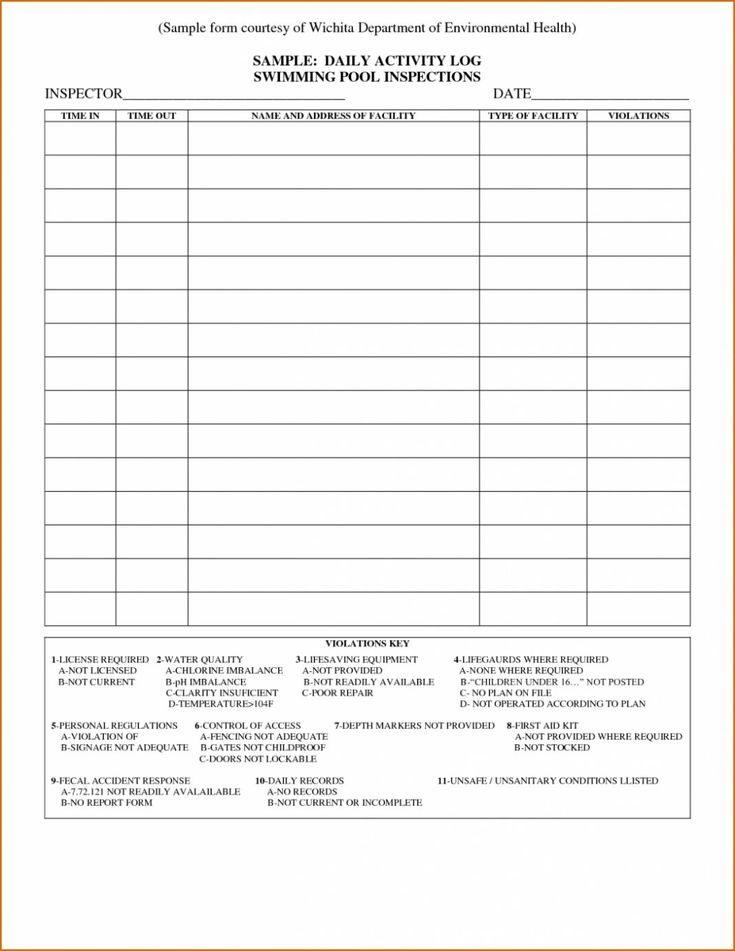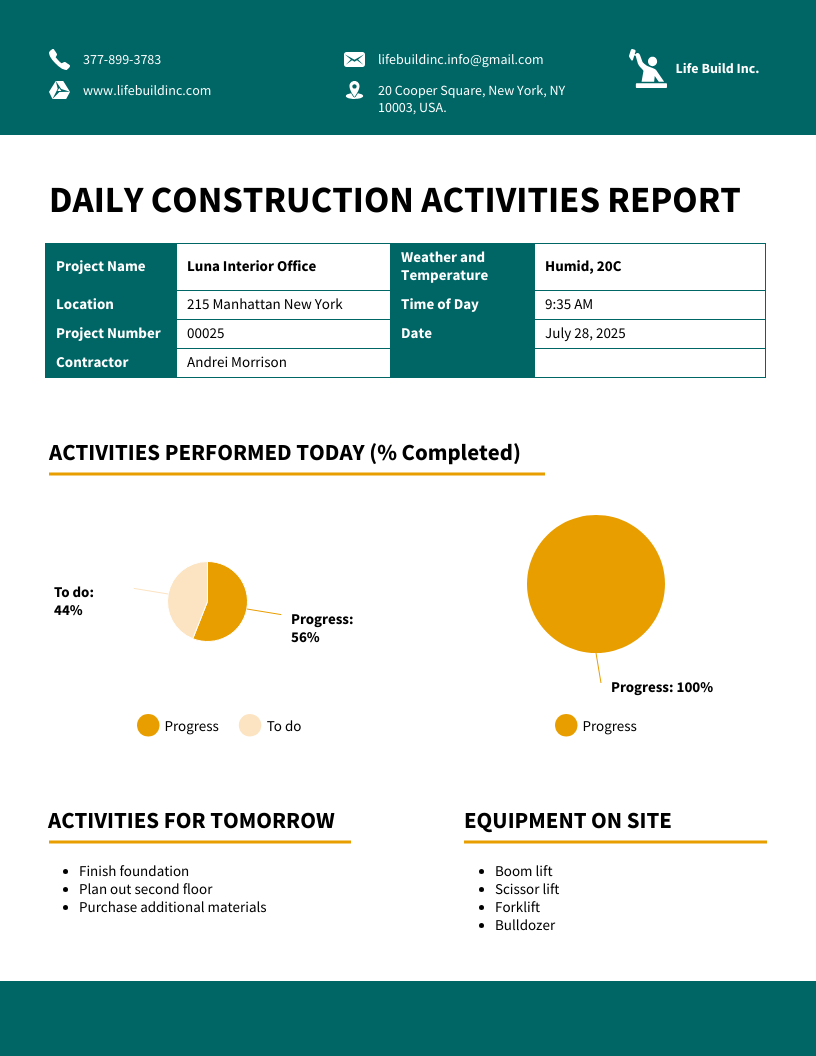
Daily Activity Report Template (13+ Extraordinary Daily Documentations)

Daily Activity Report Template – Unlock Clear, Consistent, and Reliable Daily Tracking | A Daily Activity Report Template is one of the most important operational tools any team can use—whether in security, construction, field operations, inspections, or general workforce management. It brings clarity to the daily workflow and provides an organised system for logging tasks, observations, incidents, progress, and site-wide updates. When done right, it becomes the foundation of accountability, transparency, and data-driven decision-making.

Many people think a daily report is only about “writing what happened today.” In reality, the structure of the template determines whether that information becomes genuinely useful. A powerful Daily Activity Report Template shows patterns, exposes inefficiencies, improves shift handovers, strengthens coordination, and protects organisations when disputes or questions arise. It’s not just a record—it’s an operational safety net.

A well-crafted template does three things extremely well:

  1. Captures facts without confusion
  2. Provides context that supports decisions
  3. Creates consistency across different staff members and shifts

When teams use it daily, it quickly becomes the heartbeat of predictable, well-managed operations.

Why a Daily Activity Report Template Is a Game-Changer

Shifts change, supervisors rotate, conditions evolve—but a structured daily activity report preserves continuity. It closes communication gaps that often cause delays, misunderstandings, or operational risks.

It Strengthens Communication Across Teams

Workflows become clearer when everyone is working with the same reporting structure. Information is easier to compare, trends are easier to detect, and managers don’t need to play guessing games.

It Protects Operations With Clean Documentation

If an incident occurs, a problem escalates, or a client asks for clarification, the report template provides a factual, time-stamped trail of what really happened.

It Improves Shift Handover Efficiency

New shift teams start ahead because they can quickly see:

  • What tasks were completed
  • What issues are pending
  • What risks were identified
  • What priorities require follow-up

This alone saves hours of repeated work every week.

It Boosts Accountability

When activities are documented the same way every day, responsibility becomes clearer—and teams naturally become more proactive.

What an Ideal Daily Activity Report Template Should Capture

A polished, high-value Daily Activity Report Template usually includes:

  • Project or site name
  • Date and shift details
  • Staff or personnel present
  • Task descriptions
  • Observations and field notes
  • Progress updates
  • Equipment usage (if applicable)
  • Issues, delays, or obstacles
  • Safety or compliance notes
  • Visitors or third-party presence
  • Photos or file attachments
  • Signatures or verification

These sections ensure the information is actionable, not just descriptive.

Supporting Templates That Strengthen Daily Activity Reporting

Security Guard Daily Activity Report Template – Extraordinary Clarity for Safer Premises

A Security Guard Daily Activity Report Template focuses on safety, surveillance, and incident prevention. It’s one of the most essential documents in a security operation, because small details can make a massive difference.

A well-structured template for security guards typically includes:

  • Patrol start and end times
  • Patrol routes taken
  • Door, window, and access-point checks
  • Suspicious activities
  • Unusual observations
  • Client interactions
  • Incident descriptions
  • Equipment checks (flashlight, bodycam, radio, etc.)

This template helps supervisors identify:

  • Repeated high-risk zones
  • Gaps in patrol coverage
  • Security patterns (e.g., crowded times, recurring issues)
  • Visitor or contractor tendencies
  • Maintenance or lighting problems affecting safety

Imagine a guard notices a back gate fails to lock on windy nights. If properly logged, maintenance fixes it early instead of discovering the issue during an actual intrusion. The template turns small clues into preventive actions.

And because security work relies heavily on consistency, this document becomes the backbone of shift handovers, investigations, and compliance reporting.

Get also: Daily Sales Report Template Free Download

Daily Field Report Template – Uncharted Visibility for On-Site Operations

A Daily Field Report Template is essential in industries where fieldwork is the core of operations. This includes utilities, telecom, energy, engineering, maintenance, and inspection teams. The field is unpredictable, which makes structured reporting critical for maintaining control.

Key components of a strong field report include:

  • Weather and site conditions
  • Work locations accessed
  • Field crew members
  • Tasks completed
  • Measurements or readings
  • Equipment issues
  • Delays or hazards
  • Interactions with clients or inspectors
  • Next-step recommendations

For example, a team performing underground cable inspection might log that water intrusion made a conduit inaccessible. Operations can immediately reschedule heavy pumping equipment for the next day—avoiding wasted crew hours.

The best Daily Field Report Template turns unpredictable environments into manageable workflows. It gives managers visibility without requiring constant calls or field visits.

Daily Observation Report Template – Hidden Insights for Smarter Oversight

A Daily Observation Report Template is ideal for roles where monitoring, compliance, and evaluation matter more than raw task completion. This includes safety officers, inspectors, supervisors, and consultants.

It often includes:

  • Hazard observations
  • Safety compliance notes
  • Environmental conditions
  • Worker behavior
  • Equipment safety status
  • Warnings or verbal reminders given
  • Recommendations for risk mitigation
  • Reinspection needs

Unlike a general activity report, this template emphasises the quality of operations, not just activities performed.

Real-world example:
A safety officer notes that workers repeatedly remove safety harnesses while repositioning. This observation—captured clearly in the template—allows supervisors to arrange a 10-minute reinforcement briefing the next morning, preventing a potential incident.

Daily observations often uncover trends long before they escalate. That’s the hidden value.

Construction Daily Activity Report Template – Unbelievable Detail for Fast-Moving Job Sites

A Construction Daily Activity Report Template captures the rapid, high-energy workflow of construction sites. Because so many trades overlap and so many variables shift, this template needs to be thorough, structured, and extremely easy to read.

Key sections often include:

  • Trades present
  • Headcount by subcontractor
  • Equipment operating on site
  • Work areas accessed
  • Material deliveries
  • Weather impacts
  • Unexpected interruptions
  • Safety toolbox talks
  • Incidents or near misses
  • Coordination notes for tomorrow

Here’s how it delivers value:

1. It prevents schedule surprises

If steel workers fall behind because crane availability was cut short, the report makes the issue visible immediately—so planners adjust quickly instead of discovering the delay days later.

2. It improves trade coordination

If electricians can’t start because drywallers began early, the activity report exposes the conflict and prevents repeat mistakes.

3. It supports inspections and claims

From tools used to areas accessed, everything is documented for compliance, billing justification, and progress verification.

4. It strengthens safety monitoring

Micro-level insights reveal unsafe patterns before they become major incidents.

This template is the operational diary of the construction site—capturing complexity in a clean, structured format.

Why These Templates Work Best When Combined

While each template serves a different purpose, they all enhance the reliability of the main Daily Activity Report Template by adding depth, context, and specialised insights.

  • Security Guard Template → Safety & surveillance clarity
  • Daily Field Template → Task and environment clarity
  • Daily Observation Template → Quality and compliance clarity
  • Construction Activity Template → High-volume operational clarity

Together, they create a reporting ecosystem that boosts:

  • Cross-team alignment
  • Daily accountability
  • Incident prevention
  • Progress visibility
  • Resource planning
  • Documentation quality

It’s the difference between “hoping everyone is on the same page” and actually ensuring they are.

Final Thoughts

A robust Daily Activity Report Template doesn’t just organise information—it elevates operational performance. When supported by specialised templates like security, field, observation, and construction activity reports, it becomes a complete, reliable reporting system that keeps projects smooth, safe, and predictable.

Construction Daily Report Template: 9+ Free Bulletproof Job-Site Documentation

Construction Daily Report Template – Extraordinary Ways It Eliminates Guesswork on Every Project | A Construction Daily Report Template is the central hub of clarity on a job site. It captures essential day-to-day updates—labor, equipment, materials, progress, setbacks, and on-site conditions—into one unified record. When construction gets chaotic (and let’s be honest, it always does), this template becomes the anchor that holds communication steady between the field and the office.

Instead of relying on scattered conversations, photo dumps, or “I thought that was done yesterday,” a Construction Daily Report Template ensures every stakeholder sees the same story with the same details. It boosts productivity, sharpens accountability, and builds a reliable trail of daily insights that leads to smarter weekly and monthly planning.

A well-structured daily report doesn’t just document what happened—it reveals why it happened and what needs attention next. That’s where its real value unfolds.

Construction Daily Report Template – Unlock the Unexpected Power Behind Consistent Reporting

A powerful reporting rhythm is built on structure, clarity, and consistency. When a Construction Daily Report Template is optimized, the ripple effects touch productivity, communication, risk control, and even financial accuracy.

Below is a deeper look at how this reporting backbone supports day-to-day construction operations.

It Strengthens Job-Site Visibility

At any moment, the template shows:

  • Who’s on-site
  • What work was performed
  • Which equipment is operating
  • What delays are developing
  • How the weather is impacting operations
  • What safety observations occurred

This visibility keeps project managers, superintendents, subcontractors, and clients aligned without requiring excessive calls or site visits.

It Reduces Miscommunication

Many issues in construction don’t come from poor planning—they come from incomplete information. Daily reports eliminate blind spots by presenting:

  • Changes in manpower
  • Unplanned tasks
  • Field adjustments
  • Material delays
  • Important decisions made onsite

Clarity leads to smoother coordination between trades.

It Creates a High-Value Documentation Trail

Daily logs protect projects when:

  • Clients request justification for delays
  • Inspectors want proof of compliance
  • Claims or disputes arise
  • The weather needs to be documented for time extensions

Daily documentation is the quiet insurance policy every project depends on.

General Guidance for Building a Strong Daily Reporting Ecosystem

The daily reporting process should be straightforward, repeatable, and accessible. A strong ecosystem includes:

  • Clear categories
  • Easy data entry
  • Consistent formatting
  • Logical sequence of details
  • Space for notes, attachments, and photos

Below are the secondary templates that enhance the system even further and support the main Construction Daily Report Template in different areas of job-site management.

Contractor Daily Report Template – Uncharted Insights That Improve Decision-Making

A Contractor Daily Report Template is often used by general contractors or prime contractors managing multiple trades. It condenses the essential field information into a daily high-level summary.

It usually tracks:

  • Trade-by-trade manpower
  • Daily accomplishments
  • Equipment hours and breakdowns
  • Material deliveries and shortages
  • Requests for information (RFIs) triggered by field issues
  • Site conditions impacting the schedule

Its strength lies in providing a clear snapshot that office teams can use for:

  • Work sequencing adjustments
  • Budget alignment
  • Manpower forecasting
  • Client communication

Picture this: a concrete subcontractor completes less cubic yardage than expected due to rebar congestion. This is logged automatically in the contractor’s daily report—giving project managers the chance to shift schedules before the issue grows into a multi-day delay.

It’s not just paperwork; it’s operational foresight.

Construction Daily Progress Report Template – Extraordinary Clarity for Tracking What’s Done vs. What’s Planned

A Construction Daily Progress Report Template zeroes in on actual productivity. Instead of showing who was on-site, it highlights what they accomplished.

Key sections include:

  • Planned tasks for the day
  • Actual tasks completed
  • Percent of completion
  • Productivity roadblocks
  • Work requiring re-inspection
  • Notes for next steps

This template creates factual, numerical progress visibility.

For example:
If electricians complete only 30% of rough-ins instead of the projected 60%, the progress report makes that gap impossible to ignore. It supports better forecasting, helps eliminate schedule surprises, and gives everyone a realistic sense of momentum.

In short, it answers the question, “Are we truly moving forward at the pace we think we are?”

Get also: Construction Monthly Report Template

Construction Daily Activity Report Template – Secret Ways It Reveals On-Site Realities

A Construction Daily Activity Report Template provides a granular, activity-level breakdown. It shows not just progress—but how that progress unfolded minute-to-minute or task-by-task.

Typical contents include:

  • Trades and crews on-site
  • Work areas accessed
  • Equipment operated
  • Safety toolbox talks
  • Visitor logs
  • Field decisions
  • Minor incidents
  • Work interruptions

This micro-level detail is crucial for projects with:

  • Multiple overlapping trades
  • High activity density
  • Confined work zones
  • Strict safety oversight
  • Tight inspection cycles

Get also: Daily Activity Report Template Free Download

Imagine a steel crew cannot finish decking because the crane was tied up longer than expected, lifting HVAC units. The activity report captures that dependency—a detail that may not appear clearly in a progress report.

These activity-level insights make root-cause analysis easier and prevent repeating the same issues on subsequent days.

Get also: Monthly Report Template Free Download

How These Templates Work Together

All three secondary reports—contractor, progress, and activity—enhance the accuracy and reliability of the Construction Daily Report Template.

They feed different layers of information:

  • Activity report → granular task details
  • Progress report → measurable advancement
  • Contractor report → consolidated project summary

Combined, they build a reporting ecosystem that:

  • Boosts cross-functional communication
  • Increases predictability in scheduling
  • Improves coordination between trades
  • Reduces risk by identifying small issues early
  • Creates strong documentation for claims, billing, and inspections

By capturing the “what,” “who,” “why,” and “how,” these reports give a complete operational picture—something no single document can achieve alone.

What an Ideal Construction Daily Report Template Should Include

To maximize clarity and value, a high-quality Construction Daily Report Template usually includes:

  • Project name, date, location
  • Weather impacts
  • Labor by trade with headcounts
  • Subcontractor presence
  • Equipment usage and downtime
  • Materials delivered and quantities
  • Planned vs. actual work
  • Job-site observations
  • Delays, disruptions, and causes
  • Safety notes and incidents
  • Site photos (optional but beneficial)
  • Notes for office follow-up
  • Signature or verification section

A consistent structure ensures that no matter who fills out the report, the output remains uniform and reliable.

Real Use Cases That Show Its Power

  1. Avoiding schedule slips
    An activity report shows that plumbing rough-ins are consistently slow due to material delays. This insight flows into the main daily report, prompting procurement to expedite supplies immediately.
  2. Improving trade coordination
    Progress reports reveal that drywallers began early, blocking electricians from finishing conductors. The contractor’s report highlights the sequencing issue, enabling better planning for the next day.
  3. Supporting weather-related claims
    Daily reports document three consecutive afternoons of heavy rain, justifying two extensions and avoiding penalties.
  4. Enhancing safety oversight
    Activity logs show multiple near-misses involving a specific forklift. Safety teams intervene before a major incident occurs.

These are not hypothetical benefits—they’re everyday examples from real job-site operations where accurate daily reporting changes outcomes.

Final Thoughts

A strong Construction Daily Report Template doesn’t just help teams stay organized—it drives better decisions, stronger communication, clearer forecasting, and smoother project execution. When supported by reliable contractor, progress, and activity report templates, it becomes the information backbone that construction projects depend on to run safely, efficiently, and predictably.

Exit mobile version