Police Report Template usage is fundamental to accurate law enforcement documentation. Every incident, response, and observation recorded by police officers must be clear, objective, and legally sound. A structured reporting format ensures that critical information is preserved, reviewed efficiently, and relied upon for investigations, internal assessments, and official records.
Well-prepared police reports support transparency, accountability, and operational continuity across law enforcement agencies of all sizes.
What Is a Police Report?
A Police Report is a standardized document framework used by law enforcement personnel to record incidents, actions taken, and observations made during duty. It provides a consistent structure that ensures reports are complete, factual, and professionally written.


These reports serve multiple purposes, including:
- Documenting incidents and responses
- Supporting investigations and case files
- Providing internal operational records
- Ensuring procedural accountability
- Preserving official documentation
A standardized format reduces ambiguity and improves report reliability.
Why Structured Police Reporting Matters
Police reports are official records that may be reviewed by supervisors, investigators, legal professionals, and oversight bodies. Incomplete or poorly structured reports can compromise investigations and operational integrity.
A reliable Police Report helps:
- Capture accurate and consistent information
- Improve clarity and readability
- Reduce reporting errors
- Support internal reviews and audits
- Maintain professional reporting standards
Clear documentation strengthens trust in law enforcement operations.
Essential Components of a Police Report
Although formats may vary depending on purpose, effective police reports share core elements.
Incident Identification
Includes report number, date, time, and location.
Involved Parties
Names, roles, and identifying details of individuals involved or observed.
Narrative Description
A chronological, factual account of events without assumptions or personal opinions.
Actions Taken
Details of police response, interventions, or follow-up actions.
Evidence and Observations
Documentation of physical evidence, witness statements, or relevant observations.
Officer Information
Reporting officer’s name, badge number, and unit assignment.
A well-designed Police Report ensures none of these elements are overlooked.
Common Types of Police Report Templates
Law enforcement agencies use different report formats depending on operational needs. Below are the most widely used police reporting templates.
Police Incident Report Template for Official Case Documentation

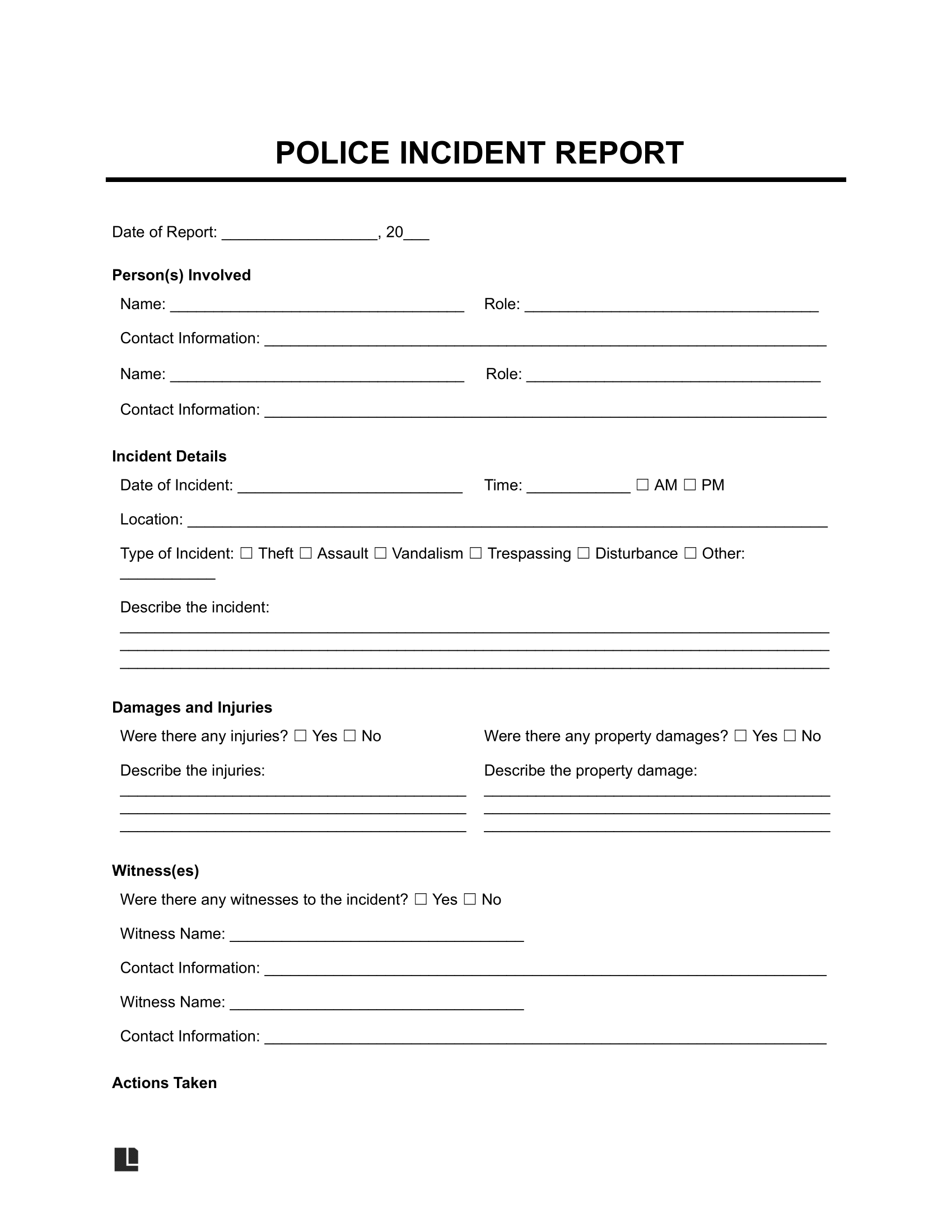
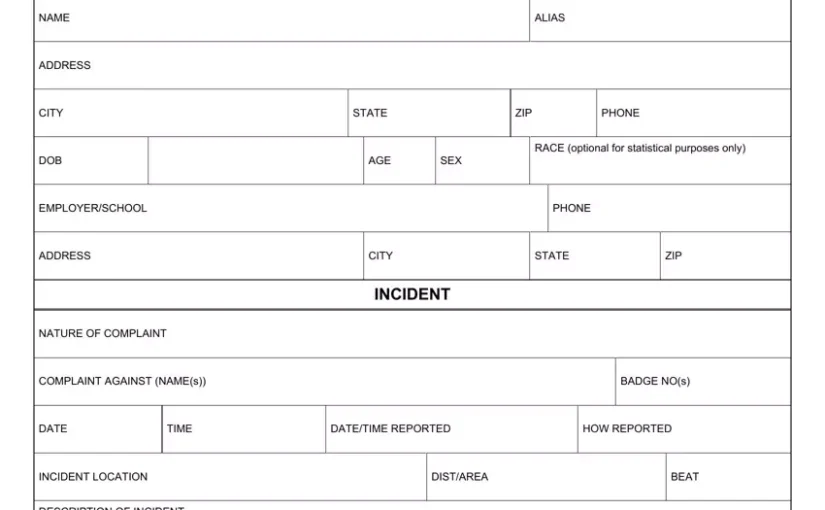
A Police Incident Report Template for Accurate Case Records is used to document reported incidents, disturbances, or alleged offenses.
It typically includes:
- Incident overview
- Initial response details
- Involved individuals
- Witness information
- Preliminary findings
This incident report template supports investigations and official case tracking.
Police After Action Report Template for Operational Review


A Police After Action Report Template for Tactical and Operational Evaluation is used following significant operations, responses, or events.
It focuses on:
- Objectives and deployment
- Actions taken
- Challenges encountered
- Outcomes and results
- Lessons learned
This report helps agencies improve future response effectiveness.
Get also: Police Crime Report Template
Police Daily Observation Report Template for Routine Patrol Records
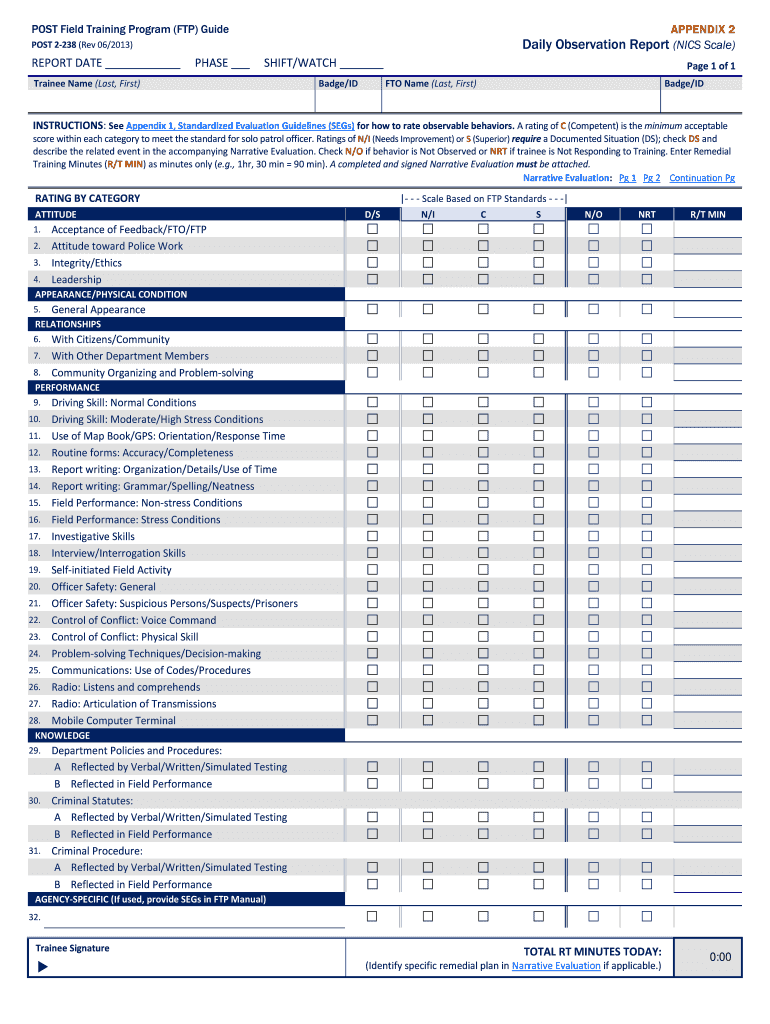
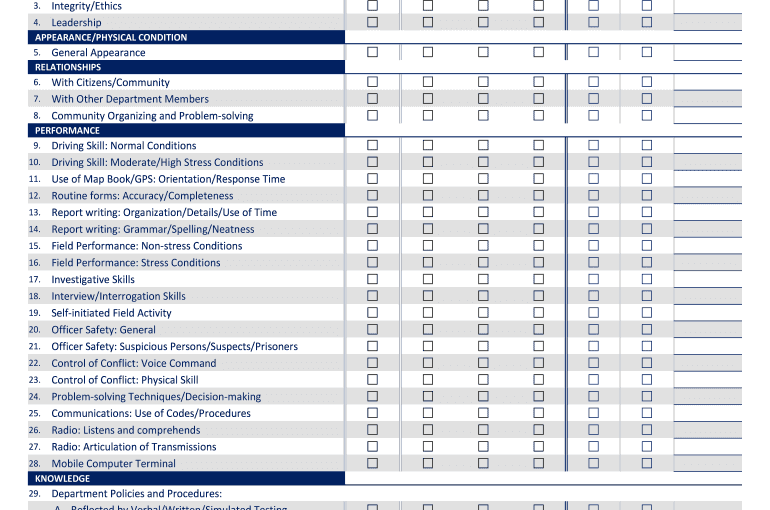
A Police Daily Observation Report Template for Patrol Documentation records routine observations made during shifts.
It may include:
- Patrol activities
- Suspicious behavior observations
- Community interactions
- Environmental or safety concerns
This format supports intelligence gathering and situational awareness.
Operational Benefits of Using Standardized Police Report Templates
Consistent reporting formats provide practical benefits across law enforcement operations.
Improved Accuracy
Structured sections reduce missing or unclear information.
Faster Review Process
Supervisors can review reports more efficiently when formats are consistent.
Better Information Sharing
Clear documentation supports collaboration between units and departments.
Enhanced Accountability
Recorded actions and decisions strengthen transparency.
A dependable Police Report Template improves operational efficiency.
Get also: Security Incident Report Template
Who Uses Police Report Templates?
Police reports are prepared and reviewed by various personnel.
Common users include:
- Patrol officers
- Investigators
- Supervisors and commanders
- Administrative staff
- Oversight and compliance units
A clear role definition ensures reports are completed and reviewed correctly.
Writing Objective and Professional Police Reports
Professional police reporting requires discipline and attention to detail.
Best practices include:
- Writing fact-based narratives
- Avoiding assumptions or speculation
- Using clear, concise language
- Recording observations accurately
- Maintaining a neutral tone
A structured template reinforces these standards.
Common Mistakes in Police Report Writing
Even experienced officers can encounter reporting issues.
Frequent mistakes include:
- Vague or incomplete narratives
- Delayed reporting
- Mixing opinions with facts
- Missing key identifiers
- Inconsistent terminology
Using a standardized Police Report helps prevent these errors.
Adapting Police Report Templates to Different Situations
While core elements remain consistent, reports should reflect the nature of the event.
Routine Incidents
Focus on clarity, accuracy, and basic documentation.
Serious or High-Risk Events
Include detailed timelines, actions taken, and evidence documentation.
Community Policing Activities
Emphasize observations, interactions, and environmental context.
Flexible templates support diverse reporting needs without sacrificing structure.
The Role of Police Reports in Accountability and Oversight
Police reports are essential tools for accountability. They provide an official record of actions taken and decisions made during duty.
Clear documentation supports:
- Internal investigations
- Supervisory review
- Public accountability
- Policy evaluation
A strong Police Report reinforces responsible law enforcement practices.
Digital vs. Paper-Based Police Report Templates
Modern policing often uses digital reporting systems, though traditional formats remain relevant.
Digital Templates
- Faster submission
- Centralized storage
- Easier data retrieval
Paper-Based Templates
- Useful in field conditions
- Simple and accessible
- Reliable backup documentation
Many agencies use a hybrid approach depending on operational context.
Using Police Reports for Operational Improvement
Beyond documentation, police reports provide valuable operational insights.
Regular analysis helps agencies:
- Identify recurring issues
- Improve patrol strategies
- Enhance training programs
- Strengthen response protocols
Historical reports support informed decision-making.
Legal and Procedural Importance of Police Reports
Police reports may be referenced in legal proceedings, disciplinary reviews, or administrative actions. Accuracy and consistency are therefore critical.
A standardized Police Report helps ensure reports meet procedural and professional standards.
Choosing the Right Police Report Template
Selecting the appropriate template depends on:
- Type of report required
- Operational context
- Level of detail needed
- Review and storage processes
The right format balances usability with completeness.
Integrating Police Reporting into Daily Operations
Effective reporting is most successful when integrated into daily workflows.
This includes:
- Clear reporting procedures
- Defined submission timelines
- Supervisory review processes
- Secure record storage
Structured templates make reporting routine rather than burdensome.
Conclusion
A Police Report Template is a cornerstone of professional law enforcement documentation. Whether using a Police Incident Report Template for Case Documentation, a Police After Action Report Template for Operational Review, or a Police Daily Observation Report Template for Patrol Records, standardized formats ensure clarity, accountability, and consistency.
By adopting reliable police reporting templates, law enforcement agencies strengthen documentation quality, support operational effectiveness, and maintain trustworthy official records.