Progress Report Template: Drive Accountability in 2025

Progress Report Template structures are essential tools for documenting work status, measuring achievements, and communicating progress clearly across teams and stakeholders. Without a standardized reporting format, updates often become inconsistent, vague, or overly subjective. A well-designed template transforms ongoing activities into structured insights that support clarity, accountability, and informed decision-making.

Whether used in business operations, project management, education, or organizational planning, progress reporting provides a factual snapshot of where work stands and what actions are required next. This article explores the role of progress reporting, the essential elements of an effective template, and the most impactful formats used in different reporting cycles.

What Is a Progress Report Template and Why Does It Matter

A Progress Report Template is a structured document designed to capture updates on tasks, goals, milestones, and outcomes over a defined period. Its primary purpose is to provide visibility into ongoing work and ensure that progress is measured consistently.

Rather than relying on informal updates or scattered notes, organizations use standardized templates to:

  • Track completion status objectively
  • Identify delays, risks, or bottlenecks
  • Communicate progress clearly to stakeholders
  • Maintain alignment between goals and execution
  • Support accountability at individual and team levels

By using the same reporting framework repeatedly, progress becomes easier to evaluate and compare over time.

The Strategic Value of Structured Progress Reporting

Progress reporting is not merely administrative documentation. When structured correctly, it becomes a strategic tool that supports better coordination and performance control.

A Progress Report ensures that updates are:

  • Clear rather than ambiguous
  • Data-driven instead of opinion-based
  • Consistent across reporting periods
  • Action-oriented rather than descriptive

Structured reporting also reduces miscommunication. Everyone involved understands what is expected, what has been completed, and what remains outstanding.

Core Components of an Effective Progress Report

A high-quality template balances simplicity with sufficient detail. While the exact format may vary depending on context, most effective reports include the following elements.

1. Reporting Period Overview

This section defines the timeframe covered by the report, ensuring clarity on what progress is being evaluated.

2. Objectives or Deliverables

Clear objectives provide context for progress updates. This section outlines what the work aimed to accomplish during the reporting period.

3. Completed Activities

A summary of tasks or milestones that have been completed, focusing on outcomes rather than effort alone.

4. Ongoing Work

This section highlights activities that are currently in progress, including their current status and expected completion.

5. Challenges and Risks

Identifying obstacles early allows teams to address issues before they escalate. This section focuses on factors affecting progress.

6. Next Steps and Action Items

Every Progress Report Template should clearly outline what will happen next, who is responsible, and expected timelines.

Different Types of Progress Report Templates and When to Use Them

Progress reporting needs vary depending on how frequently updates are required. Below are the most commonly used reporting formats and their practical applications.

Weekly Progress Report Template for Fast-Paced Execution Control

A Weekly Progress Report Template for Fast-Paced Execution Control is designed for environments where work moves quickly, and frequent updates are necessary.
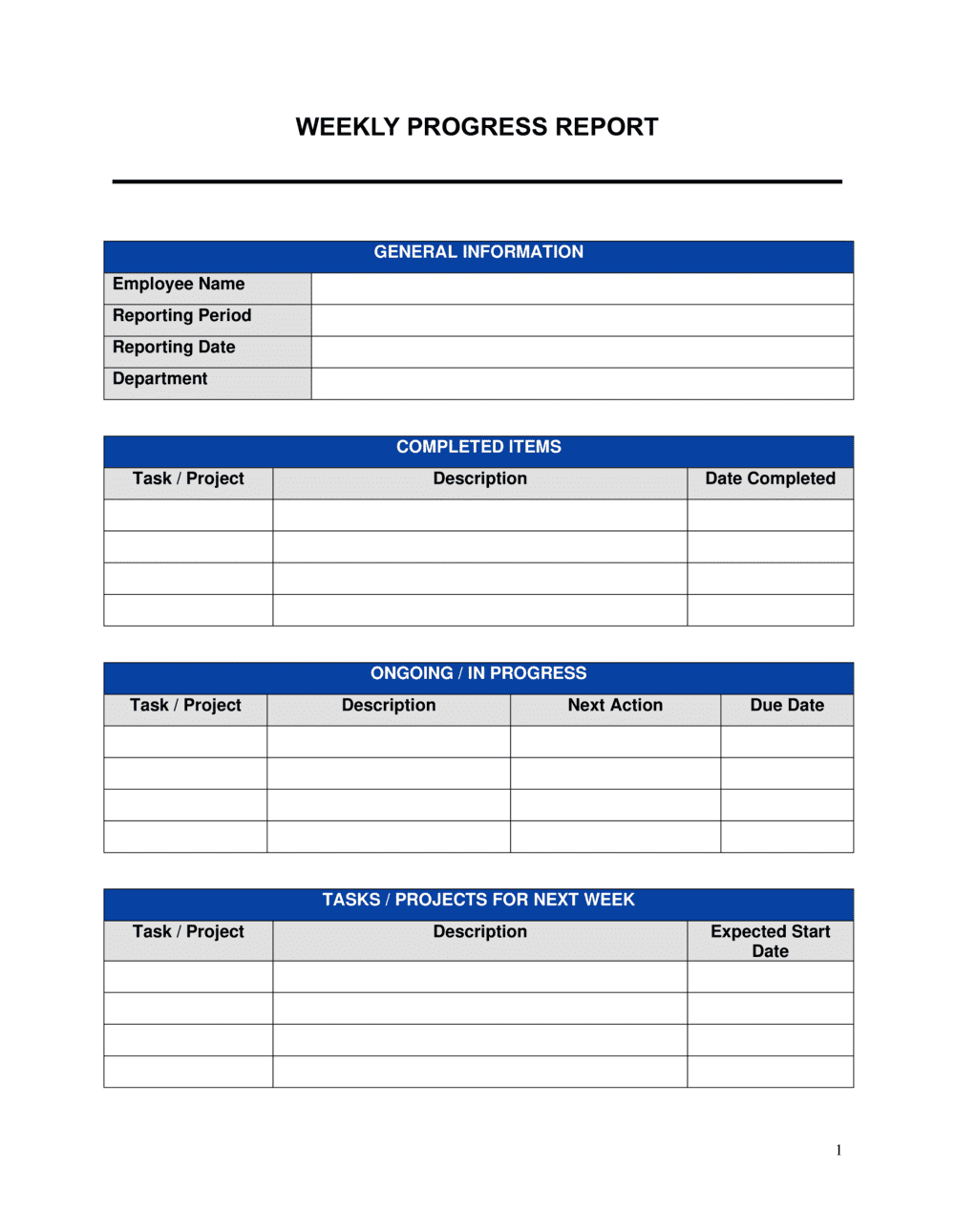
This format focuses on:

  • Short-term task completion
  • Immediate blockers or risks
  • Priorities for the upcoming week

Weekly reports are commonly used in:

  • Project management teams
  • Agile or sprint-based workflows
  • Operational roles with tight timelines

Their strength I focus on is clarity and immediacy, helping teams stay aligned without excessive detail.

Get also: Consulting Report Template

Monthly Progress Report Template for Strategic Performance Visibility

A Monthly Progress Report Template for Strategic Performance Visibility provides a broader view of progress over a longer period. It balances operational detail with high-level analysis.
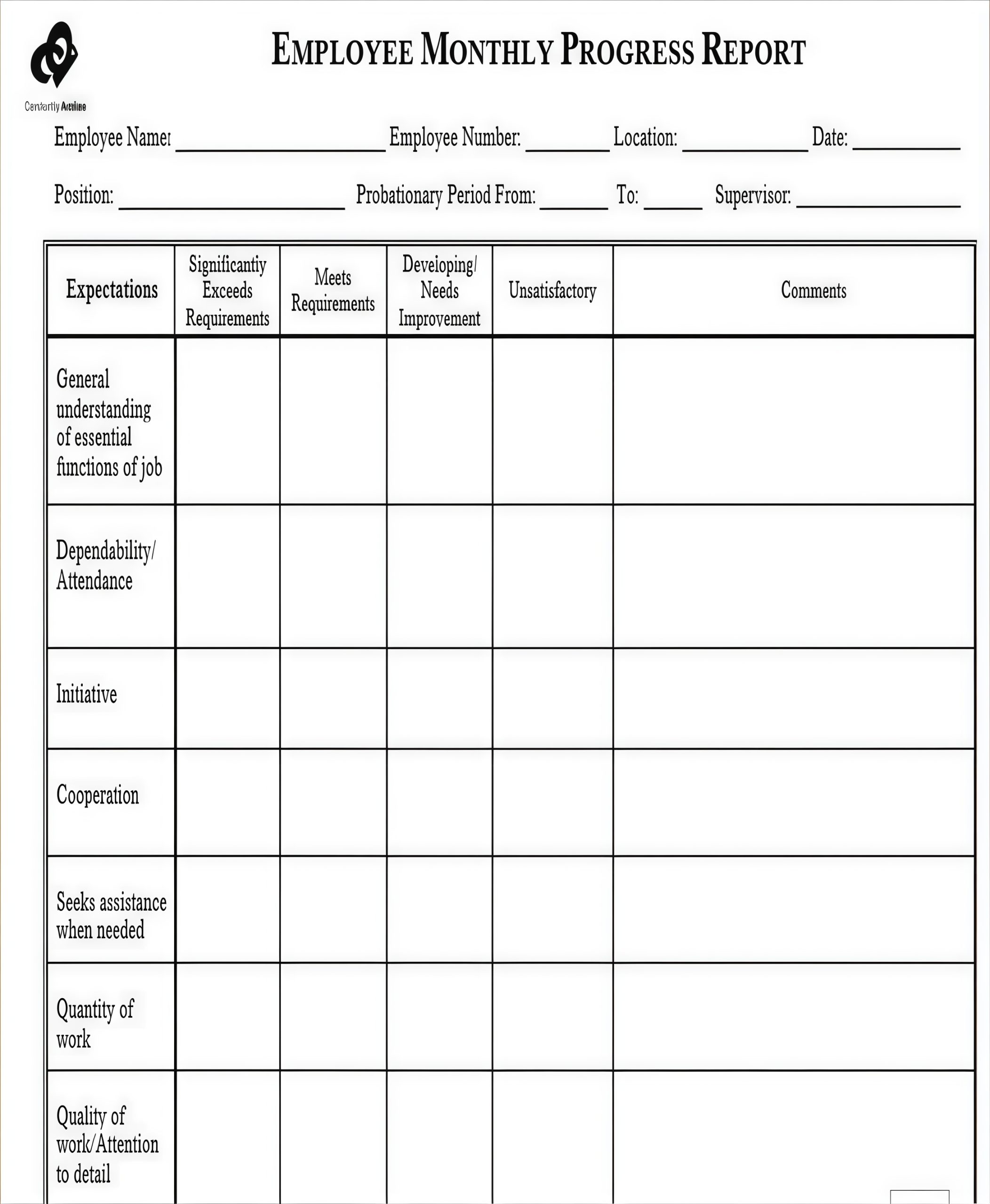
This format typically includes:

  • Summary of key achievements
  • Comparison against planned objectives
  • Identification of trends or recurring issues
  • Adjustments to timelines or resources

Monthly reporting is ideal for managers, department heads, and stakeholders who require structured updates without daily or weekly granularity.

Get also: Daily Progress Report Template

Annual Progress Report Template for Comprehensive Outcome Review

An Annual Progress Report Template for Comprehensive Outcome Review delivers a long-term perspective on progress, outcomes, and overall effectiveness.

This format emphasizes:

  • Achievement of annual goals
  • Major milestones and deliverables
  • Lessons learned and performance patterns
  • Strategic priorities for the following period

Annual reports are often used for organizational reviews, institutional reporting, and long-term planning initiatives.

Choosing the Right Report Template for Your Needs

Selecting the appropriate reporting format depends on several factors:

  • Reporting frequency
  • Audience expectations
  • Project complexity
  • Level of detail required

A Progress Report Template should match the decision-making needs of its readers. Short reporting cycles benefit from concise formats, while longer cycles require more analytical depth.

Adapting Progress Reports for Different Stakeholders

Although the core structure remains consistent, progress reports should be tailored to the intended audience.

Executive-Level Reports

Executives benefit from summaries that focus on outcomes, risks, and alignment with broader objectives.

Team-Level Reports

Teams require operational detail, task-level updates, and clear next steps.

Client or External Reports

External audiences typically value transparency, clear explanations, and progress linked directly to agreed deliverables.

Customization ensures relevance without sacrificing consistency.

Common Mistakes That Reduce the Effectiveness of Progress Reports

Even well-designed templates can fail if misused. Common issues include:

  • Reporting activities instead of outcomes
  • Being overly vague or overly detailed
  • Ignoring unresolved challenges
  • Using inconsistent reporting periods

An effective Progress Report emphasizes clarity, relevance, and actionability over volume.

Best Practices for Writing Clear and Useful Progress Reports

To maximize the value of progress reporting:

  • Use clear and concise language
  • Focus on measurable outcomes
  • Be honest about challenges
  • Maintain consistency across reports
  • Align updates with defined objectives

Well-written reports support trust, transparency, and better collaboration.

Using Progress Reports to Improve Decision-Making

Progress reports should actively inform decisions, not simply document activity. When reviewed consistently, a Progress Report helps leaders and teams:

  • Identify performance gaps early
  • Reallocate resources effectively
  • Adjust timelines based on evidence
  • Improve planning accuracy

Over time, consistent reporting builds a reliable record of performance that supports continuous improvement.

The Long-Term Benefits of Standardized Progress Reporting

Organizations that adopt standardized reporting frameworks experience:

  • Improved accountability
  • Better communication
  • Reduced project risk
  • Clearer performance tracking
  • Stronger alignment between planning and execution

A Progress Report Template becomes more valuable with repeated use, as historical data strengthens analysis and forecasting.

Conclusion

A Progress Report is a foundational tool for tracking work, communicating updates, and supporting informed decisions. By standardizing how progress is reported, organizations gain clarity, consistency, and accountability across all levels.

Whether using a Weekly Progress Report Template for Fast-Paced Execution Control, a Monthly Progress Report Template for Strategic Performance Visibility, or an Annual Progress Report Template for Comprehensive Outcome Review, the right format ensures that progress is documented accurately and acted upon effectively.

When applied consistently, progress reporting transforms updates into insights and effort into measurable results.

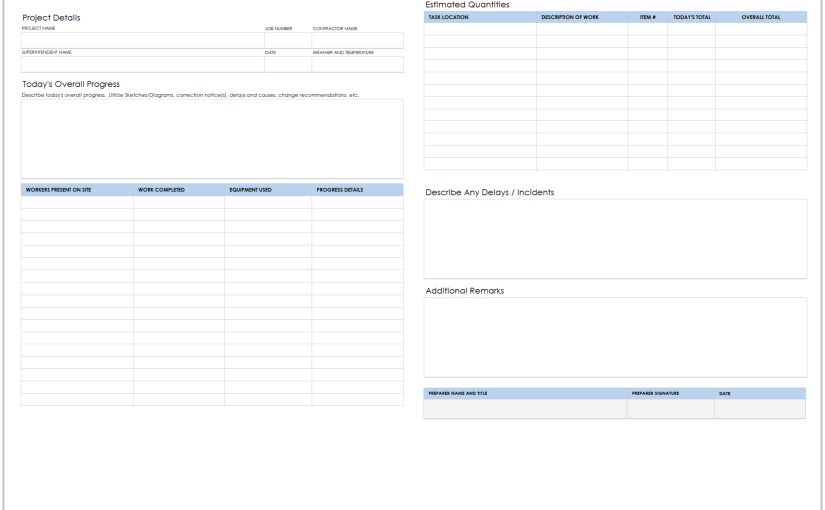
Daily Progress Report Template (9+ Stunning Insights for Faster Workflows)

Daily Progress Report Template – Extraordinary Ways to Streamline Your Workday | A Daily Progress Report Template isn’t just a document—it’s your operational heartbeat. It gives clarity when schedules feel scattered, brings structure when tasks overlap, and creates accountability without adding unnecessary administrative weight. When used correctly, this simple template becomes an indispensable tool for aligning teams, anticipating delays, and keeping everyone moving in the same direction.

If your workday involves managing people, tracking productivity, or ensuring tasks get completed on time, this template instantly becomes one of the most practical systems you’ll ever integrate. From monitoring short-term goals to flagging obstacles early, it provides a clean visual of what’s done, what’s pending, and what needs attention before it snowballs.

Let’s break down how this template transforms daily operations.

What Makes a Daily Progress Report Template So Effective?

The strength of this Daily Progress Report Template lies in its ability to simplify complex activities into digestible entries. Whether you’re overseeing a construction site, coordinating a technical team, running operations in an office, or managing remote employees, it creates a consistent rhythm that keeps performance measurable and transparent.

Key components include:

  • Task breakdowns
  • Accomplishments completed today
  • Issues or blockers identified early
  • Materials, equipment, or resources used
  • Planned tasks for the next day
  • Time allocation and productivity markers

When teams work without this structure, it’s easy for misunderstandings, duplicated efforts, and delays to creep in unnoticed. With a well-designed template, the entire workflow becomes visible and easier to control.

Real-World Benefits That Show Up Fast

A Progress Report Template makes a measurable difference in day-to-day operations:

  • Improved task clarity
    No one gets lost wondering what needs to be done or who’s doing what.
  • Better accountability
    Records show who completed which tasks, reducing ambiguity and guesswork.
  • Stronger cross-team communication
    Information flows cleanly, ensuring all stakeholders stay aligned.
  • Early identification of issues
    Blockers get flagged while still manageable, rather than after deadlines slip.
  • Streamlined decision-making
    Leaders react using real data, not assumptions.
  • Enhanced continuity between shifts or teams
    Especially useful in industries running multiple shifts or layered operations.

This template isn’t just a piece of paperwork; it’s a performance amplifier.

Supporting Insights for Maximizing Your Daily Reporting System

This section expands on how supporting templates elevate your reporting system even further. Each Daily Progress Report Template listed below starts with your secondary keyword and includes a power word as required.

Daily Status Report Template – Unconventional Performance Boosters

A Daily Status Report Template works hand-in-hand with your Daily Progress Report Template by focusing on where projects currently stand at a snapshot level. It bridges the operational “what happened today” with the strategic “how today affects the overall plan.”

How it helps:

  • Identifies slowing tasks before they impact long-term timelines
  • Clarifies resource allocation, including personnel, equipment, and budget shifts
  • Provides a big-picture view of status across multiple projects or teams
  • Captures priority items that need leadership attention without clutter

This template reduces confusion in complex environments where multiple processes run simultaneously. It also makes briefing stakeholders easier, since everything is captured in structured, daily increments.

Get also: Daily Activity Report Template

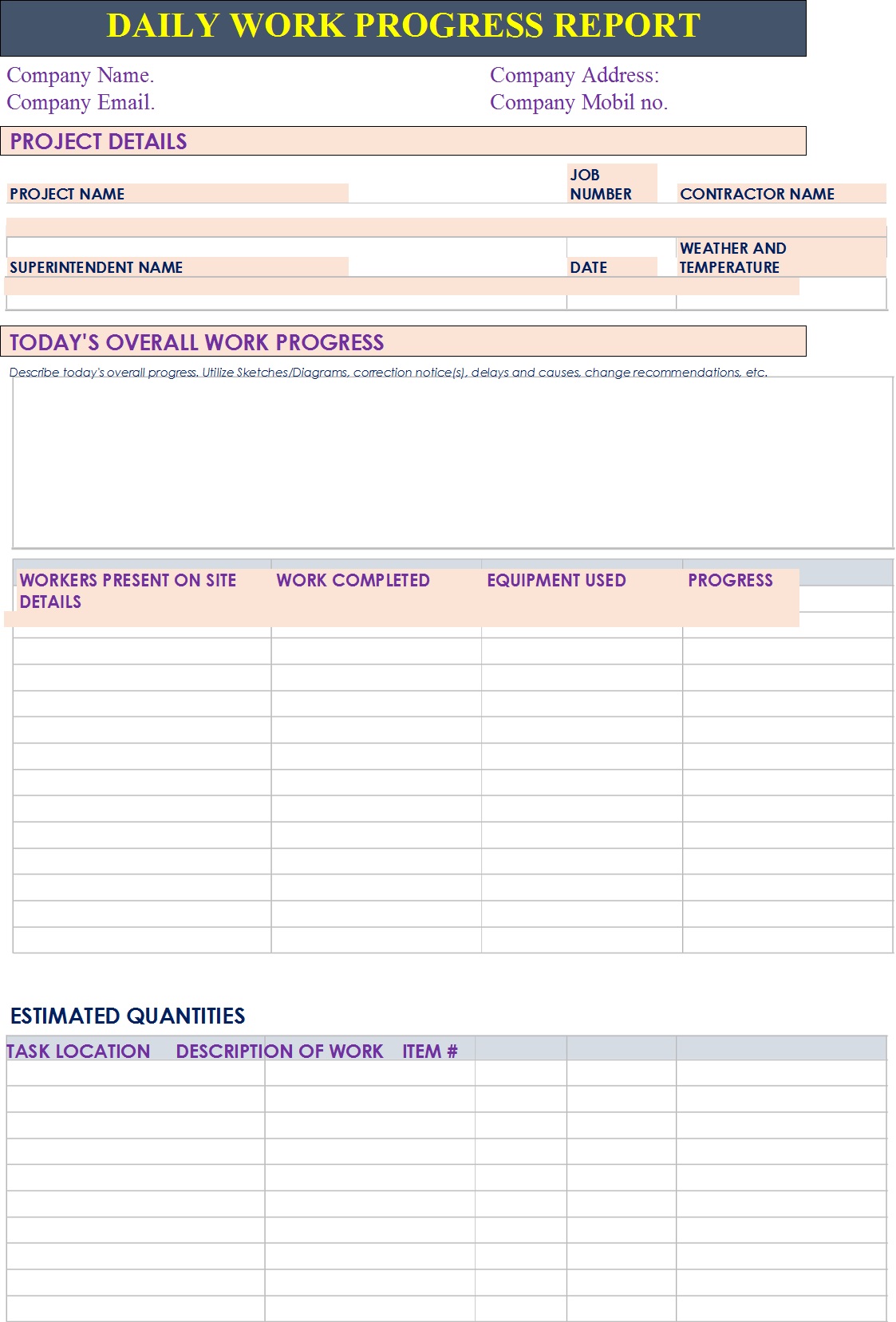
Daily Work Progress Report Template – Extraordinary Workflow Clarity

The Daily Work Progress Report Template is ideal for teams working in environments where precise tracking of progress is essential—manufacturing, construction, engineering, maintenance, and high-output operations.

Where this template shines:

  • Detailed activity logs show exactly what was completed
  • Time tracking sections highlight workflow inefficiencies
  • Resource usage fields keep material consumption transparent
  • Task-level progress descriptions help identify skill gaps or bottlenecks

This template gives supervisors a deeper understanding of productivity patterns. If a particular team is consistently delayed by the same issue (equipment failure, material shortage, external dependency), the report exposes that pattern with clarity. It’s the difference between reacting to problems late and preventing them early.

Get also: Daily Marketing Report Template Free Download

Daily Accomplishment Report Template – Hidden Productivity Insights

A Daily Accomplishment Report Template zeroes in on results rather than activities. Instead of focusing on what was attempted, it highlights what was actually completed. This shift in focus provides remarkably accurate visibility into output quality and team performance.

Why it matters:

  • Completion-focused mindset
    Teams naturally begin thinking in terms of deliverables instead of busywork.
  • Clear measurement of outcomes
    Leaders get immediate insight into the value generated each day.
  • Better planning for next-day workloads
    Completed tasks dictate what’s realistically achievable tomorrow.
  • Creates a momentum loop
    Seeing accomplishment lists grow boosts morale and discipline.

This template is especially powerful in environments where productivity fluctuates or where deliverables must be validated daily.

Get also: Construction Daily Report Template

How to Get the Best Results From These Templates

To optimize your Daily Progress Report Template and all supporting templates:

1. Use short but meaningful descriptions

Avoid vague entries. Replace “work done” with actual detail, such as:

  • Inspected HVAC ducting on level 3
  • Finalized design revisions for client presentation
  • Completed maintenance checks on generator set #2

These details help stakeholders understand progress without requiring additional explanation.

2. Document issues immediately

Blockers, safety concerns, equipment failures, or missing materials should be documented the moment they appear. Early visibility helps prevent tomorrow’s crisis.

3. Review reports before the next shift or workday

Reports gain value when reviewed consistently. Whether you’re handing over a construction site, passing tasks to a remote worker in another timezone, or running a rotating operations team, this ensures continuity.

4. Maintain consistency

The true power of these templates emerges when used every day, not sporadically. Consistency creates historical data that reveals patterns and insights.

5. Tie progress to the next-day plan

Each report should clearly inform the next steps. This transforms the reporting cycle into a forward-moving workflow rather than a daily chore.

Practical Examples Across Different Industries

Construction

Daily reporting templates track manpower, weather conditions, material usage, safety concerns, structure inspections, and subcontractor performance. They prevent miscommunication across large teams and ensure compliance documentation is always prepared.

IT & Software Development

Agile teams use daily progress reports to track features completed, pending tasks, blockers, bug fixes, and testing status. It’s a perfect complement to sprint planning.

Security & Facilities

Reports document patrol routes, inspections, incidents, maintenance concerns, and safety observations. They strengthen accountability and improve shift handovers.

Manufacturing

Detailed progress reports help identify machinery downtime, production volume, deviations, and resource shortages. Managers use them to fine-tune daily operational efficiency.

Professional Services

Consultants, finance teams, and corporate departments use daily reporting to show task progress, client updates, deliverable status, and unexpected challenges.

Across all sectors, the result is the same: less confusion, more clarity.

Final Thoughts

A well-structured Daily Progress Report Template anchors your entire workflow. Pairing it with high-value supporting templates like the Daily Status Report Template, Daily Work Progress Report Template, and Daily Accomplishment Report Template gives your team clarity, direction, and measurable progress every single day.

When used consistently, these Daily Progress Report Templates provide transparency, reduce operational friction, and help everyone stay aligned toward the day’s most important outcomes.

Exit mobile version