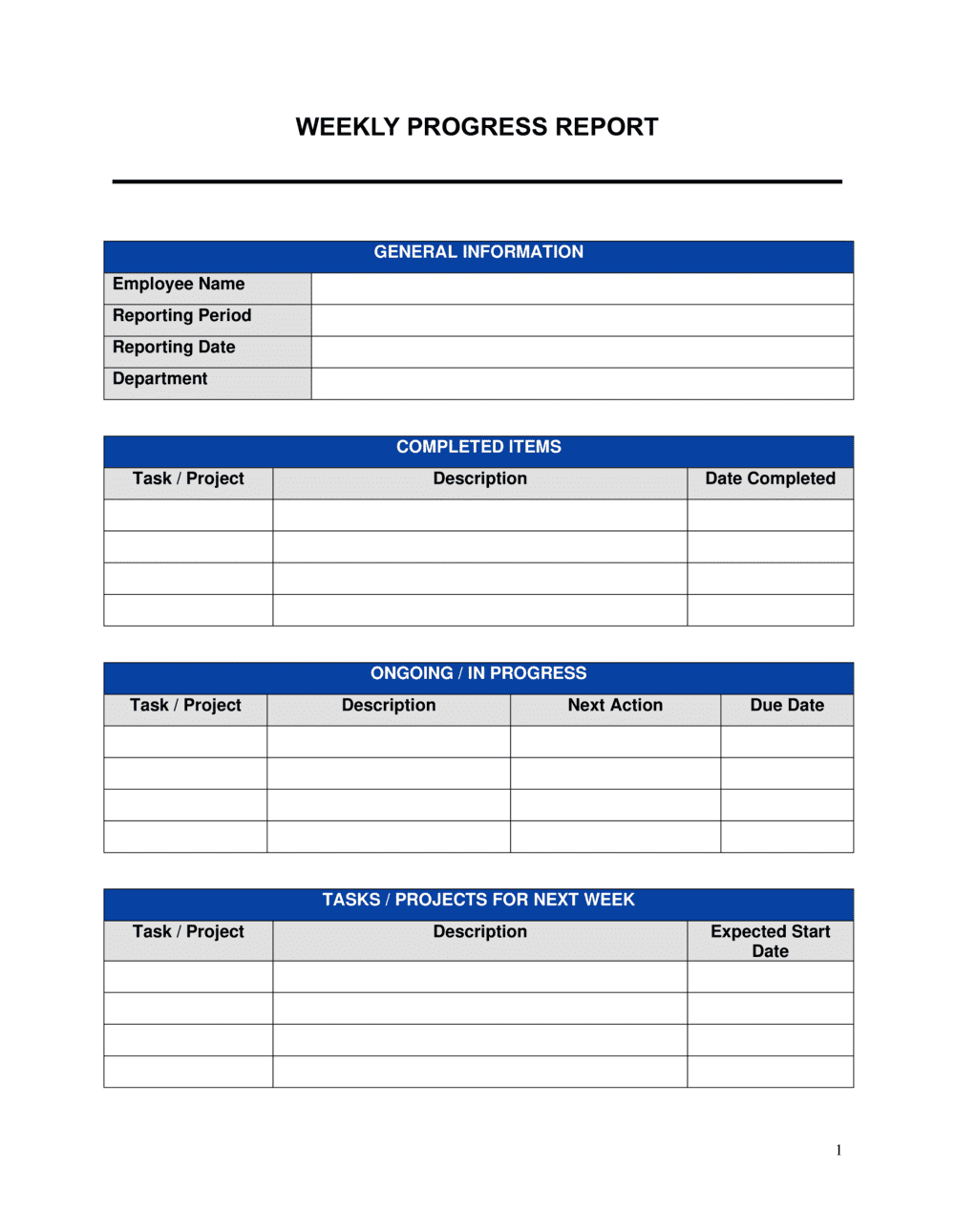
Weekly Progress Report Template – 10+ Formats to Improve Accountability

Weekly Progress Report Template structures are essential for teams and organizations that operate in fast-moving environments where visibility, alignment, and timely action matter. Weekly reporting provides a short feedback loop that helps identify issues early, maintain execution momentum, and ensure that priorities stay on track.

Without a standardized weekly format, progress updates often become fragmented, inconsistent, or overly informal. A clear reporting structure transforms weekly activity into meaningful insight that supports coordination, accountability, and continuous improvement.

What Is a Weekly Progress Report?

A Weekly Progress Report is a structured document used to summarize progress, activities, challenges, and next steps within a one-week reporting period. Its primary goal is to provide a clear and consistent snapshot of work status that supports timely decision-making.

Weekly reports focus on execution rather than long-term strategy. They answer critical questions such as:

  • What was planned for the week?
  • What was completed?
  • What is still in progress?
  • What issues or risks emerged?
  • What are the priorities for next week?

By answering these questions consistently, weekly reporting keeps teams aligned and accountable.

Why Weekly Progress Reporting Is So Effective

Weekly reporting strikes an ideal balance between detail and efficiency. It is frequent enough to catch issues early, yet structured enough to prevent information overload.

A Weekly Progress Report helps teams:

  • Detect delays before they escalate
  • Maintain focus on short-term priorities
  • Track execution against plans
  • Improve communication across roles
  • Reinforce accountability at the task level

Because the reporting cycle is short, corrective actions can be taken quickly and with minimal disruption.

Core Components of an Effective Weekly Progress Report

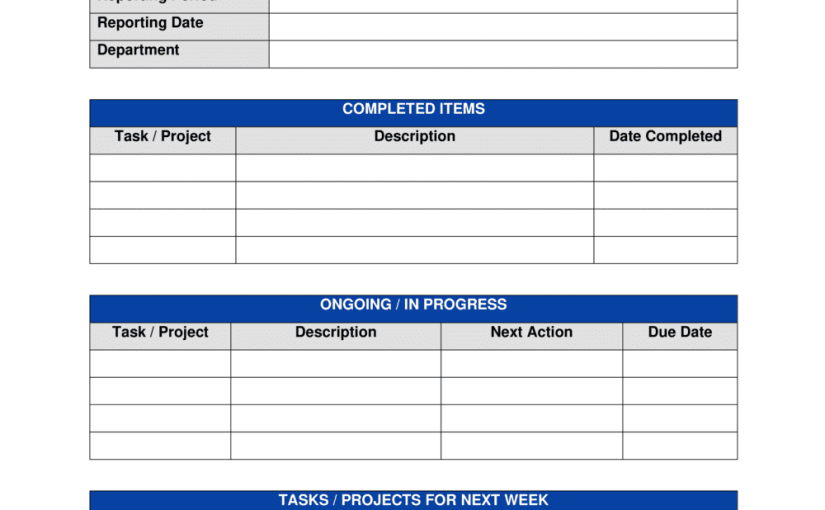
Although formats vary by context, high-quality weekly reports share common structural elements.

Reporting Period and Scope

This section clearly defines the week covered and the scope of work included in the report.

Planned vs. Completed Tasks

Comparing planned activities with completed work helps assess execution accuracy and reliability.

Work in Progress

This section documents ongoing tasks, their current status, and expected completion timelines.

Issues, Risks, and Blockers

Early identification of challenges allows teams to resolve problems before they affect delivery.

Key Outcomes or Learnings

Notable achievements or lessons learned during the week are highlighted here.

Next Week’s Priorities

Every Weekly Progress Report Template should end with a clear outline of upcoming priorities and responsibilities.

How Weekly Reporting Improves Execution Discipline

Weekly reporting reinforces discipline by creating a predictable rhythm of planning, execution, and review. When teams know progress will be reviewed weekly, priorities become clearer, and follow-through improves.

A Weekly Progress Report Template also encourages ownership. Individuals and teams become more conscious of commitments, timelines, and outcomes when progress is documented regularly.

Specialized Types of Weekly Progress Report Templates

Different contexts require tailored weekly reporting formats. Below are high-impact variations commonly used across industries and environments.

Weekly Project Status Report Template for Structured Delivery Control

A Weekly Project Status Report Template for Structured Delivery Control focuses on project-level execution, milestones, and dependencies.

This format typically includes:

  • Task completion status
  • Milestone progress
  • Schedule alignment
  • Resource or dependency issues

It is widely used in project management environments where coordination across roles and timelines is critical.

Weekly Student Progress Report Template for Academic Performance Tracking

A Weekly Student Progress Report Template for Academic Performance Tracking is designed to monitor learning progress, engagement, and development.

This report format often covers:

  • Academic tasks completed
  • Participation and engagement levels
  • Areas of improvement
  • Learning objectives for the next week

Educators and institutions use weekly student reports to provide timely feedback and support consistent progress.

Get also: Free Weekly Status Report Template Excel

Weekly Training Progress Report Template for Skill Development Monitoring

A Weekly Training Progress Report Template for Skill Development Monitoring tracks progress in structured learning or training programs.

Common elements include:

  • Training modules completed
  • Skill acquisition progress
  • Practice outcomes
  • Challenges or gaps

This format is especially useful in onboarding, professional development, and certification programs.

Choosing the Right Weekly Progress Report Template

Selecting the right template depends on several factors:

  • Nature of the work
  • Reporting audience
  • Level of detail required
  • Decision-making needs

A Weekly Progress Report Template should be simple enough to complete consistently, yet detailed enough to provide real value.

Overly complex templates discourage regular use, while overly simple formats risk missing critical insights.

Adapting Weekly Reports for Different Stakeholders

Although the core structure remains consistent, the presentation should vary depending on who will read the report.

Leadership and Management

Leaders benefit from summaries that highlight outcomes, risks, and alignment with short-term goals.

Team-Level Reporting

Teams need operational detail, task-level status, and clearly defined next steps.

External or Client-Facing Reporting

External audiences value clarity, transparency, and progress tied directly to agreed deliverables.

Tailoring reports ensures relevance without compromising consistency.

Common Mistakes in Weekly Progress Reporting

Weekly reports can lose effectiveness if common mistakes occur, such as:

  • Reporting activities without outcomes
  • Being too vague or overly detailed
  • Ignoring unresolved blockers
  • Changing the report structure frequently

A strong Weekly Progress Report Template emphasizes clarity, honesty, and actionability.

Best Practices for Writing Clear Weekly Progress Reports

To maximize the value of weekly reporting:

  • Use concise and specific language
  • Focus on results and implications
  • Be transparent about challenges
  • Keep formatting consistent
  • Align updates with weekly objectives

Well-written weekly reports support trust, alignment, and continuous improvement.

Using Weekly Progress Reports to Drive Better Decisions

The real value of a Weekly Progress Report lies in how it informs action. When reviewed consistently, weekly reports help teams:

  • Adjust priorities quickly
  • Resolve issues before they escalate
  • Improve execution accuracy
  • Strengthen short-term planning

Over time, weekly reporting creates a detailed execution history that supports better forecasting and performance evaluation.

Long-Term Benefits of Consistent Weekly Reporting

Organizations that adopt structured weekly reporting gain:

  • Stronger execution discipline
  • Improved communication
  • Reduced delivery risk
  • Clearer accountability
  • Better alignment across teams

A Weekly Progress Report Template becomes a foundational tool for maintaining momentum and operational clarity.

Conclusion

A Weekly Progress Report Template is a critical tool for tracking execution, maintaining alignment, and supporting timely decision-making. By standardizing how weekly updates are documented, organizations gain clarity, consistency, and accountability.

Whether using a Weekly Project Status Report Template for Structured Delivery Control, a Weekly Student Progress Report Template for Academic Performance Tracking, or a Weekly Training Progress Report Template for Skill Development Monitoring, the right reporting format ensures that progress is visible and actionable.

When applied consistently, weekly progress reporting transforms short-term activity into sustained performance and measurable results.

Progress Report Template: Drive Accountability in 2025

Progress Report Template structures are essential tools for documenting work status, measuring achievements, and communicating progress clearly across teams and stakeholders. Without a standardized reporting format, updates often become inconsistent, vague, or overly subjective. A well-designed template transforms ongoing activities into structured insights that support clarity, accountability, and informed decision-making.

Whether used in business operations, project management, education, or organizational planning, progress reporting provides a factual snapshot of where work stands and what actions are required next. This article explores the role of progress reporting, the essential elements of an effective template, and the most impactful formats used in different reporting cycles.

What Is a Progress Report Template and Why Does It Matter

A Progress Report Template is a structured document designed to capture updates on tasks, goals, milestones, and outcomes over a defined period. Its primary purpose is to provide visibility into ongoing work and ensure that progress is measured consistently.

Rather than relying on informal updates or scattered notes, organizations use standardized templates to:

  • Track completion status objectively
  • Identify delays, risks, or bottlenecks
  • Communicate progress clearly to stakeholders
  • Maintain alignment between goals and execution
  • Support accountability at individual and team levels

By using the same reporting framework repeatedly, progress becomes easier to evaluate and compare over time.

The Strategic Value of Structured Progress Reporting

Progress reporting is not merely administrative documentation. When structured correctly, it becomes a strategic tool that supports better coordination and performance control.

A Progress Report ensures that updates are:

  • Clear rather than ambiguous
  • Data-driven instead of opinion-based
  • Consistent across reporting periods
  • Action-oriented rather than descriptive

Structured reporting also reduces miscommunication. Everyone involved understands what is expected, what has been completed, and what remains outstanding.

Core Components of an Effective Progress Report

A high-quality template balances simplicity with sufficient detail. While the exact format may vary depending on context, most effective reports include the following elements.

1. Reporting Period Overview

This section defines the timeframe covered by the report, ensuring clarity on what progress is being evaluated.

2. Objectives or Deliverables

Clear objectives provide context for progress updates. This section outlines what the work aimed to accomplish during the reporting period.

3. Completed Activities

A summary of tasks or milestones that have been completed, focusing on outcomes rather than effort alone.

4. Ongoing Work

This section highlights activities that are currently in progress, including their current status and expected completion.

5. Challenges and Risks

Identifying obstacles early allows teams to address issues before they escalate. This section focuses on factors affecting progress.

6. Next Steps and Action Items

Every Progress Report Template should clearly outline what will happen next, who is responsible, and expected timelines.

Different Types of Progress Report Templates and When to Use Them

Progress reporting needs vary depending on how frequently updates are required. Below are the most commonly used reporting formats and their practical applications.

Weekly Progress Report Template for Fast-Paced Execution Control

A Weekly Progress Report Template for Fast-Paced Execution Control is designed for environments where work moves quickly, and frequent updates are necessary.

This format focuses on:

  • Short-term task completion
  • Immediate blockers or risks
  • Priorities for the upcoming week

Weekly reports are commonly used in:

  • Project management teams
  • Agile or sprint-based workflows
  • Operational roles with tight timelines

Their strength I focus on is clarity and immediacy, helping teams stay aligned without excessive detail.

Get also: Consulting Report Template

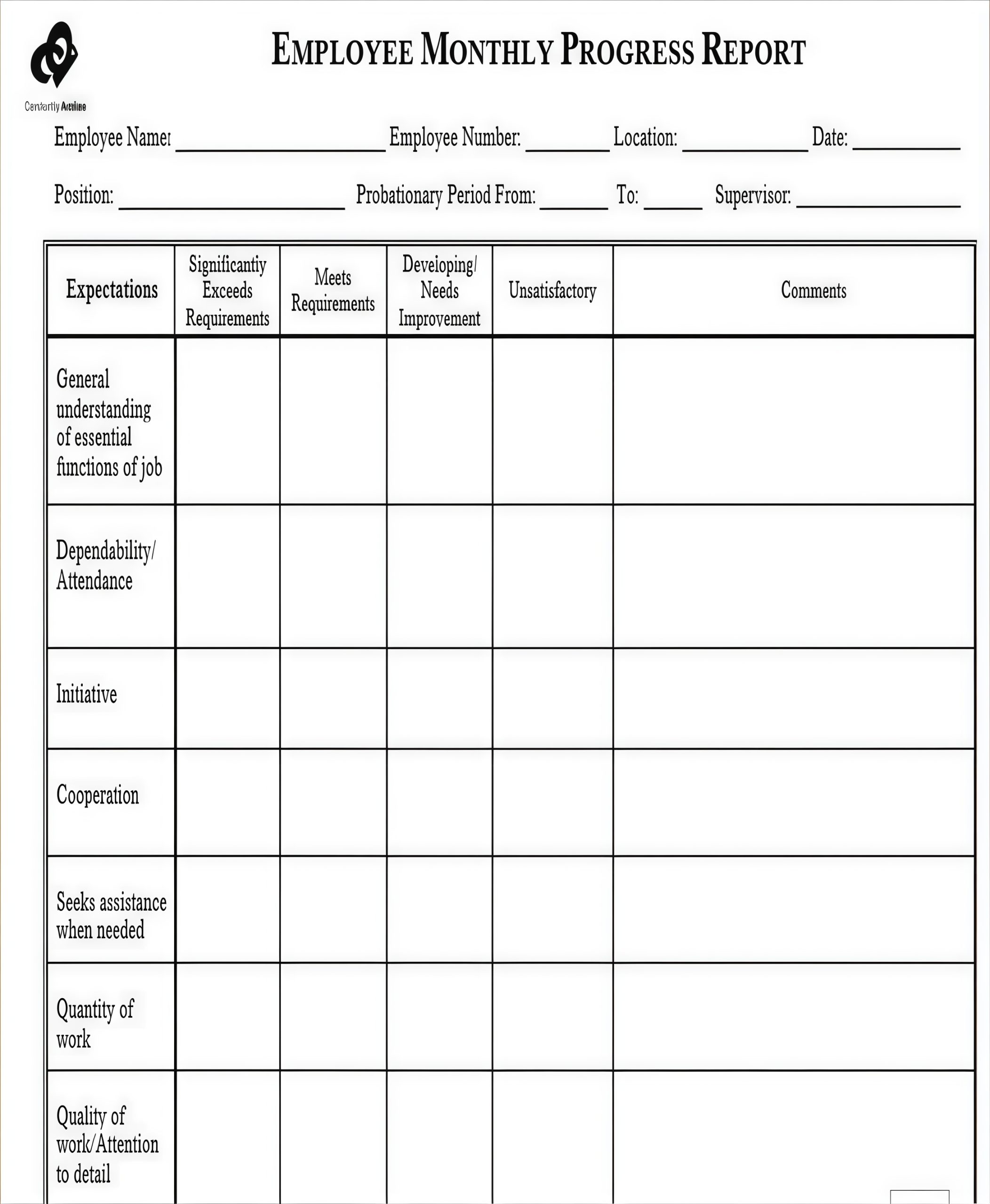
Monthly Progress Report Template for Strategic Performance Visibility

A Monthly Progress Report Template for Strategic Performance Visibility provides a broader view of progress over a longer period. It balances operational detail with high-level analysis.

This format typically includes:

  • Summary of key achievements
  • Comparison against planned objectives
  • Identification of trends or recurring issues
  • Adjustments to timelines or resources

Monthly reporting is ideal for managers, department heads, and stakeholders who require structured updates without daily or weekly granularity.

Get also: Daily Progress Report Template

Annual Progress Report Template for Comprehensive Outcome Review

An Annual Progress Report Template for Comprehensive Outcome Review delivers a long-term perspective on progress, outcomes, and overall effectiveness.

This format emphasizes:

  • Achievement of annual goals
  • Major milestones and deliverables
  • Lessons learned and performance patterns
  • Strategic priorities for the following period

Annual reports are often used for organizational reviews, institutional reporting, and long-term planning initiatives.

Choosing the Right Report Template for Your Needs

Selecting the appropriate reporting format depends on several factors:

  • Reporting frequency
  • Audience expectations
  • Project complexity
  • Level of detail required

A Progress Report Template should match the decision-making needs of its readers. Short reporting cycles benefit from concise formats, while longer cycles require more analytical depth.

Adapting Progress Reports for Different Stakeholders

Although the core structure remains consistent, progress reports should be tailored to the intended audience.

Executive-Level Reports

Executives benefit from summaries that focus on outcomes, risks, and alignment with broader objectives.

Team-Level Reports

Teams require operational detail, task-level updates, and clear next steps.

Client or External Reports

External audiences typically value transparency, clear explanations, and progress linked directly to agreed deliverables.

Customization ensures relevance without sacrificing consistency.

Common Mistakes That Reduce the Effectiveness of Progress Reports

Even well-designed templates can fail if misused. Common issues include:

  • Reporting activities instead of outcomes
  • Being overly vague or overly detailed
  • Ignoring unresolved challenges
  • Using inconsistent reporting periods

An effective Progress Report emphasizes clarity, relevance, and actionability over volume.

Best Practices for Writing Clear and Useful Progress Reports

To maximize the value of progress reporting:

  • Use clear and concise language
  • Focus on measurable outcomes
  • Be honest about challenges
  • Maintain consistency across reports
  • Align updates with defined objectives

Well-written reports support trust, transparency, and better collaboration.

Using Progress Reports to Improve Decision-Making

Progress reports should actively inform decisions, not simply document activity. When reviewed consistently, a Progress Report helps leaders and teams:

  • Identify performance gaps early
  • Reallocate resources effectively
  • Adjust timelines based on evidence
  • Improve planning accuracy

Over time, consistent reporting builds a reliable record of performance that supports continuous improvement.

The Long-Term Benefits of Standardized Progress Reporting

Organizations that adopt standardized reporting frameworks experience:

  • Improved accountability
  • Better communication
  • Reduced project risk
  • Clearer performance tracking
  • Stronger alignment between planning and execution

A Progress Report Template becomes more valuable with repeated use, as historical data strengthens analysis and forecasting.

Conclusion

A Progress Report is a foundational tool for tracking work, communicating updates, and supporting informed decisions. By standardizing how progress is reported, organizations gain clarity, consistency, and accountability across all levels.

Whether using a Weekly Progress Report Template for Fast-Paced Execution Control, a Monthly Progress Report Template for Strategic Performance Visibility, or an Annual Progress Report Template for Comprehensive Outcome Review, the right format ensures that progress is documented accurately and acted upon effectively.

When applied consistently, progress reporting transforms updates into insights and effort into measurable results.

10+ BEST Weekly Report Templates to Boost Team Clarity and Momentum

10 Powerful Weekly Report Template Ideas to Boost Team Clarity and Momentum | A weekly report template is one of those underrated tools that quietly keep a team functioning like a well-oiled machine. While deadlines rush in, tasks multiply, and priorities shift without warning, a structured weekly summary ensures nothing gets lost in the chaos. Instead of scrambling to remember what happened over the past five days, a weekly template gives teams a clean and organized snapshot of everything that matters.

It brings order, consistency, and clarity—three things every workplace needs but often struggles to maintain. A good weekly format shows what has been completed, what’s in progress, and what barriers might block next week’s progress. Whether a team handles creative work, operations, engineering, customer service, or sales, a structured document keeps everyone aligned without requiring long meetings or tedious updates.

The ideal weekly layout is simple: summarize, highlight, track, and prepare. When updates follow the same structure every week, reviewing them becomes second nature. Everyone—from entry-level staff to managers—can quickly grasp where the team stands and what actions must come next. No guesswork. No digging through endless chat threads. No “What did I do last Tuesday?” moments.

A strong weekly report template transforms uncertainty into structure. It helps teams communicate better, work more efficiently, and stay accountable in the gentlest way possible.

Weekly Report Template for Clear and Consistent Workflows

A weekly report template provides a standardized format that teams can rely on. When people switch between multiple projects or deadlines, having a consistent structure removes confusion and keeps information easy to read. Instead of writing updates from scratch, they simply fill in predefined sections that guide their thoughts and ensure key details are covered.

Weekly cycles often fluctuate—some weeks are filled with breakthroughs, while others feel like pushing a shopping cart with a broken wheel. The template smooths out these highs and lows, giving each week the same predictable rhythm. This helps teams maintain flow even during hectic periods.

Because of its flexibility, a weekly layout works for different industries. Creative teams can highlight campaign updates, engineers can log milestone progress, HR can track onboarding, and logistics teams can document operational events. No matter the field, the template adapts easily with minor adjustments.

Weekly Status Report Template

A weekly status report template is designed to give clear visibility into the current condition of tasks and responsibilities. It usually includes sections for accomplishments, ongoing work, blockers, and next steps. With structured headings, contributors don’t need to overthink their updates; they simply fill in relevant details.

Status templates are useful for team meetings, internal updates, one-on-one discussions, and cross-department coordination. Managers can review them quickly and understand how things are progressing without having to dive into every detail individually. The layout promotes transparency, consistency, and accountability.

Weekly Progress Report Template

A weekly progress report template goes deeper into measurable development. While a status report focuses on “what’s happening,” a progress report emphasizes “how far things have moved.”

Typical elements include:

  • Progress percentages or milestones
  • Goals set at the beginning of the week
  • Differences between planned and actual outcomes
  • Short explanations for changes
  • Plans for the upcoming week

This type of template works perfectly for long-term projects requiring consistent tracking. It’s particularly useful for engineering teams, design departments, production units, and any task-driven environment where every increment matters.

Get also: Weekly Expense Report Template

Weekly Report Template for Performance Tracking

Performance monitoring becomes significantly easier with a well-structured weekly report template. Over time, weekly summaries reveal patterns—how quickly tasks are completed, which issues frequently arise, and which improvements might boost efficiency. These patterns help managers respond proactively rather than waiting for problems to escalate.

Because weekly documents contain short, digestible updates, team leaders can detect trends early. They can identify when workloads become overwhelming, when progress slows down, or when communication gaps begin to form. This leads to better decision-making and smoother operations.

The beauty of a performance-focused template lies in its balance between detail and brevity. It gives enough depth to be meaningful without drowning readers in long paragraphs.

Weekly Sales Report Template

A weekly sales report template is essential for tracking performance in sales-focused teams. It highlights key numbers, revenue movement, client interactions, and shifts in the pipeline. Weekly sales data can change dramatically, so a structured document helps maintain clarity.

Sales templates often include:

  • Total weekly sales
  • New leads and prospects
  • Deal status updates
  • Follow-up actions
  • Obstacles affecting performance

Team leaders can quickly compare sales trends, plan upcoming targets, and adjust strategies to maintain momentum.

Weekly Status Report Template (Performance Focus)

Within a performance-driven environment, a weekly status report template helps evaluate achievements and challenges in a measurable way. It covers items like completed tasks, efficiency notes, risk indicators, and action items. Over time, these reports reveal which processes are working smoothly and which require improvement.

This template is especially helpful in roles that rely on consistent productivity, such as customer support, production teams, IT operations, or administrative work.

Get also: Annual Marketing Report Template

What Makes a Weekly Report Template Truly Effective

The effectiveness of a weekly report template comes from its structure, clarity, and relevance. A good template must offer:

1. Consistent layout
Repetition makes weekly updates easy to write and even easier to read.

2. Clear sections
Well-labelled categories help contributors stay focused and avoid unnecessary explanations.

3. Space for insights
Weekly reflections encourage learning and improvement.

4. Defined priorities
Highlighting important goals helps the team maintain direction.

5. Next week’s planning
This ensures momentum continues and reduces uncertainty.

6. A balanced level of detail
Too much text becomes overwhelming; too little becomes unhelpful. Effective templates strike the right middle ground.

When Weekly Templates Make the Biggest Impact

Project Management

Teams can track milestones, shifting priorities, and potential risks.

Marketing Departments

Campaign performance, content output, and engagement numbers benefit from structured weekly summaries.

Human Resources

Recruitment progress, onboarding steps, and internal activities become clearer and more predictable.

Engineering & Development

Sprint updates, backlog movement, and technical blockers are easier to monitor.

Sales & Retail

Weekly sales reports, customer interactions, and revenue changes are essential for forecasting and performance evaluation.

Every department gains visibility and direction through a weekly report template tailored to its needs.

How Weekly Templates Improve Productivity

A strong weekly reporting system enhances productivity by:

  • Reducing confusion
  • Improving communication
  • Providing accountability
  • Tracking measurable outcomes
  • Highlighting risks early
  • Supporting consistent planning
  • Strengthening team alignment

Weekly templates create a rhythm of reflection and forward planning that keeps teams operating with purpose.

Choosing the Right Weekly Report Template

The ideal template depends on the team’s workflow. Complex projects require more detail, while routine work needs a simpler structure. Key components often include:

  • Weekly overview
  • Completed tasks
  • Ongoing work
  • Blockers or challenges
  • Insights and observations
  • Next week’s goals
  • Relevant metrics or KPIs
  • Optional attachments or references

Mix and match these sections to form a template that fits your environment without overwhelming contributors.

Final Thoughts

A weekly report template is more than a formality—it’s a communication tool that ensures every member of a team understands what’s happening, what matters, and what comes next. In fast-paced workplaces where priorities change daily, a weekly structure offers clarity and stability. With the right layout, teams boost productivity, enhance collaboration, and maintain focus without unnecessary meetings or long-winded updates.

When used consistently, a weekly report template becomes the backbone of internal communication and a reliable foundation for improving performance across the organization.

Exit mobile version