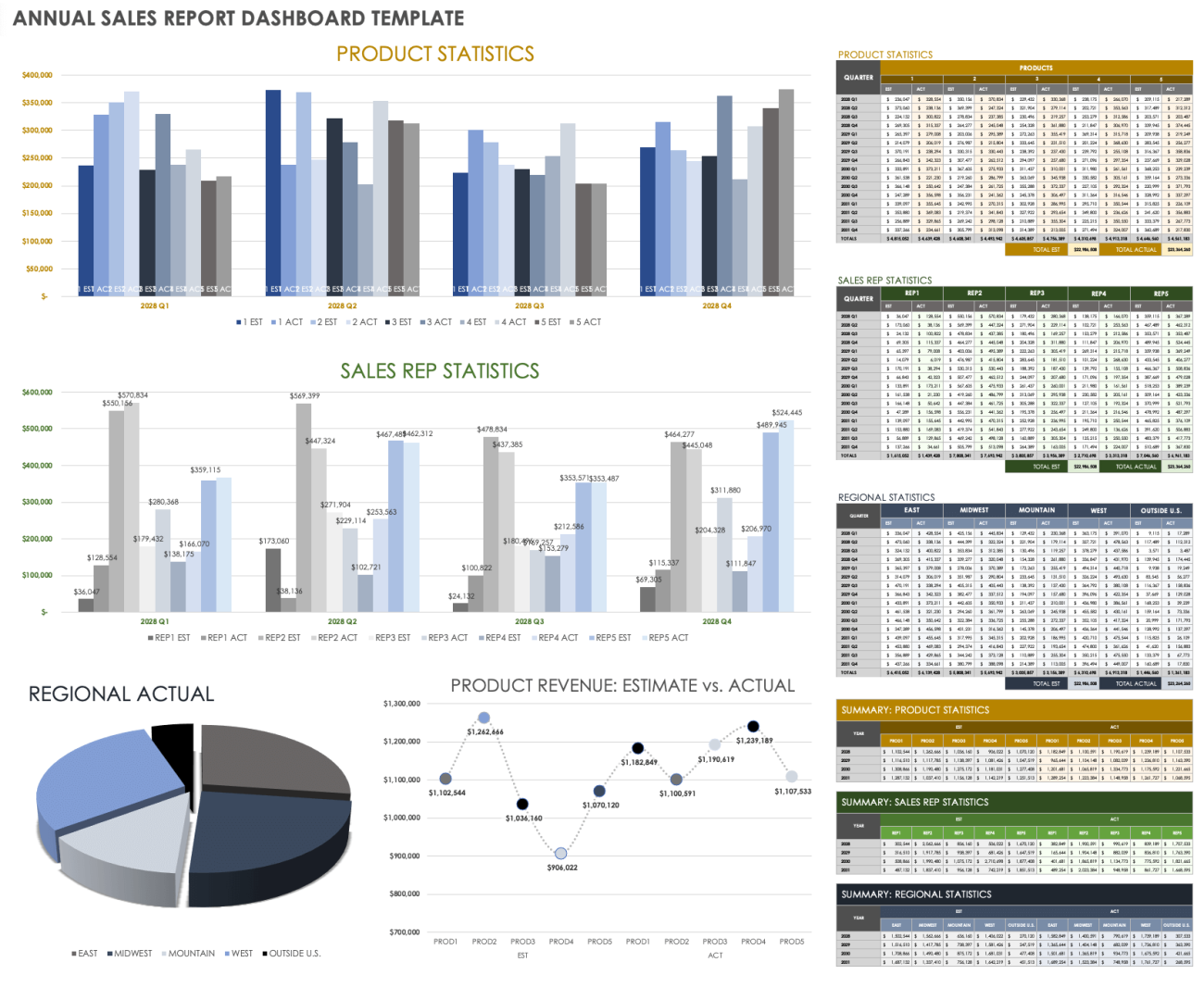
Weekly Sales Report Template – 7+ Proven Framework for Consistent Growth

Weekly Sales Report Template – Proven High-Impact Framework for Consistent Growth Tracking | Understanding weekly performance is one of the most reliable ways for any business to stay grounded in reality. Revenue numbers don’t lie, and they don’t care how confident a sales team feels after closing one big deal. A weekly sales report template gives structure to that truth-telling process, helping teams organize data, compare progress, and identify opportunities before they slip away.

Across many industries—whether retail, SaaS, B2B, or service-based operations—weekly monitoring has become essential for predicting trends, diagnosing slowdowns, and staying aligned with broader goals. A good template doesn’t just capture numbers; it reveals the underlying story. With clear sections, consistent formatting, and properly presented metrics, a weekly layout can turn chaotic sales chatter into a readable narrative that even a half-asleep manager can understand during Monday meetings.

The value of a well-built weekly sales report template lies in its reliability. It delivers a framework that ensures no detail is forgotten, no performance pattern is overlooked, and no team member can claim they “didn’t know sales were down.” By standardizing how data is captured—pipeline updates, closed deals, follow-up status, revenue projection, and team performance—the template becomes a stabilizing force in an otherwise unpredictable field.

Weekly Sales Report Template for Consistent Growth Tracking

Sales environments thrive on clarity. Without it, every conversation becomes a guessing game, and every update feels like a plot twist. A proper weekly sales report template changes all that. At its core, it provides a structured snapshot of revenue-driving activities within a specific seven-day window, ensuring decision-makers receive the insights they need without digging through long email threads or spreadsheets with mysterious column names.

A strong Weekly Sales Report Template usually includes sections such as key metrics, sales pipeline activity, lead status, revenue comparisons, trends for the week, and action plans. A good one also captures context: the factors affecting performance, forecast adjustments, opportunities at risk, internal challenges, and customer-related insights. By blending numbers with explanations, the template becomes an actual management tool—not just a data dump.

Another advantage of using a weekly sales report template is consistency. When every team member reports using the same structure, managers can spot patterns quickly. Imagine reviewing ten reports written in ten completely different formats; that’s like trying to find a matching pair of socks from a basket of identical black socks. A unified template eliminates clutter and reduces cognitive fatigue.

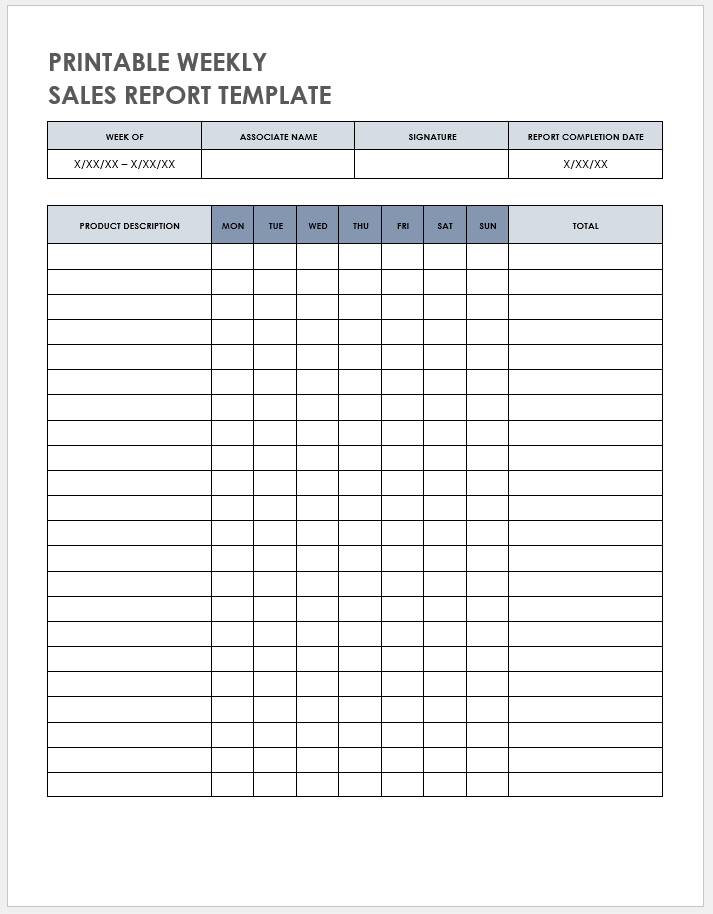
The Weekly Sales Report Template also encourages accountability. When metrics appear week after week in the same format, gaps and improvements become obvious. A drop in conversion rate, for example, can’t hide behind excuses when it’s clearly displayed next to last week’s numbers. Over time, these small weekly insights lead to better long-term strategies, more accurate forecasting, and a deeper understanding of sales performance drivers.

Supporting insights for building an effective weekly framework

Weekly reporting isn’t just about filling in numbers. It’s about creating a meaningful record that helps organizations adapt. For many teams, the biggest challenge isn’t collecting data—it’s interpreting it correctly. That’s where supporting insights come into play.

Patterns, anomalies, lead quality changes, shifting customer preferences, and market fluctuations all become visible when weekly reports are properly structured. A well-designed weekly report template ensures these insights aren’t lost. Instead, they’re captured in a way that aligns with real business goals.

Another consideration is communication. A good weekly report reduces the friction between sales teams and leadership. When information is clear, concise, and easy to interpret, meetings become shorter and more productive. Instead of debating numbers, teams can focus on solutions, strategy adjustments, and operational improvements.

The Weekly Sales Report Template also supports transparency across departments. Marketing teams can see which campaigns brought qualified leads. Finance teams can track projected revenue more accurately. Operations can forecast workloads based on pipeline movement. In short, a well-built weekly structure becomes a cross-functional asset—not just a sales tool.

Finally, a weekly framework encourages adaptability. Sales environments shift quickly, and waiting for monthly or quarterly reports often means reacting too late. Weekly documentation gives businesses the agility to adjust strategy before minor issues become major setbacks.

Weekly Sales Activity Report Template – Essential Structure for Clear Workflow Insights

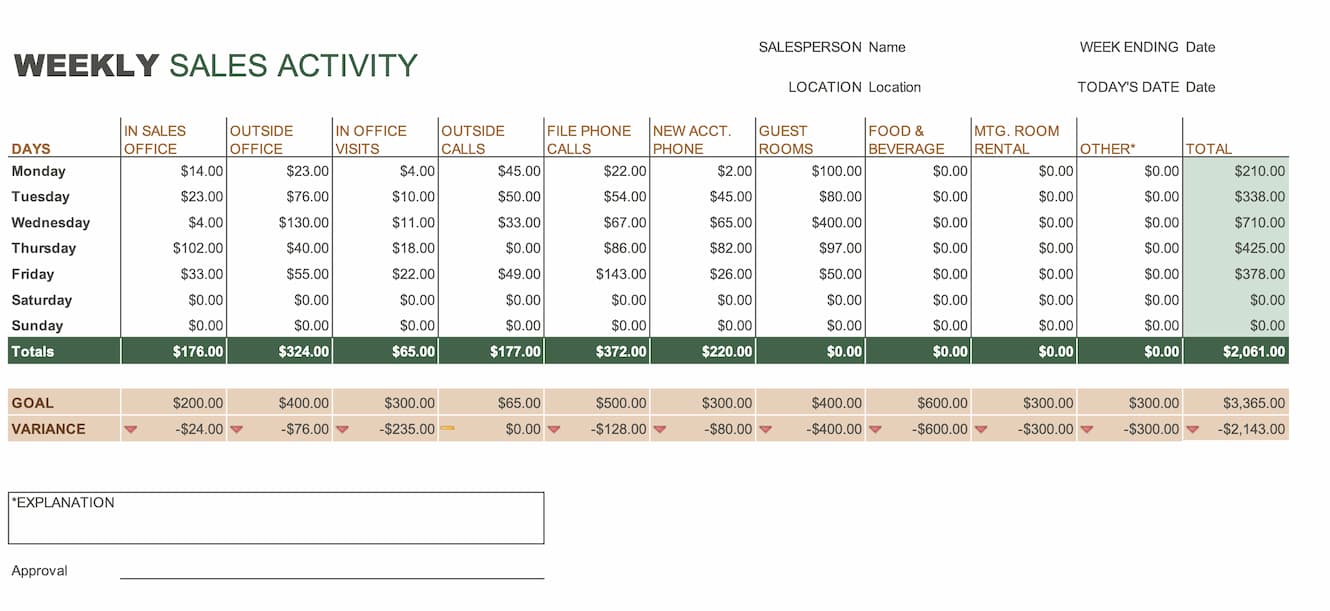
Daily interactions with prospects form the backbone of any sales cycle. A Weekly sales activity report template serves as the perfect format for capturing these interactions and transforming them into actionable insights. Instead of scattered notes about calls, demos, follow-ups, and outreach attempts, this template organizes everything into a structured weekly narrative that shows exactly how sales representatives are spending their time.

The strength of this Weekly Sales Activity Report Template lies in its ability to highlight both productivity and efficiency. Activity numbers alone don’t mean much unless they relate directly to outcomes. For example, making 80 cold calls sounds impressive—until you realize only two resulted in follow-up discussions. By pairing activity metrics with outcomes, the template encourages targeted improvements rather than blind hustle.

Another useful component is the breakdown of touchpoints across different channels. Teams can see whether emails outperform calls, or whether LinkedIn outreach works better with certain industries. Over time, these weekly insights refine the team’s approach to engagement, reducing wasted effort and improving conversion rates.

This template also benefits managers who need to identify coaching opportunities. If a representative repeatedly logs many activities but sees little movement in the pipeline, a deeper conversation can begin. Likewise, a rep who consistently achieves high conversion with fewer actions might reveal best practices that others can adopt.

Used consistently, the Weekly sales activity report template becomes a roadmap—not just a list of actions. It reveals how energy translates into results and helps teams realign efforts toward the most effective strategies.

Weekly Sales Manager Report Template – Powerful Breakdown for Smarter Decision-Making

Leadership thrives on clarity, and a weekly sales manager report template delivers exactly that. It gives managers a comprehensive view of team performance without requiring hours of manual analysis. Instead of sifting through multiple documents, managers receive a unified format that highlights key metrics, team productivity, pipeline movement, forecast accuracy, and blockers that need attention.

One of the most valuable aspects of this template is its emphasis on interpretation. Sales managers don’t just report numbers—they explain them. They outline what drove performance, what hindered progress, and what adjustments might be needed. The template encourages them to think critically about outcomes and communicate insights in a structured, digestible way.

The Weekly Sales Manager Report Template also supports proactive leadership. Weekly patterns can reveal whether a slowdown is temporary or a sign of deeper issues. For example, if every team member reports fewer qualified leads than usual, marketing alignment might need reinforcement. If deals are repeatedly stuck in the same pipeline stage, training on objection handling may be necessary. Early detection enables corrective action before losses compound.

In addition, the weekly sales manager report template helps align teams on shared goals. Managers can compare performance against weekly targets, identify top contributors, and recognize areas where collective improvement is needed. This structure fosters collaboration rather than competition, creating a healthier and more transparent sales culture.

Another advantage lies in risk detection. By tracking stalled deals, unusual customer behavior, or sudden industry shifts, the template ensures that leadership stays alert. These insights improve forecasting and support more confident decision-making, especially in fast-changing environments.

Weekly Team Status Report Template – High-Impact Format for Strong Alignment and Collaboration

Success in sales isn’t an individual sport; it’s a coordinated effort across an entire group. A weekly team status report template helps teams stay aligned, ensuring that every member understands shared objectives, current challenges, and ongoing initiatives. It creates visibility across roles and helps prevent miscommunication that can derail progress.

One of the biggest strengths of this template is its ability to highlight collective achievements. While individual reporting is important, team-level insights reveal how combined efforts contribute to overall momentum. Whether the focus is on hitting weekly targets, improving outreach quality, or coordinating large deals, the template keeps everyone on the same page.

It also helps teams track collaborative tasks—shared accounts, follow-ups requiring multiple touchpoints, cross-departmental initiatives, or campaigns that involve both marketing and sales. These tasks often slip through the cracks without structured reporting, especially in busy weeks.

The Weekly Sales Report Template also improves alignment with leadership. Managers can quickly see how the team’s energy is distributed, which priorities are receiving the most focus, and where support is needed. This allows them to allocate resources more effectively, whether that means adjusting territory assignments, refining messaging, or providing additional guidance.

Another benefit is morale. Weekly team updates create a rhythm of wins, learnings, and shared progress. They give the team an opportunity to recognize contributions, celebrate completed goals, and reflect on areas for improvement without the pressure of formal performance reviews.

By using this Weekly Sales Report Template consistently, teams build a culture of transparency, clarity, and unified progress—qualities that strengthen collaboration and improve performance across the board.
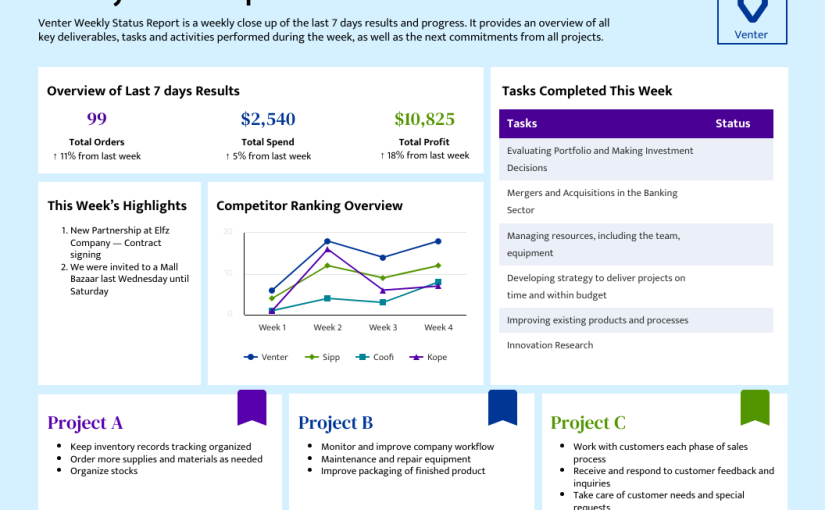
FREE Weekly Status Report Template – 8+ High-Impact Formats

Weekly Status Report Template Mastery: High-Impact Formats for Fast, Clear Updates | A dependable Weekly status report template gives teams something priceless: clarity without chaos. Anyone who has ever sat through an update meeting that felt longer than a slow-loading spreadsheet knows how valuable a well-structured weekly report can be. It organizes scattered tasks, turns vague updates into measurable progress, and helps decision-makers spot issues before they have the chance to snowball. Whether you’re managing a busy project team or overseeing multiple departments, the right structure cuts through noise and delivers meaningful visibility.

A strong Weekly status report template doesn’t just list completed tasks. It provides a structured snapshot of progress, risks, resources, dependencies, and upcoming priorities. It also ensures team members report updates in a consistent format so managers aren’t left decoding wildly different reporting styles—like deciphering hieroglyphs every Friday afternoon.

In many workplaces, weekly reports become the backbone of coordination. They tie together timelines, accountability, and cross-functional work. A polished Weekly status report template guides contributors to focus on specifics: measurable output, clear blockers, and objective progress indicators. Instead of vague commentary, it produces actionable information that the team can work with.

Another advantage is time efficiency. A properly designed Weekly status report template reduces the time spent writing updates because contributors simply fill predefined sections. Instead of figuring out what to say each week, they follow a consistent pattern. Managers also save time since reports become faster to review—no more endless scrolling through paragraphs that feel like someone wrote them in a hurry at 4:59 PM.

Because teams evolve and workloads shift, flexibility matters. A great Weekly status report template adapts to different environments: agile teams, departmental operations, HR functions, engineering pipelines, or administrative routines. Its structure remains simple, but the fields can be expanded or customized to match specific goals. When people actually enjoy filling out the template—well, “enjoy” might be a strong word—but at least they don’t resist it, you know you’ve created something effective.

A refined Weekly status report template also strengthens communication between teams and leadership. It ensures that everyone—from junior staff to senior decision-makers—accesses the same level of structured visibility. That alignment keeps expectations realistic and helps reduce misunderstandings that typically arise from unclear reporting styles.

Now let’s break down the functional value of this template through practical lenses and relatable use cases, without turning it into a snooze-fest that leaves everyone daydreaming about weekend plans.

Optimizing Weekly Status Reporting Through Practical Structure

An effective Weekly status report template starts by separating information into specific categories that reflect real project needs. Most teams benefit from sections like KPIs, completed tasks, ongoing work, blockers, dependencies, risks, and upcoming deliverables. These areas allow contributors to express their progress clearly and logically.

One of the most crucial elements is progress measurement. Instead of general commentary—“working on it,” “almost done,” “nearing completion”—the Weekly status report template encourages measurable statements. For example, “API integration completed at 80%, remaining tasks involve authentication logic.” It’s much easier for leaders to make decisions when updates include numbers, timeframes, and impact estimates.

The weekly report template also supports risk visibility. Blockers and pending items can be listed in a dedicated section to ensure they aren’t hidden behind optimistic phrasing. When a Weekly status report template creates transparency, the entire team benefits from timely escalation and accurate planning.

When used across departments, consistency becomes a major advantage. Marketing, product, engineering, finance, and HR all have different reporting styles. The best Weekly status report template harmonizes those differences without forcing a single rigid style across the organization. It provides a backbone for reliable communication while still leaving room for team-specific information.

Humor can even be subtly woven into these reports—only when appropriate, of course. A dash of personality keeps weekly summaries from feeling robotic. Just enough to make someone smile without making your compliance department faint.

Supporting Templates for Different Reporting Needs

Weekly Project Status Report Template

A Weekly project status report template focuses on task-driven progress. It works best for teams juggling milestones, sprint cycles, or cross-functional deliverables. The structure blends timeline tracking with measurable metrics so project managers can quickly see if everything is running smoothly— or if something is quietly catching fire behind the scenes.

This type of template typically includes fields for scope changes, risk forecasts, timeline deviations, and upcoming sprint goals. It’s ideal for teams balancing large workloads, requiring visibility into dependencies or bottlenecks. Tools like Gantt charts, task lists, and milestone checkpoints pair well with the Weekly project status report template, especially when teams need to communicate how their efforts contribute to larger organizational objectives.

Use cases include software development sprints, marketing campaign rollouts, construction phases, and product lifecycle planning. Anyone overseeing multi-layered work will find that the Weekly project status report template sharpens planning accuracy and keeps contributors aligned.

Get also: Free Monthly Report Template

Weekly Employee Status Report Template

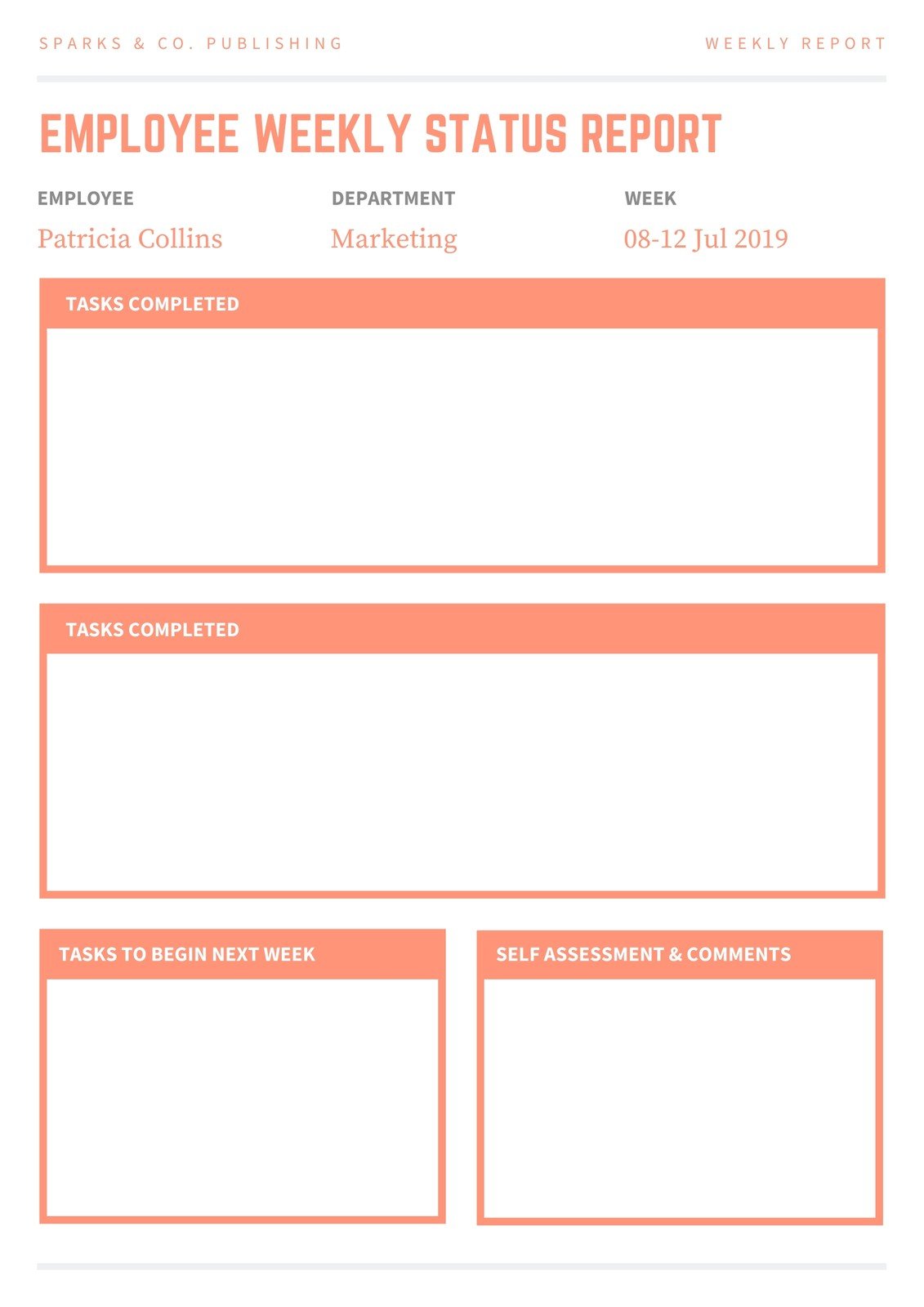
A weekly employee status report template shifts focus from project milestones to individual output. This is where personal accountability shines. Instead of guessing what team members accomplished throughout the week, the template provides a clear breakdown of tasks completed, challenges faced, skill development, and upcoming responsibilities.

Managers benefit from this format when coaching or evaluating performance. The weekly employee status report also supports professional growth by encouraging reflection on workload patterns, productivity roadblocks, and areas where support may be required. It’s particularly effective for remote teams or hybrid environments where ongoing communication is essential.

Employees can use this structure to express achievements without worrying about sounding boastful. The template naturally prompts clarity, and it reduces the “What did you do this week?” back-and-forth that nobody enjoys. With the weekly employee status report template, everyone stays on the same page—literally and figuratively.

Weekly Team Status Report Template

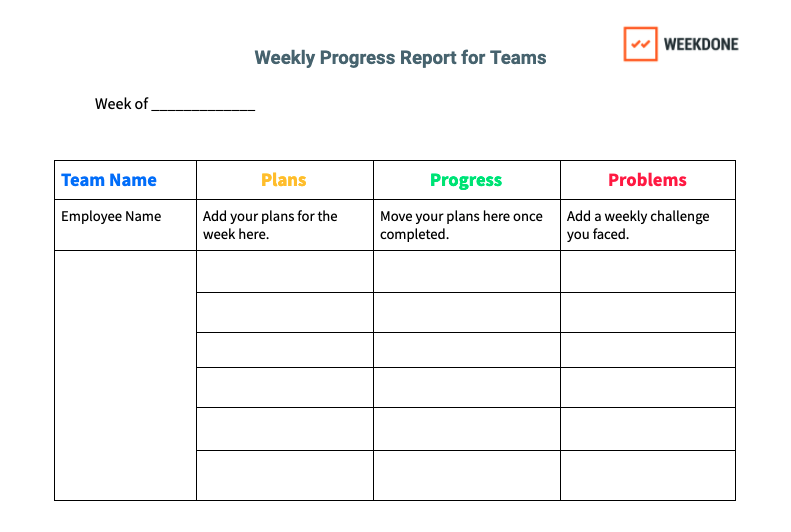
A weekly team status report expands beyond individual or project-specific updates. It captures the collective progress of an entire team. This makes it especially useful for department leads managing diverse workloads across multiple contributors.

Sections often include shared goals, team-level KPIs, collaboration updates, collective blockers, interdepartmental dependencies, and planned priorities. The weekly team status report template helps leadership understand how different team members contribute to unified outcomes while highlighting areas that require resource adjustments.

This template is effective for operations teams, customer support groups, creative departments, and technical squads. It aligns everyone’s progress under a single framework, giving directors a high-level overview without losing sight of critical details. A well-structured weekly team status report keeps momentum high and confusion low.

Enhancing Consistency and Transparency Across Any Organization

A reliable Weekly status report template can transform how teams communicate. It minimizes ambiguity, nurtures accountability, and ensures updates aren’t buried in random email threads or scattered chat messages. Once the structure becomes habitual, weekly reporting turns into a smooth routine—less dread, more clarity.

Companies with complex workflows benefit from the uniformity it creates. When every team uses the same backbone for reporting, decision-makers get a clearer picture of the overall direction. Instead of patching together bits of information from different sources, a standardized Weekly status report centralizes visibility and saves time for everyone involved.

Even better, the template becomes a living record of progress. It highlights improvements, reveals bottlenecks, and provides a historical trail for analyzing patterns. Over time, these insights help teams optimize productivity, strengthen communication flows, and refine planning accuracy.

A smartly crafted Weekly status report template also reduces friction between departments. With consistent reporting standards, teams understand each other better. Marketing knows where engineering stands, HR sees resource needs, finance gets visibility into shifting priorities, and leadership can align strategy accordingly.

While no template can magically make the week feel shorter, the right structure can at least make the workday smoother. And in the world of professional reporting, that’s practically a superpower.

10+ BEST Weekly Report Templates to Boost Team Clarity and Momentum

10 Powerful Weekly Report Template Ideas to Boost Team Clarity and Momentum | A weekly report template is one of those underrated tools that quietly keep a team functioning like a well-oiled machine. While deadlines rush in, tasks multiply, and priorities shift without warning, a structured weekly summary ensures nothing gets lost in the chaos. Instead of scrambling to remember what happened over the past five days, a weekly template gives teams a clean and organized snapshot of everything that matters.

It brings order, consistency, and clarity—three things every workplace needs but often struggles to maintain. A good weekly format shows what has been completed, what’s in progress, and what barriers might block next week’s progress. Whether a team handles creative work, operations, engineering, customer service, or sales, a structured document keeps everyone aligned without requiring long meetings or tedious updates.

The ideal weekly layout is simple: summarize, highlight, track, and prepare. When updates follow the same structure every week, reviewing them becomes second nature. Everyone—from entry-level staff to managers—can quickly grasp where the team stands and what actions must come next. No guesswork. No digging through endless chat threads. No “What did I do last Tuesday?” moments.

A strong weekly report template transforms uncertainty into structure. It helps teams communicate better, work more efficiently, and stay accountable in the gentlest way possible.

Weekly Report Template for Clear and Consistent Workflows

A weekly report template provides a standardized format that teams can rely on. When people switch between multiple projects or deadlines, having a consistent structure removes confusion and keeps information easy to read. Instead of writing updates from scratch, they simply fill in predefined sections that guide their thoughts and ensure key details are covered.

Weekly cycles often fluctuate—some weeks are filled with breakthroughs, while others feel like pushing a shopping cart with a broken wheel. The template smooths out these highs and lows, giving each week the same predictable rhythm. This helps teams maintain flow even during hectic periods.

Because of its flexibility, a weekly layout works for different industries. Creative teams can highlight campaign updates, engineers can log milestone progress, HR can track onboarding, and logistics teams can document operational events. No matter the field, the template adapts easily with minor adjustments.

Weekly Status Report Template

A weekly status report template is designed to give clear visibility into the current condition of tasks and responsibilities. It usually includes sections for accomplishments, ongoing work, blockers, and next steps. With structured headings, contributors don’t need to overthink their updates; they simply fill in relevant details.

Status templates are useful for team meetings, internal updates, one-on-one discussions, and cross-department coordination. Managers can review them quickly and understand how things are progressing without having to dive into every detail individually. The layout promotes transparency, consistency, and accountability.

Weekly Progress Report Template

A weekly progress report template goes deeper into measurable development. While a status report focuses on “what’s happening,” a progress report emphasizes “how far things have moved.”

Typical elements include:

  • Progress percentages or milestones
  • Goals set at the beginning of the week
  • Differences between planned and actual outcomes
  • Short explanations for changes
  • Plans for the upcoming week

This type of template works perfectly for long-term projects requiring consistent tracking. It’s particularly useful for engineering teams, design departments, production units, and any task-driven environment where every increment matters.

Get also: Weekly Expense Report Template

Weekly Report Template for Performance Tracking

Performance monitoring becomes significantly easier with a well-structured weekly report template. Over time, weekly summaries reveal patterns—how quickly tasks are completed, which issues frequently arise, and which improvements might boost efficiency. These patterns help managers respond proactively rather than waiting for problems to escalate.

Because weekly documents contain short, digestible updates, team leaders can detect trends early. They can identify when workloads become overwhelming, when progress slows down, or when communication gaps begin to form. This leads to better decision-making and smoother operations.

The beauty of a performance-focused template lies in its balance between detail and brevity. It gives enough depth to be meaningful without drowning readers in long paragraphs.

Weekly Sales Report Template

A weekly sales report template is essential for tracking performance in sales-focused teams. It highlights key numbers, revenue movement, client interactions, and shifts in the pipeline. Weekly sales data can change dramatically, so a structured document helps maintain clarity.

Sales templates often include:

  • Total weekly sales
  • New leads and prospects
  • Deal status updates
  • Follow-up actions
  • Obstacles affecting performance

Team leaders can quickly compare sales trends, plan upcoming targets, and adjust strategies to maintain momentum.

Weekly Status Report Template (Performance Focus)

Within a performance-driven environment, a weekly status report template helps evaluate achievements and challenges in a measurable way. It covers items like completed tasks, efficiency notes, risk indicators, and action items. Over time, these reports reveal which processes are working smoothly and which require improvement.

This template is especially helpful in roles that rely on consistent productivity, such as customer support, production teams, IT operations, or administrative work.

Get also: Annual Marketing Report Template

What Makes a Weekly Report Template Truly Effective

The effectiveness of a weekly report template comes from its structure, clarity, and relevance. A good template must offer:

1. Consistent layout
Repetition makes weekly updates easy to write and even easier to read.

2. Clear sections
Well-labelled categories help contributors stay focused and avoid unnecessary explanations.

3. Space for insights
Weekly reflections encourage learning and improvement.

4. Defined priorities
Highlighting important goals helps the team maintain direction.

5. Next week’s planning
This ensures momentum continues and reduces uncertainty.

6. A balanced level of detail
Too much text becomes overwhelming; too little becomes unhelpful. Effective templates strike the right middle ground.

When Weekly Templates Make the Biggest Impact

Project Management

Teams can track milestones, shifting priorities, and potential risks.

Marketing Departments

Campaign performance, content output, and engagement numbers benefit from structured weekly summaries.

Human Resources

Recruitment progress, onboarding steps, and internal activities become clearer and more predictable.

Engineering & Development

Sprint updates, backlog movement, and technical blockers are easier to monitor.

Sales & Retail

Weekly sales reports, customer interactions, and revenue changes are essential for forecasting and performance evaluation.

Every department gains visibility and direction through a weekly report template tailored to its needs.

How Weekly Templates Improve Productivity

A strong weekly reporting system enhances productivity by:

  • Reducing confusion
  • Improving communication
  • Providing accountability
  • Tracking measurable outcomes
  • Highlighting risks early
  • Supporting consistent planning
  • Strengthening team alignment

Weekly templates create a rhythm of reflection and forward planning that keeps teams operating with purpose.

Choosing the Right Weekly Report Template

The ideal template depends on the team’s workflow. Complex projects require more detail, while routine work needs a simpler structure. Key components often include:

  • Weekly overview
  • Completed tasks
  • Ongoing work
  • Blockers or challenges
  • Insights and observations
  • Next week’s goals
  • Relevant metrics or KPIs
  • Optional attachments or references

Mix and match these sections to form a template that fits your environment without overwhelming contributors.

Final Thoughts

A weekly report template is more than a formality—it’s a communication tool that ensures every member of a team understands what’s happening, what matters, and what comes next. In fast-paced workplaces where priorities change daily, a weekly structure offers clarity and stability. With the right layout, teams boost productivity, enhance collaboration, and maintain focus without unnecessary meetings or long-winded updates.

When used consistently, a weekly report template becomes the backbone of internal communication and a reliable foundation for improving performance across the organization.

8+ POWERFULL Financial Report Templates Free Download

7 High-Impact Ways a Financial Report Template Transforms Your Workflow | A Financial Report Template brings structure, clarity, and consistency to financial documentation across monthly, quarterly, and annual cycles. More than a formatted document, a Financial Report serves as a reliable system that organizes essential numbers into understandable insight. Teams gain a repeatable approach that keeps reporting accurate, uniform, and easy to interpret—whether presenting to stakeholders, internal teams, or decision-makers who want clean data without unnecessary complications.

A strong Financial Report also prevents the scattered, improvised spreadsheets that creep into many organizations. Instead of juggling mismatched layouts, the template creates a predictable home for revenue, expenses, forecasts, and performance comparisons. It guides the reporting process while reducing errors and redundant work. Over time, the template becomes a stabilizing force—like that one colleague who keeps everything color-coded and somehow never loses a file.

How a Financial Report Template Supports Clearer Reporting

A Financial Report Template provides format consistency, which is crucial for understanding financial patterns over time. By having identical structures every reporting cycle, teams can compare trends without re-learning new formats each month. A uniform layout also improves accuracy, because categories and formulas remain in place rather than being recreated from scratch.

The template makes complex data easier to digest for different audiences. Operational teams can track variances, leadership can evaluate performance, and financial staff can maintain a clean audit trail. The visual coherence alone often reduces miscommunication—because nobody enjoys deciphering spreadsheets that look like they survived a coding bootcamp gone wrong.

Financial Summary Report Template

A Financial summary report template pairs naturally with the main Financial Report Template, offering a high-level snapshot of key metrics. This compact report highlights revenue totals, expense groupings, and net outcomes for the period. It helps readers grasp the storyline before diving into the full breakdown.

A polished Financial summary report keeps meetings efficient. Executives, time-pressed managers, and anyone allergic to long tables appreciate having the essence presented clearly. Once the overview lands, the detailed Financial Report Template fills in the context.

End of Year Financial Report Template

An end of year financial report template closes the annual cycle by consolidating total earnings, accumulated expenses, and year-end positions. It provides the clearest picture of how the organization performed over the past twelve months.

This version of the Financial Reporting Template ensures the entire financial narrative stays cohesive. It reduces last-minute data hunting, mismatched tables, and formatting mismatches that tend to appear during year-end rushes. The result is a final annual document that feels polished and complete rather than patched together.

Why Teams Rely on a Financial Report Template for Stability and Insight

A dependable Financial Report simplifies collaboration among multiple departments. Instead of creating their own report formats, teams insert data into the shared structure. Numbers become easy to merge, compare, or audit. The uniformity supports long-term tracking and prevents reporting drift—a common issue when departments improvise.

A structured report also enhances decision-making. Because the information lands in a familiar layout, leaders can identify emerging trends, cost behavior, or inefficiencies more quickly. This improves conversations around budgeting, projections, and performance improvement.

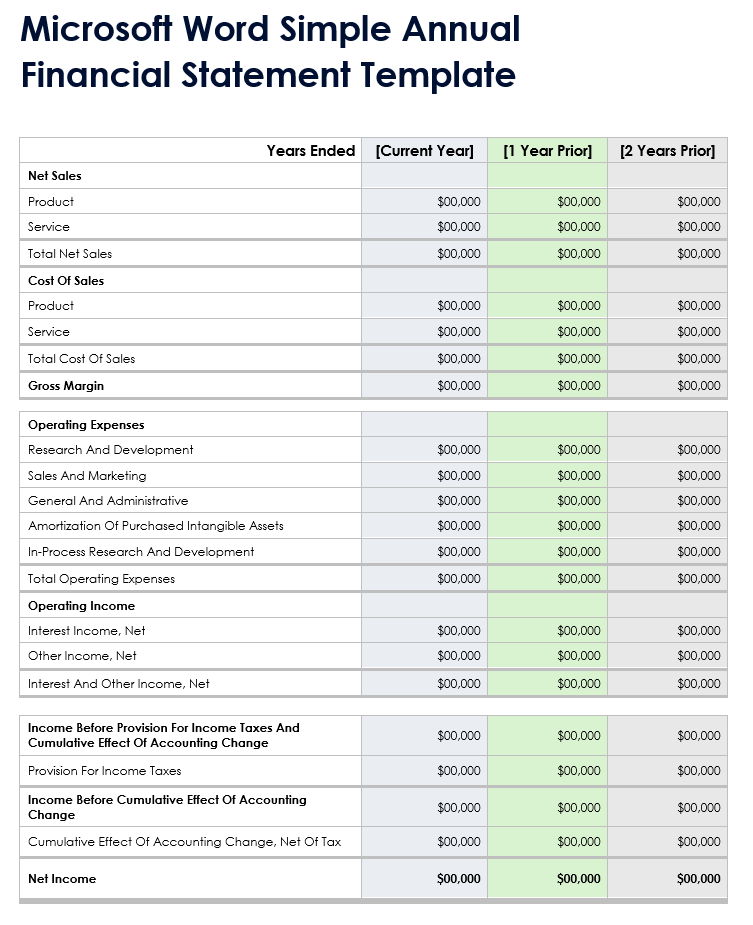
Financial Statement Report Template

A financial statement report focuses on the core trio: income statements, balance sheets, and cash flow statements. While the main financial reporting template organizes broader reporting needs, this specialized version keeps the foundational statements structured and consistent.

Using a Financial statement report template ensures accuracy in the most critical reporting areas. Teams avoid layout changes that could cause misinterpretation or formula errors. Paired with the main template, it creates a powerful reporting ecosystem that reinforces trust and clarity.

Financial Summary Report Template

Reintroducing the Financial summary report template within broader financial cycles supports smooth transitions between quick-glance metrics and deeper analysis. Its concise layout makes it ideal for presentations, department reviews, or strategic meetings where time is limited.

When used alongside the primary Report Template, the summary provides essential context before diving into category-level detail. This dual-template approach improves understanding and reduces confusion.

Extended Insights, Use Cases, and Practical Application

Teams across different industries rely on a Report Template for varied reporting needs. A nonprofit may use it to evaluate donor fund allocation, while a manufacturing company might track production costs and margins. Service-based businesses might focus more on labor expenses and recurring revenue streams. Regardless of the organization, the template adapts without losing structural integrity.

One significant advantage of using a Financial Report Template is historical comparison. With consistent formatting, it becomes easy to study quarterly or annual patterns. Revenue spikes, cost anomalies, or seasonal changes stand out naturally when the structure remains identical each cycle. This makes forecasting more grounded and less reliant on guesswork.

The template also supports smoother audits. Clear sections, standardized labels, and organized financial categories reduce the time spent clarifying where numbers belong. Auditors appreciate clean documentation—and when auditors are happy, everyone sleeps better.

Startups benefit as well. A growing team with unpredictable income and expenses can remain financially grounded through a consistent financial report. Founders stay aligned, decisions become data-driven, and external stakeholders view the documentation as credible and professional.

When organizations expand, the Financial Reporting scales easily. Additional categories—like departmental budgets, branch comparisons, or project-based expenses—can be integrated without disrupting the established structure. The core formatting stays intact while accommodating new data.

The template’s flexibility also shines during external communication. Whether presenting to investors, applying for financing, or preparing regulatory documents, organizations need clarity. A uniform format reinforces consistency and makes the information digestible for people unfamiliar with internal financial processes.

Daily operations benefit too. Teams conducting budget reviews, spending audits, or performance evaluations rely on the structure to keep meetings focused. Instead of arguing over spreadsheet layout choices, they engage in meaningful conversation about what the numbers represent.

Over time, the Business Report Template becomes a predictable guide. It minimizes errors, reduces duplicated effort, and creates accountability across reporting cycles. Many teams even find the process surprisingly less stressful—once the formatting battles disappear, the focus returns to insight rather than layout.

Conclusion

A Financial Report Template delivers clarity, consistency, and reliability across all reporting cycles. It organizes financial information in a way that supports planning, analysis, and communication. With the right structure in place, financial discussions become clearer, decisions become more confident, and organizations move forward with a reporting system that’s both dependable and easy to use.

7+ Annual Financial Report Template for Stronger Year-End Insights

Annual Financial Report Template for Clearer, Stronger Year-End Insights | Crafting a dependable annual financial report template isn’t just about crunching numbers; it’s about shaping a narrative that helps leaders see the past year with clarity and plan the next one with confidence. A well-built structure turns financial data into a strategic asset, especially when teams need an accessible, repeatable system that works every year. With the right framework in place, organizations can track performance, understand shifts in revenue or expenses, and present a complete story that keeps everyone aligned.

This kind of Annual Marketing Report Template also helps eliminate yearly chaos—the frantic spreadsheet hunting, the mystery figures no one remembers entering, and the last-minute detective work to explain why office supply expenses suddenly doubled (spoiler: it’s always the printer toner). Instead, it gives teams a clear reference point where everything fits logically and tells a cohesive financial narrative.

Annual Financial Report Template Essentials for Reliable Year-End Clarity

A strong annual financial report template should give leaders an organized view of revenue, expenses, assets, liabilities, and final outcomes that impact decisions. It also needs to be structured so that both financial and non-financial readers can understand the story behind the numbers. That’s why clarity, consistency, and relevance are at the core of a dependable template.

Structuring Your Annual Financial Statement Report for Accuracy

One of the key components to embed in your annual financial statement report is a standardized approach to presenting financial activities for the year. This typically includes sections for your income overview, operational expenses, net results, and a breakdown of cash movements. Readers should immediately understand how financial activity unfolded month by month and how those movements collectively shaped the year’s performance.

This isn’t about adding fancy jargon; it’s about giving clear explanations. For example, if operational costs rose, the report can briefly note the cause—whether from hiring, maintenance, or expansion. It allows stakeholders to tie numerical changes to real-world events. That context adds value and builds trust in the numbers presented. Even simple clarifications go a long way: instead of “expenses increased by 8%,” readers appreciate specifics like “expenses increased due to upgrading outdated equipment—finally solving the office AC crisis that turned every meeting into a sauna.”

Aligning the Annual Report Audited Financial Statement With Your Template

A template becomes even more effective when it connects seamlessly with your annual report audited financial statement. Even if audits happen at a later stage, your template should already anticipate what auditors look for: consistency between statements, proper categorization of transactions, traceable adjustments, and transparent documentation.

By preparing with these requirements in mind, teams reduce audit friction and ensure that financial documentation doesn’t feel like a scavenger hunt. The template should allocate space for adjustments, footnotes, and summaries that auditors often request.

In practice, this means being clear about depreciation schedules, explaining deferred revenue, or documenting multi-year contracts. When these details live naturally within the template, the audit process becomes more of a routine confirmation than a stress-filled obstacle course.

Get also: Annual Expense Report Template

Annual Financial Report Template Components That Strengthen Decision-Making

A complete financial report template also supports big-picture insights. Instead of simply reporting totals, it should guide readers through the financial story of the year. This is where structure, clarity, and thoughtful organization transform a financial document into a decision-ready resource.

Integrating Performance Data Into an Annual Financial Statement Report

Another way to enhance your annual financial statement report is by combining traditional financial statements with performance indicators. These indicators add context to the numbers by showing what happened operationally during the year. For example, revenue may have risen 14%, but highlighting that customer retention also improved provides a fuller understanding of why growth occurred.

The template can include designated areas for KPIs, metric comparisons to previous years, and commentary on what influenced changes. Having these sections built in helps teams connect financial outcomes to internal strategies and market conditions. It keeps the report from feeling like a static archive and turns it into a more dynamic tool for annual planning. And fortunately, it avoids the classic year-end guessing game of “Was this growth intentional or did we just get lucky?”

Capturing Revenue Trends With an Annual Sales Report Template

No financial overview feels complete without revenue details, which is why your annual sales report template should integrate naturally with the larger reporting structure. Sales patterns often set the tone for the entire year’s performance, so having a clear breakdown of product or service categories, seasonal fluctuations, and top-performing segments is crucial.

Embedding the sales analysis directly into your template ensures teams don’t treat it as a separate document. Instead, it becomes part of the continuum that explains financial outcomes. For instance, if sales spiked in Q3, the template can highlight contributing events such as marketing campaigns, product launches, or improved distribution. These insights allow leaders to see what’s replicable and where adjustments may be needed for the next period.

Building a Narrative That Connects All Financial Elements

A well-designed template doesn’t just present data—it tells a cohesive story. Revenue insights from the annual sales report template, financial activities summarized in the annual financial statement report, and verification through the annual report audited financial statement should all weave together naturally.

When these pieces align, readers gain a richer understanding of the company’s direction. Leaders can see not only the numbers, but also the momentum behind them. For instance, rising revenue paired with rising costs tells a different story than rising revenue with stable costs. Similarly, decreased operational expenses may signal efficiency gains—or reduced investment in growth. The template should help readers distinguish between these scenarios through clear sections dedicated to explanation and context.

Making the Annual Review Process Repeatable

One of the hidden strengths of a consistent annual financial report template is how it supports long-term organization. Over time, teams become familiar with its structure, which reduces confusion and training needs. Departments know exactly what information to prepare and where it will be placed. This makes the annual reporting process more predictable and less stressful for everyone involved.

It also helps with year-to-year comparability. When the structure stays consistent, spotting trends becomes easier. Leaders can quickly determine whether margins are improving, which costs fluctuate most, or how year-end balances have shifted. A stable structure removes unnecessary noise so that performance trends stand out clearly.

Tailoring the Template to Different Types of Organizations

Although the core structure of a reporting template remains similar across industries, small adaptations make it more relevant depending on the type of organization. A nonprofit may emphasize funding sources and program expenses, while a retailer may highlight product category performance and inventory turnover. Service-based businesses benefit from focusing on utilization rates, client retention, and contract revenue.

The beauty of a flexible annual financial report template is that it accommodates these differences without losing clarity. Teams can add sections, rename categories, or incorporate additional data visualizations as needed. What matters most is that the template remains understandable, logical, and easy to maintain year after year.

Providing Clear Takeaways for Stakeholders

At the end of the financial report, readers should walk away with clear insights. A short concluding summary can consolidate everything: the year’s financial position, what influenced the results, and which areas deserve attention in the coming cycle. This summary doesn’t need dramatic flair—just honest, concise takeaways that help everyone align on next steps.

Instead of burying readers in spreadsheets and tables, the summary brings the narrative back into focus. It frames the financial story in a way that resonates with both numbers-driven and non-technical audiences. Even complex years can be summarized in a way that feels structured and actionable.

A thoughtfully designed annual financial report template becomes more than a document—it becomes an annual ritual that strengthens understanding, transparency, and decision-making. With the right structure in place, it evolves into a reliable tool that helps organizations interpret their financial journey and plan their future with clarity.

Annual Sales Report Template – 2025 BEST Excel Formats

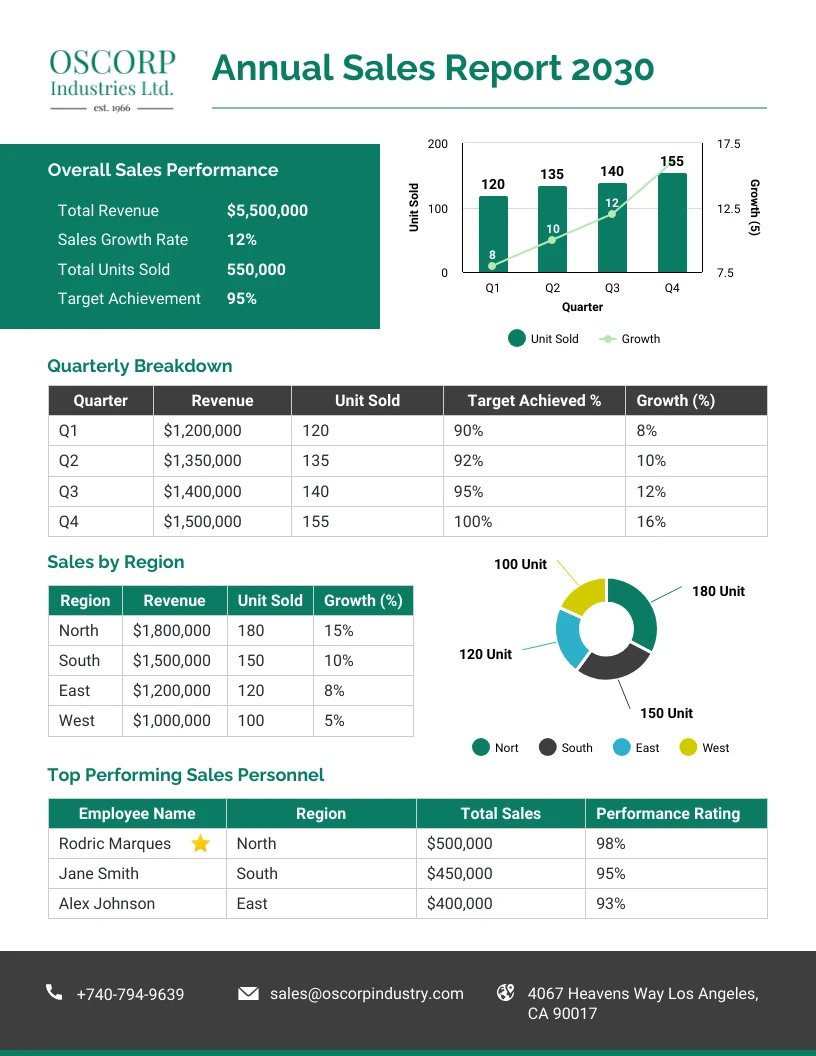
An effective annual sales report template can transform scattered data, chaotic spreadsheets, and year-end pressure into a polished, organized, and visually clear summary of what a business truly accomplished over the past twelve months. Companies rely on structure to make sense of performance, and a good template offers exactly that: clarity, consistency, and a dependable framework for turning numbers into decisions. Whether the business is a growing startup, a multi-department enterprise, or a small shop navigating tight margins, a well-designed template ensures every sales insight finds its place.

Beyond the aesthetics, a strong template supports reliable documentation, creates accountability, and provides a yearly backbone for internal reviews. Instead of reinventing the wheel every January, teams can simply plug in the new data and focus on interpreting the results. And because sales trends evolve with markets, customer behavior, and seasonal patterns, a template keeps everything grounded, measurable, and comparable year after year.

Understanding the Role of an Annual Sales Report Template

A dependable annual sales report template aligns different departments and sales teams with the same structure each year. It helps organize revenue information, purchasing trends, customer categories, unit volumes, seasonal peaks, and overall performance. When done right, the report becomes a narrative of the company’s journey, highlighting what worked, what struggled, and what opportunities remain untouched.

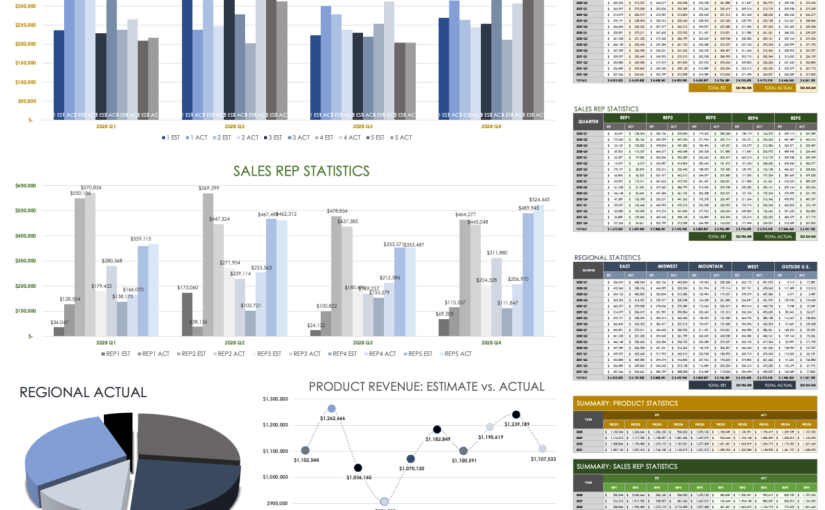
Templates like these typically include sections for revenue summaries, product breakdowns, channel comparisons, monthly progress, and yearly projections. Instead of navigating dozens of tabs or juggling inconsistent formats, a uniform template keeps the reporting experience clean, predictable, and easy to audit. For management teams, it’s not just a document—it’s a decision-making tool.

The template also minimizes friction during review cycles. Executives get a structured document that communicates results clearly, while sales teams have a predictable format for preparing and presenting data. It reduces ambiguity, reinforces transparency, and makes the entire reporting process feel like a structured annual ritual rather than a scramble.

Annual Sales Summary Report Template

A strong annual sales summary report template focuses on the big picture. It condenses twelve months of activity into a digestible overview that executives, managers, and even new team members can understand without getting lost in granular numbers. Typically, it includes:

  • Total annual revenue
  • YOY growth
  • Top-performing products or categories
  • Highest-value customers
  • Seasonal performance peaks
  • High-level comparisons with previous years

Its purpose is to create clarity, especially for quick presentations or board updates. A good summary report template also enhances readability by using charts, clean tables, and consistent formatting. Even a high-performing year can look underwhelming if the summary is messy, and a template helps avoid that problem.

Annual Sales Performance Report Template

While the summary gives the bird’s-eye view, an annual sales performance report digs into the mechanics of what shaped the year. It’s the place where analysts and managers can evaluate strategies, identify strong and weak quarters, and assess the impact of promotional campaigns.

This part of the template typically includes:

  • Monthly and quarterly trends
  • Sales targets vs. actual results
  • Team or region-based comparisons
  • Channel-specific performance (online, retail, wholesale, B2B)
  • Customer retention and acquisition insights

A performance-oriented section helps teams adjust strategies for the following year. Maybe the third quarter always slumps, maybe one sales region consistently outperforms others, or maybe a new product unexpectedly pushed revenue during off-season months. The performance portion of the template captures all of this, turning hindsight into actionable planning.

Get also: Daily Sales Report Template Free Download

Structuring Data With an Annual Sales Report Template

A solid annual sales report template does more than store numbers—it builds a structure that guides interpretation. When organized correctly, it becomes a storytelling instrument that brings attention to the most important insights. A polished format also helps avoid miscommunication, especially when multiple teams contribute data. Instead of arbitrary charts and inconsistent explanations, the template forces clarity and uniformity across departments.

Standard sections often include revenue summaries, product portfolios, customer segmentation, channel comparisons, and graphic representations of trends. Well-designed templates support quick scanning, allowing readers to spot patterns without combing through endless paragraphs. It’s the difference between a chaotic year-end dump and a refined annual review.

Beyond internal operations, a template also plays a major role in external communication—especially for stakeholders, partners, and potential investors. A structured annual report suggests professionalism, reliability, and maturity. Companies that maintain consistent reporting often gain more trust because their processes appear stable and predictable.

Annual Retail Propane Sales Report

While the name might sound industry-specific, an annual retail propane sales report offers a perfect example of how annual sales report templates adapt to niche markets. Industries like propane distribution depend heavily on seasonality, regional trends, delivery logistics, and commodity pricing. A template tailored for this type of data may include:

  • Winter vs. non-winter revenue
  • Volume sold per region
  • Tank size demand
  • Delivery costs and margins
  • Annual contract commitments
  • Commercial vs. residential consumption

This specialized section showcases how templates can evolve for different sectors. Even if a business has unique reporting needs, the principles remain the same: clarity, consistency, and an organized flow of information.

Get also: Free Annual Marketing Report Template

Annual Sales Performance Report (Extended Use Case)

A broader annual sales performance report can also help large organizations maintain alignment across multiple departments and product lines. When used consistently, these sections uncover which strategies produced long-term benefits and which ones caused unnecessary costs.

For instance, the report may highlight that bundled product offerings drove more conversions than standalone sales. Or it may reveal that digital channels outperformed traditional retail locations during specific months. These details guide planning for future campaigns, staffing decisions, inventory preparation, and forecasting.

Templates built around performance metrics encourage deeper analysis. They turn raw numbers into insight and give companies the tools to adapt to shifting market conditions with confidence.

How an Annual Sales Report Template Supports Planning and Growth

The real value of an annual sales report template shows up during the planning season. Because it consolidates everything into a structured format, it empowers teams to build realistic targets for the upcoming year. They can compare past performance with projected demand, allocate budgets based on proven results, and refine marketing approaches with data-backed precision.

Templates also make data accessible across departments. Finance teams can quickly reference revenue patterns. Marketing teams can identify peak customer engagement periods. Sales teams can pinpoint where they need additional support. When everyone speaks the same reporting language, collaboration becomes frictionless.

Another advantage is the ability to track long-term trends. Year-over-year patterns reveal the broader trajectory of a company’s market position. A template ensures these patterns stay measurable instead of getting lost in detached files or improvised reports. And as businesses grow, the structure becomes even more valuable because it keeps complexity manageable.

From a leadership perspective, the template creates accountability. With clear sections and consistent metrics, teams know exactly what they’re responsible for reporting each year. It removes excuses and creates a high standard for accuracy.

Why a Professional Template Enhances Presentation Quality

A well-designed annual sales report template doesn’t just organize information—it elevates presentation quality. Clean segmentation, readable typography, smart color use, and uniform layouts help executives digest complex information quickly. Instead of feeling overwhelmed by dense spreadsheets, they see polished charts, clear summaries, and thoughtfully arranged data points.

A strong template also reduces misinterpretation. Well-placed headers, labels, and legends ensure numbers tell the correct story without confusion. Even a subtle change in formatting can affect how someone interprets a trend, so consistency matters.

It also helps when a business needs to present reports externally—such as during partnership pitches, vendor negotiations, or investor meetings. The difference between a cluttered report and a sleek, template-driven presentation can influence decision-makers more than most people realize. Appearance doesn’t replace substance, but it certainly supports it.

Subtle humor can even lighten the mood during presentations, especially when reviewing a tough year. As long as the humor comes naturally and doesn’t disrupt professionalism, it helps keep long meetings from turning painfully robotic.

Final Thoughts

An annual sales report template is more than a formatted document—it’s a tool for clarity, alignment, and strategic planning. It keeps data organized, streamlines communication across departments, and allows businesses to understand their progress with confidence. Whether the focus is a detailed annual sales summary, a deeper annual sales performance report, or even specialized formats like an annual retail propane sales report, the right structure elevates the information and empowers better decision-making.

A reliable annual sales report template becomes a yearly anchor, ensuring consistency while allowing room for adaptation as markets and business needs evolve. With clean formatting, relevant sections, and a thoughtful layout, it turns complex numbers into a clear narrative that any company can depend on.

Annual Marketing Report Template – 2025 Free Professional Designs

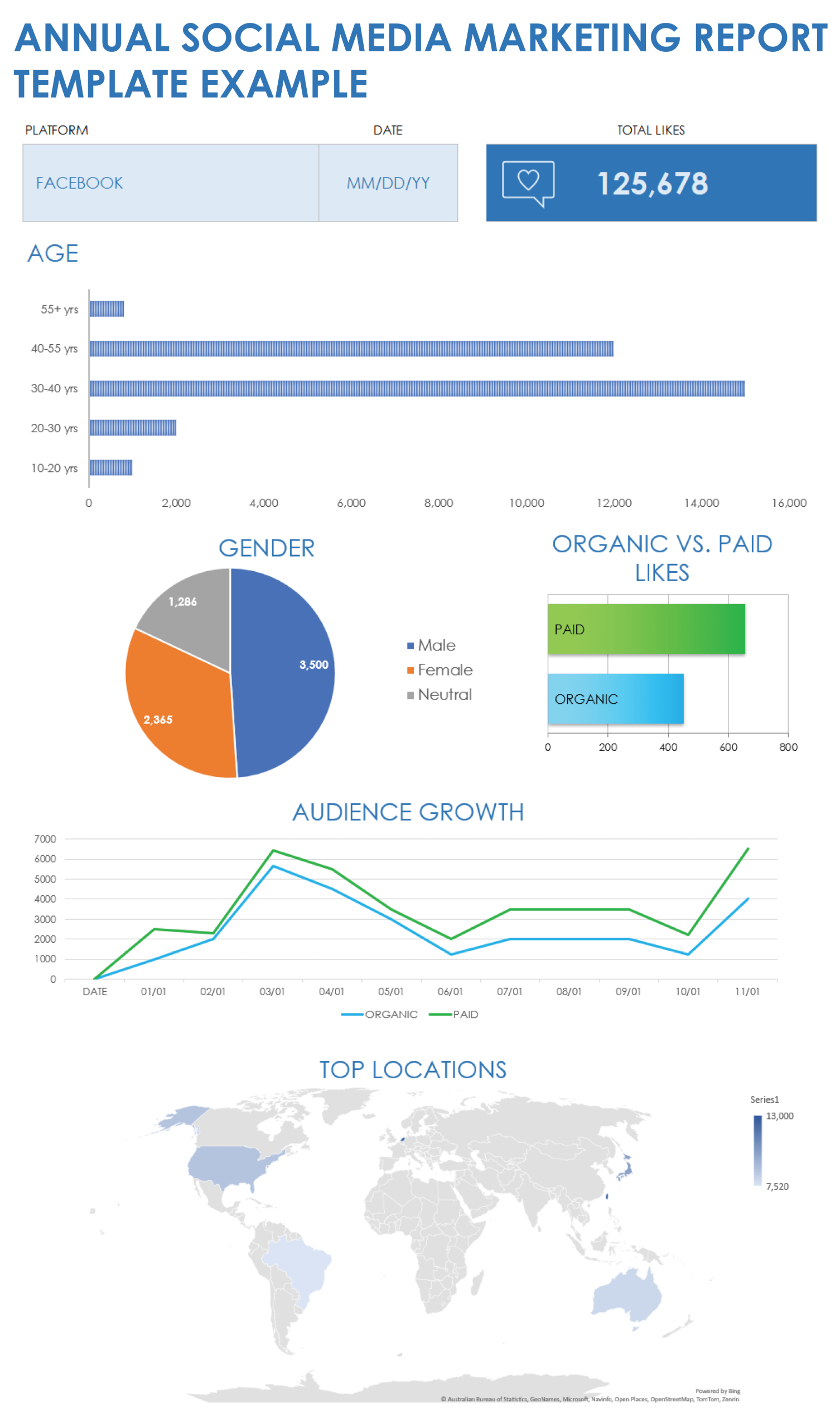
Annual Marketing Report Template: A Complete, High-Value Layout for Stronger Yearly Insights | An annual marketing report template serves as the backbone of how a company reflects on its performance, milestones, and campaigns over an entire year. It’s the kind of document that turns scattered numbers, shifting strategies, and unpredictable market reactions into a narrative that leaders can understand and teams can act on.

A strong report template gives marketers a clear structure, helps decision-makers stay aligned, and makes complex outcomes easier to interpret. When built thoughtfully, it becomes a yearly storytelling tool—one that blends data, direction, and clarity in a way that sparks better planning for the year ahead.

Why an Annual Marketing Report Template Is Essential for Consistent Yearly Evaluation

An annual marketing report template is more than a blank document with boxes for graphs and summaries. It’s the framework that ties together campaign highlights, performance metrics, financial impact, and the strategic movements of a brand. Without it, teams often end up with mismatched reports: one month drowning in numbers, the next full of vague reflections, and the quarter after that overloaded with screenshots, emojis, and chaotic slides worthy of a comedy sketch.

A well-structured template brings order and consistency. It makes year-to-year comparisons smoother, reduces prep time during reporting season, and creates a unified experience across teams. Whether a business focuses on product launches, social media campaigns, seasonal pushes, or multi-channel experiments, the template becomes a tool that adapts to every department while maintaining a familiar layout.

Annual Sales Report Template Integration

Integrating insights from an annual sales report template into your marketing overview adds depth and context to performance analysis. Sales trends reveal which campaigns actually drove conversions, which customer segments responded well, and where transactional gaps exist.

When these data points line up with marketing metrics, the story becomes clearer: campaigns stop being “good” or “bad,” and instead become measurable assets that contribute directly to revenue streams. The alignment also helps identify which growth opportunities were overlooked and which products or categories needed more support throughout the year.

Digital Marketing Annual Report Template Alignment

A strong report often incorporates key elements found in a digital marketing annual report template, especially for brands relying heavily on online channels. Web performance, advertising efficiency, audience behavior, funnel progression, and content engagement metrics all work together to show how the digital footprint evolved.

These insights help clarify which platforms deserved more investment, which creative approaches resonated best, and how digital efforts complemented offline strategies. When woven into the larger annual narrative, these metrics become signposts for refining future campaigns.

Structuring an Annual Marketing Report Template for Clearer Strategic Planning

A well-defined annual marketing report template should guide the reader from past performance to future direction with ease. It starts broad, narrows into specifics, then widens back out into actionable insights and strategic recommendations. The most effective ones blend visual data with narrative explanation so that the report feels both analytical and digestible.

Teams benefit from consistency: a template approach allows every department—from social media to influencer collaborations to brand partnerships—to plug in information that aligns with the overall storytelling. The template acts like a stage, and each team brings their part of the performance without clashing with the scene.

Get also: 10+ BEST Weekly Report Templates to Boost Team Clarity and Momentum

End of Year Marketing Report Template Insights

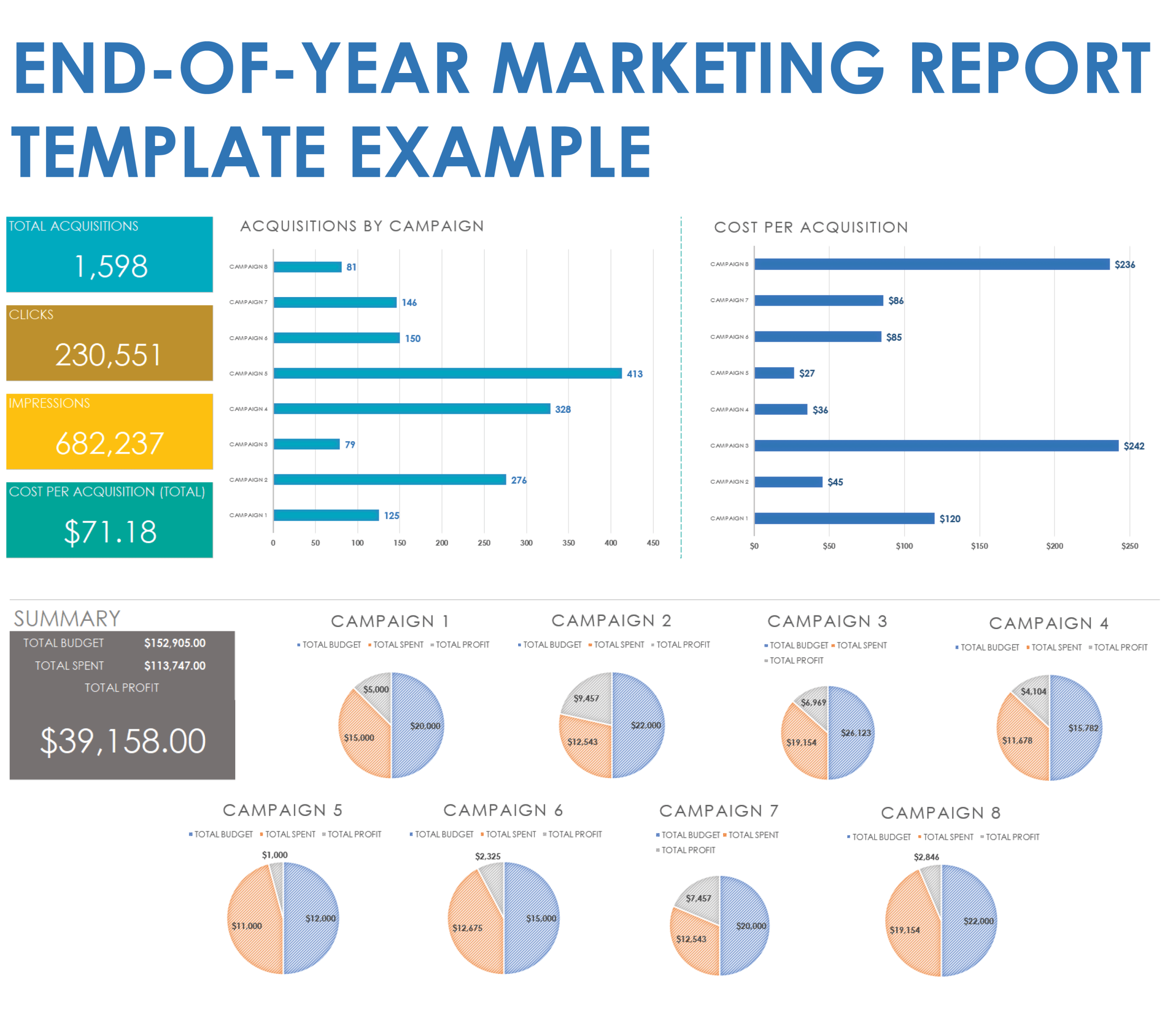
Borrowing elements from an End of year marketing report template helps make the closing section more cohesive. Summaries of campaign performance, budget distribution, notable wins, and unexpected challenges provide a rounded perspective.

This portion isn’t just a recap; it’s the reflection point where teams recognize what shaped the year’s outcomes. Most companies find that even a brief but structured end-of-year summary reduces confusion when future planning meetings begin.

Get also: Free Monthly Report Template

Annual Sales Report Template as a Comparative Tool

A well-placed comparison section inspired by an annual sales report template helps highlight the relationship between marketing activity and commercial results. Whether showcasing quarterly revenue patterns, seasonal sales fluctuations, or product category swings, the alignment between sales and marketing indicators sharpens strategic understanding.

It’s not uncommon for teams to discover that their highest-performing campaigns were actually supporting underperforming products—or vice versa. When this realization emerges within a structured reporting template, future priorities become clearer.

Get also: Free Annual Financial Report Template Excel

What a Modern Annual Marketing Report Template Should Include

The strength of a template lies in the depth of the content included. A modern layout typically features:

Executive Summary

This brief overview captures the essence of the year: major campaigns, overarching performance themes, growth patterns, and areas requiring attention. It’s usually the first page leadership reads, so clarity is key.

Marketing Objectives Review

The template should guide users in evaluating goals set at the beginning of the year. Did the brand aim for audience growth? Lead generation? Market expansion? Funnel efficiency? This comparison between intended direction and actual outcomes frames the rest of the report.

Campaign Performance Analysis

Each major campaign—whether product-focused, seasonal, or awareness-driven—gets its own spotlight. Metrics, narrative insights, and cross-channel comparisons help show how these efforts contributed to the year’s progression.

Channel Performance Overview

A modern template encourages detailed reporting on:

  • Social media
  • Paid advertising
  • Content marketing
  • Email
  • Events and partnerships
  • Influencer initiatives
  • Offline promotions

This section highlights which channels carried the most weight and which need reconsideration next year.

Get also: Construction Daily Report Template

Audience Behavior and Customer Insights

Demographic shifts, behavioral patterns, browsing habits, purchase triggers, and feedback summaries help root the report in real human behavior. The template should organize these insights so that they naturally lead to actionable conclusions.

Budget Allocation and Efficiency

Tracking how funds were spent—alongside ROI snapshots—allows companies to identify which areas deserved more investment. The template ensures that cost decisions appear transparent and logical.

Sales Alignment and Revenue Impact

Here’s where integrating structures from an annual sales report template becomes essential. The overlap between marketing activity and financial outcomes helps leadership understand which initiatives shaped the company’s bottom line.

Competitive and Market Context

Good templates make room for understanding the larger environment. New competitors, industry trends, customer sentiment shifts, and market pressures all influence performance. This context helps reinforce why certain numbers look the way they do.

Strategic Recommendations

The closing section summarizes key lessons and prepares the foundation for next year’s roadmap. This is where marketing teams justify future campaigns, budget adjustments, or channel shifts based on the year’s collected insights.

How an Annual Marketing Report Template Supports Better Decision-Making

The value of a structured reporting template is its ability to transform raw performance into narrative clarity. Instead of isolated charts and fragmented observations, the template ties everything into a cohesive story. Leadership teams are far more likely to make decisive and strategic moves when they can clearly see the relationship between campaigns, customer behavior, and financial impact.

For example, when an End of year marketing report template supports the summarization phase, it reduces the guesswork associated with planning next year’s initiatives. Similarly, integrating standards from a digital marketing annual report template helps teams refine their online strategies based on platform-level insights. The template becomes a map—not just a scrapbook.

It also helps unify departments that sometimes feel disconnected. Content teams can see how their work supported paid campaigns. Sales teams understand the connective role of branding. Leadership sees how audience engagement affects revenue. The template ties everyone to a shared direction.

Choosing the Right Format for an Annual Marketing Report Template

Different companies prefer different formats depending on their workflow. A dynamic, visually rich report works well for leadership presentations, while a text-heavy version may be better suited for internal department archives.

Common formats include:

  • Slide-based templates for meetings
  • Spreadsheet-enhanced templates for data-heavy reports
  • Document-style templates for narrative-heavy versions

Regardless of format, the structure must remain consistent to ensure year-to-year comparability.

Templates should be flexible enough to grow with the business. A small startup might only need four sections in its first year, but that same company might need an expansive ten-section template a few years later. With the right foundation, the structure scales naturally without becoming cluttered.

Final Thoughts

An annual marketing report template is one of the most valuable organizational tools a brand can implement. It brings structure to complexity, continuity to year-over-year evaluation, and clarity to strategic decision-making. Aligning campaign results, customer behavior, digital performance, and sales insights creates a sharper, more complete understanding of how the brand moved within the market.

When supported with the contextual strength of an annual sales report template, the digital depth of a digital marketing annual report template, and the reflective clarity of an End of year marketing report template, the final report becomes a polished and reliable instrument—one that guides planning, inspires smarter decisions, and helps companies approach the new year with confidence and purpose.

Exit mobile version