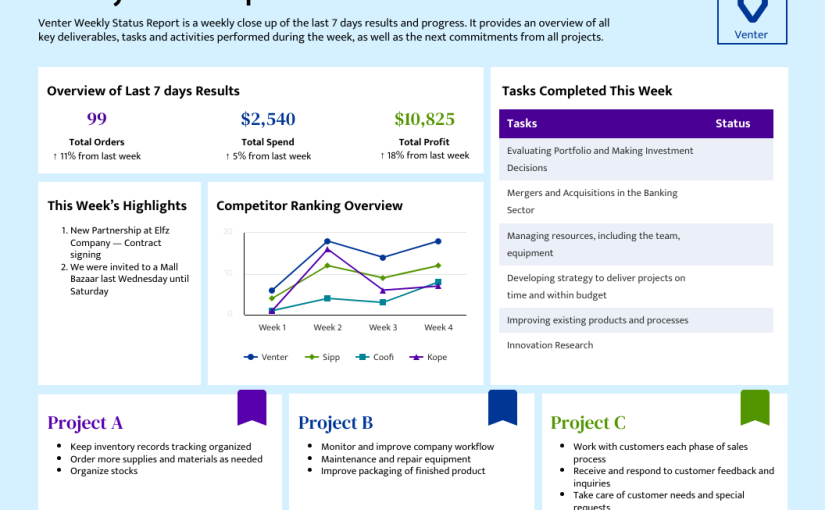
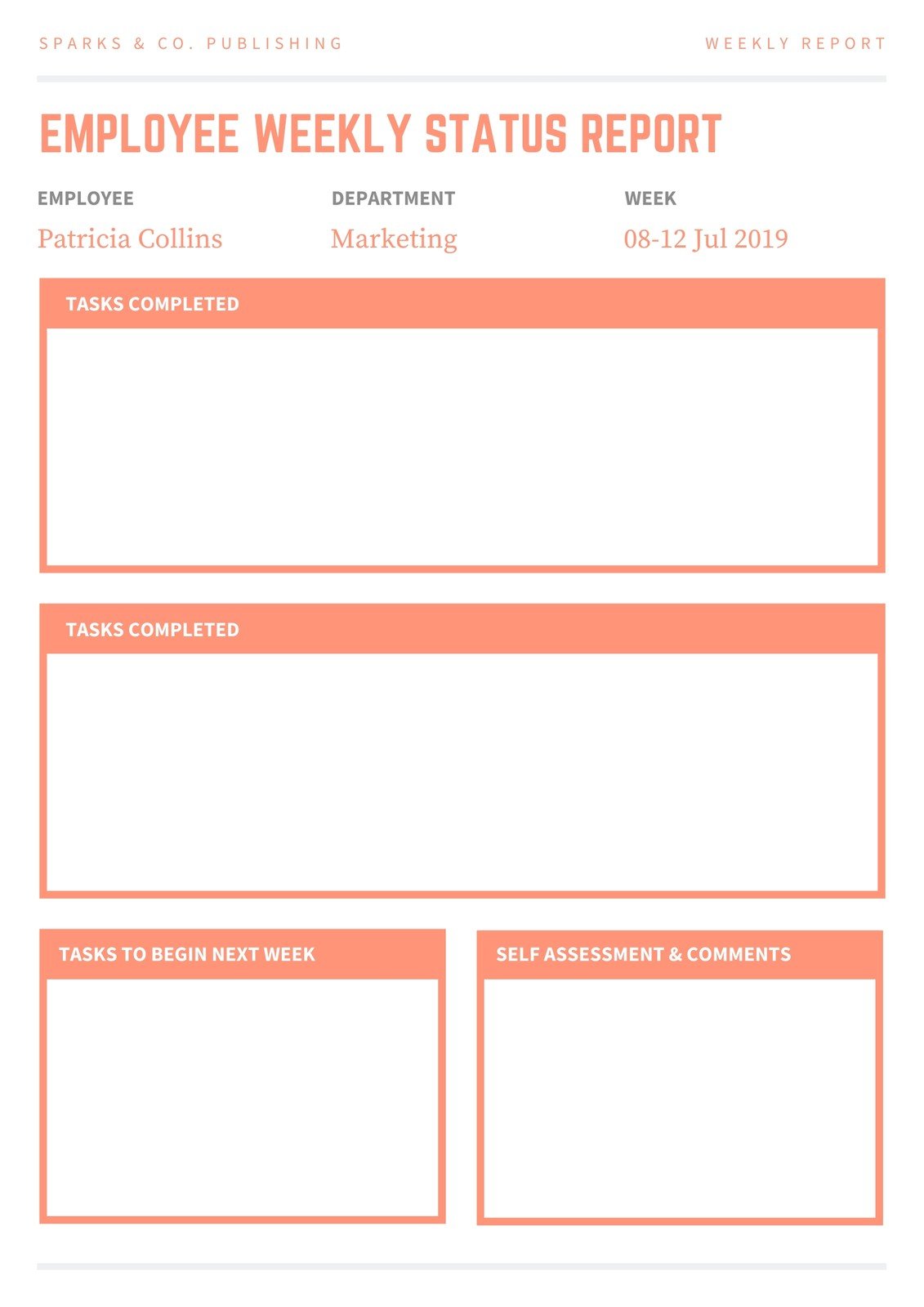
Weekly Sales Report Template – Proven High-Impact Framework for Consistent Growth Tracking | Understanding weekly performance is one of the most reliable ways for any business to stay grounded in reality. Revenue numbers don’t lie, and they don’t care how confident a sales team feels after closing one big deal. A weekly sales report template gives structure to that truth-telling process, helping teams organize data, compare progress, and identify opportunities before they slip away.
Across many industries—whether retail, SaaS, B2B, or service-based operations—weekly monitoring has become essential for predicting trends, diagnosing slowdowns, and staying aligned with broader goals. A good template doesn’t just capture numbers; it reveals the underlying story. With clear sections, consistent formatting, and properly presented metrics, a weekly layout can turn chaotic sales chatter into a readable narrative that even a half-asleep manager can understand during Monday meetings.
The value of a well-built weekly sales report template lies in its reliability. It delivers a framework that ensures no detail is forgotten, no performance pattern is overlooked, and no team member can claim they “didn’t know sales were down.” By standardizing how data is captured—pipeline updates, closed deals, follow-up status, revenue projection, and team performance—the template becomes a stabilizing force in an otherwise unpredictable field.
Weekly Sales Report Template for Consistent Growth Tracking
Sales environments thrive on clarity. Without it, every conversation becomes a guessing game, and every update feels like a plot twist. A proper weekly sales report template changes all that. At its core, it provides a structured snapshot of revenue-driving activities within a specific seven-day window, ensuring decision-makers receive the insights they need without digging through long email threads or spreadsheets with mysterious column names.
A strong Weekly Sales Report Template usually includes sections such as key metrics, sales pipeline activity, lead status, revenue comparisons, trends for the week, and action plans. A good one also captures context: the factors affecting performance, forecast adjustments, opportunities at risk, internal challenges, and customer-related insights. By blending numbers with explanations, the template becomes an actual management tool—not just a data dump.
Another advantage of using a weekly sales report template is consistency. When every team member reports using the same structure, managers can spot patterns quickly. Imagine reviewing ten reports written in ten completely different formats; that’s like trying to find a matching pair of socks from a basket of identical black socks. A unified template eliminates clutter and reduces cognitive fatigue.

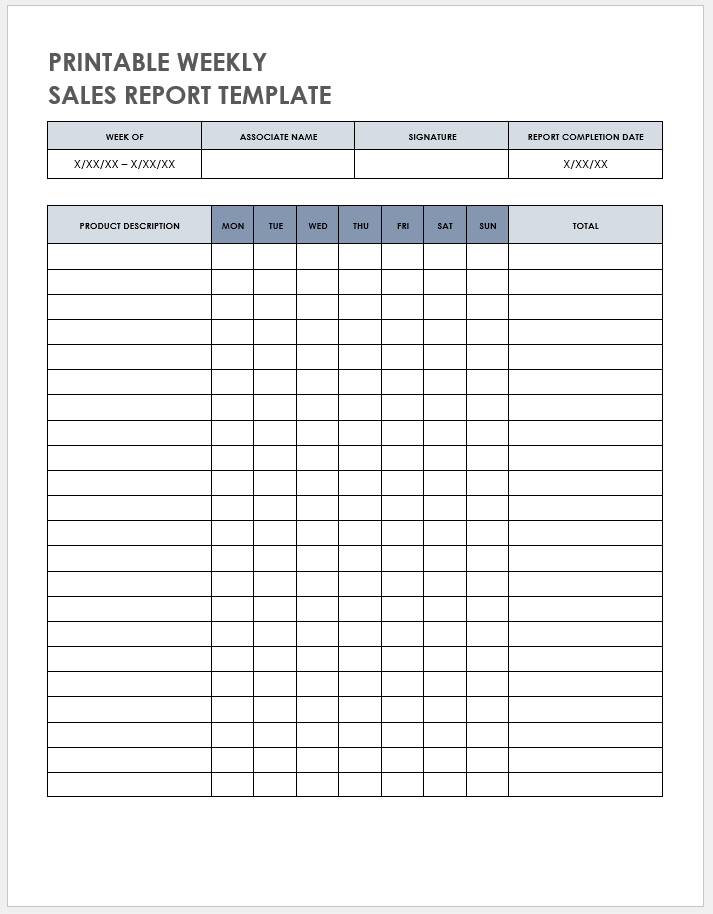
The Weekly Sales Report Template also encourages accountability. When metrics appear week after week in the same format, gaps and improvements become obvious. A drop in conversion rate, for example, can’t hide behind excuses when it’s clearly displayed next to last week’s numbers. Over time, these small weekly insights lead to better long-term strategies, more accurate forecasting, and a deeper understanding of sales performance drivers.
Supporting insights for building an effective weekly framework
Weekly reporting isn’t just about filling in numbers. It’s about creating a meaningful record that helps organizations adapt. For many teams, the biggest challenge isn’t collecting data—it’s interpreting it correctly. That’s where supporting insights come into play.
Patterns, anomalies, lead quality changes, shifting customer preferences, and market fluctuations all become visible when weekly reports are properly structured. A well-designed weekly report template ensures these insights aren’t lost. Instead, they’re captured in a way that aligns with real business goals.
Another consideration is communication. A good weekly report reduces the friction between sales teams and leadership. When information is clear, concise, and easy to interpret, meetings become shorter and more productive. Instead of debating numbers, teams can focus on solutions, strategy adjustments, and operational improvements.
The Weekly Sales Report Template also supports transparency across departments. Marketing teams can see which campaigns brought qualified leads. Finance teams can track projected revenue more accurately. Operations can forecast workloads based on pipeline movement. In short, a well-built weekly structure becomes a cross-functional asset—not just a sales tool.
Finally, a weekly framework encourages adaptability. Sales environments shift quickly, and waiting for monthly or quarterly reports often means reacting too late. Weekly documentation gives businesses the agility to adjust strategy before minor issues become major setbacks.
Weekly Sales Activity Report Template – Essential Structure for Clear Workflow Insights

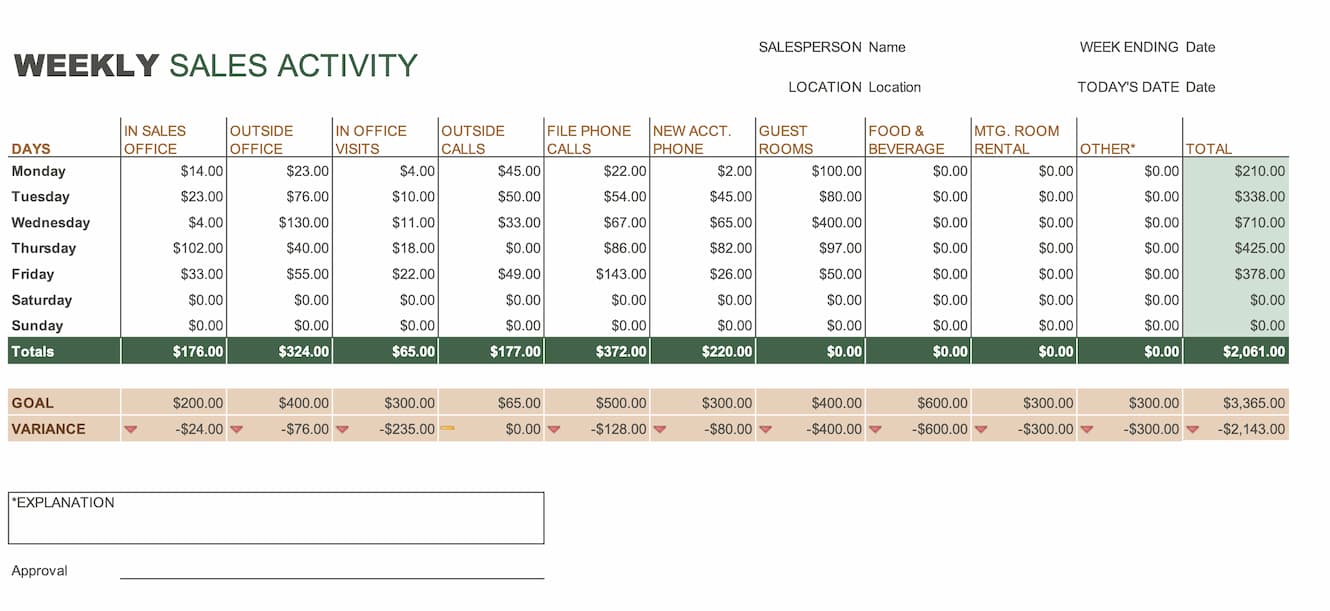
Daily interactions with prospects form the backbone of any sales cycle. A Weekly sales activity report template serves as the perfect format for capturing these interactions and transforming them into actionable insights. Instead of scattered notes about calls, demos, follow-ups, and outreach attempts, this template organizes everything into a structured weekly narrative that shows exactly how sales representatives are spending their time.
The strength of this Weekly Sales Activity Report Template lies in its ability to highlight both productivity and efficiency. Activity numbers alone don’t mean much unless they relate directly to outcomes. For example, making 80 cold calls sounds impressive—until you realize only two resulted in follow-up discussions. By pairing activity metrics with outcomes, the template encourages targeted improvements rather than blind hustle.
Another useful component is the breakdown of touchpoints across different channels. Teams can see whether emails outperform calls, or whether LinkedIn outreach works better with certain industries. Over time, these weekly insights refine the team’s approach to engagement, reducing wasted effort and improving conversion rates.
This template also benefits managers who need to identify coaching opportunities. If a representative repeatedly logs many activities but sees little movement in the pipeline, a deeper conversation can begin. Likewise, a rep who consistently achieves high conversion with fewer actions might reveal best practices that others can adopt.
Used consistently, the Weekly sales activity report template becomes a roadmap—not just a list of actions. It reveals how energy translates into results and helps teams realign efforts toward the most effective strategies.
Weekly Sales Manager Report Template – Powerful Breakdown for Smarter Decision-Making


Leadership thrives on clarity, and a weekly sales manager report template delivers exactly that. It gives managers a comprehensive view of team performance without requiring hours of manual analysis. Instead of sifting through multiple documents, managers receive a unified format that highlights key metrics, team productivity, pipeline movement, forecast accuracy, and blockers that need attention.
One of the most valuable aspects of this template is its emphasis on interpretation. Sales managers don’t just report numbers—they explain them. They outline what drove performance, what hindered progress, and what adjustments might be needed. The template encourages them to think critically about outcomes and communicate insights in a structured, digestible way.
The Weekly Sales Manager Report Template also supports proactive leadership. Weekly patterns can reveal whether a slowdown is temporary or a sign of deeper issues. For example, if every team member reports fewer qualified leads than usual, marketing alignment might need reinforcement. If deals are repeatedly stuck in the same pipeline stage, training on objection handling may be necessary. Early detection enables corrective action before losses compound.
In addition, the weekly sales manager report template helps align teams on shared goals. Managers can compare performance against weekly targets, identify top contributors, and recognize areas where collective improvement is needed. This structure fosters collaboration rather than competition, creating a healthier and more transparent sales culture.
Another advantage lies in risk detection. By tracking stalled deals, unusual customer behavior, or sudden industry shifts, the template ensures that leadership stays alert. These insights improve forecasting and support more confident decision-making, especially in fast-changing environments.
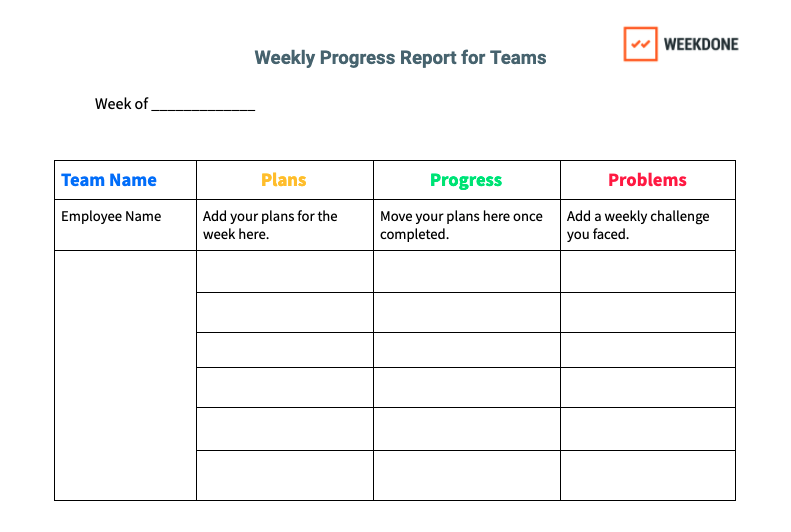
Weekly Team Status Report Template – High-Impact Format for Strong Alignment and Collaboration


Success in sales isn’t an individual sport; it’s a coordinated effort across an entire group. A weekly team status report template helps teams stay aligned, ensuring that every member understands shared objectives, current challenges, and ongoing initiatives. It creates visibility across roles and helps prevent miscommunication that can derail progress.
One of the biggest strengths of this template is its ability to highlight collective achievements. While individual reporting is important, team-level insights reveal how combined efforts contribute to overall momentum. Whether the focus is on hitting weekly targets, improving outreach quality, or coordinating large deals, the template keeps everyone on the same page.
It also helps teams track collaborative tasks—shared accounts, follow-ups requiring multiple touchpoints, cross-departmental initiatives, or campaigns that involve both marketing and sales. These tasks often slip through the cracks without structured reporting, especially in busy weeks.
The Weekly Sales Report Template also improves alignment with leadership. Managers can quickly see how the team’s energy is distributed, which priorities are receiving the most focus, and where support is needed. This allows them to allocate resources more effectively, whether that means adjusting territory assignments, refining messaging, or providing additional guidance.
Another benefit is morale. Weekly team updates create a rhythm of wins, learnings, and shared progress. They give the team an opportunity to recognize contributions, celebrate completed goals, and reflect on areas for improvement without the pressure of formal performance reviews.
By using this Weekly Sales Report Template consistently, teams build a culture of transparency, clarity, and unified progress—qualities that strengthen collaboration and improve performance across the board.