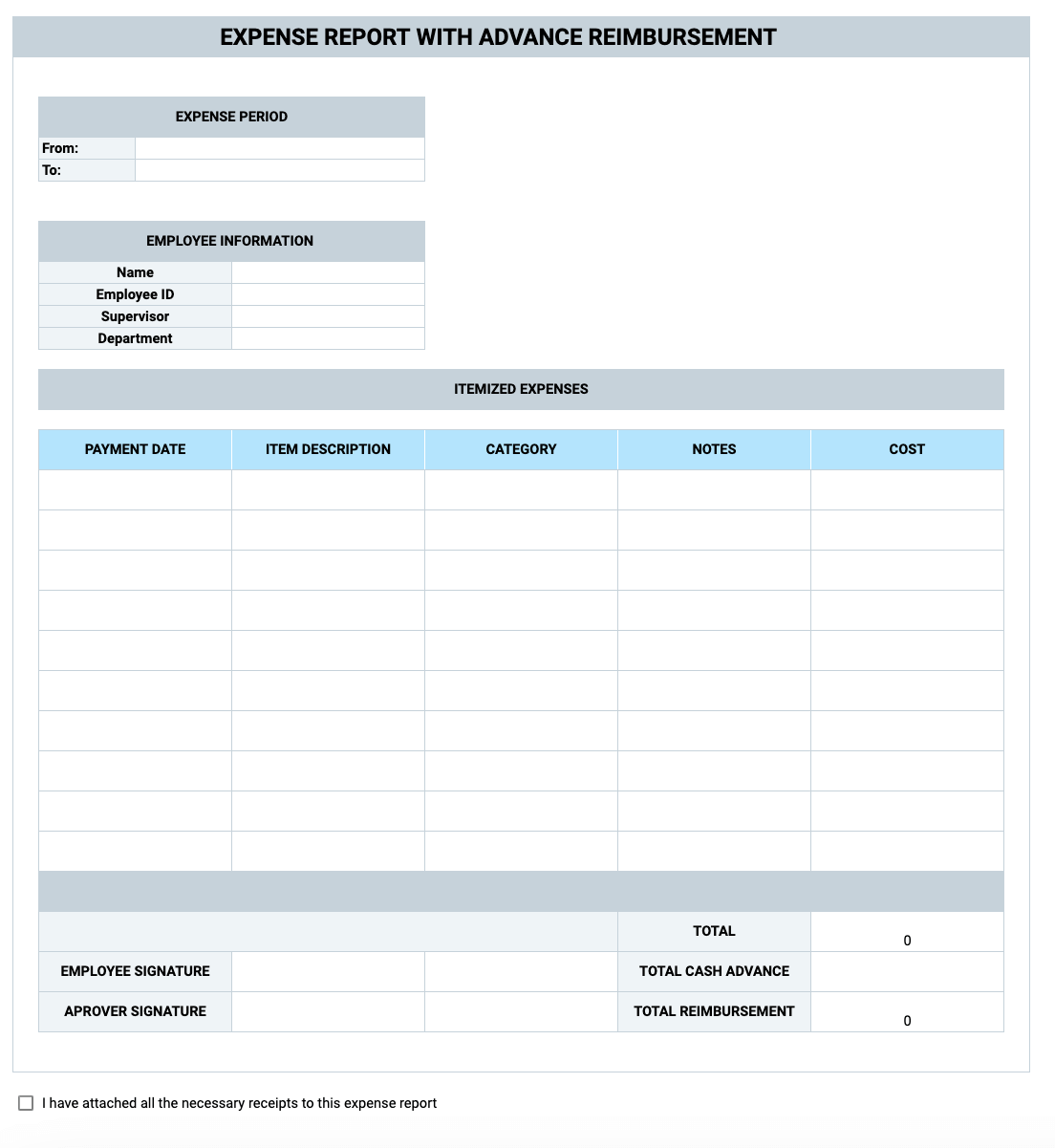
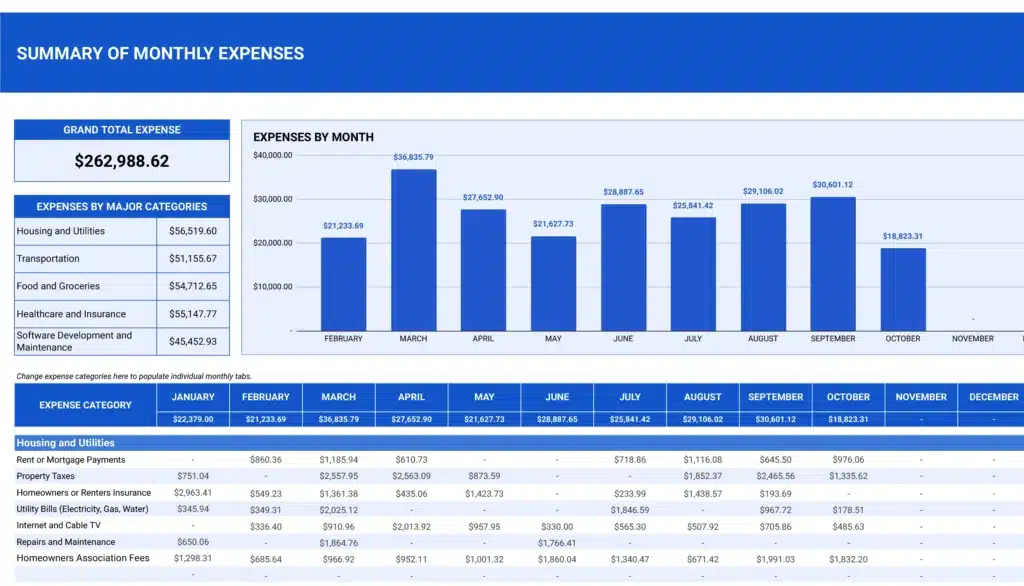
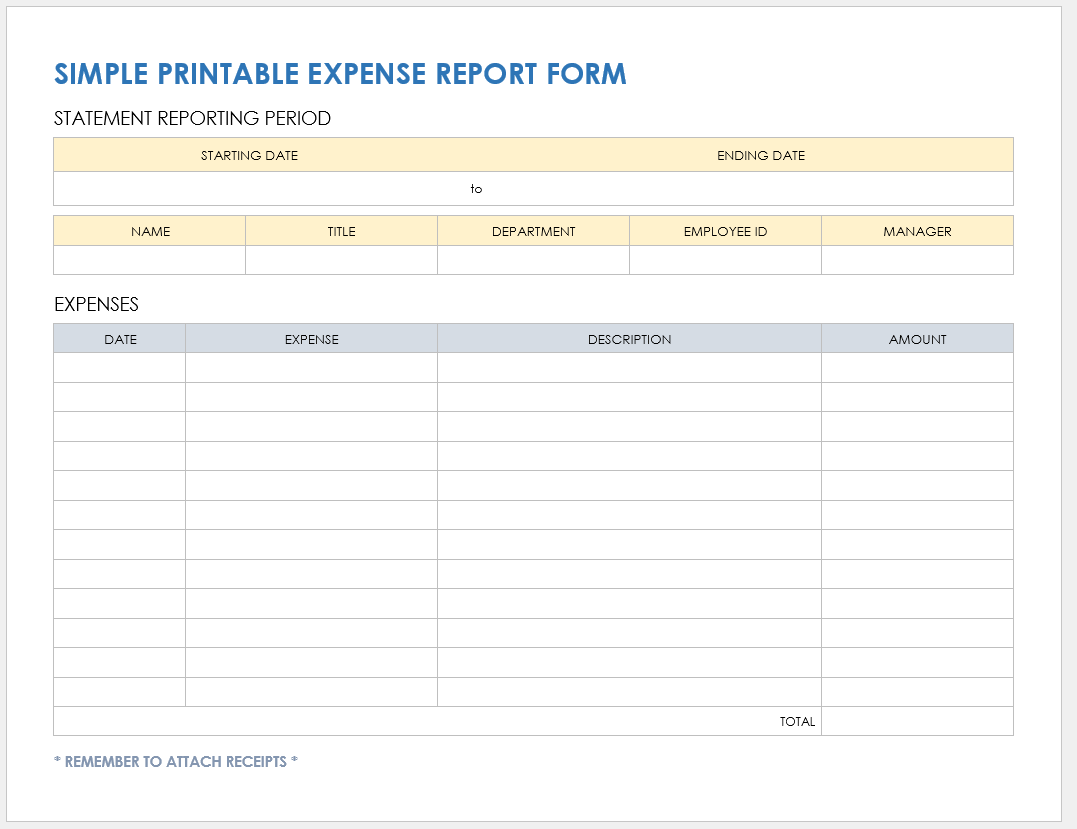
Daily Expense Report Template usage plays a critical role in maintaining financial accuracy and spending control, especially in environments where transactions occur frequently. Daily reporting creates immediate visibility into costs, prevents small expenses from being overlooked, and supports stronger financial discipline over time.
Unlike weekly or monthly summaries, daily expense documentation captures financial activity at its most granular level. This allows individuals, teams, and businesses to respond quickly to overspending, reconcile records accurately, and maintain real-time awareness of cash movement.
What Is a Daily Expense Report Template?
A Daily Expense Report is a structured format used to record expenses incurred within a single day. It documents transaction details such as date, category, description, payment method, and amount, ensuring that every expense is captured promptly and consistently.
Daily reporting is especially valuable when:
- Transactions are frequent or cash-based
- Budget control requires close monitoring
- Financial accuracy is a priority
- Reconciliation needs to happen quickly
By standardizing how expenses are recorded each day, financial data becomes more reliable and easier to analyze.
Why Daily Expense Tracking Matters
Daily expense tracking creates awareness. When expenses are logged immediately, spending behavior becomes more intentional and controlled.
Using a Daily Expense Report Template helps:
- Prevent forgotten or missing entries
- Reduce errors caused by delayed reporting
- Improve accuracy in financial records
- Strengthen accountability for daily spending
- Support faster reconciliation and review
Over time, daily tracking builds a habit of financial discipline that supports healthier cash management.
Daily Reporting vs. Periodic Expense Reports
While weekly and monthly reports summarize spending trends, daily reports focus on execution-level accuracy.
Daily reporting emphasizes:
- Transaction-level detail
- Immediate visibility
- Short feedback loops
Periodic reports emphasize:
- Aggregated trends
- Budget comparison
- Strategic analysis
A daily format does not replace longer reporting cycles; it strengthens them by ensuring the underlying data is accurate and complete.
Core Elements of an Effective Daily Expense Report

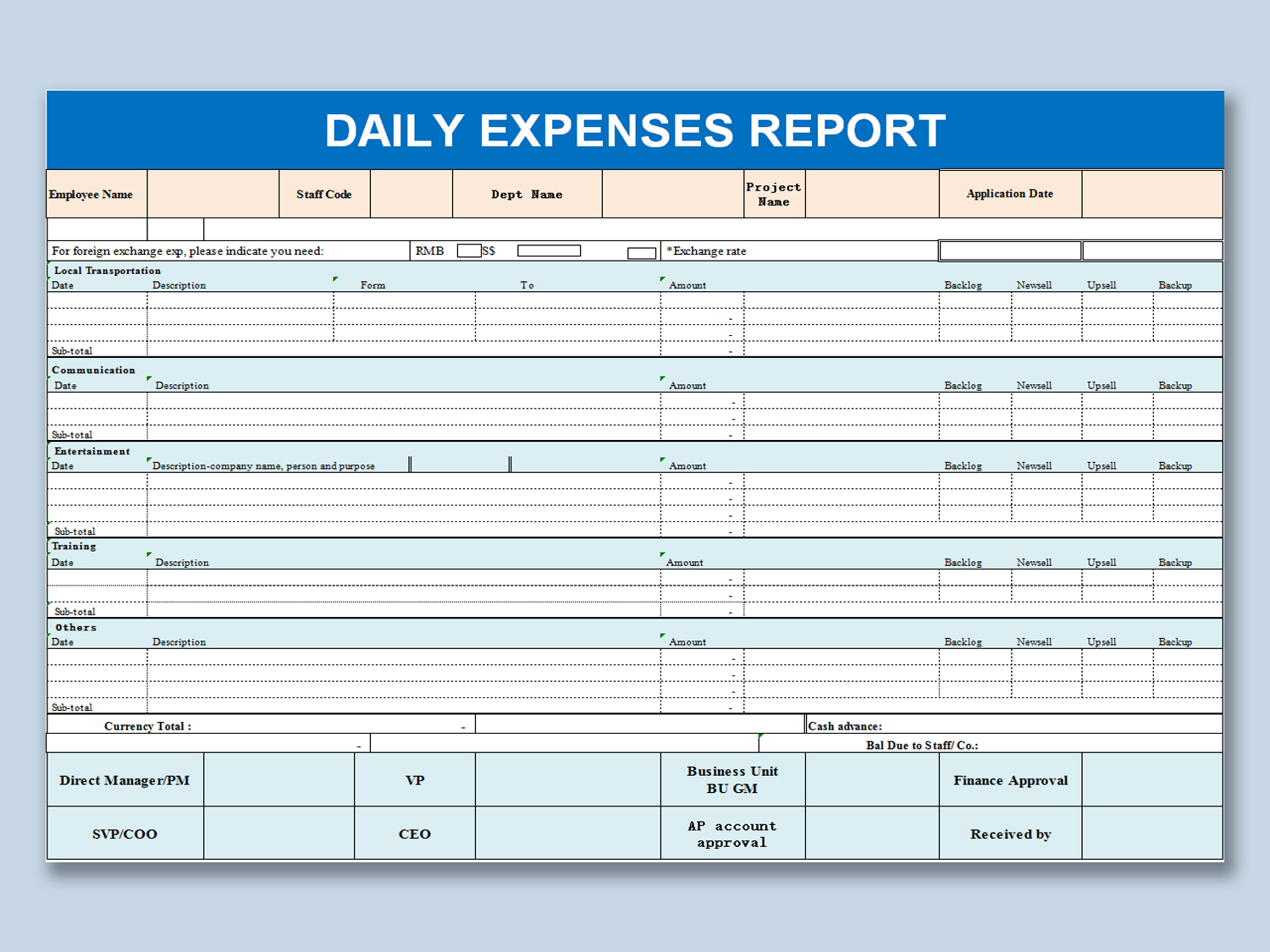
A strong daily expense report balances simplicity with completeness. The following components are essential for clarity and consistency.
Date and Reporting Reference
Each report clearly identifies the day covered to avoid confusion during reconciliation.
Expense Category
Categorization allows expenses to be grouped and analyzed later, such as transportation, meals, supplies, or operational costs.
Description or Purpose
A brief explanation provides context and supports transparency.
Payment Method
Cash, card, or digital payment methods are documented for tracking and reconciliation.
Amount
Each transaction amount is recorded clearly to ensure accurate totals.
Daily Total
A summary of total expenses for the day provides an instant snapshot of spending.
Every Expense Report Template should present these elements in a clear, repeatable structure.
Who Benefits Most from Daily Expense Reporting
Daily expense tracking is widely used across different roles and industries.
Individuals and Personal Finance Users
Daily reporting helps individuals monitor spending habits and avoid unnecessary expenses.
Small Business Owners
Frequent expense visibility supports better cash flow management and cost control.
Field Teams and Mobile Workers
Daily reporting ensures expenses are captured while details are still fresh.
Retail and Sales Operations
High transaction volume makes daily documentation essential for accuracy.
Regardless of context, daily reporting reduces financial blind spots.
Specialized Types of Daily Expense Report Templates
Different use cases require tailored daily formats. Below are common variations used in real-world financial tracking.
Daily Income and Expense Report Template for Complete Cash Flow Visibility

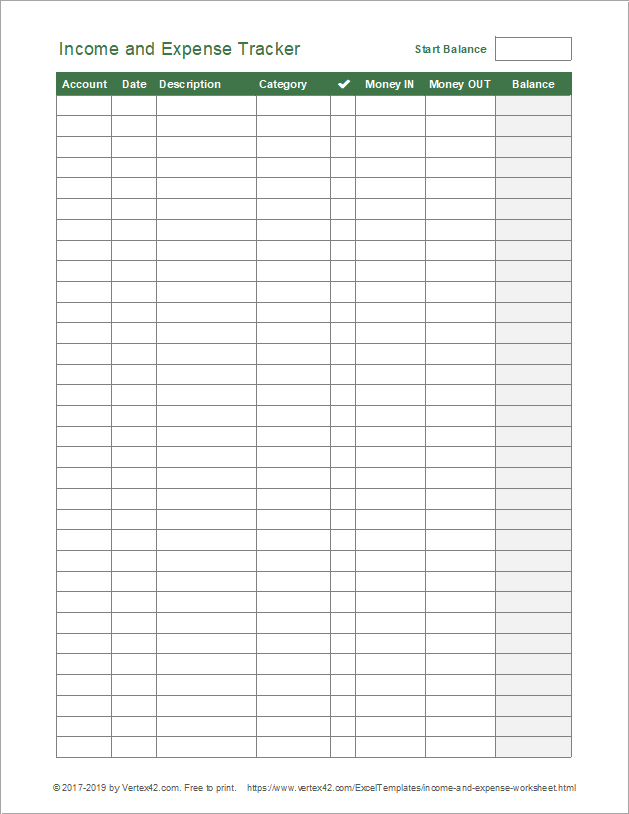
A Daily Income and Expense Report Template for Complete Cash Flow Visibility tracks both money coming in and money going out within the same day.
This format is ideal for:
- Small shops and kiosks
- Freelancers and self-employed professionals
- Cash-based businesses
By recording income and expenses together, users gain a clear picture of daily net performance rather than isolated cost data.
Get also: Travel Expense Report Template
Daily Expense Tracker Template for Simple and Consistent Monitoring


A Daily Expense Tracker Template for Effortless Monitoring and Control focuses on ease of use and speed.
This format emphasizes:
- Minimal fields
- Quick data entry
- Clear daily totals
Expense tracker templates are commonly used for personal budgeting or informal business tracking, where simplicity encourages consistency.
Daily Sales Report Template for Transaction-Level Revenue Insight


A Daily Sales Report Template for Accurate Revenue Oversight integrates expense tracking with sales performance.
This format typically includes:
- Daily sales totals
- Expense summaries
- Net daily results
Sales-driven environments benefit from this structure because it links costs directly to revenue outcomes.
Choosing the Right Daily Expense Report Template
Selecting the right daily format depends on:
- Transaction volume
- Level of detail required
- Reporting audience
- Reconciliation needs
A Daily Expense Report Template should be simple enough to use every day without friction. If the format feels burdensome, consistency will suffer.
The best template is one that users can complete quickly while still capturing meaningful financial data.
Common Mistakes in Daily Expense Reporting
Daily reporting loses value when common errors occur, such as:
- Recording expenses days later
- Skipping small transactions
- Using inconsistent categories
- Failing to review daily totals
Even minor lapses can accumulate into significant inaccuracies over time. Consistency is more important than complexity.
Best Practices for Accurate Daily Expense Tracking
To maintain high-quality daily reports:
- Record expenses immediately
- Use predefined categories
- Keep descriptions short but clear
- Review totals at the end of each day
- Store reports in a centralized location
These practices ensure that daily records remain reliable and actionable.
Using Daily Expense Data for Better Financial Decisions
Daily expense data becomes powerful when reviewed regularly. Over time, patterns emerge that reveal:
- Spending habits
- Cost drivers
- Inefficiencies
- Opportunities for savings
A Daily Expense Report Template provides the raw data needed to support smarter budgeting and stronger financial planning.
When daily records feed into weekly or monthly summaries, decision-making becomes more accurate and informed.
Daily Reporting and Financial Discipline
Financial discipline is built through repetition. Daily expense reporting reinforces awareness and accountability by making spending visible every single day.
Instead of reacting to overspending after it happens, daily reporting enables proactive control. Small adjustments made daily often prevent larger financial issues later.
Long-Term Benefits of Daily Expense Reporting
Consistent daily expense tracking delivers long-term value, including:
- Improved cash flow awareness
- Reduced financial errors
- Stronger documentation
- Faster reconciliation processes
- Better budget alignment
A well-maintained Daily Expense Report Template becomes the foundation of reliable financial records.
Integrating Daily Expense Reports with Other Financial Records
Daily reports work best when integrated with broader financial systems.
They often feed into:
- Weekly summaries
- Monthly expense reports
- Budget tracking documents
- Financial statements
This layered reporting structure ensures accuracy from the transaction level up to strategic analysis.
Conclusion
A Daily Expense Report Template is an essential tool for controlling spending, maintaining accuracy, and building strong financial habits. By capturing expenses at the moment they occur, daily reporting eliminates guesswork and strengthens accountability.
Whether combined with a Daily Income and Expense Report Template for Complete Cash Flow Visibility, a Daily Expense Tracker Template for Effortless Monitoring, or a Daily Sales Report Template for Accurate Revenue Oversight, the right daily format ensures that financial activity remains transparent and actionable.
When applied consistently, daily expense reporting transforms routine transactions into meaningful financial insight and long-term control.