
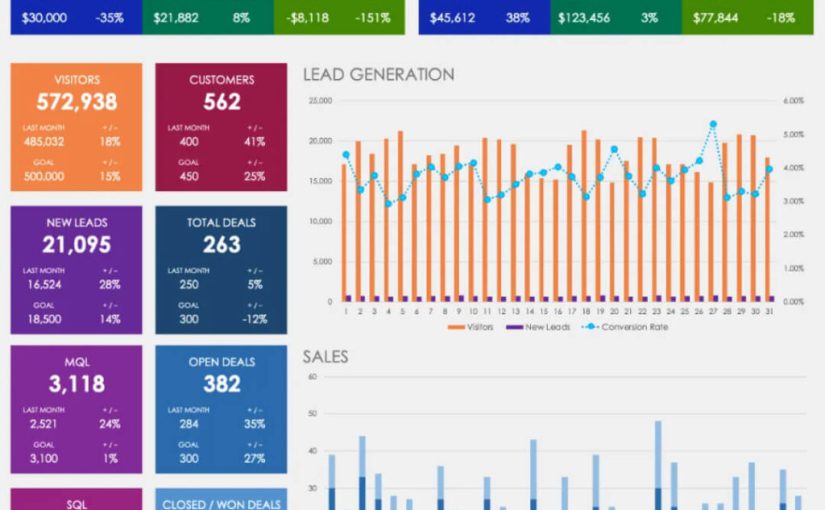
Marketing Report Template usage is essential for translating marketing activity into clear, actionable insight. As marketing efforts become more complex and data-driven, structured reporting helps teams understand what is working, what needs adjustment, and where resources should be focused next.
Without a consistent reporting format, marketing data often becomes fragmented, difficult to interpret, and disconnected from objectives. A well-designed template provides structure, consistency, and clarity—turning raw data into meaningful performance narratives.
What Is a Marketing Report Template?
A Marketing Report Template is a structured document used to summarize marketing activities, results, and insights over a defined period. It presents key information in a clear, organized format that supports evaluation, communication, and decision-making.


Marketing reports typically aim to:
- Track campaign performance
- Measure progress against objectives
- Identify trends and insights
- Communicate results to stakeholders
- Support planning and optimization
By standardizing how information is presented, reporting becomes more efficient and easier to compare over time.
Why Structured Marketing Reporting Matters
Marketing generates large volumes of data, but data alone does not create value. Structure is what turns numbers into understanding.
Using a Marketing Report Template helps teams:
- Focus on relevant metrics
- Maintain consistency across reporting periods
- Reduce misinterpretation of results
- Improve accountability and transparency
- Support informed decision-making
Clear reporting aligns marketing activity with broader business goals and expectations.
Core Components of an Effective Marketing Report
While formats vary by purpose and audience, effective marketing reports share several key elements.
Reporting Period and Objectives
This section defines the timeframe covered and outlines the goals the marketing activity aimed to achieve.
Campaign or Channel Overview
Summarizes the main initiatives, channels, or campaigns included in the report.
Performance Metrics
Key indicators are presented clearly to show progress and outcomes.
Insights and Observations
This section explains what the results mean and highlights notable patterns or trends.
Challenges and Learnings
Document issues encountered and lessons gained during execution.
Next Steps and Recommendations
Every Marketing Report should guide future action, not just describe past performance.
Types of Marketing Report Templates by Reporting Frequency
Different reporting cycles serve different purposes. Below are the most commonly used formats based on timeframes.
Monthly Marketing Report Template for Consistent Performance Review


A Monthly Marketing Report Template for Structured Performance Evaluation provides a balanced view of short-term results and emerging trends.
This format is commonly used to:
- Compare performance month over month
- Track progress toward quarterly goals
- Identify channels or campaigns needing adjustment
Monthly reports offer enough data for meaningful analysis without overwhelming detail.
Weekly Marketing Report Template for Tactical Execution Tracking


A Weekly Marketing Report Template for Agile Execution Oversight focuses on immediate activity and short-term outcomes.
This format typically includes:
- Weekly campaign updates
- Key performance snapshots
- Issues or blockers
- Priorities for the next week
Weekly reporting supports fast-paced environments where quick adjustments are critical.
Get also: Consulting Report Template
Specialized Marketing Report for Different Needs
Beyond frequency-based reports, marketing teams often use specialized formats tailored to specific objectives.
Digital Marketing Report Template for Multi-Channel Performance Clarity


A Digital Marketing Report Template focuses on online campaigns and digital touchpoints.
It commonly covers:
- Channel-level performance
- Campaign outcomes
- Engagement and conversion trends
- Budget allocation and efficiency
This format helps teams understand how digital initiatives perform collectively and individually.
Choosing the Right Marketing Report Template
Selecting the right template depends on several factors:
- Reporting audience
- Decision-making needs
- Level of detail required
- Reporting frequency
A Marketing Report Template should be detailed enough to inform decisions, yet concise enough to be reviewed efficiently.
Reports that are too complex risk being ignored, while overly simple reports may lack actionable insight.
Adapting Marketing Reports for Different Stakeholders
Marketing reports are most effective when tailored to their audience.
Executive-Level Reporting
Executives value summaries, insights, and implications rather than granular detail.
Management and Team Reporting
Managers and teams benefit from operational detail, performance drivers, and next steps.
Client or External Reporting
External audiences require clarity, transparency, and alignment with agreed objectives.
A flexible Marketing Report allows for content adjustment without losing structural consistency.
Common Mistakes in Marketing Reporting
Even experienced teams can reduce report effectiveness through common errors, such as:
- Reporting metrics without context
- Overloading reports with unnecessary data
- Ignoring insights and recommendations
- Changing the report structure frequently
Strong reporting emphasizes clarity, relevance, and interpretation.
Best Practices for Creating High-Quality Marketing Reports
To maximize reporting value:
- Align metrics with objectives
- Focus on insights, not just numbers
- Use consistent formatting
- Highlight trends and implications
- End with clear next steps
A well-crafted Marketing Report turns reporting into a strategic asset rather than an administrative task.
Using Marketing Reports to Improve Strategy and Execution
Marketing reports should inform action. When reviewed consistently, they help teams:
- Identify high-performing initiatives
- Address underperforming areas
- Allocate resources more effectively
- Improve planning accuracy
Over time, historical reports create a performance baseline that supports smarter strategy development.
Integrating Marketing Reports into Planning Cycles
Marketing reports are most valuable when integrated into regular planning and review processes.
They often feed into:
- Campaign planning sessions
- Budget reviews
- Quarterly strategy discussions
- Performance evaluations
A consistent Marketing Report Template ensures continuity across these cycles.
Long-Term Benefits of Standardized Marketing Reporting
Organizations that adopt structured marketing reporting gain:
- Improved visibility into performance
- Stronger alignment across teams
- Faster decision-making
- Greater accountability
- Clearer performance documentation
Over time, reporting becomes a foundation for continuous improvement.
Marketing, Reporting, and Organizational Alignment
Clear reporting creates shared understanding. When everyone reviews performance using the same structure, alignment improves naturally.
A strong Marketing Report ensures that discussions focus on insights and actions rather than debating data interpretation.
Evolving Marketing Reports as Teams Mature
As marketing capabilities grow, reporting should evolve accordingly.
Early-stage teams may focus on activity tracking, while mature teams emphasize:
- Comparative analysis
- Trend identification
- Strategic implications
Templates should adapt without losing consistency.
Conclusion
A Marketing Report Template is a critical tool for organizing marketing data, communicating performance, and supporting informed decision-making. By providing structure and clarity, it transforms marketing activity into actionable insight.
Whether using a Digital Marketing Report Template for Multi-Channel Performance Clarity, a Monthly Marketing Report Template for Consistent Performance Review, or a Weekly Marketing Report Template for Tactical Execution Tracking, the right format ensures that marketing results are visible, understandable, and meaningful.
When applied consistently, marketing reporting strengthens execution, improves alignment, and drives smarter, more confident marketing decisions.