Monthly Marketing Report Template – 7+ Best References

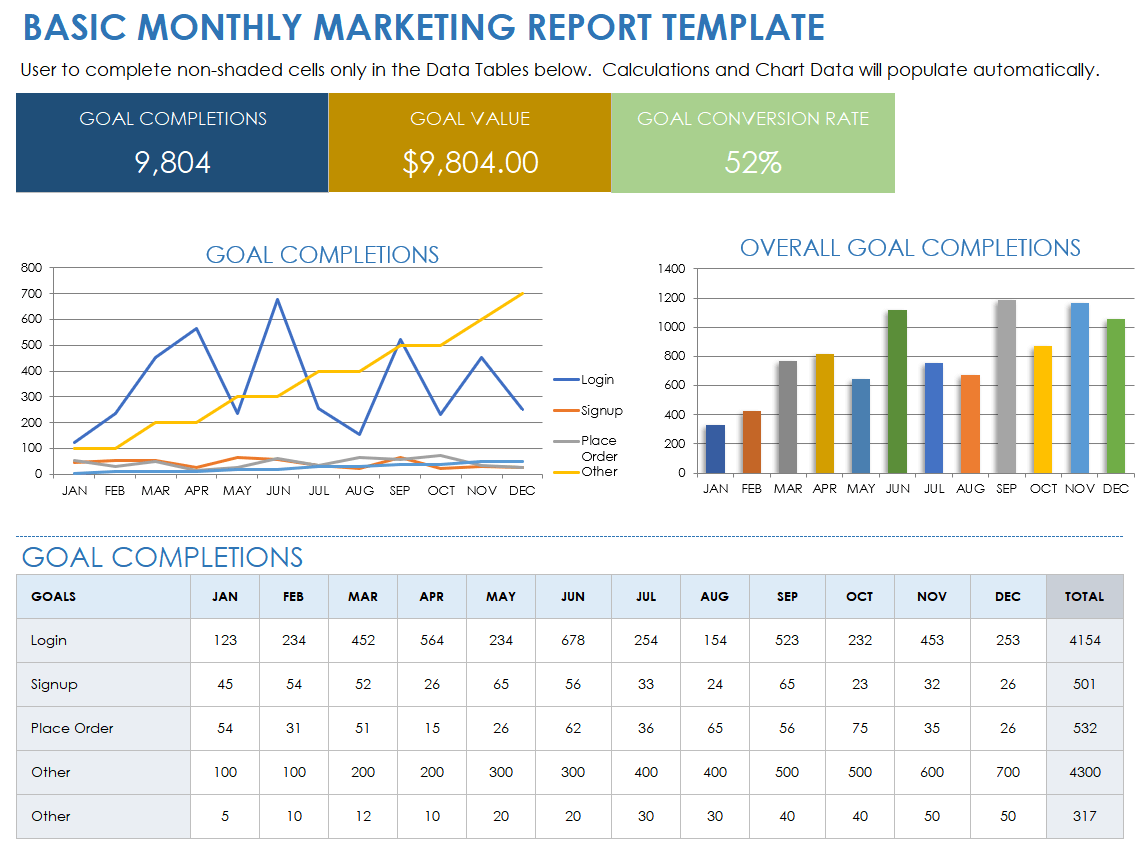
Monthly Marketing Report Template – Stunning Insider Breakdown for Clearer Results | A Monthly Marketing Report Template can feel like the difference between navigating with a GPS or relying on the stars—sure, both can eventually get you somewhere, but one of them doesn’t require guessing constellations or pretending you’re an ancient sailor. A well-designed template gives teams clarity, alignment, and visibility into what’s working, what’s wasting budget, and what needs immediate fixing before it turns into the office version of a sinking ship.

Modern marketing moves quickly. Campaigns shift, audiences respond (or don’t), and trends evolve almost overnight. A structured monthly reporting tool ensures every team—growth, content, sales, social, paid media, analytics—can understand the story behind the numbers. And more importantly, act on it. That’s where a Monthly Marketing Report Template becomes an essential piece of operational gear, offering consistency, accuracy, and a reliable format that keeps everyone from interns to executives on the same page.

Below is a deeper, structured dive into what makes a strong reporting framework, how it actually functions in practical scenarios, and why a dependable template turns monthly chaos into an organized narrative that teams can use to improve performance every cycle.

Monthly Marketing Report Template – Hidden Advantages That Transform Your Workflow

A Monthly Marketing Report Template does more than simply store metrics. It frames them. It guides interpretation. It prevents scattershot reporting that mixes vanity metrics with irrelevant details. And unlike ad-hoc presentations that feel like last-minute patchwork, a repeatable template forms a predictable rhythm that leadership trusts.

The value begins with consistency. When every month uses the same format, performance trends become easier to spot. Instead of flipping between mismatched spreadsheets and random PowerPoint slides, the template connects content performance, channel progression, traffic sources, revenue contribution, and customer behavior in one narrative. The end result is clarity. Not the vague “we think things are going okay” clarity, but concrete, structured visibility.

A marketing report template also improves accountability. People are less likely to hide weak performance beneath walls of unrelated data when the structure forces measurable transparency. It becomes clear which campaigns are thriving, which experiments are stagnating, and which channels are quietly draining budget in the background like a subscription forgotten on a credit card.

The hidden magic? Time saved. Nobody wants to spend the first week of the new month wrestling with scattered analytics tabs. With a solid template, much of the process becomes rinse-and-repeat—update data, compare results, summarize insights, recommend next steps.

Practical Use Cases That Prove Its Importance

There’s no single marketing team that doesn’t benefit from organized monthly reporting, but a few environments stand out:

Growing companies
They need predictable communication between departments. Reporting templates prevent misalignment as teams scale.

Agencies
Clients love clarity. They love understanding where their money goes even more. Templates help agencies deliver polished updates that inspire confidence.

In-house performance teams
Paid search, paid social, and growth channels move fast. Monthly reports help spot patterns too subtle to catch day-to-day.

Content and social teams
Monthly Marketing Report Templates give them visibility into how their campaigns actually contribute to conversions and revenue, not just likes and impressions.

Sales-led organizations
A monthly marketing structure helps bridge the communication gap between marketing efforts and pipeline outcomes.

No matter the team structure, the Monthly Marketing Report Template acts like a compass—quiet, consistent, and always pointing in the right direction.

What Strong Monthly Marketing Reports Usually Contain

A strong Monthly Marketing Report Template typically uses a narrative flow. It doesn’t just dump charts onto a page. It walks readers through performance step by step.

1. Summary Overview
A concise snapshot summarizing the biggest wins, challenges, and notable changes across the marketing landscape for that month.

2. Goals vs. Outcomes
Metrics only have meaning when placed in context. This section aligns planned objectives with actual results.

3. Channel Performance Breakdown
Traffic sources, paid media results, content engagement, email performance, social outcomes, and more.

4. Budget Allocation & Efficiency
Shows where money went, what it returned, and which campaigns delivered the best ROI.

5. Audience Behavior Trends
Shifts in user engagement, demographics, and customer patterns.

6. Campaign Highlights & Learnings
List high-impact actions and the reasoning behind future course corrections.

7. Recommendations for the Next Month
Data-backed direction that helps leadership make smarter decisions.

Every element works together to tell a cohesive story. Not a random collage.

Why Teams Rely on This Template Month After Month

Marketing reports can be dull. It’s true. But when a Monthly Report Template is designed well, it becomes far more than a routine deliverable. Teams rely on it because:

  • It brings order to the wide world of campaign data.
  • It creates a communication bridge between creatives, analysts, strategists, and executives.
  • It breaks down silos and makes individual contributions visible.
  • It builds historical context, which is essential for forecasting.
  • It motivates action, especially when teams clearly see which areas are bottlenecks.
  • It reinforces discipline, preventing random reporting styles that confuse more than they clarify.

People don’t love marketing reports. But they definitely love good ones—especially those that actually drive decisions and fix problems.

Monthly Marketing Report Template – Uncharted Strengths for Improving Consistency

A Monthly Marketing Report Template becomes more powerful over time. The longer a team uses it, the more patterns emerge, causing insights to sharpen and strategies to mature.

One of the template’s biggest strengths is how it centralizes diverse performance indicators into a unified picture. Modern marketing spans countless touchpoints—organic content, paid ads, PR, partnerships, email, influencer collaborations, video campaigns, and more. Without a structured reporting system, it becomes incredibly easy to miss something important.

This unified format keeps every stakeholder aligned. Creatives understand what messaging works best. Media buyers see which audiences deliver the strongest ROI. Content strategists recognize which topics consistently draw conversions. Executives finally see the full picture rather than disjointed updates.

The result is long-term clarity. And consistency drives better decisions, better planning, and better growth cycles.

Supporting Insights and Deep-Dive Evaluation

Monthly Digital Marketing Report Template – Confidential Metrics Framework for Smarter Planning

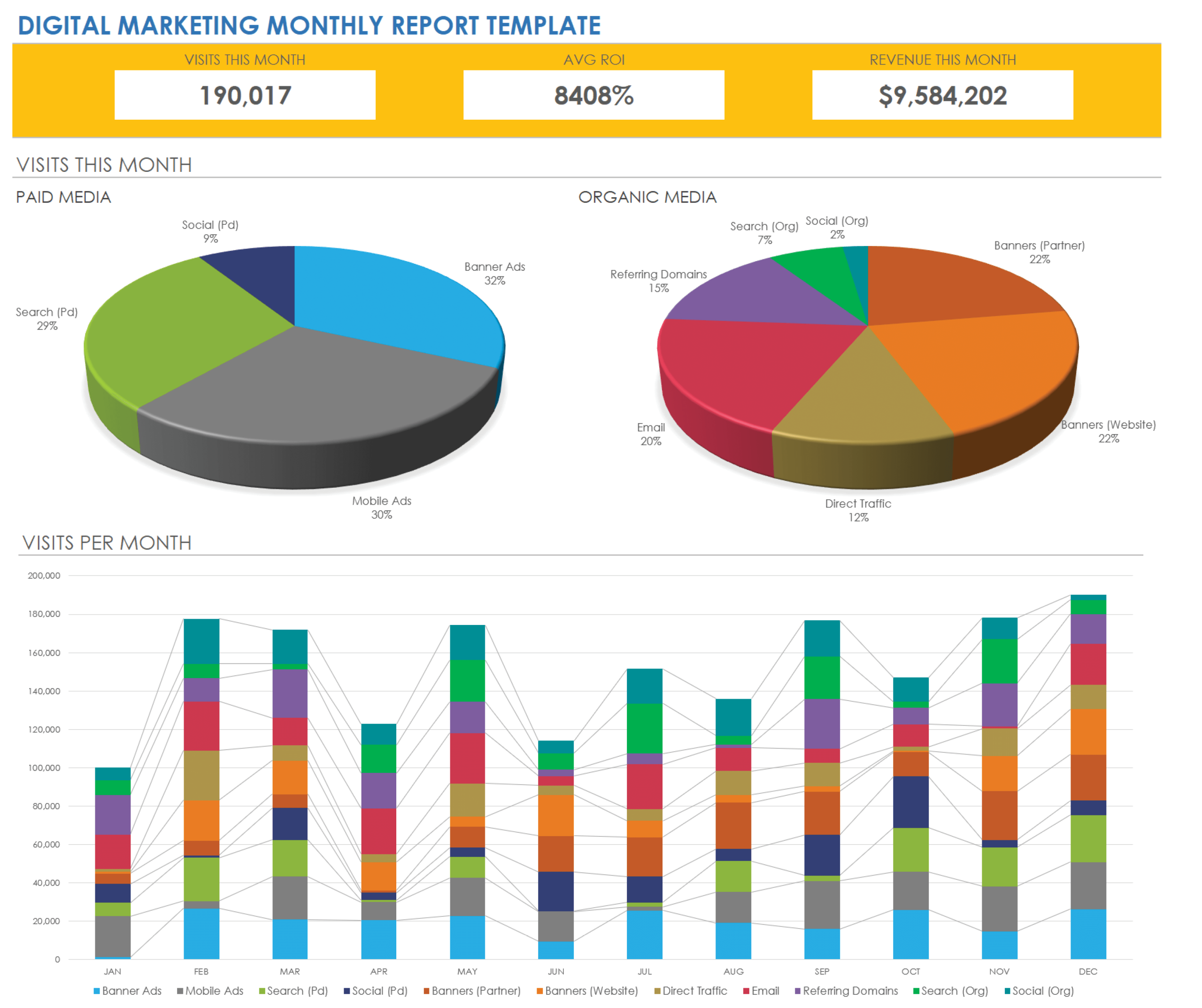
A Monthly Digital Marketing Report Template helps teams make sense of everything happening across digital channels—search, email, social, paid media, video platforms, and landing pages. What makes it especially useful is the compartmentalized view of digital behavior: impressions, clicks, conversions, drop-off patterns, device usage, and content interactions.

Digital landscapes move quickly. One month’s hero campaign can become next month’s underperformer. That’s why a structured format helps teams detect subtle shifts—like rising acquisition costs, new audience clusters gaining traction, or sudden declines in retargeting efficiency.

This kind of Monthly Marketing Report Template also helps teams evaluate their omnichannel strategy. Instead of treating every platform like an isolated island, the report connects them. Maybe email drives more high-quality leads than expected. Maybe video content indirectly lifts organic traffic. A structured digital report uncovers connections people usually overlook.

With its compartmentalized yet integrated structure, this Monthly Digital Marketing Report Template helps guide budget allocation and campaign adjustments with precision—not guesses.

Get also: Free Monthly Financial Report Template

Monthly Sales and Marketing Report Template – Shocking Alignment Blueprint for Revenue-Focused Performance

A Monthly Sales and Marketing Report Template is the bridge between two teams that often speak similar concepts with vastly different accents. Marketing talks about impressions, leads, and engagement. Sales talks about qualified opportunities, close rates, and revenue. This monthly sales report template unifies both sides into one narrative.

It highlights which marketing initiatives influence the upper funnel—and how those contributions flow into conversion activities. Sales teams get clarity on which campaigns produce the best-quality leads. Marketing teams get direct visibility into what results from their efforts downstream.

One underrated benefit is pattern discovery. For instance:

  • A specific content series might repeatedly correlate with high-quality lead generation.
  • Certain audiences might convert better across both organic and paid channels.
  • Some campaigns might overproduce volume but underdeliver quality.

This unified structure prevents miscommunication and finger-pointing. Instead, it fosters collaboration built on shared data. When both teams use the same blueprint, performance analysis becomes smoother, faster, and more objective.

Get also: Monthly Expense Report Template

Monthly Marketing Report PowerPoint Template – Secret Visual Storyboard for High-Impact Presentations

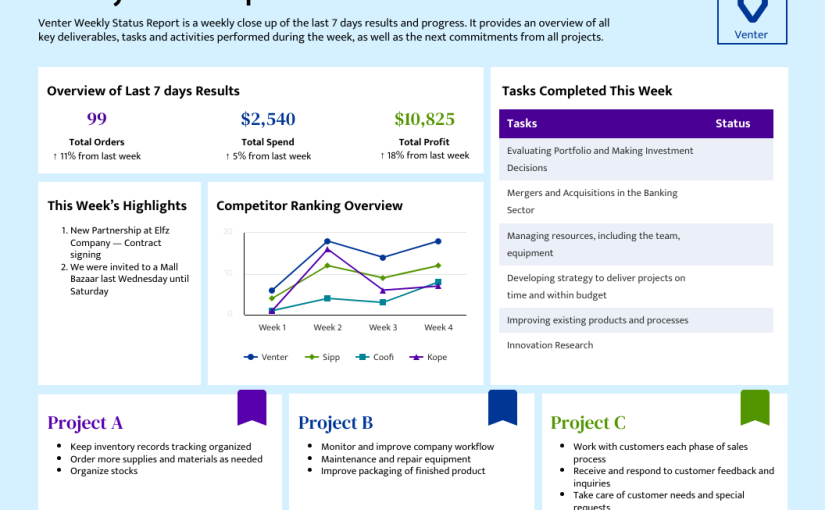
A Monthly Marketing Report PowerPoint Template transforms raw data into visually digestible information. Not every stakeholder wants to sift through spreadsheets. Executives and cross-functional leaders appreciate structured visuals—charts, funnels, indicator tiles, comparison bars, and performance snapshots.

This Monthly Marketing Report PowerPoint Template acts like a storytelling engine. It frames the narrative clearly, turning a month’s worth of marketing activity into a sequence that audiences can follow effortlessly.

A powerful layout may include:

  • A headline insights slide
  • Channel-by-channel comparison tables
  • Customer journey visualization
  • Budget allocation and return
  • Key wins and losses
  • Strategic recommendations

The beauty of a strong PowerPoint template is that it’s reusable. Instead of reformatting slides every cycle, teams simply plug in updated numbers while maintaining a consistent visual identity. This dramatically reduces production time and prevents the monthly scramble of designing slides from scratch.

In fast-moving companies, that time saved is worth as much as the insights themselves.

Pulling It All Together into an Action-Driven Framework

A Monthly Marketing Report Template is more than a worksheet or a slide deck—it’s a dependable operational rhythm. It tightens team communication, clarifies decision-making, and gives performance trends a clear home. When used consistently, it becomes the backbone of monthly planning, helping every campaign cycle become more predictable and ultimately more successful.

A strong reporting template doesn’t simply show numbers. It tells a story—one that teams can act on, executives can trust, and organizations can use to grow with purpose.

Monthly Financial Report Template – 8+ Free Unconventional Ideas

Monthly Financial Report Template – Hidden Strategies for Crystal-Clear Financial Control | A Monthly Financial Report Template isn’t just a worksheet or a neat little document tucked away in a shared drive. For many businesses, it’s the only thing standing between well-planned financial clarity and the kind of chaos where nobody knows why the marketing team spent $800 on “miscellaneous snacks.” This type of template organizes numbers, highlights spending behavior, and reveals patterns that can help any business stay grounded, especially when expenses and revenue start dancing unpredictably. By giving structure to financial data, it becomes a monthly foundation for better decisions.

Some organizations treat their monthly financial reporting like a ritual—same time, same routine, like paying bills or pretending to understand tax tables. Others need something far more deliberate: a format that’s reliable, clean, accurate, and easy to scan when executives only have five minutes before a meeting. That’s where a Monthly Financial Report Template becomes a powerful internal tool. It keeps figures consistent across teams, departments, and months, offers transparency, and ensures everyone interprets the same numbers without ambiguity.

The true value of a structured approach isn’t just about tracking revenue and expenses. It’s about understanding why fluctuations happen. Why was revenue up last month? Why did operational costs spike? Which product line is performing unusually well, or unexpectedly poorly? Without a dependable format, these questions turn into wild guesses. With one, they turn into actionable conversations.

Let’s dive into how a structured monthly reporting framework strengthens decision-making and how different specialized templates can support more targeted financial needs.

Monthly Financial Report Template – Unexplored Advantages for Smarter Budget Management

A Monthly Financial Report Template offers a snapshot of financial health at a specific point in time. Think of it as reading vital signs during a medical checkup. Revenue is your pulse, expenses are your blood pressure, and net income is that deep breath you take when things are safely in the green. When formatted correctly, these templates simplify complex calculations and create a system that helps teams compare performance from month to month without diving back into raw numbers.

A dependable Monthly Financial Report Template usually starts with revenue categories—products, services, subscriptions, or operational income—followed by fixed and variable expenses. It ends with net profit, loss, or break-even outcomes. The goal is clarity. Numbers that speak for themselves. Figures that don’t trigger confusion or require frantic searching through spreadsheets.

Another benefit is repeatability. A consistent Monthly Financial Report Template means teams don’t improvise each cycle. They know what they’re filling out, what goes where, and how totals are calculated. This reduces mistakes while allowing managers to focus on interpreting the data, not hunting for it.

Templates also help identify financial leaks. A spike in administrative expenses? A pattern of rising software costs? An unexpected drop in revenue from a specific segment? These insights become far easier to notice when the data lives inside a predictable structure. With clear month-to-month comparisons, small issues are detected early—before they grow into large ones.

Businesses with multiple departments benefit even more. When each team reports using the same structure, consolidating data becomes effortless. Finance isn’t forced to decipher mismatched formats or retype numbers because someone decided to “get creative” with their reporting layout.

The best part? A good reporting structure encourages accountability. When numbers are transparent and easy to interpret, teams naturally become more aware of how their actions affect overall financial outcomes. It inspires thoughtful spending, deliberate planning, and realistic forecasting.

Supporting Tools and Specialized Uses for Monthly Reports

Some organizations need more than a general reporting template—they need supplementary formats tailored for specific financial roles. These formats dig into specialized data, offering deeper insights for more targeted workflows. This is where secondary Monthly Report Templates become valuable tools to support the broader monthly reporting system.

Below are three essential types of supporting templates, each offering different functions depending on the business model and reporting needs.

Get also: Monthly Status Report Template

Monthly Expense Report Template – Unbelievable Breakdown for Precise Cost Tracking

A specialized Monthly Team Expense Report Template can support internal departments by highlighting how teams use budgets month by month. Although businesses generally rely on a primary financial report, this secondary breakdown shows where each department invests resources—and how efficiently they operate within their allocated budget.

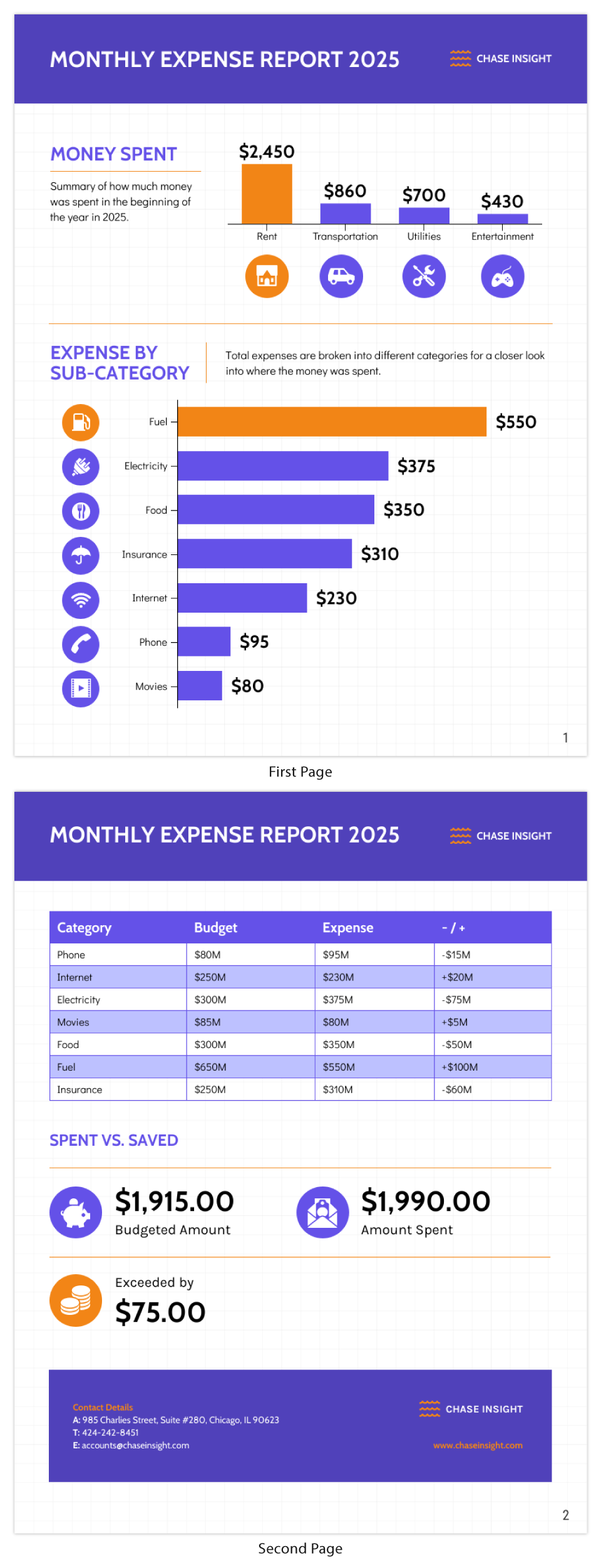
A Monthly Expense Report Template helps businesses categorize spending with extraordinary clarity. While the general financial report highlights totals, this template zooms in on individual expenses, documenting where money flows each month. It highlights patterns that might otherwise hide inside aggregated totals.

For example, if a company notices operational costs rising, the expense report can show whether the cause is travel, utilities, software, outsourced services, or unplanned purchases. Teams can also attach notes explaining why certain expenses occurred—useful when managers review unexpected costs.

This format is especially valuable for organizations where multiple employees or departments make monthly purchases. Instead of relying on memory or last-minute guesses, the expense template becomes a structured log that minimizes errors and suspicious “accidental” overspending. It creates complete visibility across categories and helps forecast future expenses with surprising accuracy.

This Monthly Financial Report Template also prevents miscommunication. When financial questions arise, teams aren’t left scrambling to justify numbers—they can rely on a documented, structured breakdown that reinforces responsibility and clarity.

Another advantage is reimbursement management. Employees often struggle to recall minor purchases, such as office supplies, fuel, training materials, or small subscriptions. Logging these in a Monthly Expense Report Template prevents receipts from getting lost and gives finance departments the documentation they need to process reimbursements without delays.

Get also: Free Monthly Marketing Report Template

Monthly Treasurer Report Template – Classified Insights for Transparent Financial Stewardship

A Monthly Treasurer Report Template is commonly used in nonprofits, clubs, associations, and community-based groups. It offers a deeper look at inflows, outflows, balances, and designated funds. The treasurer doesn’t just track money—they oversee the stewardship of collective resources. This template helps maintain transparency in ways that general corporate reports rarely provide.

Many organizations rely on donations, fees, or fundraising. These income sources need precise tracking. How much came in from dues? How much was spent on events, supplies, or maintenance? How much remains allocated for upcoming programs? The treasurer’s report organizes all of this without ambiguity.

This structure builds trust. Members, volunteers, and stakeholders want reassurance that funds are used responsibly. When finances are presented clearly and consistently, everyone feels confident about the organization’s management. With this level of clarity, issues like unauthorized spending, overlooked income, or accidental double-charging become far less likely.

Another strength of this format is the ability to track restricted versus unrestricted funds. Some contributions come with rules—they can be used only for specific programs or purposes. A Monthly Treasurer Report Template keeps these distinctions separated so compliance becomes automatic.

Final Thoughts on Using Monthly Financial Report Templates Effectively

A strong monthly reporting structure does more than organize numbers. It introduces a rhythm—a predictable pattern that keeps teams aligned. Businesses that adopt a reliable Monthly Financial Report Template notice improvements not only in clarity but also in decision-making, accountability, and forward planning.

The secret is consistency. When data lives inside an organized format, trends become easier to interpret. Budget strategies become smarter. Teams collaborate with more confidence. And financial conversations shift from debates to solutions.

With specialized templates supporting the main monthly report—expense logs, treasurer insights, team-based spending breakdowns—organizations gain a complete financial ecosystem that works together seamlessly.

If you’re building a reliable foundation for financial clarity, adopting these structures isn’t just useful—it’s transformative. Let the numbers tell their story each month, and the decisions that follow will naturally grow sharper, stronger, and more aligned with long-term goals.

Monthly Report Template for 2026 Smarter Business Tracking

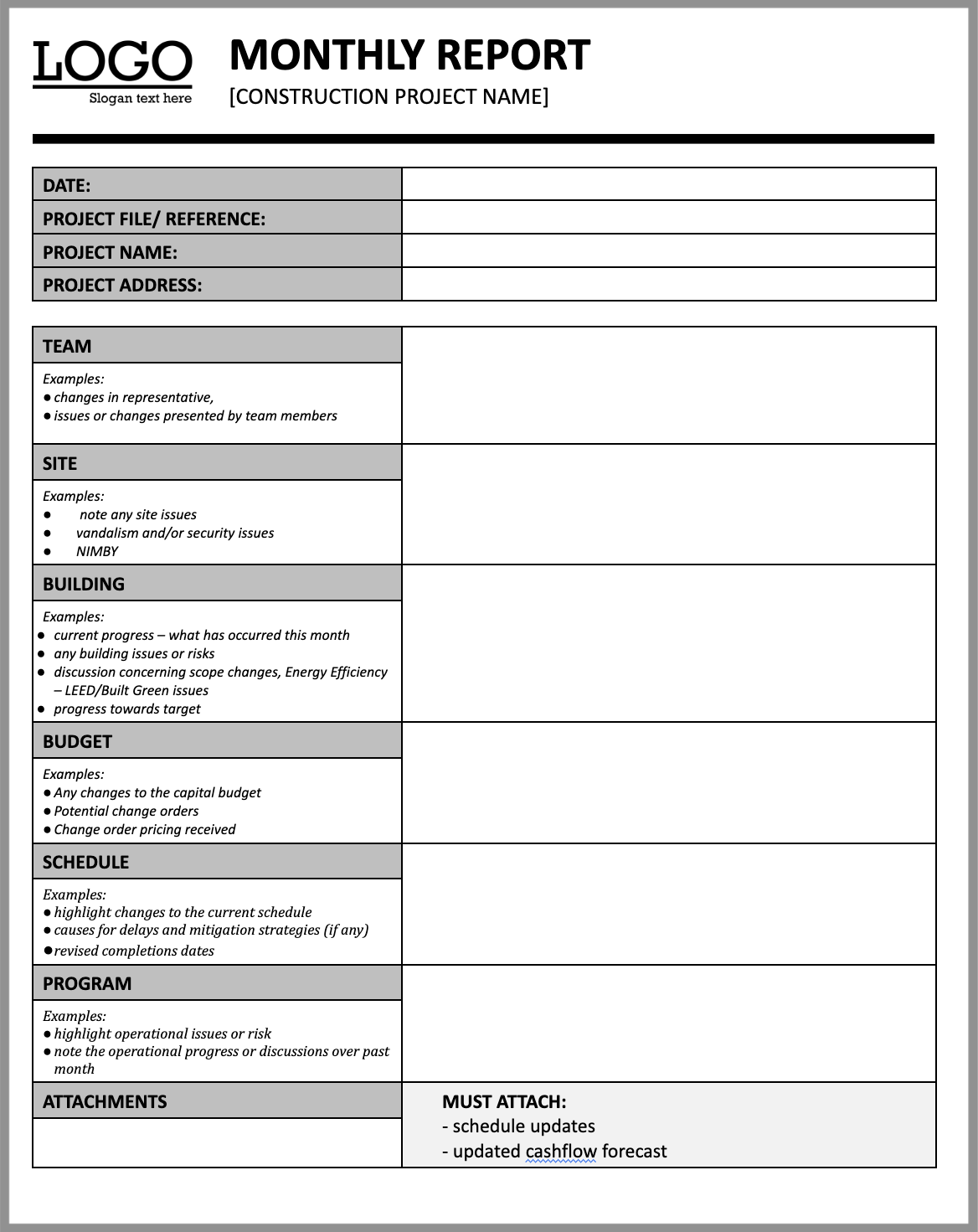
Monthly Report Template – Hidden High-Impact Insights for Smarter Business Tracking | A Monthly Report Template can easily become one of the most underrated tools inside any organization, sitting quietly in a folder while everyone rushes around looking for updates, numbers, summaries, and explanations.

Yet this simple document is often the backbone of decisions, budget approvals, performance evaluations, and long-term planning. It keeps communication structured, information reliable, and team efforts aligned. And when crafted thoughtfully, it can transform a jumble of monthly activities into a streamlined, meaningful narrative that leaders can actually use.

A good template doesn’t overwhelm readers with a wall of text, nor does it drown them in colourful charts with no context. Instead, it organizes data into digestible categories so stakeholders can quickly assess trends, identify gaps, and respond to issues before they escalate. Think of it as the monthly equivalent of tidying up your house—you don’t move the furniture every day, but once a month, everything gets refreshed and realigned.

Businesses, big and small, rely on a uniform reporting system to stay consistent. A structured Monthly report template gives teams the confidence to communicate clearly while reducing the chance of missing details. It also cuts preparation time, because no one enjoys starting a report from scratch each month—unless they’re powered exclusively by caffeine and misplaced optimism. With a reusable, polished layout, teams can focus on the content instead of the formatting.

In the sections below, you’ll find what makes this template invaluable, how organizations apply it across different functions, and why it works as a foundation for financial updates, marketing activities, and sales performance. Most importantly, it can adapt to a variety of work styles, fields, and business structures without becoming messy or complicated.

Monthly Report Template – Limited Breakdown of Structure and Function

A powerful Monthly report template typically begins with a clear overview summarising the entire month. This high-level section is like the trailer of a movie—short, engaging, and packed with the most relevant highlights. It immediately gives stakeholders the big picture, including milestones achieved, setbacks faced, and priorities for the upcoming month.

After the overview, the Monthly Report Template often moves into key categories such as project updates, team progress, financial insights, workflow performance, challenges encountered, and forward-looking plans. Using consistent sections each month makes analyzing trends easier, especially when teams compare past cycles to track improvements. It’s similar to monitoring your fitness progress; one monthly snapshot doesn’t mean much, but several months of organized results reveal valuable patterns.

A well-designed Monthly Report provides a predictable structure. People know where to find financial details. They know where project updates are. They know where risks are flagged. This reduces confusion and keeps reports laser-focused. And while some managers prefer reports so short they could fit on a sticky note, others love detailed breakdowns that rival full documentaries—this Monthly Report Template supports both by offering adjustable sections without sacrificing clarity.

Designed thoughtfully, this report template ensures every part of the business stays accountable without making reporting feel like a punishment. Tasks become traceable, performance becomes measurable, and communication becomes consistent. In short, the template becomes a monthly ritual that clarifies the organization’s direction rather than complicating it.

Strategic Applications and Adaptability Across Business Functions

A single Monthly report template can stretch across multiple departments because each team can adapt the structure to highlight their specific contributions. Finance professionals might focus on revenue trends and expenditure patterns. Marketing teams may emphasize campaign performance, engagement metrics, and content output. Sales groups zero in on pipeline growth, conversions, and customer behaviours.

Despite their differences, every department benefits from the template’s consistent reporting flow. It helps unify communication styles so executives can quickly move from one section to another without requiring a translator. The ability to integrate numbers, narratives, and action steps in a cohesive format makes the template universally valuable.

Below are three powerful extensions of the Monthly report template, each represented by a structured sub-template that focuses on a different business area.

Get also: Annual Marketing Report Template Free Download

Monthly Financial Report Template – Extraordinary Framework for Smarter Budget Tracking

A monthly financial report template allows decision-makers to understand exactly how money moves across the organization. It organizes financial data into sections such as revenue streams, cost analysis, recurring expenses, operational budgets, liquidity updates, and profitability evaluations. Without a clean template, financial updates can quickly turn into an avalanche of spreadsheets that nobody wants to sift through unless they’re being bribed with snacks.

This type of financial report template often includes visuals such as bar charts, line graphs, and performance indicators that change month to month. However, the true value lies in the narrative context that accompanies these numbers. Data without explanation is like a puzzle without edges—it’s harder to see the bigger picture. The financial template resolves this by encouraging brief commentary under each section to clarify trends and highlight anomalies.

By using the same template consistently, businesses can detect patterns like seasonal fluctuations, cost escalations, or unexpected dips before they become major issues. For example, if expenditures rise steadily for three consecutive months, leaders can act proactively rather than reactively. Conversely, strong revenue performance can guide investment decisions or early expansion plans.

This Monthly Report Template also works well for cross-functional collaboration. Finance teams aren’t the only ones interested in the numbers; operations teams use the insights to plan resources, marketing teams adjust budgets for upcoming campaigns, and leadership teams use the overview to shape strategic directions. Everything becomes easier to interpret when numbers are presented in a coherent, structured manner.

Monthly Marketing Report Template – Stunning High-Impact Lens for Campaign Evaluation

A monthly marketing report template dives into performance indicators that reveal how well ongoing campaigns, content strategies, and audience outreach efforts are working. It captures social engagement, lead generation, traffic patterns, content output, advertising impact, and audience behaviour—all in a layout that is both informative and easy to skim.

Without a structured monthly marketing template, updates can become chaotic. Numbers get scattered across different tools, anecdotes get mixed with performance data, and trying to understand which campaign actually worked feels like decoding an ancient text. A consistent monthly template prevents this confusion by keeping marketing evaluations organized and actionable.

One major strength of this Monthly Report Template is its focus on long-term patterns rather than short-lived spikes. Monthly intervals give marketing teams enough data to identify meaningful behaviours—such as which platforms consistently bring in leads, which campaigns generate the most conversions, or which content formats are gaining traction.

This Monthly Marketing Report Template also helps teams align their storytelling across channels. Marketing isn’t just numbers; it’s the art of understanding what resonates with audiences. Monthly snapshots reveal the relationship between strategies and outcomes, helping teams refine their approach. Whether it’s assessing creative output, evaluating partnerships, or planning the next quarter’s activities, the template ensures no detail gets lost.

Ultimately, it helps marketing teams communicate their value clearly, which is especially important when the rest of the organization still thinks “posting memes online” is their main job.

Get also: Weekly Report Template Free Printable

Monthly Sales Report Template – Uncharted Insight for Stronger Revenue Momentum

A monthly sales report template highlights how effectively the sales pipeline moves over the course of a month. It structures updates on lead acquisition, conversion rates, product performance, customer engagement, territory management, and revenue forecasts. Without a clear template, sales reports risk looking like a collection of numbers pulled from random places—probably because they are pulled from random places.

This Monthly Report Template eliminates inconsistencies by offering a unified reporting style. Every metric sits in its designated section, making it easy for managers to compare performance among individuals, teams, or territories. And because sales cycles often shift quickly, a monthly breakdown helps leaders catch early signs of momentum or slowdown.

The narrative portion of this template also encourages teams to highlight opportunities and challenges. For example, if the sales cycle lengthens unexpectedly, teams can dig deeper to identify trends in buyer hesitation. If a specific product suddenly gains traction, managers can focus on expanding availability or launching targeted campaigns.

What makes this template especially impactful is its forward-looking section. After showcasing the results of the current month, it naturally transitions into next-step planning—such as strategies for reaching upcoming targets, opportunities that emerged recently, or areas requiring improvement. This helps sales teams maintain a consistent direction even during volatile cycles.

Across industries, this template remains one of the most versatile. Whether used in real estate, retail, B2B services, SaaS companies, or distribution networks, the structure helps transform raw performance data into meaningful insights that support confident decision-making.

Final Thoughts on Using the Monthly Report Template Effectively

The Monthly report template functions as a communication bridge connecting every team in the organization—finance, marketing, sales, operations, and beyond. With structured sections, clear breakdowns, and predictable formatting, it ensures everyone stays aligned while reducing the time needed for preparation and review.

When used consistently, it becomes a powerful tool for trend analysis, risk identification, performance evaluation, and strategic planning. It keeps all departments accountable, organized, and moving in the same direction, even when priorities shift or new projects emerge unexpectedly.

A strong reporting system doesn’t just document what happened; it clarifies what must happen next. And that’s the true value of a Monthly report template: it turns scattered updates into a coherent narrative that supports smarter decisions month after month.

Weekly Sales Activity Report Template – 10+ BEST Fillable Forms

Weekly Sales Activity Report Template – Proven High-Impact Framework for Better Sales Momentum | A Weekly sales activity report template can completely shift how sales teams understand their progress, spot obstacles early, and keep opportunities moving instead of gathering digital dust in a CRM no one opens. Whether the goal is to track volume, measure quality, or keep leaders updated without endless meetings, a well-built structure turns scattered activity into a clear narrative. With the right template, sales teams can move from “I think things are going well” to “Here’s exactly what’s happening, what’s improving, and what needs attention.”

The power of a consistent reporting routine isn’t only in its neat columns and segments—it’s in how it sharpens decision-making. It reduces the guesswork that typically creeps into weekly planning, and it keeps teams aligned on deals that matter. Even the busiest reps benefit from a layout that captures the essentials without slowing them down.

Below is a full breakdown of how a Weekly sales activity report template supports clarity, accountability, and faster workflows—all while keeping things practical, realistic, and easy to apply to real sales operations.

Weekly Sales Activity Report Template

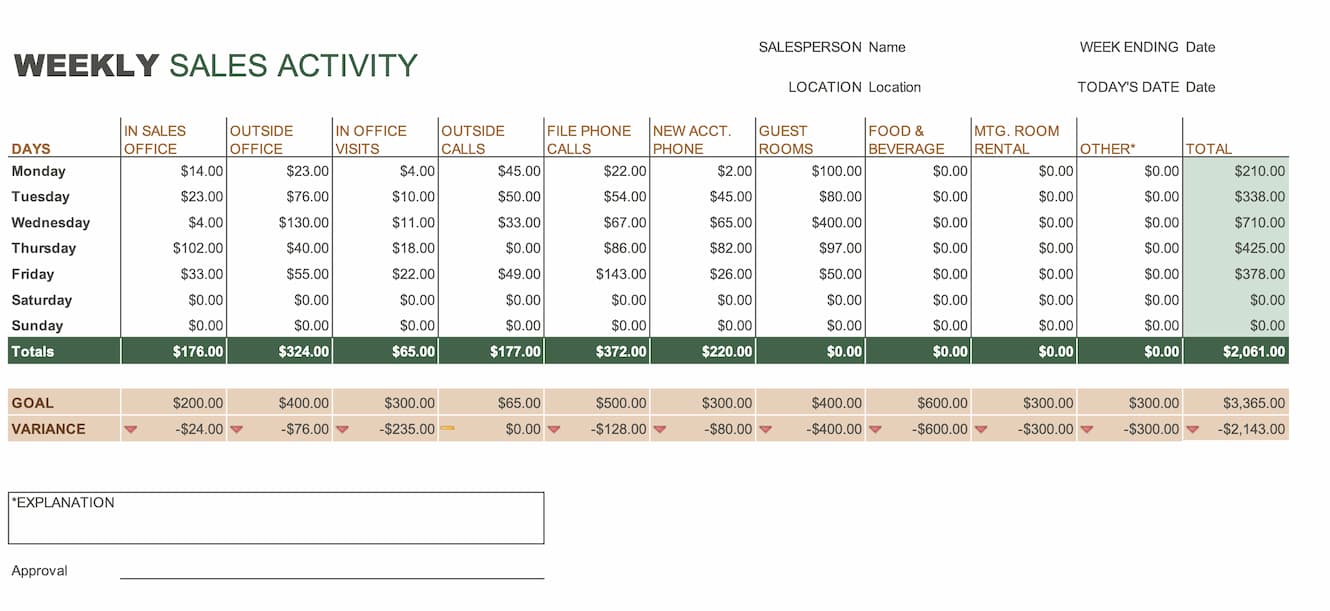
A Weekly sales activity report template creates a central structure for summarizing what actually happened throughout the week: calls made, emails sent, meetings held, deals advanced, obstacles encountered, and pipelines updated. It’s not meant to be a novel; it’s meant to capture impactful activity in a clean, structured way that decision-makers can absorb quickly.

A Streamlined View of Weekly Momentum

Busy sales teams don’t need extra work—they need better visibility. A well-formatted weekly sales activity outline highlights the right patterns: how many leads were contacted, how prospects responded, what moved forward, and what stalled. When the information is consistent each week, patterns become easier to interpret. You don’t just see activity—you see momentum.

Clarity that Minimizes Repeated Questions

A clear template reduces repetitive check-ins between managers and reps. Instead of “How’s the Johnson account going again?” every detail is summarized in a clean, predictable structure. It eliminates ambiguity and keeps everyone synced.

Better Prioritization for The Following Week

Not all prospects need equal attention. Some are slow burners, some are red-hot opportunities, and some need a polite follow-up so they don’t ghost into the abyss. A structured Weekly Sales Report helps salespeople prioritize based on progress, interest levels, and upcoming deadlines. It makes next week’s planning significantly easier and sharper.

General Supporting Section

Sales isn’t just about hitting numbers; it’s about hitting them with control. And control comes from understanding patterns. A weekly update provides tight visibility over closing rates, lead quality, activity depth, and engagement levels. That means no more surprises late in the quarter, no more scrambling at the end of the month, and far fewer “How did we miss this?” moments.

Alongside activity summaries, a good Weekly Sales Activity Report Template tracks trends—like whether conversations are improving, whether follow-ups are consistent, and whether customer behavior is signaling readiness or hesitation. It also enables quick comparison with previous weeks, making wins easier to understand and issues easier to diagnose.

Below are the three essential variations of weekly sales reporting structures, each serving a unique purpose while sharing a consistent backbone of clarity, visibility, and actionable detail.

Weekly Sales Call Report Template – Essential Format for Stronger Client Engagement

A Weekly sales call report template focuses specifically on call activity—a core part of many sales operations. It pinpoints the conversations that drive revenue and clarifies which interactions had real traction. Calls aren’t just numbers; they’re opportunities to understand the client’s problems and move deals forward.

A strong call-focused Weekly Sales Call Report Template logs details like:

  • Number of outbound calls
  • Number of inbound calls
  • Length and quality of discussions
  • Key objections raised
  • Follow-up actions scheduled
  • New opportunities identified
  • Deals influenced by call activity

This structure is invaluable for teams that rely heavily on voice-based communication, such as B2B enterprise sales, retail partnerships, technology solutions, and service-based providers.

Insight into Conversation Quality

Not all calls are equal. Some end with a prospect genuinely excited; some end with you wondering if they muted you for 20 minutes. This format highlights the meaningful parts of conversations—did the prospect express intent? Did they share a timeline? Did they reveal pain points that can shape your pitch?

These insights are the foundation of stronger follow-ups. When call notes are consistent, you don’t have to rely on memory or sift through messy CRM logs. Everything is laid out simply.

Predictable Follow-up Processes

A good weekly call report template naturally guides reps toward better follow-up discipline. If calls are documented with expected next steps, the week ahead becomes clearer. Deals move faster because conversations don’t “cool down” due to unclear planning.

Weekly Sales Performance Report Template – Powerful Structure for Tracking Measurable Wins

A Weekly sales performance report template focuses on results: conversions, revenue progression, pipeline movement, and the measurable impact of sales activities. It summarizes the week’s achievements in a way that leaders can evaluate instantly.

A performance-focused Weekly Sales Performance Report Template typically includes:

  • Deals closed
  • Revenue booked
  • Pipeline progression
  • Opportunities created
  • Conversion rate snapshots
  • Lost deals and reasons
  • Win/loss ratio trends
  • Individual/team highlights

This structure is ideal for leadership reviews and deeper evaluations of what’s driving growth.

Turning Data into a Direction

Seeing performance indicators weekly helps sales teams stay proactive rather than reactive. For instance, if conversion rates dip for two consecutive weeks, it signals a deeper issue—lead quality, value positioning, competitor influence, or negotiation challenges.

When these metrics are consistently tracked, teams can adjust strategies quickly instead of waiting until the end of the month or quarter.

Transparency that Empowers Teams

Instead of feeling micromanaged, reps get clarity. They see exactly how their efforts translate into measurable outcomes. When performance insights are clear, coaching becomes more supportive rather than corrective. It turns leadership into collaboration.

Weekly Sales Status Report Template – High-Impact Layout for Clear Pipeline Visibility

A Weekly sales status report template focuses on the health and progress of the sales pipeline. It answers the big question: Where do all active deals stand right now, and what must happen next?

A good status-focused Weekly Status Report Template includes:

  • Active opportunities
  • Stage of each deal
  • Estimated close date
  • Value of each opportunity
  • Stakeholders involved
  • Action items
  • Roadblocks or delays
  • Probability of closing

This layout grounds the team in reality, showing exactly what’s moving and what needs a push.

Predictable Forecasting

A well-tracked status report strengthens forecasting accuracy. Instead of relying on gut feeling, teams have clear indicators of deal velocity and likelihood. This clarity can shape resource allocation, goal setting, and sales planning.

Faster Identification of Bottlenecks

Deals get stuck for many reasons—delayed replies, procurement holdups, internal approvals, unclear pricing, or simply a prospect getting distracted by a cat video. This structure identifies roadblocks early, so salespeople can intervene instead of waiting for a deal to stall completely.

Bringing It All Together with a Weekly Sales Activity Report Template

A Weekly sales activity report template isn’t just documentation—it’s a structured rhythm that supports accountability, clarity, and alignment across the sales team. When reporting becomes predictable and consistent, patterns emerge. Busy weeks, slow weeks, high-quality interactions, stalled opportunities—they become visible, measurable, and actionable.

The three variations—call-focused, performance-focused, and status-focused—integrate naturally into a comprehensive weekly routine. Each version highlights different parts of the sales cycle, but together they create a complete picture. Leaders get visibility, reps get direction, and the entire team gets a shared understanding of progress.

More importantly, it fosters smarter planning. When salespeople know exactly what happened the previous week, they can prioritize better for the upcoming one. Instead of reacting to problems, they anticipate them. Instead of guessing which deals matter, they see it clearly. Instead of hoping their activity aligns with targets, they track it with confidence.

Whether used in small teams or large organizations, this kind of Weekly Sales Activity Report Template supports clarity, alignment, and continued momentum—core ingredients for consistent success in any sales environment.

Weekly Sales Report Template – 7+ Proven Framework for Consistent Growth

Weekly Sales Report Template – Proven High-Impact Framework for Consistent Growth Tracking | Understanding weekly performance is one of the most reliable ways for any business to stay grounded in reality. Revenue numbers don’t lie, and they don’t care how confident a sales team feels after closing one big deal. A weekly sales report template gives structure to that truth-telling process, helping teams organize data, compare progress, and identify opportunities before they slip away.

Across many industries—whether retail, SaaS, B2B, or service-based operations—weekly monitoring has become essential for predicting trends, diagnosing slowdowns, and staying aligned with broader goals. A good template doesn’t just capture numbers; it reveals the underlying story. With clear sections, consistent formatting, and properly presented metrics, a weekly layout can turn chaotic sales chatter into a readable narrative that even a half-asleep manager can understand during Monday meetings.

The value of a well-built weekly sales report template lies in its reliability. It delivers a framework that ensures no detail is forgotten, no performance pattern is overlooked, and no team member can claim they “didn’t know sales were down.” By standardizing how data is captured—pipeline updates, closed deals, follow-up status, revenue projection, and team performance—the template becomes a stabilizing force in an otherwise unpredictable field.

Weekly Sales Report Template for Consistent Growth Tracking

Sales environments thrive on clarity. Without it, every conversation becomes a guessing game, and every update feels like a plot twist. A proper weekly sales report template changes all that. At its core, it provides a structured snapshot of revenue-driving activities within a specific seven-day window, ensuring decision-makers receive the insights they need without digging through long email threads or spreadsheets with mysterious column names.

A strong Weekly Sales Report Template usually includes sections such as key metrics, sales pipeline activity, lead status, revenue comparisons, trends for the week, and action plans. A good one also captures context: the factors affecting performance, forecast adjustments, opportunities at risk, internal challenges, and customer-related insights. By blending numbers with explanations, the template becomes an actual management tool—not just a data dump.

Another advantage of using a weekly sales report template is consistency. When every team member reports using the same structure, managers can spot patterns quickly. Imagine reviewing ten reports written in ten completely different formats; that’s like trying to find a matching pair of socks from a basket of identical black socks. A unified template eliminates clutter and reduces cognitive fatigue.

The Weekly Sales Report Template also encourages accountability. When metrics appear week after week in the same format, gaps and improvements become obvious. A drop in conversion rate, for example, can’t hide behind excuses when it’s clearly displayed next to last week’s numbers. Over time, these small weekly insights lead to better long-term strategies, more accurate forecasting, and a deeper understanding of sales performance drivers.

Supporting insights for building an effective weekly framework

Weekly reporting isn’t just about filling in numbers. It’s about creating a meaningful record that helps organizations adapt. For many teams, the biggest challenge isn’t collecting data—it’s interpreting it correctly. That’s where supporting insights come into play.

Patterns, anomalies, lead quality changes, shifting customer preferences, and market fluctuations all become visible when weekly reports are properly structured. A well-designed weekly report template ensures these insights aren’t lost. Instead, they’re captured in a way that aligns with real business goals.

Another consideration is communication. A good weekly report reduces the friction between sales teams and leadership. When information is clear, concise, and easy to interpret, meetings become shorter and more productive. Instead of debating numbers, teams can focus on solutions, strategy adjustments, and operational improvements.

The Weekly Sales Report Template also supports transparency across departments. Marketing teams can see which campaigns brought qualified leads. Finance teams can track projected revenue more accurately. Operations can forecast workloads based on pipeline movement. In short, a well-built weekly structure becomes a cross-functional asset—not just a sales tool.

Finally, a weekly framework encourages adaptability. Sales environments shift quickly, and waiting for monthly or quarterly reports often means reacting too late. Weekly documentation gives businesses the agility to adjust strategy before minor issues become major setbacks.

Weekly Sales Activity Report Template – Essential Structure for Clear Workflow Insights

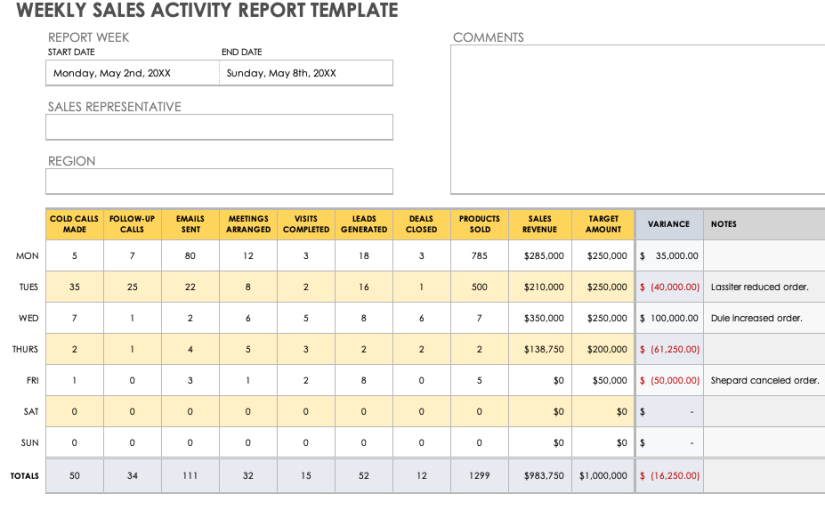
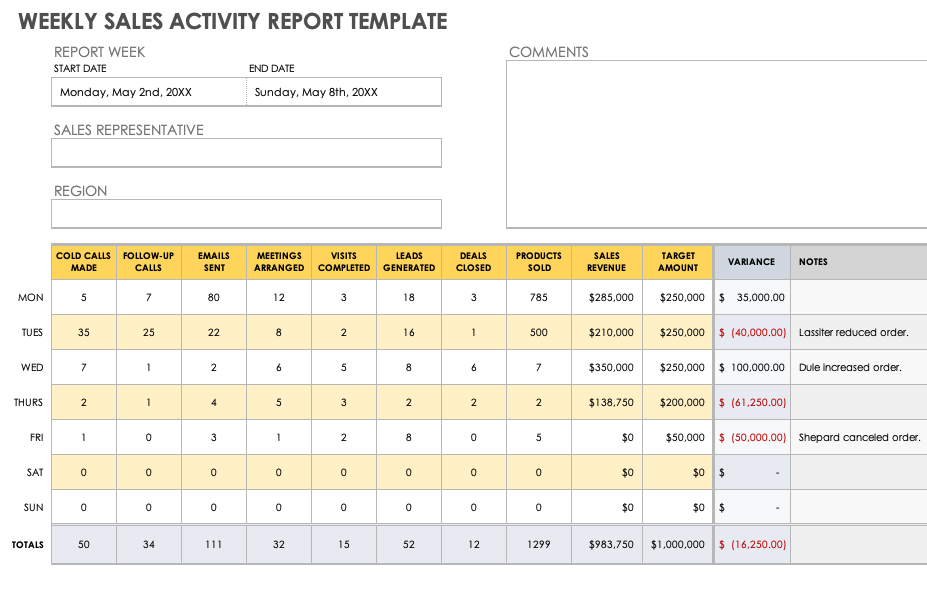
Daily interactions with prospects form the backbone of any sales cycle. A Weekly sales activity report template serves as the perfect format for capturing these interactions and transforming them into actionable insights. Instead of scattered notes about calls, demos, follow-ups, and outreach attempts, this template organizes everything into a structured weekly narrative that shows exactly how sales representatives are spending their time.

The strength of this Weekly Sales Activity Report Template lies in its ability to highlight both productivity and efficiency. Activity numbers alone don’t mean much unless they relate directly to outcomes. For example, making 80 cold calls sounds impressive—until you realize only two resulted in follow-up discussions. By pairing activity metrics with outcomes, the template encourages targeted improvements rather than blind hustle.

Another useful component is the breakdown of touchpoints across different channels. Teams can see whether emails outperform calls, or whether LinkedIn outreach works better with certain industries. Over time, these weekly insights refine the team’s approach to engagement, reducing wasted effort and improving conversion rates.

This template also benefits managers who need to identify coaching opportunities. If a representative repeatedly logs many activities but sees little movement in the pipeline, a deeper conversation can begin. Likewise, a rep who consistently achieves high conversion with fewer actions might reveal best practices that others can adopt.

Used consistently, the Weekly sales activity report template becomes a roadmap—not just a list of actions. It reveals how energy translates into results and helps teams realign efforts toward the most effective strategies.

Weekly Sales Manager Report Template – Powerful Breakdown for Smarter Decision-Making

Leadership thrives on clarity, and a weekly sales manager report template delivers exactly that. It gives managers a comprehensive view of team performance without requiring hours of manual analysis. Instead of sifting through multiple documents, managers receive a unified format that highlights key metrics, team productivity, pipeline movement, forecast accuracy, and blockers that need attention.

One of the most valuable aspects of this template is its emphasis on interpretation. Sales managers don’t just report numbers—they explain them. They outline what drove performance, what hindered progress, and what adjustments might be needed. The template encourages them to think critically about outcomes and communicate insights in a structured, digestible way.

The Weekly Sales Manager Report Template also supports proactive leadership. Weekly patterns can reveal whether a slowdown is temporary or a sign of deeper issues. For example, if every team member reports fewer qualified leads than usual, marketing alignment might need reinforcement. If deals are repeatedly stuck in the same pipeline stage, training on objection handling may be necessary. Early detection enables corrective action before losses compound.

In addition, the weekly sales manager report template helps align teams on shared goals. Managers can compare performance against weekly targets, identify top contributors, and recognize areas where collective improvement is needed. This structure fosters collaboration rather than competition, creating a healthier and more transparent sales culture.

Another advantage lies in risk detection. By tracking stalled deals, unusual customer behavior, or sudden industry shifts, the template ensures that leadership stays alert. These insights improve forecasting and support more confident decision-making, especially in fast-changing environments.

Weekly Team Status Report Template – High-Impact Format for Strong Alignment and Collaboration

Success in sales isn’t an individual sport; it’s a coordinated effort across an entire group. A weekly team status report template helps teams stay aligned, ensuring that every member understands shared objectives, current challenges, and ongoing initiatives. It creates visibility across roles and helps prevent miscommunication that can derail progress.

One of the biggest strengths of this template is its ability to highlight collective achievements. While individual reporting is important, team-level insights reveal how combined efforts contribute to overall momentum. Whether the focus is on hitting weekly targets, improving outreach quality, or coordinating large deals, the template keeps everyone on the same page.

It also helps teams track collaborative tasks—shared accounts, follow-ups requiring multiple touchpoints, cross-departmental initiatives, or campaigns that involve both marketing and sales. These tasks often slip through the cracks without structured reporting, especially in busy weeks.

The Weekly Sales Report Template also improves alignment with leadership. Managers can quickly see how the team’s energy is distributed, which priorities are receiving the most focus, and where support is needed. This allows them to allocate resources more effectively, whether that means adjusting territory assignments, refining messaging, or providing additional guidance.

Another benefit is morale. Weekly team updates create a rhythm of wins, learnings, and shared progress. They give the team an opportunity to recognize contributions, celebrate completed goals, and reflect on areas for improvement without the pressure of formal performance reviews.

By using this Weekly Sales Report Template consistently, teams build a culture of transparency, clarity, and unified progress—qualities that strengthen collaboration and improve performance across the board.

FREE Weekly Status Report Template – 8+ High-Impact Formats

Weekly Status Report Template Mastery: High-Impact Formats for Fast, Clear Updates | A dependable Weekly status report template gives teams something priceless: clarity without chaos. Anyone who has ever sat through an update meeting that felt longer than a slow-loading spreadsheet knows how valuable a well-structured weekly report can be. It organizes scattered tasks, turns vague updates into measurable progress, and helps decision-makers spot issues before they have the chance to snowball. Whether you’re managing a busy project team or overseeing multiple departments, the right structure cuts through noise and delivers meaningful visibility.

A strong Weekly status report template doesn’t just list completed tasks. It provides a structured snapshot of progress, risks, resources, dependencies, and upcoming priorities. It also ensures team members report updates in a consistent format so managers aren’t left decoding wildly different reporting styles—like deciphering hieroglyphs every Friday afternoon.

In many workplaces, weekly reports become the backbone of coordination. They tie together timelines, accountability, and cross-functional work. A polished Weekly status report template guides contributors to focus on specifics: measurable output, clear blockers, and objective progress indicators. Instead of vague commentary, it produces actionable information that the team can work with.

Another advantage is time efficiency. A properly designed Weekly status report template reduces the time spent writing updates because contributors simply fill predefined sections. Instead of figuring out what to say each week, they follow a consistent pattern. Managers also save time since reports become faster to review—no more endless scrolling through paragraphs that feel like someone wrote them in a hurry at 4:59 PM.

Because teams evolve and workloads shift, flexibility matters. A great Weekly status report template adapts to different environments: agile teams, departmental operations, HR functions, engineering pipelines, or administrative routines. Its structure remains simple, but the fields can be expanded or customized to match specific goals. When people actually enjoy filling out the template—well, “enjoy” might be a strong word—but at least they don’t resist it, you know you’ve created something effective.

A refined Weekly status report template also strengthens communication between teams and leadership. It ensures that everyone—from junior staff to senior decision-makers—accesses the same level of structured visibility. That alignment keeps expectations realistic and helps reduce misunderstandings that typically arise from unclear reporting styles.

Now let’s break down the functional value of this template through practical lenses and relatable use cases, without turning it into a snooze-fest that leaves everyone daydreaming about weekend plans.

Optimizing Weekly Status Reporting Through Practical Structure

An effective Weekly status report template starts by separating information into specific categories that reflect real project needs. Most teams benefit from sections like KPIs, completed tasks, ongoing work, blockers, dependencies, risks, and upcoming deliverables. These areas allow contributors to express their progress clearly and logically.

One of the most crucial elements is progress measurement. Instead of general commentary—“working on it,” “almost done,” “nearing completion”—the Weekly status report template encourages measurable statements. For example, “API integration completed at 80%, remaining tasks involve authentication logic.” It’s much easier for leaders to make decisions when updates include numbers, timeframes, and impact estimates.

The weekly report template also supports risk visibility. Blockers and pending items can be listed in a dedicated section to ensure they aren’t hidden behind optimistic phrasing. When a Weekly status report template creates transparency, the entire team benefits from timely escalation and accurate planning.

When used across departments, consistency becomes a major advantage. Marketing, product, engineering, finance, and HR all have different reporting styles. The best Weekly status report template harmonizes those differences without forcing a single rigid style across the organization. It provides a backbone for reliable communication while still leaving room for team-specific information.

Humor can even be subtly woven into these reports—only when appropriate, of course. A dash of personality keeps weekly summaries from feeling robotic. Just enough to make someone smile without making your compliance department faint.

Supporting Templates for Different Reporting Needs

Weekly Project Status Report Template

A Weekly project status report template focuses on task-driven progress. It works best for teams juggling milestones, sprint cycles, or cross-functional deliverables. The structure blends timeline tracking with measurable metrics so project managers can quickly see if everything is running smoothly— or if something is quietly catching fire behind the scenes.

This type of template typically includes fields for scope changes, risk forecasts, timeline deviations, and upcoming sprint goals. It’s ideal for teams balancing large workloads, requiring visibility into dependencies or bottlenecks. Tools like Gantt charts, task lists, and milestone checkpoints pair well with the Weekly project status report template, especially when teams need to communicate how their efforts contribute to larger organizational objectives.

Use cases include software development sprints, marketing campaign rollouts, construction phases, and product lifecycle planning. Anyone overseeing multi-layered work will find that the Weekly project status report template sharpens planning accuracy and keeps contributors aligned.

Get also: Free Monthly Report Template

Weekly Employee Status Report Template

A weekly employee status report template shifts focus from project milestones to individual output. This is where personal accountability shines. Instead of guessing what team members accomplished throughout the week, the template provides a clear breakdown of tasks completed, challenges faced, skill development, and upcoming responsibilities.

Managers benefit from this format when coaching or evaluating performance. The weekly employee status report also supports professional growth by encouraging reflection on workload patterns, productivity roadblocks, and areas where support may be required. It’s particularly effective for remote teams or hybrid environments where ongoing communication is essential.

Employees can use this structure to express achievements without worrying about sounding boastful. The template naturally prompts clarity, and it reduces the “What did you do this week?” back-and-forth that nobody enjoys. With the weekly employee status report template, everyone stays on the same page—literally and figuratively.

Weekly Team Status Report Template

A weekly team status report expands beyond individual or project-specific updates. It captures the collective progress of an entire team. This makes it especially useful for department leads managing diverse workloads across multiple contributors.

Sections often include shared goals, team-level KPIs, collaboration updates, collective blockers, interdepartmental dependencies, and planned priorities. The weekly team status report template helps leadership understand how different team members contribute to unified outcomes while highlighting areas that require resource adjustments.

This template is effective for operations teams, customer support groups, creative departments, and technical squads. It aligns everyone’s progress under a single framework, giving directors a high-level overview without losing sight of critical details. A well-structured weekly team status report keeps momentum high and confusion low.

Enhancing Consistency and Transparency Across Any Organization

A reliable Weekly status report template can transform how teams communicate. It minimizes ambiguity, nurtures accountability, and ensures updates aren’t buried in random email threads or scattered chat messages. Once the structure becomes habitual, weekly reporting turns into a smooth routine—less dread, more clarity.

Companies with complex workflows benefit from the uniformity it creates. When every team uses the same backbone for reporting, decision-makers get a clearer picture of the overall direction. Instead of patching together bits of information from different sources, a standardized Weekly status report centralizes visibility and saves time for everyone involved.

Even better, the template becomes a living record of progress. It highlights improvements, reveals bottlenecks, and provides a historical trail for analyzing patterns. Over time, these insights help teams optimize productivity, strengthen communication flows, and refine planning accuracy.

A smartly crafted Weekly status report template also reduces friction between departments. With consistent reporting standards, teams understand each other better. Marketing knows where engineering stands, HR sees resource needs, finance gets visibility into shifting priorities, and leadership can align strategy accordingly.

While no template can magically make the week feel shorter, the right structure can at least make the workday smoother. And in the world of professional reporting, that’s practically a superpower.

10+ BEST Weekly Report Templates to Boost Team Clarity and Momentum

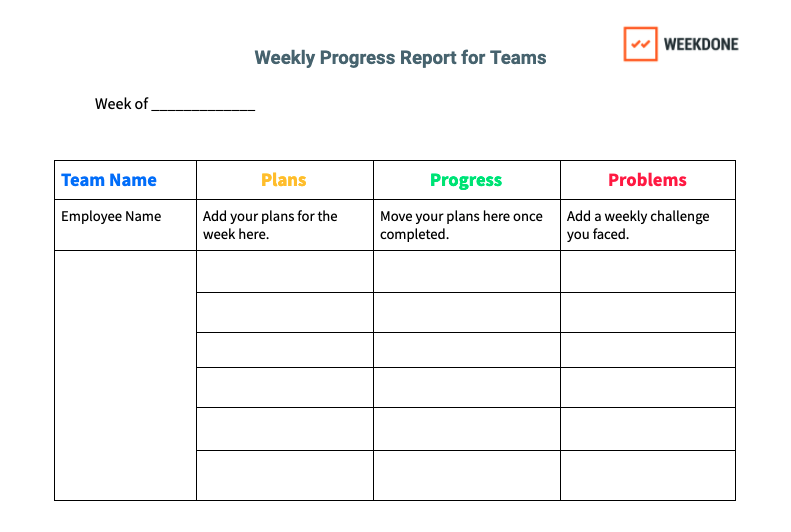
10 Powerful Weekly Report Template Ideas to Boost Team Clarity and Momentum | A weekly report template is one of those underrated tools that quietly keep a team functioning like a well-oiled machine. While deadlines rush in, tasks multiply, and priorities shift without warning, a structured weekly summary ensures nothing gets lost in the chaos. Instead of scrambling to remember what happened over the past five days, a weekly template gives teams a clean and organized snapshot of everything that matters.

It brings order, consistency, and clarity—three things every workplace needs but often struggles to maintain. A good weekly format shows what has been completed, what’s in progress, and what barriers might block next week’s progress. Whether a team handles creative work, operations, engineering, customer service, or sales, a structured document keeps everyone aligned without requiring long meetings or tedious updates.

The ideal weekly layout is simple: summarize, highlight, track, and prepare. When updates follow the same structure every week, reviewing them becomes second nature. Everyone—from entry-level staff to managers—can quickly grasp where the team stands and what actions must come next. No guesswork. No digging through endless chat threads. No “What did I do last Tuesday?” moments.

A strong weekly report template transforms uncertainty into structure. It helps teams communicate better, work more efficiently, and stay accountable in the gentlest way possible.

Weekly Report Template for Clear and Consistent Workflows

A weekly report template provides a standardized format that teams can rely on. When people switch between multiple projects or deadlines, having a consistent structure removes confusion and keeps information easy to read. Instead of writing updates from scratch, they simply fill in predefined sections that guide their thoughts and ensure key details are covered.

Weekly cycles often fluctuate—some weeks are filled with breakthroughs, while others feel like pushing a shopping cart with a broken wheel. The template smooths out these highs and lows, giving each week the same predictable rhythm. This helps teams maintain flow even during hectic periods.

Because of its flexibility, a weekly layout works for different industries. Creative teams can highlight campaign updates, engineers can log milestone progress, HR can track onboarding, and logistics teams can document operational events. No matter the field, the template adapts easily with minor adjustments.

Weekly Status Report Template

A weekly status report template is designed to give clear visibility into the current condition of tasks and responsibilities. It usually includes sections for accomplishments, ongoing work, blockers, and next steps. With structured headings, contributors don’t need to overthink their updates; they simply fill in relevant details.

Status templates are useful for team meetings, internal updates, one-on-one discussions, and cross-department coordination. Managers can review them quickly and understand how things are progressing without having to dive into every detail individually. The layout promotes transparency, consistency, and accountability.

Weekly Progress Report Template

A weekly progress report template goes deeper into measurable development. While a status report focuses on “what’s happening,” a progress report emphasizes “how far things have moved.”

Typical elements include:

  • Progress percentages or milestones
  • Goals set at the beginning of the week
  • Differences between planned and actual outcomes
  • Short explanations for changes
  • Plans for the upcoming week

This type of template works perfectly for long-term projects requiring consistent tracking. It’s particularly useful for engineering teams, design departments, production units, and any task-driven environment where every increment matters.

Get also: Weekly Expense Report Template

Weekly Report Template for Performance Tracking

Performance monitoring becomes significantly easier with a well-structured weekly report template. Over time, weekly summaries reveal patterns—how quickly tasks are completed, which issues frequently arise, and which improvements might boost efficiency. These patterns help managers respond proactively rather than waiting for problems to escalate.

Because weekly documents contain short, digestible updates, team leaders can detect trends early. They can identify when workloads become overwhelming, when progress slows down, or when communication gaps begin to form. This leads to better decision-making and smoother operations.

The beauty of a performance-focused template lies in its balance between detail and brevity. It gives enough depth to be meaningful without drowning readers in long paragraphs.

Weekly Sales Report Template

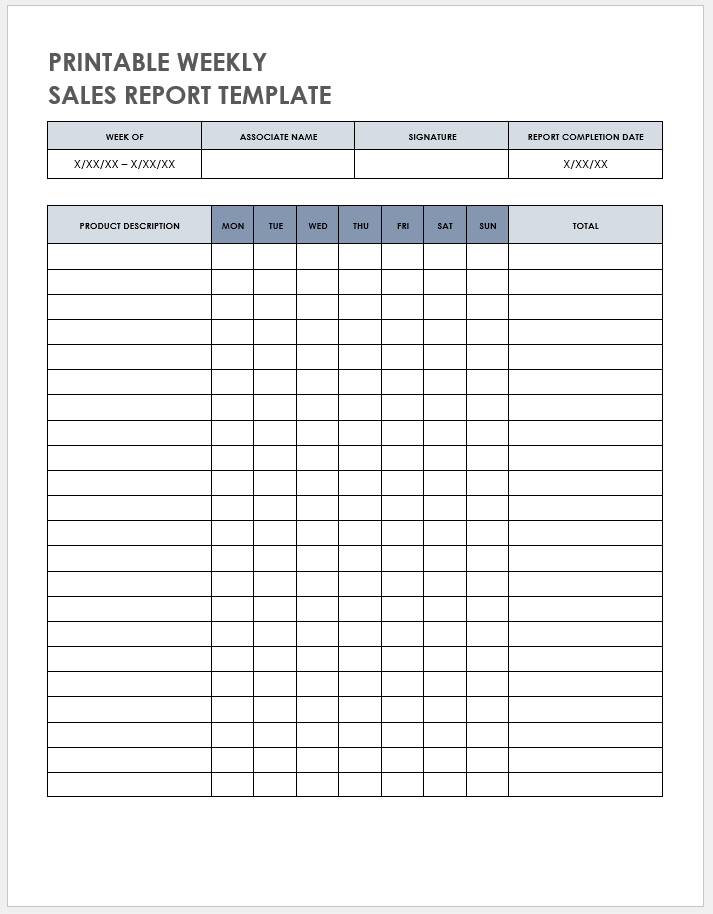
A weekly sales report template is essential for tracking performance in sales-focused teams. It highlights key numbers, revenue movement, client interactions, and shifts in the pipeline. Weekly sales data can change dramatically, so a structured document helps maintain clarity.

Sales templates often include:

  • Total weekly sales
  • New leads and prospects
  • Deal status updates
  • Follow-up actions
  • Obstacles affecting performance

Team leaders can quickly compare sales trends, plan upcoming targets, and adjust strategies to maintain momentum.

Weekly Status Report Template (Performance Focus)

Within a performance-driven environment, a weekly status report template helps evaluate achievements and challenges in a measurable way. It covers items like completed tasks, efficiency notes, risk indicators, and action items. Over time, these reports reveal which processes are working smoothly and which require improvement.

This template is especially helpful in roles that rely on consistent productivity, such as customer support, production teams, IT operations, or administrative work.

Get also: Annual Marketing Report Template

What Makes a Weekly Report Template Truly Effective

The effectiveness of a weekly report template comes from its structure, clarity, and relevance. A good template must offer:

1. Consistent layout
Repetition makes weekly updates easy to write and even easier to read.

2. Clear sections
Well-labelled categories help contributors stay focused and avoid unnecessary explanations.

3. Space for insights
Weekly reflections encourage learning and improvement.

4. Defined priorities
Highlighting important goals helps the team maintain direction.

5. Next week’s planning
This ensures momentum continues and reduces uncertainty.

6. A balanced level of detail
Too much text becomes overwhelming; too little becomes unhelpful. Effective templates strike the right middle ground.

When Weekly Templates Make the Biggest Impact

Project Management

Teams can track milestones, shifting priorities, and potential risks.

Marketing Departments

Campaign performance, content output, and engagement numbers benefit from structured weekly summaries.

Human Resources

Recruitment progress, onboarding steps, and internal activities become clearer and more predictable.

Engineering & Development

Sprint updates, backlog movement, and technical blockers are easier to monitor.

Sales & Retail

Weekly sales reports, customer interactions, and revenue changes are essential for forecasting and performance evaluation.

Every department gains visibility and direction through a weekly report template tailored to its needs.

How Weekly Templates Improve Productivity

A strong weekly reporting system enhances productivity by:

  • Reducing confusion
  • Improving communication
  • Providing accountability
  • Tracking measurable outcomes
  • Highlighting risks early
  • Supporting consistent planning
  • Strengthening team alignment

Weekly templates create a rhythm of reflection and forward planning that keeps teams operating with purpose.

Choosing the Right Weekly Report Template

The ideal template depends on the team’s workflow. Complex projects require more detail, while routine work needs a simpler structure. Key components often include:

  • Weekly overview
  • Completed tasks
  • Ongoing work
  • Blockers or challenges
  • Insights and observations
  • Next week’s goals
  • Relevant metrics or KPIs
  • Optional attachments or references

Mix and match these sections to form a template that fits your environment without overwhelming contributors.

Final Thoughts

A weekly report template is more than a formality—it’s a communication tool that ensures every member of a team understands what’s happening, what matters, and what comes next. In fast-paced workplaces where priorities change daily, a weekly structure offers clarity and stability. With the right layout, teams boost productivity, enhance collaboration, and maintain focus without unnecessary meetings or long-winded updates.

When used consistently, a weekly report template becomes the backbone of internal communication and a reliable foundation for improving performance across the organization.

8+ POWERFULL Financial Report Templates Free Download

7 High-Impact Ways a Financial Report Template Transforms Your Workflow | A Financial Report Template brings structure, clarity, and consistency to financial documentation across monthly, quarterly, and annual cycles. More than a formatted document, a Financial Report serves as a reliable system that organizes essential numbers into understandable insight. Teams gain a repeatable approach that keeps reporting accurate, uniform, and easy to interpret—whether presenting to stakeholders, internal teams, or decision-makers who want clean data without unnecessary complications.

A strong Financial Report also prevents the scattered, improvised spreadsheets that creep into many organizations. Instead of juggling mismatched layouts, the template creates a predictable home for revenue, expenses, forecasts, and performance comparisons. It guides the reporting process while reducing errors and redundant work. Over time, the template becomes a stabilizing force—like that one colleague who keeps everything color-coded and somehow never loses a file.

How a Financial Report Template Supports Clearer Reporting

A Financial Report Template provides format consistency, which is crucial for understanding financial patterns over time. By having identical structures every reporting cycle, teams can compare trends without re-learning new formats each month. A uniform layout also improves accuracy, because categories and formulas remain in place rather than being recreated from scratch.

The template makes complex data easier to digest for different audiences. Operational teams can track variances, leadership can evaluate performance, and financial staff can maintain a clean audit trail. The visual coherence alone often reduces miscommunication—because nobody enjoys deciphering spreadsheets that look like they survived a coding bootcamp gone wrong.

Financial Summary Report Template

A Financial summary report template pairs naturally with the main Financial Report Template, offering a high-level snapshot of key metrics. This compact report highlights revenue totals, expense groupings, and net outcomes for the period. It helps readers grasp the storyline before diving into the full breakdown.

A polished Financial summary report keeps meetings efficient. Executives, time-pressed managers, and anyone allergic to long tables appreciate having the essence presented clearly. Once the overview lands, the detailed Financial Report Template fills in the context.

End of Year Financial Report Template

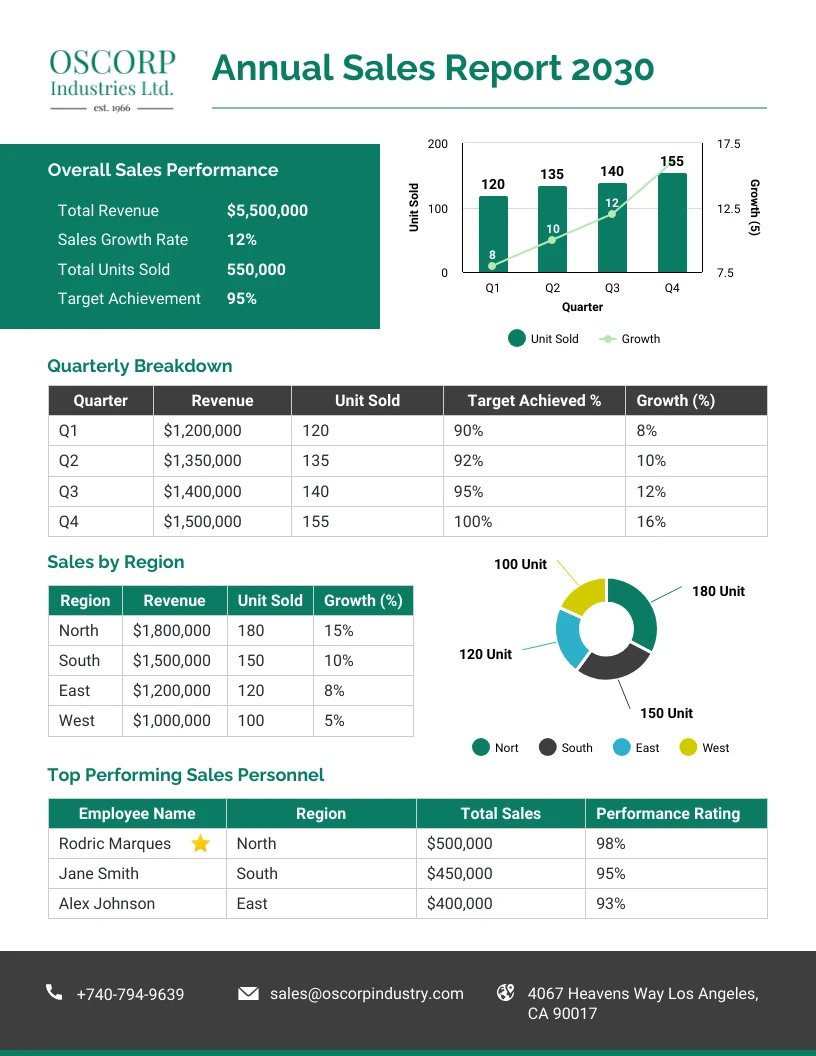
An end of year financial report template closes the annual cycle by consolidating total earnings, accumulated expenses, and year-end positions. It provides the clearest picture of how the organization performed over the past twelve months.

This version of the Financial Reporting Template ensures the entire financial narrative stays cohesive. It reduces last-minute data hunting, mismatched tables, and formatting mismatches that tend to appear during year-end rushes. The result is a final annual document that feels polished and complete rather than patched together.

Why Teams Rely on a Financial Report Template for Stability and Insight

A dependable Financial Report simplifies collaboration among multiple departments. Instead of creating their own report formats, teams insert data into the shared structure. Numbers become easy to merge, compare, or audit. The uniformity supports long-term tracking and prevents reporting drift—a common issue when departments improvise.

A structured report also enhances decision-making. Because the information lands in a familiar layout, leaders can identify emerging trends, cost behavior, or inefficiencies more quickly. This improves conversations around budgeting, projections, and performance improvement.

Financial Statement Report Template

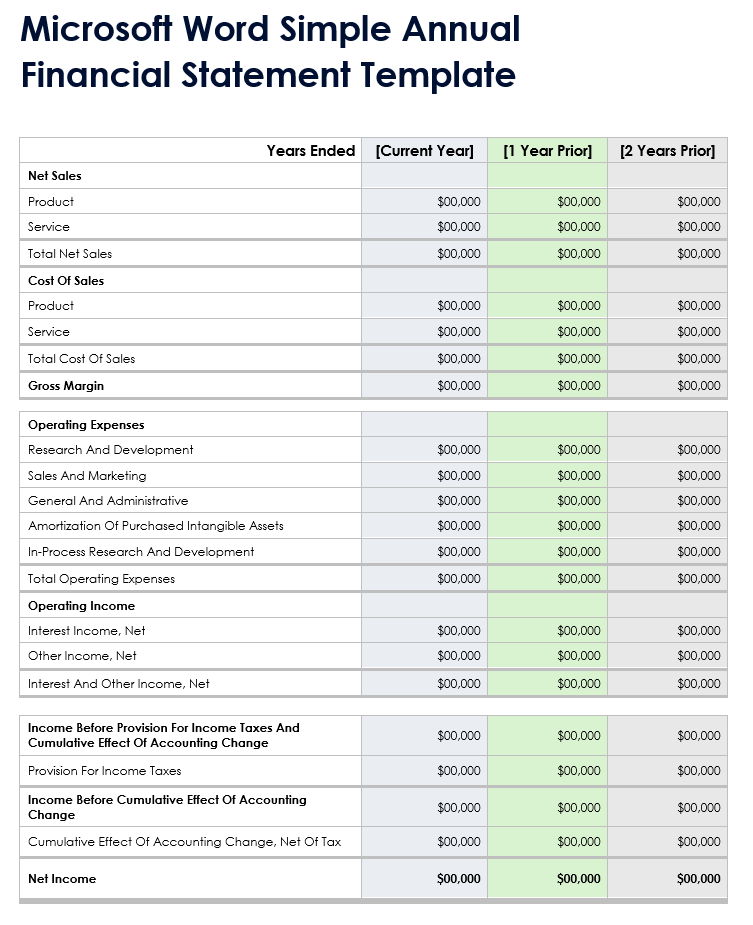
A financial statement report focuses on the core trio: income statements, balance sheets, and cash flow statements. While the main financial reporting template organizes broader reporting needs, this specialized version keeps the foundational statements structured and consistent.

Using a Financial statement report template ensures accuracy in the most critical reporting areas. Teams avoid layout changes that could cause misinterpretation or formula errors. Paired with the main template, it creates a powerful reporting ecosystem that reinforces trust and clarity.

Financial Summary Report Template

Reintroducing the Financial summary report template within broader financial cycles supports smooth transitions between quick-glance metrics and deeper analysis. Its concise layout makes it ideal for presentations, department reviews, or strategic meetings where time is limited.

When used alongside the primary Report Template, the summary provides essential context before diving into category-level detail. This dual-template approach improves understanding and reduces confusion.

Extended Insights, Use Cases, and Practical Application

Teams across different industries rely on a Report Template for varied reporting needs. A nonprofit may use it to evaluate donor fund allocation, while a manufacturing company might track production costs and margins. Service-based businesses might focus more on labor expenses and recurring revenue streams. Regardless of the organization, the template adapts without losing structural integrity.

One significant advantage of using a Financial Report Template is historical comparison. With consistent formatting, it becomes easy to study quarterly or annual patterns. Revenue spikes, cost anomalies, or seasonal changes stand out naturally when the structure remains identical each cycle. This makes forecasting more grounded and less reliant on guesswork.

The template also supports smoother audits. Clear sections, standardized labels, and organized financial categories reduce the time spent clarifying where numbers belong. Auditors appreciate clean documentation—and when auditors are happy, everyone sleeps better.

Startups benefit as well. A growing team with unpredictable income and expenses can remain financially grounded through a consistent financial report. Founders stay aligned, decisions become data-driven, and external stakeholders view the documentation as credible and professional.

When organizations expand, the Financial Reporting scales easily. Additional categories—like departmental budgets, branch comparisons, or project-based expenses—can be integrated without disrupting the established structure. The core formatting stays intact while accommodating new data.

The template’s flexibility also shines during external communication. Whether presenting to investors, applying for financing, or preparing regulatory documents, organizations need clarity. A uniform format reinforces consistency and makes the information digestible for people unfamiliar with internal financial processes.

Daily operations benefit too. Teams conducting budget reviews, spending audits, or performance evaluations rely on the structure to keep meetings focused. Instead of arguing over spreadsheet layout choices, they engage in meaningful conversation about what the numbers represent.

Over time, the Business Report Template becomes a predictable guide. It minimizes errors, reduces duplicated effort, and creates accountability across reporting cycles. Many teams even find the process surprisingly less stressful—once the formatting battles disappear, the focus returns to insight rather than layout.

Conclusion

A Financial Report Template delivers clarity, consistency, and reliability across all reporting cycles. It organizes financial information in a way that supports planning, analysis, and communication. With the right structure in place, financial discussions become clearer, decisions become more confident, and organizations move forward with a reporting system that’s both dependable and easy to use.

7+ Annual Financial Report Template for Stronger Year-End Insights

Annual Financial Report Template for Clearer, Stronger Year-End Insights | Crafting a dependable annual financial report template isn’t just about crunching numbers; it’s about shaping a narrative that helps leaders see the past year with clarity and plan the next one with confidence. A well-built structure turns financial data into a strategic asset, especially when teams need an accessible, repeatable system that works every year. With the right framework in place, organizations can track performance, understand shifts in revenue or expenses, and present a complete story that keeps everyone aligned.

This kind of Annual Marketing Report Template also helps eliminate yearly chaos—the frantic spreadsheet hunting, the mystery figures no one remembers entering, and the last-minute detective work to explain why office supply expenses suddenly doubled (spoiler: it’s always the printer toner). Instead, it gives teams a clear reference point where everything fits logically and tells a cohesive financial narrative.

Annual Financial Report Template Essentials for Reliable Year-End Clarity

A strong annual financial report template should give leaders an organized view of revenue, expenses, assets, liabilities, and final outcomes that impact decisions. It also needs to be structured so that both financial and non-financial readers can understand the story behind the numbers. That’s why clarity, consistency, and relevance are at the core of a dependable template.

Structuring Your Annual Financial Statement Report for Accuracy

One of the key components to embed in your annual financial statement report is a standardized approach to presenting financial activities for the year. This typically includes sections for your income overview, operational expenses, net results, and a breakdown of cash movements. Readers should immediately understand how financial activity unfolded month by month and how those movements collectively shaped the year’s performance.

This isn’t about adding fancy jargon; it’s about giving clear explanations. For example, if operational costs rose, the report can briefly note the cause—whether from hiring, maintenance, or expansion. It allows stakeholders to tie numerical changes to real-world events. That context adds value and builds trust in the numbers presented. Even simple clarifications go a long way: instead of “expenses increased by 8%,” readers appreciate specifics like “expenses increased due to upgrading outdated equipment—finally solving the office AC crisis that turned every meeting into a sauna.”

Aligning the Annual Report Audited Financial Statement With Your Template

A template becomes even more effective when it connects seamlessly with your annual report audited financial statement. Even if audits happen at a later stage, your template should already anticipate what auditors look for: consistency between statements, proper categorization of transactions, traceable adjustments, and transparent documentation.

By preparing with these requirements in mind, teams reduce audit friction and ensure that financial documentation doesn’t feel like a scavenger hunt. The template should allocate space for adjustments, footnotes, and summaries that auditors often request.

In practice, this means being clear about depreciation schedules, explaining deferred revenue, or documenting multi-year contracts. When these details live naturally within the template, the audit process becomes more of a routine confirmation than a stress-filled obstacle course.

Get also: Annual Expense Report Template

Annual Financial Report Template Components That Strengthen Decision-Making

A complete financial report template also supports big-picture insights. Instead of simply reporting totals, it should guide readers through the financial story of the year. This is where structure, clarity, and thoughtful organization transform a financial document into a decision-ready resource.

Integrating Performance Data Into an Annual Financial Statement Report

Another way to enhance your annual financial statement report is by combining traditional financial statements with performance indicators. These indicators add context to the numbers by showing what happened operationally during the year. For example, revenue may have risen 14%, but highlighting that customer retention also improved provides a fuller understanding of why growth occurred.

The template can include designated areas for KPIs, metric comparisons to previous years, and commentary on what influenced changes. Having these sections built in helps teams connect financial outcomes to internal strategies and market conditions. It keeps the report from feeling like a static archive and turns it into a more dynamic tool for annual planning. And fortunately, it avoids the classic year-end guessing game of “Was this growth intentional or did we just get lucky?”

Capturing Revenue Trends With an Annual Sales Report Template

No financial overview feels complete without revenue details, which is why your annual sales report template should integrate naturally with the larger reporting structure. Sales patterns often set the tone for the entire year’s performance, so having a clear breakdown of product or service categories, seasonal fluctuations, and top-performing segments is crucial.

Embedding the sales analysis directly into your template ensures teams don’t treat it as a separate document. Instead, it becomes part of the continuum that explains financial outcomes. For instance, if sales spiked in Q3, the template can highlight contributing events such as marketing campaigns, product launches, or improved distribution. These insights allow leaders to see what’s replicable and where adjustments may be needed for the next period.

Building a Narrative That Connects All Financial Elements

A well-designed template doesn’t just present data—it tells a cohesive story. Revenue insights from the annual sales report template, financial activities summarized in the annual financial statement report, and verification through the annual report audited financial statement should all weave together naturally.

When these pieces align, readers gain a richer understanding of the company’s direction. Leaders can see not only the numbers, but also the momentum behind them. For instance, rising revenue paired with rising costs tells a different story than rising revenue with stable costs. Similarly, decreased operational expenses may signal efficiency gains—or reduced investment in growth. The template should help readers distinguish between these scenarios through clear sections dedicated to explanation and context.

Making the Annual Review Process Repeatable

One of the hidden strengths of a consistent annual financial report template is how it supports long-term organization. Over time, teams become familiar with its structure, which reduces confusion and training needs. Departments know exactly what information to prepare and where it will be placed. This makes the annual reporting process more predictable and less stressful for everyone involved.

It also helps with year-to-year comparability. When the structure stays consistent, spotting trends becomes easier. Leaders can quickly determine whether margins are improving, which costs fluctuate most, or how year-end balances have shifted. A stable structure removes unnecessary noise so that performance trends stand out clearly.

Tailoring the Template to Different Types of Organizations

Although the core structure of a reporting template remains similar across industries, small adaptations make it more relevant depending on the type of organization. A nonprofit may emphasize funding sources and program expenses, while a retailer may highlight product category performance and inventory turnover. Service-based businesses benefit from focusing on utilization rates, client retention, and contract revenue.

The beauty of a flexible annual financial report template is that it accommodates these differences without losing clarity. Teams can add sections, rename categories, or incorporate additional data visualizations as needed. What matters most is that the template remains understandable, logical, and easy to maintain year after year.

Providing Clear Takeaways for Stakeholders

At the end of the financial report, readers should walk away with clear insights. A short concluding summary can consolidate everything: the year’s financial position, what influenced the results, and which areas deserve attention in the coming cycle. This summary doesn’t need dramatic flair—just honest, concise takeaways that help everyone align on next steps.

Instead of burying readers in spreadsheets and tables, the summary brings the narrative back into focus. It frames the financial story in a way that resonates with both numbers-driven and non-technical audiences. Even complex years can be summarized in a way that feels structured and actionable.

A thoughtfully designed annual financial report template becomes more than a document—it becomes an annual ritual that strengthens understanding, transparency, and decision-making. With the right structure in place, it evolves into a reliable tool that helps organizations interpret their financial journey and plan their future with clarity.

7+ Powerful Nonprofit Annual Report Template Ideas – Transparency and Trust

Nonprofit Annual Report Template for Clear, Mission-Driven Storytelling | A strong nonprofit annual report template does more than summarize a year’s worth of milestones—it helps people feel the heartbeat of an organization. Supporters don’t just want numbers tossed at them like confetti at a parade; they want context, clarity, and a sense that their contributions made an impact.

The right structure makes that possible, turning information into a narrative that donors, volunteers, and board members can actually enjoy reading. And yes, it’s entirely possible to create something informative and visually appealing without hiring a full Broadway production crew.

A template designed for nonprofits should blend storytelling with accountability. It has to highlight achievements, challenges, program outcomes, and financial integrity while also guiding readers through the bigger mission. Because let’s be honest—annual reports can easily become as dry as a stack of week-old toast. A thoughtful layout keeps readers engaged, shows gratitude, and reinforces why the organization matters.

When formatted effectively, a template doesn’t just support internal documentation; it becomes a relationship-building tool. It helps you share wins without overselling and discuss hurdles without setting off alarm bells. With well-designed sections, teams can create a cohesive report every year without reinventing the wheel.

How a Nonprofit Annual Report Template Strengthens Donor Relationships

A polished nonprofit annual report template helps organizations communicate value with precision and heart. Donors want to know the “why,” “what,” and “how” behind operations, and a clear structure saves staff time while also elevating the final document. Instead of wrestling with blank pages, teams can focus on meaningful content: mission moments, volunteer highlights, and program growth.

A well-crafted template ensures consistency. Whether the nonprofit runs community clinics, arts programs, or environmental efforts, the structure can include highlights of impact, leadership messages, and funding outcomes. Readers appreciate when information flows naturally; it respects their time and enhances trust.

Another benefit is scalability. Smaller organizations with limited design resources can use templates to produce clean, professional reports. Larger organizations can expand sections, add visual dashboards, and integrate multimedia elements. Regardless of size, the template acts as a backbone that keeps everything aligned.

Using a Nonprofit Annual Financial Report Template for Transparency

A reliable nonprofit annual financial report template adds a layer of clarity that donors and stakeholders value. Finances can be intimidating, especially for readers who don’t speak fluent spreadsheet. By organizing revenue streams, expense categories, and program allocations into digestible sections, the template makes financial stewardship easier to understand.

With thoughtfully structured tables and charts, organizations can present figures without overwhelming readers. The focus remains on how resources were used to advance the mission, not on drowning people in accounting jargon. It also encourages consistency from one year to the next, making long-term financial trends easier to follow.

Incorporating a Fundraising Annual Report Template for Donor Impact

A solid Fundraising Annual Report Template expands on campaign success stories and illustrates how contributions fueled programs. It typically includes donor categories, campaign summaries, fundraising channels, and year-over-year comparisons. Readers want to see not just how much was raised, but what those dollars accomplished in real communities.

By integrating this report template into the broader annual report, organizations can show a full picture of donor impact. This builds a narrative of progress that goes beyond numbers, highlighting initiatives, community partnerships, and stories from the field.

Why Organizations Rely on a Nonprofit Annual Report Template to Tell Their Story

A comprehensive nonprofit annual report template supports clarity from the moment someone opens the document. It guides readers through mission statements, values, achievements, and future goals. Donors appreciate structure; it helps them quickly understand priorities and outcomes without sifting through unnecessary fluff.

One of the biggest advantages is that templates encourage a balance of storytelling and metrics. Some readers want emotional narratives; others want charts and data. A good template ensures both audiences find what they’re looking for. And for internal teams, it reduces friction by providing pre-set sections that can easily be adapted each year.

Templates also help maintain design coherence. Whether the organization uses digital reports, PDFs, or printed booklets, uniform formatting ensures a professional impression. It reinforces branding and strengthens recognition among supporters.

Get also: Church Annual Report Template

Showcasing Impact With a Nonprofit Annual Financial Report Template

A structured nonprofit annual financial report template enhances credibility by showing responsible stewardship. It typically includes revenue categories, grant allocations, administrative costs, and program spending breakdowns. These sections help readers understand how funds were distributed, where resources were prioritized, and how efficiently operations were managed.

Financial clarity isn’t just about compliance—it’s about reinforcing the trust that keeps organizations running. With clean layouts, color-coded graphs, and succinct explanations, the template eliminates confusion and helps people see the organization’s long-term stability.

Adding Context With a Non-Profit Annual Report Example

Sometimes the easiest way to understand what works is to review a clear non-profit annual report example built around consistent storytelling. These examples illustrate how organizations integrate mission statements, leadership messages, program outcomes, community testimonies, and audited financials into a unified whole.

Examples also demonstrate how tone shapes perception. Some nonprofits use warm, conversational language to reflect community involvement. Others use a more formal tone to emphasize structure and governance. In both cases, the example shows how all elements work together to create a compelling narrative.

Elements That Make a Nonprofit Annual Report Template Truly Effective

Because every nonprofit has unique needs, the best template is one that adapts easily. Still, several common elements consistently help organizations create strong reports:

1. A compelling mission and vision section

This sets the foundation. Clear intentions matter because they remind readers what the organization stands for and where it’s heading. It typically appears early, so readers immediately understand the overarching purpose.

2. A leadership message

This offers a reflection on the year’s accomplishments and challenges. Authenticated leadership insights help readers connect with the organization’s direction and long-term goals.

3. Highlighted program accomplishments

These sections show how programs influenced communities. Templates often include space for photos, quotes, and success stories that illustrate real-world results.

4. A transparent financial overview

This is where the nonprofit annual financial report template section supports clarity and accountability. Organizations often pair numbers with explanations to bridge understanding gaps.

5. A donor recognition portion

Acknowledging contributions strengthens relationships. Whether the organization lists donors by tiers or acknowledges them narratively, this section is meaningful for community engagement.

6. A future outlook

Outlining upcoming objectives reassures readers that the organization is forward-thinking. It also invites them to stay connected for another year of progress.

Putting a Nonprofit Annual Report Template to Work

A strong nonprofit annual report template provides structure while giving teams room to personalize. Whether the document lives on a website, gets emailed to supporters, or is printed for meetings, the template’s design keeps everything polished and cohesive.
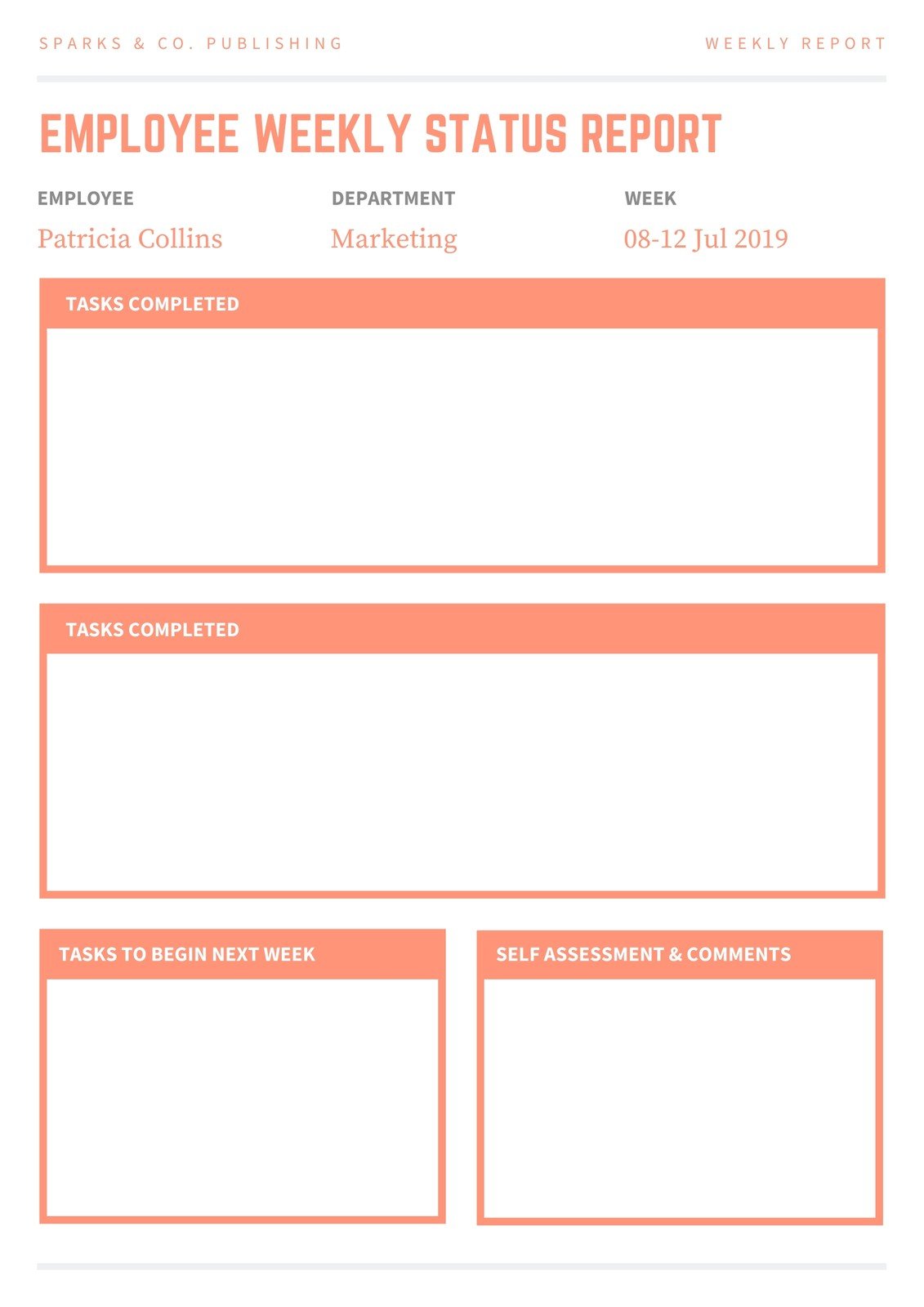
Organizations can adapt layout elements, add visual highlights, integrate staff or beneficiary stories, and include summaries of long-term goals. And because the sections remain consistent from year to year, readers become familiar with the report’s rhythm—making it easier for them to find information they care about.

For fundraising teams, using a fundraising report template within the larger document helps explain how individual campaigns performed. Development staff can showcase progress, highlight unexpected wins, and discuss growth areas transparently. The combination of structured numbers and contextual stories helps supporters stay emotionally and financially invested.

Meanwhile, reviewing a non-profit annual report example gives teams inspiration for balancing tone, visuals, and data. It demonstrates how a completed report might resonate with readers and how different organizations use similar structures in unique ways.

Final Thoughts

A comprehensive nonprofit annual report template transforms complex yearly summaries into accessible, engaging, and trustworthy documents. It brings structure to storytelling, clarity to finances, and cohesion to fundraising insights. Ultimately, it allows organizations to present their journey with confidence—celebrating shared achievements and strengthening the bond between mission and supporters.

If you’d like variations of this article, a downloadable template, or a more design-focused layout, just tell me—I can make it.

Exit mobile version