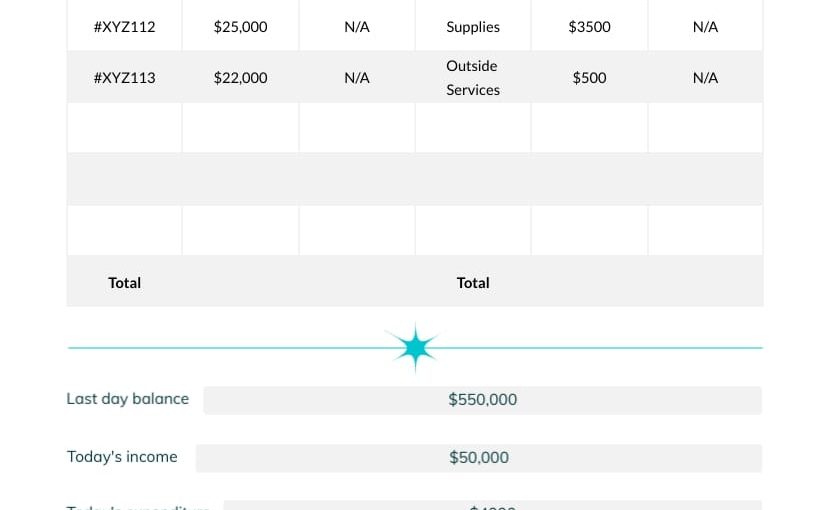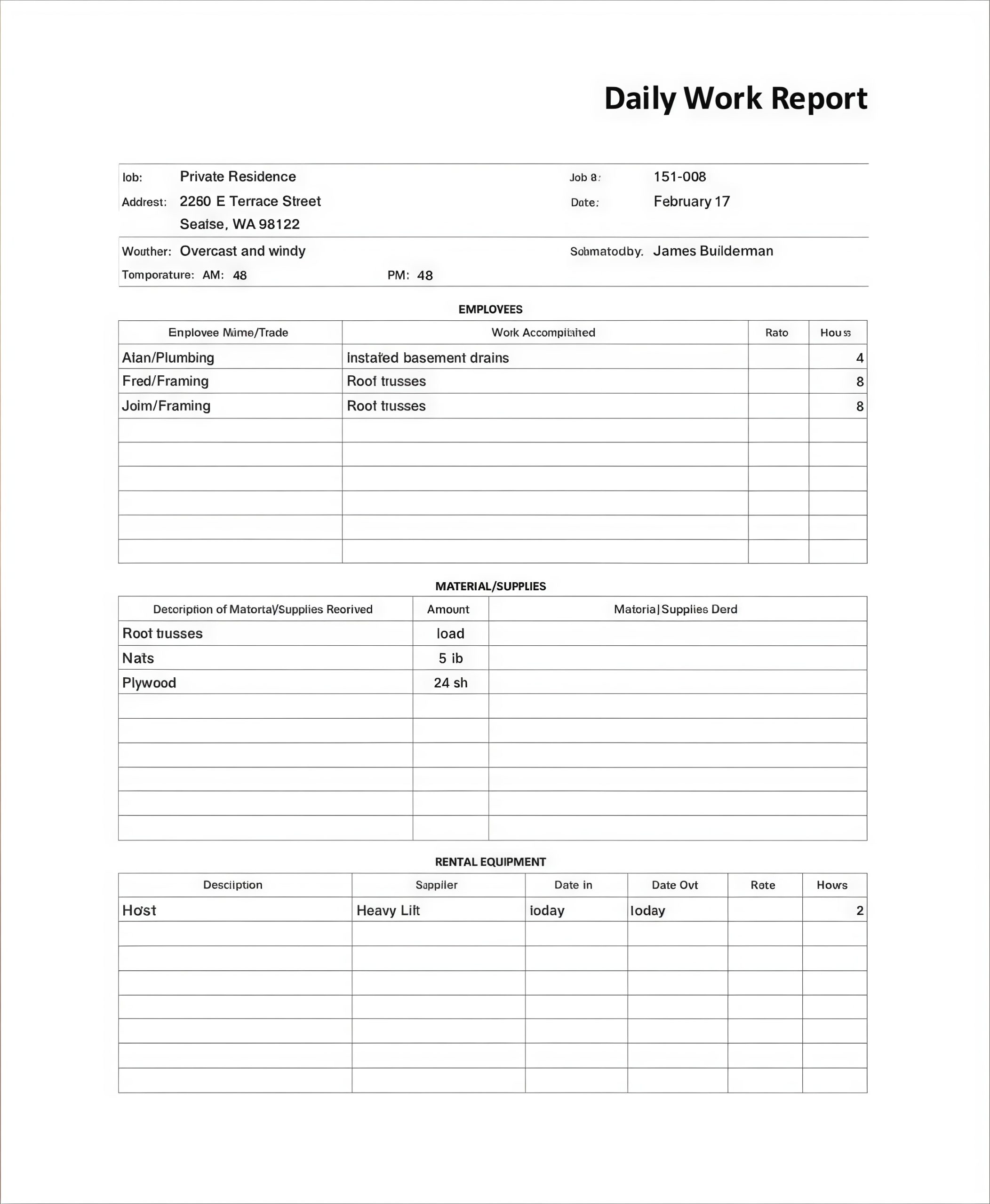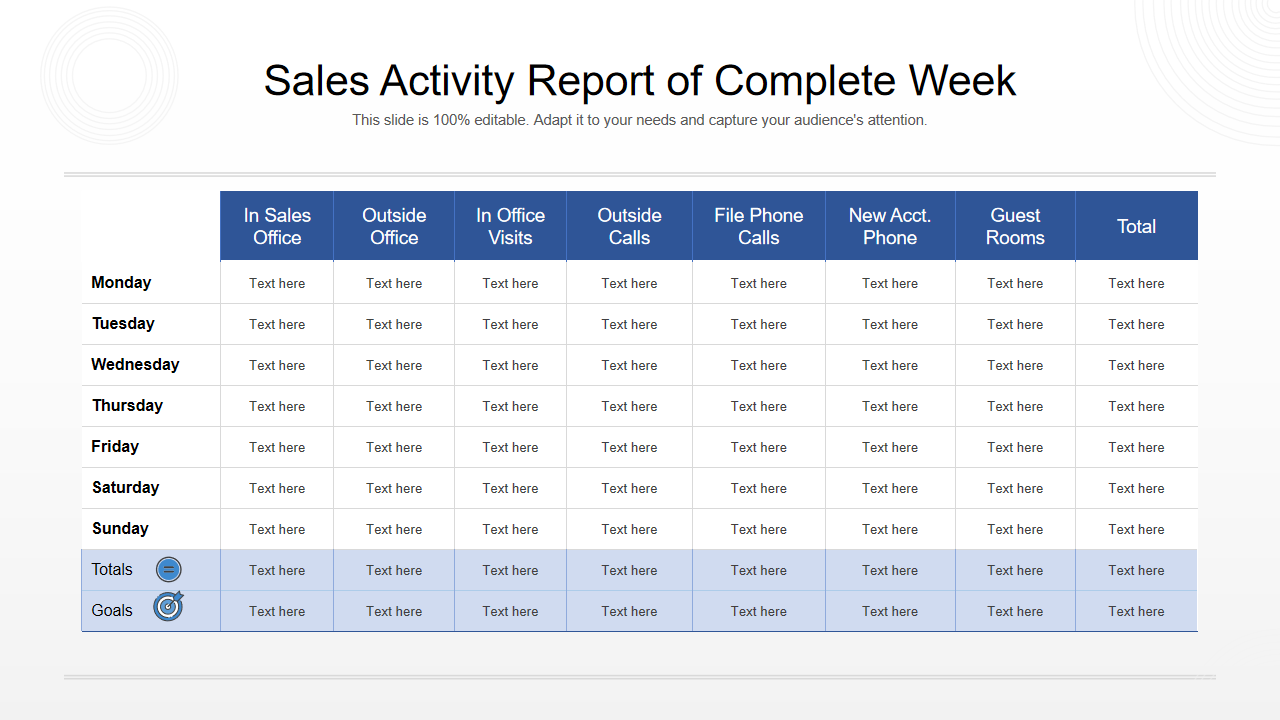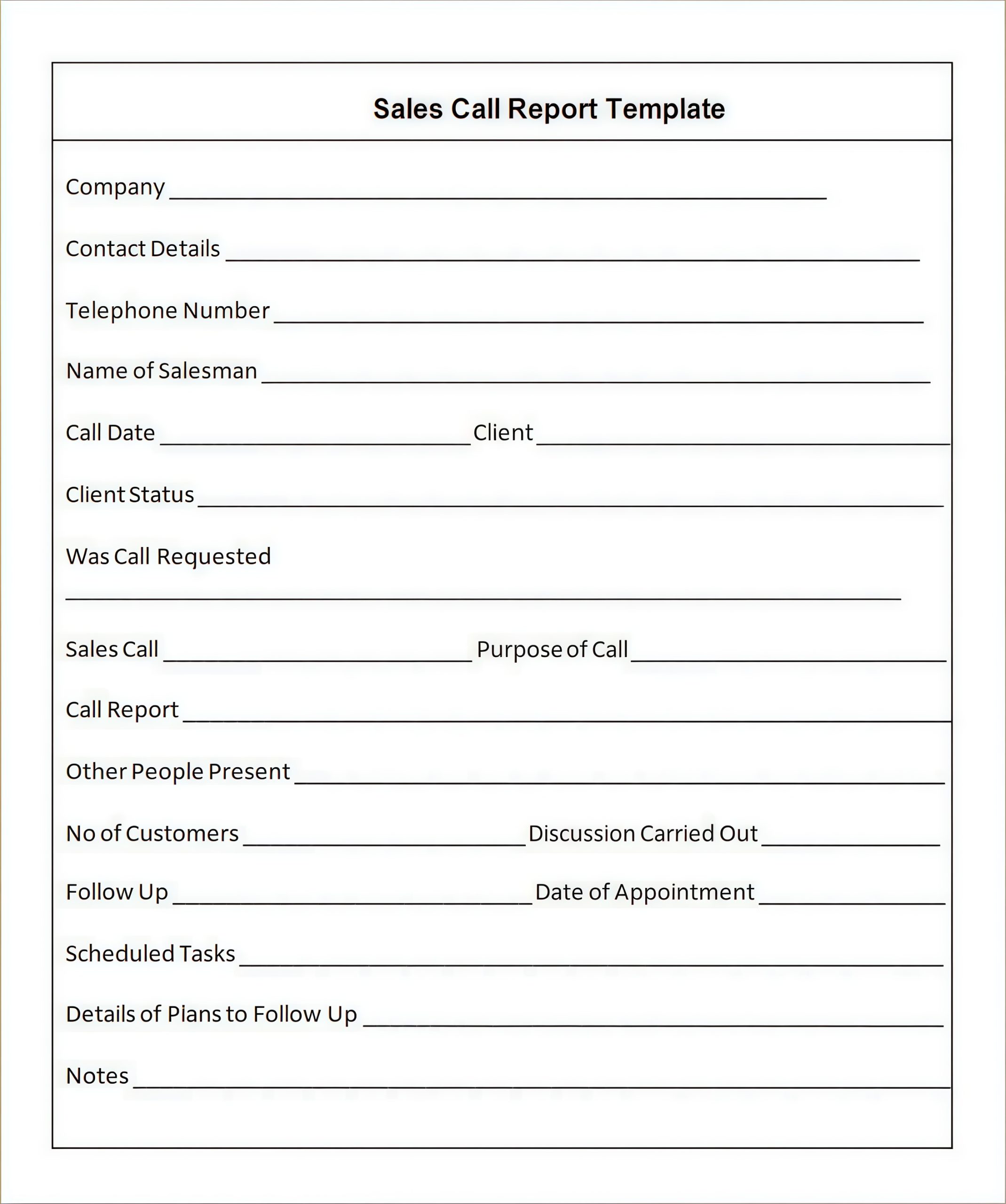
Digital Marketing Report Template – 7+ Free High-Impact Frameworks

Digital Marketing Report Template frameworks play a central role in how modern organizations evaluate performance, interpret outcomes, and plan future initiatives. Without a clear reporting structure, digital marketing data becomes scattered, difficult to compare, and easy to misinterpret. A structured approach to reporting ensures that results are not only visible but also meaningful.

By using a standardized reporting format, teams can translate complex data into clear insights that support better decisions. This article explores the structure, purpose, and practical use of reporting frameworks, along with the most impactful variations used across different digital marketing scenarios.

What Makes a Digital Marketing Report Template Essential

A Digital Marketing Report Template is designed to organize marketing performance data into a consistent and repeatable format. Rather than reviewing isolated metrics from multiple sources, teams rely on a single document that presents outcomes in a logical and easy-to-read structure.

The core objectives of a Digital Marketing Report Template include:

  • Providing clarity across multiple marketing channels
  • Ensuring consistent measurement over time
  • Supporting performance comparison between initiatives
  • Improving communication with stakeholders
  • Guiding future planning and optimization

When reporting follows a clear framework, patterns become easier to identify, and insights become more actionable.

Why Consistency Is Critical in Digital Marketing Reporting

Digital marketing activities often run simultaneously across platforms, audiences, and timelines. Without a unified reporting structure, evaluating overall performance becomes inefficient and unreliable.

A Digital Marketing Report Template ensures that all initiatives are measured using the same criteria. This consistency allows teams to:

  • Track progress accurately
  • Identify long-term performance trends
  • Understand the relationship between effort and outcome
  • Maintain alignment across departments

Consistent reporting also reduces subjective interpretation, keeping discussions focused on data-driven outcomes rather than assumptions.

Core Components of a High-Quality Digital Marketing Report

An effective report balances high-level summaries with detailed analysis. While formats may vary, most successful reports include the following elements.

Performance Snapshot

This opening section summarizes key outcomes, highlighting notable changes and overall direction. It allows readers to understand results quickly before diving into details.

Objectives and Measurement Framework

Clear objectives give context to performance data. This section outlines what the marketing activities aimed to achieve and which indicators were used to measure success.

Channel-Level Results

Breaking performance down by channel helps identify where results originate and how different platforms contribute to overall outcomes.

Audience Engagement Analysis

This section focuses on how users interact with digital assets, providing insight into behavior, interest, and interaction depth.

Conversion and Business Impact

Conversions represent measurable outcomes. This part of the report tracks completed actions that reflect real business value.

Insights and Interpretation

Beyond presenting numbers, this section explains what the data suggests and why certain trends may have occurred.

Strategic Recommendations

A Marketing Report Template should always conclude with clear, actionable recommendations based on observed performance.

High-Impact Types of Digital Marketing Reporting Templates

Different reporting goals require different frameworks. Below are the most commonly used formats, each serving a distinct purpose.

Digital Marketing Performance Report Template for Strategic Growth Tracking

A Digital Marketing Performance Report Template for Strategic Growth Tracking provides a comprehensive overview of ongoing marketing activities. It emphasizes long-term trends, overall effectiveness, and cross-channel performance.
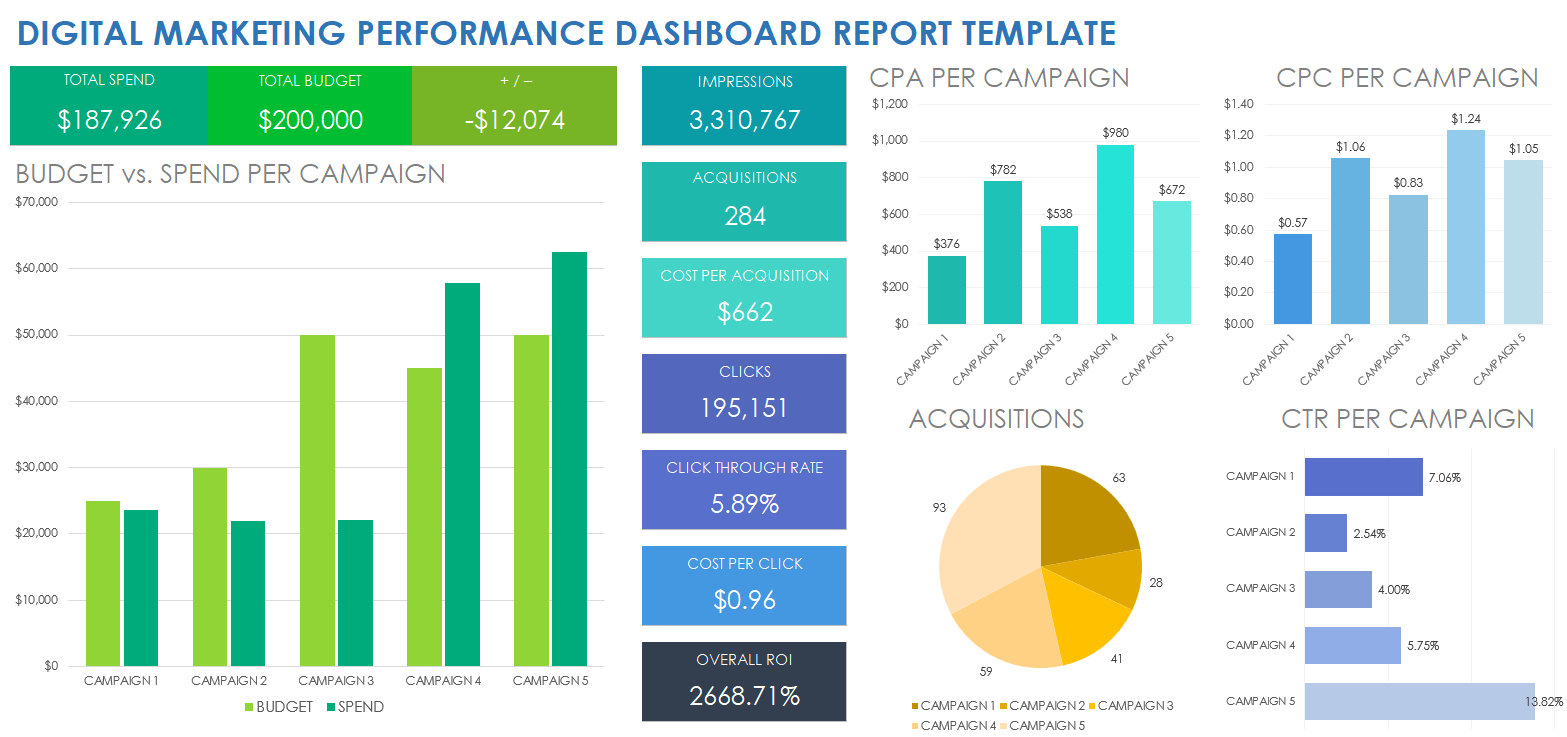
This format is especially valuable for:

  • Monthly or quarterly performance reviews
  • Executive-level reporting
  • Internal strategy evaluation

By focusing on the bigger picture, this report helps organizations understand how individual efforts contribute to broader objectives.

Get also: Digital Marketing Monthly Report Template

Digital Marketing Campaign Report Template for Conversion-Driven Analysis

A Digital Marketing Campaign Report Template for Conversion-Driven Analysis is designed to evaluate a specific initiative within a defined timeframe. It isolates campaign-related data to measure effectiveness and efficiency.

This framework is commonly used for:

  • Promotional campaigns
  • Product or service launches
  • Paid media initiatives

Focusing on a single campaign allows teams to refine tactics, identify strengths, and address weaknesses with precision.

Digital Marketing Audit Report Template for Deep Strategic Assessment

A Digital Marketing Audit Report Template for Deep Strategic Assessment takes a diagnostic approach to reporting. Instead of emphasizing short-term results, it evaluates the overall condition of digital marketing activities.

Audit reports typically examine:

  • Channel alignment and consistency
  • Content effectiveness
  • Funnel structure and flow
  • Process efficiency

This format is ideal for identifying gaps and improvement opportunities before implementing new strategies.

Adapting a Digital Marketing Report Template for Different Audiences

While the structure of a Digital Marketing Report Template remains consistent, the presentation should be adapted to the intended audience.

Executive Reporting

Executives benefit from concise summaries, trend-focused insights, and outcome-driven conclusions.

Operational Team Reporting

Marketing teams often require deeper analysis, including detailed metrics and tactical observations.

Client-Facing Reporting

Clients typically value clarity, transparency, and clearly explained recommendations that connect performance to value.

Adapting reports ensures relevance without compromising consistency.

Key Advantages of Using a Standardized Reporting Framework

Organizations that rely on structured reporting frameworks gain measurable benefits:

  • Clear and consistent performance evaluation
  • Faster insight generation
  • Improved communication across teams
  • Stronger accountability
  • Better alignment between goals and outcomes

A Digital Marketing Report also simplifies historical comparison, making long-term analysis more reliable.

Common Reporting Challenges and How to Avoid Them

Even well-designed reports can lose effectiveness if common mistakes occur. These include:

  • Overloading reports with raw data
  • Focusing on activity rather than outcomes
  • Ignoring context when interpreting results
  • Inconsistent reporting periods

Avoiding these issues ensures that reports remain useful and actionable.

Using Reports as a Foundation for Better Decisions

The true value of a Digital Marketing Report lies in how it supports decision-making. Reports should not exist solely for documentation, but as tools that guide future actions.

When reviewed consistently, reports help teams:

  • Identify performance patterns
  • Optimize underperforming initiatives
  • Allocate resources more effectively
  • Improve planning accuracy

Over time, structured reporting builds a reliable performance history that supports smarter and more confident decisions.

Conclusion

A Digital Marketing Report Template is a critical asset for organizations managing complex digital initiatives. By providing a clear and consistent structure, it enables teams to evaluate outcomes, compare performance, and refine strategies with confidence.

Whether using a Digital Marketing Performance Report Template for Strategic Growth Tracking, a Digital Marketing Campaign Report Template for Conversion-Driven Analysis, or a Digital Marketing Audit Report Template for Deep Strategic Assessment, structured reporting transforms data into actionable insight.

When applied consistently, these frameworks support stronger alignment, clearer communication, and more effective digital marketing outcomes.

Weekly Expense Report Template – 2026 Powerful Financial Control

Weekly Expense Report Template – Eye-Opening Structure for Clear Financial Discipline | A Weekly Expense Report Template is a practical tool designed to keep spending visible, controlled, and accountable on a short-term horizon. Unlike monthly or annual reports that summarize after the fact, weekly expense reporting operates in real time. It captures financial behavior as it happens, making corrections possible before small leaks turn into serious budget problems.

Organizations that rely on weekly reporting often discover a simple truth: money behaves differently when it is watched closely. A Weekly Expense Report Template creates that visibility. It records routine costs, tracks operational spending, and highlights unusual activity while the details are still fresh.

This type of template is widely used across departments, project teams, sales operations, and field-based roles. Its value lies in immediacy. Managers do not need to wait for end-of-month reconciliations to understand spending patterns. Decisions can be made faster, supported by current data rather than outdated summaries.

Weekly Expense Report Template

A well-designed Weekly Expense Report Template organizes expenses into a consistent structure that can be completed quickly without sacrificing accuracy. The goal is simplicity paired with clarity.

Most weekly expense reports include:

  • Reporting period and employee or department details
  • Expense categories such as travel, meals, supplies, and services
  • Individual expense entries with dates and descriptions
  • Payment methods used (cash, card, reimbursement)
  • Subtotals by category
  • Weekly total expenses
  • Approval or verification section

This structure allows the report to function as both a tracking tool and a control mechanism. Employees can log expenses daily, while supervisors can review totals at the end of the week without needing additional clarification.

Consistency is critical. When the same template is used every week, comparisons become effortless. Trends emerge naturally, and irregular spending becomes easy to identify.

Why Weekly Expense Tracking Matters

Weekly reporting serves a different purpose than longer reporting cycles.

Immediate Visibility

Spending issues are identified while they can still be corrected.

Improved Budget Control

Frequent summaries prevent overspending from going unnoticed.

Faster Approvals

Shorter reporting periods reduce review time and bottlenecks.

Stronger Accountability

Clear ownership of weekly expenses encourages discipline.

Reduced Administrative Stress

Less pressure at month-end or year-end.

A Weekly Expense Report Template supports all of these benefits by standardizing how information is captured and reviewed.

General Supporting Section

Different operational needs call for slightly different reporting formats. The following variations expand on the core weekly expense structure while maintaining compatibility with a standardized approach.

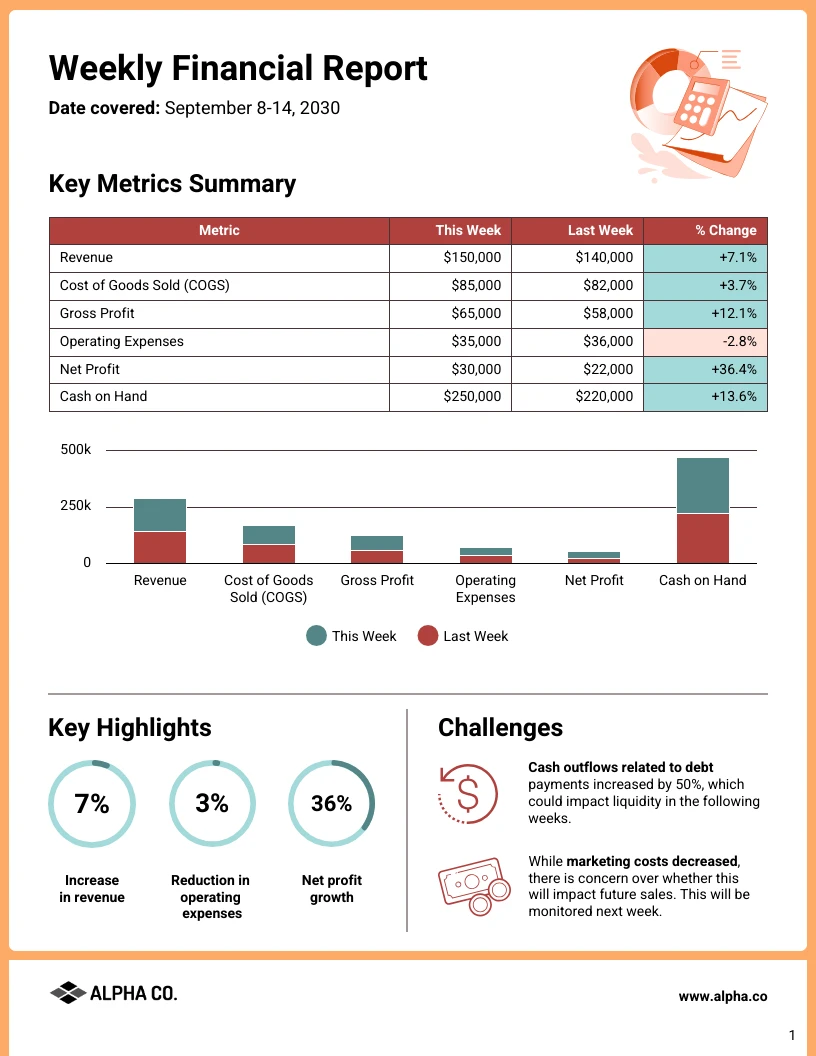
Weekly Financial Report Template – Unbelievable Clarity Beyond Expenses

A Weekly Financial Report Template extends beyond expense tracking to provide a broader snapshot of short-term financial performance. While expenses remain a key component, this format also incorporates income, balances, and cash movement.

Typical elements include:

  • Weekly income or revenue summaries
  • Operating expenses and overhead costs
  • Net cash movement
  • Outstanding payables or receivables
  • Brief financial notes or observations

This weekly report template is particularly useful for small businesses, project-based teams, and departments that need to monitor cash flow closely. By pairing expense data with income information, decision-makers gain a clearer understanding of financial health on a week-by-week basis.

Used consistently, a Weekly Financial Report Template supports proactive planning. Instead of reacting to financial surprises, teams can anticipate short-term needs and adjust spending behavior accordingly.

Get also: Weekly Sales Report Template

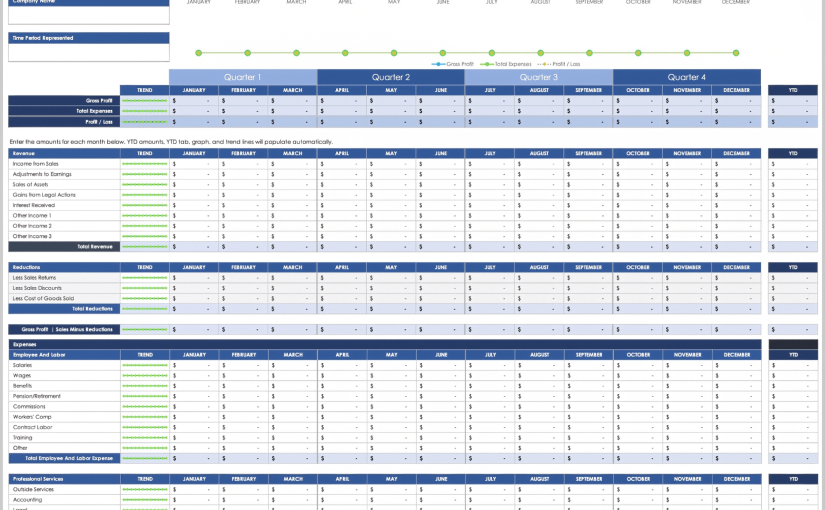
Weekly Expense Sheet Excel Template – Stunning Simplicity for Fast Data Entry

A Weekly Expense Sheet Excel Template prioritizes speed and ease of use. It is often presented in a tabular format that allows quick entry of expenses with minimal friction.

Common features include:

  • Predefined expense categories
  • Simple rows for daily entries
  • Automatic weekly totals
  • Clear separation between reimbursable and non-reimbursable costs

This format is ideal for field staff, sales teams, and employees who incur frequent small expenses. The simplicity encourages consistent usage, which improves data accuracy over time.

Because the sheet format is easy to review, managers can scan totals quickly and focus attention where it matters most. Small irregularities stand out without requiring complex analysis.

Get also: Daily Expense Report Template

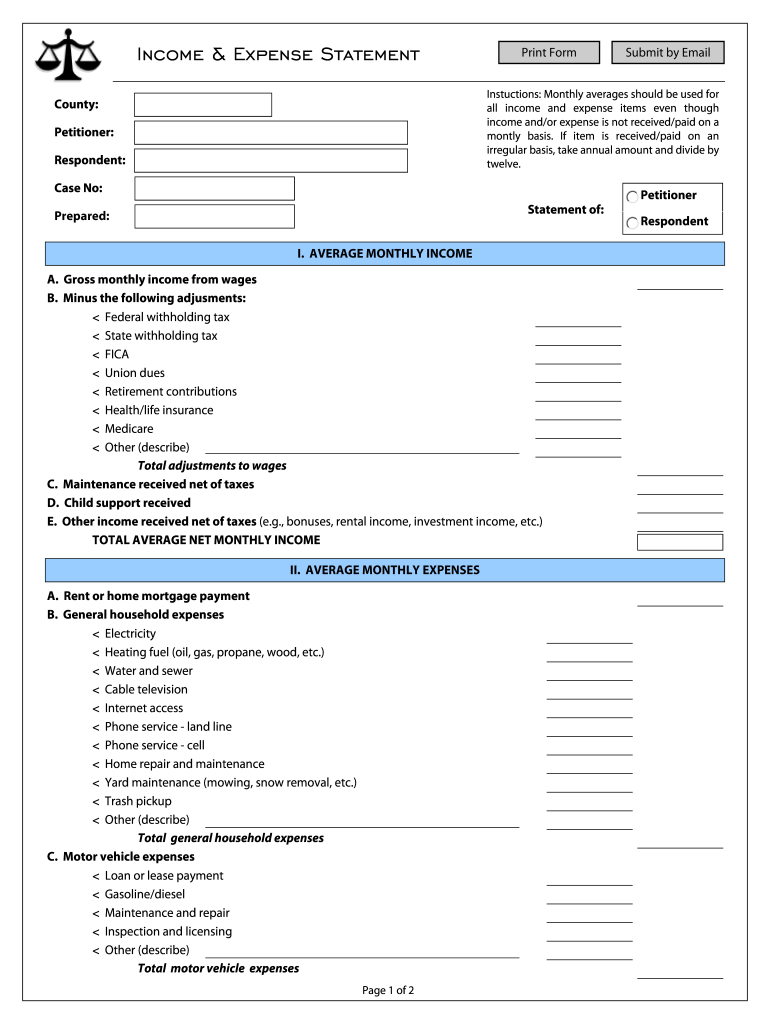
Weekly Expense Report Form – Eye-Opening Standardization for Approvals

An Expense Report Form emphasizes structure and approval workflows. It is often used in organizations that require formal validation before expenses are reimbursed or recorded.

This format typically includes:

  • Employee identification and role
  • Expense descriptions with supporting references
  • Declaration or confirmation statements
  • Supervisor review and approval fields
  • Submission and approval dates

The strength of this template lies in accountability. Every expense is clearly attributed, documented, and approved within a defined timeframe. This reduces disputes, prevents duplication, and supports internal controls.

For organizations with compliance requirements, a standardized Weekly Expense Report Form ensures that documentation remains consistent and review-ready.

Key Elements That Strengthen Weekly Expense Reporting

Clear Categories

Defined categories reduce misclassification and confusion.

Short Reporting Cycles

Weekly intervals keep data relevant and actionable.

Consistent Layout

Familiar structure speeds up completion and review.

Accurate Descriptions

Brief notes add context without unnecessary detail.

Approval Visibility

Clear sign-offs reinforce responsibility.

These elements turn routine expense tracking into a reliable management process.

Common Use Cases for Weekly Expense Reports

A Weekly Expense Report Template is effective in many real-world scenarios:

  • Sales teams tracking travel and client-related costs
  • Construction and field operations monitoring on-site expenses
  • Project teams controlling short-term budgets
  • Departments managing discretionary spending
  • Small businesses overseeing cash flow

In each case, the weekly format offers a balance between detail and efficiency.

Practical Benefits of Using a Standard Template

Organizations that adopt a consistent Weekly Expense Report Template experience measurable advantages:

  • Faster reporting cycles: Less time spent compiling data
  • Improved accuracy: Regular entries reduce forgotten expenses
  • Better oversight: Spending patterns become visible quickly
  • Simplified reviews: Managers know exactly where to look
  • Scalable process: Works for small teams and larger operations

Over time, these benefits contribute to stronger financial discipline and more confident decision-making.

Challenges Without Weekly Structure

Without a weekly reporting framework, organizations often face:

  • Delayed expense visibility
  • Incomplete or rushed month-end reports
  • Higher reimbursement disputes
  • Reduced spending accountability
  • Increased administrative workload

A structured weekly template resolves these issues by spreading reporting effort evenly across the reporting period.

Design and Presentation Considerations

While functionality is the priority, presentation still matters:

  • Use clean tables for readability
  • Highlight totals clearly
  • Separate daily entries visually
  • Keep formatting professional and consistent

A clear design improves adoption and reduces errors.

Final Thoughts

A Weekly Expense Report Template provides immediate insight into spending behavior, supports accountability, and simplifies financial oversight. When complemented by a Weekly Financial Report Template, streamlined through a Weekly Expense Sheet Template, and formalized using a Weekly Expense Report Form, it becomes a complete system for short-term financial control.

Consistent weekly reporting strengthens discipline. Clear documentation builds trust. And structured templates transform expense tracking from a routine task into a strategic advantage.

Annual Expense Report Template – 2026 Yearly Financial Clarity

Annual Expense Report Template – A Powerful Framework for Accurate Year-End Tracking | An Annual Expense Report Template is more than a financial summary—it is a control system for understanding where money truly goes over an entire year. Whether used by small businesses, organizations, nonprofits, or internal departments, this type of report brings order to what would otherwise be scattered receipts, inconsistent records, and vague assumptions.

Expenses have a habit of growing quietly. A coffee here, a subscription there, operational costs that seem harmless month to month suddenly look very different when viewed annually. An Annual Expense Report Template transforms those fragmented transactions into a clear, structured financial picture.

With a reliable template, decision-makers gain visibility. Patterns become obvious. Inefficiencies surface naturally. Budget discussions stop being emotional debates and start becoming evidence-based conversations. Most importantly, financial accountability becomes a habit rather than a once-a-year scramble.

Annual Expense Report Template

A well-structured Annual Expense Report Template organizes financial data into logical categories that make sense at a yearly scale. Instead of focusing on isolated transactions, it emphasizes trends, totals, and comparisons.

Typical sections within an annual expense report include:

  • Administrative and operational expenses
  • Payroll and contractor costs
  • Utilities and facility-related spending
  • Marketing and promotional expenses
  • Travel and logistics costs
  • Technology, software, and subscriptions
  • Miscellaneous and one-time expenses
  • Annual totals and variance summaries

Each category serves a purpose. Grouping expenses this way helps organizations quickly identify which areas consume the largest portion of resources and which costs fluctuate unpredictably.

A strong template also supports consistency. When the same structure is used year after year, financial comparisons become effortless. Leaders can assess growth, cost control, and sustainability without rebuilding reports from scratch.

Why Annual Expense Reporting Matters

Annual reporting offers a perspective that monthly or quarterly views cannot fully capture.

Long-Term Financial Awareness

Yearly expense summaries reveal trends that short-term reports often hide.

Budget Optimization

Understanding annual totals allows for more realistic budgeting for the future.

Accountability and Transparency

Clear expense documentation builds trust with stakeholders.

Audit Readiness

Structured records simplify internal reviews and external checks.

Strategic Decision Support

Reliable data improves planning and resource allocation.

An Annual Expense Report Template ensures these benefits are achieved without unnecessary complexity.

General Supporting Section

Different organizations and regulatory environments require tailored approaches to annual expense reporting. The following report formats address specific needs while remaining compatible with a standardized structure.

Yearly Expense Report Template – Unbelievable Simplicity for Long-Term Tracking

A Yearly Expense Report Template focuses on clarity and continuity. It is ideal for businesses and teams that want a straightforward, repeatable format to track expenses across a full calendar year.

This template typically emphasizes:

  • Monthly expense breakdowns aggregated into annual totals
  • Clear category definitions
  • Side-by-side comparisons between months
  • Visual summaries such as tables or charts

The strength of this format lies in its simplicity. Finance teams can trace how expenses evolve throughout the year without losing sight of the big picture. Sudden spikes or gradual increases become easy to spot.

For managers, a Yearly Expense Report Template reduces guesswork. Decisions about cost controls, vendor negotiations, or budget reallocations are grounded in documented patterns rather than assumptions.

Get also: Annual Financial Report Template

CT Annual Income and Expense Report – Eye-Opening Compliance and Accuracy

A CT Annual Income and Expense Report is designed to meet specific regulatory or organizational reporting standards, particularly where income and expenses must be presented together in a clearly reconciled format.

This type of report often includes:

  • Total annual income by source
  • Categorized annual expenses
  • Net surplus or deficit calculations
  • Supporting notes or explanations
  • Structured layouts aligned with reporting requirements

The value of this format lies in precision. Income and expense figures must align accurately, leaving little room for ambiguity. A structured template ensures that all required fields are addressed consistently.

Organizations using a CT Annual Income and Expense Report benefit from reduced compliance risk and improved confidence in their financial records. Leadership can review results knowing that data has been captured methodically.

Get also: Annual Marketing Report Template

Annual Income and Expense Report Template – Stunning Balance Between Costs and Revenue

An Annual Income and Expense Report Template presents a complete financial snapshot by pairing spending with earnings. Rather than viewing expenses in isolation, this format highlights financial sustainability.

Common components include:

  • Revenue streams and funding sources
  • Operating and non-operating expenses
  • Net financial position
  • Comparative figures from previous years
  • Summary insights and notes

This expense report template is particularly useful for nonprofits, project-based organizations, and internal departments. It allows stakeholders to understand how expenses relate directly to income and whether financial performance supports long-term goals.

By using a consistent Annual Income and Expense Report Template, organizations gain clarity. Financial discussions shift from fragmented cost analysis to holistic performance evaluation.

Key Elements That Strengthen Annual Expense Reports

Clear Categorization

Well-defined expense categories prevent misclassification and confusion.

Consistent Time Frames

Using the same reporting period ensures accurate comparisons.

Supporting Documentation

References to invoices or records strengthen credibility.

Readable Layout

Logical spacing and structure improve comprehension.

Summary Insights

High-level observations help readers interpret the data.

These elements turn raw numbers into meaningful financial intelligence.

Common Use Cases for Annual Expense Reporting

An Annual Expense Report Template supports a wide range of real-world scenarios:

  • Year-end financial reviews
  • Budget planning and forecasting
  • Board or leadership presentations
  • Regulatory and compliance reporting
  • Internal audits and evaluations

In each case, consistency and clarity make the report more effective and easier to trust.

Practical Benefits of Using a Template

Organizations that rely on a standardized Annual Expense Report Template gain lasting advantages:

  • Efficiency: Faster preparation and review
  • Accuracy: Reduced risk of missing or duplicated data
  • Transparency: Clear visibility into spending
  • Comparability: Easy year-over-year analysis
  • Scalability: Adaptable as operations grow

Over time, these benefits translate into stronger financial discipline and better strategic outcomes.

Challenges Without a Structured Template

Without a consistent reporting framework, organizations often face:

  • Incomplete expense records
  • Inconsistent categorization
  • Difficulty reconciling totals
  • Time-consuming manual reviews
  • Limited financial insight

A structured template resolves these issues by imposing order and repeatability.

Design and Presentation Considerations

While accuracy is essential, presentation also influences how reports are received:

  • Use tables for clarity
  • Group related expenses logically
  • Highlight totals and key figures
  • Keep formatting clean and professional

A well-presented report invites understanding rather than confusion.

Final Thoughts

An Annual Expense Report is a foundational tool for financial clarity and accountability. When combined with a Yearly Expense Report Template, aligned with regulatory needs such as a CT Annual Income and Expense Report, and integrated into a broader Annual Income and Expense Report Template, it provides a complete and reliable financial picture.

Clear reporting strengthens decision-making. Structured documentation builds trust. And consistent templates turn financial review from a burden into a strategic advantage.

Church Annual Report Template – Free 2026 Faith-Driven Accountability

Church Annual Report Template – A Powerful Record of Ministry, Stewardship, and Growth | A Church Annual Report Template is not merely an administrative document. It is a spiritual and organizational reflection of an entire year of ministry, service, and stewardship. Churches operate on trust—trust from congregations, volunteers, donors, and the wider community. An annual report captures how that trust has been honored.

Unlike business reports that focus on profit margins and market expansion, a church report balances faith-based storytelling with responsible reporting. It shows how resources were used, how ministries impacted lives, and how leadership guided the congregation through challenges and blessings alike.

Using a structured Church Annual Report Template ensures consistency and clarity. It helps leadership teams present information in a way that is easy to understand, spiritually grounded, and transparent. Over time, this consistency builds confidence, strengthens unity, and preserves the church’s institutional memory.

Church Annual Report Template

A well-built Church Annual Report Template organizes diverse information into a clear and meaningful narrative. Readers should be able to understand the church’s mission, activities, and outcomes without needing to decode complex data or theological jargon.

Most church annual reports include several essential sections:

  • Vision and mission statement
  • Message from the pastor or senior leadership
  • Overview of worship services and attendance
  • Ministry highlights and outreach programs
  • Volunteer engagement and staffing overview
  • Financial summary and stewardship overview
  • Facility updates and maintenance activities
  • Goals and ministry focus for the coming year

Each section serves a distinct role. Leadership messages provide spiritual direction. Ministry summaries demonstrate action. Financial sections confirm accountability. The closing vision invites the congregation to continue the journey together.

A reliable template ensures balance. No single section overwhelms the others, and the report reads as a cohesive story rather than a collection of disconnected updates.

General Supporting Section

Below are specific reporting perspectives that churches commonly integrate into their annual documentation to meet both spiritual and administrative expectations.

End of Year Church Report Sample – Eye-Opening Insight into Ministry Impact

An End of Year Church Report Sample focuses on reflection. It looks back over the year and answers a simple but powerful question: What did the church accomplish together?

This type of report often highlights:

  • Key worship milestones and attendance trends
  • Major events, programs, and celebrations
  • Outreach efforts and community service initiatives
  • Testimonies or stories of transformed lives
  • Ministry challenges and lessons learned

The value of an end-of-year report lies in its ability to connect numbers with meaning. Attendance figures are paired with context. Budget summaries are supported by explanations of ministry outcomes. Stories bring warmth to structured data.

For congregations, this report reinforces a sense of shared purpose. Members see how their time, prayers, and contributions translate into real impact. For leadership, it provides a clear snapshot to guide future planning.

When integrated into a Church Annual Report Template, the end-of-year section adds depth and emotional resonance without sacrificing clarity.

Get also: Charity Annual Report Template

Baptist Church Annual Report – Unbelievable Balance of Tradition and Transparency

A Baptist Church Annual Report often reflects a strong emphasis on congregational involvement, governance clarity, and doctrinal consistency. Baptist churches traditionally value transparency and member participation, making annual reporting especially significant.

This type of report typically includes:

  • Congregational meeting summaries
  • Committee and ministry reports
  • Baptism and membership statistics
  • Mission support and outreach activities
  • Financial accountability statements

Clear organization is essential. Members should be able to locate ministry updates and financial summaries easily. The report should feel structured, respectful, and aligned with the church’s theological values.

Beyond formality, a Baptist church report serves as a unifying document. It shows how leadership decisions were made, how funds were stewarded, and how ministries aligned with the church’s calling.

Within a broader Church Annual Report Template, the Baptist reporting approach emphasizes clarity, shared responsibility, and faithful stewardship—principles that resonate across many denominations.

Get also: Nonprofit Annual Report Template

Why Annual Church Reporting Truly Matters

Churches are mission-driven organizations, but they are also responsible stewards of resources. Annual reporting supports both callings.

Strengthening Congregational Trust

Clear reporting reassures members that offerings and donations are managed responsibly.

Encouraging Participation

When members understand ministry impact, they are more likely to volunteer and engage.

Supporting Leadership Accountability

Documented reports encourage thoughtful decision-making and transparency.

Preserving Church History

Annual reports create a written record of growth, challenges, and milestones.

Guiding Future Ministry

Reflection helps leadership align future goals with past experiences.

Key Elements That Elevate a Church Annual Report

Clear Spiritual Narrative

Faith-based messaging should connect activities to mission, not just list events.

Accessible Financial Overview

Financial summaries should be understandable without accounting expertise.

Ministry-Focused Metrics

Attendance, participation, and outreach numbers gain meaning when paired with context.

Volunteer Recognition

Acknowledging service reinforces gratitude and unity.

Forward-Looking Vision

Sharing goals helps the congregation see where the church is headed.

Practical Use Cases for Church Annual Reports

A Church Annual Report Template supports multiple real-world needs:

  • Congregational meetings and annual assemblies
  • Leadership planning and evaluation
  • Transparency for donors and supporters
  • Orientation for new members
  • Historical documentation

In each case, consistency and clarity make the report more valuable and easier to use.

Benefits of Using a Structured Template

Churches that rely on a standardized annual report template gain several advantages:

  • Time savings: Less effort spent on formatting and organization
  • Accuracy: Consistent presentation of data year after year
  • Professionalism: Clear, polished communication
  • Continuity: Easy comparison across reporting periods
  • Scalability: Adaptable as ministries expand

Over time, these benefits reduce administrative burden and allow leadership to focus more on ministry.

Common Challenges and How Templates Help

Information Overload

Templates help prioritize what truly matters.

Inconsistent Reporting

Standard sections ensure continuity across years.

Limited Resources

Pre-defined structures simplify preparation for smaller teams.

Communication Gaps

Clear layouts improve understanding among diverse audiences.

Design and Presentation Considerations

While content is critical, presentation also plays a role in engagement:

  • Use headings and spacing for readability
  • Include charts or tables for financial summaries
  • Maintain a respectful, clean visual style
  • Ensure tone matches the church’s values

A well-presented report invites reading rather than feeling like an obligation.

Final Reflections

A Church Annual Report Template is a cornerstone of transparent, faith-centered communication. It honors the past year’s ministry, acknowledges the people who made it possible, and sets a clear direction for the future.

When complemented by an End of Year Church Report Sample and adapted to denominational needs such as a Baptist Church Annual Report, it becomes a complete and trustworthy record of service, stewardship, and spiritual growth.

Strong reporting strengthens unity. Clear documentation builds trust. And thoughtful reflection helps churches move forward with confidence and purpose.

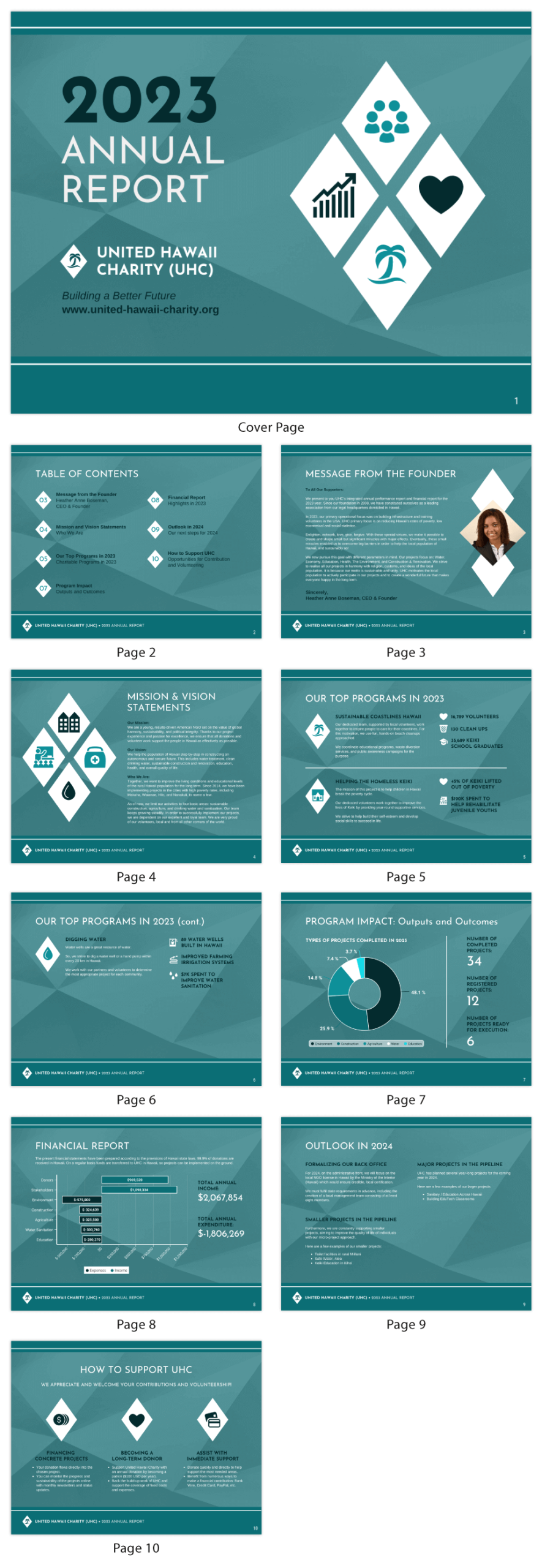
Charity Annual Report Template – 2026 Extraordinary Transparency

Charity Annual Report Template – Unlocking Clear, Trust-Driven Reporting | A Charity Annual Report Template is more than a formal document—it is a strategic communication tool that demonstrates accountability, impact, and responsible stewardship. For charities, annual reporting is a moment of truth. It shows supporters how donations were managed, what outcomes were achieved, and how leadership decisions aligned with the mission.

Unlike corporate reports that focus on growth metrics and profitability, charity reports must balance emotional storytelling with structured accountability. A strong Charity Annual Report Template provides a clear framework to achieve both. It allows organizations to present achievements with pride while maintaining the transparency that donors, regulators, and partners expect.

Using a consistent template also reduces internal friction. Teams can focus on content rather than formatting, ensuring that program data, financial summaries, and narratives flow naturally. Over time, this consistency strengthens credibility and helps the organization build a recognizable reporting identity.

Charity Annual Report Template

At its foundation, a Charity Annual Report Template organizes complex information into a clear, readable structure. Readers should be able to understand the organization’s purpose, actions, and outcomes without needing prior knowledge or financial expertise.

Most charity reports include the following core sections:

  • Mission and organizational overview
  • Message from trustees or leadership
  • Program highlights and outcomes
  • Community or beneficiary impact
  • Financial overview and fund allocation
  • Governance and compliance information
  • Donor and partner acknowledgments
  • Strategic priorities for the coming year

Each section serves a purpose. The opening establishes trust and direction. Program highlights demonstrate action. Financial summaries confirm responsible management. The closing reinforces long-term commitment and forward momentum.

A well-designed template ensures that none of these sections overpower the others. The goal is balance—clear data supported by meaningful context, presented in a way that feels professional yet approachable.

General Supporting Section

Below is a closer look at how specialized reporting needs are addressed within charity-focused annual reports.

Charity Trustees Annual Report Template – Unbelievable Clarity for Governance and Compliance

A Charity Trustees Annual Report Template focuses on governance, decision-making, and oversight. Trustees are responsible for ensuring that the charity operates ethically, legally, and in alignment with its stated mission. Their report reflects that responsibility.

This template typically includes:

  • A statement of objectives and activities
  • An overview of the governance structure
  • Key decisions made during the reporting period
  • Risk management approaches
  • Compliance confirmations

Clear structure is essential. Regulators and stakeholders must be able to locate governance information quickly. A well-organized trustee’s report avoids vague language and focuses on factual clarity.

Beyond compliance, this template also reinforces confidence. When supporters see that trustees actively monitor strategy, finances, and risk, trust deepens. It signals that the organization is not only mission-driven but also responsibly managed.

Internally, the trustees’ report supports reflection. It provides leadership with a documented record of decisions, challenges, and lessons learned, helping guide future planning.

Nonprofit Annual Report Template – Stunning Consistency Across Mission and Finance

A Nonprofit Annual Report Template complements charity reporting by offering a broader framework that integrates mission storytelling with financial transparency. While charities often emphasize donor relationships, nonprofits must also address a wide range of stakeholders, including grantmakers, regulators, and community partners.

This template commonly balances:

  • Program performance summaries
  • Financial statements and expenditure breakdowns
  • Outcome measurements
  • Organizational growth or capacity updates
  • Long-term strategic direction

Consistency is the defining advantage. When reports follow a familiar structure year after year, stakeholders can easily compare progress, funding allocation, and program evolution. This continuity strengthens long-term credibility.

A nonprofit-focused template also supports internal alignment. Teams across departments—programs, finance, communications—work from a shared structure, reducing miscommunication and improving reporting efficiency.

When combined thoughtfully with a Charity Annual Report Template, nonprofits can tailor messaging while maintaining a unified organizational voice.

Why Annual Charity Reporting Matters

Annual reports are often viewed as administrative requirements, but their value extends far beyond compliance.

1. Building Donor Trust

Transparent reporting reassures supporters that their contributions are used responsibly.

2. Strengthening Organizational Reputation

Clear communication positions the charity as credible and accountable.

3. Supporting Strategic Reflection

Annual summaries encourage leadership to evaluate what worked and what needs improvement.

4. Preserving Institutional Memory

Reports document achievements, challenges, and milestones for future reference.

5. Enhancing Stakeholder Engagement

Well-crafted reports invite readers to stay connected and involved.

Key Components That Elevate Report Quality

Purpose-Driven Narrative

Stories should connect activities to outcomes, not just list events.

Accessible Financial Summaries

Numbers should be accurate, clear, and supported by explanations.

Visual Structure

Charts, tables, and headings improve readability and comprehension.

Balanced Tone

Professional, honest, and optimistic without exaggeration.

Forward-Looking Perspective

Highlight priorities and goals to maintain momentum.

Common Use Cases for Charity Annual Reports

  • Donor communications and fundraising campaigns
  • Grant reporting and renewals
  • Board reviews and governance oversight
  • Public transparency and outreach
  • Internal planning and evaluation

In each scenario, a reliable template ensures that information is presented clearly and consistently.

Practical Benefits of Using a Template

Using a structured Charity Annual Report Template delivers tangible advantages:

  • Time efficiency: Reduces repetitive formatting work
  • Accuracy: Encourages consistent data presentation
  • Clarity: Improves reader understanding
  • Professionalism: Enhances organizational image
  • Scalability: Adapts as the charity grows

Over time, these benefits compound, making reporting a strategic asset rather than an annual burden.

Final Thoughts

A Charity Annual Report Template is a powerful tool for demonstrating integrity, impact, and responsible leadership. When paired with a Charity Trustees Annual Report Template and aligned with a broader Nonprofit Annual Report Template, it creates a complete, trustworthy picture of organizational performance.

By presenting mission, governance, and financial stewardship in a clear and balanced way, charities strengthen relationships, inspire continued support, and reinforce their commitment to meaningful change.

Daily Financial Report Template – 2026 Smarter Daily Decisions

Daily Financial Report Template – Incredibly Effective for Tracking Daily Performance | A Daily Financial Report Template gives businesses a reliable way to understand their cash flow, spending behavior, and financial health on a day-to-day basis. Even companies with strong accounting systems often struggle with the “daily gap”—the difference between what happened today financially versus what becomes visible only at the end of the week or month. This Daily Financial Report Template fills that gap with a clean, structured workflow that turns daily activity into immediate insight.

When used consistently, a Daily Financial Report Template becomes a stabilizing force. It highlights opportunities, reveals inconsistencies, and provides a steady rhythm of visibility. Whether you’re monitoring revenue streams, tracking expenses, reviewing balances, or reconciling transactions, the template organizes everything into an easy-to-understand format that anyone on the finance team can use.

It’s especially valuable for businesses handling high-volume transactions, frequent cash movements, or expenses that appear unexpectedly. Retailers, service companies, hospitality venues, contractors, and field teams all benefit from having a daily financial snapshot that increases accuracy and removes guesswork.

Daily Financial Report Template Free Download

A standard Daily Financial Report Template includes several structured components designed to capture a full day’s financial picture:

  • Revenue summary
  • Cash inflows and outflows
  • Receipts and payment logs
  • Outstanding invoices or payables
  • Operational expenses
  • Account balances and adjustments
  • Notes on irregularities or anomalies
  • Plans or follow-up actions for the next day

Each section helps maintain transparency. Teams gain immediate visibility into spending patterns, revenue trends, and financial movements that would otherwise remain hidden until later reports are compiled.

By documenting the financial story of each day, businesses avoid miscalculations and ensure every dollar is accounted for. The template also reduces reliance on memory—something especially important when multiple departments or cash handlers are involved.

Daily reporting also simplifies long-term analysis. When patterns emerge over weeks or months, managers can adjust budgets, refine operations, or strengthen financial policies based on concrete evidence collected from daily logs.

General Supporting Section

Daily Cash Report Template Excel – Hidden Advantages for Cash Control and Accuracy

A Daily Cash Report Template Excel provides one of the most practical tools for businesses that depend heavily on cash transactions. Excel’s flexibility—combined with formulas, drop-down fields, and automated calculations—makes it ideal for daily financial documentation.

This kind of template typically includes:

  • Opening cash balance
  • Total cash received
  • Cash payments and withdrawals
  • Petty cash transactions
  • Closing cash balance
  • Variance tracking

The biggest advantage is accuracy. With formulas handling calculations automatically, human error is reduced significantly. Cashiers, bookkeepers, and finance officers can enter numbers quickly while Excel keeps everything aligned and reconciled.

Daily cash reporting also supports accountability. For businesses with multiple cash handlers, shifts, or branches, this template ensures that every cent is tracked with clarity. It helps identify discrepancies early, preventing issues from snowballing into significant financial losses.

It also supports better forecasting. Cash-heavy businesses often rely on these reports to understand purchasing patterns, replenishment needs, or staffing requirements. By reviewing daily movements, managers can plan more effectively and maintain steady operations.

Get also: Daily Sales Report Template

Daily Financial Statements – Little-Known Benefits for Operational Stability

Daily Financial Statements provide a condensed version of a company’s income, expenses, and financial standing for the day. Unlike traditional monthly or quarterly statements, daily statements offer real-time financial intelligence.

These statements tend to include:

  • Daily revenue breakdown
  • Cost of goods or services sold
  • Daily operational expenses
  • Taxes, fees, or other obligations
  • Running totals for the month
  • Short commentary for context

The benefit of daily statements is their ability to expose trends and inefficiencies early. If daily expenses spike without explanation, the issue becomes visible instantly. If revenue dips unexpectedly, managers can investigate within hours rather than waiting until month-end.

For organizations with complex operations or multiple revenue channels, daily statements bring everything together. They allow teams to monitor financial health with a level of frequency that encourages proactive management.

Additionally, they reinforce internal controls. By reviewing daily numbers, managers can verify accuracy, detect errors, or confirm that financial procedures are being followed consistently across the business.

Daily Income and Expense Report Template – Stunning Ways to Improve Budget Visibility

A Daily Income and Expense Report Template gives both individuals and businesses a straightforward way to understand their financial habits. For companies, this template often becomes the backbone of operational financial tracking.

It usually includes:

  • Total income collected for the day
  • Detailed expense breakdown
  • Category sorting (utilities, materials, payroll, marketing, etc.)
  • Notes on unusual items
  • Net total for the day
  • Running daily comparison charts

This format helps teams stay disciplined. It’s easy to underestimate daily spending, especially when purchases are small or frequent. By tracking each expense, organizations gain clarity over where their money is going and which areas may require cost adjustments.

For teams managing projects, service operations, or daily supply needs, this template supports smarter financial behavior. It helps highlight unnecessary expenses, duplicated purchases, or cost inefficiencies that would otherwise go unnoticed.

It also improves accountability. When employees know expenses are monitored daily, adherence to financial policies strengthens naturally. Managers gain visibility without the need for excessive oversight, creating a healthier financial culture.

Get also: Daily Marketing Report Template

How Companies Use a Daily Financial Report Template in Real Scenarios

1. Retail and Hospitality

Businesses with high transaction volume use daily reporting to track sales, reconcile cash, monitor shifts, and adjust staffing needs.

2. Construction and Contracting

Teams use templates to track daily expenses, material purchases, subcontractor payments, and project-specific financial activity.

3. Service-Based Companies

Daily tracking helps align revenue with hours worked, client billing, and operational expenses.

4. Corporate Finance Offices

Daily snapshots support cashflow forecasting, budget pacing, and internal audit readiness.

5. Startups and Small Businesses

Daily clarity helps new businesses avoid overspending and maintain steady control during rapid growth phases.

Internal Benefits of Using Daily Financial Reports

1. Stronger Budget Pacing

Daily visibility ensures budgets are followed consistently rather than over- or under-used.

2. Faster Problem Detection

Errors, fraud, or miscalculations can be discovered immediately.

3. Increased Transparency

Teams gain clarity about where financial resources are going.

4. Better Decision-Making

Daily trends inform smarter operational and financial choices.

5. More Accurate Month-End Reporting

Daily documentation makes the monthly closing smoother and more accurate.

Practical Tips for Getting the Most Out of Your Daily Financial Reports

1. Keep Data Entry Simple

Avoid overly complex fields. Make the template easy to update consistently.

2. Standardize Categories

Consistency ensures comparisons remain accurate and meaningful.

3. Review Numbers with Context

Small daily notes help explain anomalies in future audits.

4. Cross-Check Cash, Cards, and Transfers

Daily reconciliation prevents future confusion.

5. Align the Report With Business Model Needs

Adjust sections based on cashflow patterns, transaction types, or operational demands.

Final Thoughts

A Daily Financial Report Template provides an essential foundation for businesses that need control, accuracy, and real-time financial visibility. Whether used alongside a Daily Cash Report Template Excel, Daily Financial Statements, or a Daily Income and Expense Report Template, it strengthens financial discipline and keeps teams aligned with daily operational realities.

Daily Marketing Report Template – 2026 Stronger Campaign Performance

Daily Marketing Report Template – Extraordinary Precision for Daily Growth Tracking | A Daily Marketing Report Template gives marketing teams the clarity they need to navigate fast-moving campaigns, shifting audience behaviors, and performance indicators that change faster than a trending meme. With so many channels producing data—social posts, ads, email sends, landing pages, content releases—this template consolidates the chaos into a single, organized snapshot of progress.

In the world of marketing, every click, view, or interaction contributes to the larger puzzle. A Daily Marketing Report Template helps teams understand what happened today, why it happened, and how to adjust tomorrow’s strategy with confidence. It turns scattered numbers into actionable insights, allowing marketers to stay aligned, agile, and accountable.

This structured daily reporting system becomes especially useful for teams managing multi-channel campaigns, seasonal promotions, or rapid A/B testing cycles. Whether you’re refining messaging, monitoring budgets, or adjusting creative assets, this template keeps your daily priorities grounded in clarity.

Daily Marketing Report Template

A robust Daily Marketing Report Template typically includes sections for:

  • Daily campaign updates
  • Channel performance snapshots
  • Audience engagement metrics
  • Spend tracking and budget alignment
  • Lead insights and conversions
  • Creative asset performance
  • Daily challenges or blockers
  • Planned actions for the next day

This helps teams avoid the “guessing game” and make decisions using actual data rather than assumptions. The template also ensures that daily shifts don’t go unnoticed—something that becomes invaluable when campaigns scale quickly, or unexpected spikes occur.

Marketers often juggle content calendars, ad performance, email metrics, creative iterations, and stakeholder requests all at once. By documenting everything daily, the team gains a clear picture of what’s influencing conversions and what needs further optimization.

General Supporting Section

Daily Work Report Template Marketing – Hidden Methods for Clarifying Daily Priorities

A Daily Work Report Template Marketing helps individual marketers organize the dozens of tasks that fill their day. From drafting copy to analyzing metrics to preparing campaign assets, marketing roles often involve rapid context switching. This template ensures that every priority is documented, categorized, and aligned with ongoing goals.

Key elements typically include:

  • Tasks completed today
  • Tasks in progress
  • Pending tasks awaiting approval
  • Campaign insights gathered during the day
  • Notable team interactions
  • Obstacles preventing progress
  • Goals for the next day

This format is especially helpful in collaborative departments where multiple marketers contribute to a single campaign. When everyone documents their workflow, the team avoids duplication, misunderstanding, or gaps that can slow down performance.

It also supports transparency—helpful for managers who need visibility without micromanaging. When used consistently, this template reveals working patterns, highlights bottlenecks, and strengthens productivity habits.

Get also: Daily Sales Report Template Excel Free Download

Daily Marketing Activity Report Format – Eye-Opening Ways to Track Promotions and Engagement

A Daily Marketing Activity Report Format captures the critical details behind performance-driven marketing actions. It provides a breakdown of everything that happened during the day, from content distribution to customer interactions.

Typical sections include:

  • Social media results
  • Paid advertising metrics
  • Email campaign performance
  • Content output (blogs, videos, graphics)
  • Website activity and landing page behavior
  • Lead flow patterns
  • Audience sentiment or feedback
  • Cross-channel synergy analysis

This daily activity report format helps teams identify which touchpoints are driving momentum and which require refinement. For example, a social post might generate unusually high engagement, or a new email segment might convert better than expected. The format highlights these patterns immediately.

Marketers often underestimate how fast performance can shift based on messaging, timing, or audience behavior. Documenting these shifts daily ensures that small insights turn into big opportunities sooner rather than later.

Get also: Free Daily Progress Report Template

Daily Financial Report Template – Classified Insights for Budget Control and Spend Efficiency

A Daily Financial Report Template becomes indispensable for marketing teams managing multiple campaigns, ad sets, or vendor partnerships. Marketing budgets can drain faster than expected—especially when ads scale automatically or when campaigns include several creative variations.

This template usually contains:

  • Daily spend breakdown
  • Cost per result
  • Budget pacing
  • Vendor payments or charges
  • Refunds, adjustments, or financial anomalies
  • ROI indicators
  • Forecasted vs. actual spend
  • Notes related to financial decisions

Daily financial reporting prevents budget surprises. Instead of discovering problems at the end of the week, teams see issues in real time—such as overspending, underperformance, or unbalanced budget allocation.

This format also helps justify decisions to stakeholders, ensuring that every dollar is tied to a measurable action or outcome. It supports smarter resource allocation and strengthens relationships with finance or executive teams by delivering consistent clarity.

How Teams Use a Daily Marketing Report Template in Real Scenarios

1. Multi-Channel Campaign Monitoring

Track performance across social ads, search ads, email blasts, organic content, and influencer collaborations—all in one place.

2. Creative Asset Testing

Understand which graphics, videos, headlines, or CTAs resonate best with specific audiences.

3. Content Calendar Execution

Document what was published today, where it was distributed, and how it performed within hours.

4. Marketing Team Coordination

Ensure everyone—from copywriters to analysts—moves in sync with campaign objectives.

5. Real-Time Optimization

Identify weak-performing ads, rising trends, or sudden engagement spikes and adjust immediately.

6. Stakeholder Communication

Daily reporting gives managers and clients confidence by offering transparent, up-to-date snapshots of progress.

Key Benefits of Using These Templates Daily

1. They Improve Decision-Making

When traditional marketing decisions rely on instinct, daily reporting introduces logic and clarity.

2. They Create Consistency

Campaigns thrive when data is reviewed consistently rather than occasionally.

3. They Help Teams React Faster

Spotting a sudden shift in engagement becomes much easier when you track it every day.

4. They Strengthen Collaboration

Transparency fosters smarter teamwork and fewer miscommunications.

5. They Support Long-Term Growth

Daily patterns reveal the bigger picture—helping campaigns evolve strategically rather than reactively.

Best Practices for Using a Daily Marketing Report Template

1. Keep Data Clean and Organized

Avoid long paragraphs when short summaries deliver clarity.

2. Focus on Metrics That Matter

Track actionable insights rather than vanity metrics.

3. Compare Performance Day to Day

Trends reveal themselves through consistent measurement.

4. Tie Activities to Outcomes

Make it easy to see which tasks influence results most.

5. Review as a Team

Collaboration turns data into decisions.

Final Thoughts

A Daily Marketing Report Template helps marketing teams thrive in environments where performance can shift within hours. Combined with tools like the Daily Work Report Template Marketing, Daily Marketing Activity Report Format, and Daily Financial Report Template, it forms a complete reporting ecosystem that keeps your marketing organization aligned, agile, and data-driven.

Daily Sales Activity Report Template – 8+ Best Options

Daily Sales Activity Report Template – Stunning Insights for Daily Revenue Momentum | A Daily Sales Activity Report Template keeps sales teams grounded in clarity, consistency, and measurable performance. When your day is filled with calls, follow-ups, client demos, product inquiries, and a never-ending stream of “Let me think about it,” this template becomes your structured anchor. It transforms busy work into organized progress—making it easier to see what drives results and what needs adjustment.

Sales environments move quickly. Prospects shift priorities, pipelines fluctuate, and deals evolve from cold to warm to “Tell your manager I’ll sign next week”—and back to cold again. A well-structured Daily Sales Activity Report Template captures all these movements in a clean layout that highlights progress, effort, and opportunities.

Below, we break down its value, functionality, and the power of related report types that strengthen your entire sales ecosystem.

Why a Daily Sales Activity Report Template Matters

Salespeople work hard—no one questions that. But working hard without tracking progress is like running on a treadmill, thinking you’re crossing cities. A Daily Sales Activity Report Template offers a reality check and a roadmap simultaneously.

It captures critical metrics such as:

  • Number of calls made
  • Emails sent
  • Meetings conducted
  • Follow-ups completed
  • New leads added
  • Deals progressed
  • Deals closed
  • Obstacles encountered
  • Insights worth sharing with the team
  • Next steps planned

This template isn’t about micromanaging sales reps—it’s about giving them clarity. Clarity on their flow, their productivity, and their pipeline health. When the day ends, the report shows what truly moved the needle.

What Makes This Template Effective

1. It Reveals Daily Sales Momentum

Numbers don’t lie. A Daily Sales Activity Report Template helps you see patterns—whether you’re gaining traction or just circling the same prospects.

2. It Strengthens Accountability

Not in the “look over your shoulder” way. It helps reps back up their performance with real data.

3. It Improves Forecasting

The more consistent your daily reporting, the more accurate your weekly, monthly, and quarterly predictions become.

4. It Highlights Bottlenecks

Transport delays, client objections, unclear product details—daily reporting exposes challenges that need support.

5. It Reinforces Professional Development

Patterns in activity levels reveal where training, support, or process updates are needed.

What’s Inside a Great Daily Sales Activity Report Template

A complete template includes:

  • Sales rep name and date
  • Call summaries
  • Prospects contacted
  • Communication types used
  • Outcomes of each interaction
  • Commitments made by prospects
  • Pending tasks
  • Competitor insights gathered
  • New opportunities discovered
  • Metrics related to sales quotas
  • Notes for tomorrow

When a template is designed well, it becomes a natural extension of the sales workflow—not an extra task.

General Supporting Section

Daily Sales Call Report Template – Unique Techniques for Capturing Every Client Interaction

A Daily Sales Call Report Template gives structure to the most essential sales activity: conversations. Whether you’re working with cold leads or nurturing long-term clients, calls often dictate the direction of your sales pipeline.

A strong template records:

  • Total calls made
  • Call duration
  • Customer interest level
  • Objections received
  • Promises or commitments given
  • Meeting arrangements
  • Call outcomes (successful, voicemail, follow-up required)

This template helps sales reps avoid losing track of valuable conversations. It also ensures that small details—like names, purchase timelines, or objections—don’t get buried under the next call. Sales managers also benefit by understanding communication patterns and identifying both strong talk tracks and areas needing refinement.

Ultimately, a Daily Sales Call Report Template keeps your call strategy consistent, transparent, and efficient.

Get also: Retail Daily Sales Report Template Excel

Daily Sales Tracking Report Template – Astonishing Ways to Monitor Sales Flow

A Daily Sales Tracking Report Template helps sales teams visualize progress in real time. It connects activities to outcomes by breaking down the entire daily workflow into digestible segments.

Strong templates include:

  • Sales targets vs. actual sales
  • Lead sources
  • Sign-ups or registrations
  • Deals created or updated
  • Revenue achieved
  • Category-based performance (products, services, regions)
  • Prospect engagement metrics

Tracking daily performance creates an ongoing narrative. Over time, you see patterns emerge—like which days consistently perform better, which leads convert fastest, or which product categories attract the most interest.

This template is especially useful for teams that handle multiple product lines or diverse customer segments. With proper tracking, the team gains the ability to refocus resources where they matter most.

Get also: Daily Expense Report Template

Daily Sales Report Format in Excel – Concealed Systems for Clean, Organized Sales Data

A Daily Sales Report Format in Excel brings structure, formulas, and automation into your daily reporting process. Excel remains unmatched for fast calculations, sortable tables, drop-down lists, and conditional formatting that highlights performance at a glance.

Typical fields include:

  • Total orders
  • Total revenue
  • Product categories
  • Payment types
  • Top-selling items
  • Refunds or cancellations
  • Customer types (new vs. returning)
  • Notes about unique customer interactions

Excel doesn’t just store information—it helps interpret it. With functions and filters, teams gain immediate clarity without manually analyzing each line. For businesses handling large datasets or multiple salespeople, this format keeps things uniform and easy to audit.

It also supports importing data from CRM tools, POS systems, and spreadsheets used by other departments, making it a flexible reporting backbone.

Practical Use Cases

1. Inside Sales Teams

Track calls, outreach, follow-ups, and conversions with precision.

2. Field Sales Representatives

Record client visits, on-site demos, and discussions with buyers.

3. Retail Sales Teams

Monitor daily transactions, customer volumes, and product performance.

4. Real Estate Professionals

Log property tours, buyer inquiries, investor calls, and deal negotiations.

5. B2B Sales Teams

Document each stage of the pipeline and track enterprise prospects.

6. Service-Based Sales

Track packages, service requests, upsells, and consultative interactions.

How to Make the Most of Your Daily Sales Activity Report Template

1. Fill it in consistently

Being consistent gives your data power. The more you track, the more insights you gain.

2. Use short, clear notes

Avoid vague summaries like “Good call.”
Instead:

  • “Client interested in Q2 upgrade—needs proposal.”
  • “Requested sample—send tomorrow.”

3. Review weekly patterns

Daily insights become meaningful when viewed over time.

4. Share highlights with your team

Your patterns may help someone else, and their insights may elevate your strategy.

5. Link it to your sales goals

Daily activity should always ladder up to bigger targets.

Why Teams Love Using These Templates

They reduce chaos

Sales involves juggling dozens of interactions. Templates help organize the whirlwind.

They improve performance

Clear records mean better coaching, more strategic follow-ups, and smarter prioritization.

They build confidence

Reps can show exactly how much work they put in, giving them data-backed pride.

They strengthen customer relationships

Recording conversations accurately prevents missed commitments or forgotten details.

Final Thoughts

A Daily Sales Activity Report Template is more than paperwork—it’s a performance engine. It transforms your daily routine into structured progress and drives smarter decisions grounded in real activity. With complementary tools like the Daily Sales Call Report Template, Daily Sales Tracking Report Template, and Daily Sales Report Format in Excel, you build a complete reporting system that enhances clarity and streamlines your workflow.

Retail Daily Sales Report Template (2026 Smarter Store Management)

Retail Daily Sales Report Template – Stunning Ways to Capture Daily Revenue with Precision | A Retail Daily Sales Report Template helps retail managers break free from the guesswork that often surrounds daily revenue performance. Instead of juggling scattered POS summaries, notebook scribbles, and late-night mental math, you get a streamlined structure that records sales activity with clarity and consistency.

This template becomes the heartbeat of your store’s financial rhythm. Each day tells a story—how customers behaved, which products made an impact, where operations slowed down, and how your team contributed. With the right format, these details turn from scattered noise into actionable insights that elevate the entire business.

Let’s dig into the value, structure, and practical uses of a Retail Daily Sales Report Template, along with the powerful variations that support different industries.

Why a Retail Daily Sales Report Template Matters

Retail environments never sit still. Customers come in waves, products fly off shelves unpredictably, and staff performance shifts hour by hour. A Retail Daily Sales Report Template provides stability in the middle of this organized chaos.

It captures essential operational and financial details, including:

  • Total daily sales
  • Hourly revenue tracking
  • Payment methods (cash, card, digital wallet)
  • Discounts and returns
  • Product category breakdowns
  • Inventory levels
  • Customer traffic
  • Staff performance metrics
  • Notes about unusual activities (machine downtime, stock-outs, etc.)

When these pieces are documented daily, patterns emerge—patterns that help managers make smarter, faster, and more confident decisions.

Benefits You Feel Immediately

A Retail Daily Sales Report Template delivers measurable advantages within the first week of consistent use.

1. Faster, Cleaner Financial Clarity

You gain a clear picture of revenue, allowing you to adjust operations without delays.

2. Stronger Inventory Control

Daily product tracking reveals which items move fast, which stall, and which require immediate restocking or reconsideration.

3. Staff Accountability and Motivation

When performance is logged daily, coaching becomes easier, and good performance becomes more visible.

4. Early Detection of Issues

Price mismatches, POS errors, or cash discrepancies get flagged before they snowball.

5. Better Planning and Forecasting

Retail thrives on understanding habits—customers’, products’, and even employees’. Daily reporting makes these habits obvious.

General Supporting Section

Gas Station Daily Sales Report Excel Template – Hidden Insights for High-Volume Operations

A Gas Station Daily Sales Report Excel Template is built for high-frequency transactions and complex product portfolios that change throughout the day. Gas stations operate at a unique pace—fast, varied, and deeply dependent on accurate reconciliation.

A strong template includes:

  • Fuel pump readings
  • Fuel grades sold (diesel, premium, regular)
  • Forecourt sales vs. convenience store sales
  • Cash register balances
  • Shift-based employee reports
  • Credit card and digital payment summaries
  • Refunds, voids, and exceptional entries

Because gas stations rely on both product and service-driven revenue, this template helps maintain a clean separation of categories. Managers can quickly spot inconsistencies, monitor high-selling fuel grades, and track profitable items inside the store.

It also reduces reconciliation errors—something every station owner knows can turn into a headache faster than a car pulling up with a nearly empty tank.

Get also: Daily Marketing Report Template Free Download

Hotel Daily Sales Report Format in Excel – Confidential Methods for Front Desk Accuracy

A Hotel Daily Sales Report Format in Excel ensures that the hospitality environment—which is part retail, part service, part customer experience—runs smoothly without revenue leaks.

Hotels deal with a variety of income streams:

  • Room sales (nightly stays, upgrades, extensions)
  • Restaurant or café sales
  • Event or banquet bookings
  • Laundry services
  • Spa or facility fees
  • City taxes and tourism charges
  • Guest refunds or adjustments

This template combines these elements into a structured, easy-to-read format that the front desk, finance team, and management can rely on daily.

Because hotels often operate 24/7, a daily summary ensures proper handover between shifts. It reduces confusion, preserves accuracy, and keeps the revenue picture clean for both small boutique hotels and large multi-floor properties.

It also helps the team understand occupancy patterns, guest purchasing habits, and the days when extra staff or special promotions create significant boosts.

Daily Sales Report Restaurant Template – Unexplored Techniques to Boost Menu Performance

A Daily Sales Report Restaurant Template provides clarity in an industry where small operational mistakes can quickly cut into profit margins.

Restaurants balance multiple moving parts:

  • Table turnover rate
  • Popular vs. underperforming dishes
  • Ingredient consumption
  • Daily cash flow
  • Discounts and voided orders
  • Delivery vs. dine-in vs. takeout share
  • Staff performance by shift
  • Peak service hours

This Daily Sales Report Template highlights menu items that sell out early, dishes with consistent popularity, and areas where food cost optimization is needed. Managers can also track which staff members upsell effectively, which shifts generate the most sales, and how promotions influence customer choices.

By combining menu data with operational notes, the template provides a full picture of how the restaurant functions day to day—making improvements easier and more predictable.

How to Maximize Your Reporting System

Using a Retail Daily Sales Report Template becomes far more impactful when paired with a few simple habits.

1. Make data entry concise, not cryptic

Short notes work best:

  • “Promo sold out at 3 PM.”
  • “The card terminal froze twice.”
  • “Customer surge during rain”

Clarity beats cleverness.

2. Review at the same time daily

Whether at closing time or during the morning shift, consistency creates a clean dataset.

3. Use reports to guide next-day decisions

Daily data should feed into:

  • restocking plans
  • staffing adjustments
  • special promotions
  • layout changes
  • product pricing

Even small tweaks accumulate into big improvements.

4. Compare week-to-week patterns

The value of daily reports compounds over time. After a few weeks, you’ll see natural cycles emerge—busy days, slow hours, trending items, and seasonal fluctuations.

5. Involve the team

Staff understand the on-the-ground reality. Their notes elevate your data from numbers to insights.

Who Benefits Most from a Retail Daily Sales Report Template

Retail Stores

Perfect for tracking sales trends, customer behavior, and product performance.

Convenience Stores

Fast-moving, high-turnover products require clear daily tracking.

Boutique Shops

Great for monitoring sales cycles and customer preferences.

Service-Based Retail

Salons, repair shops, and specialty stores can track both service and product sales.

Multi-Branch Chains

Daily reports create standardized data that makes comparison effortless.

Final Takeaway

A Retail Daily Sales Report Template gives you the structure retail teams need to maintain clear visibility, consistent performance, and smarter decision-making. When paired with supporting tools like the Gas Station Daily Sales Report Excel Template, Hotel Daily Sales Report Format in Excel, and Daily Sales Report Restaurant Template, it becomes part of a high-performance reporting ecosystem.

Daily Sales Report Template – 2026 Performance with Confidence

Daily Sales Report Template – Extraordinary Ways to Understand Your Numbers Faster | A Daily Sales Report Template does far more than record transactions—it builds the backbone of your business intelligence. Whether you’re managing a retail store, coordinating a sales team, or monitoring multi-branch operations, this template provides the kind of clarity that shifts decision-making from instinct to accuracy.

It offers real-time visibility into performance, helps isolate patterns, and gives you the tools to ensure each day’s momentum doesn’t slip through tiny, unnoticed gaps. With the right template, your daily figures stop being “just numbers” and start becoming actionable insights.

Let’s break down how this template enhances control, improves profitability, and strengthens accountability across any sales-driven environment.

Why a Daily Sales Report Template Is a Game-Changer

A well-designed Daily Sales Report Template helps you monitor revenue, note variances, evaluate sales reps, and track product movement—all without drowning in spreadsheets. Its structure transforms scattered data into a consistent rhythm of reporting that keeps your entire team aligned.

Core elements often include:

  • Total daily sales
  • Payment method breakdowns
  • Individual salesperson performance
  • High-performing products
  • Low-performing or stagnant items
  • Discounts and returns
  • Cash reconciliation
  • Inventory notes
  • Customer flow and peak-hour patterns

When these elements are consistently tracked, your sales strategy naturally becomes sharper and more responsive.

Real Benefits That Start Immediately

A Daily Sales Report Template improves operations in ways most businesses notice within the first week:

Clarity in Daily Revenue

Instead of relying on gut feeling, managers get concrete visibility over what’s working and what isn’t.

Smarter Inventory Decisions

When sales trends are documented daily, it’s easier to spot which products need replenishment and which items are dragging the shelf.

Better Staff Performance Tracking

You see who’s closing, who’s assisting, and who might need help or coaching.

Early Detection of Financial Discrepancies

Cash variances, unusual refunds, or unbalanced register totals get flagged before they become serious issues.

Improved Communication Across Teams

Everyone—from sales staff to upper management—stays informed without excessive meetings or lengthy explanations.

General Supporting Section

Below are your three required H3s, each starting with a secondary keyword + a power word. They expand the ecosystem around your main template, offering advanced clarity and structure.

Retail Daily Sales Report Template – Unexplored Insights for Storefront Success

A Retail Daily Sales Report Template focuses on the unique patterns and operational demands of physical retail spaces. Beyond revenue, it highlights customer behavior, time-based buying patterns, and inventory flow.

This template typically includes:

  • Foot traffic estimates
  • Hourly sales breakdowns
  • Top-selling product categories
  • Loss or shrinkage notes
  • Store promotion effectiveness
  • Returns and exchange reasons
  • Staff scheduling impact

Retail operations move fast, and this template ensures no meaningful detail—positive or negative—goes unnoticed. You’ll quickly discover peak hours, products that sell out too fast, stagnant shelf items, and even how the weather or local events affect daily revenue.

It becomes a powerful optimization tool for store managers who want smoother workflows, sharper product placement, and more predictable daily output.

Daily Cash Sales Report Template – Secret Strategies for Error-Free Reconciliation

A Daily Cash Sales Report Template provides a crystal-clear breakdown of all cash-based sales and transactions. It’s particularly essential in environments where cash flow remains significant—small retail shops, food stalls, restaurants, kiosks, or hybrid POS systems.

Key components include:

  • Opening cash balance
  • Total cash received
  • Cash refunds issued
  • Petty cash withdrawals
  • Register variances
  • Closing balance

When used daily, this template eliminates guesswork and dramatically reduces reconciliation errors. Staff become more disciplined, cash irregularities get caught early, and financial oversight becomes easier and cleaner.

Because everything is logged in real time, it becomes nearly impossible for inaccuracies to slip through unnoticed. It brings transparency not just to cashiers, but to supervisors and finance teams who rely on clean inputs.

Get also: Weekly Sales Report Template

Sales Daily Activity Report Template – Hidden Techniques for Sharper Team Performance

A Sales Daily Activity Report Template zeroes in on the specific actions taken by salespeople instead of just the results. It captures effort, strategy, and customer interactions—everything that contributes to tomorrow’s revenue.

Common entries include:

  • Number of customer interactions
  • Follow-up calls or emails
  • Demos conducted
  • Leads closed
  • Pending prospects
  • Challenges encountered
  • Competitor observations

This template helps leaders understand not only what the sales team achieved, but how they worked throughout the day. It also uncovers gaps in follow-up, opportunities for coaching, and habits that lead to consistent performance.

When paired with the Daily Sales Report Template, it creates a complete picture—from effort to outcome—and helps managers predict future revenue with surprising accuracy.

Get also: Monthly Sales and Marketing Report Template

How to Maximize Your Daily Reporting Workflow

Here are simple, high-impact practices to make every report more valuable:

1. Keep entries short but specific

Avoid vague descriptions like “good customer flow.” Instead, use measurable notes:

  • “58 walk-ins between 10 AM–2 PM”
  • “12 units sold during lunch-hour promo”

Clarity drives better decisions.

2. Log issues the moment they happen

A faulty card machine, an inventory shortage, or an unexpected refund should be documented right away. Small disruptions often reveal bigger patterns.

3. Always connect today’s insights to tomorrow’s plan

  • If an item sold out quickly, adjust orders.
  • If staff were overwhelmed during peak hours, revisit scheduling.
  • If customers repeatedly ask for a product you don’t carry, consider adding it.

Daily insights create tomorrow’s wins.

4. Ensure consistent use

The value of these templates compounds over time. After a month of consistent reporting, patterns emerge that you’d never spot from weekly or monthly summaries alone.

5. Share insights selectively

Not all findings need a team-wide announcement. Share operational details with the right people—cash handling notes with finance, sales trends with managers, and performance insights with team leads.

Examples Across Different Business Types

Retail Stores

Tracks product performance, customer trends, employee productivity, and cash flow—all essential for profit optimization.

Restaurants & Cafés

Daily sales tied to menu items, peak dining hours, staff performance, and POS activity become easier to manage.

Online Shops

Even e-commerce operations gain value by logging daily order volume, product movement, refunds, and fulfillment speed.

Service-Based Businesses

Sales activities, follow-ups, client inquiries, and package performance all benefit from a daily structure.

Franchises & Multi-Branch Operations

Daily reports bring uniformity across locations, creating clear benchmarking data.

Final Thoughts

A Daily Sales Report Template gives you the clarity your business needs to react quickly, make informed decisions, and sustain healthy revenue flow. When paired with strong supporting structures like the Retail Daily Sales Report Template, Daily Cash Sales Report Template, and Sales Daily Activity Report Template, it becomes a powerhouse system that elevates daily performance across your entire operation.

Exit mobile version