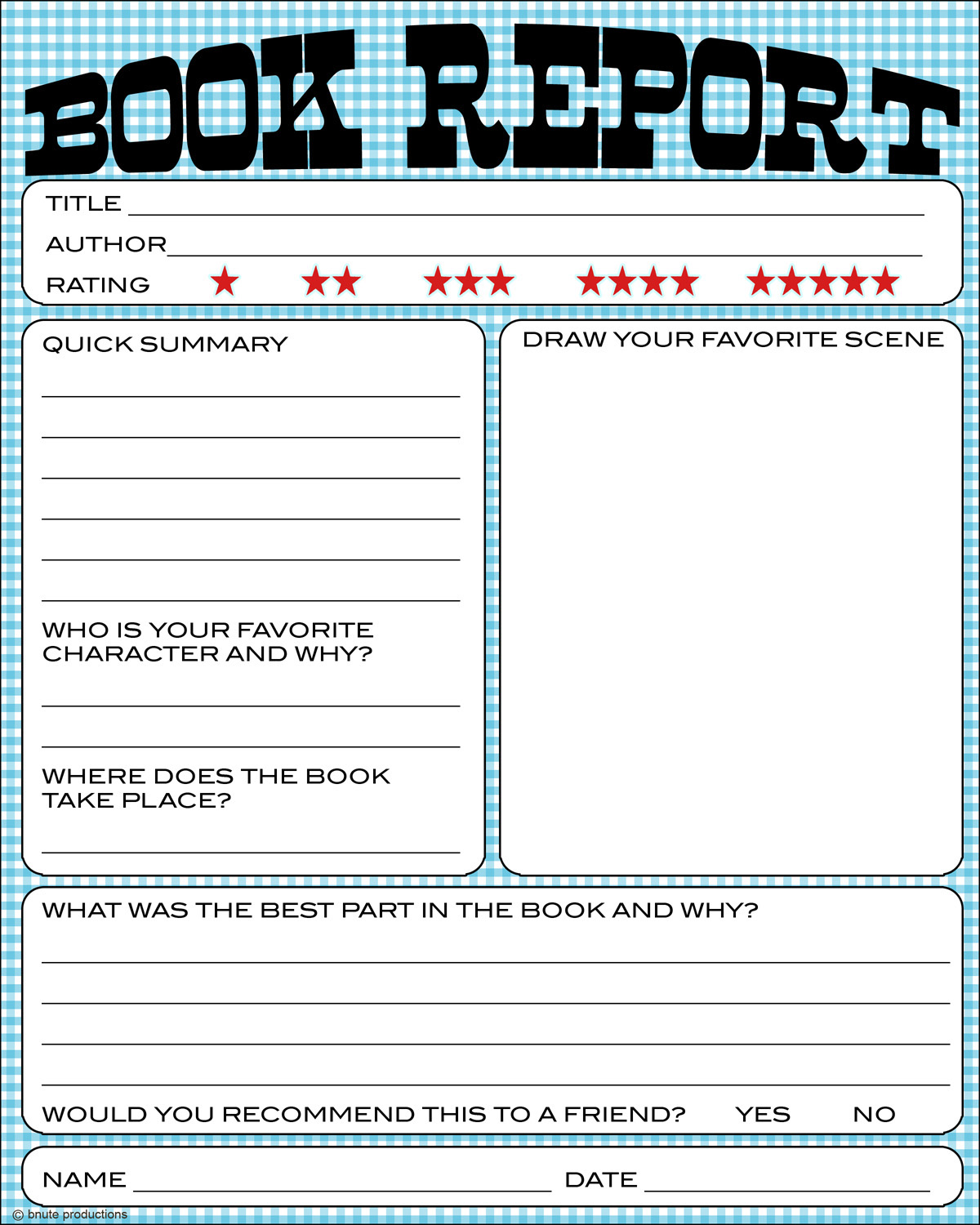
Book Report Template: 10+ Powerful Formats to Improve Critical Thinking

Book Report Template usage remains one of the most effective ways to help readers organize ideas, demonstrate comprehension, and express thoughtful opinions about what they read. From elementary classrooms to independent learning environments, a clear reporting structure transforms reading into an active, reflective process rather than a passive activity.

Without a defined format, book reports often become unfocused summaries or incomplete responses. A structured template provides guidance, clarity, and consistency—allowing writers to concentrate on understanding the content and communicating insights effectively.

What Is a Book Report?

A Book Report is a structured guide that helps readers summarize, analyze, and reflect on a book in an organized way. It breaks down the reporting task into logical sections, making the writing process more manageable and purposeful.

This type of template is designed to:

  • Support reading comprehension
  • Improve writing organization
  • Encourage critical thinking
  • Help writers express opinions clearly
  • Create consistency in assessment and feedback

By following a predictable structure, readers can focus on meaning rather than format.

Why Book Reports Are Still Important

Book reports remain relevant because they require readers to engage deeply with a text. Instead of simply finishing a book, readers must think about:

  • What happened
  • Why it happened
  • What it means
  • How it connects to personal ideas or experiences

A well-designed Book Report encourages active reading and thoughtful reflection, strengthening both comprehension and communication skills.

Core Elements of an Effective Book Report

Although templates can vary by age and purpose, effective book reports share common components.

Basic Book Information

Includes the title, author, and publication details.

Summary

A concise overview of the main events or ideas, written in the reader’s own words.

Main Characters or Key Topics

Identifies central figures in fiction or primary subjects in nonfiction.

Setting or Context

Explains where and when the story or content takes place.

Key Themes or Ideas

Highlights important messages, lessons, or concepts.

Personal Reflection

Encourages the reader to share opinions, reactions, or connections.

Every Book Report should balance structure with flexibility.

How Book Reports Improve Learning Outcomes

Using a consistent reporting structure reinforces essential academic skills.

Improved Reading Comprehension

Readers learn to identify main ideas and supporting details.

Stronger Writing Organization

Templates teach logical sequencing and paragraph structure.

Critical Thinking Development

Reflection prompts encourage evaluation and interpretation.

Confidence in Expression

Clear guidance reduces uncertainty and writing anxiety.

A structured Book Report supports these outcomes across different learning levels.

Different Types of Book Report Templates

Not all books require the same reporting approach. Different formats help address different content types and learning goals.

Book Report Fiction Template for Story Analysis and Narrative Understanding

A Book Report Fiction Template for Story Analysis and Narrative Understanding focuses on plot, characters, setting, and conflict.

This format typically includes:

  • Plot summary
  • Character descriptions
  • Setting analysis
  • Theme identification
  • Personal opinion

It helps readers understand how story elements work together to create meaning.

Get also: Middle School Book Report Template

Book Report Nonfiction Template for Informational Clarity and Concept Mastery

A Book Report Nonfiction Template for Informational Clarity and Concept Mastery emphasizes facts, ideas, and explanations rather than narrative elements.

This format often covers:

  • Main topic or purpose
  • Key facts or arguments
  • Supporting details
  • New information learned
  • Reader reflection

Nonfiction templates help readers organize complex information clearly and logically.

Get also: High School Book Report Template

Kids Book Report Template for Engaging and Age-Appropriate Learning

A Kids Book Report Template for Fun and Guided Learning is designed with simplicity and creativity in mind.

Common features include:

  • Short-answer prompts
  • Drawing or illustration sections
  • Favorite part questions
  • Simple opinion statements

These templates make book reporting accessible and enjoyable for younger readers.

Choosing the Right Book Report Template

Selecting the right format depends on:

  • Reader age and skill level
  • Type of book
  • Learning objectives
  • Assessment needs

A Book Report should challenge readers without overwhelming them. Simpler templates work best for beginners, while more detailed formats suit advanced readers.

Adapting Book Reports for Different Grade Levels

Book reporting expectations should evolve as readers develop.

Early Readers

Focus on:

  • Basic recall
  • Simple summaries
  • Visual responses

Intermediate Readers

Focus on:

  • Paragraph writing
  • Character or idea analysis
  • Clear opinions

Advanced Readers

Focus on:

  • Deeper analysis
  • Evidence-based opinions
  • Thematic discussion

A flexible Book Report supports growth across these stages.

How Teachers Use Book Report Templates Effectively

Educators rely on templates to:

  • Standardize assignments
  • Clarify expectations
  • Simplify grading
  • Support diverse learning needs

Templates also help teachers assess comprehension consistently while allowing creativity within structure.

How Parents Can Support Book Reports at Home

Parents can use templates to guide discussions and reinforce learning.

Helpful strategies include:

  • Talking about the book before writing
  • Helping identify key points
  • Encouraging personal opinions
  • Reviewing the completed report together

A clear Book Report makes it easier to support without over-directing.

Common Mistakes in Book Report Writing

Even with templates, readers may encounter challenges.

Common issues include:

  • Copying text directly from the book
  • Writing summaries that are too long or too short
  • Missing key ideas
  • Giving opinions without explanation

Templates that include guiding questions help reduce these mistakes.

Best Practices for Writing High-Quality Book Reports

To create strong book reports:

  • Read actively and take notes
  • Follow the template sections carefully
  • Use original wording
  • Support opinions with examples
  • Review for clarity and completeness

These habits strengthen both reading and writing skills.

Using Book Reports to Encourage a Love of Reading

When designed thoughtfully, book reports can enhance enjoyment rather than reduce it.

They help readers:

  • Engage more deeply with stories
  • Express personal reactions
  • Feel proud of completed work
  • Build long-term reading confidence

A well-structured Book Report turns reading into an interactive and meaningful activity.

Flexibility and Creativity in Book Report Templates

Effective templates allow room for creativity while maintaining structure.

Options include:

  • Alternative formats (posters, journals, slides)
  • Visual elements
  • Choice-based reflection questions

Flexibility keeps readers motivated and invested.

Long-Term Benefits of Using Book Report Templates

Consistent use of book report templates supports:

  • Strong literacy foundations
  • Clear communication skills
  • Analytical thinking
  • Academic independence

Over time, these skills transfer to essays, presentations, and research writing.

Conclusion

A Book Report Template is a powerful educational tool that supports reading comprehension, writing organization, and critical thinking. By providing clear guidance, it helps readers summarize content, analyze ideas, and express opinions with confidence.

Whether using a Book Report Fiction Template for Story Analysis, a Book Report Nonfiction Template for Informational Clarity, or a Kids Book Report Template for Engaging Learning, the right format makes book reporting meaningful and effective.

When applied consistently, book report templates do more than assess reading—they develop lifelong learning skills and a deeper appreciation for books.
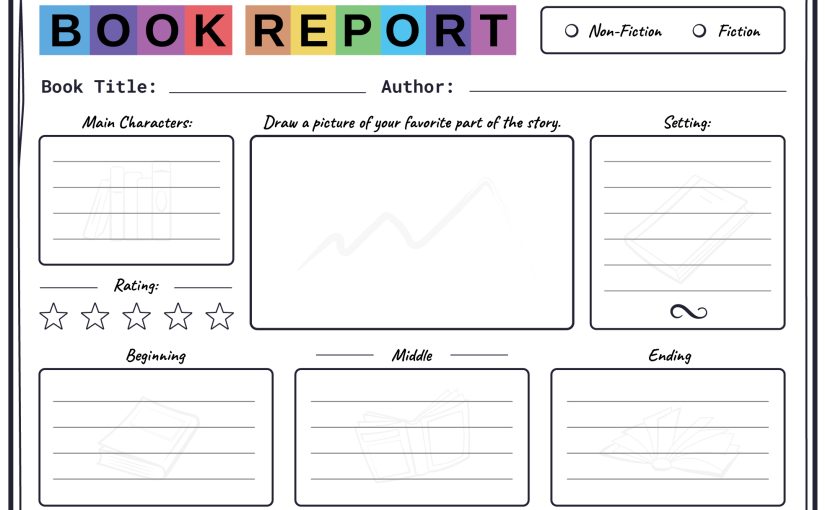
Elementary School Book Report Template: 12+ BEST Formats

Elementary School Book Report Template use plays an important role in helping young learners organize their thoughts, understand stories deeply, and communicate ideas clearly. At the elementary level, book reports are not just writing exercises—they are tools for developing comprehension, vocabulary, structure, and confidence in expressing opinions.

Without a clear framework, students often struggle to summarize stories, identify key elements, or explain what they learned from a book. A well-designed template provides guidance while still allowing creativity and personal reflection.

What Is an Elementary School Book Report Template?

An Elementary School Book Report Template is a structured guide that helps students summarize and analyze a book in an age-appropriate way. It breaks the reporting process into manageable sections, making it easier for children to understand what information to include and how to present it.

These templates are designed to:

  • Support reading comprehension
  • Encourage organized writing
  • Develop critical thinking
  • Build confidence in written expression
  • Make book reporting less overwhelming

By using a consistent format, students can focus more on understanding the story and less on figuring out how to start.

Why Book Reports Matter in Elementary Education

Book reports play a foundational role in literacy development. At the elementary level, students are learning how to:

  • Identify main ideas
  • Recall important details
  • Understand characters and settings
  • Express opinions with reasons

A structured Book Report Template helps teachers assess comprehension while giving students a clear roadmap for success.

Book reports also encourage accountability, as students must engage with the text carefully in order to complete the assignment accurately.

Key Learning Skills Developed Through Book Reports

Using a consistent reporting structure supports multiple learning objectives.

Reading Comprehension

Students learn to recognize plot, themes, and key events.

Writing Organization

Templates teach students how to structure information logically.

Critical Thinking

Students are encouraged to reflect, evaluate, and form opinions.

Vocabulary Development

Writing about books exposes students to new words and concepts.

Communication Skills

Clear reporting improves written clarity and expression.

A strong Elementary School Book Report Template supports all of these skills simultaneously.

Core Elements of an Effective Elementary Book Report

While complexity varies by grade level, effective book report templates share common components.

Book Information

This section includes the title, author, and sometimes the illustrator.

Main Characters

Students identify key characters and briefly describe them.

Setting

The time and place where the story occurs.

Summary

A short retelling of the story using the student’s own words.

Favorite Part

Students explain which part they liked most and why.

Lesson or Message

This section encourages reflection on what the story teaches.

Every Elementary School Book Report Template should keep instructions simple and language age-appropriate.

Different Types of Elementary School Book Report Templates

Not all students learn the same way. Different formats help meet different learning needs.

Elementary Book Report Template for Clear and Guided Writing

An Elementary Book Report Template for Clear and Guided Writing provides step-by-step prompts that help students organize their thoughts.

This format is ideal for:

  • Early elementary grades
  • Struggling readers
  • Independent practice

Guided templates reduce anxiety and help students stay focused.

Get also: Academic Progress Report Template

Kids Book Report Template for Creative and Engaging Responses

A Kids Book Report Template for Creative and Engaging Responses incorporates visuals, drawings, or short-answer prompts.

This format often includes:

  • Character drawings
  • Scene illustrations
  • Emoji-style reactions
  • Short opinion prompts

Creative templates make book reporting fun and accessible for younger learners.

Grade School Book Report Template for Skill Progression

A Grade School Book Report Template for Structured Skill Progression gradually increases expectations as students advance.

This format may add:

  • Longer summaries
  • Character analysis
  • Simple theme discussion
  • Opinion with evidence

It supports a smooth transition from basic recall to deeper analysis.

Get also: Middle School Book Report Template

Choosing the Right Book Report Template by Grade Level

The effectiveness of a book report depends on matching the template to the student’s developmental stage.

Lower Elementary (Grades 1–2)

Focus on:

  • Simple prompts
  • Short answers
  • Visual elements

Upper Elementary (Grades 3–5)

Focus on:

  • Paragraph writing
  • Story structure
  • Personal reflection

A well-matched Elementary School Book Report Template keeps students challenged without causing frustration.

How Teachers Use Book Report Templates Effectively

Teachers rely on structured templates to:

  • Standardize assessment
  • Save instructional time
  • Provide clear expectations
  • Support diverse learners

Templates also make grading more consistent by ensuring students respond to the same prompts.

When used regularly, book report templates help establish strong literacy routines.

How Parents Can Support Book Reports at Home

Parents play an important role in reinforcing reading and writing skills.

Helpful strategies include:

  • Discussing the story before writing
  • Helping children identify key events
  • Encouraging opinions and personal connections
  • Reviewing the template together

A clear Elementary School Book Report Template makes it easier for parents to guide without doing the work for the child.

Common Mistakes Students Make in Book Reports

Even with a template, students may struggle if expectations are unclear.

Common issues include:

  • Retelling too much or too little
  • Copying text directly from the book
  • Forgetting key story elements
  • Writing opinions without explanations

Templates that include guiding questions help prevent these problems.

Best Practices for Creating High-Quality Book Reports

To help students succeed:

  • Encourage reading comprehension before writing
  • Use simple, clear instructions
  • Allow creativity within structure
  • Provide examples or models
  • Offer feedback focused on effort and understanding

A supportive approach builds confidence and motivation.

Using Book Reports to Build a Love of Reading

Book reports should not feel like punishment. When designed well, they can:

  • Encourage deeper engagement with books
  • Help students express personal interests
  • Build pride in completed work
  • Strengthen long-term reading habits

A thoughtful Elementary School Book Report Template turns reading into an interactive learning experience rather than a chore.

Adapting Book Report Templates for Different Learning Styles

Students learn in different ways, and templates can reflect that diversity.

  • Visual learners benefit from drawing sections
  • Verbal learners enjoy written reflection prompts
  • Reluctant writers benefit from sentence starters

Flexible templates support inclusion and differentiated instruction.

Long-Term Benefits of Structured Book Reporting

Consistent use of book report templates helps students develop:

  • Strong literacy foundations
  • Confidence in writing
  • Analytical thinking skills
  • Academic independence

Over time, these skills transfer to other subjects and higher-grade writing tasks.

Conclusion

An Elementary School Book Report Template is a powerful educational tool that supports reading comprehension, writing development, and critical thinking. By providing a clear structure, it helps young learners organize ideas, reflect on stories, and communicate understanding with confidence.

Whether using an Elementary Book Report Template for Clear and Guided Writing, a Kids Book Report Template for Creative and Engaging Responses, or a Grade School Book Report Template for Structured Skill Progression, the right format makes book reporting meaningful and age-appropriate.

When applied consistently, book report templates do more than assess reading—they nurture curiosity, expression, and a lifelong love of learning.

Exit mobile version