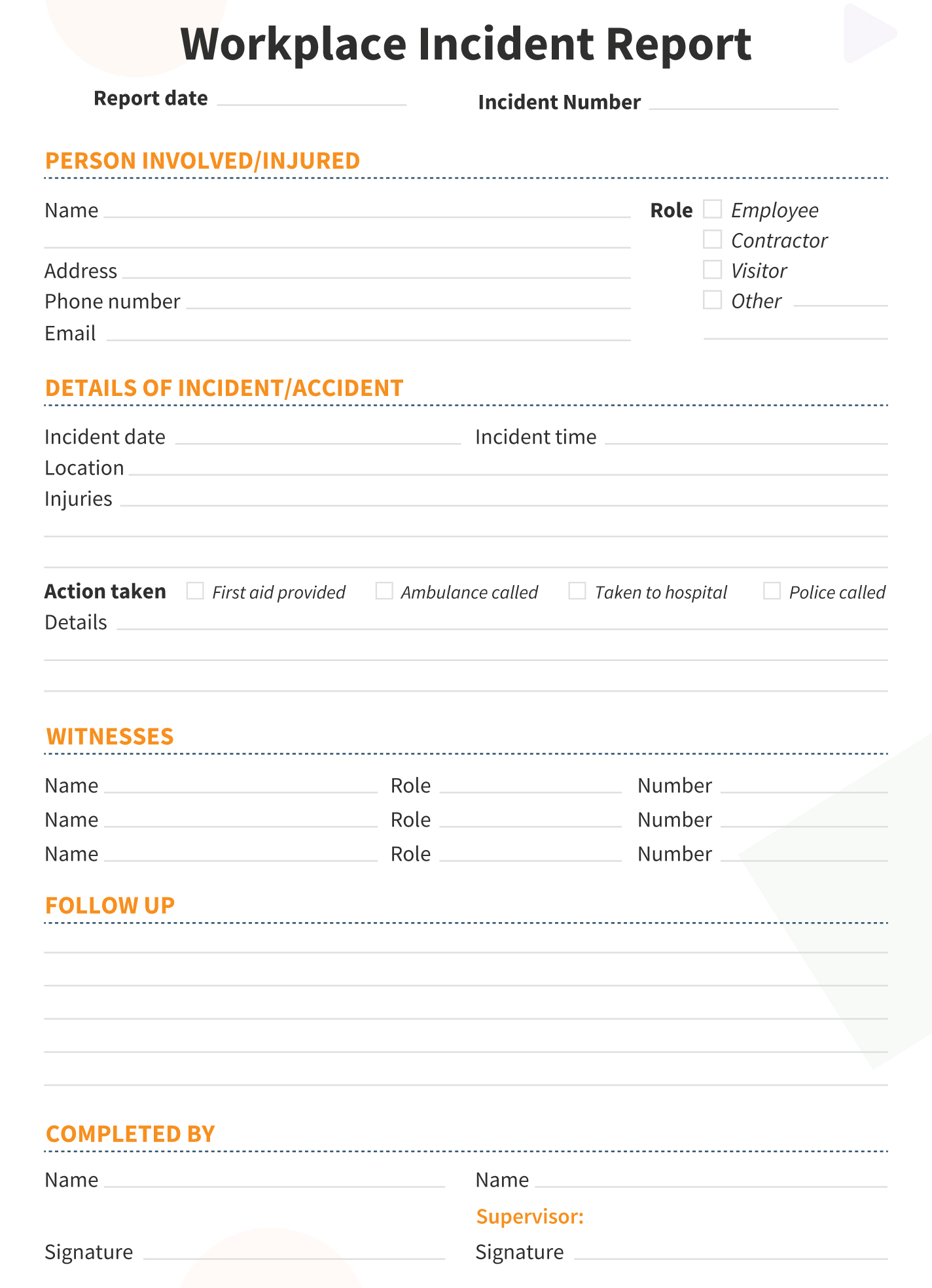
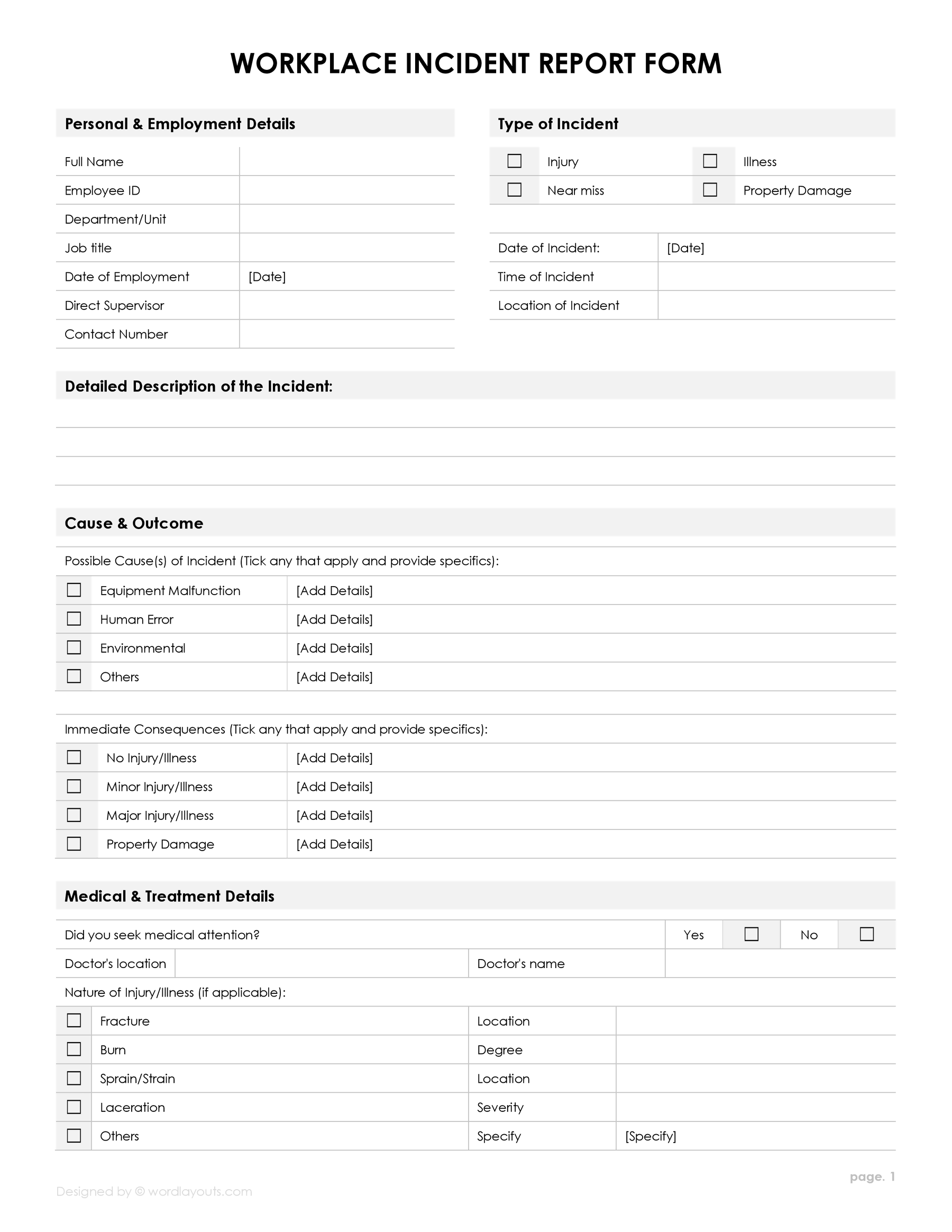
Cyber Security Incident Report Template usage is a fundamental requirement for organizations facing increasing digital threats, system vulnerabilities, and data security risks. When a cybersecurity incident occurs, clear and accurate documentation becomes essential for containment, investigation, accountability, and future prevention.
From unauthorized access attempts to data breaches and service disruptions, cybersecurity incidents demand structured reporting. A standardized reporting format ensures that technical details, response actions, and impacts are consistently captured, regardless of incident severity or the reporting personnel involved.
What Is a Cyber Security Incident Report?
A Cyber Security Incident Report is a structured document designed to record events that compromise the confidentiality, integrity, or availability of digital systems and data. It provides a clear framework for documenting what occurred, how it was detected, and how the organization responded.
This type of report is commonly used to document:
- Data breaches and leaks
- Malware or ransomware attacks
- Unauthorized system access
- Network intrusions
- Service outages caused by security events
By standardizing documentation, organizations improve accuracy and reduce confusion during incident response.
Why Cybersecurity Incident Reporting Is Operationally Essential


Cybersecurity incidents can carry serious operational, financial, and reputational consequences. Without proper documentation, organizations may struggle to understand the scope of an incident or respond effectively.
A reliable Cyber Security Incident Report helps organizations:
- Preserve factual records of digital incidents
- Support forensic analysis and investigations
- Track response timelines and actions
- Identify recurring vulnerabilities
- Improve security posture and controls
Consistent reporting strengthens organizational resilience against future threats.
Core Elements of an Effective Cyber Security Incident Report
Although cyber incidents vary in complexity, high-quality reports share several critical components.
Incident Identification Details
Includes the date, time, and method of detection, along with affected systems or environments.
Incident Classification
Defines the type of incident, such as malware infection, unauthorized access, or data exposure.
Description of the Incident
A factual, chronological explanation of what happened, including how the issue was identified.
Systems and Data Impacted
Details of servers, applications, networks, or data affected by the incident.
Immediate Response Actions
Actions taken to contain or mitigate the incident, such as isolating systems or revoking access.
Follow-Up and Recovery Measures
Steps planned or taken to restore systems and prevent recurrence.
A comprehensive Cyber Security Incident Report Template ensures these elements are documented clearly.
Common Types of Cyber Security Incident Report Templates
Cybersecurity reporting often requires specialized formats depending on the nature of the incident. Below are the most commonly used variations.
IT Security Incident Report Template for Technical Incident Analysis


An IT Security Incident Report Template for Technical Risk Documentation focuses on incidents involving systems, networks, and infrastructure.
It is commonly used to document:
- Firewall or intrusion alerts
- Server or network compromises
- Access control failures
- Configuration vulnerabilities
This Security Incident Report Template emphasizes technical detail and system-level impact.
IT Incident Report Template for Broader Technology Disruptions


An IT Incident Report Template for Operational Technology Events is used for incidents that affect IT services, even if they are not strictly security breaches.
Typical use cases include:
- Service outages
- System failures triggered by security issues
- Application disruptions
- Infrastructure instability
This format bridges the gap between security and operational IT reporting.
Cybersecurity Incident Report Form for Standardized Digital Reporting


A Cybersecurity Incident Report Form for Structured Data Collection uses predefined fields to guide consistent reporting.
This format is ideal for:
- High-volume incident environments
- Rapid reporting by technical teams
- Digital incident management systems
Form-based reporting reduces variability and improves data quality across incidents.
Get also: Police Incident Report Template
Operational Benefits of Using Standardized Cybersecurity Incident Templates
Organizations that use standardized cybersecurity reporting formats experience significant advantages.
Improved Reporting Accuracy
Clear structure ensures no critical technical details are missed.
Faster Incident Review
Well-organized reports allow security teams to assess incidents efficiently.
Better Threat Visibility
Consistent documentation reveals trends and recurring attack patterns.
Stronger Accountability
Recorded actions and timelines support post-incident review and responsibility tracking.
A dependable Cyber Security Incident Report turns cybersecurity reporting into a strategic operational asset.
Who Uses Cyber Security Incident Report Templates?
Cybersecurity incident reports are completed by various roles depending on organizational structure.
Common users include:
- IT and cybersecurity teams
- Network administrators
- Security operations personnel
- System owners
- Compliance and risk management teams
Clear reporting responsibilities ensure timely and accurate documentation.
Adapting Cyber Security Incident Reports to Different Environments
While the structure remains consistent, reports should reflect the operational environment.
Corporate and Enterprise IT
Focus on data protection, access control, and system integrity.
Cloud and Remote Operations
Document account access, authentication events, and platform-level issues.
Critical Infrastructure
Emphasize service continuity, system dependencies, and response coordination.
Small and Medium Organizations
Balance technical detail with clarity and usability.
A flexible Cyber Security Incident Report Template allows adaptation without sacrificing consistency.
Common Mistakes in Cybersecurity Incident Reporting
Even experienced teams may encounter reporting issues.
Typical mistakes include:
- Incomplete timelines
- Overly technical language without context
- Missing impact assessments
- Delayed documentation
- Inconsistent incident classification
Effective templates help teams avoid these pitfalls.
Best Practices for Writing Clear Cyber Security Incident Reports
To improve report quality:
- Record facts objectively and accurately
- Document incidents as soon as possible
- Avoid speculation or assumptions
- Clearly separate detection, response, and recovery phases
- Review reports for completeness and clarity
These practices enhance the reliability of every Cyber Security Incident Report Template used.
Cybersecurity Incident Reporting and Organizational Accountability
Accurate reporting demonstrates that cybersecurity incidents are handled systematically and responsibly. Well-documented reports support internal reviews, audits, and organizational learning.
Consistent reporting reinforces trust among stakeholders and supports effective risk management.
Using Cyber Security Incident Reports for Continuous Improvement
Incident reports are most valuable when reviewed collectively. Over time, they help organizations:
- Identify common attack vectors
- Improve detection and response processes
- Strengthen security controls
- Enhance staff training and awareness
Historical data support proactive security planning and resilience building.
Integrating Cyber Security Incident Reporting into Daily Operations
Cybersecurity reporting works best when integrated into operational workflows.
This includes:
- Clear escalation procedures
- Defined documentation responsibilities
- Regular incident review meetings
- Follow-up tracking
A standardized Cyber Security Incident Report Template ensures smooth coordination across technical and management teams.
Digital vs. Manual Cyber Security Incident Report Templates
Most organizations rely on digital reporting, but both formats remain relevant.
Digital Templates
- Faster submission and analysis
- Easier storage and retrieval
- Integration with incident management tools
Manual Templates
- Useful during system outages
- Simple backup documentation
- Accessible in constrained environments
Many teams maintain both for operational flexibility.
Choosing the Right Cyber Security Incident Report Template
The ideal template depends on:
- Incident frequency and severity
- Technical complexity
- Reporting audience
- Review and escalation requirements
An effective Cyber Security Incident Report Template balances technical depth with clarity and usability.
Conclusion
A Cyber Security Incident Report Template is a critical operational tool for documenting digital security events with precision, consistency, and accountability. Whether using an IT Security Incident Report Template for Technical Analysis, an IT Incident Report Template for Broader Technology Disruptions, or a Cybersecurity Incident Report Form for Standardized Reporting, structured documentation strengthens cybersecurity operations.
By capturing accurate information and supporting continuous improvement, cybersecurity incident reports help organizations protect systems, data, and operational continuity more effectively.