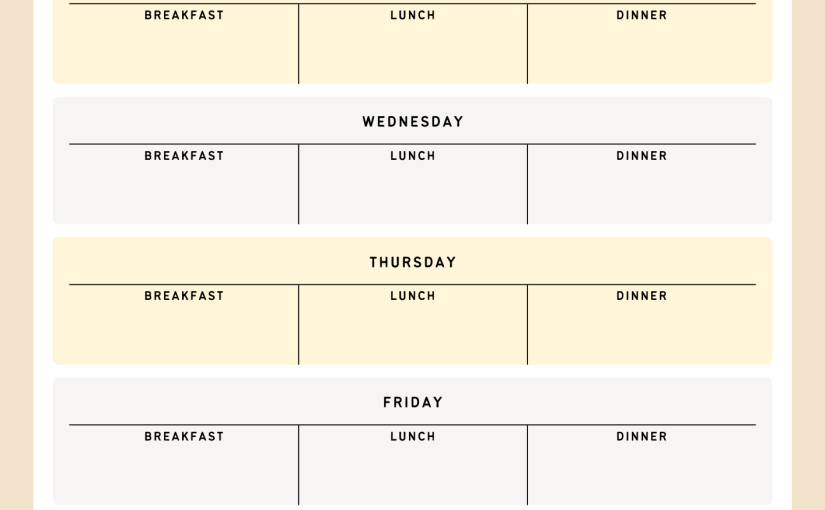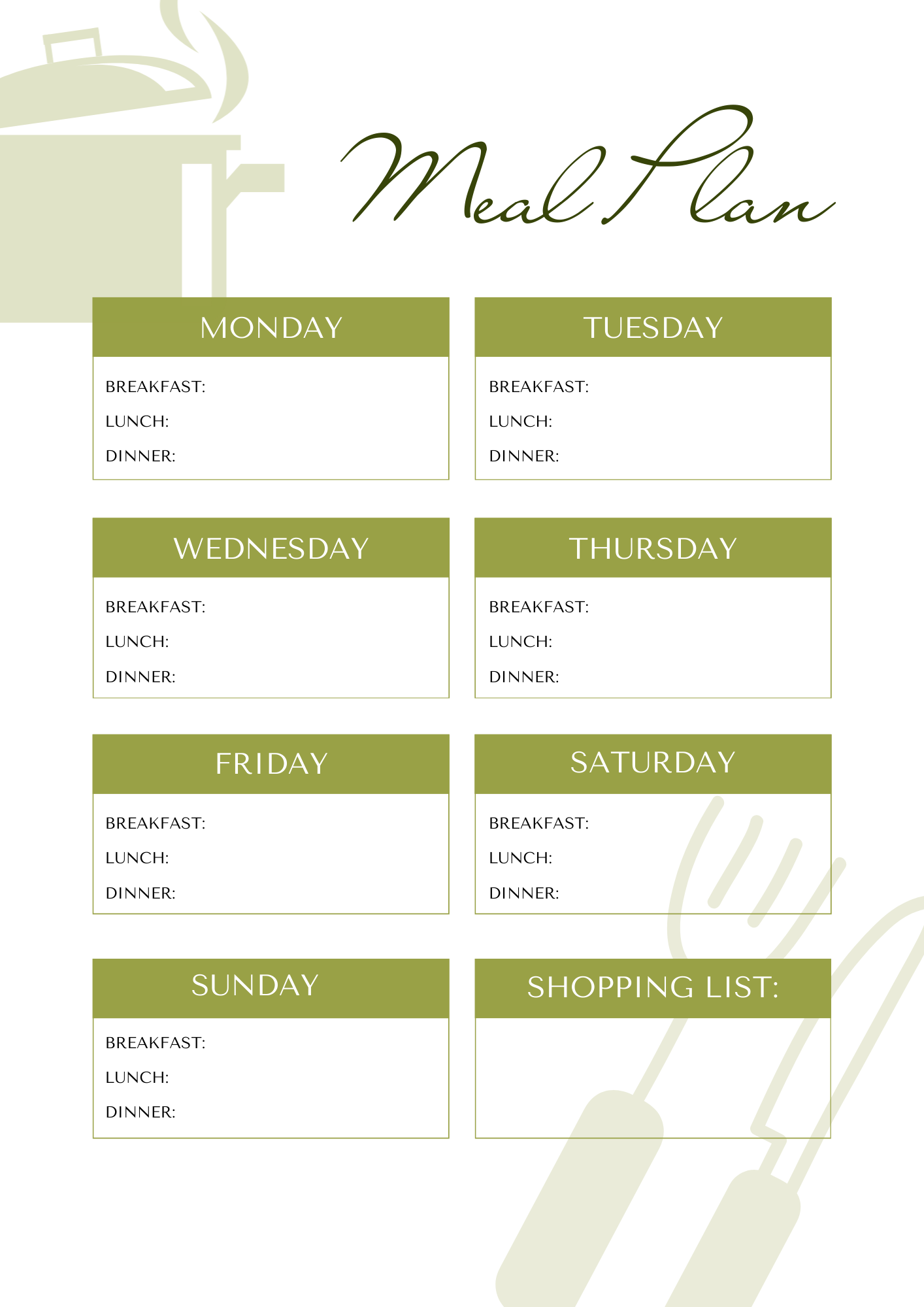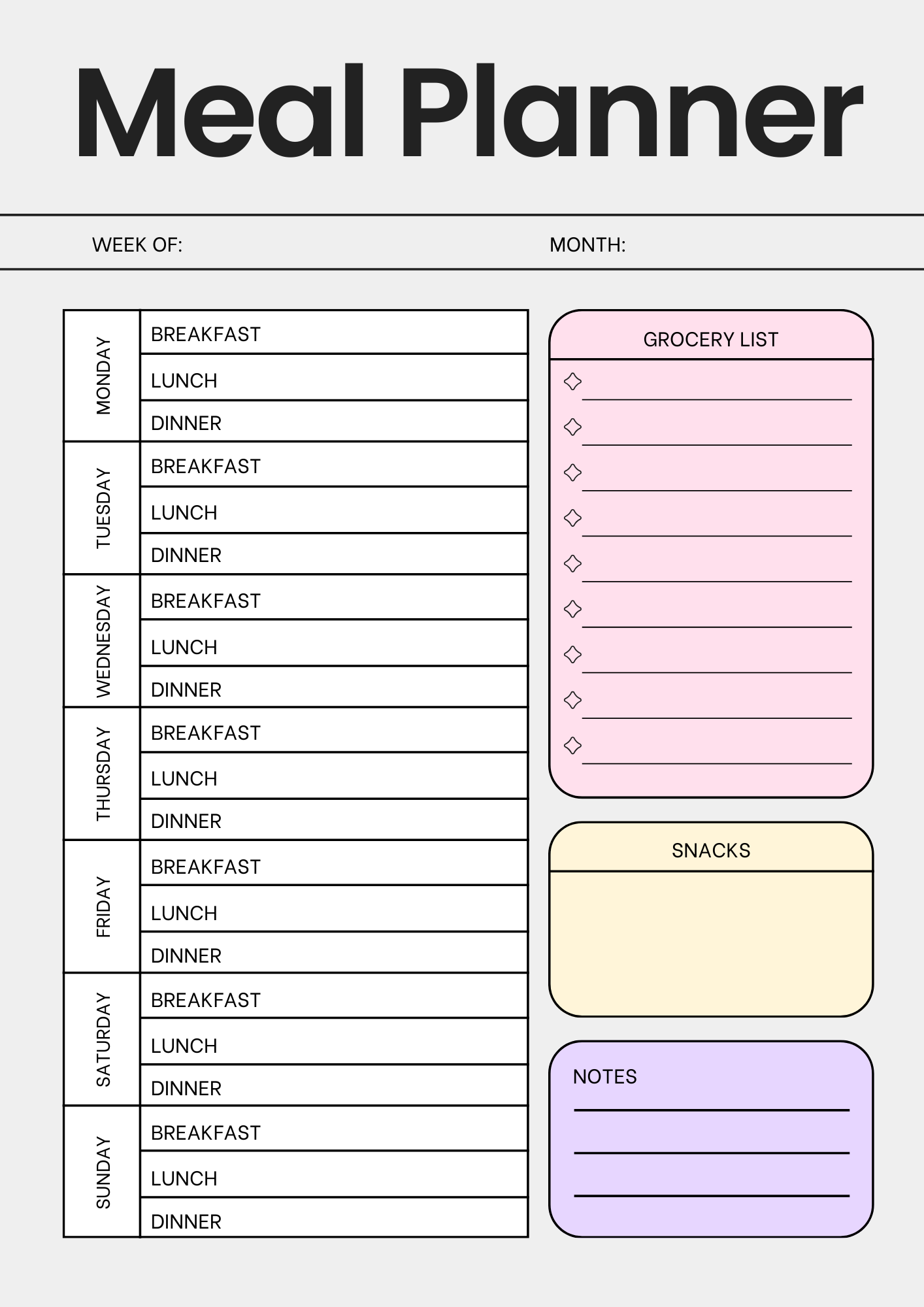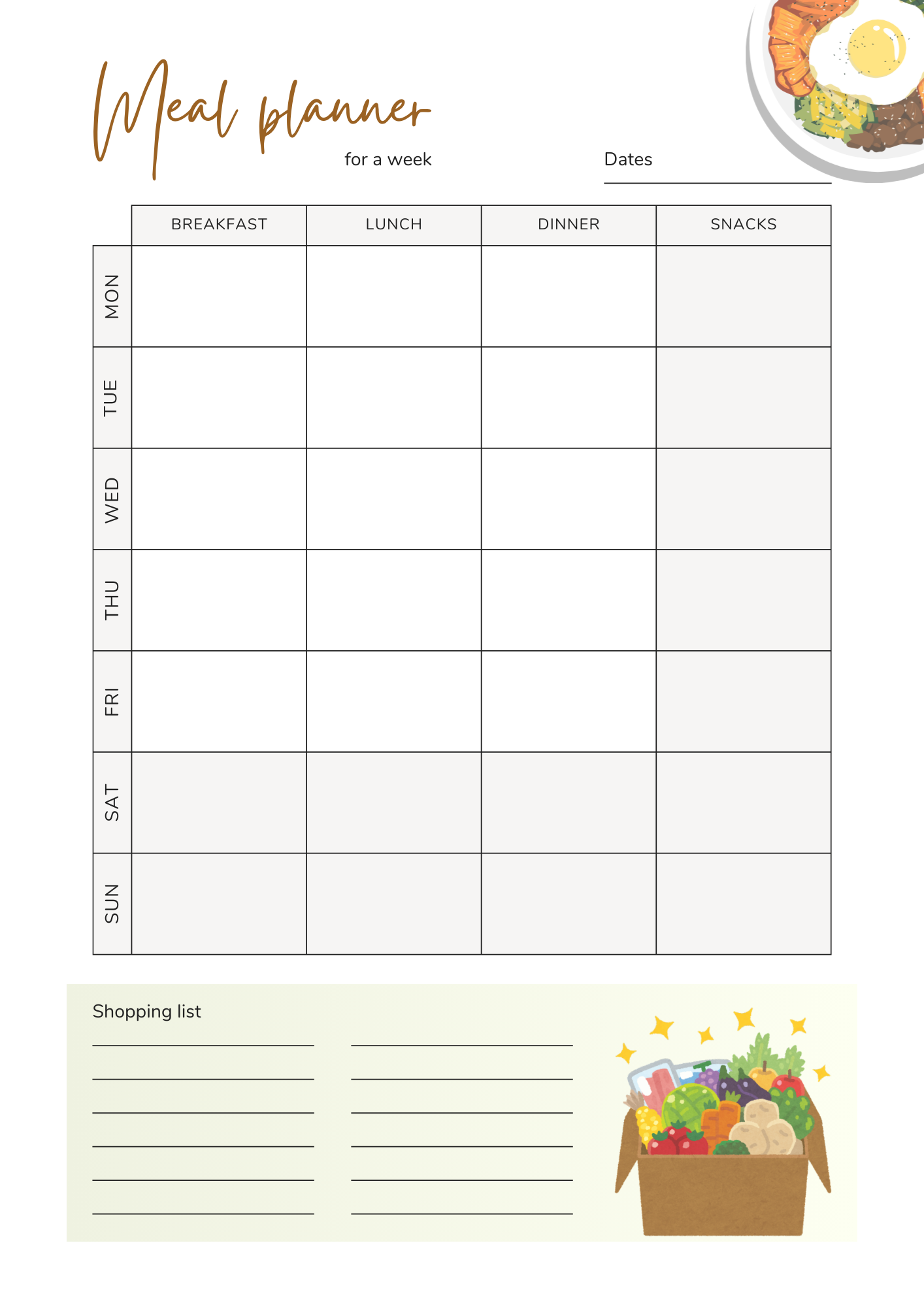
Planning meals in advance is one of the simplest habits that can completely transform your routine. A well-designed Meal Planner Template helps you stay organized, reduce daily decision fatigue, manage your grocery budget, and maintain healthier eating habits without feeling overwhelmed.
Whether you are planning meals for yourself, your family, or coordinating a busy weekly schedule, using a structured system like a Daily, Weekly, or Monthly Meal Plan Template gives you clarity and control.
In this comprehensive guide, you’ll learn how to use a Meal Planner Template effectively, which format works best for different situations, and how to build a sustainable planning routine that actually lasts.
What Is a Meal Planner?
A Meal Planner is a structured layout designed to help you organize meals over a specific time frame. It typically includes sections for:
- Breakfast
- Lunch
- Dinner
- Snacks
- Notes or preparation reminders
Depending on the format, it may also include grocery list space, calorie tracking, prep time notes, or budget sections.
Unlike random meal notes, a Meal Plan Template creates consistency. It allows you to repeat an organized system week after week without starting from scratch.
Why Use a Meal Planner Template?
Here are the main benefits of using a Planner Template regularly:
1. Reduces Daily Stress
No more last-minute “What should we eat?” decisions.
2. Saves Money
Planned meals reduce impulse grocery purchases.
3. Minimizes Food Waste
You buy only what you need.
4. Encourages Balanced Nutrition
Planning makes it easier to create balanced meals.
5. Improves Time Management
Cooking and prep become more efficient.
Choosing the Right Type of Meal Planner Template
Not all formats work for everyone. The best option depends on your routine and goals.
Daily Meal Planner Template

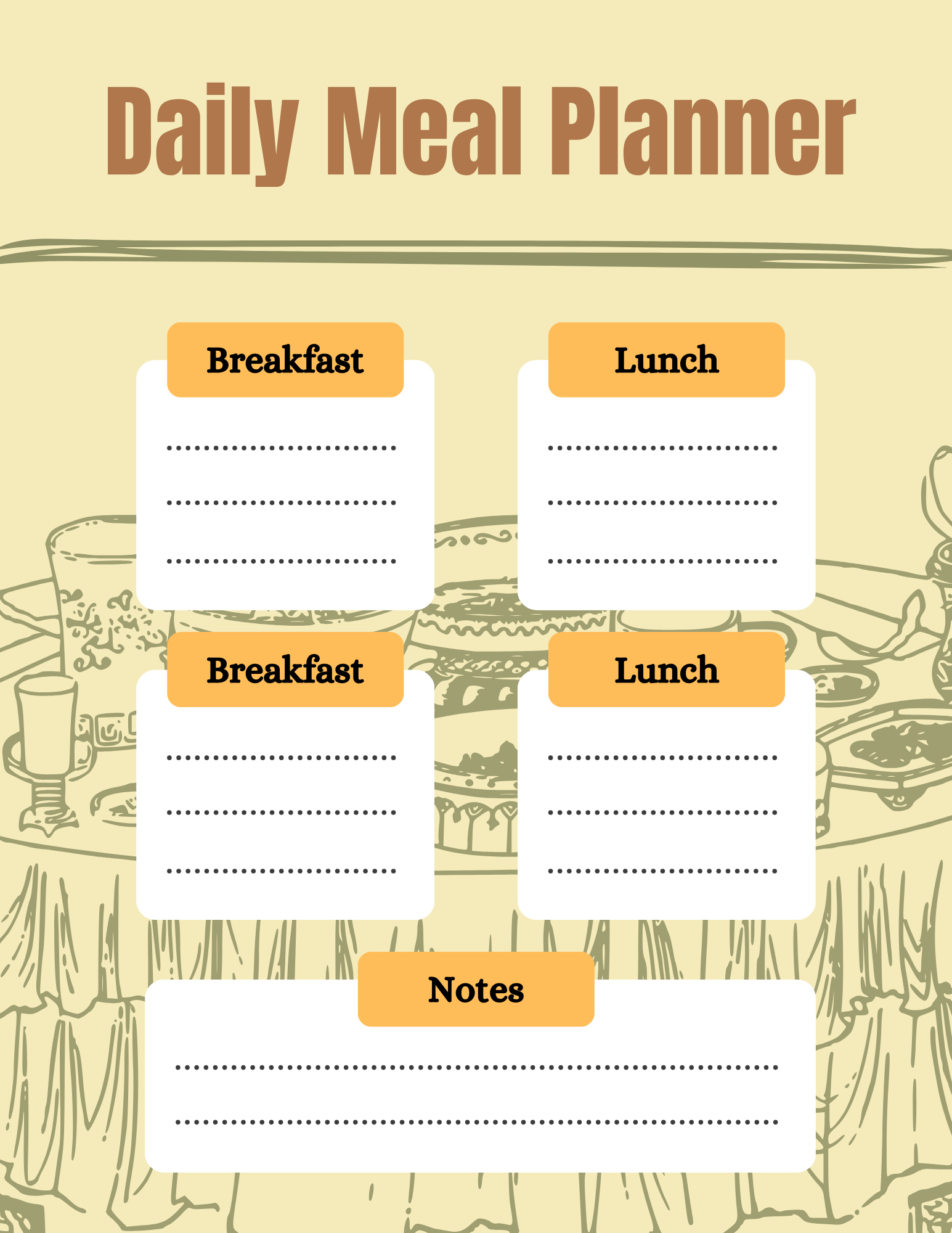
A Daily Meal Planner Template focuses on a single day at a time. It’s ideal for:
- Individuals tracking calories or macros
- Structured diet plans
- Meal prepping routines
- Fitness-focused planning
This format typically includes detailed sections for each meal and sometimes notes for hydration, supplements, or calorie counts.
If your routine changes frequently, daily planning offers flexibility and control.
Weekly Meal Planner Template
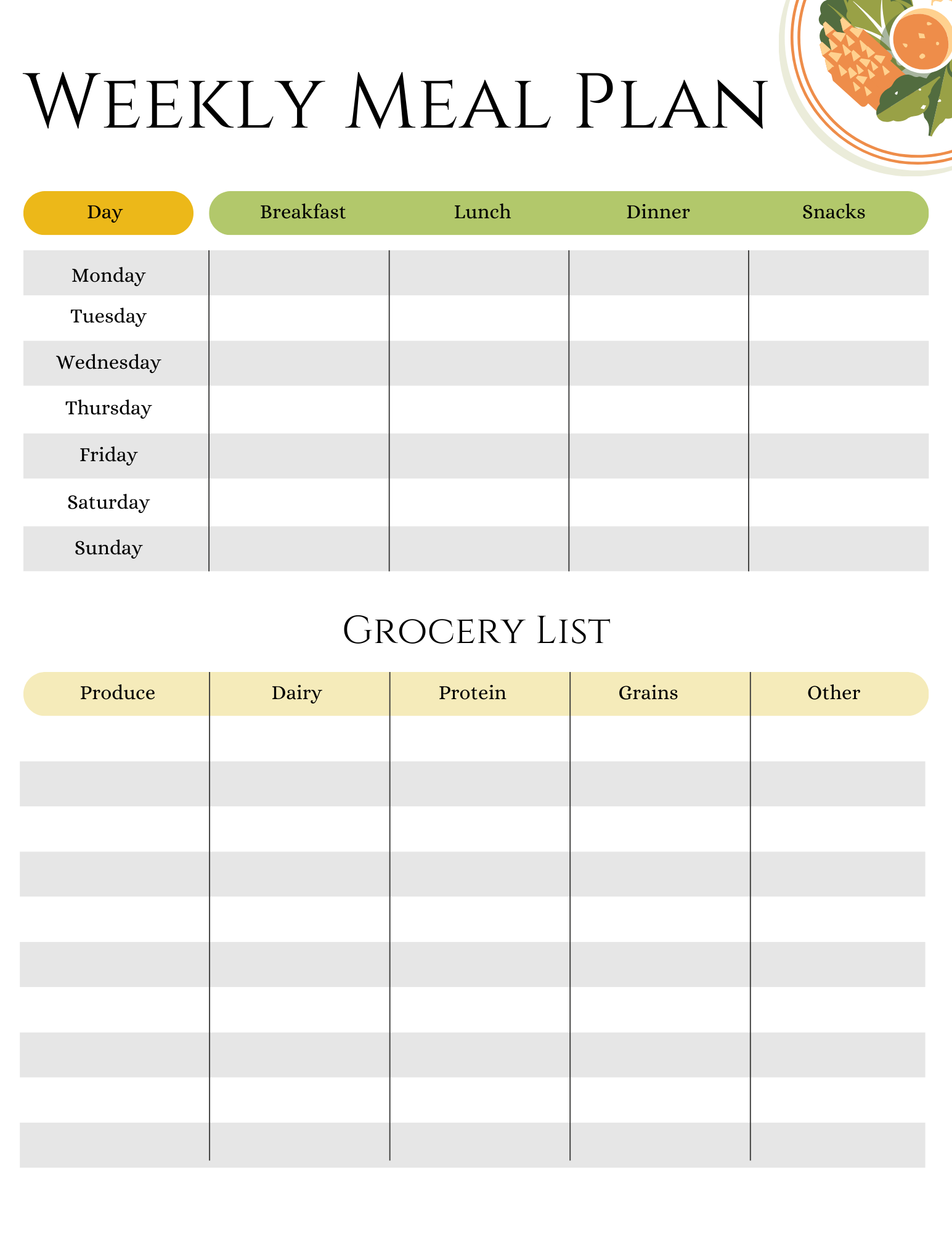
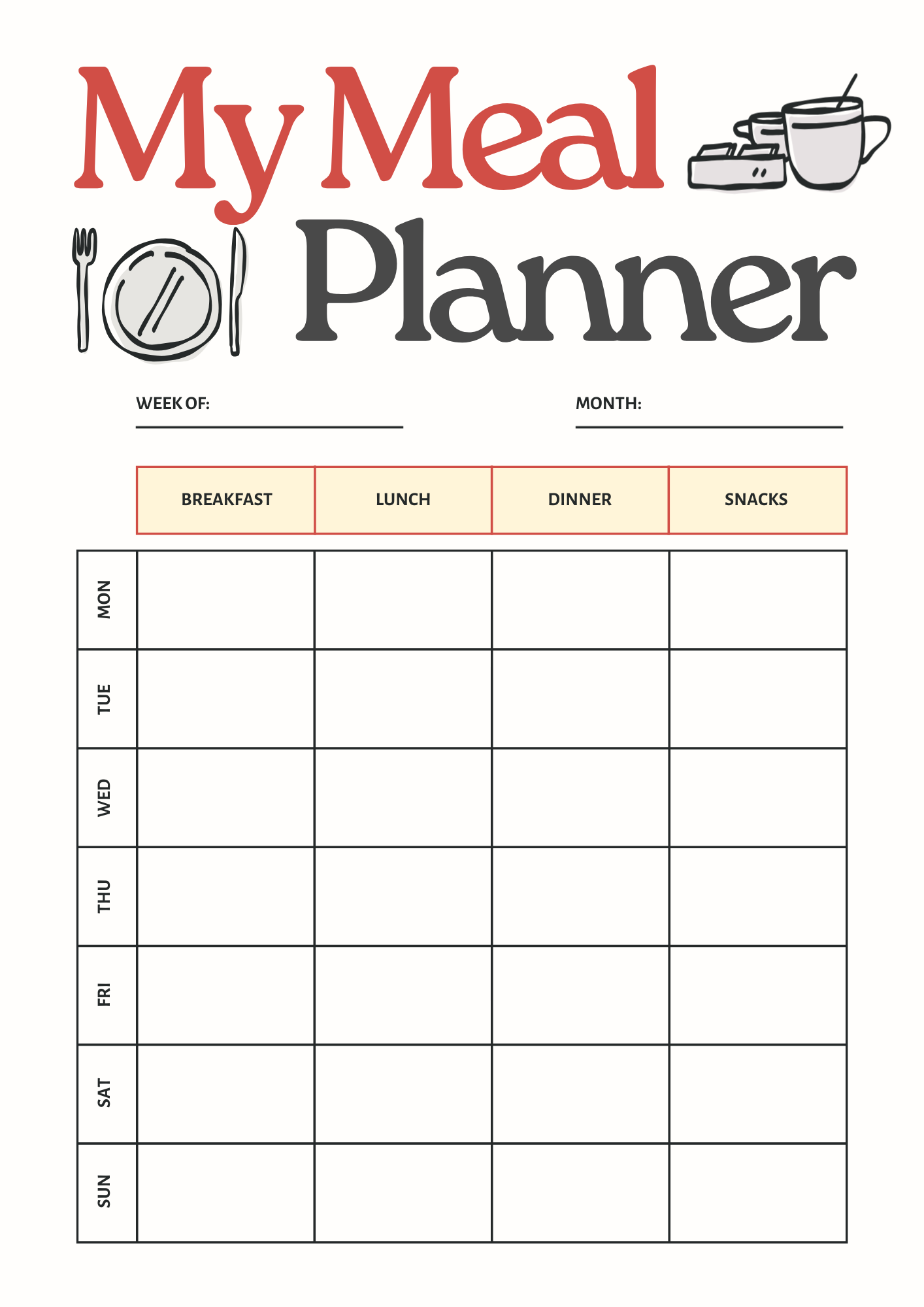
A Weekly Meal Planner Template is the most popular format. It provides a full overview from Monday through Sunday and helps with grocery coordination.
Benefits include:
- Clear weekly overview
- Easier grocery list creation
- Balanced meal rotation
- Efficient batch cooking
Weekly planning is ideal for families or anyone who prefers structured organization without daily re-planning.
Monthly Meal Plan Template

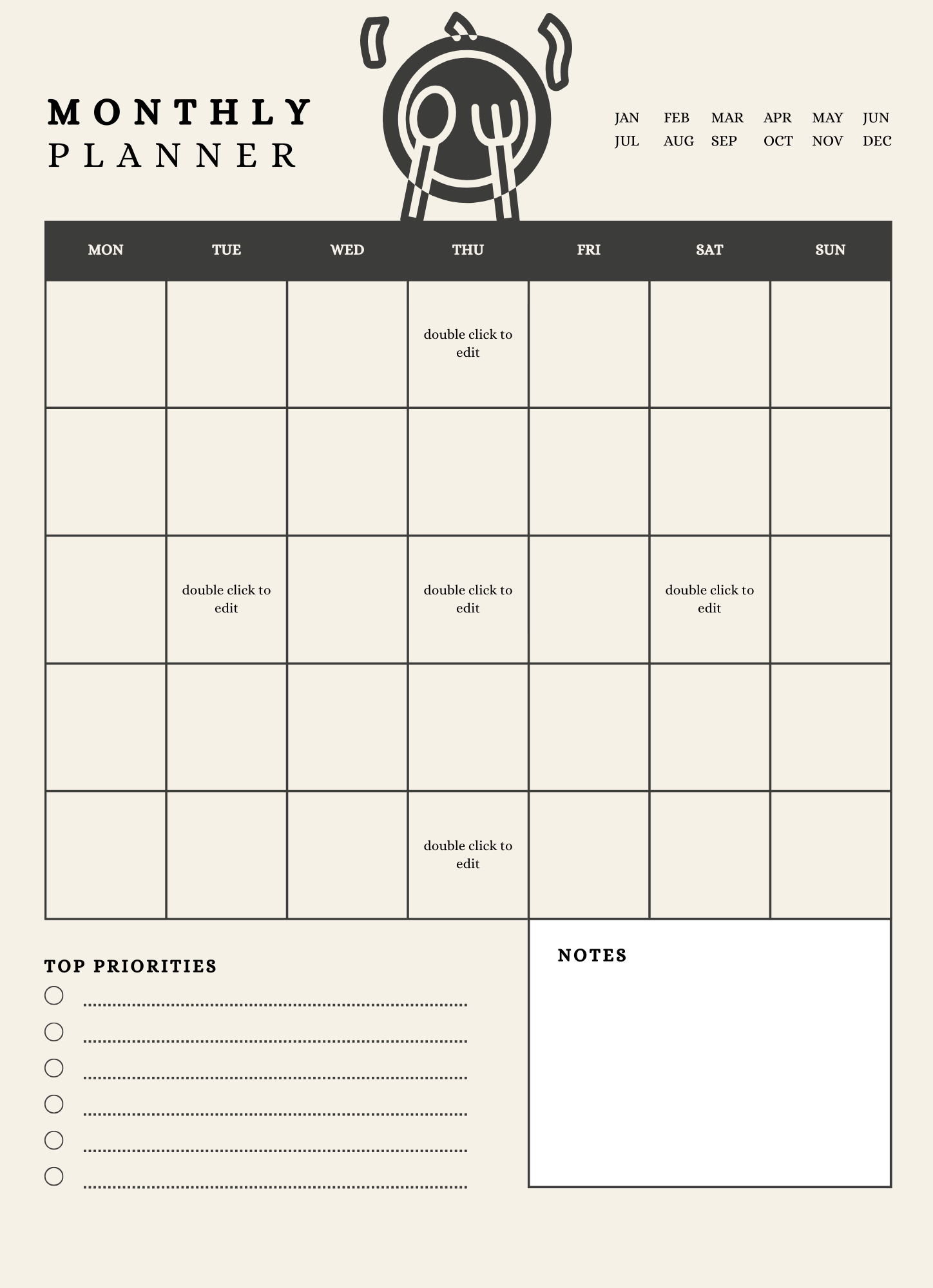
A Monthly Meal Plan Template offers long-term organization. It helps with:
- Budget planning
- Rotating meal cycles
- Bulk grocery buying
- Seasonal menu organization
While monthly planning may feel ambitious, it works well when you already have a list of favorite meals you rotate regularly.
Many people use a Monthly Meal Plan Template for overview planning, then break it down into weekly formats.
Get also: Diabetic Meal Plan Template Free Printable
How to Structure an Effective Meal Planning Template

An efficient Meal Planning Template should include:
- Clear day labels
- Meal categories
- Space for prep notes
- Optional grocery summary section
You can enhance your template by adding:
- Family preference notes
- Leftover tracking
- Special dietary reminders
- Prep time indicators
Clarity and simplicity are more important than complexity.
Get also: Free Printable Workout Planner Template
10 Practical Ways to Use a Meal Planner Template
1. Plan Around Your Schedule
Choose simple meals for busy days and more elaborate meals for relaxed days.
2. Rotate Favorite Meals
Keep a master list of reliable meals and rotate them weekly.
3. Plan for Leftovers
Intentionally assign leftovers to specific days.
4. Build Your Grocery List Immediately
Once your Weekly Planner Template is complete, transfer ingredients directly into your shopping list.
5. Balance Nutrients
Ensure each day includes protein, vegetables, and healthy carbohydrates.
6. Create Theme Nights
Examples:
- Pasta Night
- Taco Tuesday
- Soup Sunday
Themes simplify planning decisions.
7. Track Family Feedback
Use a notes section to record which meals were successful.
8. Adjust for Budget
Plan meals around items already in your pantry.
9. Use Color Coding
Assign colors to different meal types or family members.
10. Leave One Flexible Day
A buffer day reduces frustration when plans change.
Daily vs. Weekly vs. Monthly Planning: Which Is Best?
The right format depends on your lifestyle.
- Use a Daily Meal Planner for strict dietary control.
- Use a Weekly Meal Planner for balanced, practical family planning.
- Use a Monthly Meal Plan for budgeting and long-term rotation.
Many people combine formats:
Monthly overview → Weekly breakdown → Daily adjustments.
Making Your Meal Planner Template Sustainable
The key to success isn’t perfection — it’s consistency.
Here are simple strategies:
Keep It Realistic
Avoid planning seven complex meals in a row.
Reuse What Works
Repeat meals that are easy and popular.
Prepare in Batches
Chop vegetables or cook grains in advance.
Review Weekly
At the end of each week, adjust what didn’t work.
Sample Weekly Meal Planner Template Layout
Here’s a simple structure example:
| Day | Breakfast | Lunch | Dinner | Notes |
|---|---|---|---|---|
| Monday | ||||
| Tuesday | ||||
| Wednesday | ||||
| Thursday | ||||
| Friday | ||||
| Saturday | ||||
| Sunday |
This layout works well for most households.
Common Mistakes to Avoid
Even with a good Meal Planner Template, avoid these common pitfalls:
- Overcomplicating meals
- Ignoring leftovers
- Forgetting pantry inventory
- Planning without checking the schedule
- Making overly rigid plans
Flexibility ensures long-term success.
Customizing Your Meal Planner Template
You can personalize your template by adding:
- Grocery checklist
- Budget tracking column
- Prep time estimates
- Dietary notes
- Hydration tracking
The more tailored the system is to your routine, the more likely you are to stick with it.
Who Should Use a Meal Planner Template?
A Meal Planner Template is ideal for:
- Busy families
- Working professionals
- Students
- Fitness enthusiasts
- Budget-focused households
- Caregivers managing dietary restrictions
Anyone seeking organization and simplicity can benefit.
How to Build a Weekly Routine Around It
To make meal planning automatic:
- Choose one planning day each week.
- Review pantry and fridge.
- Fill out your Weekly Meal Planner Template.
- Create your grocery list.
- Prep basic ingredients in advance.
Within a few weeks, this process becomes effortless.
Final Thoughts
A structured Meal Planner Template brings clarity to your kitchen routine. Whether you prefer a detailed Daily Meal Planner Template, a practical Weekly Meal Planner Template, or a big-picture Monthly Meal Plan Template, the right format can reduce stress and simplify decision-making.
Meal planning doesn’t need to be complicated. With a consistent template and a realistic approach, you’ll spend less time worrying about meals and more time enjoying them.
Choose a format that fits your life, keep it simple, and build a routine you can maintain long term.