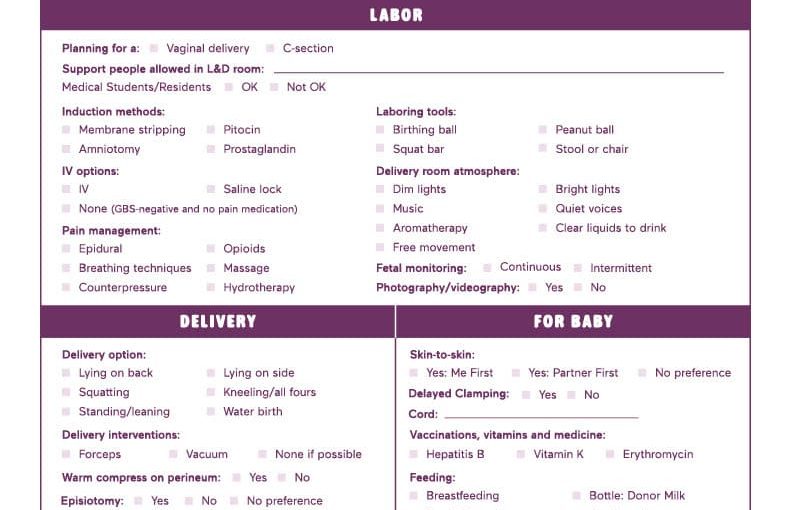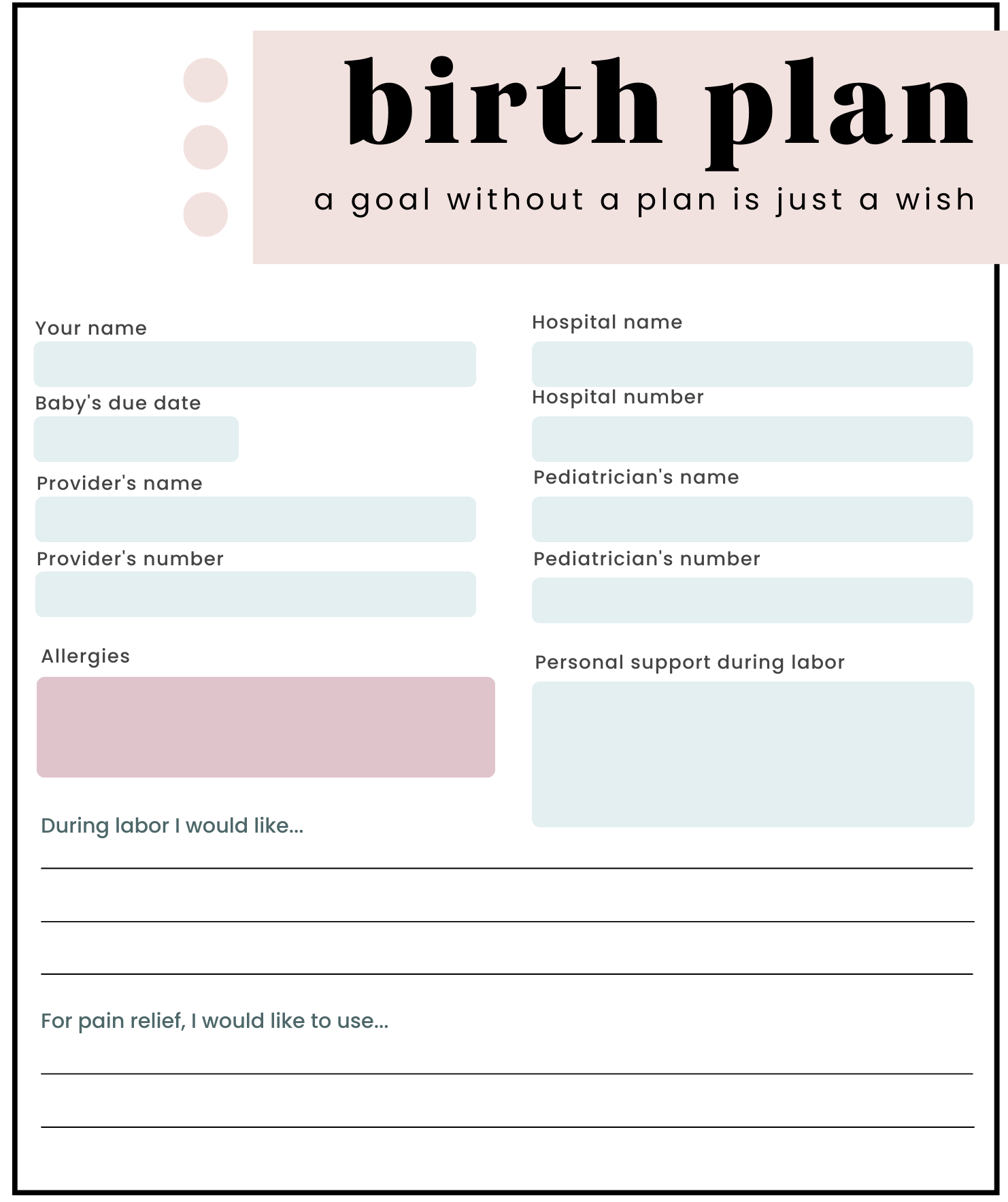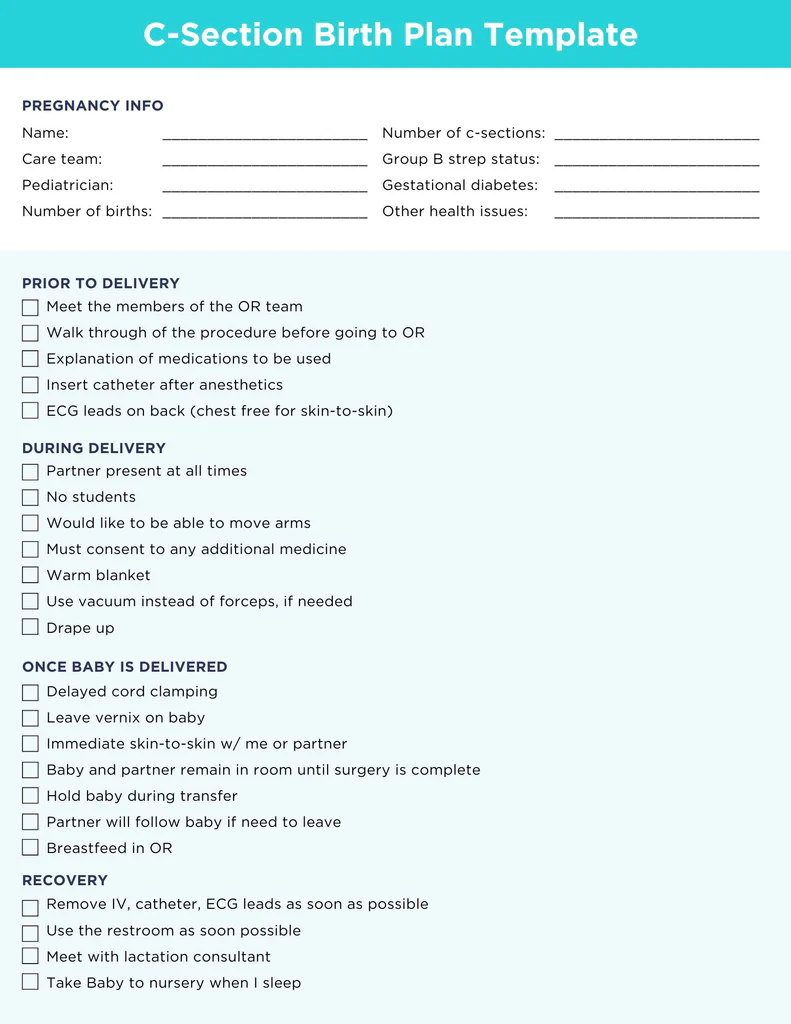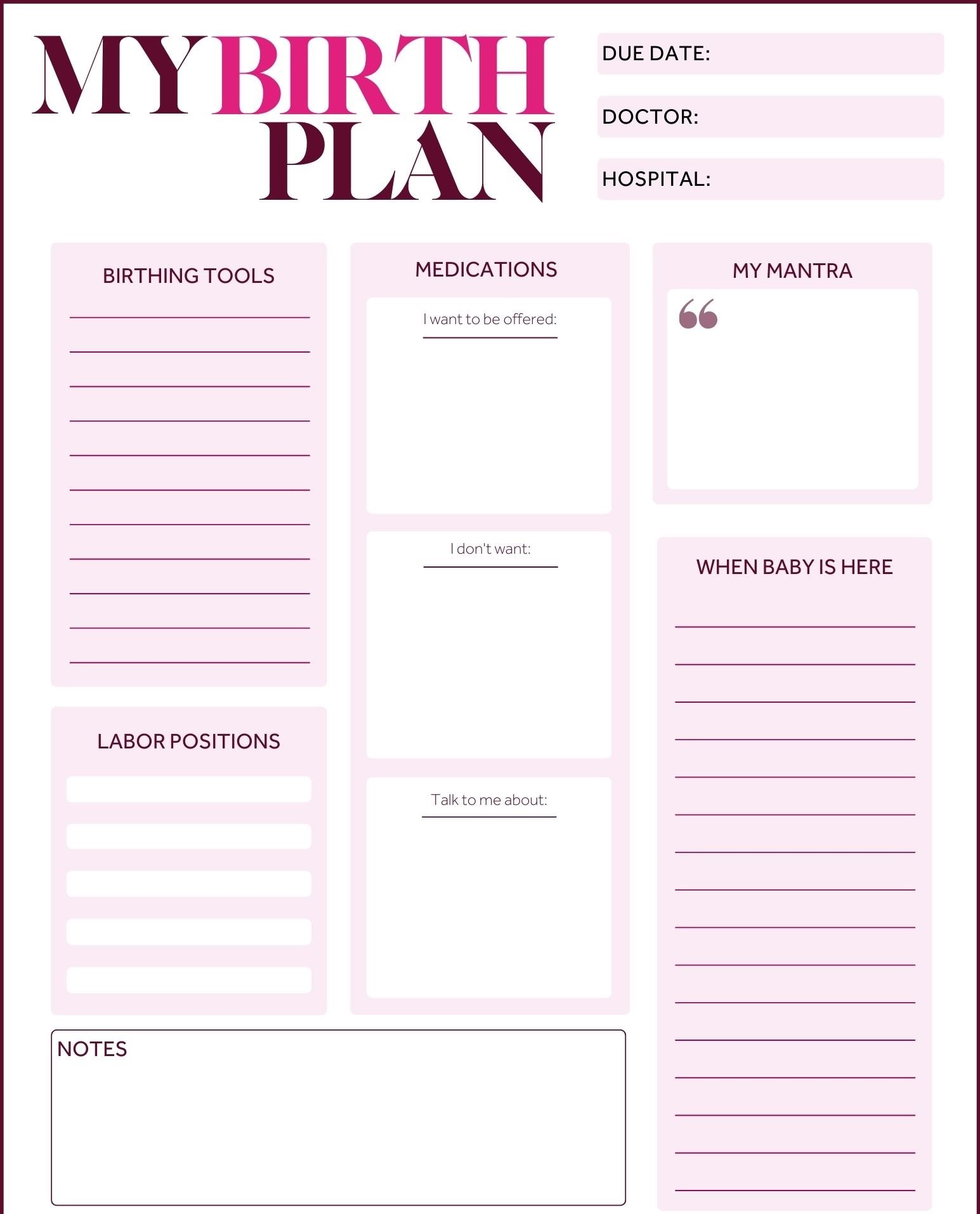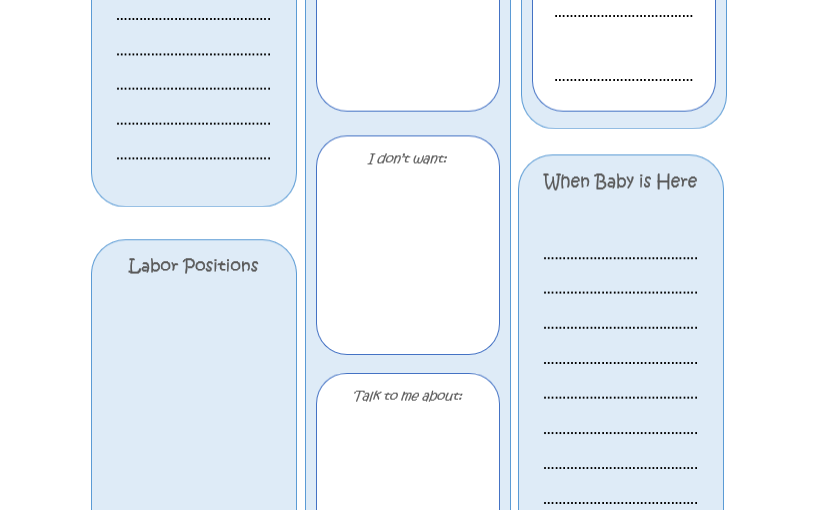
Preparing for childbirth can feel overwhelming, especially with so many decisions to consider. One of the most empowering tools you can create during pregnancy is My Birth Plan Template — a personalized, structured document that clearly communicates your preferences for labor, delivery, and postpartum care.
Whether you are planning a hospital birth, birth center experience, or home birth, building My Birth Plan Template helps you feel organized, informed, and confident. For mothers aiming for minimal intervention, creating the My Natural Birth Plan Template can provide even more clarity around comfort measures and non-medical pain management.
This complete guide walks you through how to design, personalize, and use your plan effectively — without overcomplicating it.
What Is My Birth Plan Template?

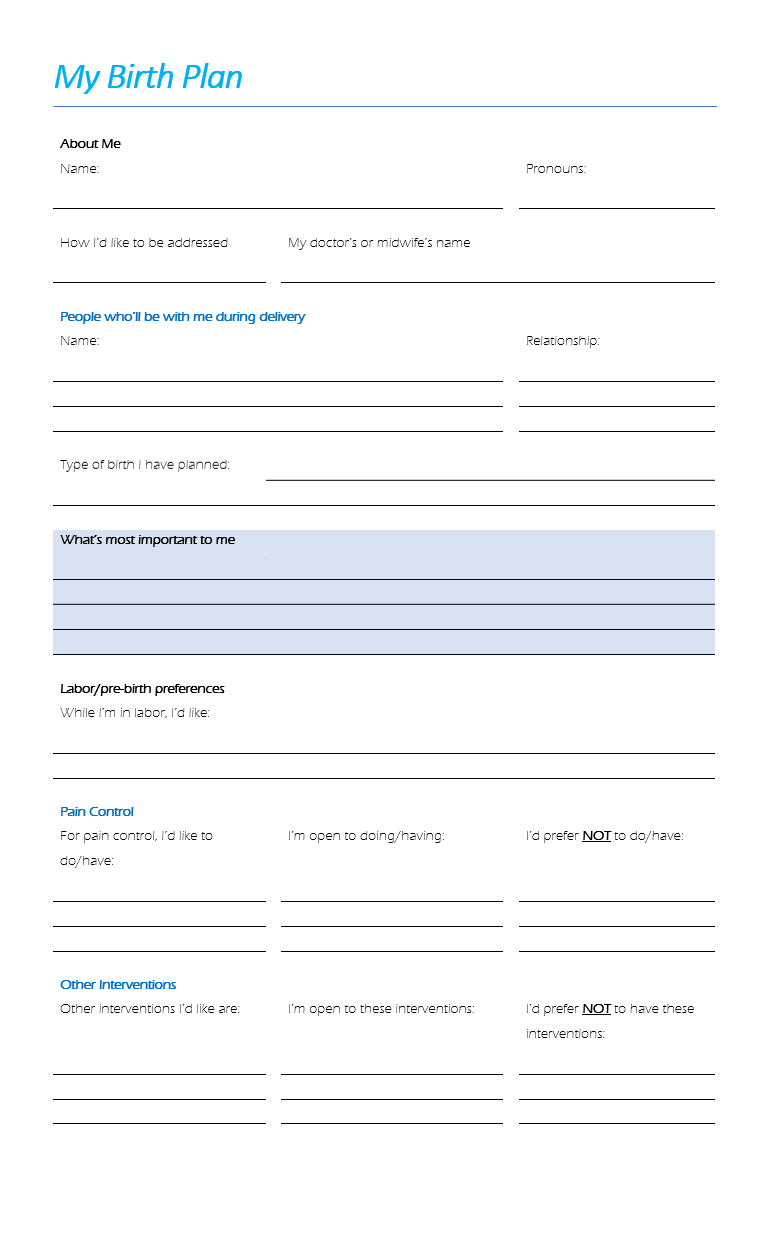
My Birth Plan Template is a customizable document outlining your wishes for labor, delivery, and newborn care. It serves as a communication tool between you, your partner, and your medical team.
Instead of relying on memory during labor, your written plan provides a calm reference point. It helps ensure your voice is heard even in high-pressure moments.
Your My Birth Plan Template typically includes:
- Labor preferences
- Pain management choices
- Delivery positioning
- Emergency preferences
- Immediate newborn care
- Feeding plans
The key is balance: clarity without rigidity.
Why Creating My Birth Plan Template Matters
Even if you consider yourself flexible, having a plan offers emotional reassurance. Labor can be unpredictable, but preparation reduces uncertainty.
Here are several benefits:
- Encourages informed decision-making
- Helps partners advocate effectively
- Prevents misunderstandings with staff
- Clarifies boundaries and comfort needs
- Builds mental readiness
For mothers who desire a low-intervention birth, My Natural Birth Plan Template provides a focused structure to outline specific preferences regarding movement, monitoring, and pain relief alternatives.
Keep It Simple and Realistic


One common mistake is turning the document into a lengthy manifesto. Medical teams appreciate concise, respectful language.
Your My Birth Plan Template should:
- Fit on one page if possible
- Use bullet points instead of long paragraphs
- Avoid a demanding tone
- Include flexibility statements
For example:
I understand that circumstances may require adjustments, and I am open to medical recommendations if necessary.
That one sentence keeps communication collaborative.
Get also: Birth Plan Template Free Printable
Essential Sections to Include
Below is a structured breakdown to help you design a thoughtful and complete plan.
1. Basic Information
Start with simple identifying details:
- Your name
- Due date
- Provider’s name
- Birth location
- Support persons
This section keeps everything clear for hospital staff reviewing your document.
2. Labor Environment Preferences
This section reflects how you want the room to feel and function.
Examples:
- Dim lighting preferred
- Quiet environment
- Soft music allowed
- Limited room traffic
- Freedom to move
If you are building My Natural Birth Plan Template, you may emphasize mobility, intermittent monitoring, and access to birthing tools like:
- Birth ball
- Shower or tub
- Peanut ball
- Upright labor positions
3. Monitoring and Interventions
Clarify your preferences regarding:
- Continuous fetal monitoring vs intermittent
- IV fluids (only if medically necessary)
- Cervical checks (minimal unless required)
- Labor augmentation
This section does not reject medical care — it simply outlines your starting preferences.
4. Pain Management Preferences
Every birth experience is unique. Clearly outline your intentions while remaining flexible.
Options may include:
- Unmedicated labor
- Epidural
- Nitrous oxide
- IV pain medication
- Hypnobirthing techniques
- Breathing exercises
If you are designing My Natural Birth Plan Template, you may state:
I prefer to avoid pharmacological pain relief unless medically necessary.
You can also specify that you want to request medication yourself rather than being routinely offered it.
5. Delivery Preferences
Indicate your preferences for the pushing and delivery stage.
Examples:
- Preferred pushing positions
- Mirror for viewing birth
- Warm compresses
- Perineal massage
- Delayed cord clamping
- Partner cutting the cord
Some parents also include preferences about coached pushing versus spontaneous pushing.
6. Unexpected Situations and Cesarean Birth
Even if your goal is vaginal delivery, it is wise to include backup preferences.
You might note:
- Partner present during surgery
- Clear drape if available
- Immediate skin-to-skin if possible
- Breastfeeding in the recovery room
Planning for multiple possibilities helps reduce fear of the unknown.
Get also: Free Editable C Section Birth Plan Template
Designing My Natural Birth Plan Template

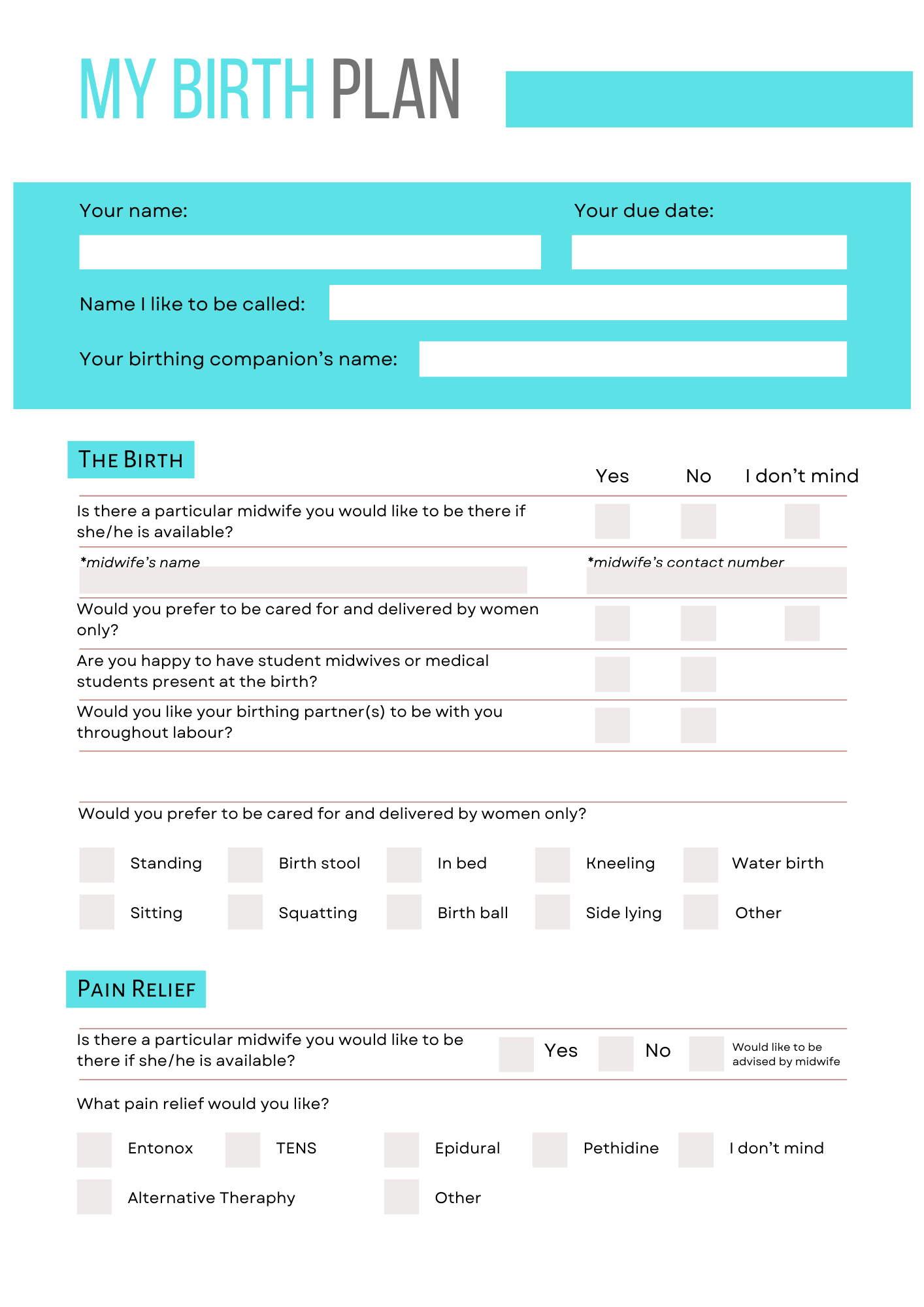
For mothers focused on minimal intervention, this variation emphasizes physiological birth.
Important elements to include:
- Freedom of movement
- Intermittent monitoring
- No routine episiotomy
- Delayed cord clamping
- Immediate skin-to-skin contact
- Breastfeeding within the first hour
You may also mention comfort strategies such as:
- Water immersion
- Counter-pressure
- Massage
- Aromatherapy
- Affirmations
However, always include a flexibility statement acknowledging that medical safety remains the priority.
Postpartum and Newborn Care
Your plan should extend beyond delivery.
Consider including preferences for:
- Immediate skin-to-skin
- Rooming-in
- Vitamin K injection
- Eye ointment
- Newborn procedures timing
- Delayed bathing
If breastfeeding is your goal, state that clearly. You may request:
- Lactation consultant support
- No pacifiers unless requested
- Formula only if medically necessary
Clear communication reduces confusion during the busy postpartum window.
Tone Matters More Than You Think
A respectful, collaborative tone encourages cooperation.
Instead of writing:
No IV fluids under any circumstances.
Try:
I prefer to avoid IV fluids unless medically necessary.
This subtle difference maintains autonomy while showing openness to clinical judgment.
Formatting Tips for Clarity
Keep the document:
- Bullet-pointed
- Organized by clear headings
- Easy to scan
- Free from emotional language
- Limited to one page
Medical teams may review your plan quickly during active labor. Clarity ensures your key points stand out.
When to Share Your Plan
Do not wait until labor begins.
Best timing:
- Review with your provider around 32–36 weeks
- Bring printed copies to the hospital
- Share with your partner in advance
- Upload to the hospital portal if available
Early discussion prevents surprises.
Emotional Benefits of Writing Your Plan
Beyond logistics, writing My Birth Plan Template offers emotional preparation.
The process encourages you to:
- Research procedures
- Reflect on fears
- Identify comfort needs
- Clarify boundaries
- Strengthen communication with your partner
Many parents report that simply organizing their thoughts reduces anxiety significantly.
What to Avoid
While personalization is important, avoid:
- Excessive medical jargon
- Overly long explanations
- Aggressive tone
- Unrealistic guarantees
- Ignoring emergency possibilities
Birth is dynamic. Preparation improves experience, but flexibility ensures safety.
Should You Use a Digital or Printable Version?
You can create your plan using:
- Microsoft Word
- Google Docs
- Canva
- Editable PDF templates
A printable version works well for hospital use, while digital copies make updates easy.
Choose whichever format allows you to edit comfortably and keep the layout clean.
Frequently Asked Questions
Do hospitals always follow birth plans?
Healthcare teams aim to respect patient preferences whenever safe. Clear communication improves the likelihood that your wishes are honored.
What if my plan changes during labor?
That’s completely normal. A birth plan is a guide — not a contract. Adaptability is a strength, not a failure.
Is it necessary if I trust my doctor?
Yes. Even with full trust, written preferences prevent misunderstandings and ensure everyone is aligned.
Final Thoughts
Creating My Birth Plan Template is less about control and more about clarity. It empowers you to approach labor feeling prepared, informed, and supported.
If your goal is a low-intervention experience, designing My Natural Birth Plan Template can help outline specific comfort measures and reduce unnecessary interventions. At the same time, staying open to medical guidance ensures safety remains central.
Birth may not unfold exactly as written — and that’s okay. The value lies in preparation, communication, and confidence.
Start early, keep it simple, discuss openly, and allow room for flexibility. That balance creates the strongest foundation for a positive birth experience.