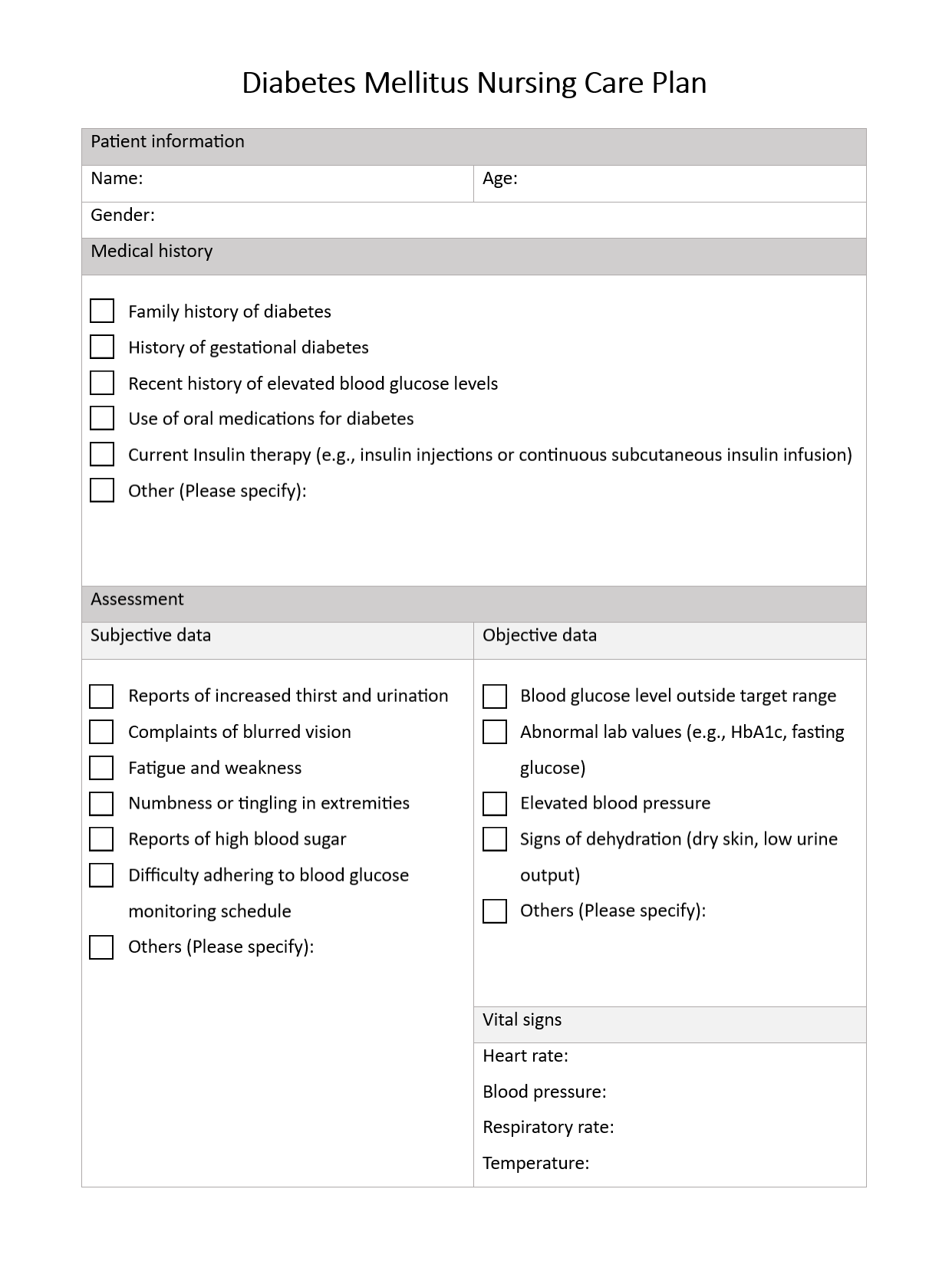
Diabetes Nursing Care Plan Template: 7+ Complete Clinical Purpose

Diabetes Nursing Care Plan Template: Complete Clinical Guide for Type 1, Type 2 & Hyperglycemia Management | A Diabetes Nursing Care Plan Template is a structured clinical document used to assess, diagnose, plan, implement, and evaluate care for patients with diabetes mellitus. Because diabetes affects multiple body systems and requires long-term management, a well-organized care plan is essential in both hospital and community settings.

Whether dealing with insulin-dependent patients, lifestyle-managed cases, or acute hyperglycemia episodes, nurses need a format that is:

  • Clear
  • Measurable
  • Evidence-based
  • Easy to document
  • Adaptable for different diabetes types

This guide explains how a professional diabetes nursing care plan template should be structured and how it differs when applied to Type 1, Type 2, and hyperglycemia-specific situations.

Why a Structured Diabetes Nursing Care Plan Template Is Essential

Diabetes is not a single-event condition. It is a chronic metabolic disorder requiring:

  • Continuous glucose monitoring
  • Medication management
  • Dietary regulation
  • Exercise planning
  • Complication prevention
  • Patient education

Without a structured template, documentation can become inconsistent and incomplete.

A professional diabetes nursing care plan template ensures:

  • Standardized assessment
  • Clear nursing diagnoses
  • Measurable goals
  • Evidence-based interventions
  • Ongoing evaluation

In clinical audits and academic grading, structure matters.

Core Components of a High-Quality Diabetes Nursing Care Plan Template

A complete Nursing Care Plan Template (like the one you created in Word) typically includes the following structured sections:

1. Patient Identification & Background

This section includes:

  • Age
  • Gender
  • Diagnosis
  • Duration of diabetes
  • Current medications
  • Allergies
  • Comorbidities

This ensures clarity before moving into assessment.

2. Assessment Data

Assessment should include both subjective and objective findings.

Subjective examples:

  • Excessive thirst
  • Frequent urination
  • Fatigue
  • Blurred vision

Objective findings:

  • Blood glucose levels
  • HbA1c
  • BMI
  • Blood pressure
  • Lipid profile

Accurate assessment drives correct nursing diagnosis.

3. Nursing Diagnoses

Common diagnoses in diabetes care include:

  • Risk for unstable blood glucose level
  • Imbalanced nutrition
  • Risk for impaired skin integrity
  • Risk for infection
  • Ineffective health management

Diagnosis selection may differ between Type 1 and Type 2.

4. Goals & Expected Outcomes

Goals must be measurable. For example:

  • Blood glucose maintained within target range
  • Patient demonstrates correct insulin administration
  • HbA1c reduced within 3 months
  • Patient verbalizes understanding of diet plan

Clear goals make evaluation meaningful.

5. Nursing Interventions

Interventions may include:

  • Blood glucose monitoring
  • Insulin administration
  • Oral hypoglycemic medication management
  • Dietary counseling
  • Exercise guidance
  • Foot care education
  • Hypoglycemia management education

Interventions should always connect directly to diagnoses.

6. Evaluation

Evaluation determines whether goals were:

  • Met
  • Partially met
  • Not met

Follow-up adjustments are based on this section.

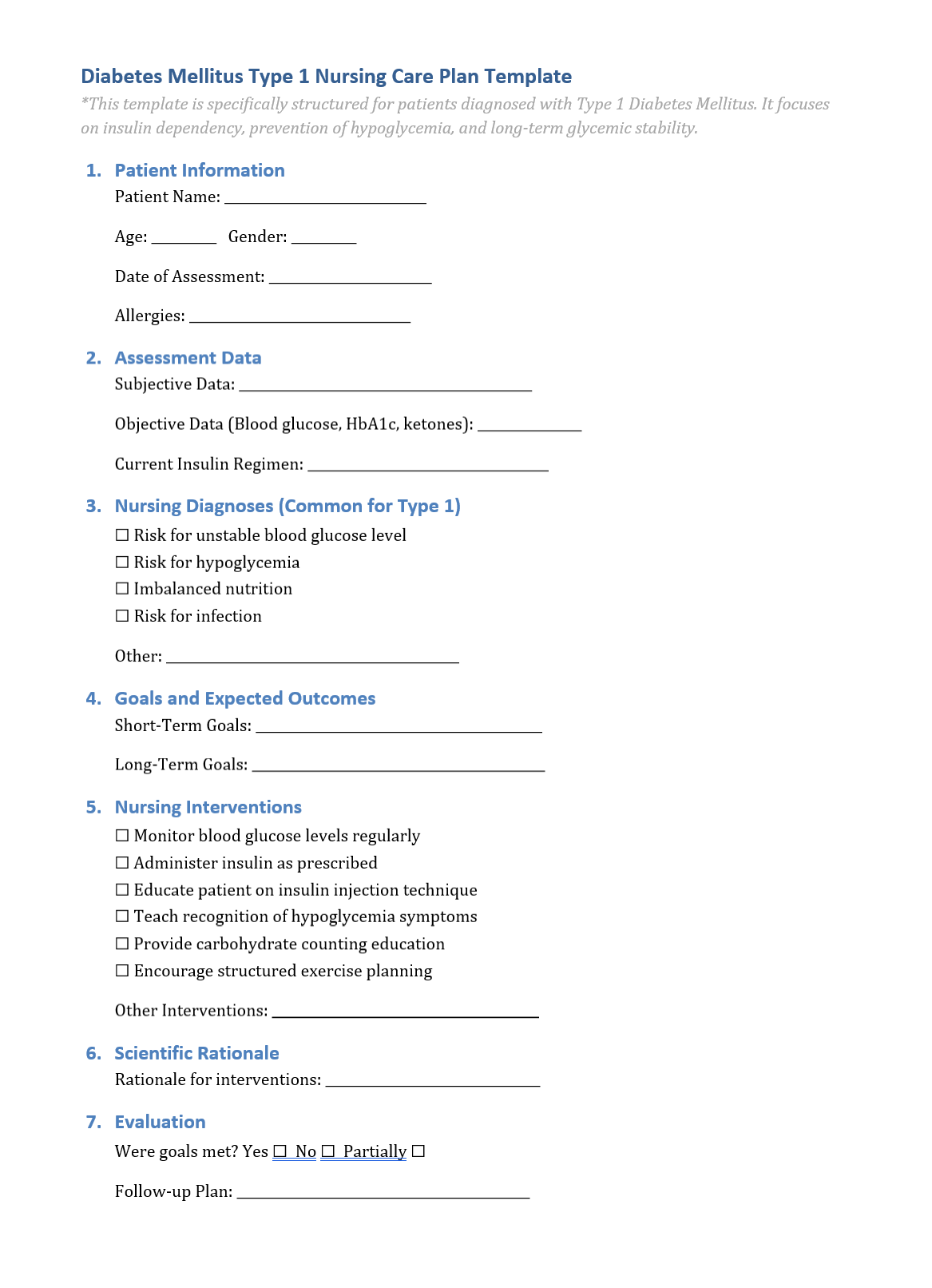
Diabetes Mellitus Type 1 Nursing Care Plan Template

A Diabetes Mellitus Type 1 Nursing Care Plan Template focuses primarily on insulin dependency and risk of hypoglycemia.
Type 1 diabetes is characterized by:

  • Absolute insulin deficiency
  • Autoimmune destruction of pancreatic beta cells
  • Early onset (often childhood or adolescence)
  • Higher risk of diabetic ketoacidosis (DKA)

Key Nursing Priorities in Type 1:

  1. Insulin administration accuracy
  2. Hypoglycemia prevention
  3. Carbohydrate counting education
  4. Ketone monitoring during illness
  5. Injection site rotation education

Because insulin is mandatory in Type 1, the template should emphasize:

  • Insulin regimen documentation
  • Blood glucose frequency tracking
  • Hypoglycemia symptom recognition

Structured documentation reduces emergency complications.

Get also: Family Nursing Care Plan Template

Diabetes Mellitus Type 2 Nursing Care Plan Template

A Diabetes Mellitus Type 2 Nursing Care Plan Template emphasizes lifestyle modification and insulin resistance management.
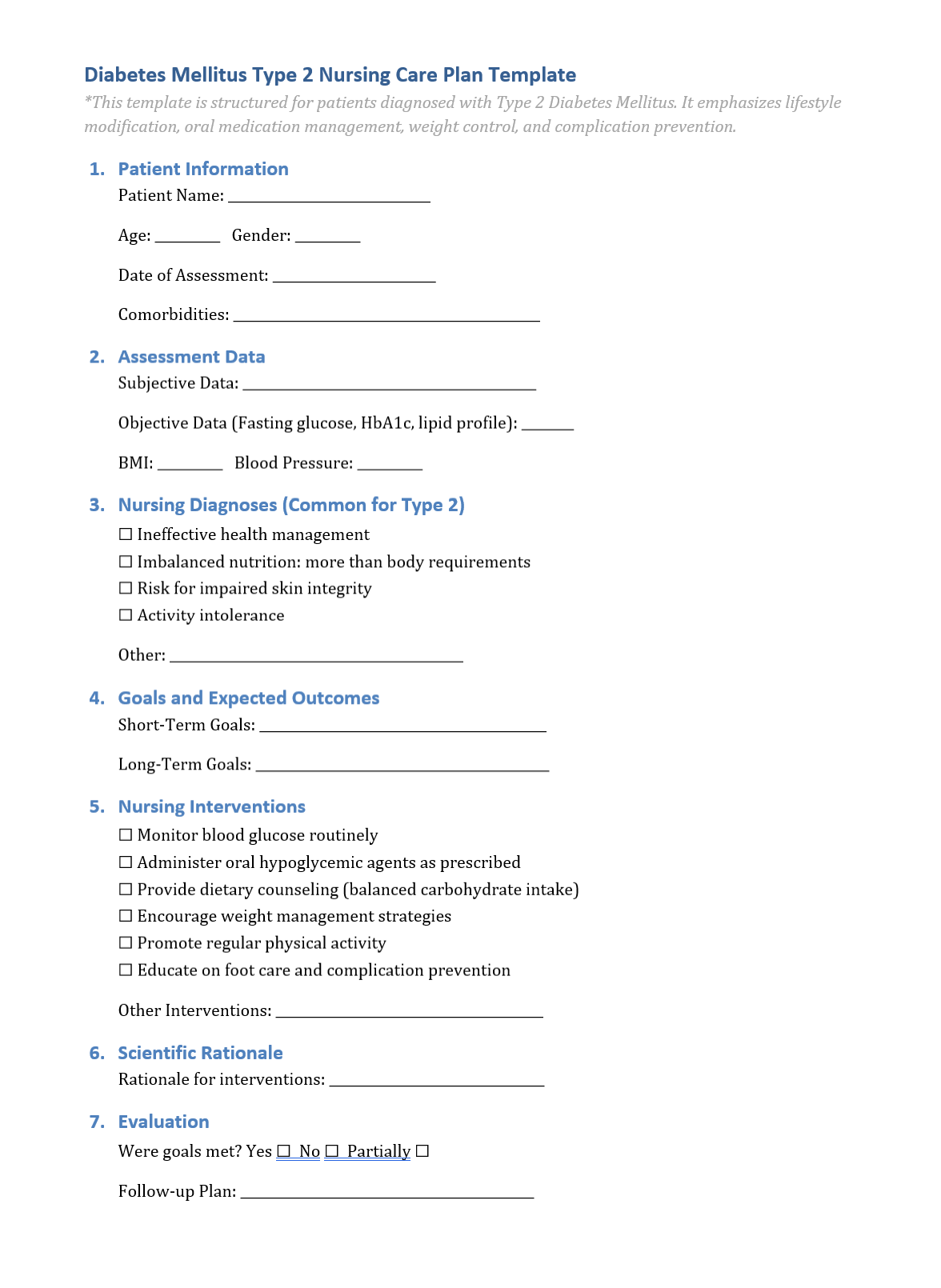
Type 2 diabetes typically involves:

  • Insulin resistance
  • Relative insulin deficiency
  • Strong link to obesity
  • Gradual onset
  • Multiple comorbidities

Key Nursing Priorities in Type 2:

  1. Weight management
  2. Dietary control
  3. Physical activity promotion
  4. Oral hypoglycemic compliance
  5. Complication prevention

Unlike Type 1, many Type 2 patients initially manage diabetes without insulin.

Therefore, the care plan structure should include:

  • Lifestyle counseling documentation
  • Weight monitoring
  • Cardiovascular risk management
  • Hypertension coordination

Long-term complication prevention becomes central.

Diabetes Nursing Care Plan for Hyperglycemia

A Diabetes Nursing Care Plan for Hyperglycemia focuses on acute elevation of blood glucose levels.
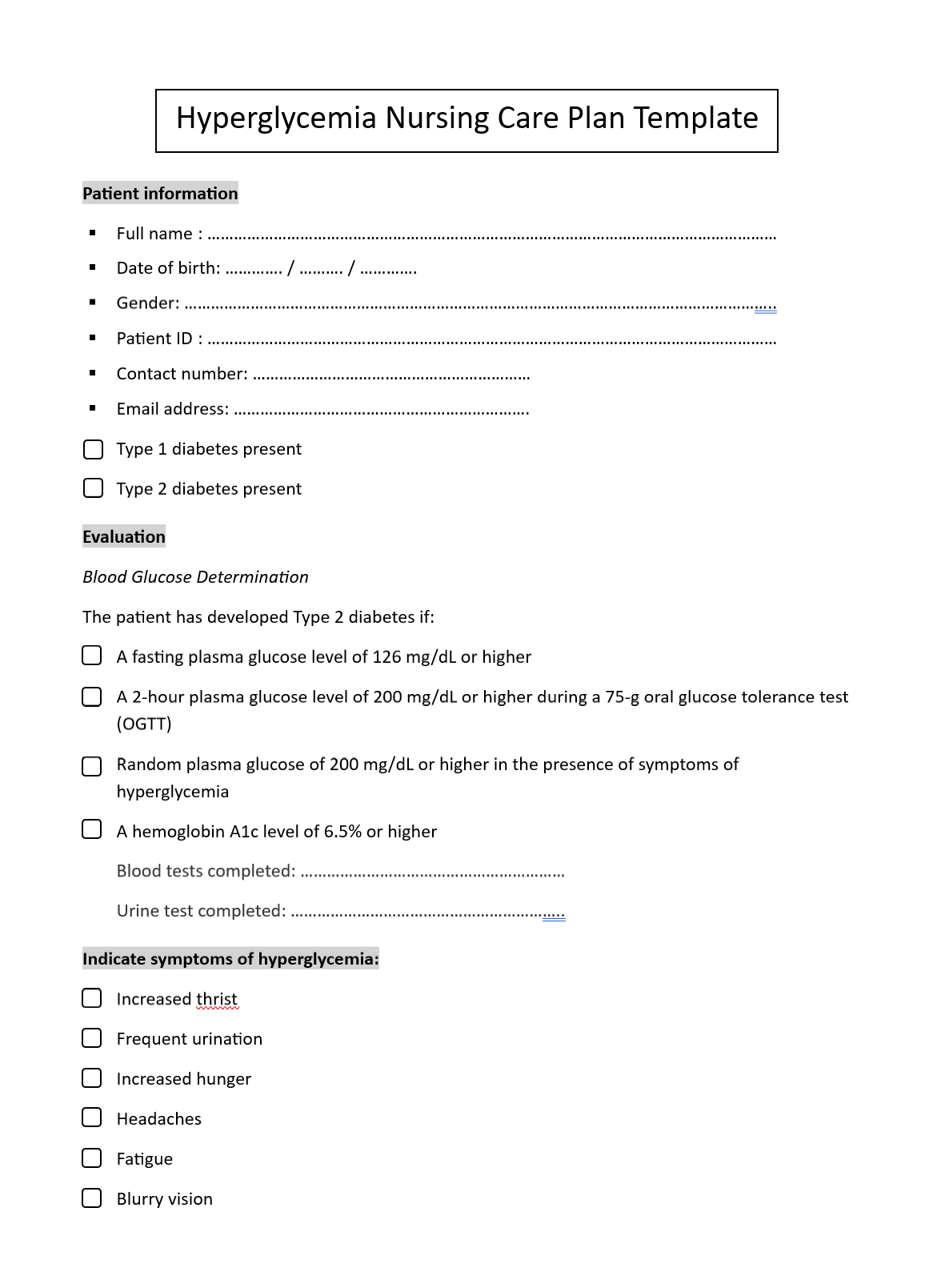
Hyperglycemia may present with:

  • Polyuria
  • Polydipsia
  • Dry skin
  • Fatigue
  • Blurred vision
  • Fruity breath (in severe cases)

In more severe cases, it may lead to:

  • Diabetic ketoacidosis (Type 1)
  • Hyperosmolar hyperglycemic state (Type 2)

Nursing Priorities in Hyperglycemia:

  1. Frequent glucose monitoring
  2. Insulin correction dosing
  3. Hydration management
  4. Monitoring for electrolyte imbalance
  5. Patient education on early warning signs

In this situation, the care plan template should clearly document:

  • Initial glucose reading
  • Intervention timing
  • Response to treatment
  • Reassessment results

Hyperglycemia documentation must be precise, especially in hospital settings.

Differences Between Type 1, Type 2 & Hyperglycemia Focus

Although they share a common disease process, the nursing priorities differ significantly.

Focus AreaType 1Type 2Hyperglycemia
InsulinMandatorySometimes requiredOften corrective
Primary RiskHypoglycemiaCardiovascular complicationsAcute metabolic crisis
Education FocusInjection techniqueLifestyle modificationEmergency symptom recognition
MonitoringFrequentRoutineIntensive

A strong diabetes nursing care plan template allows nurses to adapt quickly depending on clinical presentation.

Why Word-Based Templates Work Best

Since your template is created in Microsoft Word, it offers practical advantages:

  • Easy editing for academic or clinical use
  • Structured tables
  • Professional formatting
  • Printable for hospital charts
  • Simple conversion to PDF

Nurses often prefer Word because it mirrors real documentation formats used in healthcare facilities.

Common Mistakes in Diabetes Care Planning

Without structure, nurses may:

  • Write vague goals
  • Skip measurable outcomes
  • Overlook comorbidities
  • Ignore patient education documentation
  • Forget follow-up scheduling

A structured template prevents incomplete planning.

Who Should Use This Template?

This format is ideal for:

  • Nursing students
  • Clinical instructors
  • Hospital nurses
  • Community health nurses
  • Home health providers
  • Diabetes educators

It can be used in:

  • Academic assignments
  • Clinical documentation
  • Case studies
  • Community outreach programs

Final Thoughts

A professional Diabetes Nursing Care Plan Template is more than a worksheet—it is a structured clinical framework for safe, measurable, and effective diabetes management.

Whether you are applying:

  • A Diabetes Mellitus Type 1 Nursing Care Plan Template
  • A Diabetes Mellitus Type 2 Nursing Care Plan Template
  • Or building a Diabetes Nursing Care Plan for Hyperglycemia

The foundation remains the same: systematic assessment, measurable goals, targeted interventions, and structured evaluation.

With a well-designed Word template, nurses can deliver consistent, evidence-based care while maintaining professional documentation standards.
Family Nursing Care Plan Template (8+ Free Editable Design)

A Family Nursing Care Plan Template is a structured document used by nurses to assess, plan, implement, and evaluate care at the family level rather than focusing only on individual patients.

Unlike hospital-centered care plans, family-focused planning considers:

  • Household dynamics
  • Shared health risks
  • Chronic disease patterns
  • Social and environmental factors
  • Long-term behavioral support

This type of care plan is especially relevant in:

  • Community health nursing
  • Home health services
  • Public health programs
  • Chronic disease management
  • Nursing education programs

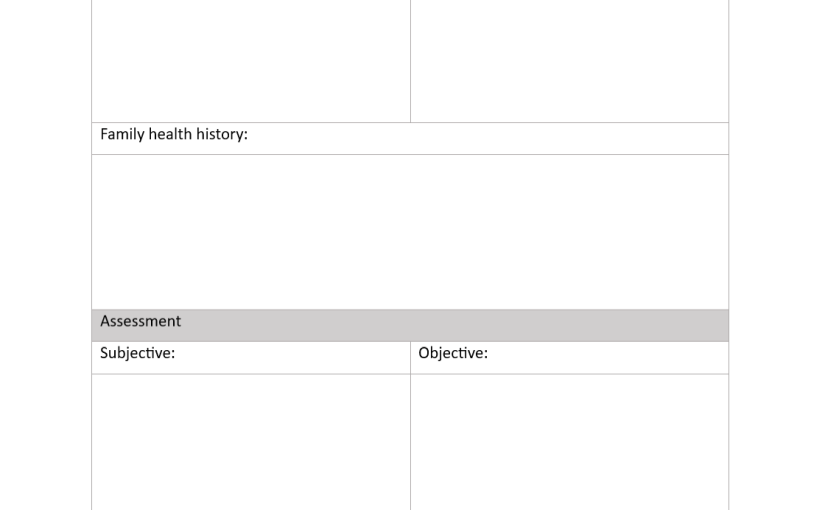
If you review the design previews included in this article, you’ll see how the layout supports structured documentation while remaining clean and professional in Microsoft Word format.

Why a Family-Level Care Plan Matters

Traditional care plans focus on one patient. However, many conditions are influenced by family behavior and environment.

For example:

  • Hypertension management depends on the household diet
  • Diabetes control often requires shared meal planning
  • Pediatric asthma may relate to home conditions
  • Elderly care depends on caregiver support

A well-designed Family Nursing Care Plan Template helps nurses assess not just symptoms—but lifestyle patterns, shared risks, and long-term sustainability.

Key Components of a Professional Family Nursing Care Plan Template

Instead of providing a raw copy layout, here’s how the structured design (as shown in the preview images) is organized.

1. Family Assessment Section

This section documents:

  • Family structure
  • Living environment
  • Socioeconomic factors
  • Health history
  • Cultural considerations
  • Support systems

The structured format ensures nurses capture a complete household picture rather than isolated medical data.

2. Identified Health Problems

A strong Family Nursing Care Plan Template highlights:

  • Actual health problems
  • Risk factors
  • Potential complications
  • Behavioral concerns
  • Environmental risks

This section allows prioritization at the family level.

3. Nursing Diagnoses (Family-Focused)

Unlike individual nursing diagnoses, family-focused diagnoses may include:

  • Ineffective family health management
  • Risk for caregiver role strain
  • Imbalanced nutrition patterns
  • Knowledge deficit regarding chronic illness

The layout supports clear documentation without overcrowding the page.

4. Goals and Expected Outcomes

Goals should be:

  • Measurable
  • Realistic
  • Time-bound
  • Family-oriented

Examples may include:

  • Improved adherence to medication schedules
  • Adoption of a heart-healthy diet by all members
  • Improved blood glucose monitoring compliance
  • Reduced household sodium intake

The Word-based structure allows easy editing for different case scenarios.

5. Nursing Interventions

Interventions in a family setting often include:

  • Health education sessions
  • Lifestyle counseling
  • Diet planning guidance
  • Monitoring and follow-up scheduling
  • Coordination with community resources

This section in the nursing care plan template is designed to allow clear documentation of teaching and support strategies.

6. Evaluation and Follow-Up

Evaluation at the family level measures:

  • Behavioral change
  • Clinical improvement
  • Compliance patterns
  • Caregiver capability
  • Environmental adjustments

Structured evaluation ensures continuity of care across visits.

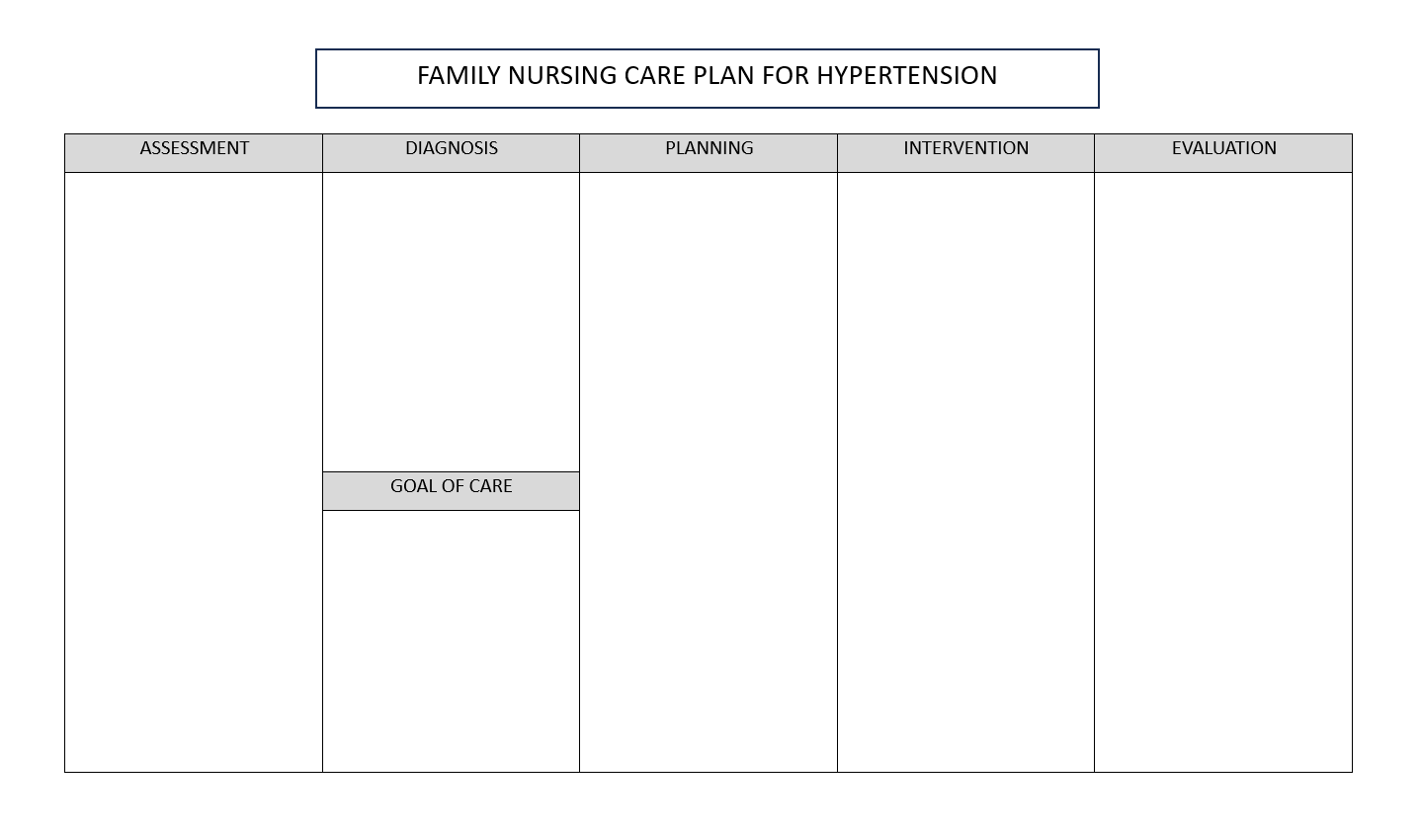
Family Nursing Care Plan for Hypertension

A Family Nursing Care Plan for Hypertension is one of the most common applications of this template.

Hypertension is rarely managed successfully in isolation. Family behaviors directly influence:

  • Dietary habits
  • Exercise routines
  • Stress levels
  • Medication compliance

When applied to hypertension management, the care plan may focus on:

  • Family education about sodium reduction
  • Shared meal planning
  • Home blood pressure monitoring routines
  • Stress management techniques

The structured template shown in the design preview supports documentation of these interventions in a clear, professional manner.

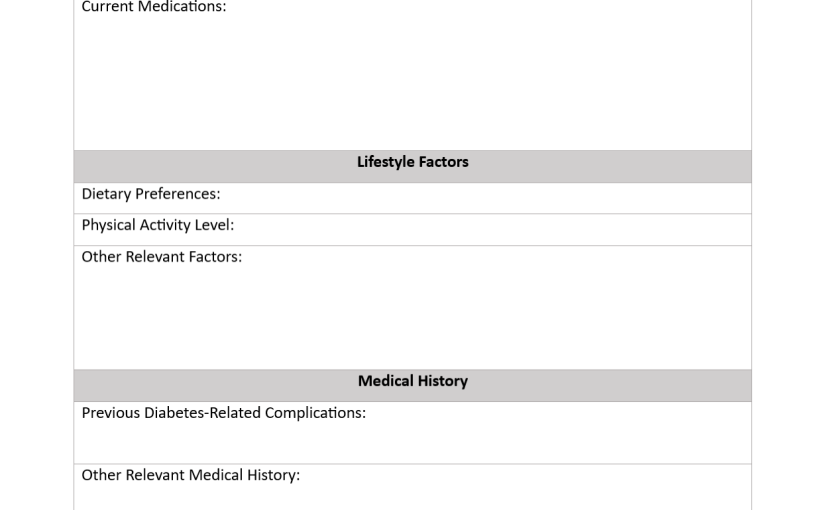
Diabetes Nursing Care Plan Template Adaptation

The same framework can easily be adapted into a Diabetes Nursing Care Plan Template with a family-centered approach.

Diabetes management often requires:

  • Meal coordination
  • Carbohydrate awareness
  • Medication timing
  • Blood glucose monitoring
  • Physical activity planning

In family-based diabetes care, nurses may:

  • Educate all household members
  • Identify barriers to dietary compliance
  • Develop grocery planning strategies
  • Reinforce hypoglycemia awareness

Because the template is built in Microsoft Word, it allows quick adjustments between hypertension, diabetes, or other chronic conditions.

Free Printable Nursing Home Care Plan Template Adaptation

For long-term care settings, the format also works as a Free Printable Nursing Home Care Plan Template with minor structural adjustments.

In nursing home environments, family involvement often includes:

  • Decision-making participation
  • Care planning meetings
  • Discharge coordination
  • Emotional support systems

The structured design supports:

  • Documentation of interdisciplinary coordination
  • Family communication notes
  • Caregiver education
  • Ongoing evaluation

Printable versions are especially useful in long-term care facilities where physical documentation remains common.

Get also: Mental Health Nursing Care Plan Template

Why Microsoft Word Format Is Ideal for Family Care Planning

Since your template is created in Word, it offers several practical advantages:

✔ Easy modification for different diagnoses
✔ Compatible with institutional documentation
✔ Structured tables and section headers
✔ Professional print layout
✔ Simple conversion to PDF

Healthcare professionals often prefer Word over design-based software because it aligns with clinical documentation systems.

Community Health Applications

A Family Nursing Care Plan Template is widely used in:

  • Community outreach programs
  • Public health initiatives
  • Maternal-child health services
  • Home visit documentation
  • Chronic disease monitoring

Community nurses must consider environmental and socioeconomic influences. A structured template ensures these factors are not overlooked.

Educational Use in Nursing Schools

Nursing students also benefit from learning how to use a Family Nursing Care Plan Template.

It teaches:

  • Holistic assessment
  • Critical thinking
  • Family systems theory application
  • Chronic disease management planning
  • Documentation skills

Instructors may use the template during:

  • Community health rotations
  • Case study assignments
  • Simulation exercises
  • Public health training

Because it is editable in Word, students can practice modifying care plans based on evolving scenarios.

Get also: Free Student Nursing Care Plan Templates

Common Mistakes in Family Care Planning

Without structured guidance, nurses may:

❌ Focus only on the primary patient
❌ Ignore household dietary patterns
❌ Overlook caregiver burden
❌ Fail to assess environmental risk factors
❌ Skip measurable outcome documentation

A well-designed Family Nursing Care Plan Template reduces these risks by guiding systematic documentation.

Benefits of Structured Family-Level Documentation

When properly implemented, this approach improves:

  • Chronic disease management
  • Medication adherence
  • Lifestyle modification success
  • Preventive health outcomes
  • Care continuity

Family-level planning shifts healthcare from reactive to preventive.

Who Should Use This Template?

This format is ideal for:

  • Community health nurses
  • Public health practitioners
  • Home health nurses
  • Long-term care staff
  • Nursing educators
  • Nursing students

Its flexibility makes it suitable for chronic disease management, preventive health education, and interdisciplinary coordination.

Final Thoughts

A professional Family Nursing Care Plan Template supports holistic, structured, and measurable care planning at the household level.

Whether applied as:

  • A Family Nursing Care Plan for Hypertension
  • An adaptation of a Diabetes Nursing Care Plan Template
  • Or a Free Printable Nursing Home Care Plan Template

The structured Microsoft Word format ensures clarity, usability, and professional documentation standards.

Family-centered care planning is no longer optional in community and chronic care settings—it is essential for sustainable health outcomes.

Exit mobile version