A Family Nursing Care Plan Template is a structured document used by nurses to assess, plan, implement, and evaluate care at the family level rather than focusing only on individual patients.
Unlike hospital-centered care plans, family-focused planning considers:
- Household dynamics
- Shared health risks
- Chronic disease patterns
- Social and environmental factors
- Long-term behavioral support
This type of care plan is especially relevant in:
- Community health nursing
- Home health services
- Public health programs
- Chronic disease management
- Nursing education programs
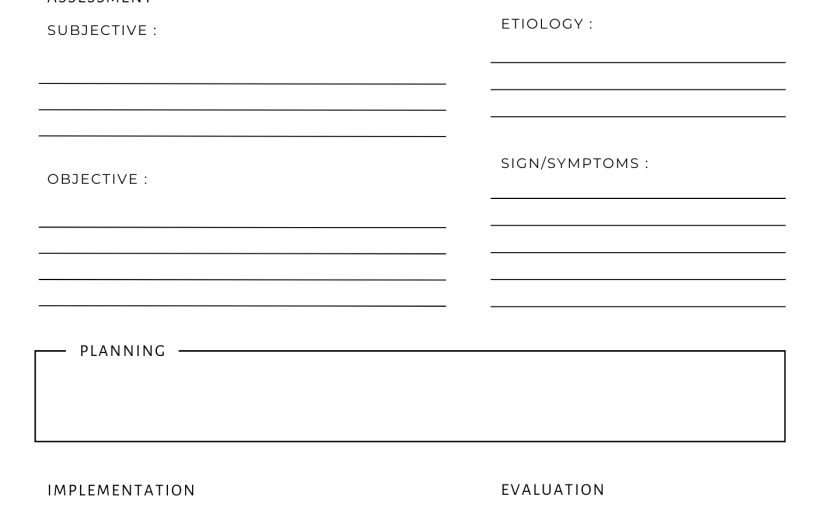
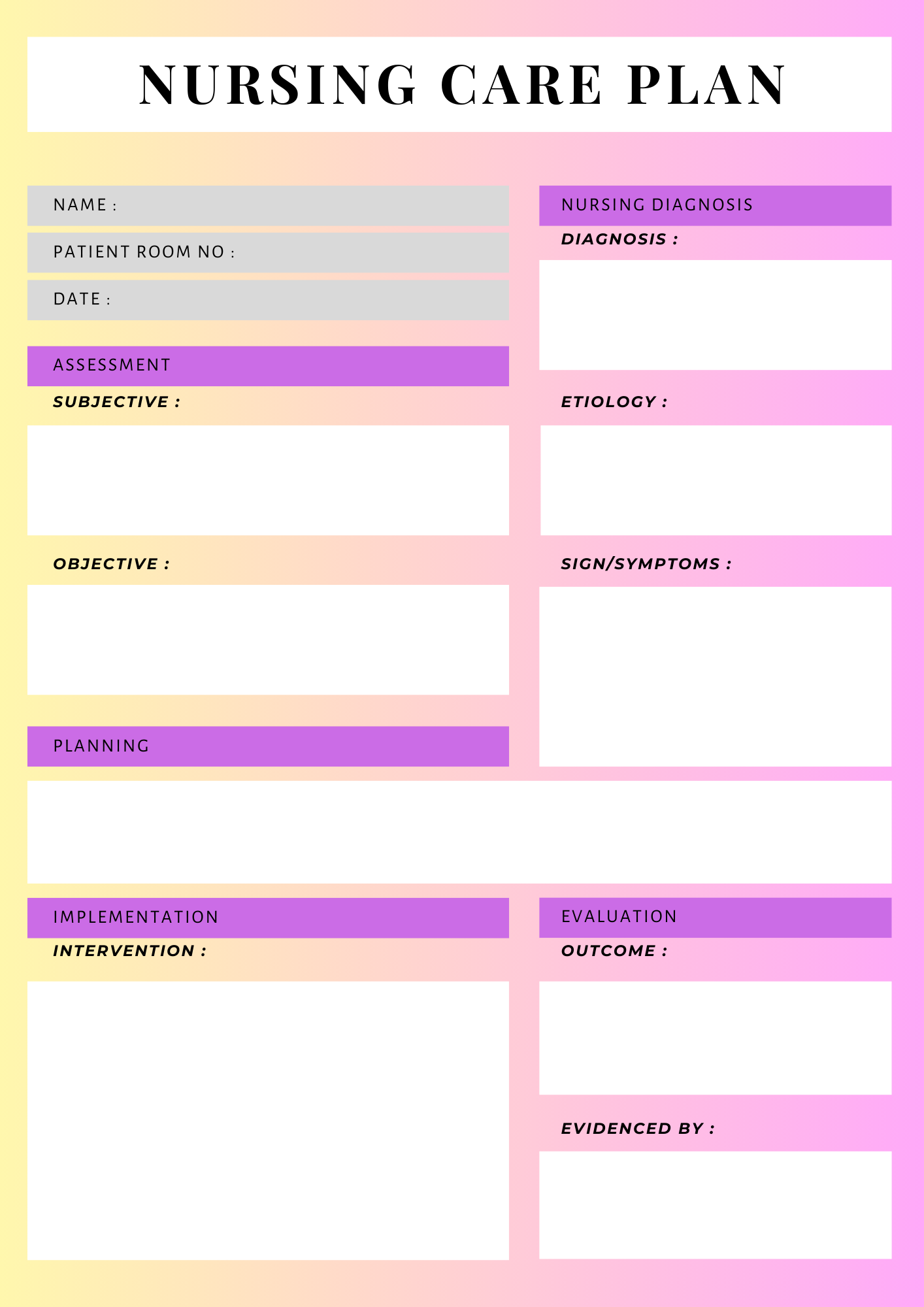
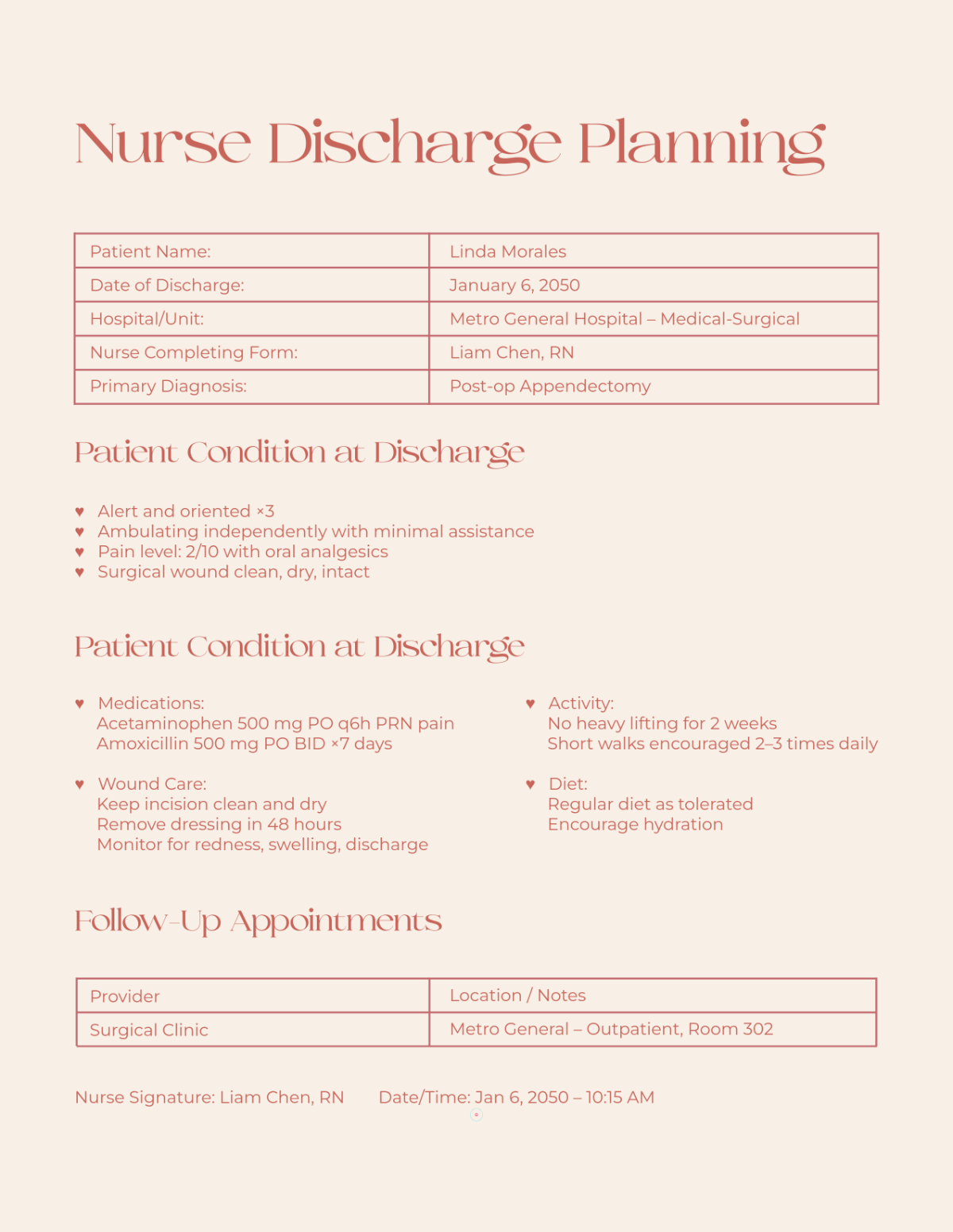
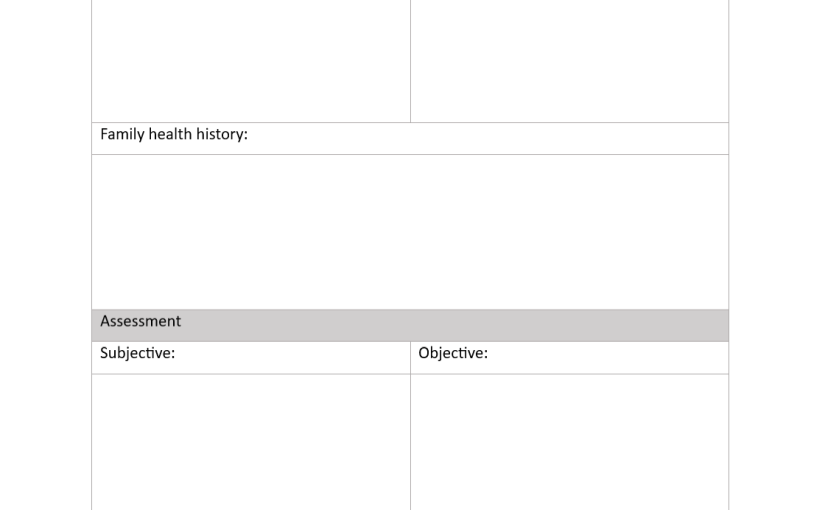
If you review the design previews included in this article, you’ll see how the layout supports structured documentation while remaining clean and professional in Microsoft Word format.
Why a Family-Level Care Plan Matters
Traditional care plans focus on one patient. However, many conditions are influenced by family behavior and environment.
For example:
- Hypertension management depends on the household diet
- Diabetes control often requires shared meal planning
- Pediatric asthma may relate to home conditions
- Elderly care depends on caregiver support
A well-designed Family Nursing Care Plan Template helps nurses assess not just symptoms—but lifestyle patterns, shared risks, and long-term sustainability.
Key Components of a Professional Family Nursing Care Plan Template


Instead of providing a raw copy layout, here’s how the structured design (as shown in the preview images) is organized.
1. Family Assessment Section
This section documents:
- Family structure
- Living environment
- Socioeconomic factors
- Health history
- Cultural considerations
- Support systems
The structured format ensures nurses capture a complete household picture rather than isolated medical data.
2. Identified Health Problems
A strong Family Nursing Care Plan Template highlights:
- Actual health problems
- Risk factors
- Potential complications
- Behavioral concerns
- Environmental risks
This section allows prioritization at the family level.
3. Nursing Diagnoses (Family-Focused)
Unlike individual nursing diagnoses, family-focused diagnoses may include:
- Ineffective family health management
- Risk for caregiver role strain
- Imbalanced nutrition patterns
- Knowledge deficit regarding chronic illness
The layout supports clear documentation without overcrowding the page.
4. Goals and Expected Outcomes
Goals should be:
- Measurable
- Realistic
- Time-bound
- Family-oriented
Examples may include:
- Improved adherence to medication schedules
- Adoption of a heart-healthy diet by all members
- Improved blood glucose monitoring compliance
- Reduced household sodium intake
The Word-based structure allows easy editing for different case scenarios.
5. Nursing Interventions
Interventions in a family setting often include:
- Health education sessions
- Lifestyle counseling
- Diet planning guidance
- Monitoring and follow-up scheduling
- Coordination with community resources
This section in the nursing care plan template is designed to allow clear documentation of teaching and support strategies.
6. Evaluation and Follow-Up
Evaluation at the family level measures:
- Behavioral change
- Clinical improvement
- Compliance patterns
- Caregiver capability
- Environmental adjustments
Structured evaluation ensures continuity of care across visits.
Family Nursing Care Plan for Hypertension

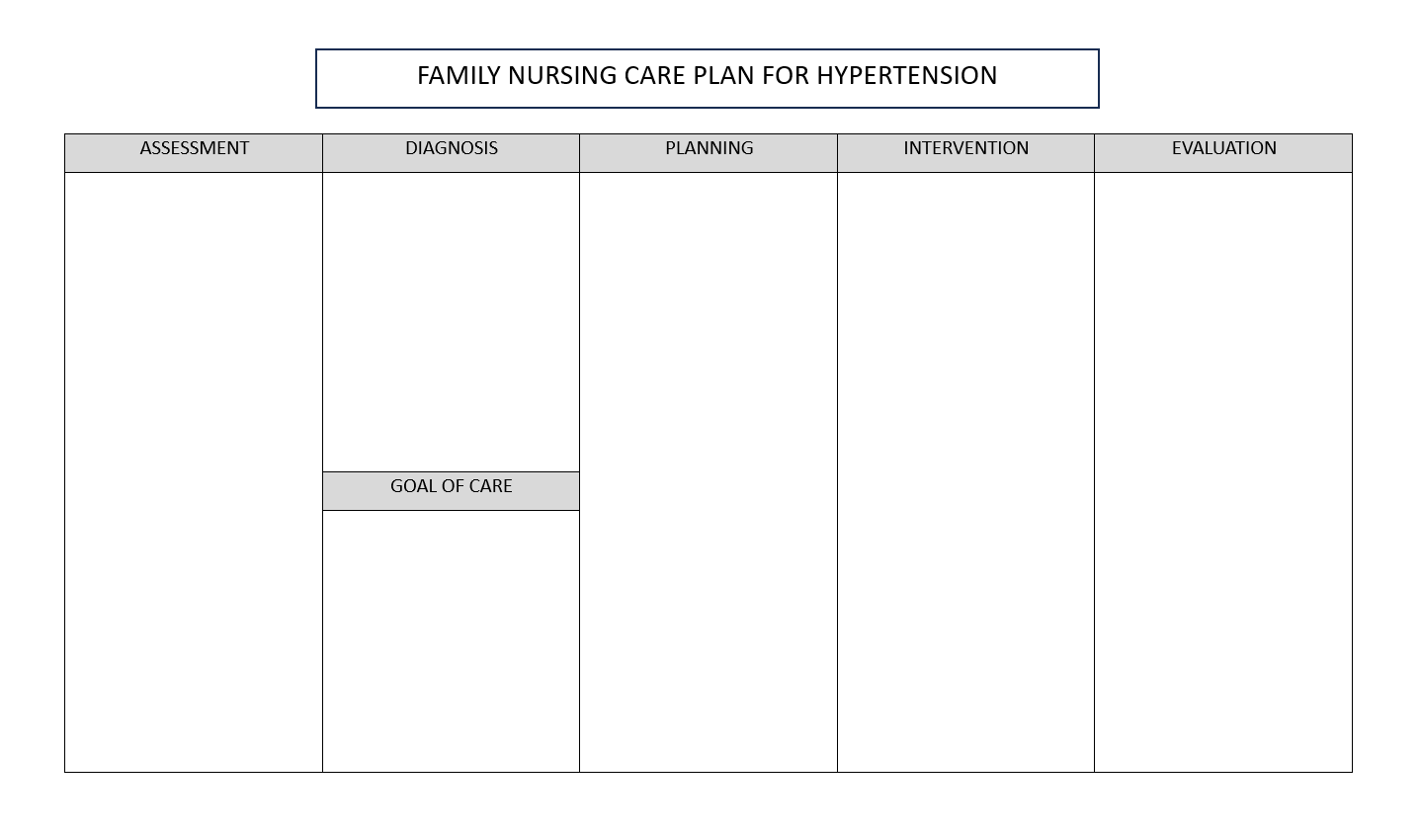
A Family Nursing Care Plan for Hypertension is one of the most common applications of this template.
Hypertension is rarely managed successfully in isolation. Family behaviors directly influence:
- Dietary habits
- Exercise routines
- Stress levels
- Medication compliance
When applied to hypertension management, the care plan may focus on:
- Family education about sodium reduction
- Shared meal planning
- Home blood pressure monitoring routines
- Stress management techniques
The structured template shown in the design preview supports documentation of these interventions in a clear, professional manner.
Diabetes Nursing Care Plan Template Adaptation


The same framework can easily be adapted into a Diabetes Nursing Care Plan Template with a family-centered approach.
Diabetes management often requires:
- Meal coordination
- Carbohydrate awareness
- Medication timing
- Blood glucose monitoring
- Physical activity planning
In family-based diabetes care, nurses may:
- Educate all household members
- Identify barriers to dietary compliance
- Develop grocery planning strategies
- Reinforce hypoglycemia awareness
Because the template is built in Microsoft Word, it allows quick adjustments between hypertension, diabetes, or other chronic conditions.
Free Printable Nursing Home Care Plan Template Adaptation


For long-term care settings, the format also works as a Free Printable Nursing Home Care Plan Template with minor structural adjustments.
In nursing home environments, family involvement often includes:
- Decision-making participation
- Care planning meetings
- Discharge coordination
- Emotional support systems
The structured design supports:
- Documentation of interdisciplinary coordination
- Family communication notes
- Caregiver education
- Ongoing evaluation
Printable versions are especially useful in long-term care facilities where physical documentation remains common.
Get also: Mental Health Nursing Care Plan Template
Why Microsoft Word Format Is Ideal for Family Care Planning
Since your template is created in Word, it offers several practical advantages:
✔ Easy modification for different diagnoses
✔ Compatible with institutional documentation
✔ Structured tables and section headers
✔ Professional print layout
✔ Simple conversion to PDF
Healthcare professionals often prefer Word over design-based software because it aligns with clinical documentation systems.
Community Health Applications
A Family Nursing Care Plan Template is widely used in:
- Community outreach programs
- Public health initiatives
- Maternal-child health services
- Home visit documentation
- Chronic disease monitoring
Community nurses must consider environmental and socioeconomic influences. A structured template ensures these factors are not overlooked.
Educational Use in Nursing Schools
Nursing students also benefit from learning how to use a Family Nursing Care Plan Template.
It teaches:
- Holistic assessment
- Critical thinking
- Family systems theory application
- Chronic disease management planning
- Documentation skills
Instructors may use the template during:
- Community health rotations
- Case study assignments
- Simulation exercises
- Public health training
Because it is editable in Word, students can practice modifying care plans based on evolving scenarios.
Get also: Free Student Nursing Care Plan Templates
Common Mistakes in Family Care Planning
Without structured guidance, nurses may:
❌ Focus only on the primary patient
❌ Ignore household dietary patterns
❌ Overlook caregiver burden
❌ Fail to assess environmental risk factors
❌ Skip measurable outcome documentation
A well-designed Family Nursing Care Plan Template reduces these risks by guiding systematic documentation.
Benefits of Structured Family-Level Documentation
When properly implemented, this approach improves:
- Chronic disease management
- Medication adherence
- Lifestyle modification success
- Preventive health outcomes
- Care continuity
Family-level planning shifts healthcare from reactive to preventive.
Who Should Use This Template?
This format is ideal for:
- Community health nurses
- Public health practitioners
- Home health nurses
- Long-term care staff
- Nursing educators
- Nursing students
Its flexibility makes it suitable for chronic disease management, preventive health education, and interdisciplinary coordination.
Final Thoughts
A professional Family Nursing Care Plan Template supports holistic, structured, and measurable care planning at the household level.
Whether applied as:
- A Family Nursing Care Plan for Hypertension
- An adaptation of a Diabetes Nursing Care Plan Template
- Or a Free Printable Nursing Home Care Plan Template
The structured Microsoft Word format ensures clarity, usability, and professional documentation standards.
Family-centered care planning is no longer optional in community and chronic care settings—it is essential for sustainable health outcomes.