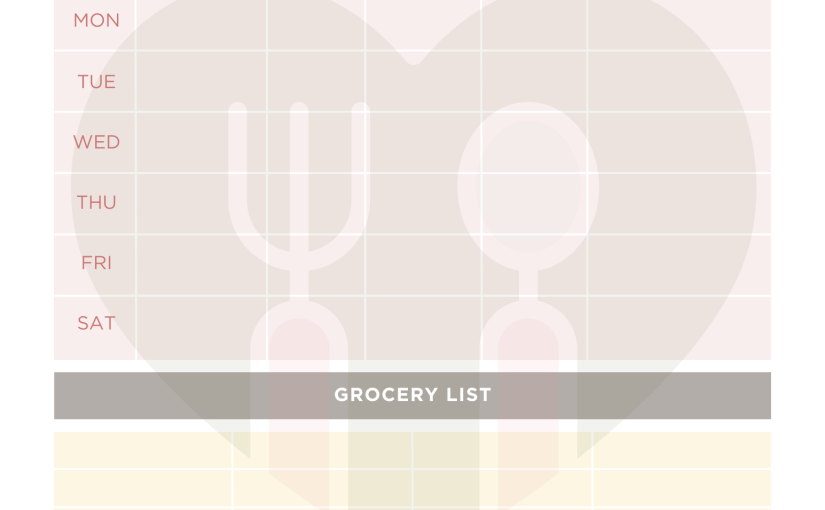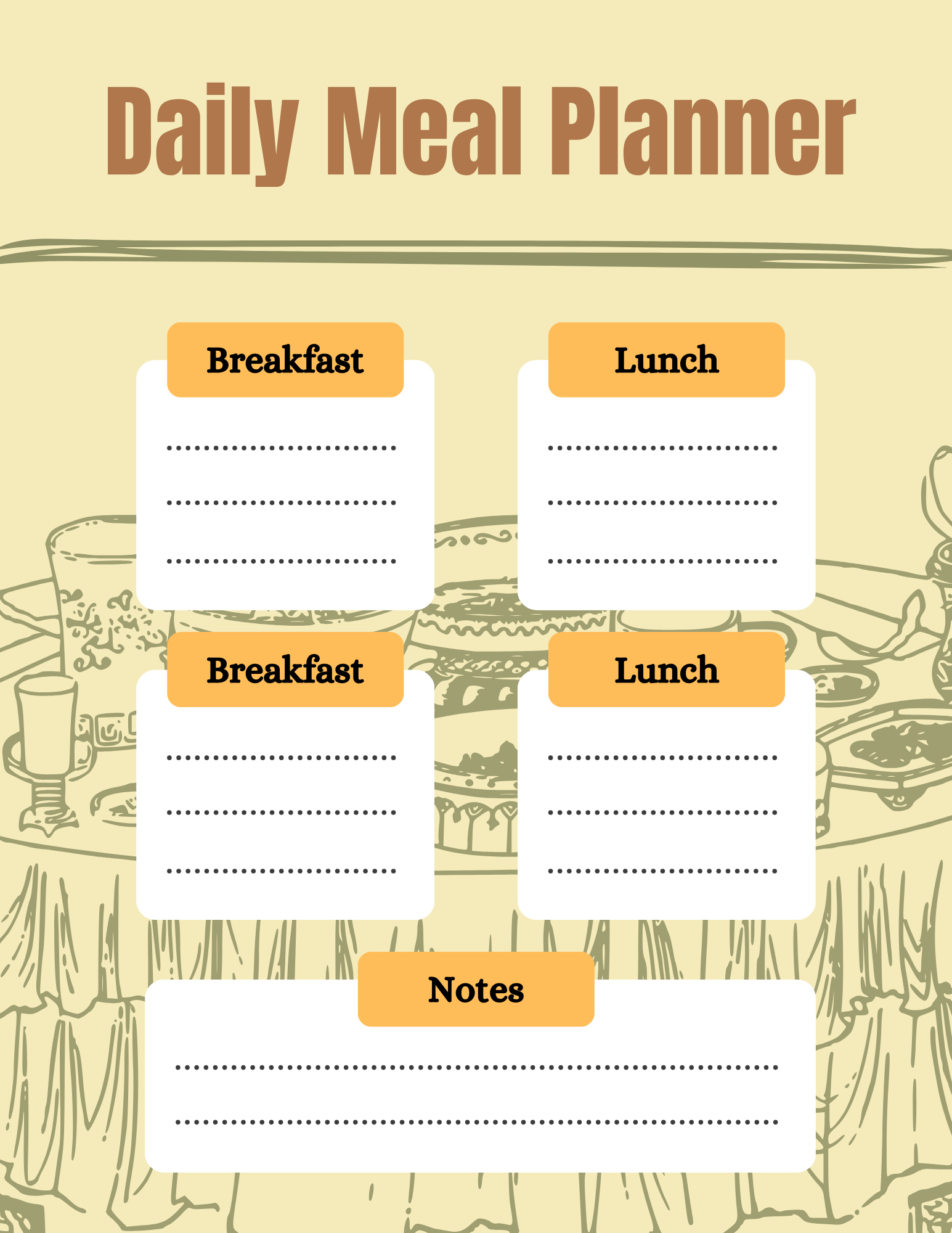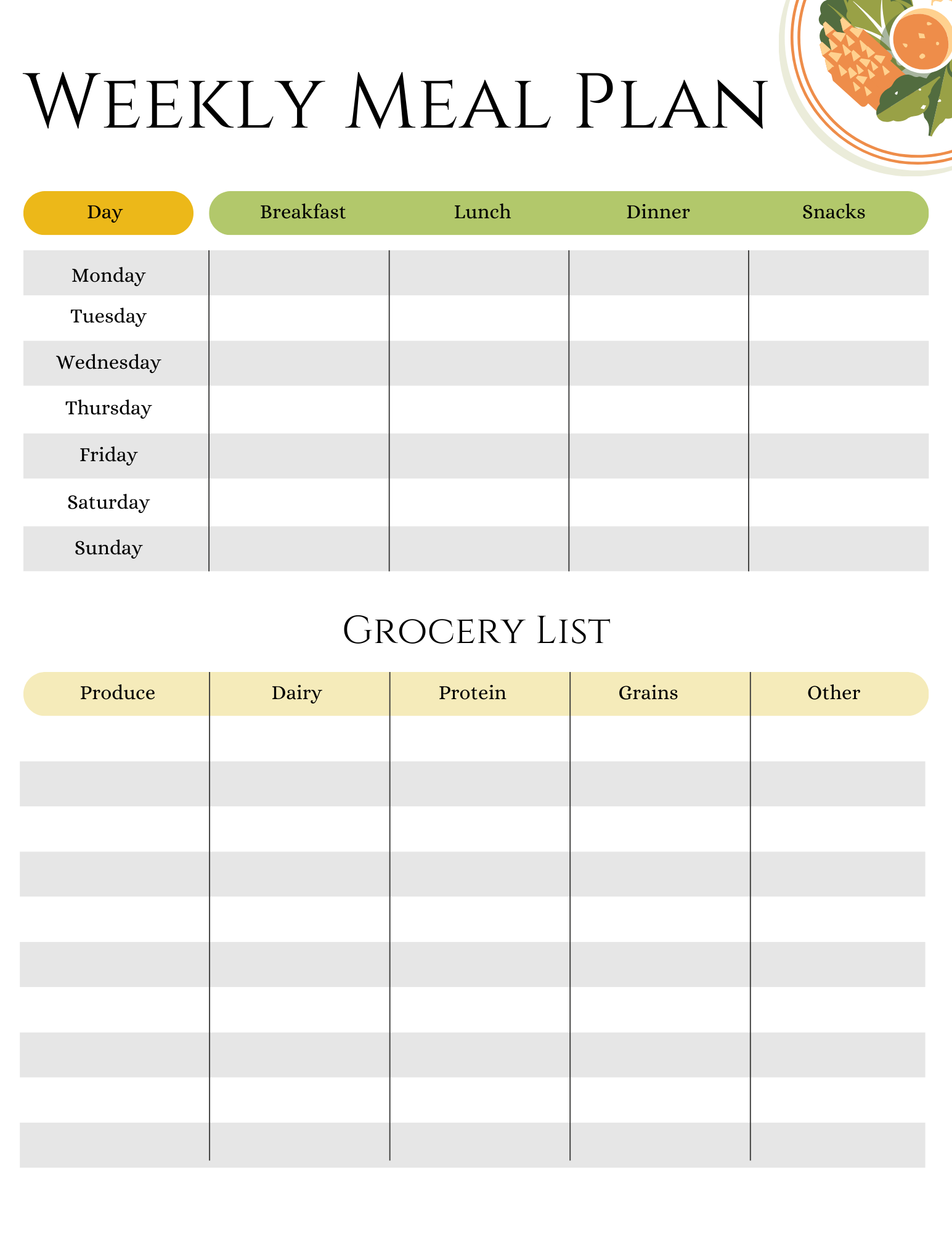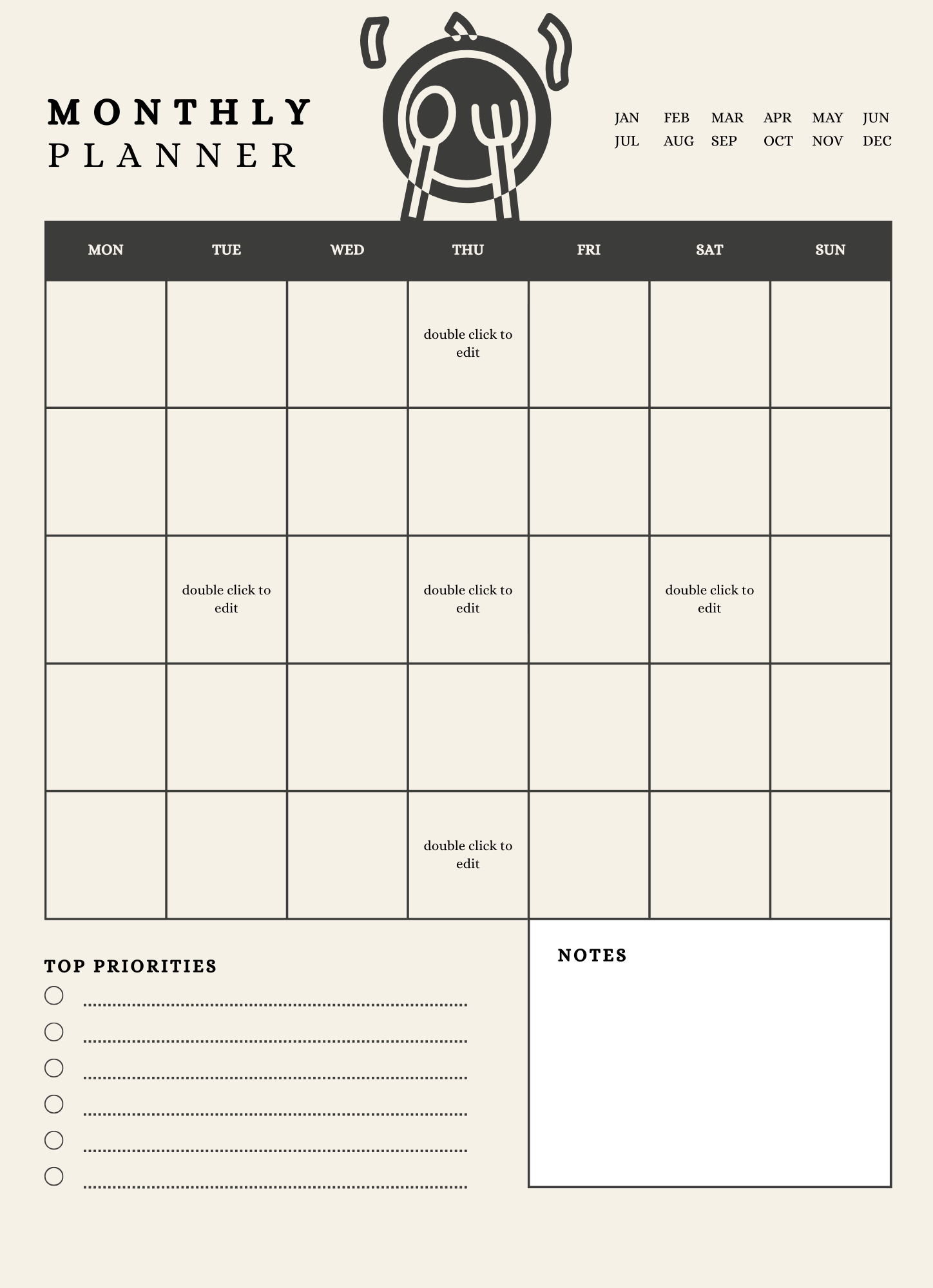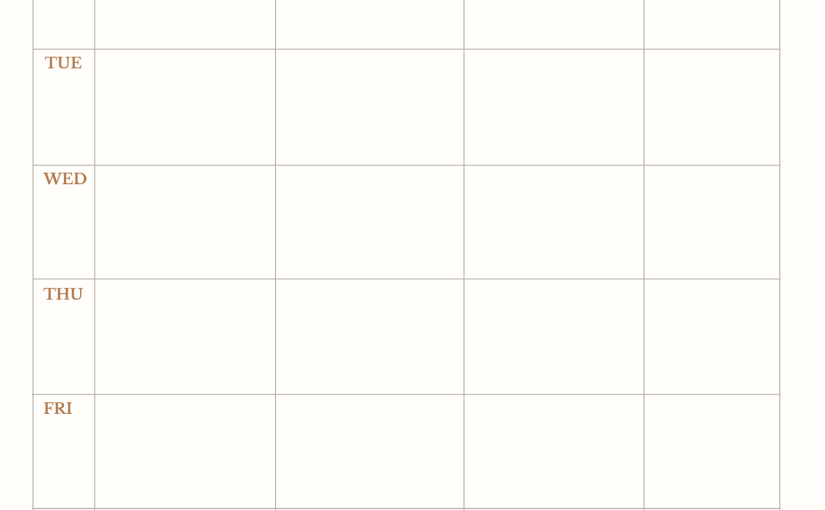
Weekly Meal Planner Template: Simplify Your 2026 Meals and Save Time

A well-designed Weekly Meal Planner Template can completely change how you manage your meals. Instead of stressing over what to eat each day, you’ll have a clear, organized plan that saves time, reduces waste, and supports your health goals.

Whether you’re looking for a simple weekly meal planning template or a more detailed weekly meal plan and grocery list template, having the right structure makes meal prep easier and more efficient.

In this guide, you’ll learn how to use a weekly meal planner effectively, explore different template styles, and create a system that works for your lifestyle.

What Is a Weekly Meal Planner?

A Weekly Meal Planner is a structured layout that helps you plan meals for the entire week in advance. It typically includes sections for breakfast, lunch, dinner, snacks, and sometimes a grocery list.

Using a weekly meal planner allows you to:

  • Stay organized
  • Save time during busy days
  • Maintain a balanced diet
  • Reduce food waste

Many people also prefer a weekly meal plan and grocery list because it combines planning and shopping in one place.

Why You Should Use a Weekly Meal Planner

Planning meals ahead offers several benefits beyond convenience.

1. Saves Time Every Day

Instead of deciding what to cook multiple times a day, you plan once and follow the schedule.

2. Helps You Eat Healthier

With weekly meal planning, you can ensure balanced nutrition and avoid last-minute unhealthy choices.

3. Reduces Food Waste

Planning meals and groceries together prevents overbuying and unused ingredients.

4. Saves Money

A weekly meal plan and grocery list help you shop smarter and stick to a budget.

5. Lowers Stress

Knowing exactly what to cook each day removes decision fatigue.

Key Features of an Effective Weekly Meal Planner

To get the most out of your Weekly Meal Planner Template, look for these essential features.

1. Daily Meal Sections

Each day should include:

  • Breakfast
  • Lunch
  • Dinner
  • Snacks

2. Grocery List Integration

A built-in weekly meal plan and grocery list make shopping more efficient.

3. Space for Notes

This allows you to add prep ideas, substitutions, or reminders.

4. Flexible Layout

A good weekly meal plan should be easy to customize.

5. Nutrition Tracking (Optional)

Some templates include calorie or macro tracking for added value.

Types of Weekly Meal Planner Templates

Different people need different types of planners. Here are the most popular options.

1. Basic Weekly Meal Planning Template

A simple layout focusing on daily meals. Best for beginners or those who prefer minimal planning.

2. Weekly Meal Plan and Grocery List Template

This version combines meal planning with a shopping list. It is ideal for saving time and staying organized.

3. Printable Weekly Meal Planner Template

Designed for easy printing and manual use.

4. Healthy Meal Planner Template

Focused on balanced nutrition and healthy eating. Get also: Diabetes Meal Plan Template

5. Family Meal Planning Template

Helps manage meals for multiple people with different preferences. Get also: Monthly Meal Plan Template Free Download

How to Create a Weekly Meal Plan That Works

Creating an effective Weekly Meal Planner Template doesn’t have to be complicated.

Step 1: Set Your Goal

Decide what you want to achieve:

  • Weight loss
  • Muscle gain
  • Balanced diet

Step 2: Choose Your Meals

Plan meals that match your goal and schedule.

Step 3: Organize by Day

Fill in your meal planning template for each day of the week.

Step 4: Build Your Grocery List

Use a weekly meal plan and grocery list template to list everything you need.

Step 5: Prep in Advance

Prepare ingredients ahead of time to save effort during the week.

How to Customize Your Weekly Meal Planner for Maximum Results

One of the biggest advantages of using a meal planner is flexibility. A good system is not rigid—it adapts to your lifestyle, preferences, and goals.

Start by identifying your weekly routine. If your weekdays are busy, focus on quick and easy meals that require minimal preparation. Reserve more time-consuming recipes for weekends when you have more flexibility.

You can also customize your planner based on dietary preferences. Whether you follow a vegetarian, high-protein, or balanced diet, your meal plan should reflect your personal needs. This makes it easier to stay consistent over time.

Another effective approach is to create a rotating system. Instead of planning entirely new meals every week, reuse successful meal combinations. This reduces decision fatigue and speeds up your planning process.

Meal Prep Strategies That Save Time and Effort

A planner becomes significantly more powerful when combined with meal preparation.

Batch cooking is one of the most effective strategies. Preparing large portions of food in advance allows you to save time during busy days. You can cook proteins, grains, and vegetables ahead of time and mix them into different meals throughout the week.

Another helpful strategy is ingredient prep. Instead of cooking everything at once, you can chop vegetables, marinate proteins, and portion ingredients in advance. This reduces cooking time and makes daily meal preparation much easier.

Freezing meals is also a great option. If you prepare extra portions, you can store them for future use. This is especially useful for maintaining consistency during hectic weeks.

Best Practices for Using a Weekly Meal Planner Template

To get the best results, follow these simple tips.

Keep It Simple

Avoid overcomplicating your plan with too many recipes.

Repeat Meals

Repeating meals can save time and reduce effort.

Plan Around Your Schedule

Choose quick meals for busy days and more complex ones for weekends.

Stay Flexible

Adjust your plan as needed.

Track What Works

Take note of meals you enjoy and reuse them.

Common Mistakes to Avoid

Even a great Weekly Meal Planner Template won’t help if these mistakes are made.

Overplanning

Trying too many new recipes can lead to burnout.

Ignoring Preferences

Plan meals you actually enjoy eating.

Skipping the Grocery List

Without a weekly meal plan and grocery list template, you may forget key ingredients.

Not Prepping

Lack of preparation can derail your plan.

How a Weekly Meal Planner Template Supports Different Goals

A Weekly Meal Planner Template can be adapted to fit various lifestyles.

For Weight Loss

  • Focus on portion control
  • Track calories
  • Plan balanced meals

For Muscle Gain

  • Increase protein intake
  • Include nutrient-dense foods

For Busy Professionals

  • Plan quick and easy meals
  • Use batch cooking

For Families

  • Include meals everyone enjoys
  • Plan ahead to avoid stress

Tips to Stay Consistent With Meal Planning

Consistency is key to success.

  • Choose a fixed planning day each week
  • Keep your templates easily accessible
  • Start simple and improve gradually
  • Celebrate small wins

Final Thoughts

A Weekly Meal Planner Template is more than just a schedule—it’s a powerful tool for improving your lifestyle. It helps you stay organized, eat healthier, and reduce daily stress.

Whether you prefer a simple weekly meal planning template or a detailed weekly meal plan and grocery list template, the key is to find a system that works for you and stick with it.

With consistent use, you’ll save time, reduce waste, and enjoy a more structured and balanced approach to your meals.

Bonus: Simple Weekly Meal Plan Example

  • Monday: Grilled chicken + vegetables
  • Tuesday: Pasta + salad
  • Wednesday: Stir-fry
  • Thursday: Rice + protein + veggies
  • Friday: Light meals
  • Weekend: Flexible

Free Meal Planner Template: 9+ Smart Designs for Zero-Stress Planning

Planning meals in advance is one of the simplest habits that can completely transform your routine. A well-designed Meal Planner Template helps you stay organized, reduce daily decision fatigue, manage your grocery budget, and maintain healthier eating habits without feeling overwhelmed.

Whether you are planning meals for yourself, your family, or coordinating a busy weekly schedule, using a structured system like a Daily, Weekly, or Monthly Meal Plan Template gives you clarity and control.

In this comprehensive guide, you’ll learn how to use a Meal Planner Template effectively, which format works best for different situations, and how to build a sustainable planning routine that actually lasts.

What Is a Meal Planner?

A Meal Planner is a structured layout designed to help you organize meals over a specific time frame. It typically includes sections for:

  • Breakfast
  • Lunch
  • Dinner
  • Snacks
  • Notes or preparation reminders

Depending on the format, it may also include grocery list space, calorie tracking, prep time notes, or budget sections.

Unlike random meal notes, a Meal Plan Template creates consistency. It allows you to repeat an organized system week after week without starting from scratch.

Why Use a Meal Planner Template?

Here are the main benefits of using a Planner Template regularly:

1. Reduces Daily Stress

No more last-minute “What should we eat?” decisions.

2. Saves Money

Planned meals reduce impulse grocery purchases.

3. Minimizes Food Waste

You buy only what you need.

4. Encourages Balanced Nutrition

Planning makes it easier to create balanced meals.

5. Improves Time Management

Cooking and prep become more efficient.

Choosing the Right Type of Meal Planner Template

Not all formats work for everyone. The best option depends on your routine and goals.

Daily Meal Planner Template

A Daily Meal Planner Template focuses on a single day at a time. It’s ideal for:

  • Individuals tracking calories or macros
  • Structured diet plans
  • Meal prepping routines
  • Fitness-focused planning

This format typically includes detailed sections for each meal and sometimes notes for hydration, supplements, or calorie counts.

If your routine changes frequently, daily planning offers flexibility and control.

Weekly Meal Planner Template

A Weekly Meal Planner Template is the most popular format. It provides a full overview from Monday through Sunday and helps with grocery coordination.

Benefits include:

  • Clear weekly overview
  • Easier grocery list creation
  • Balanced meal rotation
  • Efficient batch cooking

Weekly planning is ideal for families or anyone who prefers structured organization without daily re-planning.

Monthly Meal Plan Template

A Monthly Meal Plan Template offers long-term organization. It helps with:

  • Budget planning
  • Rotating meal cycles
  • Bulk grocery buying
  • Seasonal menu organization

While monthly planning may feel ambitious, it works well when you already have a list of favorite meals you rotate regularly.

Many people use a Monthly Meal Plan Template for overview planning, then break it down into weekly formats.

Get also: Diabetic Meal Plan Template Free Printable

How to Structure an Effective Meal Planning Template

An efficient Meal Planning Template should include:

  • Clear day labels
  • Meal categories
  • Space for prep notes
  • Optional grocery summary section

You can enhance your template by adding:

  • Family preference notes
  • Leftover tracking
  • Special dietary reminders
  • Prep time indicators

Clarity and simplicity are more important than complexity.

Get also: Free Printable Workout Planner Template

10 Practical Ways to Use a Meal Planner Template

1. Plan Around Your Schedule

Choose simple meals for busy days and more elaborate meals for relaxed days.

2. Rotate Favorite Meals

Keep a master list of reliable meals and rotate them weekly.

3. Plan for Leftovers

Intentionally assign leftovers to specific days.

4. Build Your Grocery List Immediately

Once your Weekly Planner Template is complete, transfer ingredients directly into your shopping list.

5. Balance Nutrients

Ensure each day includes protein, vegetables, and healthy carbohydrates.

6. Create Theme Nights

Examples:

  • Pasta Night
  • Taco Tuesday
  • Soup Sunday

Themes simplify planning decisions.

7. Track Family Feedback

Use a notes section to record which meals were successful.

8. Adjust for Budget

Plan meals around items already in your pantry.

9. Use Color Coding

Assign colors to different meal types or family members.

10. Leave One Flexible Day

A buffer day reduces frustration when plans change.

Daily vs. Weekly vs. Monthly Planning: Which Is Best?

The right format depends on your lifestyle.

  • Use a Daily Meal Planner for strict dietary control.
  • Use a Weekly Meal Planner for balanced, practical family planning.
  • Use a Monthly Meal Plan for budgeting and long-term rotation.

Many people combine formats:

Monthly overview → Weekly breakdown → Daily adjustments.

Making Your Meal Planner Template Sustainable

The key to success isn’t perfection — it’s consistency.

Here are simple strategies:

Keep It Realistic

Avoid planning seven complex meals in a row.

Reuse What Works

Repeat meals that are easy and popular.

Prepare in Batches

Chop vegetables or cook grains in advance.

Review Weekly

At the end of each week, adjust what didn’t work.

Sample Weekly Meal Planner Template Layout

Here’s a simple structure example:

DayBreakfastLunchDinnerNotes
Monday
Tuesday
Wednesday
Thursday
Friday
Saturday
Sunday

This layout works well for most households.

Common Mistakes to Avoid

Even with a good Meal Planner Template, avoid these common pitfalls:

  • Overcomplicating meals
  • Ignoring leftovers
  • Forgetting pantry inventory
  • Planning without checking the schedule
  • Making overly rigid plans

Flexibility ensures long-term success.

Customizing Your Meal Planner Template

You can personalize your template by adding:

  • Grocery checklist
  • Budget tracking column
  • Prep time estimates
  • Dietary notes
  • Hydration tracking

The more tailored the system is to your routine, the more likely you are to stick with it.

Who Should Use a Meal Planner Template?

A Meal Planner Template is ideal for:

  • Busy families
  • Working professionals
  • Students
  • Fitness enthusiasts
  • Budget-focused households
  • Caregivers managing dietary restrictions

Anyone seeking organization and simplicity can benefit.

How to Build a Weekly Routine Around It

To make meal planning automatic:

  1. Choose one planning day each week.
  2. Review pantry and fridge.
  3. Fill out your Weekly Meal Planner Template.
  4. Create your grocery list.
  5. Prep basic ingredients in advance.

Within a few weeks, this process becomes effortless.

Final Thoughts

A structured Meal Planner Template brings clarity to your kitchen routine. Whether you prefer a detailed Daily Meal Planner Template, a practical Weekly Meal Planner Template, or a big-picture Monthly Meal Plan Template, the right format can reduce stress and simplify decision-making.

Meal planning doesn’t need to be complicated. With a consistent template and a realistic approach, you’ll spend less time worrying about meals and more time enjoying them.

Choose a format that fits your life, keep it simple, and build a routine you can maintain long term.

Exit mobile version