10+ BEST Weekly Report Templates to Boost Team Clarity and Momentum

10 Powerful Weekly Report Template Ideas to Boost Team Clarity and Momentum | A weekly report template is one of those underrated tools that quietly keep a team functioning like a well-oiled machine. While deadlines rush in, tasks multiply, and priorities shift without warning, a structured weekly summary ensures nothing gets lost in the chaos. Instead of scrambling to remember what happened over the past five days, a weekly template gives teams a clean and organized snapshot of everything that matters.

It brings order, consistency, and clarity—three things every workplace needs but often struggles to maintain. A good weekly format shows what has been completed, what’s in progress, and what barriers might block next week’s progress. Whether a team handles creative work, operations, engineering, customer service, or sales, a structured document keeps everyone aligned without requiring long meetings or tedious updates.

The ideal weekly layout is simple: summarize, highlight, track, and prepare. When updates follow the same structure every week, reviewing them becomes second nature. Everyone—from entry-level staff to managers—can quickly grasp where the team stands and what actions must come next. No guesswork. No digging through endless chat threads. No “What did I do last Tuesday?” moments.

A strong weekly report template transforms uncertainty into structure. It helps teams communicate better, work more efficiently, and stay accountable in the gentlest way possible.

Weekly Report Template for Clear and Consistent Workflows

A weekly report template provides a standardized format that teams can rely on. When people switch between multiple projects or deadlines, having a consistent structure removes confusion and keeps information easy to read. Instead of writing updates from scratch, they simply fill in predefined sections that guide their thoughts and ensure key details are covered.

Weekly cycles often fluctuate—some weeks are filled with breakthroughs, while others feel like pushing a shopping cart with a broken wheel. The template smooths out these highs and lows, giving each week the same predictable rhythm. This helps teams maintain flow even during hectic periods.

Because of its flexibility, a weekly layout works for different industries. Creative teams can highlight campaign updates, engineers can log milestone progress, HR can track onboarding, and logistics teams can document operational events. No matter the field, the template adapts easily with minor adjustments.

Weekly Status Report Template

A weekly status report template is designed to give clear visibility into the current condition of tasks and responsibilities. It usually includes sections for accomplishments, ongoing work, blockers, and next steps. With structured headings, contributors don’t need to overthink their updates; they simply fill in relevant details.

Status templates are useful for team meetings, internal updates, one-on-one discussions, and cross-department coordination. Managers can review them quickly and understand how things are progressing without having to dive into every detail individually. The layout promotes transparency, consistency, and accountability.

Weekly Progress Report Template

A weekly progress report template goes deeper into measurable development. While a status report focuses on “what’s happening,” a progress report emphasizes “how far things have moved.”

Typical elements include:

  • Progress percentages or milestones
  • Goals set at the beginning of the week
  • Differences between planned and actual outcomes
  • Short explanations for changes
  • Plans for the upcoming week

This type of template works perfectly for long-term projects requiring consistent tracking. It’s particularly useful for engineering teams, design departments, production units, and any task-driven environment where every increment matters.

Get also: Weekly Expense Report Template

Weekly Report Template for Performance Tracking

Performance monitoring becomes significantly easier with a well-structured weekly report template. Over time, weekly summaries reveal patterns—how quickly tasks are completed, which issues frequently arise, and which improvements might boost efficiency. These patterns help managers respond proactively rather than waiting for problems to escalate.

Because weekly documents contain short, digestible updates, team leaders can detect trends early. They can identify when workloads become overwhelming, when progress slows down, or when communication gaps begin to form. This leads to better decision-making and smoother operations.

The beauty of a performance-focused template lies in its balance between detail and brevity. It gives enough depth to be meaningful without drowning readers in long paragraphs.

Weekly Sales Report Template

A weekly sales report template is essential for tracking performance in sales-focused teams. It highlights key numbers, revenue movement, client interactions, and shifts in the pipeline. Weekly sales data can change dramatically, so a structured document helps maintain clarity.

Sales templates often include:

  • Total weekly sales
  • New leads and prospects
  • Deal status updates
  • Follow-up actions
  • Obstacles affecting performance

Team leaders can quickly compare sales trends, plan upcoming targets, and adjust strategies to maintain momentum.

Weekly Status Report Template (Performance Focus)

Within a performance-driven environment, a weekly status report template helps evaluate achievements and challenges in a measurable way. It covers items like completed tasks, efficiency notes, risk indicators, and action items. Over time, these reports reveal which processes are working smoothly and which require improvement.

This template is especially helpful in roles that rely on consistent productivity, such as customer support, production teams, IT operations, or administrative work.

Get also: Annual Marketing Report Template

What Makes a Weekly Report Template Truly Effective

The effectiveness of a weekly report template comes from its structure, clarity, and relevance. A good template must offer:

1. Consistent layout
Repetition makes weekly updates easy to write and even easier to read.

2. Clear sections
Well-labelled categories help contributors stay focused and avoid unnecessary explanations.

3. Space for insights
Weekly reflections encourage learning and improvement.

4. Defined priorities
Highlighting important goals helps the team maintain direction.

5. Next week’s planning
This ensures momentum continues and reduces uncertainty.

6. A balanced level of detail
Too much text becomes overwhelming; too little becomes unhelpful. Effective templates strike the right middle ground.

When Weekly Templates Make the Biggest Impact

Project Management

Teams can track milestones, shifting priorities, and potential risks.

Marketing Departments

Campaign performance, content output, and engagement numbers benefit from structured weekly summaries.

Human Resources

Recruitment progress, onboarding steps, and internal activities become clearer and more predictable.

Engineering & Development

Sprint updates, backlog movement, and technical blockers are easier to monitor.

Sales & Retail

Weekly sales reports, customer interactions, and revenue changes are essential for forecasting and performance evaluation.

Every department gains visibility and direction through a weekly report template tailored to its needs.

How Weekly Templates Improve Productivity

A strong weekly reporting system enhances productivity by:

  • Reducing confusion
  • Improving communication
  • Providing accountability
  • Tracking measurable outcomes
  • Highlighting risks early
  • Supporting consistent planning
  • Strengthening team alignment

Weekly templates create a rhythm of reflection and forward planning that keeps teams operating with purpose.

Choosing the Right Weekly Report Template

The ideal template depends on the team’s workflow. Complex projects require more detail, while routine work needs a simpler structure. Key components often include:

  • Weekly overview
  • Completed tasks
  • Ongoing work
  • Blockers or challenges
  • Insights and observations
  • Next week’s goals
  • Relevant metrics or KPIs
  • Optional attachments or references

Mix and match these sections to form a template that fits your environment without overwhelming contributors.

Final Thoughts

A weekly report template is more than a formality—it’s a communication tool that ensures every member of a team understands what’s happening, what matters, and what comes next. In fast-paced workplaces where priorities change daily, a weekly structure offers clarity and stability. With the right layout, teams boost productivity, enhance collaboration, and maintain focus without unnecessary meetings or long-winded updates.

When used consistently, a weekly report template becomes the backbone of internal communication and a reliable foundation for improving performance across the organization.

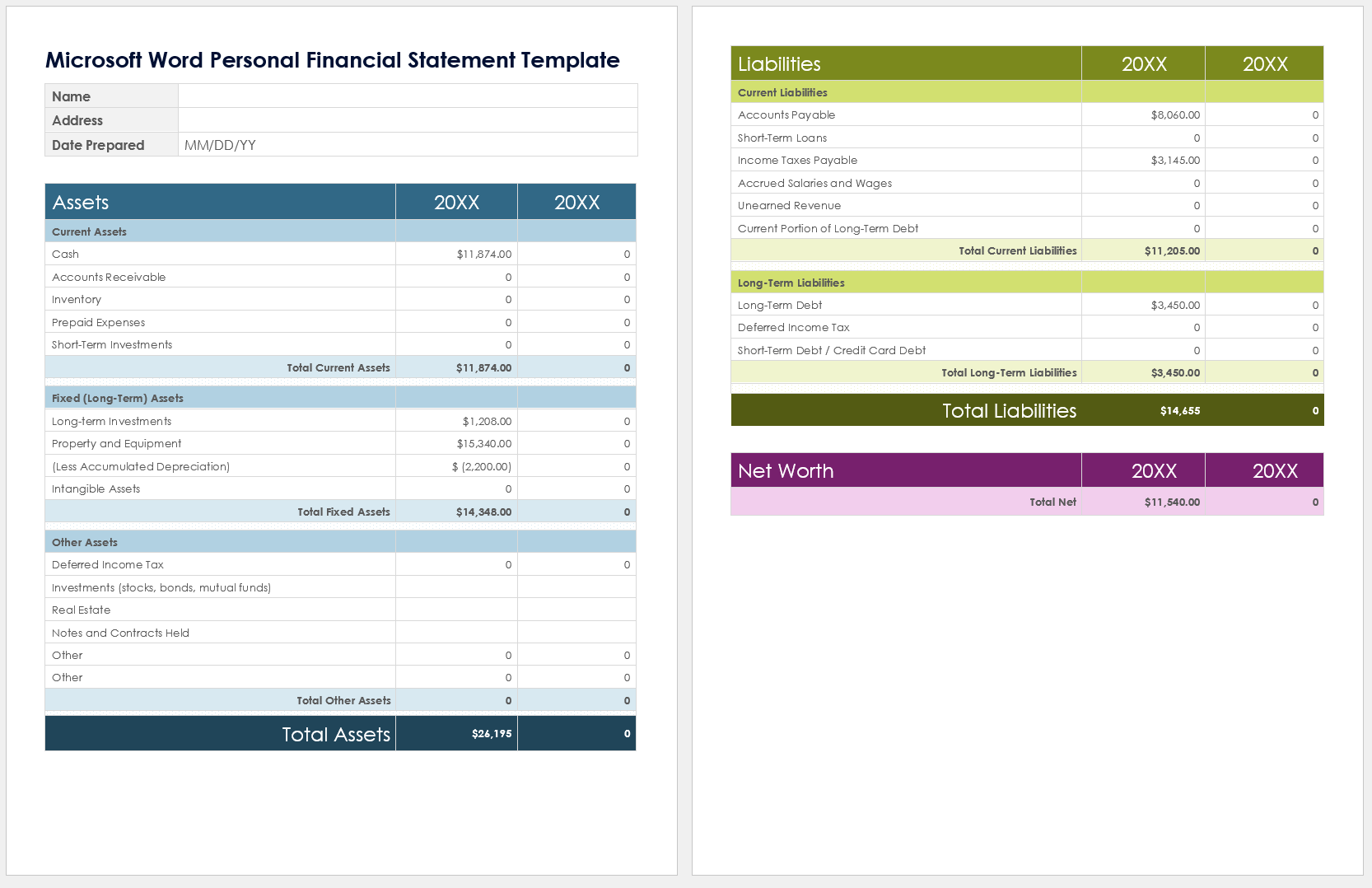
8+ POWERFULL Financial Report Templates Free Download

7 High-Impact Ways a Financial Report Template Transforms Your Workflow | A Financial Report Template brings structure, clarity, and consistency to financial documentation across monthly, quarterly, and annual cycles. More than a formatted document, a Financial Report serves as a reliable system that organizes essential numbers into understandable insight. Teams gain a repeatable approach that keeps reporting accurate, uniform, and easy to interpret—whether presenting to stakeholders, internal teams, or decision-makers who want clean data without unnecessary complications.

A strong Financial Report also prevents the scattered, improvised spreadsheets that creep into many organizations. Instead of juggling mismatched layouts, the template creates a predictable home for revenue, expenses, forecasts, and performance comparisons. It guides the reporting process while reducing errors and redundant work. Over time, the template becomes a stabilizing force—like that one colleague who keeps everything color-coded and somehow never loses a file.

How a Financial Report Template Supports Clearer Reporting

A Financial Report Template provides format consistency, which is crucial for understanding financial patterns over time. By having identical structures every reporting cycle, teams can compare trends without re-learning new formats each month. A uniform layout also improves accuracy, because categories and formulas remain in place rather than being recreated from scratch.

The template makes complex data easier to digest for different audiences. Operational teams can track variances, leadership can evaluate performance, and financial staff can maintain a clean audit trail. The visual coherence alone often reduces miscommunication—because nobody enjoys deciphering spreadsheets that look like they survived a coding bootcamp gone wrong.

Financial Summary Report Template

A Financial summary report template pairs naturally with the main Financial Report Template, offering a high-level snapshot of key metrics. This compact report highlights revenue totals, expense groupings, and net outcomes for the period. It helps readers grasp the storyline before diving into the full breakdown.

A polished Financial summary report keeps meetings efficient. Executives, time-pressed managers, and anyone allergic to long tables appreciate having the essence presented clearly. Once the overview lands, the detailed Financial Report Template fills in the context.

End of Year Financial Report Template

An end of year financial report template closes the annual cycle by consolidating total earnings, accumulated expenses, and year-end positions. It provides the clearest picture of how the organization performed over the past twelve months.

This version of the Financial Reporting Template ensures the entire financial narrative stays cohesive. It reduces last-minute data hunting, mismatched tables, and formatting mismatches that tend to appear during year-end rushes. The result is a final annual document that feels polished and complete rather than patched together.

Why Teams Rely on a Financial Report Template for Stability and Insight

A dependable Financial Report simplifies collaboration among multiple departments. Instead of creating their own report formats, teams insert data into the shared structure. Numbers become easy to merge, compare, or audit. The uniformity supports long-term tracking and prevents reporting drift—a common issue when departments improvise.

A structured report also enhances decision-making. Because the information lands in a familiar layout, leaders can identify emerging trends, cost behavior, or inefficiencies more quickly. This improves conversations around budgeting, projections, and performance improvement.

Financial Statement Report Template

A financial statement report focuses on the core trio: income statements, balance sheets, and cash flow statements. While the main financial reporting template organizes broader reporting needs, this specialized version keeps the foundational statements structured and consistent.

Using a Financial statement report template ensures accuracy in the most critical reporting areas. Teams avoid layout changes that could cause misinterpretation or formula errors. Paired with the main template, it creates a powerful reporting ecosystem that reinforces trust and clarity.

Financial Summary Report Template

Reintroducing the Financial summary report template within broader financial cycles supports smooth transitions between quick-glance metrics and deeper analysis. Its concise layout makes it ideal for presentations, department reviews, or strategic meetings where time is limited.

When used alongside the primary Report Template, the summary provides essential context before diving into category-level detail. This dual-template approach improves understanding and reduces confusion.

Extended Insights, Use Cases, and Practical Application

Teams across different industries rely on a Report Template for varied reporting needs. A nonprofit may use it to evaluate donor fund allocation, while a manufacturing company might track production costs and margins. Service-based businesses might focus more on labor expenses and recurring revenue streams. Regardless of the organization, the template adapts without losing structural integrity.

One significant advantage of using a Financial Report Template is historical comparison. With consistent formatting, it becomes easy to study quarterly or annual patterns. Revenue spikes, cost anomalies, or seasonal changes stand out naturally when the structure remains identical each cycle. This makes forecasting more grounded and less reliant on guesswork.

The template also supports smoother audits. Clear sections, standardized labels, and organized financial categories reduce the time spent clarifying where numbers belong. Auditors appreciate clean documentation—and when auditors are happy, everyone sleeps better.

Startups benefit as well. A growing team with unpredictable income and expenses can remain financially grounded through a consistent financial report. Founders stay aligned, decisions become data-driven, and external stakeholders view the documentation as credible and professional.

When organizations expand, the Financial Reporting scales easily. Additional categories—like departmental budgets, branch comparisons, or project-based expenses—can be integrated without disrupting the established structure. The core formatting stays intact while accommodating new data.

The template’s flexibility also shines during external communication. Whether presenting to investors, applying for financing, or preparing regulatory documents, organizations need clarity. A uniform format reinforces consistency and makes the information digestible for people unfamiliar with internal financial processes.

Daily operations benefit too. Teams conducting budget reviews, spending audits, or performance evaluations rely on the structure to keep meetings focused. Instead of arguing over spreadsheet layout choices, they engage in meaningful conversation about what the numbers represent.

Over time, the Business Report Template becomes a predictable guide. It minimizes errors, reduces duplicated effort, and creates accountability across reporting cycles. Many teams even find the process surprisingly less stressful—once the formatting battles disappear, the focus returns to insight rather than layout.

Conclusion

A Financial Report Template delivers clarity, consistency, and reliability across all reporting cycles. It organizes financial information in a way that supports planning, analysis, and communication. With the right structure in place, financial discussions become clearer, decisions become more confident, and organizations move forward with a reporting system that’s both dependable and easy to use.

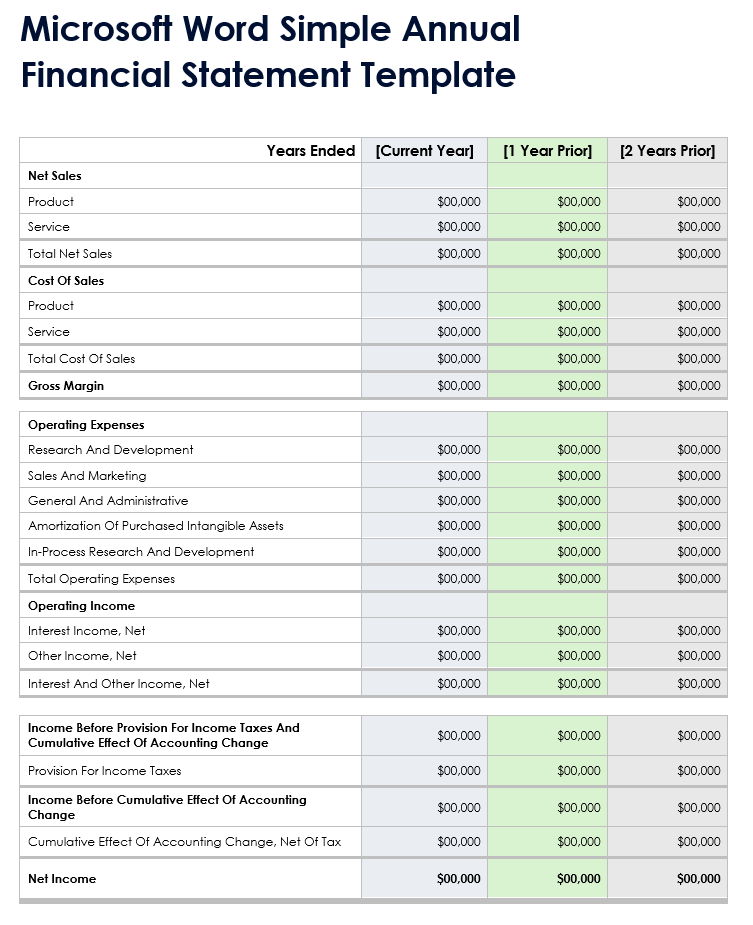
7+ Annual Financial Report Template for Stronger Year-End Insights

Annual Financial Report Template for Clearer, Stronger Year-End Insights | Crafting a dependable annual financial report template isn’t just about crunching numbers; it’s about shaping a narrative that helps leaders see the past year with clarity and plan the next one with confidence. A well-built structure turns financial data into a strategic asset, especially when teams need an accessible, repeatable system that works every year. With the right framework in place, organizations can track performance, understand shifts in revenue or expenses, and present a complete story that keeps everyone aligned.

This kind of Annual Marketing Report Template also helps eliminate yearly chaos—the frantic spreadsheet hunting, the mystery figures no one remembers entering, and the last-minute detective work to explain why office supply expenses suddenly doubled (spoiler: it’s always the printer toner). Instead, it gives teams a clear reference point where everything fits logically and tells a cohesive financial narrative.

Annual Financial Report Template Essentials for Reliable Year-End Clarity

A strong annual financial report template should give leaders an organized view of revenue, expenses, assets, liabilities, and final outcomes that impact decisions. It also needs to be structured so that both financial and non-financial readers can understand the story behind the numbers. That’s why clarity, consistency, and relevance are at the core of a dependable template.

Structuring Your Annual Financial Statement Report for Accuracy

One of the key components to embed in your annual financial statement report is a standardized approach to presenting financial activities for the year. This typically includes sections for your income overview, operational expenses, net results, and a breakdown of cash movements. Readers should immediately understand how financial activity unfolded month by month and how those movements collectively shaped the year’s performance.

This isn’t about adding fancy jargon; it’s about giving clear explanations. For example, if operational costs rose, the report can briefly note the cause—whether from hiring, maintenance, or expansion. It allows stakeholders to tie numerical changes to real-world events. That context adds value and builds trust in the numbers presented. Even simple clarifications go a long way: instead of “expenses increased by 8%,” readers appreciate specifics like “expenses increased due to upgrading outdated equipment—finally solving the office AC crisis that turned every meeting into a sauna.”

Aligning the Annual Report Audited Financial Statement With Your Template

A template becomes even more effective when it connects seamlessly with your annual report audited financial statement. Even if audits happen at a later stage, your template should already anticipate what auditors look for: consistency between statements, proper categorization of transactions, traceable adjustments, and transparent documentation.

By preparing with these requirements in mind, teams reduce audit friction and ensure that financial documentation doesn’t feel like a scavenger hunt. The template should allocate space for adjustments, footnotes, and summaries that auditors often request.

In practice, this means being clear about depreciation schedules, explaining deferred revenue, or documenting multi-year contracts. When these details live naturally within the template, the audit process becomes more of a routine confirmation than a stress-filled obstacle course.

Get also: Annual Expense Report Template

Annual Financial Report Template Components That Strengthen Decision-Making

A complete financial report template also supports big-picture insights. Instead of simply reporting totals, it should guide readers through the financial story of the year. This is where structure, clarity, and thoughtful organization transform a financial document into a decision-ready resource.

Integrating Performance Data Into an Annual Financial Statement Report

Another way to enhance your annual financial statement report is by combining traditional financial statements with performance indicators. These indicators add context to the numbers by showing what happened operationally during the year. For example, revenue may have risen 14%, but highlighting that customer retention also improved provides a fuller understanding of why growth occurred.

The template can include designated areas for KPIs, metric comparisons to previous years, and commentary on what influenced changes. Having these sections built in helps teams connect financial outcomes to internal strategies and market conditions. It keeps the report from feeling like a static archive and turns it into a more dynamic tool for annual planning. And fortunately, it avoids the classic year-end guessing game of “Was this growth intentional or did we just get lucky?”

Capturing Revenue Trends With an Annual Sales Report Template

No financial overview feels complete without revenue details, which is why your annual sales report template should integrate naturally with the larger reporting structure. Sales patterns often set the tone for the entire year’s performance, so having a clear breakdown of product or service categories, seasonal fluctuations, and top-performing segments is crucial.

Embedding the sales analysis directly into your template ensures teams don’t treat it as a separate document. Instead, it becomes part of the continuum that explains financial outcomes. For instance, if sales spiked in Q3, the template can highlight contributing events such as marketing campaigns, product launches, or improved distribution. These insights allow leaders to see what’s replicable and where adjustments may be needed for the next period.

Building a Narrative That Connects All Financial Elements

A well-designed template doesn’t just present data—it tells a cohesive story. Revenue insights from the annual sales report template, financial activities summarized in the annual financial statement report, and verification through the annual report audited financial statement should all weave together naturally.

When these pieces align, readers gain a richer understanding of the company’s direction. Leaders can see not only the numbers, but also the momentum behind them. For instance, rising revenue paired with rising costs tells a different story than rising revenue with stable costs. Similarly, decreased operational expenses may signal efficiency gains—or reduced investment in growth. The template should help readers distinguish between these scenarios through clear sections dedicated to explanation and context.

Making the Annual Review Process Repeatable

One of the hidden strengths of a consistent annual financial report template is how it supports long-term organization. Over time, teams become familiar with its structure, which reduces confusion and training needs. Departments know exactly what information to prepare and where it will be placed. This makes the annual reporting process more predictable and less stressful for everyone involved.

It also helps with year-to-year comparability. When the structure stays consistent, spotting trends becomes easier. Leaders can quickly determine whether margins are improving, which costs fluctuate most, or how year-end balances have shifted. A stable structure removes unnecessary noise so that performance trends stand out clearly.

Tailoring the Template to Different Types of Organizations

Although the core structure of a reporting template remains similar across industries, small adaptations make it more relevant depending on the type of organization. A nonprofit may emphasize funding sources and program expenses, while a retailer may highlight product category performance and inventory turnover. Service-based businesses benefit from focusing on utilization rates, client retention, and contract revenue.

The beauty of a flexible annual financial report template is that it accommodates these differences without losing clarity. Teams can add sections, rename categories, or incorporate additional data visualizations as needed. What matters most is that the template remains understandable, logical, and easy to maintain year after year.

Providing Clear Takeaways for Stakeholders

At the end of the financial report, readers should walk away with clear insights. A short concluding summary can consolidate everything: the year’s financial position, what influenced the results, and which areas deserve attention in the coming cycle. This summary doesn’t need dramatic flair—just honest, concise takeaways that help everyone align on next steps.

Instead of burying readers in spreadsheets and tables, the summary brings the narrative back into focus. It frames the financial story in a way that resonates with both numbers-driven and non-technical audiences. Even complex years can be summarized in a way that feels structured and actionable.

A thoughtfully designed annual financial report template becomes more than a document—it becomes an annual ritual that strengthens understanding, transparency, and decision-making. With the right structure in place, it evolves into a reliable tool that helps organizations interpret their financial journey and plan their future with clarity.

7+ Powerful Nonprofit Annual Report Template Ideas – Transparency and Trust

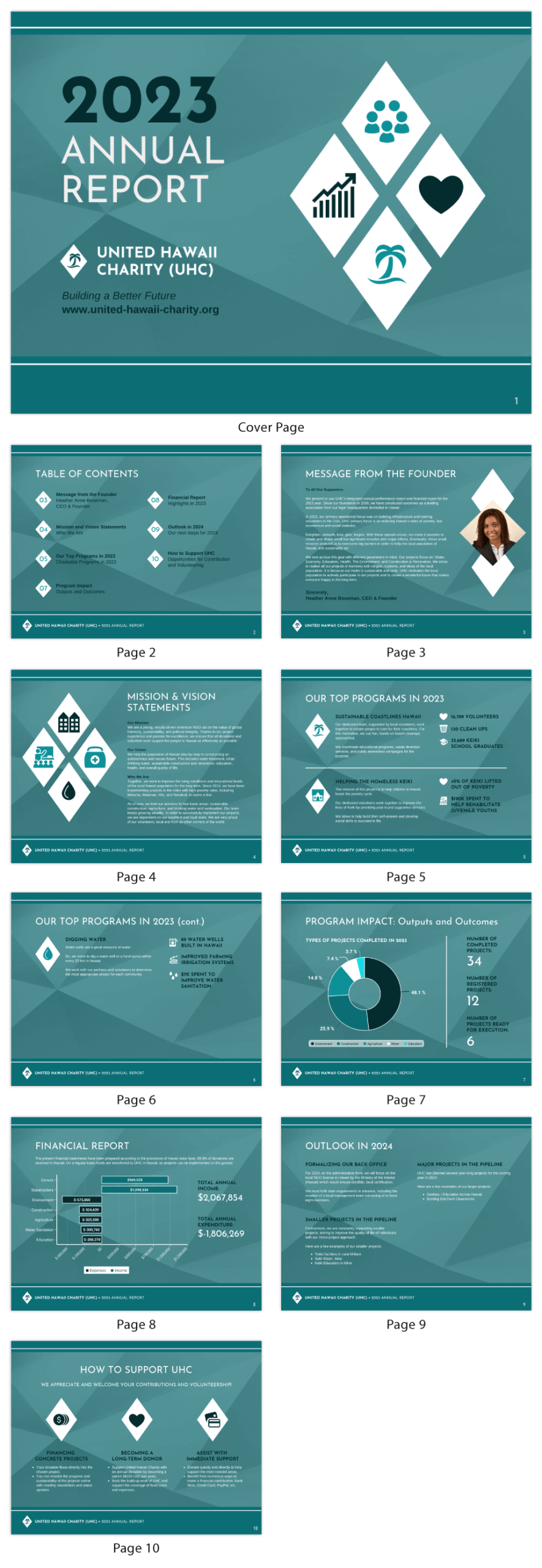
Nonprofit Annual Report Template for Clear, Mission-Driven Storytelling | A strong nonprofit annual report template does more than summarize a year’s worth of milestones—it helps people feel the heartbeat of an organization. Supporters don’t just want numbers tossed at them like confetti at a parade; they want context, clarity, and a sense that their contributions made an impact.

The right structure makes that possible, turning information into a narrative that donors, volunteers, and board members can actually enjoy reading. And yes, it’s entirely possible to create something informative and visually appealing without hiring a full Broadway production crew.

A template designed for nonprofits should blend storytelling with accountability. It has to highlight achievements, challenges, program outcomes, and financial integrity while also guiding readers through the bigger mission. Because let’s be honest—annual reports can easily become as dry as a stack of week-old toast. A thoughtful layout keeps readers engaged, shows gratitude, and reinforces why the organization matters.

When formatted effectively, a template doesn’t just support internal documentation; it becomes a relationship-building tool. It helps you share wins without overselling and discuss hurdles without setting off alarm bells. With well-designed sections, teams can create a cohesive report every year without reinventing the wheel.

How a Nonprofit Annual Report Template Strengthens Donor Relationships

A polished nonprofit annual report template helps organizations communicate value with precision and heart. Donors want to know the “why,” “what,” and “how” behind operations, and a clear structure saves staff time while also elevating the final document. Instead of wrestling with blank pages, teams can focus on meaningful content: mission moments, volunteer highlights, and program growth.

A well-crafted template ensures consistency. Whether the nonprofit runs community clinics, arts programs, or environmental efforts, the structure can include highlights of impact, leadership messages, and funding outcomes. Readers appreciate when information flows naturally; it respects their time and enhances trust.

Another benefit is scalability. Smaller organizations with limited design resources can use templates to produce clean, professional reports. Larger organizations can expand sections, add visual dashboards, and integrate multimedia elements. Regardless of size, the template acts as a backbone that keeps everything aligned.

Using a Nonprofit Annual Financial Report Template for Transparency

A reliable nonprofit annual financial report template adds a layer of clarity that donors and stakeholders value. Finances can be intimidating, especially for readers who don’t speak fluent spreadsheet. By organizing revenue streams, expense categories, and program allocations into digestible sections, the template makes financial stewardship easier to understand.

With thoughtfully structured tables and charts, organizations can present figures without overwhelming readers. The focus remains on how resources were used to advance the mission, not on drowning people in accounting jargon. It also encourages consistency from one year to the next, making long-term financial trends easier to follow.

Incorporating a Fundraising Annual Report Template for Donor Impact

A solid Fundraising Annual Report Template expands on campaign success stories and illustrates how contributions fueled programs. It typically includes donor categories, campaign summaries, fundraising channels, and year-over-year comparisons. Readers want to see not just how much was raised, but what those dollars accomplished in real communities.

By integrating this report template into the broader annual report, organizations can show a full picture of donor impact. This builds a narrative of progress that goes beyond numbers, highlighting initiatives, community partnerships, and stories from the field.

Why Organizations Rely on a Nonprofit Annual Report Template to Tell Their Story

A comprehensive nonprofit annual report template supports clarity from the moment someone opens the document. It guides readers through mission statements, values, achievements, and future goals. Donors appreciate structure; it helps them quickly understand priorities and outcomes without sifting through unnecessary fluff.

One of the biggest advantages is that templates encourage a balance of storytelling and metrics. Some readers want emotional narratives; others want charts and data. A good template ensures both audiences find what they’re looking for. And for internal teams, it reduces friction by providing pre-set sections that can easily be adapted each year.

Templates also help maintain design coherence. Whether the organization uses digital reports, PDFs, or printed booklets, uniform formatting ensures a professional impression. It reinforces branding and strengthens recognition among supporters.

Get also: Church Annual Report Template

Showcasing Impact With a Nonprofit Annual Financial Report Template

A structured nonprofit annual financial report template enhances credibility by showing responsible stewardship. It typically includes revenue categories, grant allocations, administrative costs, and program spending breakdowns. These sections help readers understand how funds were distributed, where resources were prioritized, and how efficiently operations were managed.

Financial clarity isn’t just about compliance—it’s about reinforcing the trust that keeps organizations running. With clean layouts, color-coded graphs, and succinct explanations, the template eliminates confusion and helps people see the organization’s long-term stability.

Adding Context With a Non-Profit Annual Report Example

Sometimes the easiest way to understand what works is to review a clear non-profit annual report example built around consistent storytelling. These examples illustrate how organizations integrate mission statements, leadership messages, program outcomes, community testimonies, and audited financials into a unified whole.

Examples also demonstrate how tone shapes perception. Some nonprofits use warm, conversational language to reflect community involvement. Others use a more formal tone to emphasize structure and governance. In both cases, the example shows how all elements work together to create a compelling narrative.

Elements That Make a Nonprofit Annual Report Template Truly Effective

Because every nonprofit has unique needs, the best template is one that adapts easily. Still, several common elements consistently help organizations create strong reports:

1. A compelling mission and vision section

This sets the foundation. Clear intentions matter because they remind readers what the organization stands for and where it’s heading. It typically appears early, so readers immediately understand the overarching purpose.

2. A leadership message

This offers a reflection on the year’s accomplishments and challenges. Authenticated leadership insights help readers connect with the organization’s direction and long-term goals.

3. Highlighted program accomplishments

These sections show how programs influenced communities. Templates often include space for photos, quotes, and success stories that illustrate real-world results.

4. A transparent financial overview

This is where the nonprofit annual financial report template section supports clarity and accountability. Organizations often pair numbers with explanations to bridge understanding gaps.

5. A donor recognition portion

Acknowledging contributions strengthens relationships. Whether the organization lists donors by tiers or acknowledges them narratively, this section is meaningful for community engagement.

6. A future outlook

Outlining upcoming objectives reassures readers that the organization is forward-thinking. It also invites them to stay connected for another year of progress.

Putting a Nonprofit Annual Report Template to Work

A strong nonprofit annual report template provides structure while giving teams room to personalize. Whether the document lives on a website, gets emailed to supporters, or is printed for meetings, the template’s design keeps everything polished and cohesive.

Organizations can adapt layout elements, add visual highlights, integrate staff or beneficiary stories, and include summaries of long-term goals. And because the sections remain consistent from year to year, readers become familiar with the report’s rhythm—making it easier for them to find information they care about.

For fundraising teams, using a fundraising report template within the larger document helps explain how individual campaigns performed. Development staff can showcase progress, highlight unexpected wins, and discuss growth areas transparently. The combination of structured numbers and contextual stories helps supporters stay emotionally and financially invested.

Meanwhile, reviewing a non-profit annual report example gives teams inspiration for balancing tone, visuals, and data. It demonstrates how a completed report might resonate with readers and how different organizations use similar structures in unique ways.

Final Thoughts

A comprehensive nonprofit annual report template transforms complex yearly summaries into accessible, engaging, and trustworthy documents. It brings structure to storytelling, clarity to finances, and cohesion to fundraising insights. Ultimately, it allows organizations to present their journey with confidence—celebrating shared achievements and strengthening the bond between mission and supporters.

If you’d like variations of this article, a downloadable template, or a more design-focused layout, just tell me—I can make it.

Annual Sales Report Template – 2025 BEST Excel Formats

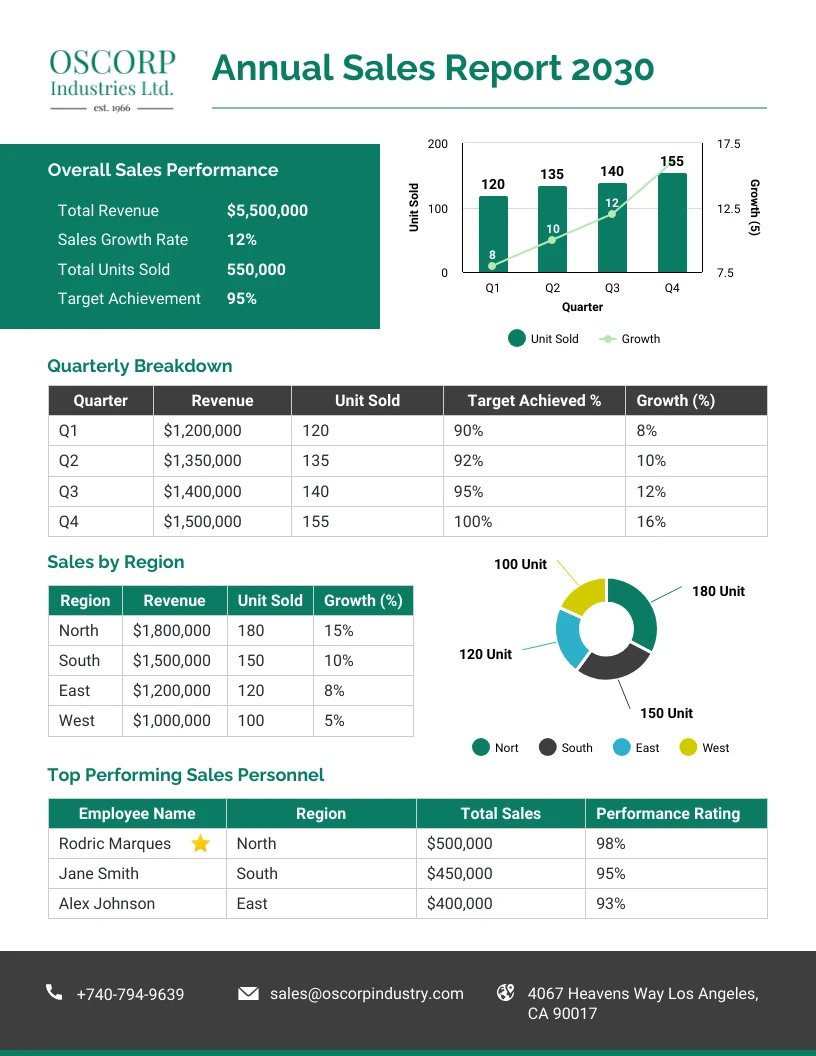
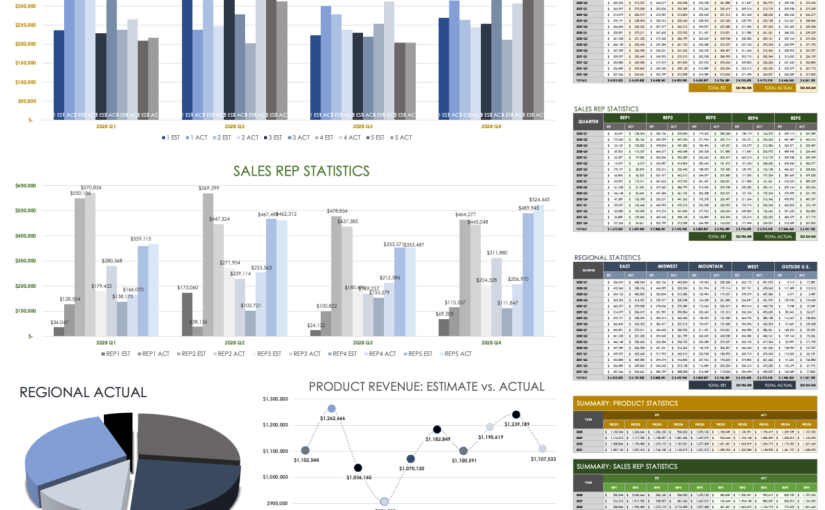
An effective annual sales report template can transform scattered data, chaotic spreadsheets, and year-end pressure into a polished, organized, and visually clear summary of what a business truly accomplished over the past twelve months. Companies rely on structure to make sense of performance, and a good template offers exactly that: clarity, consistency, and a dependable framework for turning numbers into decisions. Whether the business is a growing startup, a multi-department enterprise, or a small shop navigating tight margins, a well-designed template ensures every sales insight finds its place.

Beyond the aesthetics, a strong template supports reliable documentation, creates accountability, and provides a yearly backbone for internal reviews. Instead of reinventing the wheel every January, teams can simply plug in the new data and focus on interpreting the results. And because sales trends evolve with markets, customer behavior, and seasonal patterns, a template keeps everything grounded, measurable, and comparable year after year.

Understanding the Role of an Annual Sales Report Template

A dependable annual sales report template aligns different departments and sales teams with the same structure each year. It helps organize revenue information, purchasing trends, customer categories, unit volumes, seasonal peaks, and overall performance. When done right, the report becomes a narrative of the company’s journey, highlighting what worked, what struggled, and what opportunities remain untouched.

Templates like these typically include sections for revenue summaries, product breakdowns, channel comparisons, monthly progress, and yearly projections. Instead of navigating dozens of tabs or juggling inconsistent formats, a uniform template keeps the reporting experience clean, predictable, and easy to audit. For management teams, it’s not just a document—it’s a decision-making tool.

The template also minimizes friction during review cycles. Executives get a structured document that communicates results clearly, while sales teams have a predictable format for preparing and presenting data. It reduces ambiguity, reinforces transparency, and makes the entire reporting process feel like a structured annual ritual rather than a scramble.

Annual Sales Summary Report Template

A strong annual sales summary report template focuses on the big picture. It condenses twelve months of activity into a digestible overview that executives, managers, and even new team members can understand without getting lost in granular numbers. Typically, it includes:

  • Total annual revenue
  • YOY growth
  • Top-performing products or categories
  • Highest-value customers
  • Seasonal performance peaks
  • High-level comparisons with previous years

Its purpose is to create clarity, especially for quick presentations or board updates. A good summary report template also enhances readability by using charts, clean tables, and consistent formatting. Even a high-performing year can look underwhelming if the summary is messy, and a template helps avoid that problem.

Annual Sales Performance Report Template

While the summary gives the bird’s-eye view, an annual sales performance report digs into the mechanics of what shaped the year. It’s the place where analysts and managers can evaluate strategies, identify strong and weak quarters, and assess the impact of promotional campaigns.

This part of the template typically includes:

  • Monthly and quarterly trends
  • Sales targets vs. actual results
  • Team or region-based comparisons
  • Channel-specific performance (online, retail, wholesale, B2B)
  • Customer retention and acquisition insights

A performance-oriented section helps teams adjust strategies for the following year. Maybe the third quarter always slumps, maybe one sales region consistently outperforms others, or maybe a new product unexpectedly pushed revenue during off-season months. The performance portion of the template captures all of this, turning hindsight into actionable planning.

Get also: Daily Sales Report Template Free Download

Structuring Data With an Annual Sales Report Template

A solid annual sales report template does more than store numbers—it builds a structure that guides interpretation. When organized correctly, it becomes a storytelling instrument that brings attention to the most important insights. A polished format also helps avoid miscommunication, especially when multiple teams contribute data. Instead of arbitrary charts and inconsistent explanations, the template forces clarity and uniformity across departments.

Standard sections often include revenue summaries, product portfolios, customer segmentation, channel comparisons, and graphic representations of trends. Well-designed templates support quick scanning, allowing readers to spot patterns without combing through endless paragraphs. It’s the difference between a chaotic year-end dump and a refined annual review.

Beyond internal operations, a template also plays a major role in external communication—especially for stakeholders, partners, and potential investors. A structured annual report suggests professionalism, reliability, and maturity. Companies that maintain consistent reporting often gain more trust because their processes appear stable and predictable.

Annual Retail Propane Sales Report

While the name might sound industry-specific, an annual retail propane sales report offers a perfect example of how annual sales report templates adapt to niche markets. Industries like propane distribution depend heavily on seasonality, regional trends, delivery logistics, and commodity pricing. A template tailored for this type of data may include:

  • Winter vs. non-winter revenue
  • Volume sold per region
  • Tank size demand
  • Delivery costs and margins
  • Annual contract commitments
  • Commercial vs. residential consumption

This specialized section showcases how templates can evolve for different sectors. Even if a business has unique reporting needs, the principles remain the same: clarity, consistency, and an organized flow of information.

Get also: Free Annual Marketing Report Template

Annual Sales Performance Report (Extended Use Case)

A broader annual sales performance report can also help large organizations maintain alignment across multiple departments and product lines. When used consistently, these sections uncover which strategies produced long-term benefits and which ones caused unnecessary costs.

For instance, the report may highlight that bundled product offerings drove more conversions than standalone sales. Or it may reveal that digital channels outperformed traditional retail locations during specific months. These details guide planning for future campaigns, staffing decisions, inventory preparation, and forecasting.

Templates built around performance metrics encourage deeper analysis. They turn raw numbers into insight and give companies the tools to adapt to shifting market conditions with confidence.

How an Annual Sales Report Template Supports Planning and Growth

The real value of an annual sales report template shows up during the planning season. Because it consolidates everything into a structured format, it empowers teams to build realistic targets for the upcoming year. They can compare past performance with projected demand, allocate budgets based on proven results, and refine marketing approaches with data-backed precision.

Templates also make data accessible across departments. Finance teams can quickly reference revenue patterns. Marketing teams can identify peak customer engagement periods. Sales teams can pinpoint where they need additional support. When everyone speaks the same reporting language, collaboration becomes frictionless.

Another advantage is the ability to track long-term trends. Year-over-year patterns reveal the broader trajectory of a company’s market position. A template ensures these patterns stay measurable instead of getting lost in detached files or improvised reports. And as businesses grow, the structure becomes even more valuable because it keeps complexity manageable.

From a leadership perspective, the template creates accountability. With clear sections and consistent metrics, teams know exactly what they’re responsible for reporting each year. It removes excuses and creates a high standard for accuracy.

Why a Professional Template Enhances Presentation Quality

A well-designed annual sales report template doesn’t just organize information—it elevates presentation quality. Clean segmentation, readable typography, smart color use, and uniform layouts help executives digest complex information quickly. Instead of feeling overwhelmed by dense spreadsheets, they see polished charts, clear summaries, and thoughtfully arranged data points.

A strong template also reduces misinterpretation. Well-placed headers, labels, and legends ensure numbers tell the correct story without confusion. Even a subtle change in formatting can affect how someone interprets a trend, so consistency matters.

It also helps when a business needs to present reports externally—such as during partnership pitches, vendor negotiations, or investor meetings. The difference between a cluttered report and a sleek, template-driven presentation can influence decision-makers more than most people realize. Appearance doesn’t replace substance, but it certainly supports it.

Subtle humor can even lighten the mood during presentations, especially when reviewing a tough year. As long as the humor comes naturally and doesn’t disrupt professionalism, it helps keep long meetings from turning painfully robotic.

Final Thoughts

An annual sales report template is more than a formatted document—it’s a tool for clarity, alignment, and strategic planning. It keeps data organized, streamlines communication across departments, and allows businesses to understand their progress with confidence. Whether the focus is a detailed annual sales summary, a deeper annual sales performance report, or even specialized formats like an annual retail propane sales report, the right structure elevates the information and empowers better decision-making.

A reliable annual sales report template becomes a yearly anchor, ensuring consistency while allowing room for adaptation as markets and business needs evolve. With clean formatting, relevant sections, and a thoughtful layout, it turns complex numbers into a clear narrative that any company can depend on.

Annual Marketing Report Template – 2025 Free Professional Designs

Annual Marketing Report Template: A Complete, High-Value Layout for Stronger Yearly Insights | An annual marketing report template serves as the backbone of how a company reflects on its performance, milestones, and campaigns over an entire year. It’s the kind of document that turns scattered numbers, shifting strategies, and unpredictable market reactions into a narrative that leaders can understand and teams can act on.

A strong report template gives marketers a clear structure, helps decision-makers stay aligned, and makes complex outcomes easier to interpret. When built thoughtfully, it becomes a yearly storytelling tool—one that blends data, direction, and clarity in a way that sparks better planning for the year ahead.

Why an Annual Marketing Report Template Is Essential for Consistent Yearly Evaluation

An annual marketing report template is more than a blank document with boxes for graphs and summaries. It’s the framework that ties together campaign highlights, performance metrics, financial impact, and the strategic movements of a brand. Without it, teams often end up with mismatched reports: one month drowning in numbers, the next full of vague reflections, and the quarter after that overloaded with screenshots, emojis, and chaotic slides worthy of a comedy sketch.

A well-structured template brings order and consistency. It makes year-to-year comparisons smoother, reduces prep time during reporting season, and creates a unified experience across teams. Whether a business focuses on product launches, social media campaigns, seasonal pushes, or multi-channel experiments, the template becomes a tool that adapts to every department while maintaining a familiar layout.

Annual Sales Report Template Integration

Integrating insights from an annual sales report template into your marketing overview adds depth and context to performance analysis. Sales trends reveal which campaigns actually drove conversions, which customer segments responded well, and where transactional gaps exist.

When these data points line up with marketing metrics, the story becomes clearer: campaigns stop being “good” or “bad,” and instead become measurable assets that contribute directly to revenue streams. The alignment also helps identify which growth opportunities were overlooked and which products or categories needed more support throughout the year.

Digital Marketing Annual Report Template Alignment

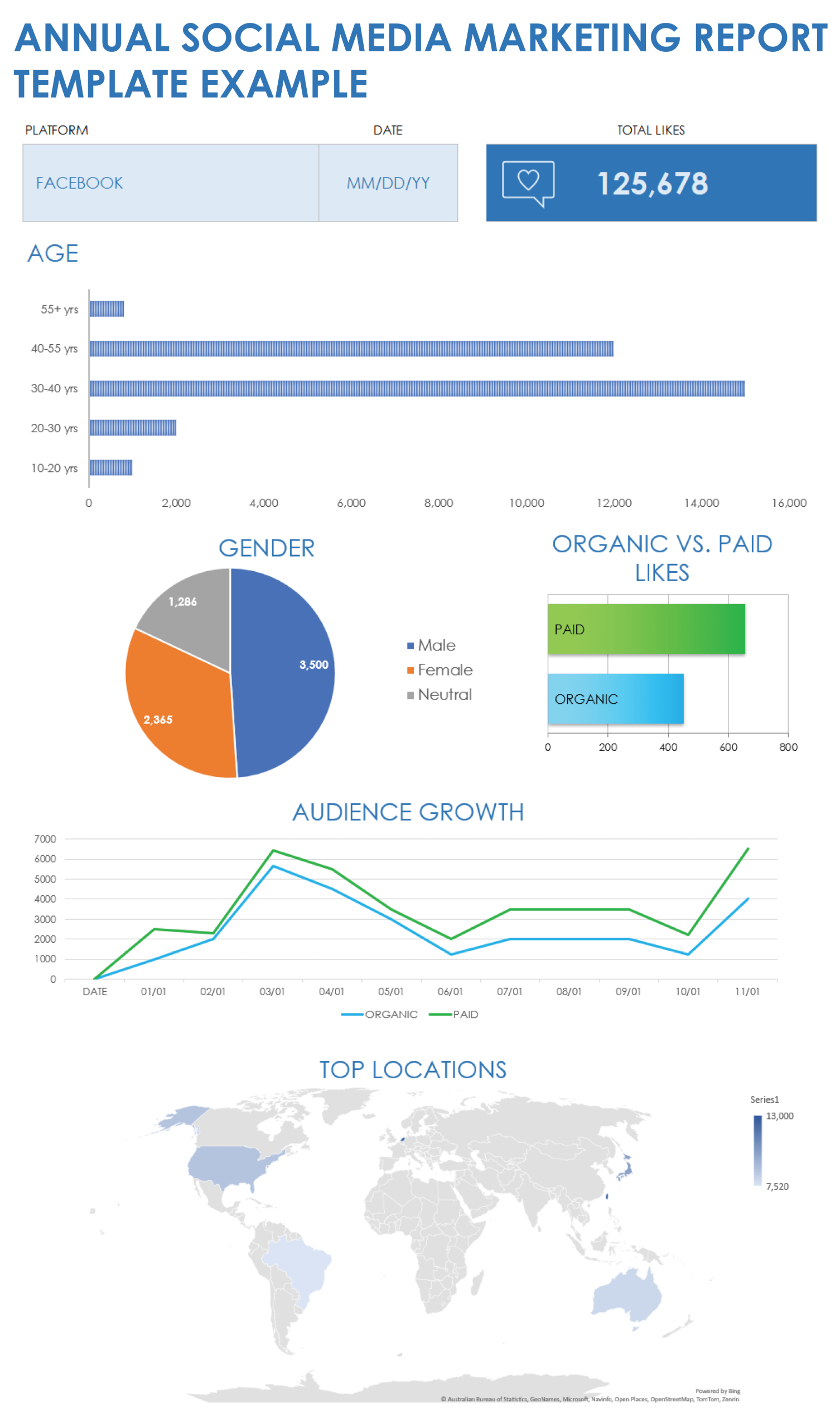
A strong report often incorporates key elements found in a digital marketing annual report template, especially for brands relying heavily on online channels. Web performance, advertising efficiency, audience behavior, funnel progression, and content engagement metrics all work together to show how the digital footprint evolved.

These insights help clarify which platforms deserved more investment, which creative approaches resonated best, and how digital efforts complemented offline strategies. When woven into the larger annual narrative, these metrics become signposts for refining future campaigns.

Structuring an Annual Marketing Report Template for Clearer Strategic Planning

A well-defined annual marketing report template should guide the reader from past performance to future direction with ease. It starts broad, narrows into specifics, then widens back out into actionable insights and strategic recommendations. The most effective ones blend visual data with narrative explanation so that the report feels both analytical and digestible.

Teams benefit from consistency: a template approach allows every department—from social media to influencer collaborations to brand partnerships—to plug in information that aligns with the overall storytelling. The template acts like a stage, and each team brings their part of the performance without clashing with the scene.

Get also: 10+ BEST Weekly Report Templates to Boost Team Clarity and Momentum

End of Year Marketing Report Template Insights

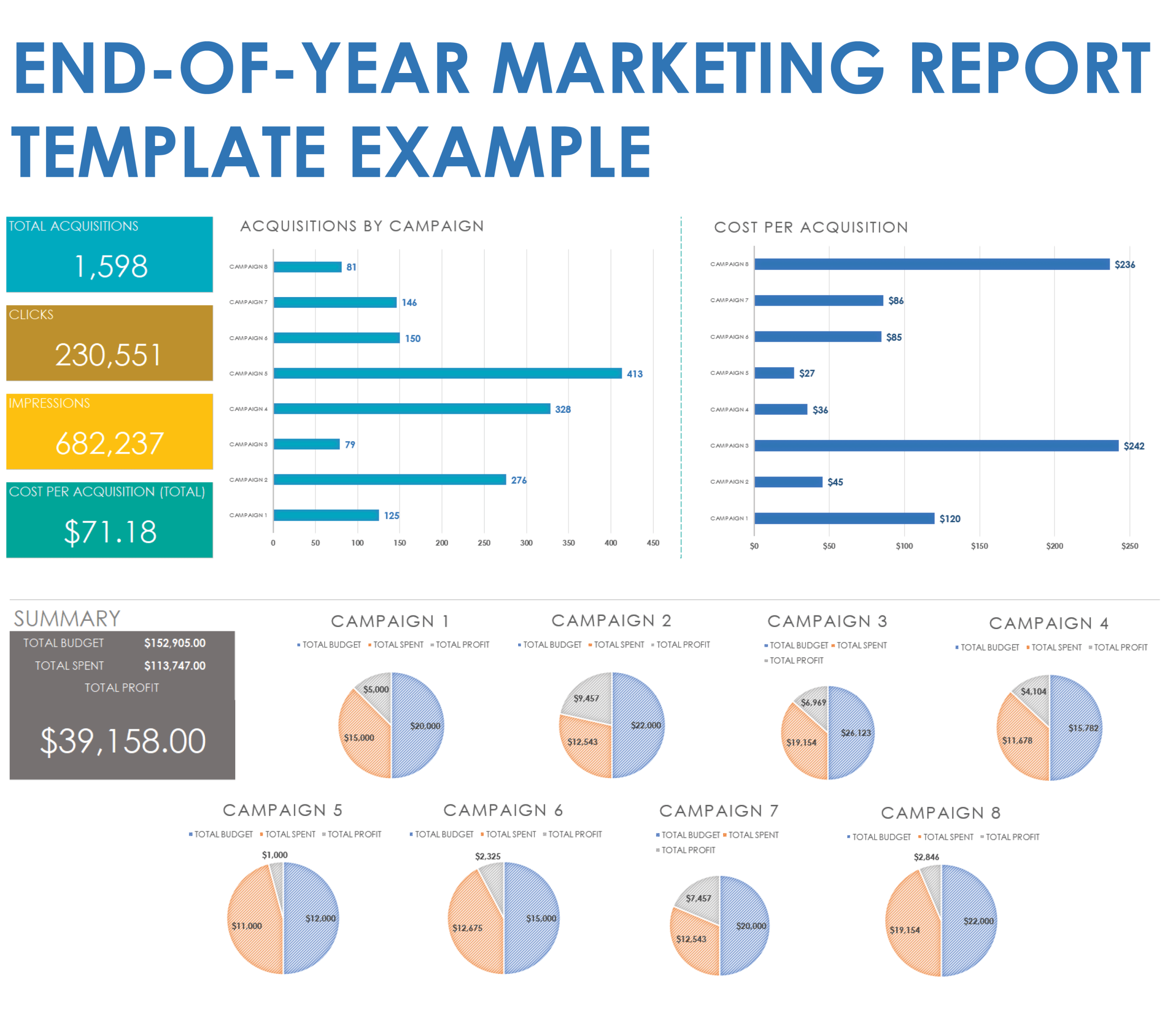
Borrowing elements from an End of year marketing report template helps make the closing section more cohesive. Summaries of campaign performance, budget distribution, notable wins, and unexpected challenges provide a rounded perspective.

This portion isn’t just a recap; it’s the reflection point where teams recognize what shaped the year’s outcomes. Most companies find that even a brief but structured end-of-year summary reduces confusion when future planning meetings begin.

Get also: Free Monthly Report Template

Annual Sales Report Template as a Comparative Tool

A well-placed comparison section inspired by an annual sales report template helps highlight the relationship between marketing activity and commercial results. Whether showcasing quarterly revenue patterns, seasonal sales fluctuations, or product category swings, the alignment between sales and marketing indicators sharpens strategic understanding.

It’s not uncommon for teams to discover that their highest-performing campaigns were actually supporting underperforming products—or vice versa. When this realization emerges within a structured reporting template, future priorities become clearer.

Get also: Free Annual Financial Report Template Excel

What a Modern Annual Marketing Report Template Should Include

The strength of a template lies in the depth of the content included. A modern layout typically features:

Executive Summary

This brief overview captures the essence of the year: major campaigns, overarching performance themes, growth patterns, and areas requiring attention. It’s usually the first page leadership reads, so clarity is key.

Marketing Objectives Review

The template should guide users in evaluating goals set at the beginning of the year. Did the brand aim for audience growth? Lead generation? Market expansion? Funnel efficiency? This comparison between intended direction and actual outcomes frames the rest of the report.

Campaign Performance Analysis

Each major campaign—whether product-focused, seasonal, or awareness-driven—gets its own spotlight. Metrics, narrative insights, and cross-channel comparisons help show how these efforts contributed to the year’s progression.

Channel Performance Overview

A modern template encourages detailed reporting on:

  • Social media
  • Paid advertising
  • Content marketing
  • Email
  • Events and partnerships
  • Influencer initiatives
  • Offline promotions

This section highlights which channels carried the most weight and which need reconsideration next year.

Get also: Construction Daily Report Template

Audience Behavior and Customer Insights

Demographic shifts, behavioral patterns, browsing habits, purchase triggers, and feedback summaries help root the report in real human behavior. The template should organize these insights so that they naturally lead to actionable conclusions.

Budget Allocation and Efficiency

Tracking how funds were spent—alongside ROI snapshots—allows companies to identify which areas deserved more investment. The template ensures that cost decisions appear transparent and logical.

Sales Alignment and Revenue Impact

Here’s where integrating structures from an annual sales report template becomes essential. The overlap between marketing activity and financial outcomes helps leadership understand which initiatives shaped the company’s bottom line.

Competitive and Market Context

Good templates make room for understanding the larger environment. New competitors, industry trends, customer sentiment shifts, and market pressures all influence performance. This context helps reinforce why certain numbers look the way they do.

Strategic Recommendations

The closing section summarizes key lessons and prepares the foundation for next year’s roadmap. This is where marketing teams justify future campaigns, budget adjustments, or channel shifts based on the year’s collected insights.

How an Annual Marketing Report Template Supports Better Decision-Making

The value of a structured reporting template is its ability to transform raw performance into narrative clarity. Instead of isolated charts and fragmented observations, the template ties everything into a cohesive story. Leadership teams are far more likely to make decisive and strategic moves when they can clearly see the relationship between campaigns, customer behavior, and financial impact.

For example, when an End of year marketing report template supports the summarization phase, it reduces the guesswork associated with planning next year’s initiatives. Similarly, integrating standards from a digital marketing annual report template helps teams refine their online strategies based on platform-level insights. The template becomes a map—not just a scrapbook.

It also helps unify departments that sometimes feel disconnected. Content teams can see how their work supported paid campaigns. Sales teams understand the connective role of branding. Leadership sees how audience engagement affects revenue. The template ties everyone to a shared direction.

Choosing the Right Format for an Annual Marketing Report Template

Different companies prefer different formats depending on their workflow. A dynamic, visually rich report works well for leadership presentations, while a text-heavy version may be better suited for internal department archives.

Common formats include:

  • Slide-based templates for meetings
  • Spreadsheet-enhanced templates for data-heavy reports
  • Document-style templates for narrative-heavy versions

Regardless of format, the structure must remain consistent to ensure year-to-year comparability.

Templates should be flexible enough to grow with the business. A small startup might only need four sections in its first year, but that same company might need an expansive ten-section template a few years later. With the right foundation, the structure scales naturally without becoming cluttered.

Final Thoughts

An annual marketing report template is one of the most valuable organizational tools a brand can implement. It brings structure to complexity, continuity to year-over-year evaluation, and clarity to strategic decision-making. Aligning campaign results, customer behavior, digital performance, and sales insights creates a sharper, more complete understanding of how the brand moved within the market.

When supported with the contextual strength of an annual sales report template, the digital depth of a digital marketing annual report template, and the reflective clarity of an End of year marketing report template, the final report becomes a polished and reliable instrument—one that guides planning, inspires smarter decisions, and helps companies approach the new year with confidence and purpose.

Happy Hour Flyer Template Free Download – 8+ New Designs

Happy Hour Flyer Template | A well-crafted happy hour flyer template isn’t just a fun design—it’s a powerful invitation. It’s the first handshake before anyone steps into a bar, lounge, café, rooftop, or virtual gathering. When done right, it becomes the irresistible nudge that convinces someone to stop scrolling, pause whatever they’re doing, and decide, “Alright, I could use a drink.”

A flyer has one job: pull people into the moment. And a great happy hour flyer template doesn’t merely list prices or schedules—it creates an atmosphere, sets expectations, and sells an experience. Whether it’s a neon-soaked cocktail night, a cozy craft beer sunset, or a digital toast with a crowd scattered across continents, the design sets the tone long before the first glass is raised.

Below, you’ll find a deep look at how a happy hour flyer template works, why certain elements matter, and how different audiences respond. And since happy hour culture has spread far beyond local bars, we’ll also explore scenarios for themed events, corporate nights, and even remote hangouts.

The Power of a Happy Hour Flyer Template in Real-World Promotions

A happy hour flyer template shapes the entire narrative of a gathering. Think of it as the hype-man for your event—minus the questionable dance moves. A strong design pulls in the right crowd: the after-work squads, the weekend explorers, the social butterflies, and even the “I usually don’t go out, but this seems fun” types.

But a flyer isn’t magic on its own. It works because it communicates all the practical and emotional cues people need to decide whether the event fits their vibe. The colors, layout, and copy all help answer the silent question every potential guest has:

“Is this my scene?”

A good happy hour flyer template answers “yes” in multiple ways:

  • It sets the mood instantly
  • It shows the theme clearly
  • It delivers the essential info without clutter
  • It hints at the experience people can expect
  • It appeals to specific audiences

Bars rely on this. Restaurants rely on this. Hotels, venues, breweries, and even corporate teams rely on this. Happy hour is universal; all you need is the right invitation.

Now let’s break it down more deeply.

Happy Hour Event Flyer: Crafting Atmosphere and Intent

A Happy hour event flyer thrives on its ability to create a sensory experience through visuals. Before anyone tastes a cocktail or hears a clink of glasses, the flyer has already laid the emotional foundation.

This type of flyer often focuses on ambience:

  • Warm golden hues for sunset deals
  • Electric neons for late-night gatherings
  • Tropical palettes for summer mixers
  • Classy minimalist black-and-gold for upscale lounges

The imagery can vary wildly depending on the theme—craft beer mason jars, elegant martinis, mojitos with mint exploding like they’re trying to escape the glass, or abstract shapes that simply radiate “vibes.”

But atmosphere isn’t everything; clarity matters too. A great happy hour event flyer communicates key details quickly:

  • Time window (e.g., 4–7 PM)
  • Drink specials
  • Promo structure (BOGO, 2-for-1, pitchers, cocktails)
  • Music type (DJ set, acoustic, jazz, chillhop, retro, etc.)
  • Dress code (if any)
  • Venue location

One overlooked element is crowd energy. Some events aim for laid-back relaxation; others push for a lively social night. Your flyer should show that difference through:

  • Font choices: playful vs. elegant
  • Layout spacing: breathable vs. intense
  • Imagery: minimal vs. busy
  • Decorative elements: sparkles, shadows, gradients, or clean geometric shapes

When all pieces fit, the flyer does its job: it draws the exact audience you want.

Virtual Happy Hour Flyer: Digital Spaces Need Digital Atmosphere

A Virtual happy hour flyer works differently because the audience isn’t gathering physically—they’re signing into a shared online space. This changes what the design needs to communicate.

Instead of location and ambiance, the flyer supports:

  • Platform details (Zoom, Google Meet, Teams, Discord, etc.)
  • Theme (game night, trivia, mixology session, networking, wellness chat, etc.)
  • Time zones to accommodate multiple regions
  • Interactive elements (quizzes, live bartending, breakout rooms)

In a virtual context, the flyer becomes a visual anchor that helps participants understand what they’re joining. People need reassurance that the event will be structured, fun, and worth logging into—because logging into anything after work often feels like playing emotional Jenga.

A virtual happy hour flyer focuses on energy, engagement, and clarity:

  • Icons or illustrations showing webcams, headphones, or chat bubbles
  • Bright, modern color palettes that feel friendly and approachable
  • Clean text layout that’s readable even on small screens
  • Subtle hints of the theme (cocktail silhouettes, neon borders, animated shapes, etc.)

While digital events remove the physical allure of a venue, they add new opportunities: creative themes, flexible global participation, and interactive experiences. A flexible virtual happy hour flyer template makes all those possibilities easier to communicate.

Check this out: Restaurant Food Promotion Flyer Template Free

Why a Happy Hour Flyer Template Improves Event Consistency

A reusable happy hour flyer template helps maintain branding across repeated weekly or monthly events. Guests start recognizing the style, color scheme, typography, and layout—even before reading a word. Familiarity builds trust, and trust brings returning customers.

Consistency matters more than people think. Many bars rely on a reliable Thursday “Wings & Drinks” crowd; offices might run monthly virtual mixers; hotels may host seasonal twilight events. When the design stays cohesive, each event feels like part of a larger identity.

But the template must be flexible enough to support variations:

  • Seasonal themes (winter, summer, spring blooms, fall aesthetics)
  • Holiday specials (Halloween, Valentine’s, New Year’s Eve)
  • Drink spotlights (margarita week, craft beer month)
  • Music themes (90s retro, salsa night, live band Friday)
  • Audience shifts (professionals, students, travelers, families, etc.)

A strong happy hour flyer template adapts while maintaining the core brand look.

Now let’s go deeper into the second half of the structure.

Happy Hour Event Flyer: Tailoring the Design to Specific Audiences

Another strength of the Happy Hour event flyer lies in how customizable it is for different crowds. For example:

1. After-work professionals
They prefer calm, polished designs using deep blues, gold accents, and clean lines. Minimalistic typography works best, avoiding anything that looks too chaotic.

2. Tourists and travelers
Bright color splashes, palm leaf patterns, and casual drink illustrations help signal a carefree, vacation-friendly environment.

3. Students or young crowds
Bold fonts, playful shapes, neon palettes, gradients, and energetic layouts catch their attention much faster.

4. Upscale clientele
Black backgrounds, serif fonts, crisp spacing, and subtle patterns communicate luxury without saying a word.

5. Community groups or themed gatherings
Illustrations can shift toward hobbies, costumes, music, or holiday elements.

A happy hour event flyer thrives when it speaks the right visual language. It’s like telling guests, “Yes, this is your kind of party,” without needing a single joke or conversation starter.

Get also: Free Pizza Day Flyer Template

Virtual Happy Hour Flyer: Making Remote Events Feel Personal

A Virtual happy hour flyer also needs audience-specific customization, but with modern, tech-friendly nuances. Corporate gatherings, for example, require sleek, professional visuals—nothing too wild unless the office culture allows it. Clear instructions help prevent the dreaded “Where’s the link?” chaos.

Remote social groups or friend circles may want something more expressive—colorful illustrations, animated elements, or whimsical drink graphics that compensate for the lack of physical space.

Key tricks that enhance engagement:

  • Using chat bubble motifs to suggest conversation
  • Adding playful icons for games or challenges
  • Highlighting themes like “Tropical Mixer,” “Trivia Night,” or “Around the World Cocktails”
  • Choosing color schemes that evoke energy rather than fatigue

A good virtual happy hour flyer doesn’t just fill the screen—it sparks anticipation, even before the first camera turns on.

How a Happy Hour Flyer Template Brings Everything Together

What makes the happy hour flyer template so valuable is that it gives organizers a consistent foundation: the right layout, structure, spacing, imagery slots, and hierarchy. From there, customization becomes effortless.

It helps you:

  • Save time on repeated events
  • Maintain cohesive branding
  • Experiment with thematic twists
  • Present information clearly
  • Engage audiences visually and emotionally

Whether you’re promoting a rooftop lounge party, a brewery tasting night, a cafe acoustic evening, or a worldwide virtual toast, the template acts as the backbone of your event identity.

In the end, happy hour is more than a discount window—it’s an experience people look forward to. And with the right design, that anticipation begins long before the first drink is poured or the first webcam switches on.

A strong happy hour flyer template captures that entire feeling in one snapshot. It’s atmosphere, clarity, personality, and storytelling—all in one piece of visual communication.

Fitness Flyer Template – 10+ Free High-Impact Designs

Fitness Flyer Template: High-Impact Designs to Boost Your Fitness Promotions

If you’ve ever tried promoting a fitness class, gym program, or wellness event, you know one thing for sure: fitness flyers are the unsung heroes of marketing. They’re like that gym member who never skips leg day — reliable, strong, and always doing the heavy lifting behind the scenes.

And in the world of fitness promotions, nothing works better than a clean, bold, and well-designed Fitness Flyer Template. But not just any flyer. You want the kind that stops people mid-scroll or mid-stride, makes them think, “Damn, maybe I DO need abs,” and convinces them to join your class, center, or gym.

Fitness Flyer Template: Your Ultimate Tool for High-Converting Fitness Promotions

A great Fitness Flyer Template isn’t just a decoration — it’s a weapon. It’s marketing cardio. It makes your promo run faster, stronger, and more efficiently, even when your actual cardio stamina is 2/10.

Professional fitness flyers can help you:

  • Increase gym memberships
  • Promote class schedules
  • Showcase trainers
  • Highlight special deals
  • Advertise fitness challenges
  • Spread awareness of new programs

And best of all, templates save you hours of design stress. No more staring at Canva for three hours, wondering why the dumbbell icon looks crooked.

A well-crafted Fitness Flyer Template stands out because it has:

  • Bold typography
  • Motivational layout
  • High-energy visuals
  • Strong focal points
  • Clear calls-to-action
  • Just the right amount of sweat-themed intensity

But we’re not done yet. Because fitness promotions don’t stop at one flyer style.

Fitness Class Flyer Template Ideas That Actually Work

Offering fitness classes? You need a Fitness Class Flyer Template that looks as energized as your HIIT trainer after five cups of coffee.

A great class flyer must instantly tell people:

  • What class is it (Zumba? Yoga? Weightlifting? Cardio Dance?)
  • When & where it happens
  • Who’s teaching it
  • Why it’s worth attending

Bold, Dynamic Layouts

Fitness classes are high-energy, so your flyer must match that vibe. Use layouts with big angles, diagonal shapes, neon accents, or contrasting blocks.

Strong Instructor Highlight

People join classes because of the instructor, not because of the building. Put their picture big and proud.

Clear Schedule Section

Never bury the timing in tiny text — nobody will show up.

CTA That Punches Hard

“Reserve Your Spot Now!” works better than “Click here, maybe, if you feel like it.”

A Fitness Class Flyer Template is meant to convert quickly. People shouldn’t need detective skills to read your flyer.

Fitness Center Flyer Template for Serious Growth

If you’re promoting a full-service gym, wellness club, or training facility, a Fitness Center Flyer Template gives you more room to flex your features.

A stronger, more professional layout typically includes:

  • Facility photos
  • Membership tiers
  • Amenities list
  • Trainer highlights
  • Special programs
  • Testimonials

Feature-Focused Sections

Use boxes or segments to neatly display your gym’s selling points.

Modern, Premium Aesthetic

Fitness centers look better when your flyer embraces clean geometry, gradient overlays, and minimalistic serif + sans-serif combinations.

Membership Deal Highlights

People LOVE seeing discounts bigger than their body fat percentage drop.

This type of flyer is perfect for launching promotions, new equipment, or membership drives.

Fitness Gym Flyer Template for Maximum Impact

A Fitness Gym Flyer Template tends to be bold, gritty, and visually intense. Perfect for hardcore weightlifting spaces, cross-training gyms, powerlifting clubs, and strength-focused environments.

High-Contrast Visuals

Black + red + metallic accents = the universal language of gyms that mean business.

Strong Motivational Headlines

  • “Lift. Sweat. Repeat.”
  • “Unleash Your Strength.”
  • “Train Like You Mean It.”
  • “Become Your Better Beast Mode.”

Transformation Photos

If your gym has real before-and-after results, this is your moment to flex.

Short, Punchy CTAs

  • Join Today
  • Claim Your Free Trial
  • Start Training
  • Unlock Your Potential

A Fitness Gym Flyer Template is meant to make viewers feel like they’ve already gained muscle just by looking at it.

Get also: Free Printable Yoga Flyer Template

What Makes a High-Converting Fitness Flyer (Any Type)

Regardless of the category — fitness class, center, or gym — high-performing flyers share the same DNA.

1. A Clear Main Visual

Either a photo of:

  • Someone training
  • A class in action
  • Equipment shot
  • Trainer portrait

2. A Strong Headline

Three to five impactful words max.

3. A Clean Layout

Your flyer isn’t a puzzle. People shouldn’t spend more time deciphering your design than doing crunches.

4. Legible Typography

Leave decorative swirly fonts to wedding invitations.

5. CTA With Intent

Every flyer is a mini-sales pitch. Make the CTA obvious.

6. Balanced Keyword Integration

Because, yes bos, we also need Google to join the workout.

How These Templates Help Your Fitness Brand Stand Out

The fitness industry is loud. Everyone’s yelling:

  • “Summer body starts now!”
  • “Join our 30-day challenge!”
  • “Burn 1200 calories in one session!” (…bro, what?)

Using a Fitness Flyer Template gives your brand consistency and personality.

Here’s how it helps:

1. Consistency Across All Promotions

Your brand starts to look professional, not like it was stitched together with random fonts from 2008.

2. Faster Design Process

Templates = no more creative burnout.

3. Better Engagement

Flyers with strong visuals get shared more (especially on Instagram & WhatsApp groups).

4. Easy Editing for Future Promotions

Swap images, change colors, update dates. Done.

Tone & Style Options for Fitness Flyers

Want your flyers to match the vibe of your fitness business? Here are popular design personalities.

🔥 Hardcore Athlete Style

Metallic grit, strong poses, high contrast.
Perfect for:

  • Strength gyms
  • CrossFit clubs
  • Boxing gyms
  • Powerlifting events

🧘‍♀️ Calm Wellness Style

Pastels, clean spacing, relaxed typography.
Perfect for:

  • Yoga studios
  • Pilates classes
  • Wellness centers

💃 Energetic Dance Style

Bright colors, motion graphics.
Perfect for:

  • Zumba
  • Dance fitness
  • Aerobic groups

⚡ Modern Minimalist Style

Premium, sleek, elegant.
Perfect for:

  • Fitness centers
  • Boutique gyms
  • Personal trainer branding

Final Thoughts: Fitness Flyers That Actually Drive Results

A high-quality Fitness Flyer Template is one of the easiest and most effective tools to promote your fitness classes, centers, and gyms. With the right combination of visuals, message clarity, layout strength, and naturally placed keywords, your flyer becomes a conversion machine.

Whether you’re running a new bootcamp, launching a fitness challenge, promoting a membership deal, or growing your fitness community — a great flyer sets the tone.

So choose a template that matches your brand’s energy, insert your details, and let the flyer do the heavy lifting.

And remember: in the world of fitness marketing…
you don’t need six-pack abs, but your flyer definitely needs six-pack design. 💪🔥

Funeral Service Flyer Template (7+ Free Elegant Designs)

Designing a Funeral Service Flyer Template might sound like a somber task—and yes, it is an important and sensitive project—but that doesn’t mean your content has to be dry or robotic. A well-written guide can still be warm, respectful, human, and (just a sprinkle) humorous in a stand-up–style way that doesn’t cross the line. After all, even during tough moments, thoughtful communication helps people feel supported.

Funeral Service Flyer Template: Purpose, Meaning & Why Good Design Matters

A Funeral Service Flyer Template isn’t just a piece of paper with times, dates, and locations. It is a brief tribute—an invitation for family and friends to gather, reflect, and celebrate a life that deeply mattered. The flyer sets the tone. Some are serene and spiritual, others traditional, others modern and expressive.

But regardless of the design, a great funeral service flyer template should accomplish three things:

  1. Provide clarity — so guests know when and where to attend.
  2. Offer comfort — through soft visuals, gentle colors, and thoughtful wording.
  3. Honor the individual — because every life is unique.

Designing a funeral flyer may feel intimidating, but with the right guidance and template structure, you can craft something beautiful and meaningful.

A Flyer That Serves as a Tribute

A funeral service flyer is more than an announcement—it’s a small memorial piece guests often keep. Whether framed, saved in memory books, or held quietly during the ceremony, it becomes part of the healing process.

That’s why the template must feel dignified, heartfelt, and respectful.

Balancing Practicality with Emotion

Flyers must communicate essential information, but equally important is the emotional tone. A well-designed flyer speaks softly: comforting, guiding, and honoring at the same time.

Your words, layout, and imagery all contribute to a sense of peace.

Funeral Home Flyer Template: Building a Design with Clarity & Compassion

When creating a funeral home flyer template, the key is finding the sweet spot between professional presentation and empathetic communication. Funeral homes often provide these templates for families, so the design should feel trustworthy, comforting, and visually organized.

Here’s how you can build a funeral home flyer template that resonates beautifully.

Essential Elements Every Funeral Home Flyer Template Should Include

Every great funeral flyer includes these components:

  • Full name of the deceased (include nicknames if meaningful)
  • Sunrise–Sunset dates (birth and passing dates)
  • Service date and time
  • Venue and address
  • Order of service (optional)
  • Photo (portrait or candid)
  • Short tribute or poem
  • Family acknowledgments (optional)
  • Dress code or special instructions (if any)

Think of the flyer as a bridge—connecting people emotionally and logistically.

Design Styles That Create a Peaceful Tone

A funeral home flyer template should reflect serenity. Consider:

  • Soft pastel tones
  • Floral borders
  • Light textures such as watercolor or parchment
  • Elegant serif fonts
  • Minimalist layouts with gentle spacing

Avoid designs that feel too flashy or commercial—this isn’t the time for bold neon gradients or fonts that scream “Friday night party.” Save those for karaoke events.

(See? Gentle humor—non-offensive, human.)

Creating a Funeral Service Flyer Template with Emotional Warmth

A Funeral Flyer Template must blend respect, calm, and clarity. Let’s break down how to create one that does justice to a cherished life.

Choosing the Right Imagery

Images set an emotional tone. Good choices include:

  • A peaceful portrait
  • A candid smiling photo
  • Symbolic images (doves, candles, roses, clouds)
  • Faith-based icons (if appropriate)

Avoid overly staged or edited images—authenticity feels more comforting.

Writing Tribute Text That Feels Human

Even a short paragraph can say so much. A simple, heartfelt message works better than poetic overcomplication.

Examples:

  • “A life beautifully lived deserves to be beautifully remembered.”
  • “Forever in our hearts, always on our minds.”
  • “Celebrating a beloved soul whose kindness touched us all.”

The goal: warmth, sincerity, and emotional connection.

Funeral Fundraiser Flyer Template: Building Support with Sensitivity

Sometimes families create a funeral fundraiser flyer template when financial support is needed for burial or memorial arrangements. This is a delicate topic, so the design must be respectful, transparent, and honest.

Get also: Memorial Day Flyer Template

Key Components of a Funeral Fundraiser Flyer Template

A well-structured fundraiser flyer includes:

  • Photo of the loved one
  • Brief tribute message
  • Purpose of the fundraiser
  • Donation amount guidance (optional)
  • Fundraising method (bank, QR code, online platform)
  • Contact person for inquiries

It’s important to sound inviting—not demanding. People contribute because they care.

Tone, Imagery, and Messaging for Fundraiser Flyers

Keep the tone warm and grounded. Avoid guilt-driven messaging. Instead, focus on:

  • Community support
  • Honoring the individual
  • Transparent explanation of needs

A beautiful, organized fundraiser flyer can make a meaningful impact.

Designing a Funeral Service Flyer Template with Respectful Creativity

Even though funeral flyers are solemn, design creativity still matters. Your flyer should be:

  • Clean
  • Legible
  • Emotionally balanced
  • Beautiful, but not overwhelming
  • Thoughtful in typography and image placement

The Power of Typography in Emotional Events

Fonts silently communicate emotions:

  • Serif fonts = elegance
  • Sans-serif fonts = modern calm
  • Script fonts = warmth (use sparingly)

Choose fonts that whisper—not shout.

Color Palettes That Convey Peace

Ideal colors include:

  • Soft greys
  • Pastel blues
  • Lavender
  • Cream
  • Light earth tones

Avoid aggressive contrasts or high-saturation colors.

Best Practices for Building a Funeral Flyer That Honors Life

Here are tips that elevate any funeral flyer:

  1. Use high-resolution images — clarity matters.
  2. Balance white space — crowded layouts feel stressful.
  3. Keep wording concise — emotional moments call for clarity.
  4. Use gentle lines and minimal borders — subtle framing feels elegant.
  5. Choose meaningful symbols — but avoid overusing them.
  6. Include optional QR codes — for live streams, memorial pages, or guest books.
  7. Ensure print readability — both digital and physical flyers should look perfect.

These small choices help create something truly meaningful.

Final Thoughts: Honoring Life with a Meaningful Funeral Service Flyer Template

A Funeral Service Flyer Template is more than a design project—it’s a responsibility. It honors a life, supports grieving families, and helps bring people together. Whether you’re creating a simple tribute, a professional funeral home flyer template, or a compassionate funeral fundraiser flyer template, the goal remains the same:

To celebrate a life with dignity, respect, and heartfelt intention.

By focusing on clarity, emotional warmth, thoughtful design elements, and a gentle tone, you can create a flyer that serves not just as an announcement—but as a small, lasting tribute.

Every life deserves to be remembered beautifully, and a well-crafted flyer helps carry that memory forward.

Free Sportsmanship Certificate Templates – 7+ New Designs

Sportsmanship Certificate Templates: The Ultimate Guide to Creating Awards That Inspire Respect & Fair Play

Sports without sportsmanship are like a soccer match without a ball—chaotic, confusing, and guaranteed to end with someone yelling, “Ref, open your eyes!” That’s why Sportsmanship Certificate Templates matter. They don’t just recognize participation; they celebrate integrity, respect, kindness, teamwork, and all those wholesome qualities coaches swear their teams have (at least on a good day).

This 1500+ word mega‑guide dives deep into crafting the perfect sportsmanship certificate templates, blending humor, SEO‑rich content, natural LSI keywords, and crystal‑clear structure to help your blog soar to the top of Google and Bing rankings. Whether you need a Sportsmanship award certificate template, a Certificate of sportsmanship template, or even an NFHS sportsmanship certificate template, we’ve got the playbook ready.

So, lace up, stretch a bit (we don’t want any writing injuries), and let’s jump in.

Sportsmanship Certificate Templates: Why They Matter More Than Ever

Creating strong Sportsmanship Certificate Templates is about more than adding a trophy icon next to some fancy text. It’s about encouraging athletes—young or old—to play with honor, treat opponents with respect, and remember that sports are supposed to be fun (unless you’re watching a parent at a youth basketball game, then all bets are off).

A well‑designed certificate helps:

  • Reinforce positive behavior.
  • Motivate players to uphold team values.
  • Create meaningful and memorable award moments.
  • Show appreciation for individuals who embody sports ethics.

Sportsmanship awards amplify the most important message in sports: Character counts more than the scoreboard.

Recognition That Builds Character

A great sportsmanship certificate highlights athletes who go above and beyond—not necessarily by scoring the winning point but by showing integrity when it matters most.

It can celebrate moments like helping an injured player, encouraging teammates, showing humility after winning, or staying composed after losing. These certificates turn small moments of kindness into lifelong lessons.

Encouraging Healthy Competition

Sports become more meaningful when players respect each other. A certificate that recognizes good sportsmanship promotes the idea that:

  • Playing fair is just as important as playing well.
  • Respecting opponents elevates the entire game.
  • True winners show grace—whether in victory or defeat.

Sportsmanship awards are essentially your team’s way of saying, “We like you—not just because you can run fast, but because you don’t yell at referees like you’re auditioning for a drama series.”

Designing a Sportsmanship Certificate Template That Looks Professional & Heartfelt

A winning certificate design doesn’t need to be flashy, but it should look polished, intentional, and worthy of being pinned on a bedroom wall or framed in the coach’s office.

Here’s how to craft one that scores big.

Essential Elements Every Certificate Should Include

Your Sportsmanship Certificate Template must be clear, visually appealing, and meaningful. Include:

  1. Title of the Award – Make it bold and obvious.
  2. Recipient Name Space – The athlete is the star; give them space to shine.
  3. Award Purpose Statement – A sentence describing why the certificate is given.
  4. Organization or Team Name – Adds credibility.
  5. Date of Award – For scrapbook enthusiasts and proud parents.
  6. Coach or Director Signature Lines – Makes it official.
  7. Sports Icons or Graphics – Balls, whistles, laurel wreaths, or silhouettes.
  8. Stylish Borders or Frames – Because a naked certificate just feels wrong.

A certificate should say, “Hey, we put effort into this because YOU put effort into being awesome.”

Choosing the Right Aesthetic Style

Your certificate can match your sport’s personality, your team’s branding, or the vibe of your award ceremony.

Some winning visuals include:

  • Modern minimalism – Clean lines, understated elegance.
  • Bold and colorful – Playful styles for youth teams.
  • Classic formal design – Gold borders, serif fonts, elegant layout.
  • Sport‑themed graphics – Soccer balls, baseball bats, track lanes, etc.
  • Character‑focused imagery – Using silhouettes that symbolize teamwork and good conduct.

Good sportsmanship feels universal, so your design should appeal to all—players, coaches, spectators, and that one grandma who prints everything for fridge display.

Sportsmanship Award Certificate Template: Celebrate Athletes Who Lead by Example

A Sportsmanship award certificate template is specifically designed to honor players who demonstrate kindness, respect, and leadership. Whether your athletes are competing in school sports, recreational leagues, or national programs, this certificate helps spotlight role models.

Use this type of certificate to honor players who:

  • Stay positive even during tough losses.
  • Encourage teammates who feel discouraged.
  • Show fairness and honesty during play.
  • Help opponents in moments of injury or difficulty.
  • Uplift the team’s spirit through words and actions.

Get also: Football Certificate Template Free Download

Award Categories for Sportsmanship Recognition

You don’t have to stick with generic titles. Here are creative options:

  • Outstanding Sportsmanship Award
  • Fair Play Excellence Award
  • Team Spirit Recognition Certificate
  • Positive Leader Award
  • Respect in Sports Honor
  • Character Champion Award
  • Integrity in Athletics Certificate

These categories allow you to reward specific qualities that matter most to your organization.

Enhancing the Sportsmanship Award Experience

The certificate itself is meaningful, but the presentation matters too. You can:

  • Announce the award during team meetings.
  • Share a short speech highlighting the athlete’s character.
  • Take photos for social media (bonus points for a cool backdrop).
  • Encourage teammates to cheer—because recognition feels better with applause.

A great certificate paired with thoughtful recognition becomes an unforgettable moment.

Certificate of Sportsmanship Template: Making Recognition Official & Memorable

A Certificate of Sportsmanship template works perfectly for formal events, school ceremonies, corporate sports days, or youth tournaments. It adds a sense of authenticity and celebration.

This certificate emphasizes:

  • Respect for teammates
  • Respect for opponents
  • Respect for officials
  • Responsibility while playing
  • Positive attitude and teamwork

Get also: Free Printable Sports Day Certificate Template

Key Wording for a Certificate of Sportsmanship

Choosing the right words matters. Here are sample statements:

  • “For demonstrating outstanding sportsmanship and respect in all competitive situations.”
  • “Awarded for promoting fairness, positivity, and integrity on and off the field.”
  • “In recognition of exceptional character and honorable conduct during athletic participation.”

These elevate the certificate from a simple printout to a meaningful keepsake.

Add Meaningful Design Touches

Enhance the certificate with:

  • Gold seals
  • Emboss‑style borders
  • Team colors
  • Mascot illustrations
  • Custom icons related to fairness and respect

Small details create big emotional impact.

NFHS Sportsmanship Certificate Template: Perfect for Schools & Youth Athletics

For more structured or guideline‑driven programs, an NFHS sportsmanship certificate template delivers a standardized and respected way to honor players.

NFHS stands for the National Federation of State High School Associations, and their ethical sports guidelines emphasize:

  • Integrity
  • Responsibility
  • Respect for opponents and officials
  • Positive role‑model behavior
  • Healthy competition standards

Applying NFHS Principles in Certificate Design

When creating an NFHS‑style certificate, focus on:

  • Clean, formal typography
  • Clear, professional layout
  • Emphasis on respect and integrity
  • Signature from athletic directors or coaches
  • Formal language that mirrors NFHS values

Ideal Moments to Award NFHS‑Style Certificates

These certificates fit perfectly in:

  • School athletics banquets
  • End‑of‑season award ceremonies
  • Youth league recognition events
  • Peer‑voted sportsmanship honors
  • Coach‑selected leadership awards

NFHS‑style certificates align beautifully with academic and youth sports environments where character is a core focus.

Adding Humor & Personality: Because Sports Should Be Fun

Sportsmanship doesn’t always have to be serious—injecting humor can make awards even more memorable. Try light‑hearted certificates like:

  • “Most Encouraging High‑Fiver”
  • “Master of Not Yelling at the Ref”
  • “Team Spirit MVP: Most Vocal Cheerleader”
  • “Best at Helping Opponents Up After Accidental Collisions”

These fun awards keep the vibes positive and remind everyone that sports are about joy, community, and connection.

Finishing Touches That Make Your Certificate Stand Out

To ensure your Sportsmanship Certificate Template looks polished:

  • Use high‑resolution graphics.
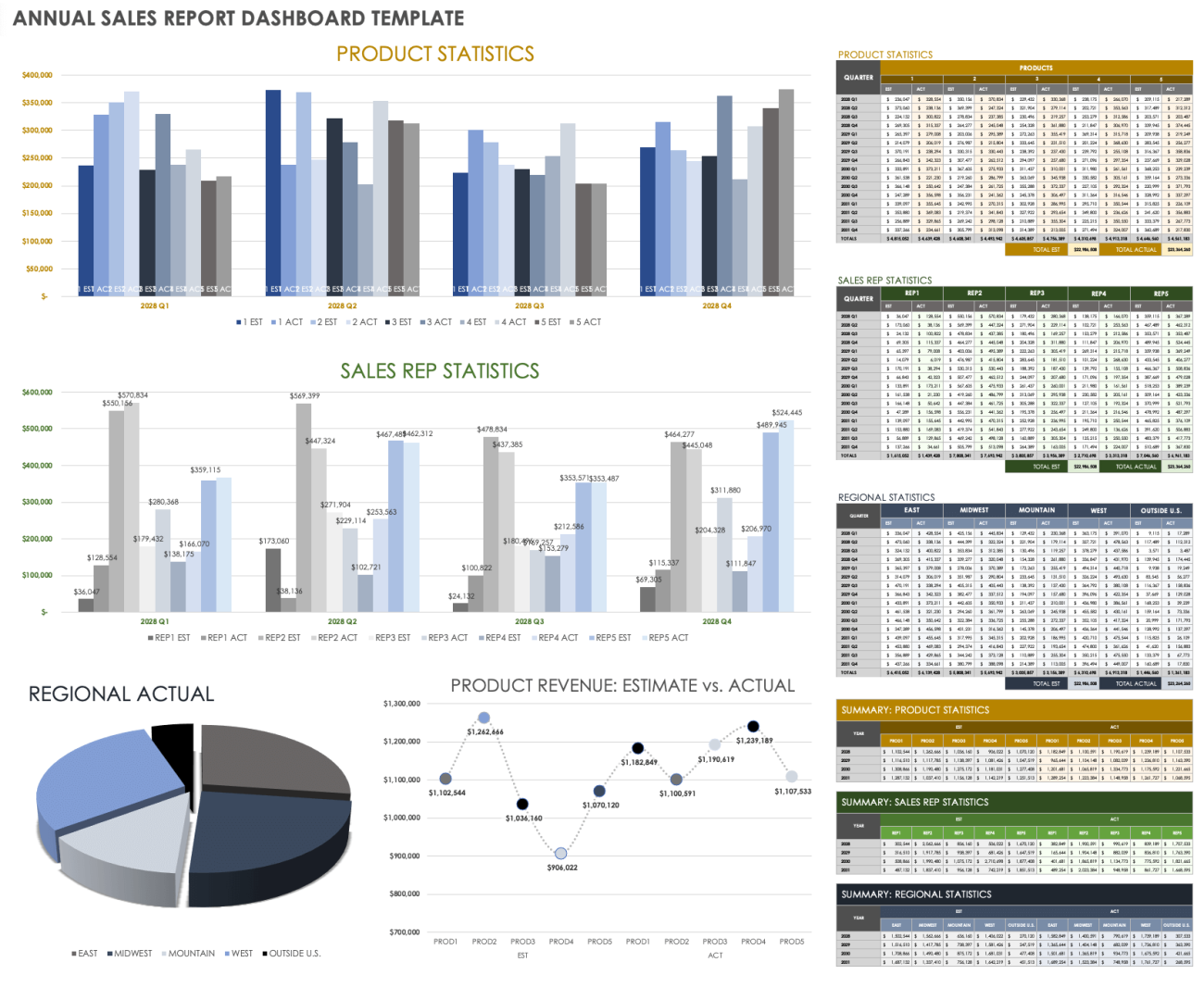
  • Choose fonts that balance professionalism and personality.
  • Maintain consistent alignment and spacing.
  • Use color schemes that match your team or event.
  • Leave enough white space to avoid clutter.
  • Export in PDF for crisp printing.

Great design communicates respect—and recipients always notice the difference.

Final Thoughts: Celebrate Athletes Who Show Heart & Honor

A sportsmanship certificate isn’t just a piece of paper. It’s a reminder that kindness, fairness, and respect shape stronger athletes—and better humans. Whether you’re designing a Sportsmanship award certificate template, a formal Certificate of Sportsmanship template, or an NFHS sportsmanship certificate template, each one helps build a culture where character is valued as much as skill.

Design your certificates with purpose, personality, and pride—because every athlete who shows true sportsmanship deserves a moment in the spotlight.

Exit mobile version