
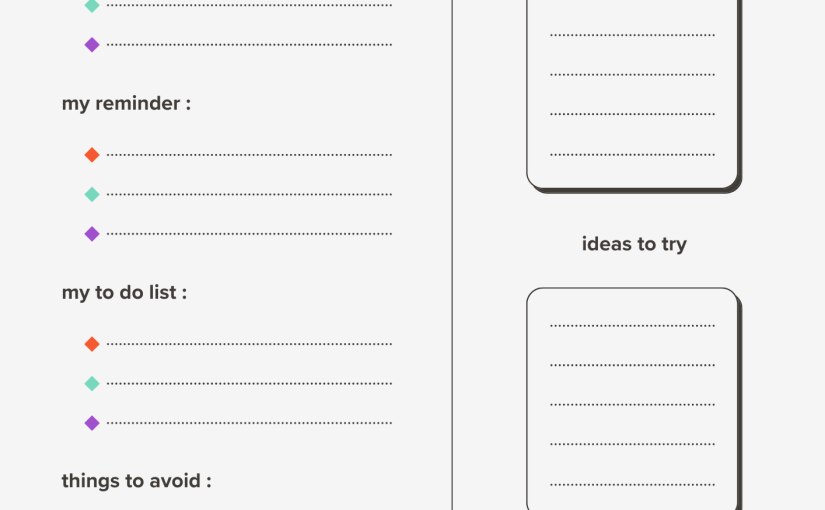
Creating healthy habits doesn’t happen by accident. It requires structure, awareness, and consistency. A well-designed Self Care Plan Template helps you organize your physical, emotional, and mental well-being in a practical and sustainable way.
Instead of relying on motivation alone, a structured system—like a Self Care Planner Template or a Weekly Self Care Plan Template—gives you clarity and direction. Whether you’re feeling overwhelmed, rebuilding routines, or simply trying to live more intentionally, this guide will show you exactly how to build and use a plan that works long-term.
What Is a Self Care Planner?
A Self Care Planner is a structured document that helps you identify, organize, and maintain habits that support your overall well-being.
It typically includes:
- Physical health goals
- Emotional regulation strategies
- Mental wellness practices
- Social boundaries
- Rest and recovery planning
- Personal growth objectives
Unlike random to-do lists, a Self Care Planner creates a system you can revisit and refine over time.
Why You Need a Self Care Plan Template
Modern life is fast, demanding, and often draining. Without structure, self-care becomes reactive instead of intentional.
Here’s why using a Self Care Plan Template matters:
1. Reduces Overwhelm
It organizes your wellness goals into manageable steps.
2. Builds Consistency
Small daily actions compound into long-term change.
3. Improves Emotional Awareness
You begin to recognize triggers and patterns.
4. Prevents Burnout
Planning rest is just as important as planning productivity.
5. Encourages Accountability
Writing things down increases follow-through.
Key Sections to Include in a Self Care Plan
An effective Self Care Planner should cover multiple wellness dimensions.
1. Physical Self Care
Include habits such as:
- Exercise schedule
- Sleep goals
- Hydration tracking
- Balanced meals
- Medical appointments
Physical health is the foundation of sustainable well-being.
2. Emotional Self Care
Your template should include space for:
- Journaling
- Therapy or counseling sessions
- Mood tracking
- Boundary setting
- Stress-release activities
Emotional regulation requires proactive planning.
3. Mental Self Care
Add:
- Reading goals
- Learning time
- Digital detox periods
- Mindfulness practices
- Cognitive reframing exercises
Mental clarity improves decision-making and resilience.
4. Social Self Care
Healthy relationships require intention:
- Scheduled connection time
- Family check-ins
- Friend meetups
- Communication boundaries
Your Self Care Plan should remind you to nurture relationships without overextending yourself.
5. Spiritual or Personal Growth
Depending on your beliefs or goals, this may include:
- Meditation
- Reflection
- Gratitude practice
- Purpose alignment
- Long-term vision planning
Personal growth strengthens self-awareness and direction.
Get also: Family Nursing Care Plan Template
Daily Self Care Checklist: Small Actions That Matter


A Daily Self Care Checklist helps you focus on simple, repeatable habits. It keeps your plan actionable rather than abstract.
Examples of daily checklist items:
- Drink 8 glasses of water
- 10-minute stretch
- 5-minute breathing exercise
- Write 3 gratitude statements
- Go to bed before 11 PM
- 15 minutes of reading
A Daily Self Care Checklist prevents self-care from becoming overwhelming. It emphasizes small wins.
Weekly Self Care Plan Template: A Bigger Picture Approach

A Weekly Self Care Plan Template helps you see patterns and balance across seven days.
It may include:
- Weekly intention
- Top wellness priority
- Scheduled workouts
- Rest day planning
- Social commitments
- Reflection section
Weekly planning allows you to distribute energy wisely instead of cramming everything into one day.
How to Build Your Self Care Planner Template Step-by-Step

Follow this simple structure:
Step 1: Identify Your Current Stress Points
Write down what feels overwhelming.
Step 2: Define 3 Priority Areas
Focus on no more than three categories initially (e.g., sleep, stress, exercise).
Step 3: Create a Daily Self Care Checklist
Start with 5 simple habits.
Step 4: Build a Weekly Self Care Planner
Schedule intentional rest and structured self-improvement.
Step 5: Review Every Sunday
Adjust based on what worked.
Get also: My Self-Care Planner Template
Daily vs Weekly Self Care Planning: Which Is Better?
Both formats serve different purposes.
| Daily Self Care Checklist | Weekly Self Care Planner |
|---|---|
| Focused on habits | Focused on balance |
| Small, repeatable tasks | Broader lifestyle planning |
| Great for beginners | Great for structured routines |
| Immediate accountability | Long-term sustainability |
Most people benefit from combining both systems.
Common Mistakes to Avoid
Even with a Self Care Strategy Plan Template, some mistakes can slow progress:
- Overloading your schedule
- Treating self-care like a reward instead of a necessity
- Being too rigid
- Ignoring rest days
- Not tracking emotional triggers
Self-care should feel supportive, not stressful.
Customizing Your Self Care Plan Template
To make your Self Care Planner Template truly effective, tailor it to your life stage.
For Busy Professionals
- Add burnout monitoring
- Schedule device-free time
- Protect sleep blocks
For Students
- Include study-rest cycles
- Track exam stress
- Add social balance reminders
For Caregivers
- Include emotional decompression time
- Track support system check-ins
- Schedule solo recovery periods
Personalization increases consistency.
Long-Term Benefits of Using a Self Care Plan
Using a structured system consistently can lead to:
- Improved emotional regulation
- Reduced anxiety
- Better sleep patterns
- Stronger relationships
- Increased productivity
- Greater self-awareness
Over time, your Weekly Self Care Plan Template becomes a reflection tool for growth.
Sample Layout Structure
Here’s a simple example structure:
Header Section
- Weekly intention
- Focus word
- Energy level rating
Daily Checklist Section
- Hydration
- Movement
- Mindfulness
- Connection
- Reflection
Weekly Review Section
- Wins
- Challenges
- Adjustments
This layout keeps your Self Care Plan Design simple yet powerful.
How to Stay Consistent
Consistency is more important than intensity.
Try these strategies:
- Keep your template visible
- Pair habits with existing routines
- Celebrate small wins
- Track streaks
- Adjust when life shifts
Self-care is a lifestyle, not a one-time project.
Who Should Use a Self Care Plan?
A Self Care Plan is beneficial for:
- Professionals managing stress
- Students balancing academics
- Parents and caregivers
- Individuals in recovery
- Anyone seeking structure and clarity
If you feel reactive instead of proactive, this tool can help restore balance.
Final Thoughts
A well-designed Self Care Plan Template transforms vague wellness goals into structured daily and weekly actions. By combining a practical Self Care Planner Template, a focused Daily Self Care Checklist, and a balanced Weekly Self Care Plan, you create a system that supports long-term emotional and physical well-being.
Self-care isn’t selfish—it’s strategic. When planned intentionally, it becomes the foundation for resilience, productivity, and a more balanced life.
Start small, stay consistent, and refine your plan as you grow.