
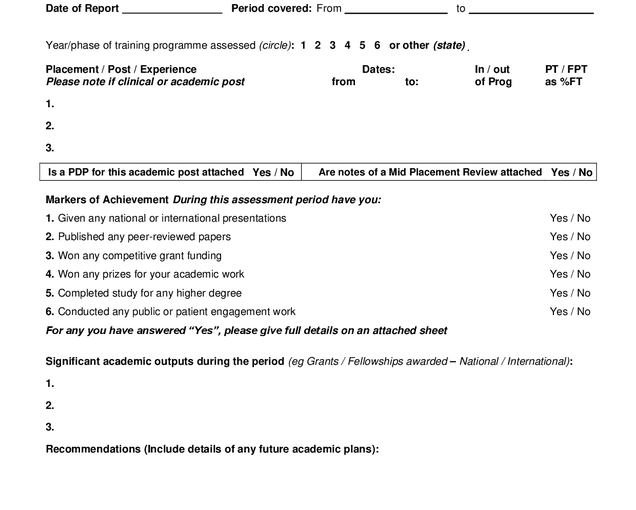
Academic Progress Report Template usage is a foundational part of effective education reporting. It provides a clear, structured way to document student performance, learning development, and academic milestones over a defined period. Whether used in formal schools or alternative learning environments, progress reporting supports transparency, accountability, and informed instructional decisions.
Educators rely on consistent reporting formats to communicate student growth clearly to parents, administrators, and learners themselves. A standardized academic progress report removes ambiguity and ensures learning outcomes are documented accurately and objectively.
What Is an Academic Progress Report?
An Academic Progress Report is a structured document used to record and communicate a student’s academic performance, learning progress, and areas for improvement. It provides a consistent framework for evaluating progress against curriculum goals or learning objectives.
This type of report is commonly used in:
- Elementary and secondary schools
- Homeschool programs
- Tutoring and enrichment programs
- Special education settings
- Academic intervention programs
By standardizing reporting, educators ensure progress is measured and communicated fairly across students and grade levels.
Why Academic Progress Reporting Matters


Academic progress reporting goes beyond grades. It captures how students are developing skills, understanding concepts, and engaging with learning materials.
A well-designed Academic Progress Report helps educators:
- Track learning growth over time
- Identify strengths and learning gaps
- Support instructional planning
- Communicate progress clearly to parents
- Encourage student accountability and motivation
Consistent reporting strengthens the connection between instruction, assessment, and student outcomes.
Core Components of an Effective Academic Progress Report
Although formats vary by grade level and learning environment, effective academic progress reports share several essential components.
Student Information
Includes the student’s name, grade level, reporting period, and subject areas covered.
Academic Performance Summary
An overview of progress in key subjects or learning domains.
Skill Development and Learning Objectives
Assessment of how well the student meets curriculum standards or learning goals.
Teacher Observations
Objective comments on learning behaviors, participation, and academic engagement.
Areas for Improvement
Specific skills or topics requiring additional support or practice.
Recommendations and Next Steps
Suggested strategies to support continued academic growth.
A structured Academic Progress Report ensures these elements are presented clearly and consistently.
Common Types of Academic Progress Report Templates
Academic progress reporting adapts to different educational contexts. Below are the most widely used formats.
Student Progress Report Template for Individual Learning Evaluation


A Student Progress Report Template for Comprehensive Academic Tracking focuses on individual student performance across subjects.
It is commonly used to:
- Evaluate learning progress over a term
- Document mastery of academic skills
- Support parent-teacher communication
This format emphasizes clarity, balance, and individualized feedback.
Homeschool Progress Report Template for Flexible Learning Environments


A Homeschool Progress Report Template for Personalized Education Tracking supports non-traditional learning structures.
It typically includes:
- Customized learning objectives
- Subject-based progress summaries
- Skill development narratives
This template allows homeschooling educators to document progress while maintaining flexibility.
Elementary Progress Report Template for Early Learning Assessment


An Elementary Progress Report Template for Foundational Skill Development focuses on early academic and behavioral milestones.
It often emphasizes:
- Reading and literacy development
- Numeracy and problem-solving skills
- Social and classroom behaviors
Clear, age-appropriate language is critical in this format.
Get also: Elementary School Book Report Template
Academic Benefits of Using Standardized Progress Report Templates
Standardized academic reporting offers meaningful benefits to educators, students, and families.
Consistency Across Classrooms
Templates ensure students are evaluated using consistent criteria.
Clear Communication
Structured reports make academic performance easier to understand.
Early Identification of Learning Gaps
Regular reporting highlights areas needing support.
Improved Instructional Planning
Teachers can adjust instruction based on documented progress.
A reliable Academic Progress Report Template strengthens the overall learning process.
Who Uses the Academic Progress Report?
Academic progress reports are used by a range of educational stakeholders.
Common users include:
- Teachers and instructors
- School administrators
- Homeschool educators
- Tutors and academic coaches
- Parents and guardians
Each group relies on accurate reporting to support student success.
Adapting Academic Progress Reports to Different Education Levels
Academic progress reporting should reflect the learner’s stage of development.
Early Childhood and Elementary Education
Focus on foundational skills, growth indicators, and learning habits.
Middle and Secondary Education
Emphasize subject mastery, academic rigor, and performance trends.
Alternative and Homeschool Settings
Highlight individualized learning paths and flexible assessment criteria.
A flexible Academic Progress Report Template allows adaptation without losing consistency.
Common Mistakes in Academic Progress Reporting
Even well-designed templates can be undermined by poor reporting practices.
Common mistakes include:
- Using vague or generic comments
- Focusing only on grades without context
- Overlooking skill development
- Inconsistent evaluation criteria
- Delayed reporting
Effective templates encourage objective, timely, and meaningful feedback.
Best Practices for Writing Clear Academic Progress Reports
To improve report quality:
- Use clear, objective language
- Align comments with learning objectives
- Highlight both strengths and challenges
- Provide actionable recommendations
- Maintain consistency across reporting periods
These practices enhance the value of every Academic Progress Report Template used.
Academic Progress Reporting and Parent Communication
Progress reports serve as a key communication tool between educators and families. Clear reporting helps parents understand:
- How their child is performing academically
- Where support may be needed
- How can they reinforce learning at home
Consistent reporting builds trust and collaboration.
Using Academic Progress Reports to Support Student Growth
Academic progress reports should inform action, not just record outcomes.
When reviewed regularly, reports help:
- Guide instructional adjustments
- Support intervention planning
- Encourage student goal setting
- Track improvement over time
Historical reports provide valuable insight into learning development.
Integrating Academic Progress Reporting into School Systems
Academic progress reporting works best when embedded into routine educational processes.
This includes:
- Scheduled reporting cycles
- Clear evaluation criteria
- Review and feedback protocols
- Administrative oversight
A standardized Academic Progress Report ensures alignment across classrooms and programs.
Digital vs. Paper-Based Academic Progress Report Templates
Both formats remain relevant depending on institutional needs.
Digital Templates
- Easier data management
- Faster sharing with families
- Improved record storage
Paper-Based Templates
- Simple and accessible
- Useful in low-tech environments
- Familiar with early-grade settings
Many institutions use a hybrid approach.
Choosing the Right Academic Progress Report Template
The best template depends on:
- Student age and grade level
- Curriculum requirements
- Learning environment
- Reporting audience
An effective Academic Progress Report Template balances clarity, detail, and usability.
Conclusion
An Academic Progress Report Template is an essential academic tool for documenting student learning with clarity, consistency, and purpose. Whether using a Student Progress Report Template for Individual Learning Evaluation, a Homeschool Progress Report Template for Flexible Education Tracking, or an Elementary Progress Report Template for Early Learning Assessment, structured reporting strengthens instructional quality and communication.
By supporting informed teaching, engaged families, and motivated learners, academic progress reports play a vital role in student success.