
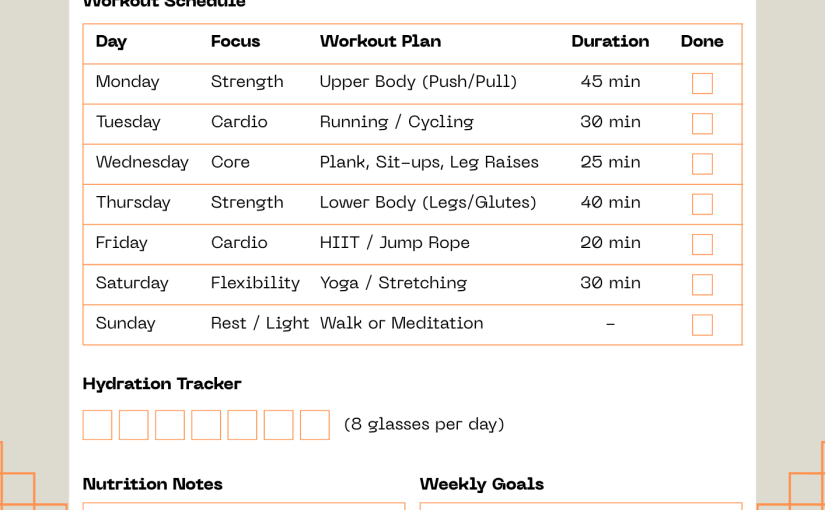
A weekly workout plan template is one of the simplest yet most powerful tools to keep your fitness routine consistent and effective. Instead of guessing what to do every day, a structured weekly plan helps you stay focused, organized, and aligned with your fitness goals.
Whether you’re a beginner trying to build a habit or someone experienced looking to optimize performance, using a weekly workout planner template can dramatically improve your results. It gives you a clear roadmap for the week, helping you balance workouts, recovery, and progression.
In this guide, you’ll learn how to use a workout weekly plan template, explore different formats, including a weekly workout schedule, and discover how to create a plan that actually works.
What Is a Weekly Workout Plan?

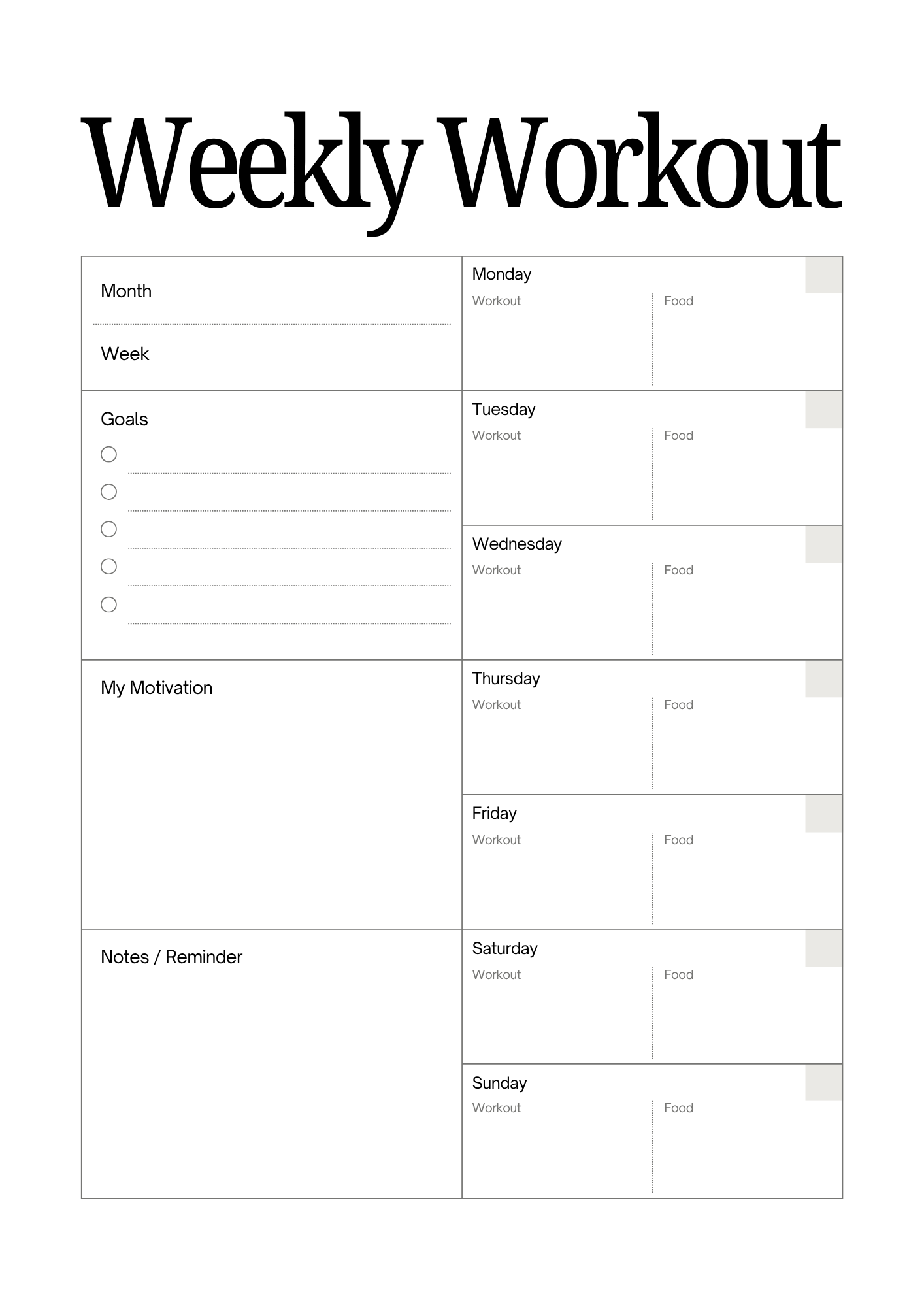
A weekly workout plan is a structured layout that helps you organize your workouts across seven days. It allows you to plan each session in advance, including exercises, intensity, and rest days.
Most templates include:
- Daily workout schedule
- Exercise focus (strength, cardio, etc.)
- Sets, reps, or duration
- Notes or progress tracking
Using a weekly plan template ensures that your workouts are balanced and aligned with your goals.
Why You Should Use a Weekly Workout Plan
Many people struggle with consistency because they don’t have a clear plan. A weekly workout plan eliminates that problem.
1. Builds Consistency
Planning your workouts for the week makes it easier to stick to your routine.
2. Saves Time
You don’t have to think about what to do each day. Just follow your schedule.
3. Improves Results
A structured weekly workout planner ensures that all muscle groups are trained properly and recovery time is included.
4. Prevents Overtraining
A good plan includes rest days, which are essential for recovery and performance.
5. Tracks Progress
Using a weekly workout schedule allows you to monitor your performance and make improvements.
Key Components of an Effective Weekly Workout Plan
To get the best results, your weekly workout plan template should include the following elements.
1. Workout Goals
Start by defining your goal:
- Weight loss
- Muscle gain
- Endurance
- General fitness
Your goal determines your entire weekly structure.
2. Weekly Schedule
This is the core of your plan. Assign workouts to each day of the week.
Example:
- Monday: Upper body
- Tuesday: Cardio
- Wednesday: Lower body
- Thursday: Rest
- Friday: Full body
- Saturday: Cardio
- Sunday: Rest
3. Exercise Details
Each workout session should include:
- Exercise names
- Sets and reps
- Duration
- Intensity level
4. Rest and Recovery
Rest days are just as important as workout days. A good weekly workout planner always includes recovery time.
5. Progress Tracking
Track metrics such as:
- Completed workouts
- Energy levels
- Strength improvements
Types of Weekly Workout Plan Templates
There are several variations of a weekly workout plan template, depending on your needs.
1. Basic Weekly Workout Template
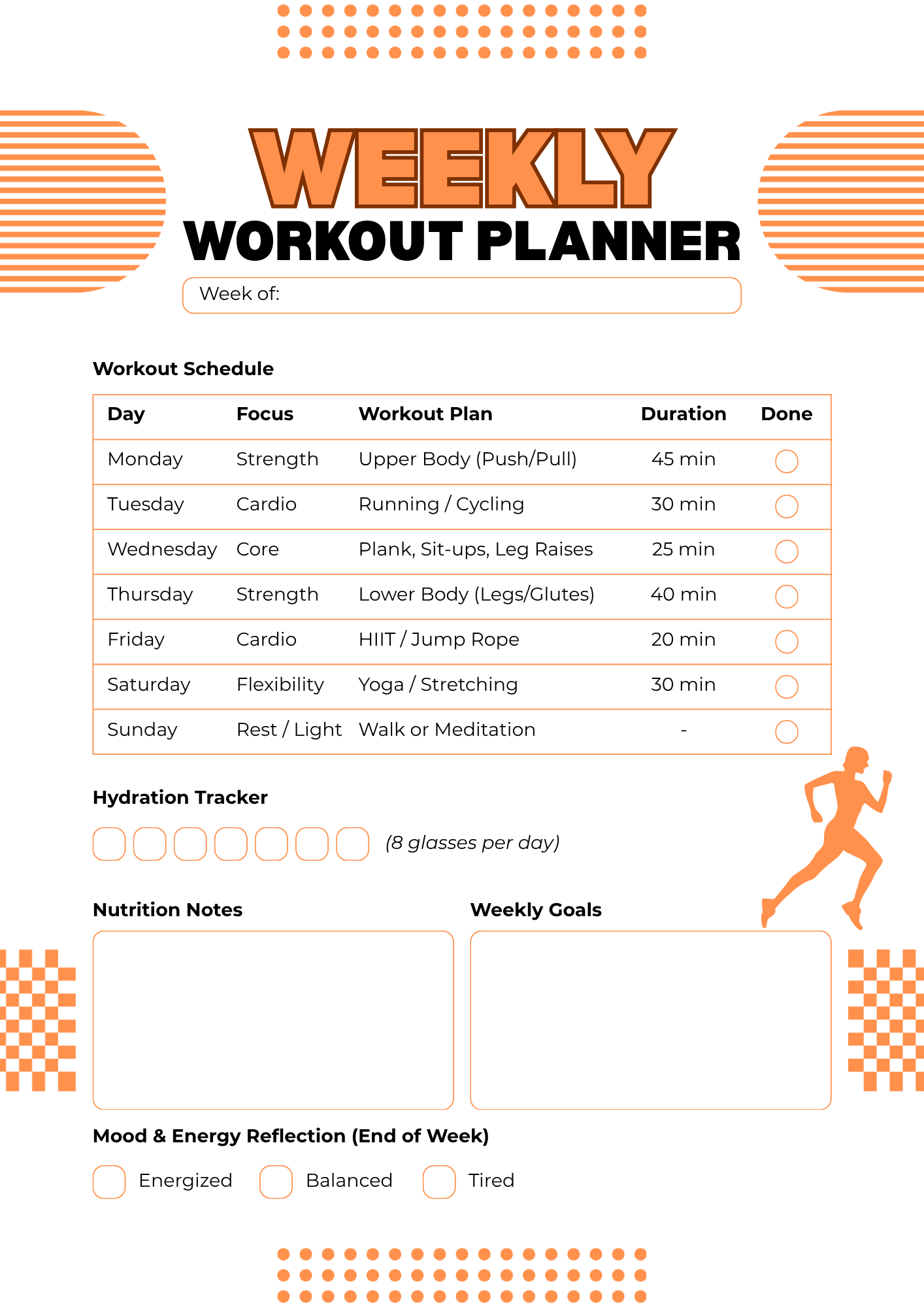
This is a simple layout with daily workout planning.
Perfect for beginners who need a straightforward plan.
2. Free Weekly Workout Schedule Template

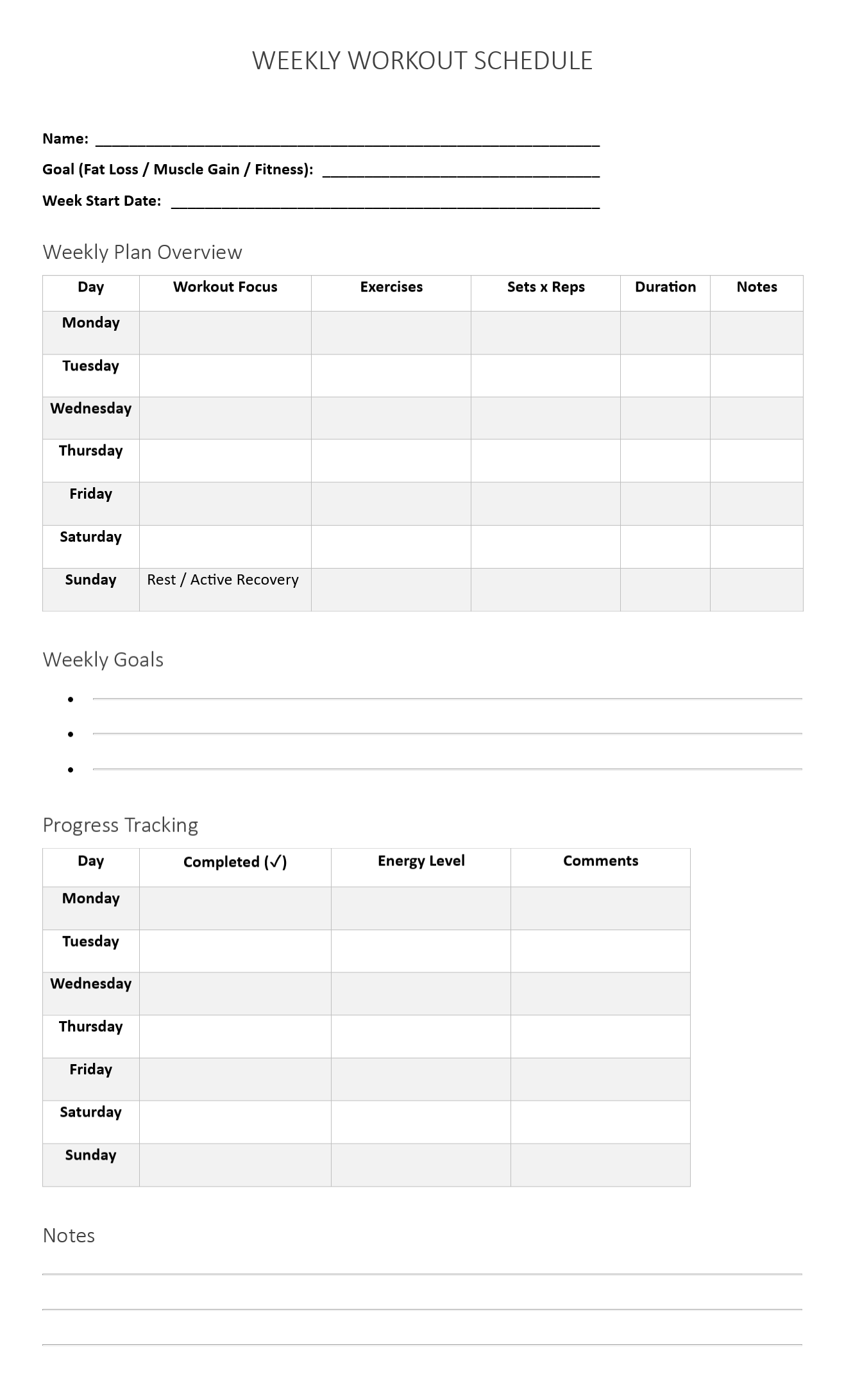
A free weekly workout schedule template is ideal for those who want a ready-to-use format.
It usually includes:
- Pre-structured tables
- Easy-to-fill sections
- Printable format
3. Weekly Workout Planner Template
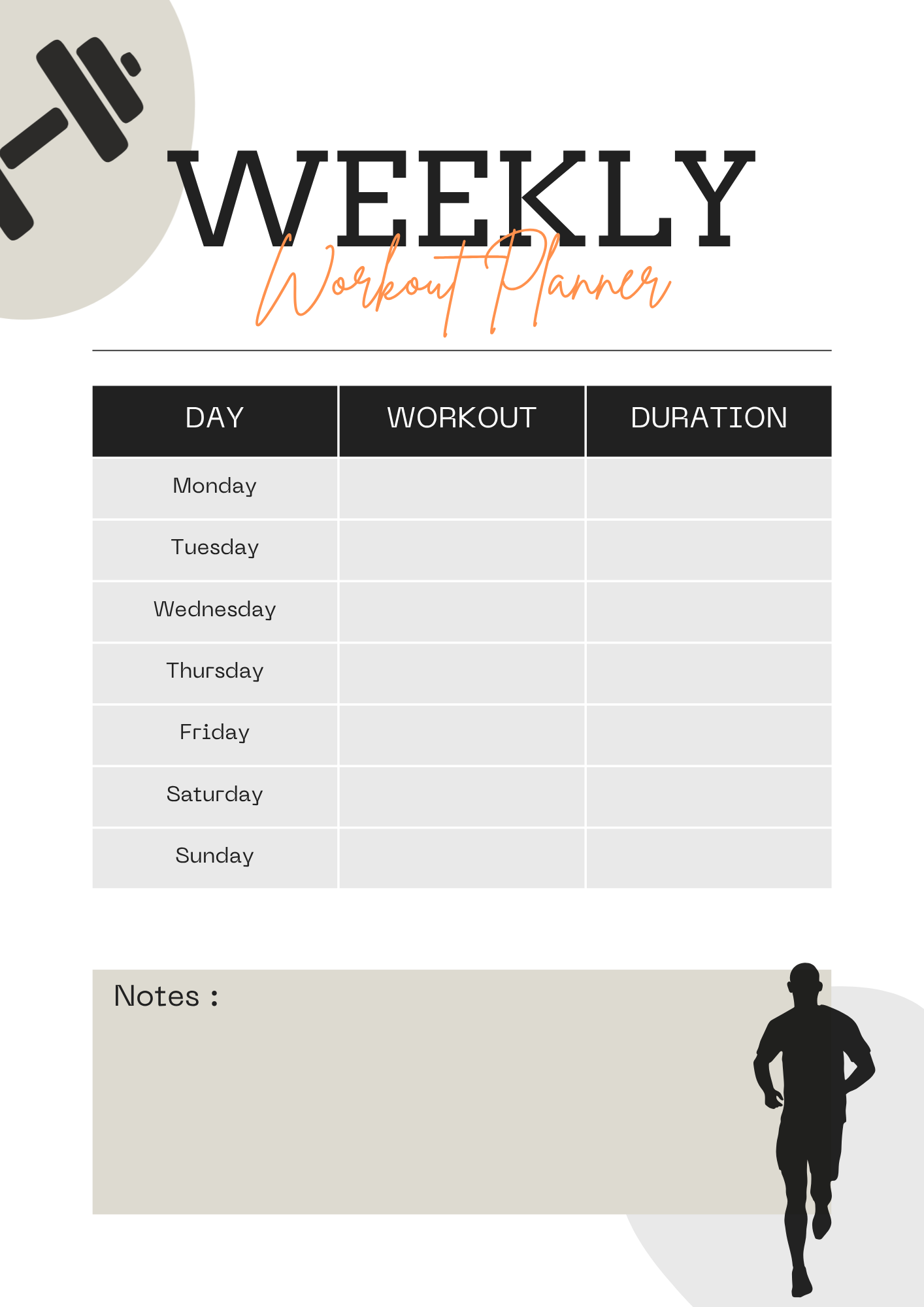
A workout planner template provides more detailed tracking.
It may include:
- Exercise breakdown
- Notes section
- Progress tracking
Get also: Monthly Workout Plan Template
4. Workout Weekly Plan Template for Gym
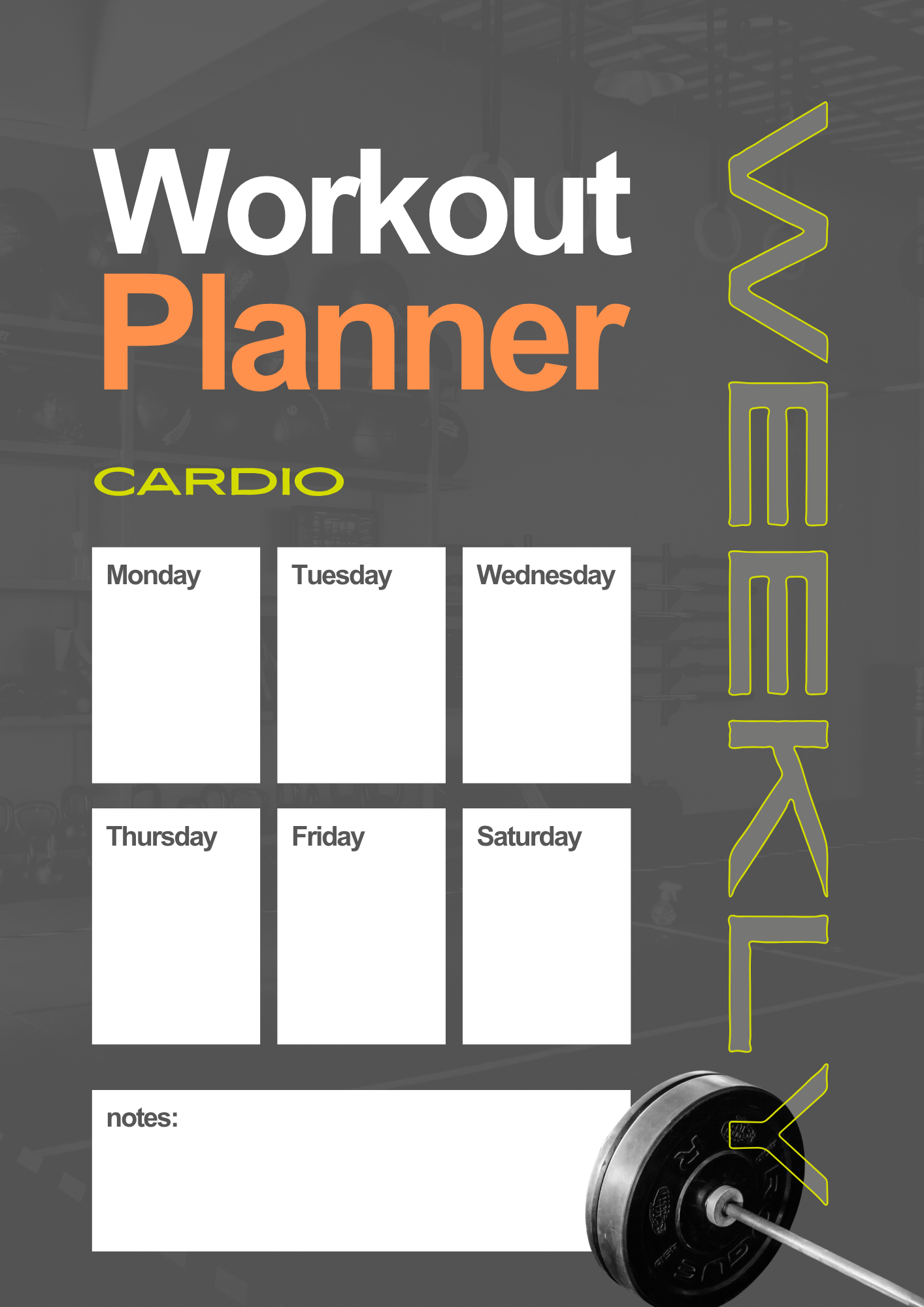
This type focuses on structured training:
- Strength training splits
- Equipment-based exercises
- Progressive overload
Get also: Daily Workout Plan Template
5. Home Workout Weekly Plan Template

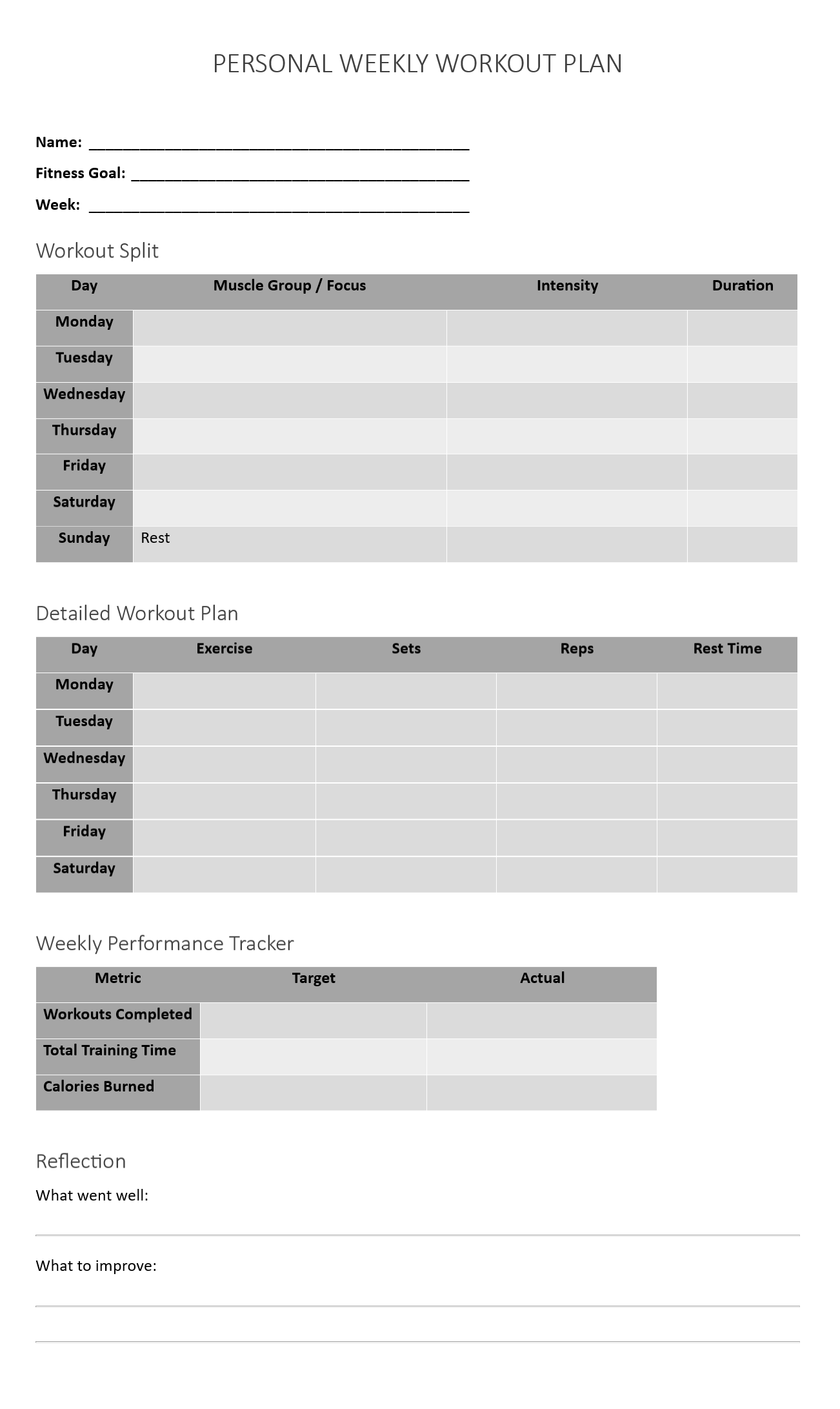
Designed for people who work out at home:
- Bodyweight exercises
- Minimal equipment
- Flexible routines
How to Create a Weekly Workout Plan That Works
Creating an effective weekly workout plan template is easier than you think.
Step 1: Define Your Goal
Be specific about what you want to achieve.
Step 2: Choose Training Days
Decide how many days per week you will work out.
Step 3: Plan Workout Types
Balance your routine with:
- Strength training
- Cardio
- Mobility or stretching
Step 4: Schedule Rest Days
Rest is essential for recovery and long-term success.
Step 5: Track and Adjust
Use your weekly workout planning to track progress and make improvements.
Best Practices for Using a Weekly Workout Plan Template
To maximize results, follow these best practices.
Stay Consistent
Consistency is more important than intensity.
Start Simple
Don’t overcomplicate your plan, especially at the beginning.
Focus on Progress
Track improvements instead of aiming for perfection.
Combine with Nutrition
Pair your workouts with proper nutrition for better results.
Listen to Your Body
Adjust your plan if needed to avoid injury or burnout.
Common Mistakes to Avoid
Even with a structured weekly workout plan template, mistakes can happen.
Skipping Workouts
Missing sessions breaks consistency and slows progress.
Overtraining
Too much exercise without rest can lead to fatigue and injury.
Lack of Planning
Without a proper workout plan, workouts can become random and ineffective.
Ignoring Recovery
Recovery is essential for muscle growth and performance.
How to Stay Consistent With Your Weekly Fitness Routine
Consistency is often the biggest challenge in any fitness journey. Even with a well-structured plan, many people struggle to follow through week after week. The key is not just having a plan, but knowing how to stick to it.
One effective strategy is to treat your workouts like important appointments. Schedule them at specific times and avoid skipping them unless absolutely necessary. When workouts become part of your routine, they require less mental effort and discipline.
Another helpful approach is to prepare everything in advance. Lay out your workout clothes, prepare your meals, and decide on your exercises the day before. This reduces friction and makes it easier to start your workout without hesitation.
Motivation also plays a role, but relying on motivation alone is not enough. Building habits is far more reliable. Start small, stay consistent, and gradually increase the intensity of your workouts over time.
Conclusion
A well-designed weekly workout plan template is the foundation of a successful fitness routine. It helps you stay organized, consistent, and focused on your goals.
Whether you use a free weekly workout schedule template, a detailed weekly workout planner template, or a structured workout weekly plan template, having a clear plan makes all the difference.
By following a weekly structure, tracking your progress, and staying consistent, you can achieve better results and build a sustainable fitness lifestyle.