
Managing diabetes requires consistency, planning, and clarity. A well-structured Diabetes Meal Plan Template can help simplify daily food decisions, balance blood sugar levels, and support long-term health goals. Whether you are newly diagnosed or have been managing diabetes for years, having a clear plan makes meal preparation more organized and less stressful.
This guide explains how to use a Diabetes Meal Plan Template effectively, what to include in it, and how a Diabetic Diet Meal Plan Free Printable can help you stay on track. You’ll also learn how to customize a Diabetic Meal Plan Template for different needs, including type 1, type 2, gestational diabetes, or prediabetes.
Why You Need a Diabetes Meal Planner
Living with diabetes means paying close attention to:
- Carbohydrate intake
- Portion sizes
- Meal timing
- Blood glucose patterns
- Nutrient balance
Without a structured plan, it’s easy to rely on guesswork. A Meal Plan Template provides a visual and practical system to:
- Organize meals for the week
- Monitor carbohydrate distribution
- Track blood sugar responses
- Prevent impulsive eating
- Reduce stress around food choices
Meal planning also improves consistency, which is one of the most important factors in maintaining stable blood glucose levels.
What Is a Diabetes Meal Plan?

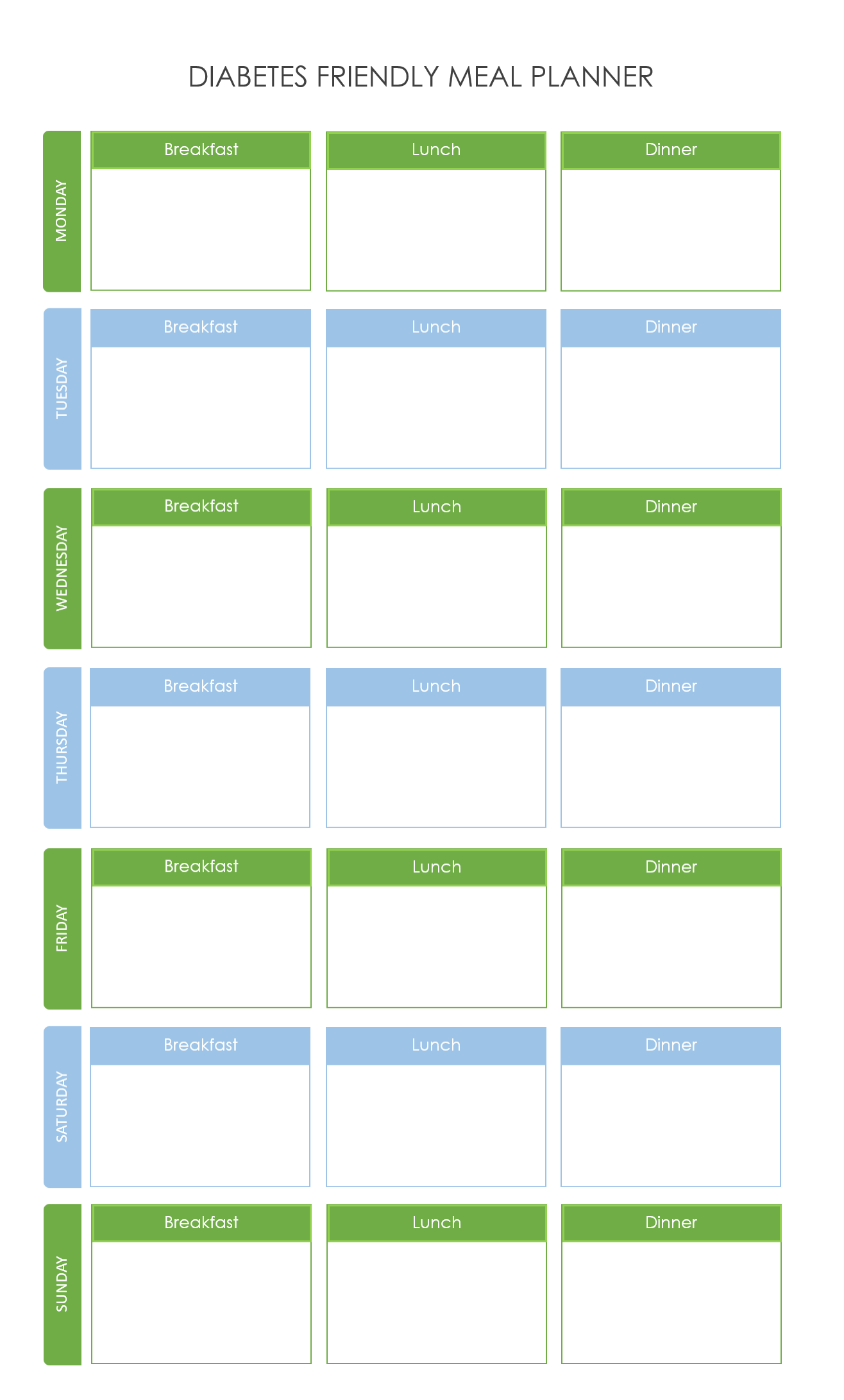
A Diabetes Meal Planner is a structured document designed to help individuals organize meals according to diabetes-friendly guidelines. It typically includes sections for:
- Breakfast
- Lunch
- Dinner
- Snacks
- Carbohydrate count
- Portion sizes
- Blood sugar tracking
- Notes or adjustments
Some templates are daily planners, while others are weekly planners. A Diabetic Meal Plan Template may also include space for grocery planning or calorie tracking.
When formatted clearly, it becomes a powerful daily management tool.
Key Components of an Effective Diabetic Meal Plan Template
To make your Diabetes Meal Plan practical and easy to use, include the following elements:
1. Meal Sections (Breakfast, Lunch, Dinner, Snacks)
Each meal should have a designated space to write:
- Main dish
- Side dishes
- Beverage
- Portion size
This ensures balanced plate composition.
2. Carbohydrate Tracking Column
Carbohydrate management is central to diabetes care. Your Diet Meal Plan Free Printable should include:
- Estimated carb grams per meal
- Total carbs per day
- Fiber intake (optional)
This helps prevent blood sugar spikes.
3. Protein & Healthy Fats Indicator
Protein and healthy fats help stabilize blood sugar. Including a column to check off protein sources (e.g., lean meats, tofu, eggs, legumes) can improve meal balance.
4. Blood Sugar Log
Adding space to record:
- Fasting blood sugar
- Pre-meal glucose
- Post-meal glucose
This makes your Diabetes Meal Plan Template not just a food planner, but also a monitoring tool.
5. Grocery List Section
A practical Diabetic Meal Plan often includes:
- Weekly grocery checklist
- Pantry inventory
- Fresh produce list
- Lean protein list
This supports healthier shopping habits.
Daily vs Weekly Diabetes Meal Plan Template
Daily Template
Best for:
- Newly diagnosed individuals
- People adjusting medication
- Those closely monitoring glucose
A Daily Meal Plan Template allows detailed tracking and reflection.
Weekly Template
Best for:
- Meal prepping
- Busy professionals
- Families managing shared meals
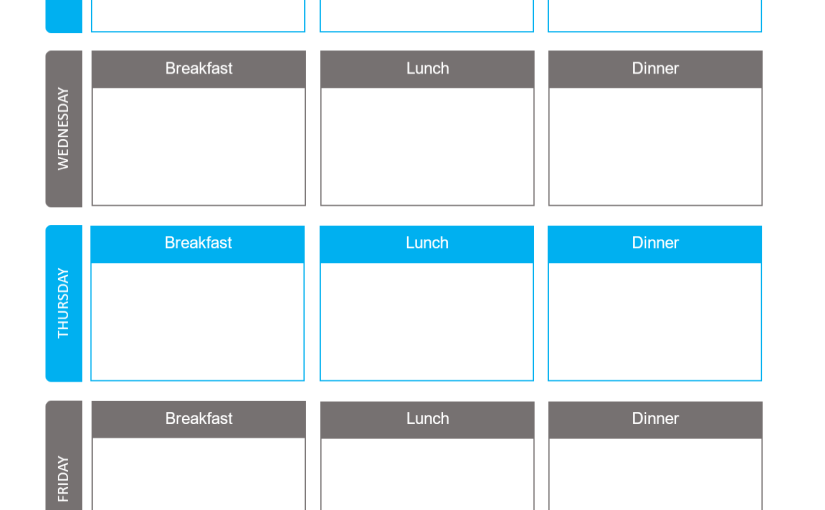
A Weekly Diet Meal Plan Free Printable helps organize seven days of meals at once and reduces last-minute decisions.
Sample Structure of a Diabetes Meal Plan
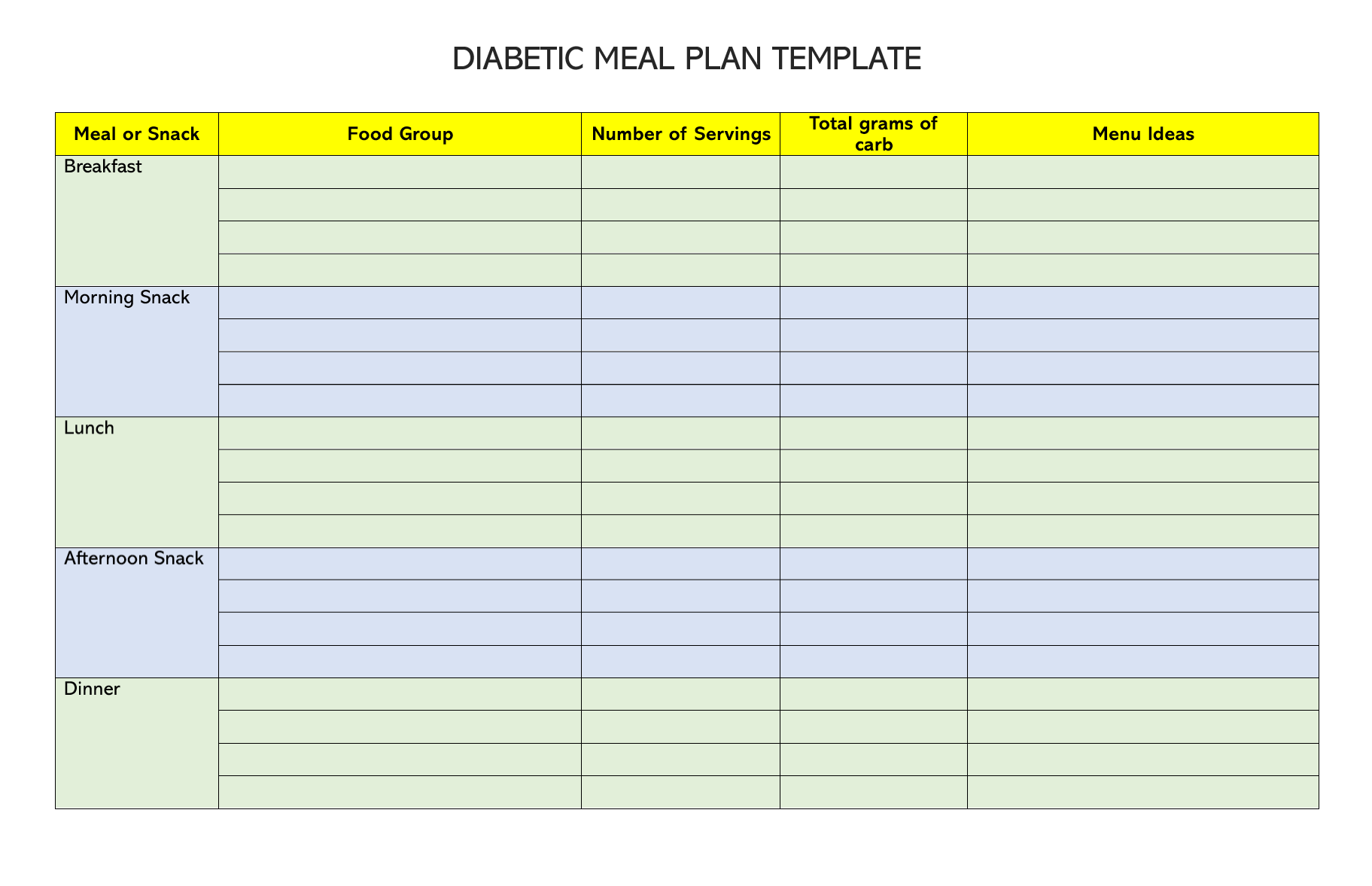
Here is a common structure used in many Diabetes Meal Plan designs:
Header Section
- Name
- Date / Week
- Blood glucose target range
Daily Grid Layout
- Breakfast | Carb Count | Notes
- Snack | Carb Count | Notes
- Lunch | Carb Count | Notes
- Snack | Carb Count | Notes
- Dinner | Carb Count | Notes
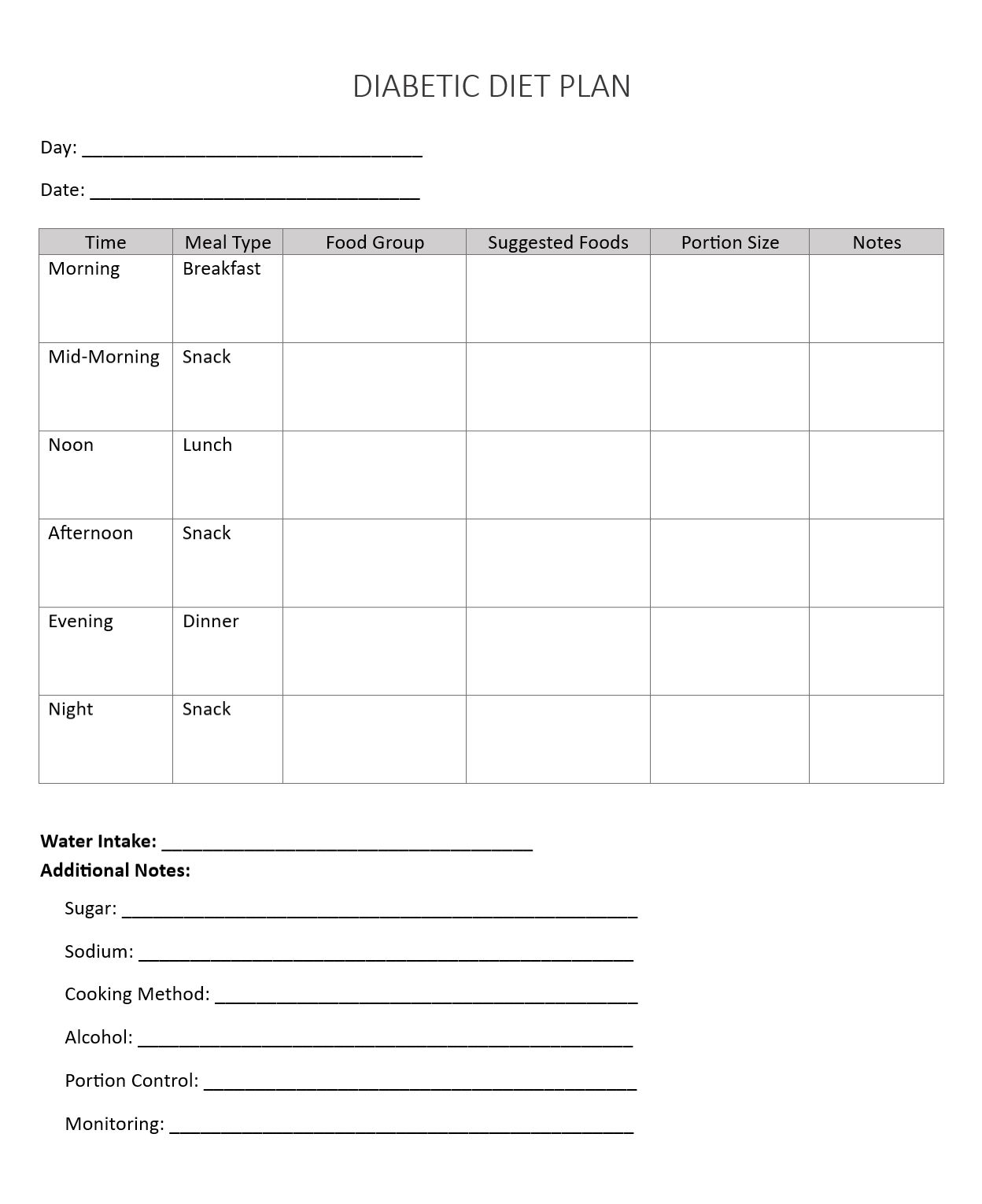
Tracking Section
- Total daily carbs
- Water intake
- Exercise notes
This format keeps everything clear and systematic.
How to Customize a Diabetic Meal Plan Template

Not every person with diabetes has the same dietary needs. Customization is key.
For Type 1 Diabetes
- Include insulin dosage tracking
- Add carb-to-insulin ratio notes
- Record correction factors
For Type 2 Diabetes
- Add weight tracking
- Include activity log
- Emphasize portion control
For Gestational Diabetes
- Include strict carb distribution
- Track fasting and 1-hour post-meal glucose
- Monitor meal timing carefully
Your Plan Template should reflect your individual medical guidance.
Foods to Include in a Diabetic Diet Meal Plan Free Printable

A balanced diabetes meal plan often includes:
Non-Starchy Vegetables
- Spinach
- Broccoli
- Zucchini
- Bell peppers
Lean Proteins
- Chicken breast
- Fish
- Eggs
- Tofu
- Beans
Whole Grains (Controlled Portions)
- Brown rice
- Quinoa
- Whole wheat bread
Healthy Fats
- Avocado
- Olive oil
- Nuts
These food groups should be reflected in your Diabetic Meal Plan Template to ensure balanced nutrition.
Foods to Limit or Monitor
Your template should also help you monitor:
- Refined sugars
- Sugary beverages
- Processed snacks
- White bread and pastries
- High-sodium packaged foods
Having these listed as reminders inside your template can help reinforce healthier decisions.
Benefits of Using a Structured Diabetes Meal Plan Template
Using a consistent system offers several advantages:
1. Improved Blood Sugar Stability
Planning reduces unexpected carb overload.
2. Reduced Food Anxiety
Knowing what you will eat removes daily uncertainty.
3. Better Portion Awareness
Writing meals down encourages mindful serving sizes.
4. Enhanced Accountability
Tracking makes patterns visible and actionable.
5. Easier Communication with Healthcare Providers
A completed Diabetic Meal Planner provides clear data during medical appointments.
How Often Should You Update Your Diabetic Meal Plan?
It depends on your health goals:
- Weekly updates for general management
- Daily updates during medication adjustments
- Monthly revisions if dietary goals change
Keeping your Diabetic Meal Plan current ensures it remains useful and accurate.
Printable vs Digital Diabetes Meal Plan Template
Printable Format
- Easy to write on
- Visible on the refrigerator or the kitchen wall
- Encourages manual reflection
Digital Format
- Editable
- Easy to duplicate weekly
- Convenient for tracking data
Both formats of a Diabetic Diet Meal Plan Free Printable can be effective, depending on personal preference.
Tips for Successful Diabetes Meal Planning
- Plan meals at the same time each week.
- Prep ingredients in advance.
- Keep healthy snacks accessible.
- Monitor portion sizes carefully.
- Review blood sugar trends weekly.
A structured Diabetic Meal Plan Template makes these habits easier to maintain.
Common Mistakes to Avoid
Even with a Diabetes Meal Plan Template, some mistakes can occur:
- Ignoring carb counts
- Skipping meals
- Not tracking blood sugar
- Overestimating portion sizes
- Failing to adjust for physical activity
Regular review of your plan helps correct these issues.
How a Diabetes Meal Plan Supports Long-Term Health
Consistent meal planning can help reduce the risk of:
- Blood sugar spikes
- Hypoglycemia episodes
- Weight gain
- Cardiovascular complications
- Poor dietary patterns
Over time, a well-used Diabetic Diet Meal Plan Free Printable becomes part of a sustainable lifestyle.
Who Can Benefit from a Diabetic Meal Plan Template?
This structured planning tool is useful for:
- Individuals with type 1 diabetes
- Individuals with type 2 diabetes
- People with prediabetes
- Pregnant women with gestational diabetes
- Caregivers managing diabetic family members
A Diabetes Meal Plan Template is adaptable to various care settings and personal goals.
Final Thoughts
Managing diabetes does not have to feel overwhelming. A clear and structured Diabetes Meal Plan Template provides organization, consistency, and confidence in daily food choices. Whether you prefer a daily tracker or a weekly overview, using a Diabetic Meal Plan Template helps simplify decision-making and support blood sugar control.
If you prefer a ready-to-use format, a Diabetic Diet Meal Plan Free Printable can make implementation even easier. With consistent use, thoughtful tracking, and mindful adjustments, meal planning becomes a powerful tool in long-term diabetes management.
Taking time to plan today can lead to better health outcomes tomorrow.