
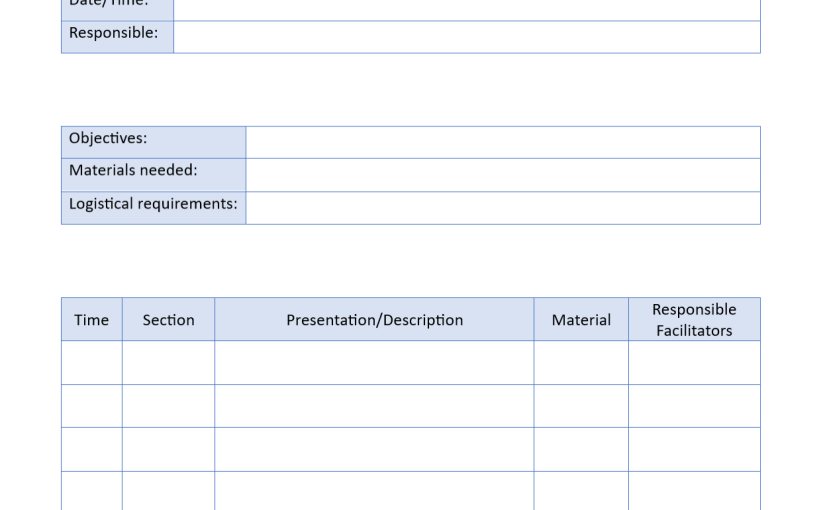
A training plan template is one of the most powerful tools organizations can use to build a skilled, efficient, and future-ready workforce. Whether you manage a small team or an entire department, having a clear structure for employee training ensures that development goals are organized, measurable, and aligned with business objectives.
Without a proper training framework, employee development often becomes inconsistent. Some employees receive excellent training while others are left figuring things out on their own. A well-designed training planner template eliminates this issue by creating a repeatable system for onboarding, skill development, and performance improvement.
In this guide, you will learn how a training plan template works, why businesses rely on it, and how to use different types, such as a training action plan template or an employee training plan template, to build an effective development strategy.
What Is a Training Plan?
A training plan is a structured document that outlines how employee training will be organized, delivered, and evaluated. It provides a clear framework that managers and HR teams can use to plan training activities efficiently.
Typically, a training plan template includes several important components:
- Training objectives
- Skills or competencies to be developed
- Training methods or activities
- Timeline and schedule
- Responsible trainer or manager
- Evaluation and progress tracking
By using a template, organizations can standardize training programs and ensure every employee receives consistent guidance.
For example, when a company hires a new employee, a structured employee training plan format helps managers document the onboarding schedule, required courses, and milestones for skill development.
Why Businesses Use Training Plan Templates
Organizations rely on structured training plans because they improve both efficiency and learning outcomes. Instead of designing training programs from scratch every time, HR teams can reuse a training plan template to maintain consistency.
1. Improves Training Organization
A structured template ensures every training activity is planned clearly. Managers can see what training needs to be delivered, who is responsible, and when it should happen.
2. Supports Employee Skill Development
Employees learn faster when training is organized. A well-designed employee training plan template helps identify skill gaps and plan training activities that address them directly.
3. Ensures Accountability
A training plan makes it easier to track responsibilities. Managers, trainers, and employees all know their roles in the learning process.
4. Tracks Progress and Performance
Templates allow organizations to monitor training results. By using a training action plan template, companies can measure progress and determine whether training goals have been achieved.
5. Saves Time for HR Teams
Instead of creating new training documents for every employee or department, HR professionals can simply reuse a standardized training plan template.
Key Elements of an Effective Training Planner


An effective training planner should include several important sections to ensure the training process runs smoothly.
Employee Information
This section includes basic details such as:
- Employee name
- Department
- Position or role
- Supervisor or manager
These details ensure the training plan is clearly assigned to the correct employee.
Training Objectives
Training objectives describe what employees should learn during the training process. Clear objectives make it easier to evaluate success.
Examples include:
- Improve product knowledge
- Learn new software systems
- Develop leadership skills
Training Activities
This section outlines how training will be delivered. Common methods include:
- Workshops
- Online courses
- Job shadowing
- Hands-on practice
- Mentoring sessions
Timeline and Schedule
A timeline helps ensure training occurs on schedule. This section typically includes:
- Start date
- Completion date
- Milestones
Trainer or Supervisor
This identifies the person responsible for guiding the employee during the training process.
Evaluation and Feedback
Finally, the training plan should include an evaluation section where managers can record performance feedback and training outcomes.
Types of Training Plan Templates
Different situations require different types of training plans. Here are several popular formats businesses use.
1. Employee Training Plan Template

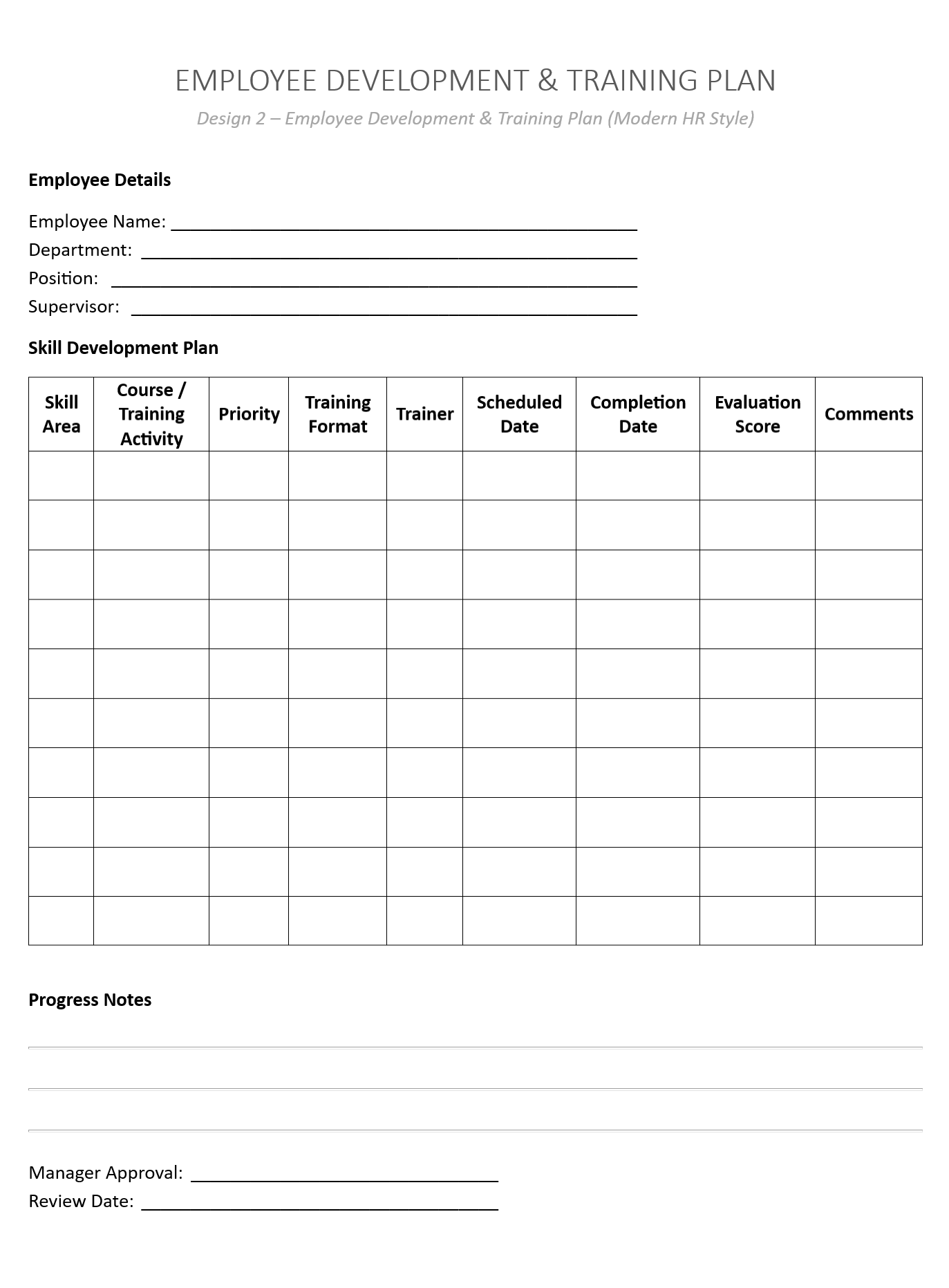
An employee training plan template is designed specifically for individual staff members. It focuses on building the skills required for a specific role.
This template usually includes:
- Job-specific skills
- Required certifications
- Training sessions
- Evaluation results
It is commonly used during onboarding or employee development programs.
2. Training Action Plan Template

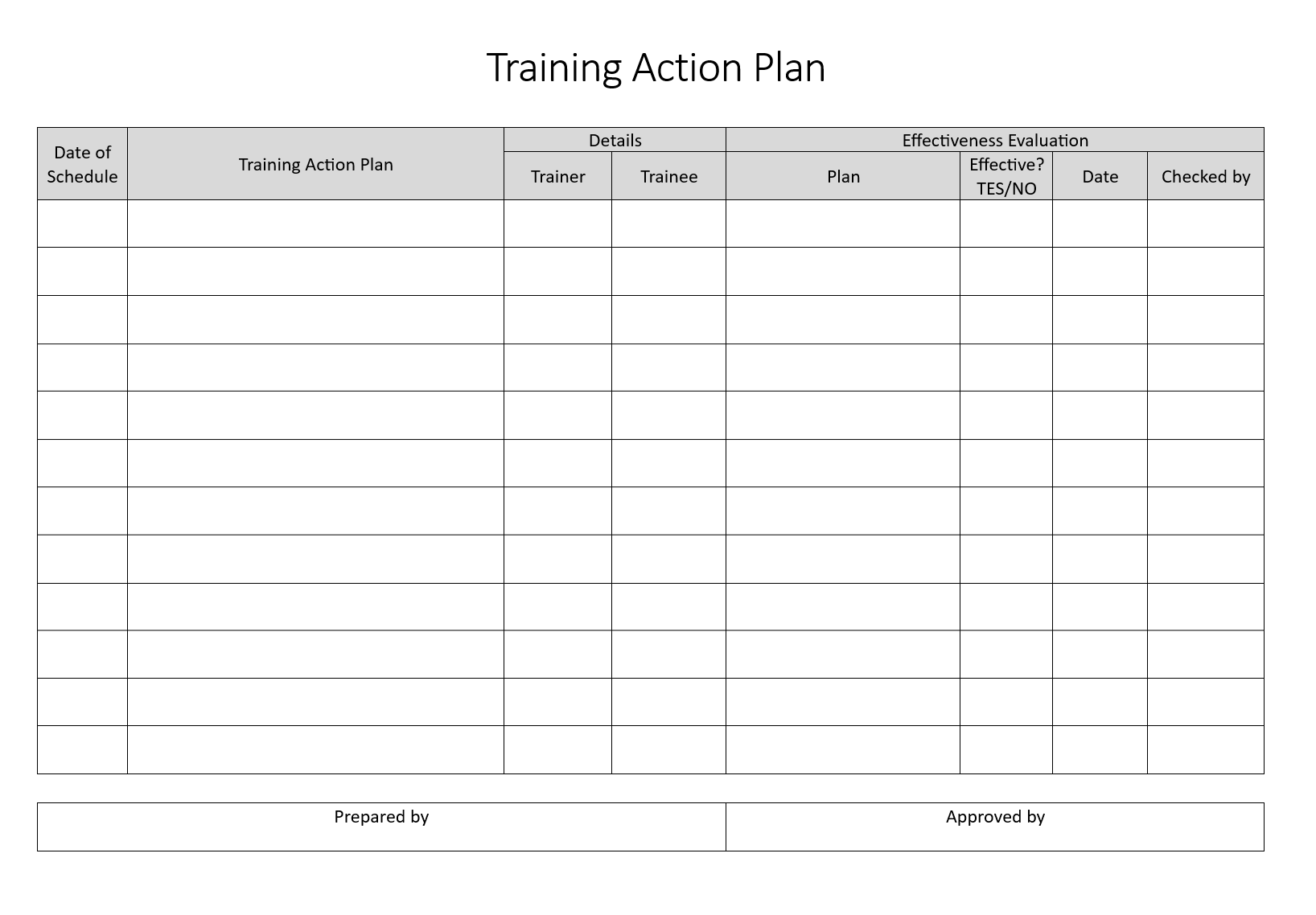
A training action plan template is more goal-oriented. Instead of simply listing training activities, it focuses on actionable steps required to achieve learning objectives.
Key components typically include:
- Training goals
- Action steps
- Responsible person
- Deadlines
- Success indicators
This type of template is often used for performance improvement programs.
3. Onboarding Training Plan Template
This template helps organizations train new hires efficiently. It outlines what new employees need to learn during their first weeks or months in the company.
Typical onboarding training topics include:
- Company policies
- Workplace procedures
- Tools and software
- Role-specific tasks
Using a structured onboarding training plan ensures new employees adapt faster to their roles.
4. Department Training Plan Template
Sometimes training needs apply to entire teams rather than individuals. A department training plan template helps managers organize training programs for multiple employees.
Examples include:
- Sales training programs
- Customer service workshops
- Technical training sessions
This format is useful for companies that want to standardize training across departments.
5. Leadership Development Training Plan
Leadership training focuses on preparing employees for managerial roles. These templates typically include activities such as:
- Leadership workshops
- Strategic planning exercises
- Communication training
- Conflict resolution training
Many organizations use leadership training plans to build a strong internal management pipeline.
6. Skills Development Training Plan
A skills development plan focuses on improving specific competencies required for job performance.
For example:
- Data analysis training
- Project management skills
- Technical certification programs
This type of training planner template helps employees stay competitive in rapidly evolving industries.
7. Annual Training Plan Template
An annual training plan outlines all training activities scheduled throughout the year. HR teams often use this template to organize company-wide learning programs.
It typically includes:
- Training schedule
- Budget planning
- Employee participation
- Program evaluation
This approach helps organizations maintain continuous learning.
Get also: Free Teacher Lesson Plan Template
How to Create an Effective Training Plan
Designing a training plan does not have to be complicated. By following a structured process, organizations can build a practical and effective training strategy.
Identify Training Needs
Start by analyzing skill gaps within the organization. This can be done through performance reviews, employee feedback, or competency assessments.
Define Clear Training Goals
Every training plan should have measurable goals. These goals should be aligned with both employee career development and organizational objectives.
Choose the Right Training Methods
Different skills require different learning approaches. For example:
- Technical skills may require hands-on training
- Soft skills may benefit from workshops or mentoring
Create a Structured Schedule
A clear timeline helps ensure training activities are completed on time.
Monitor and Evaluate Results
After training is completed, evaluate whether the learning objectives were achieved. Feedback from both employees and managers can help improve future training programs.
Best Practices for Using a Training Plan Template
To get the most value from a training plan template, organizations should follow several best practices.
Keep Training Plans Flexible
Training needs may change over time. A flexible template allows managers to adjust schedules, goals, and activities when necessary.
Align Training with Business Goals
Training should support organizational priorities such as productivity, innovation, or customer satisfaction.
Encourage Employee Participation
Employees should actively participate in the training process. Encouraging feedback and discussion improves learning outcomes.
Review Training Progress Regularly
Regular check-ins help ensure employees stay on track and complete their training successfully.
Common Mistakes to Avoid
While training plans are extremely useful, several mistakes can reduce their effectiveness.
Lack of Clear Objectives
Training without clear goals often leads to wasted time and resources.
Overloading Employees with Training
Too many training sessions in a short time can overwhelm employees. Training should be balanced with regular work responsibilities.
Ignoring Feedback
Employee feedback is essential for improving training programs. Organizations should regularly collect and review feedback.
Not Tracking Results
Without evaluation, it becomes difficult to determine whether the training was successful.
Conclusion
A well-designed training plan template plays a crucial role in developing a capable and confident workforce. By providing a structured framework for learning, organizations can ensure employees receive consistent and effective training.
Whether you use an employee training plan template for onboarding new hires or a training action plan template to improve performance, structured planning makes the entire training process more efficient and measurable.
Companies that invest in clear training plans not only improve employee performance but also strengthen their long-term organizational growth. By implementing the right training plan template, businesses can build a culture of continuous learning and professional development.