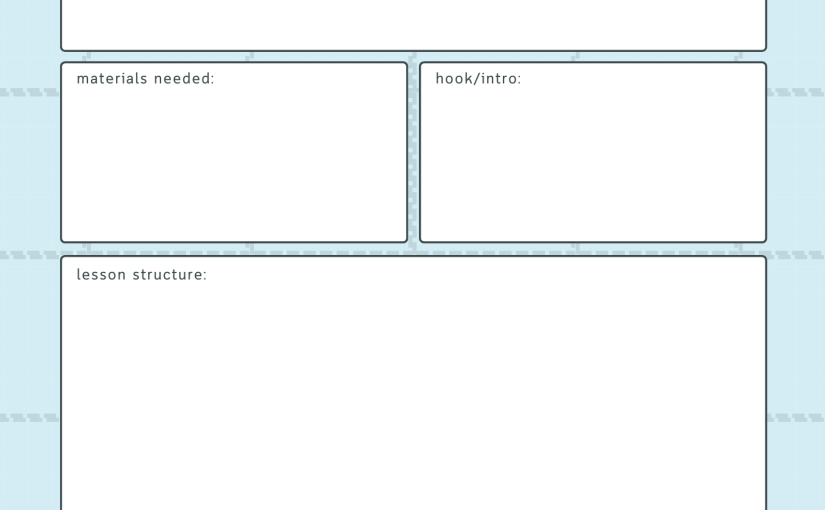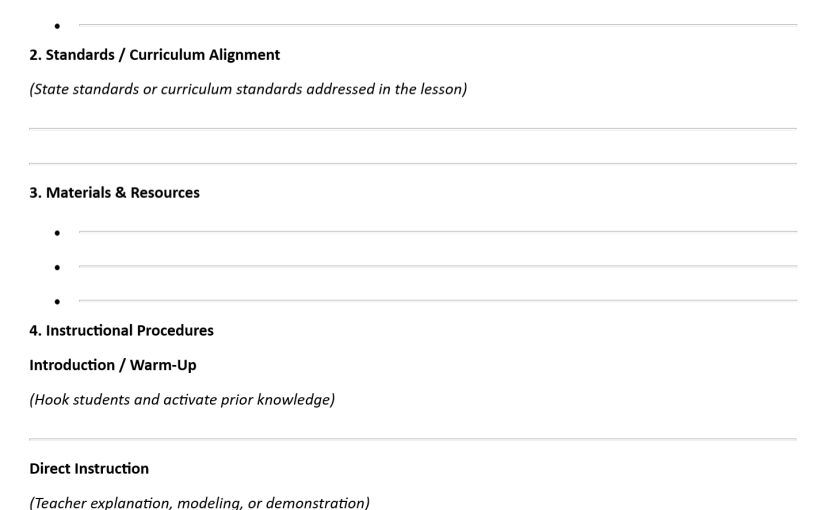
A Danielson lesson plan template helps teachers design structured, purposeful lessons that align with the widely used instructional evaluation framework developed by Charlotte Danielson. Many schools across the United States and other countries rely on this framework to evaluate teaching effectiveness and support professional growth.
When teachers prepare lessons using a Danielson model lesson plan template, they ensure that instruction meets professional teaching standards while also supporting student engagement and learning outcomes.
In this guide, you will learn how a Danielson lesson plan template works, why schools require it for evaluations, and how to create a structured Danielson aligned lesson plan template for formal observations that meets the expectations of administrators.
What Is the Danielson Lesson Plan?
A Danielson lesson plan is a structured lesson planning format designed to align with the Danielson Framework for Teaching, a widely respected teacher evaluation system.
The framework focuses on four key domains of teaching effectiveness:
- Planning and preparation
- Classroom environment
- Instruction
- Professional responsibilities
When teachers build their lessons using a Danielson framework lesson planner, they demonstrate how each lesson supports these domains.
This structured approach helps educators organize instruction clearly while ensuring their lessons meet professional teaching standards.
Why Schools Use the Danielson Framework for Lesson Planning


Many schools adopt the Danielson Framework for Teaching because it provides a comprehensive way to evaluate and improve teaching practices.
Clear Instructional Structure
A Danielson lesson plan template helps teachers organize lessons in a logical sequence—from objectives to assessment—making instruction easier to follow.
Alignment with Teacher Evaluations
Administrators often require teachers to submit a Danielson Aligned Lesson Plan Template for formal observations during classroom evaluations.
This ensures the lesson demonstrates effective planning and instructional strategies.
Improved Student Engagement
Lessons built using the Danielson model emphasize student participation, discussion, and active learning rather than passive instruction.
Professional Growth for Teachers
Using this model lesson plan template helps teachers reflect on their teaching practices and continuously improve their instructional strategies.
Key Components of a Danielson Lesson Plan Template
A well-designed Danielson lesson plan template usually includes several structured sections that align with the framework’s teaching domains.
1. Learning Objectives
Learning objectives describe what students should know or be able to do by the end of the lesson.
Strong objectives are:
- Clear and measurable
- Student-focused
- Aligned with academic standards
Example objective:
Students will analyze the main idea and supporting details in an informational text.
2. Standards Alignment
Teachers must connect lessons to required academic standards. These might include state curriculum standards or national frameworks.
This section ensures the lesson supports broader learning goals within the curriculum.
3. Materials and Resources
The materials section lists all tools needed to conduct the lesson effectively.
Examples include:
- Textbooks
- Worksheets
- Presentation slides
- Videos or digital tools
- Classroom manipulatives
Preparing these materials in advance ensures the lesson runs smoothly.
4. Instructional Procedures
Instructional procedures outline the step-by-step flow of the lesson. A typical Danielson framework lesson plan template includes several stages.
Introduction or Lesson Hook
The lesson begins by capturing student attention and connecting the topic to prior knowledge.
Examples include:
- A short discussion question
- A quick problem-solving activity
- A visual or video introduction
Direct Instruction
During this stage, the teacher explains the key concept or skill.
This might include:
- Demonstrations
- Modeling problem-solving steps
- Presenting examples
Guided Practice
Students practice the skill with teacher guidance.
This stage allows teachers to provide immediate feedback and correct misunderstandings.
Independent Practice
Students apply the concept independently to demonstrate their understanding.
This might involve worksheets, writing tasks, or project work.
Lesson Closure
Closure reinforces the main idea of the lesson and allows students to reflect on what they learned.
5. Differentiation Strategies
An essential part of the Danielson lesson plan template is differentiation. Teachers must explain how the lesson supports students with different learning needs.
Examples include:
- Simplified instructions for struggling learners
- Extension activities for advanced students
- Visual aids for English language learners
Differentiation ensures all students can access the lesson effectively.
6. Assessment Methods
Assessment helps teachers determine whether learning objectives were achieved.
Most Danielson aligned lesson plan templates for formal observations include two types of assessment.
Formative Assessment
These quick checks occur during the lesson.
Examples include:
- Exit tickets
- Question-and-answer discussions
- Short quizzes
Summative Assessment
These assessments measure learning at the end of the lesson or unit.
Examples include:
- Tests
- Essays
- Projects
Get also: 5E Lesson Plan Template Free Download
Types of Danielson Lesson Plan Templates
Teachers often adapt the teacher lesson planner template depending on the purpose of the lesson.
1. Daily Danielson Lesson Plan Template


This template is used for everyday instruction.
It typically includes:
- Lesson objectives
- Activities
- Assessment strategies
Daily templates help teachers stay organized and maintain a consistent lesson structure.
Get also: Daily Lesson Plan Template
2. Danielson Model Lesson Plan Template


A Danielson model lesson plan template is often used in professional development programs.
It demonstrates best practices aligned with the Danielson Framework for Teaching and serves as a guide for teachers learning the system.
3. Danielson Aligned Lesson Plan Template for Formal Observations


When administrators conduct classroom observations, teachers are often required to submit a structured plan.
A Danielson aligned lesson plan template for formal observations usually includes additional details such as:
- Student engagement strategies
- Differentiation plans
- Evidence of standards alignment
This ensures the lesson meets evaluation expectations.
4. Collaborative Danielson Lesson Plan Template
Some schools encourage teachers to collaborate when designing lessons.
A collaborative template allows teachers to:
- Share instructional strategies
- Coordinate lessons across subjects
- Align curriculum goals
Collaboration often leads to more creative and engaging lessons.
How to Create an Effective Danielson Lesson Plan
Creating a strong Danielson lesson plan template requires thoughtful planning and clear instructional goals.
Step 1: Identify Learning Goals
Start by defining what students should learn during the lesson. Objectives should be specific and measurable.
Step 2: Connect the Lesson to Standards
Ensure the lesson aligns with curriculum standards and school requirements.
Step 3: Plan Engaging Activities
Students learn best when they actively participate in the lesson. Include activities that encourage discussion, collaboration, and problem-solving.
Step 4: Prepare Materials in Advance
Gather all necessary materials before the lesson begins to avoid interruptions.
Step 5: Include Assessment Strategies
Plan how you will measure student understanding during and after the lesson.
Best Practices for Using a Danielson Lesson Plan Template
To maximize the effectiveness of a Danielson lesson plan template, teachers should follow several best practices.
Focus on Student Engagement
Lessons should encourage students to think critically and participate actively.
Keep Instructions Clear
Clear instructions help students understand tasks quickly and reduce confusion.
Monitor Student Understanding
Use formative assessments throughout the lesson to identify misconceptions.
Reflect After the Lesson
Teacher reflection is a key component of the Danielson framework. Reviewing what worked well and what could be improved helps refine future lessons.
Common Mistakes Teachers Should Avoid
Even experienced teachers sometimes struggle with structured lesson planning.
Here are several mistakes to avoid.
Writing Vague Objectives
Objectives should clearly describe what students will accomplish.
Ignoring Differentiation
Every classroom includes students with different learning needs. Differentiation strategies should always be included.
Overloading the Lesson
Trying to teach too many concepts in a single lesson can overwhelm students.
Skipping Reflection
Teacher reflection helps improve future lessons and should always be included in the template.
Conclusion
A well-designed Danielson lesson plan template helps teachers organize instruction, align lessons with professional teaching standards, and support meaningful student learning.
By following the principles of the Danielson Framework for Teaching, educators can create structured, engaging lessons that demonstrate effective planning and instructional strategies.
Whether you are preparing daily lessons or submitting a Danielson aligned lesson planner template, using a structured format ensures your teaching practices remain organized, professional, and aligned with modern educational standards.
When implemented consistently, the Danielson model lesson plan template becomes a powerful tool for both instructional improvement and professional development.