
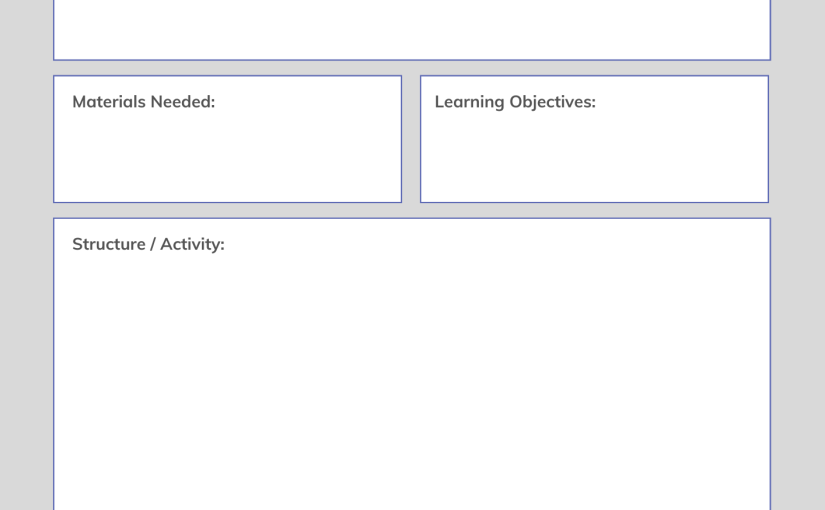
A Kindergarten Lesson Plan Template is more than just a printable form — it is the foundation of structured, engaging, and developmentally appropriate instruction in early childhood education. Kindergarten classrooms are fast-paced, energetic, and filled with diverse learning needs. Without a clear planning system, even experienced teachers can feel overwhelmed.
Whether you’re a new educator, a student teacher, or a seasoned professional refining your workflow, using a structured template can dramatically improve classroom organization, student engagement, and measurable outcomes.
In this comprehensive guide, you’ll learn how to design, customize, and effectively implement a kindergarten lesson planning system — including subject-specific variations like math and reading.
Why a Kindergarten Lesson Plan Template Is Essential
Kindergarten students are at a critical developmental stage. They are:
- Learning foundational literacy and numeracy skills
- Developing social-emotional awareness
- Building fine and gross motor coordination
- Adjusting to classroom routines
- Strengthening communication abilities
Because attention spans are short and transitions matter, lesson flow must be intentional. A well-structured Kindergarten Lesson Plan Template ensures that:
- Objectives are clear and measurable
- Activities are age-appropriate
- Materials are prepared in advance
- Differentiation is built into instruction
- Assessment is documented
Planning reduces stress and increases teaching confidence.
Core Components of a Kindergarten Teaching Lesson Plan Template


A professional Kindergarten Teaching Lesson Plan Template should include the following structured sections:
1. Lesson Overview
Start with basic information:
- Date
- Subject
- Duration
- Theme or Unit
- Standards Alignment
- Learning Objective
Objectives should be clear and measurable.
Example:
Students will identify uppercase and lowercase letters A–F with 80% accuracy.
Clear objectives guide instruction and assessment.
2. Materials and Preparation
Preparation prevents classroom disruption. Include space to list:
- Worksheets
- Flashcards
- Storybooks
- Manipulatives
- Art supplies
- Technology tools
Teachers who prepare materials in advance reduce transition chaos.
3. Engaging Introduction (Hook)
Kindergarten learners need strong engagement from the start.
Examples:
- A short song
- A puppet introduction
- A quick movement activity
- A picture book preview
- A mystery object related to the lesson
The introduction sets the tone and captures attention.
4. Direct Instruction
Keep explanations simple and interactive.
Use:
- Modeling
- Visual demonstrations
- Think-aloud strategies
- Repetition
- Question prompts
At this stage, direct instruction should be short — typically no more than 5–10 minutes.
5. Guided Practice
Guided practice allows students to apply skills with teacher support.
Examples:
- Small group instruction
- Partner activities
- Learning centers
- Teacher-assisted worksheets
This section is essential for formative assessment.
6. Independent Practice
Students demonstrate understanding independently.
Examples:
- Drawing and labeling
- Sorting activities
- Simple worksheets
- Writing practice
Independent tasks should reinforce the learning objective without overwhelming students.
7. Assessment
Assessment in kindergarten is often observational.
Include space for:
- Checklist tracking
- Anecdotal notes
- Work sample review
- Oral response evaluation
Assessment ensures accountability and documentation.
8. Differentiation Strategies
No kindergarten classroom is homogeneous. Your Kindergarten Lesson Plan Template should include space for:
- Support for struggling learners
- Extension activities for advanced learners
- Visual supports
- Movement breaks
- Behavioral accommodations
Differentiation promotes inclusive teaching.
Get also: Free Customizable Teacher Lesson Plan Template
17 Powerful Strategies for Using a Kindergarten Lesson Plan Template Effectively
1. Keep Objectives Simple and Skill-Focused
Avoid overly complex goals. Focus on one measurable skill per lesson.
2. Build in Movement Breaks
Kindergarten students need physical activity every 15–20 minutes.
3. Use Visual Structure
Add icons or symbols in your template for easy scanning during instruction.
4. Plan Transitions
Transitions should be written into the Lesson Plan Template to avoid downtime.
5. Rotate Learning Centers
Include center rotation planning in your template.
6. Incorporate Multisensory Learning
Touch, movement, sound, and visuals enhance retention.
7. Allocate Time Blocks
Write the estimated time for each section.
8. Include Reflection Space
Add a teacher reflection section to improve future planning.
9. Plan Behavior Expectations
Include reminders of classroom rules and cues.
10. Prepare Backup Activities
Young learners sometimes finish early.
11. Include Technology Integration
If using tablets or interactive boards, plan intentional usage.
12. Use a consistent format daily
Routine improves efficiency and reduces teacher stress.
13. Color-Code Subjects
Math, reading, and science can be color-coded for quick organization.
14. Track Student Progress
Include progress monitoring notes.
15. Adapt for Thematic Units
Templates should allow integration across subjects.
16. Share With Colleagues
Collaborative planning improves lesson quality.
17. Keep It Flexible
Kindergarten instruction requires adaptability.
Kindergarten Math Lesson Plan Template Structure

A Kindergarten Math Lesson Plan Template focuses on foundational numeracy skills.
Key content areas:
- Counting to 20
- Number recognition
- Basic addition and subtraction
- Shape identification
- Pattern creation
- Measurement comparisons
Sample Math Objective
Students will count objects to 20 using one-to-one correspondence.
Math-Specific Additions
- Manipulative list (counters, cubes, beads)
- Hands-on center rotation
- Quick exit assessment
- Math vocabulary section
Kindergarten math must be tactile and interactive.
Get also: Free Preschool Lesson Plan Template
Kindergarten Reading Lesson Plan Template Structure

Early literacy instruction requires structured repetition.
A Kindergarten Reading Lesson Plan Template should include:
- Phonemic awareness activity
- Letter-sound practice
- Sight word review
- Shared reading
- Comprehension questions
- Vocabulary focus
Sample Reading Objective
Students will identify beginning sounds in five common words.
Literacy-Specific Sections
- Book title and focus skill
- Vocabulary preview
- Reading strategy
- Post-reading activity
Repetition and engagement are essential in literacy development.
Daily vs Weekly Kindergarten Lesson Planning
Daily Template
Best for:
- New teachers
- Detailed instruction tracking
- Observations and evaluations
Daily templates provide a step-by-step structure.
Weekly Template
Best for:
- Thematic units
- Experienced educators
- Flexible block scheduling
Weekly formats provide a broader overview for planning.
Common Mistakes to Avoid
Even with a structured Kindergarten Lesson Plan Template, teachers sometimes:
- Overload the lesson with too many activities
- Forget transition planning
- Skip differentiation notes
- Plan activities beyond the developmental level
- Underestimate the time needed for cleanup
A well-designed template prevents these issues.
Printable vs Digital Planning
Teachers typically prefer one of two formats.
Printable Templates
- Easy to annotate
- Portable
- Ideal for quick reference
Digital Templates
- Editable and reusable
- Easy to duplicate weekly
- Organized by subject or theme
- Shareable across teams
Many educators use hybrid systems.
How to Design an Effective Template Layout
When designing your own Kindergarten Lesson Plan Template, keep these design principles in mind:
- Use clear headings
- Avoid clutter
- Include checkboxes
- Provide adequate writing space
- Maintain consistent formatting
Simplicity increases usability.
Who Benefits Most From a Structured Template?
A well-designed Kindergarten Lesson Plan Template benefits:
- Kindergarten teachers
- Student teachers
- Early childhood educators
- Homeschool parents
- Substitute teachers
- Special education instructors
It is especially useful during:
- Teacher evaluations
- Curriculum alignment reviews
- Accreditation documentation
- Parent-teacher conferences
Final Thoughts
A structured Kindergarten Lesson Plan Template transforms classroom planning from chaotic to confident. With clearly defined objectives, engaging activities, measurable assessment, and built-in differentiation, teachers can focus on what truly matters — student learning and growth.
Whether you’re using a general planning format, a detailed Kindergarten Teaching Lesson Plan Template, a subject-specific Kindergarten Math Lesson Plan Template, or a literacy-focused Kindergarten Reading Lesson Plan Template, the goal remains consistent:
- Clear instruction.
- Intentional engagement.
- Measurable progress.
- Flexible implementation.
When planning becomes systematic, teaching becomes smoother — and learning becomes more powerful.