
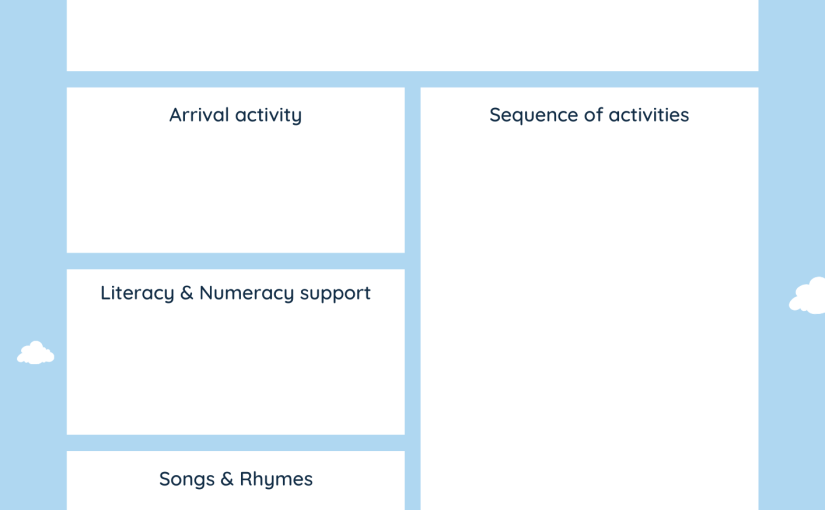
Creating structured and engaging learning experiences for young children starts with a well-designed Preschool Lesson Plan Template. Whether you teach in a daycare center, early childhood classroom, or homeschool setting, having a clear framework helps you stay organized, intentional, and responsive to children’s developmental needs.
In this comprehensive guide, you’ll learn how to use a preschool planning format effectively, what elements to include, and how to adapt it into a Free Preschool Teacher Lesson Plan Template, Daily Lesson Plan, Weekly Lesson Plan, and Monthly Lesson Plan—all aligned with early childhood best practices.
Why a Preschool Lesson Plan Matters
Preschool education is more than crafts and songs. It is a critical developmental stage where children build foundational skills in:
- Language and communication
- Early literacy and numeracy
- Social-emotional development
- Fine and gross motor skills
- Problem-solving and critical thinking
A structured Lesson Plan Template ensures that activities are:
- Developmentally appropriate
- Balanced across learning domains
- Intentional rather than random
- Easy to track and reflect on
Without a planning system, it’s easy to overlook certain skills or repeat similar activities. A template provides clarity, consistency, and confidence.
Core Components of a Preschool Lesson Plan Template
A high-quality Preschool Lesson Plan Template should include the following essential sections:
1. Basic Information
- Date
- Teacher name
- Class/age group
- Theme or topic
2. Learning Objectives
Objectives should be simple, clear, and measurable. For preschool, they often focus on observable behaviors, such as:
- Children will identify three colors.
- Children will count objects up to five.
- Children will practice sharing during group play.
3. Materials Needed
List all supplies to avoid last-minute stress:
- Books
- Art materials
- Manipulatives
- Flashcards
- Sensory items
4. Activity Plan
Break down the lesson into structured parts:
- Circle time
- Small group activity
- Learning centers
- Outdoor play
- Story time
- Closing reflection
5. Assessment or Observation Notes
Preschool assessment is observation-based. Include space for:
- Participation level
- Skill mastery
- Social interactions
- Areas needing support
6. Reflection Section
After the lesson, note:
- What worked well
- What needs adjustment
- Children’s engagement level
- Ideas for follow-up activities
This structure forms the backbone of an effective Preschool Lesson Planner.
Free Preschool Teacher Lesson Plan Template: What Makes It Practical?

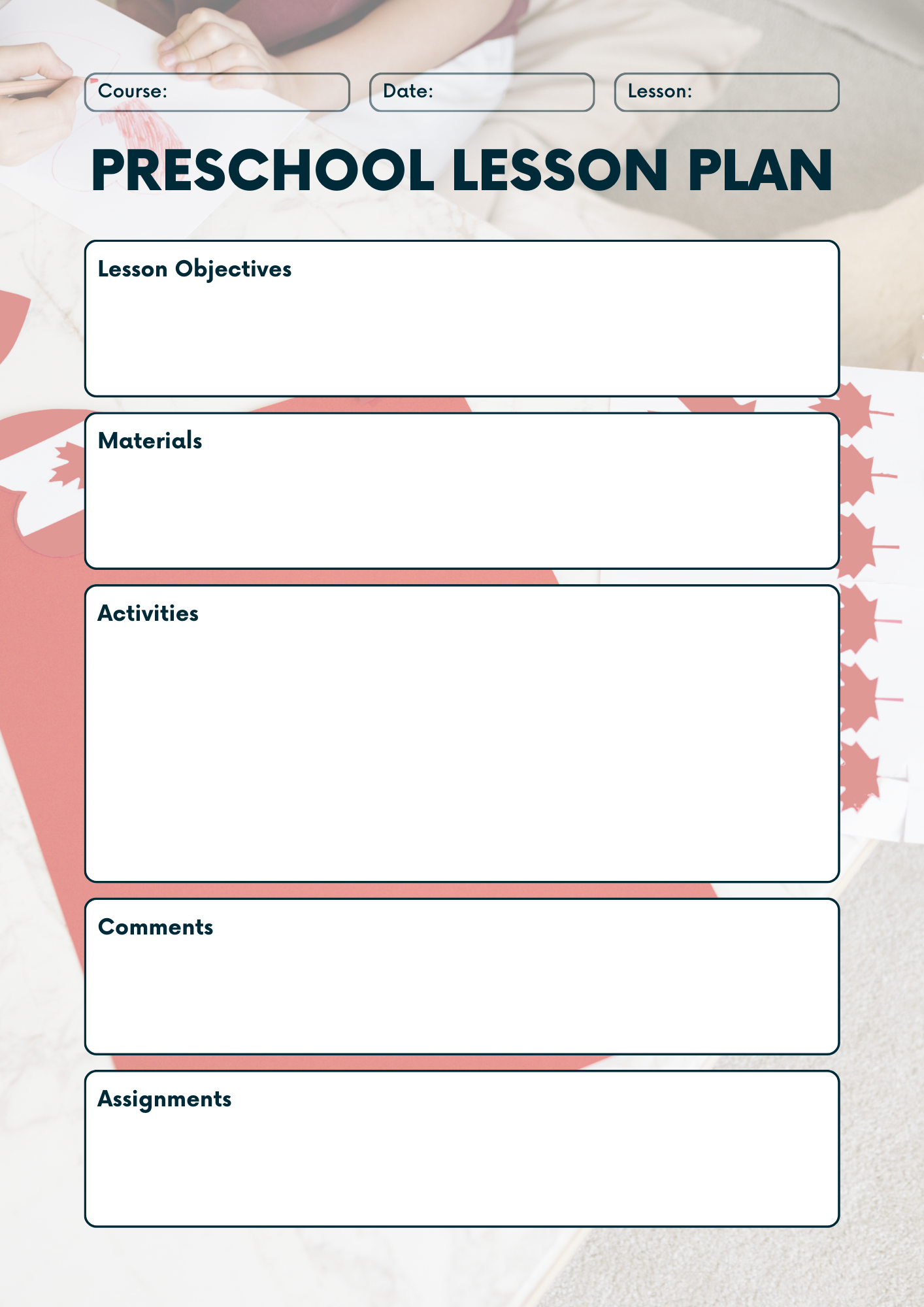
A Free Preschool Teacher Lesson Plan Template should be simple, editable, and easy to print. Teachers need flexibility without unnecessary complexity.
Key Features of a Practical Template
- Clean layout with clear headings
- Enough space for writing detailed notes
- Editable fields for customization
- Organized sections for objectives and activities
- Room for reflection
Why Simplicity Works Best
Preschool teachers often manage multiple responsibilities:
- Classroom management
- Parent communication
- Documentation
- Material preparation
A complicated format slows you down. A clear, streamlined Teacher Lesson Plan Template allows you to focus on children—not paperwork.
Preschool Daily Lesson Plan Template: Planning One Day at a Time

A Preschool Daily Lesson Plan Template focuses on structuring a single day’s activities in detail. This format works best for:
- Detailed classroom instruction
- Student teaching
- New teachers
- Special theme days
Sample Structure for a Preschool Daily Lesson Plan
Morning Arrival
- Greeting routine
- Independent table activity
- Attendance
Circle Time
- Welcome song
- Calendar discussion
- Theme introduction
Learning Activity
- Literacy activity
- Math or counting game
- Hands-on exploration
Centers
- Art center
- Block center
- Dramatic play
- Sensory table
Outdoor Play
- Gross motor skills
- Cooperative games
Story Time
- Read-aloud
- Comprehension questions
Closing Activity
- Review of the day
- Goodbye song
A Daily Lesson Planner ensures the day flows smoothly and transitions are intentional rather than chaotic.
Preschool Weekly Lesson Plan Template: Building Consistency

While daily planning is detailed, a Preschool Weekly Lesson Plan Template gives you a broader overview. It helps maintain consistency across the week.
Why Weekly Planning Is Effective
- Reinforces learning through repetition
- Allows theme integration
- Supports skill progression
- Makes preparation more efficient
Example Weekly Theme: “Community Helpers”
Monday – Introduction to helpers
Tuesday – Firefighters
Wednesday – Doctors
Thursday – Teachers
Friday – Review and role-play
Using a Weekly Lesson Plan Template, you can:
- Align daily activities with a central theme
- Plan materials in advance
- Ensure balanced skill coverage
Weekly planning helps preschoolers build familiarity, which strengthens understanding and retention.
Preschool Monthly Lesson Plan Template: Long-Term Vision

A Preschool Monthly Lesson Plan Template helps teachers maintain direction across four weeks. Instead of focusing only on daily details, this format supports:
- Curriculum pacing
- Seasonal themes
- Skill progression
- Parent communication
What to Include in a Preschool Monthly Lesson Plan Template
Monthly Themes
Example:
- Week 1: Colors
- Week 2: Shapes
- Week 3: Animals
- Week 4: Weather
Skill Focus
- Letter recognition
- Counting up to 10
- Social skill: sharing
- Fine motor: cutting practice
Special Events
- Field trips
- Guest speakers
- Holiday activities
Monthly planning ensures that nothing important is overlooked and that learning builds logically over time.
Get also: Kindergarten Lesson Plan Template
Designing an Effective Preschool Lesson Plan Template
When creating your own Preschool Lesson Plan Template, consider these design principles:
1. Use Clear Sections
Avoid clutter. Each section should be clearly labeled and easy to scan.
2. Leave Enough Writing Space
Teachers often need room for observation notes and reflection.
3. Keep It Editable
An editable format allows:
- Adjusting objectives
- Changing themes
- Reusing the template
4. Align With Developmental Domains
Include areas such as:
- Cognitive development
- Language development
- Physical development
- Social-emotional growth
A strong Preschool Lesson Planning supports the whole child.
Balancing Structure and Flexibility
Preschool classrooms are dynamic. While structure is essential, flexibility is equally important.
Children may:
- Lose interest
- Become overly excited
- Need additional support
- Show unexpected curiosity
Your Preschool Lesson Plan should allow adjustments without disrupting the entire day.
For example:
If a science activity sparks a strong interest, extend exploration time and shorten another activity. Planning provides direction—but observation guides action.
Integrating Learning Domains Into Your Preschool Lesson Planner Template
An effective plan integrates multiple developmental domains into each activity.
Literacy Integration
- Storytelling
- Letter tracing
- Rhyming games
Math Integration
- Counting objects
- Sorting by color
- Identifying patterns
Social-Emotional Skills
- Turn-taking
- Expressing feelings
- Cooperative play
Motor Skills
- Cutting with scissors
- Jumping games
- Bead threading
A well-designed Preschool Weekly Lesson Plan Template ensures balanced exposure to all domains.
Observation and Assessment in Preschool Planning
Assessment in preschool is not about tests. It focuses on observation and documentation.
Your Preschool Lesson Plan Template should include space for:
- Anecdotal notes
- Developmental milestones
- Behavior observations
- Peer interaction patterns
This information helps you:
- Adjust instruction
- Support struggling learners
- Communicate progress effectively
Planning and assessment work together to improve teaching quality.
Adapting Your Preschool Lesson Plan Template for Different Settings
Different environments may require slight adjustments.
Daycare Setting
Focus more on routines and flexible timing.
Preschool Center
Balance structured instruction with play-based learning.
Homeschool Preschool
Allow for more individualized pacing.
Regardless of setting, the foundation of a strong Preschool Lesson Plan Template remains the same: clarity, intentionality, and developmental appropriateness.
Common Mistakes to Avoid
Even experienced teachers sometimes make planning mistakes.
Overloading the Day
Too many activities can overwhelm children.
Ignoring Transition Time
Transitions need planning, too.
Skipping Reflection
Reflection improves future planning.
Not Differentiating
Children develop at different rates.
A thoughtful free printable preschool lesson planning prevents these issues by encouraging realistic scheduling and built-in reflection.
Creating a Balanced Preschool Planning System
To build an effective system:
- Start with a Preschool Monthly Lesson Plan Template for long-term direction.
- Break it into a Preschool Weekly Lesson Plan Template for theme consistency.
- Detail each day using a Preschool Daily Lesson Plan Template.
- Use a Free Preschool Teacher Lesson Plan Template as your reusable base format.
This layered approach ensures:
- Long-term vision
- Weekly coherence
- Daily structure
- Continuous improvement
Final Thoughts
A thoughtfully designed Preschool Lesson Plan Template is more than a planning tool—it is a roadmap for meaningful early childhood learning. Whether you prefer daily detail, weekly themes, or monthly structure, using clear and intentional formats helps you create organized, engaging, and developmentally appropriate experiences for young learners.
By combining structure with flexibility, integrating multiple learning domains, and reflecting regularly, you can transform routine classroom activities into purposeful educational moments.
The right template doesn’t limit creativity—it supports it. When planning becomes organized and intentional, teaching becomes smoother, more focused, and more impactful for every child in your care.