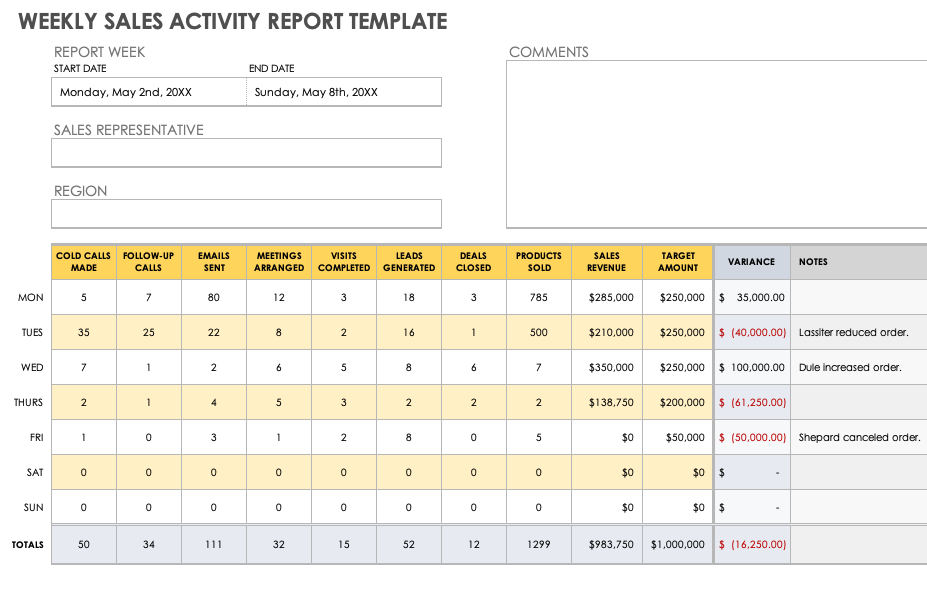
Weekly Sales Activity Report Template – Proven High-Impact Framework for Better Sales Momentum | A Weekly sales activity report template can completely shift how sales teams understand their progress, spot obstacles early, and keep opportunities moving instead of gathering digital dust in a CRM no one opens. Whether the goal is to track volume, measure quality, or keep leaders updated without endless meetings, a well-built structure turns scattered activity into a clear narrative. With the right template, sales teams can move from “I think things are going well” to “Here’s exactly what’s happening, what’s improving, and what needs attention.”
The power of a consistent reporting routine isn’t only in its neat columns and segments—it’s in how it sharpens decision-making. It reduces the guesswork that typically creeps into weekly planning, and it keeps teams aligned on deals that matter. Even the busiest reps benefit from a layout that captures the essentials without slowing them down.
Below is a full breakdown of how a Weekly sales activity report template supports clarity, accountability, and faster workflows—all while keeping things practical, realistic, and easy to apply to real sales operations.
Weekly Sales Activity Report Template
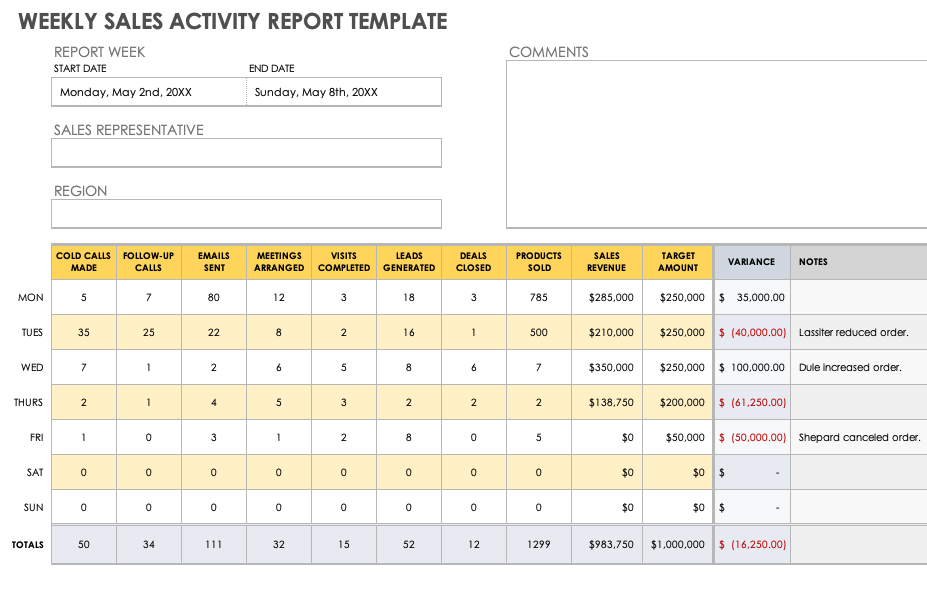
A Weekly sales activity report template creates a central structure for summarizing what actually happened throughout the week: calls made, emails sent, meetings held, deals advanced, obstacles encountered, and pipelines updated. It’s not meant to be a novel; it’s meant to capture impactful activity in a clean, structured way that decision-makers can absorb quickly.
A Streamlined View of Weekly Momentum
Busy sales teams don’t need extra work—they need better visibility. A well-formatted weekly sales activity outline highlights the right patterns: how many leads were contacted, how prospects responded, what moved forward, and what stalled. When the information is consistent each week, patterns become easier to interpret. You don’t just see activity—you see momentum.
Clarity that Minimizes Repeated Questions
A clear template reduces repetitive check-ins between managers and reps. Instead of “How’s the Johnson account going again?” every detail is summarized in a clean, predictable structure. It eliminates ambiguity and keeps everyone synced.
Better Prioritization for The Following Week
Not all prospects need equal attention. Some are slow burners, some are red-hot opportunities, and some need a polite follow-up so they don’t ghost into the abyss. A structured Weekly Sales Report helps salespeople prioritize based on progress, interest levels, and upcoming deadlines. It makes next week’s planning significantly easier and sharper.
General Supporting Section
Sales isn’t just about hitting numbers; it’s about hitting them with control. And control comes from understanding patterns. A weekly update provides tight visibility over closing rates, lead quality, activity depth, and engagement levels. That means no more surprises late in the quarter, no more scrambling at the end of the month, and far fewer “How did we miss this?” moments.
Alongside activity summaries, a good Weekly Sales Activity Report Template tracks trends—like whether conversations are improving, whether follow-ups are consistent, and whether customer behavior is signaling readiness or hesitation. It also enables quick comparison with previous weeks, making wins easier to understand and issues easier to diagnose.
Below are the three essential variations of weekly sales reporting structures, each serving a unique purpose while sharing a consistent backbone of clarity, visibility, and actionable detail.
Weekly Sales Call Report Template – Essential Format for Stronger Client Engagement

A Weekly sales call report template focuses specifically on call activity—a core part of many sales operations. It pinpoints the conversations that drive revenue and clarifies which interactions had real traction. Calls aren’t just numbers; they’re opportunities to understand the client’s problems and move deals forward.
A strong call-focused Weekly Sales Call Report Template logs details like:
- Number of outbound calls
- Number of inbound calls
- Length and quality of discussions
- Key objections raised
- Follow-up actions scheduled
- New opportunities identified
- Deals influenced by call activity
This structure is invaluable for teams that rely heavily on voice-based communication, such as B2B enterprise sales, retail partnerships, technology solutions, and service-based providers.
Insight into Conversation Quality
Not all calls are equal. Some end with a prospect genuinely excited; some end with you wondering if they muted you for 20 minutes. This format highlights the meaningful parts of conversations—did the prospect express intent? Did they share a timeline? Did they reveal pain points that can shape your pitch?
These insights are the foundation of stronger follow-ups. When call notes are consistent, you don’t have to rely on memory or sift through messy CRM logs. Everything is laid out simply.
Predictable Follow-up Processes
A good weekly call report template naturally guides reps toward better follow-up discipline. If calls are documented with expected next steps, the week ahead becomes clearer. Deals move faster because conversations don’t “cool down” due to unclear planning.
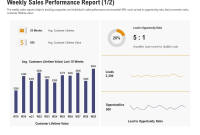
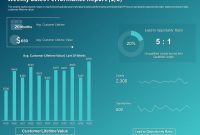
Weekly Sales Performance Report Template – Powerful Structure for Tracking Measurable Wins

A Weekly sales performance report template focuses on results: conversions, revenue progression, pipeline movement, and the measurable impact of sales activities. It summarizes the week’s achievements in a way that leaders can evaluate instantly.
A performance-focused Weekly Sales Performance Report Template typically includes:
- Deals closed
- Revenue booked
- Pipeline progression
- Opportunities created
- Conversion rate snapshots
- Lost deals and reasons
- Win/loss ratio trends
- Individual/team highlights
This structure is ideal for leadership reviews and deeper evaluations of what’s driving growth.
Turning Data into a Direction
Seeing performance indicators weekly helps sales teams stay proactive rather than reactive. For instance, if conversion rates dip for two consecutive weeks, it signals a deeper issue—lead quality, value positioning, competitor influence, or negotiation challenges.
When these metrics are consistently tracked, teams can adjust strategies quickly instead of waiting until the end of the month or quarter.
Transparency that Empowers Teams
Instead of feeling micromanaged, reps get clarity. They see exactly how their efforts translate into measurable outcomes. When performance insights are clear, coaching becomes more supportive rather than corrective. It turns leadership into collaboration.
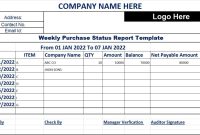
Weekly Sales Status Report Template – High-Impact Layout for Clear Pipeline Visibility

A Weekly sales status report template focuses on the health and progress of the sales pipeline. It answers the big question: Where do all active deals stand right now, and what must happen next?
A good status-focused Weekly Status Report Template includes:
- Active opportunities
- Stage of each deal
- Estimated close date
- Value of each opportunity
- Stakeholders involved
- Action items
- Roadblocks or delays
- Probability of closing
This layout grounds the team in reality, showing exactly what’s moving and what needs a push.
Predictable Forecasting
A well-tracked status report strengthens forecasting accuracy. Instead of relying on gut feeling, teams have clear indicators of deal velocity and likelihood. This clarity can shape resource allocation, goal setting, and sales planning.
Faster Identification of Bottlenecks
Deals get stuck for many reasons—delayed replies, procurement holdups, internal approvals, unclear pricing, or simply a prospect getting distracted by a cat video. This structure identifies roadblocks early, so salespeople can intervene instead of waiting for a deal to stall completely.
Bringing It All Together with a Weekly Sales Activity Report Template
A Weekly sales activity report template isn’t just documentation—it’s a structured rhythm that supports accountability, clarity, and alignment across the sales team. When reporting becomes predictable and consistent, patterns emerge. Busy weeks, slow weeks, high-quality interactions, stalled opportunities—they become visible, measurable, and actionable.
The three variations—call-focused, performance-focused, and status-focused—integrate naturally into a comprehensive weekly routine. Each version highlights different parts of the sales cycle, but together they create a complete picture. Leaders get visibility, reps get direction, and the entire team gets a shared understanding of progress.
More importantly, it fosters smarter planning. When salespeople know exactly what happened the previous week, they can prioritize better for the upcoming one. Instead of reacting to problems, they anticipate them. Instead of guessing which deals matter, they see it clearly. Instead of hoping their activity aligns with targets, they track it with confidence.
Whether used in small teams or large organizations, this kind of Weekly Sales Activity Report Template supports clarity, alignment, and continued momentum—core ingredients for consistent success in any sales environment.
Gallery of Weekly Sales Activity Report Template – 10+ BEST Fillable Forms


Related posts:

High School Book Report Template – 2026 Best Academic Reading

Police Crime Report Template: 8+ Accurate Crime Documentation

Police Report Template – 2026 Free Daily Observations with Precision


Safety Incident Report Template: 2026 Free Workplace Hazards and Accidents

Academic Progress Report Template (9+ Structured Formats to Track Student Growth)