Book Report Template usage remains one of the most effective ways to help readers organize ideas, demonstrate comprehension, and express thoughtful opinions about what they read. From elementary classrooms to independent learning environments, a clear reporting structure transforms reading into an active, reflective process rather than a passive activity.
Without a defined format, book reports often become unfocused summaries or incomplete responses. A structured template provides guidance, clarity, and consistency—allowing writers to concentrate on understanding the content and communicating insights effectively.
What Is a Book Report?
A Book Report is a structured guide that helps readers summarize, analyze, and reflect on a book in an organized way. It breaks down the reporting task into logical sections, making the writing process more manageable and purposeful.
This type of template is designed to:
- Support reading comprehension
- Improve writing organization
- Encourage critical thinking
- Help writers express opinions clearly
- Create consistency in assessment and feedback
By following a predictable structure, readers can focus on meaning rather than format.
Why Book Reports Are Still Important
Book reports remain relevant because they require readers to engage deeply with a text. Instead of simply finishing a book, readers must think about:
- What happened
- Why it happened
- What it means
- How it connects to personal ideas or experiences
A well-designed Book Report encourages active reading and thoughtful reflection, strengthening both comprehension and communication skills.
Core Elements of an Effective Book Report

Although templates can vary by age and purpose, effective book reports share common components.
Basic Book Information
Includes the title, author, and publication details.
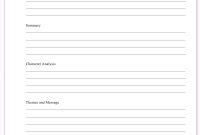
Summary
A concise overview of the main events or ideas, written in the reader’s own words.
Main Characters or Key Topics
Identifies central figures in fiction or primary subjects in nonfiction.
Setting or Context
Explains where and when the story or content takes place.
Key Themes or Ideas
Highlights important messages, lessons, or concepts.
Personal Reflection
Encourages the reader to share opinions, reactions, or connections.
Every Book Report should balance structure with flexibility.
How Book Reports Improve Learning Outcomes
Using a consistent reporting structure reinforces essential academic skills.
Improved Reading Comprehension
Readers learn to identify main ideas and supporting details.
Stronger Writing Organization
Templates teach logical sequencing and paragraph structure.
Critical Thinking Development
Reflection prompts encourage evaluation and interpretation.
Confidence in Expression
Clear guidance reduces uncertainty and writing anxiety.
A structured Book Report supports these outcomes across different learning levels.
Different Types of Book Report Templates
Not all books require the same reporting approach. Different formats help address different content types and learning goals.
Book Report Fiction Template for Story Analysis and Narrative Understanding

A Book Report Fiction Template for Story Analysis and Narrative Understanding focuses on plot, characters, setting, and conflict.
This format typically includes:
- Plot summary
- Character descriptions
- Setting analysis
- Theme identification
- Personal opinion
It helps readers understand how story elements work together to create meaning.
Get also: Middle School Book Report Template
Book Report Nonfiction Template for Informational Clarity and Concept Mastery

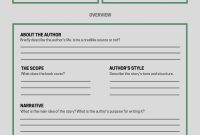
A Book Report Nonfiction Template for Informational Clarity and Concept Mastery emphasizes facts, ideas, and explanations rather than narrative elements.
This format often covers:
- Main topic or purpose
- Key facts or arguments
- Supporting details
- New information learned
- Reader reflection
Nonfiction templates help readers organize complex information clearly and logically.
Get also: High School Book Report Template
Kids Book Report Template for Engaging and Age-Appropriate Learning
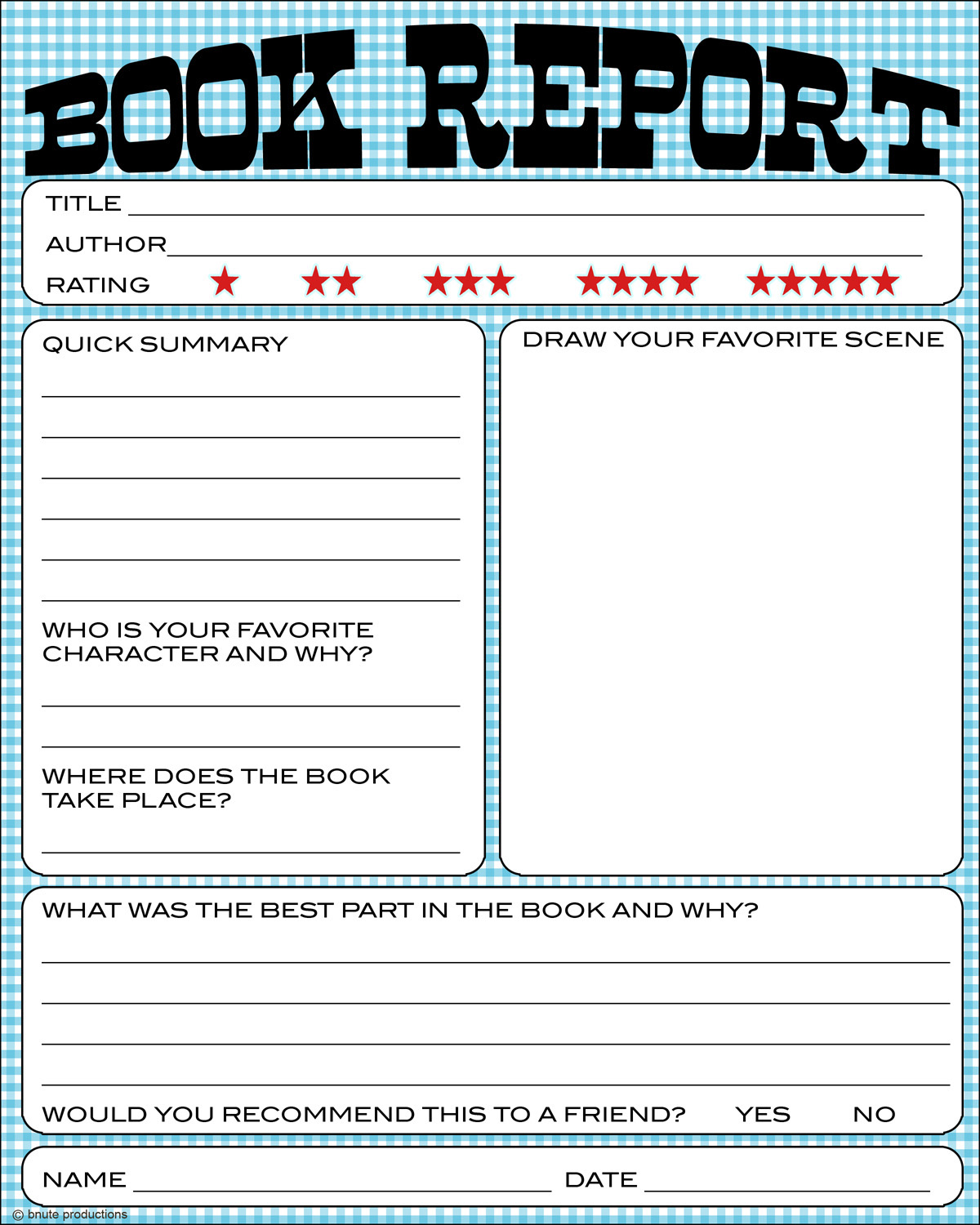
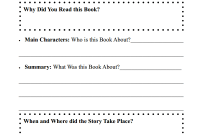
A Kids Book Report Template for Fun and Guided Learning is designed with simplicity and creativity in mind.
Common features include:
- Short-answer prompts
- Drawing or illustration sections
- Favorite part questions
- Simple opinion statements
These templates make book reporting accessible and enjoyable for younger readers.
Choosing the Right Book Report Template
Selecting the right format depends on:
- Reader age and skill level
- Type of book
- Learning objectives
- Assessment needs
A Book Report should challenge readers without overwhelming them. Simpler templates work best for beginners, while more detailed formats suit advanced readers.
Adapting Book Reports for Different Grade Levels
Book reporting expectations should evolve as readers develop.
Early Readers
Focus on:
- Basic recall
- Simple summaries
- Visual responses
Intermediate Readers
Focus on:
- Paragraph writing
- Character or idea analysis
- Clear opinions
Advanced Readers
Focus on:
- Deeper analysis
- Evidence-based opinions
- Thematic discussion
A flexible Book Report supports growth across these stages.
How Teachers Use Book Report Templates Effectively
Educators rely on templates to:
- Standardize assignments
- Clarify expectations
- Simplify grading
- Support diverse learning needs
Templates also help teachers assess comprehension consistently while allowing creativity within structure.
How Parents Can Support Book Reports at Home
Parents can use templates to guide discussions and reinforce learning.
Helpful strategies include:
- Talking about the book before writing
- Helping identify key points
- Encouraging personal opinions
- Reviewing the completed report together
A clear Book Report makes it easier to support without over-directing.
Common Mistakes in Book Report Writing
Even with templates, readers may encounter challenges.
Common issues include:
- Copying text directly from the book
- Writing summaries that are too long or too short
- Missing key ideas
- Giving opinions without explanation
Templates that include guiding questions help reduce these mistakes.
Best Practices for Writing High-Quality Book Reports
To create strong book reports:
- Read actively and take notes
- Follow the template sections carefully
- Use original wording
- Support opinions with examples
- Review for clarity and completeness
These habits strengthen both reading and writing skills.
Using Book Reports to Encourage a Love of Reading
When designed thoughtfully, book reports can enhance enjoyment rather than reduce it.
They help readers:
- Engage more deeply with stories
- Express personal reactions
- Feel proud of completed work
- Build long-term reading confidence
A well-structured Book Report turns reading into an interactive and meaningful activity.
Flexibility and Creativity in Book Report Templates
Effective templates allow room for creativity while maintaining structure.
Options include:
- Alternative formats (posters, journals, slides)
- Visual elements
- Choice-based reflection questions
Flexibility keeps readers motivated and invested.
Long-Term Benefits of Using Book Report Templates
Consistent use of book report templates supports:
- Strong literacy foundations
- Clear communication skills
- Analytical thinking
- Academic independence
Over time, these skills transfer to essays, presentations, and research writing.
Conclusion
A Book Report Template is a powerful educational tool that supports reading comprehension, writing organization, and critical thinking. By providing clear guidance, it helps readers summarize content, analyze ideas, and express opinions with confidence.
Whether using a Book Report Fiction Template for Story Analysis, a Book Report Nonfiction Template for Informational Clarity, or a Kids Book Report Template for Engaging Learning, the right format makes book reporting meaningful and effective.
When applied consistently, book report templates do more than assess reading—they develop lifelong learning skills and a deeper appreciation for books.
Gallery of Book Report Template: 10+ Powerful Formats to Improve Critical Thinking
Related posts:

High School Book Report Template – 2026 Best Academic Reading

Police Crime Report Template: 8+ Accurate Crime Documentation

Police Report Template – 2026 Free Daily Observations with Precision


Safety Incident Report Template: 2026 Free Workplace Hazards and Accidents

Academic Progress Report Template (9+ Structured Formats to Track Student Growth)