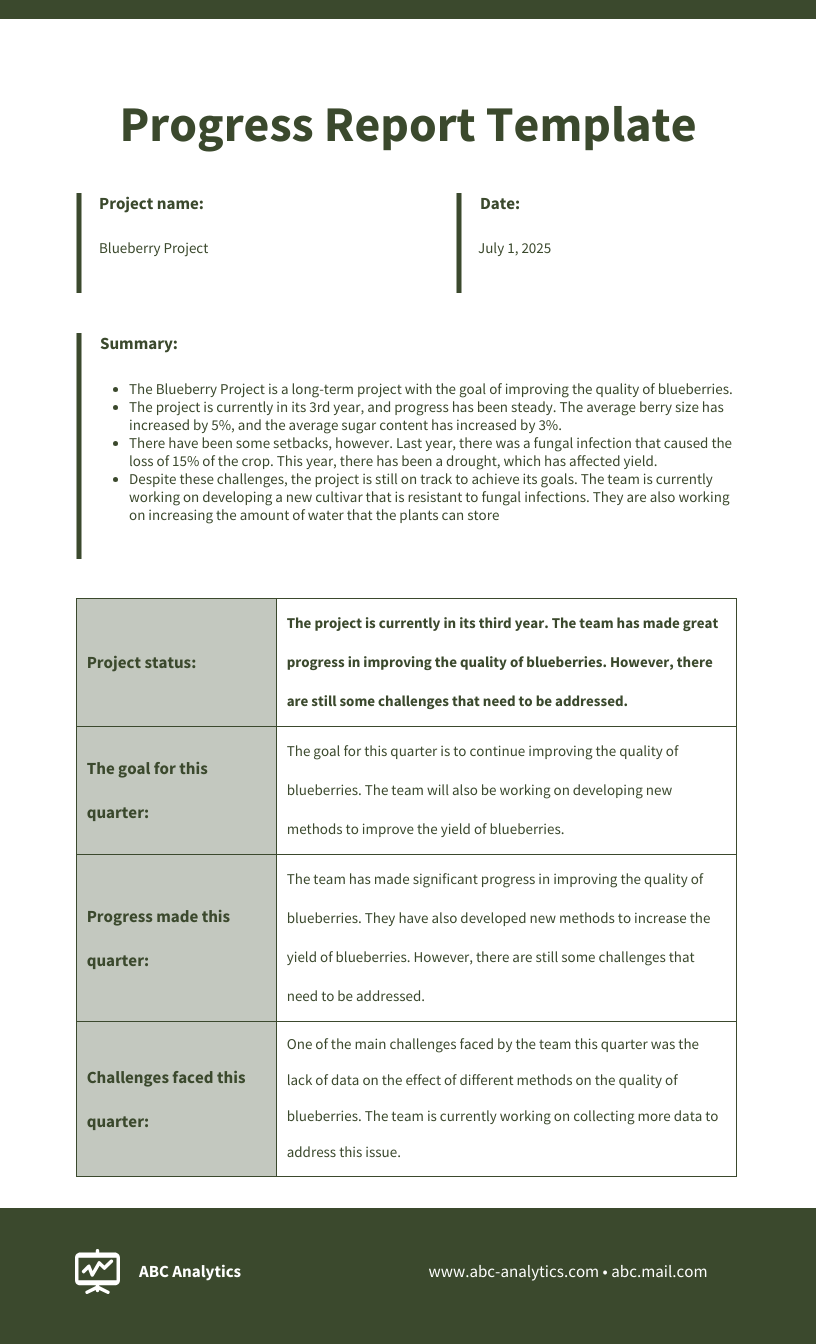
Progress Report Template structures are essential tools for documenting work status, measuring achievements, and communicating progress clearly across teams and stakeholders. Without a standardized reporting format, updates often become inconsistent, vague, or overly subjective. A well-designed template transforms ongoing activities into structured insights that support clarity, accountability, and informed decision-making.
Whether used in business operations, project management, education, or organizational planning, progress reporting provides a factual snapshot of where work stands and what actions are required next. This article explores the role of progress reporting, the essential elements of an effective template, and the most impactful formats used in different reporting cycles.
What Is a Progress Report Template and Why Does It Matter
A Progress Report Template is a structured document designed to capture updates on tasks, goals, milestones, and outcomes over a defined period. Its primary purpose is to provide visibility into ongoing work and ensure that progress is measured consistently.
Rather than relying on informal updates or scattered notes, organizations use standardized templates to:
- Track completion status objectively
- Identify delays, risks, or bottlenecks
- Communicate progress clearly to stakeholders
- Maintain alignment between goals and execution
- Support accountability at individual and team levels
By using the same reporting framework repeatedly, progress becomes easier to evaluate and compare over time.
The Strategic Value of Structured Progress Reporting
Progress reporting is not merely administrative documentation. When structured correctly, it becomes a strategic tool that supports better coordination and performance control.
A Progress Report ensures that updates are:
- Clear rather than ambiguous
- Data-driven instead of opinion-based
- Consistent across reporting periods
- Action-oriented rather than descriptive
Structured reporting also reduces miscommunication. Everyone involved understands what is expected, what has been completed, and what remains outstanding.
Core Components of an Effective Progress Report

A high-quality template balances simplicity with sufficient detail. While the exact format may vary depending on context, most effective reports include the following elements.
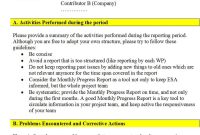
1. Reporting Period Overview
This section defines the timeframe covered by the report, ensuring clarity on what progress is being evaluated.
2. Objectives or Deliverables
Clear objectives provide context for progress updates. This section outlines what the work aimed to accomplish during the reporting period.
3. Completed Activities
A summary of tasks or milestones that have been completed, focusing on outcomes rather than effort alone.
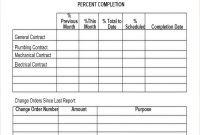
4. Ongoing Work
This section highlights activities that are currently in progress, including their current status and expected completion.
5. Challenges and Risks
Identifying obstacles early allows teams to address issues before they escalate. This section focuses on factors affecting progress.
6. Next Steps and Action Items
Every Progress Report Template should clearly outline what will happen next, who is responsible, and expected timelines.
Different Types of Progress Report Templates and When to Use Them
Progress reporting needs vary depending on how frequently updates are required. Below are the most commonly used reporting formats and their practical applications.
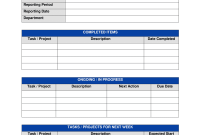
Weekly Progress Report Template for Fast-Paced Execution Control
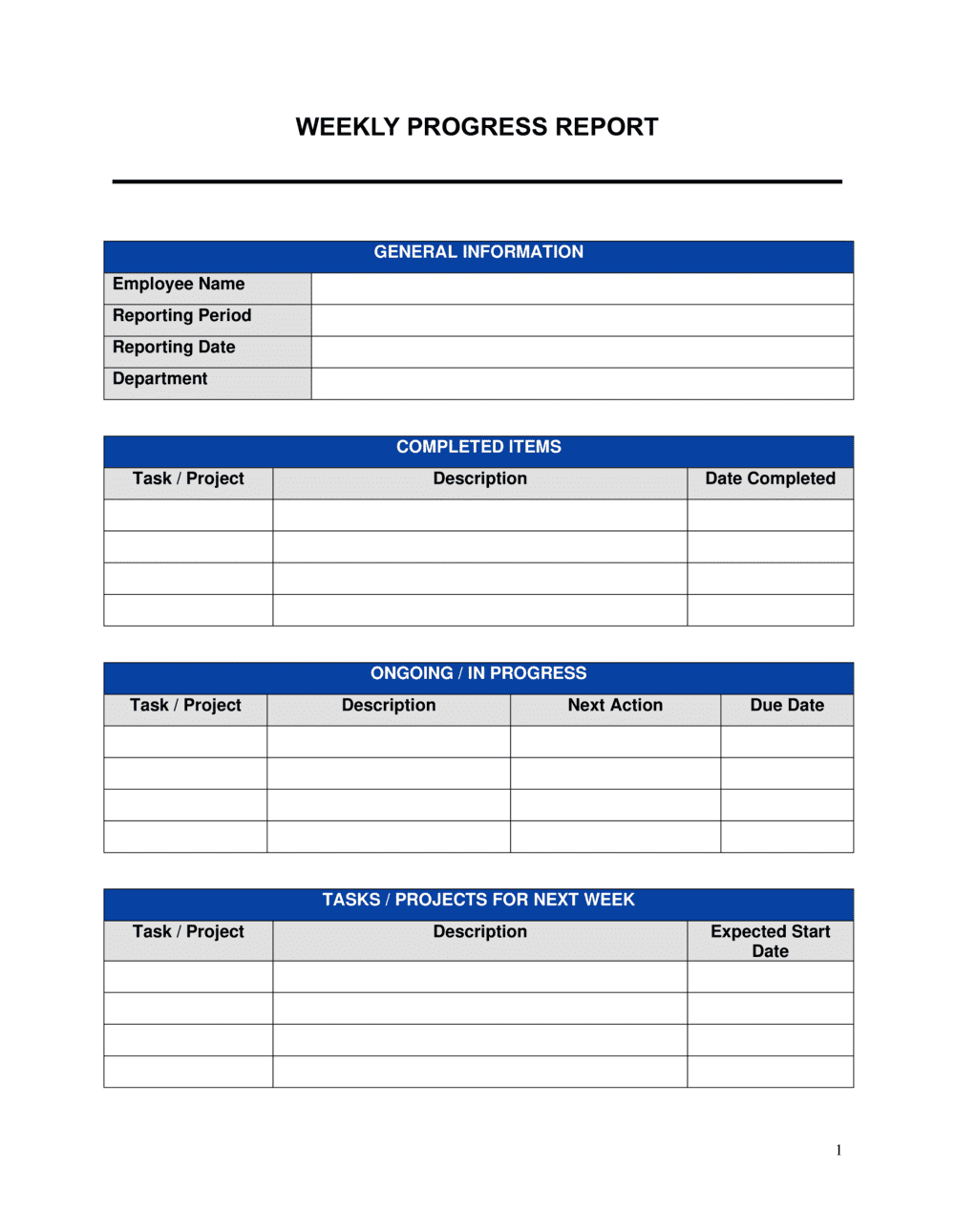
A Weekly Progress Report Template for Fast-Paced Execution Control is designed for environments where work moves quickly, and frequent updates are necessary.
This format focuses on:
- Short-term task completion
- Immediate blockers or risks
- Priorities for the upcoming week
Weekly reports are commonly used in:
- Project management teams
- Agile or sprint-based workflows
- Operational roles with tight timelines
Their strength I focus on is clarity and immediacy, helping teams stay aligned without excessive detail.
Get also: Consulting Report Template
Monthly Progress Report Template for Strategic Performance Visibility
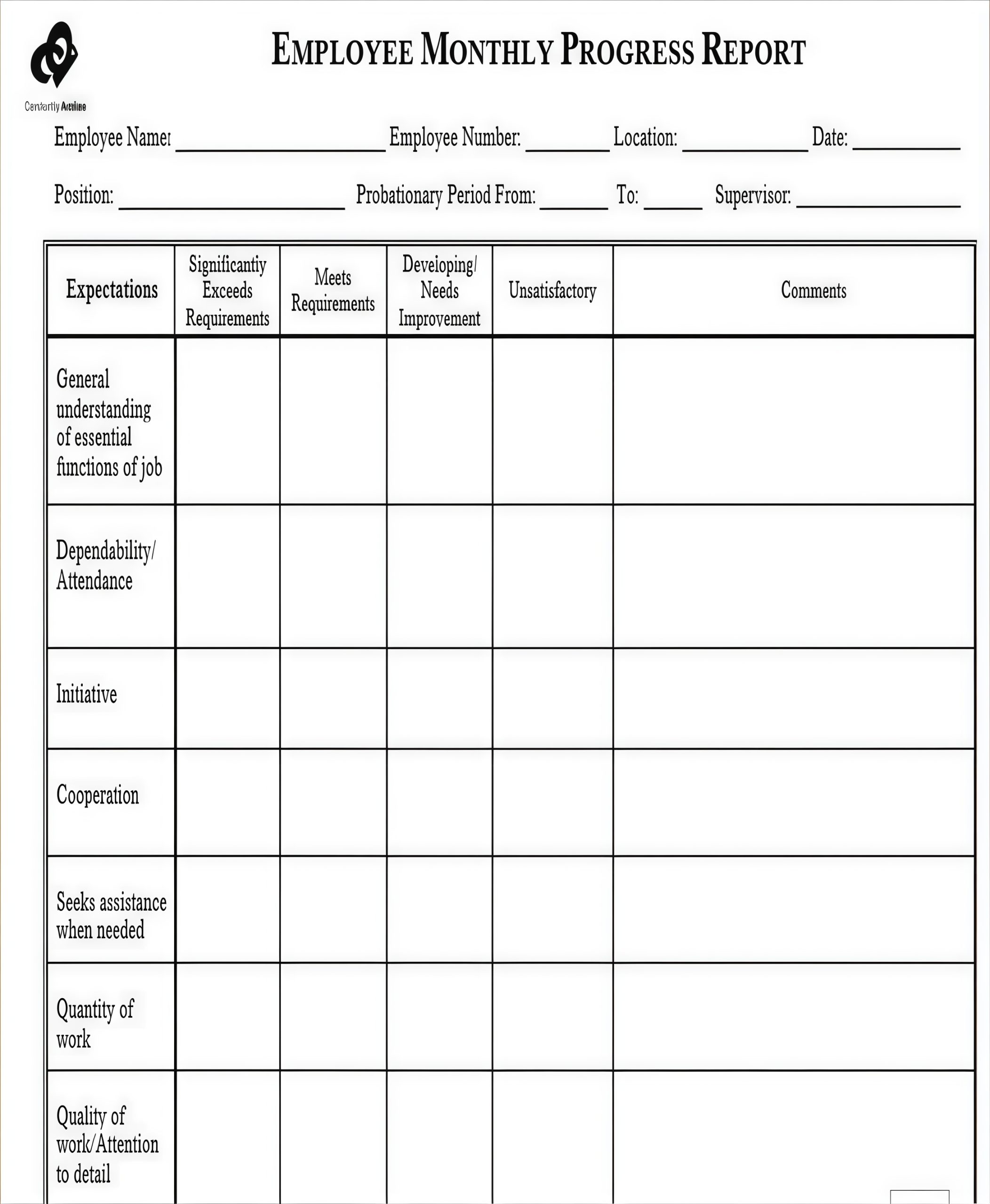
A Monthly Progress Report Template for Strategic Performance Visibility provides a broader view of progress over a longer period. It balances operational detail with high-level analysis.
This format typically includes:
- Summary of key achievements
- Comparison against planned objectives
- Identification of trends or recurring issues
- Adjustments to timelines or resources
Monthly reporting is ideal for managers, department heads, and stakeholders who require structured updates without daily or weekly granularity.
Get also: Daily Progress Report Template
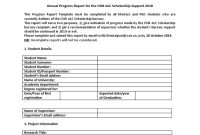
Annual Progress Report Template for Comprehensive Outcome Review

An Annual Progress Report Template for Comprehensive Outcome Review delivers a long-term perspective on progress, outcomes, and overall effectiveness.
This format emphasizes:
- Achievement of annual goals
- Major milestones and deliverables
- Lessons learned and performance patterns
- Strategic priorities for the following period
Annual reports are often used for organizational reviews, institutional reporting, and long-term planning initiatives.
Choosing the Right Report Template for Your Needs
Selecting the appropriate reporting format depends on several factors:
- Reporting frequency
- Audience expectations
- Project complexity
- Level of detail required
A Progress Report Template should match the decision-making needs of its readers. Short reporting cycles benefit from concise formats, while longer cycles require more analytical depth.
Adapting Progress Reports for Different Stakeholders
Although the core structure remains consistent, progress reports should be tailored to the intended audience.
Executive-Level Reports
Executives benefit from summaries that focus on outcomes, risks, and alignment with broader objectives.
Team-Level Reports
Teams require operational detail, task-level updates, and clear next steps.
Client or External Reports
External audiences typically value transparency, clear explanations, and progress linked directly to agreed deliverables.
Customization ensures relevance without sacrificing consistency.
Common Mistakes That Reduce the Effectiveness of Progress Reports
Even well-designed templates can fail if misused. Common issues include:
- Reporting activities instead of outcomes
- Being overly vague or overly detailed
- Ignoring unresolved challenges
- Using inconsistent reporting periods
An effective Progress Report emphasizes clarity, relevance, and actionability over volume.
Best Practices for Writing Clear and Useful Progress Reports
To maximize the value of progress reporting:
- Use clear and concise language
- Focus on measurable outcomes
- Be honest about challenges
- Maintain consistency across reports
- Align updates with defined objectives
Well-written reports support trust, transparency, and better collaboration.
Using Progress Reports to Improve Decision-Making
Progress reports should actively inform decisions, not simply document activity. When reviewed consistently, a Progress Report helps leaders and teams:
- Identify performance gaps early
- Reallocate resources effectively
- Adjust timelines based on evidence
- Improve planning accuracy
Over time, consistent reporting builds a reliable record of performance that supports continuous improvement.
The Long-Term Benefits of Standardized Progress Reporting
Organizations that adopt standardized reporting frameworks experience:
- Improved accountability
- Better communication
- Reduced project risk
- Clearer performance tracking
- Stronger alignment between planning and execution
A Progress Report Template becomes more valuable with repeated use, as historical data strengthens analysis and forecasting.
Conclusion
A Progress Report is a foundational tool for tracking work, communicating updates, and supporting informed decisions. By standardizing how progress is reported, organizations gain clarity, consistency, and accountability across all levels.
Whether using a Weekly Progress Report Template for Fast-Paced Execution Control, a Monthly Progress Report Template for Strategic Performance Visibility, or an Annual Progress Report Template for Comprehensive Outcome Review, the right format ensures that progress is documented accurately and acted upon effectively.
When applied consistently, progress reporting transforms updates into insights and effort into measurable results.
Gallery of Progress Report Template: Drive Accountability in 2025

Related posts:

High School Book Report Template – 2026 Best Academic Reading

Police Crime Report Template: 8+ Accurate Crime Documentation

Police Report Template – 2026 Free Daily Observations with Precision


Safety Incident Report Template: 2026 Free Workplace Hazards and Accidents

Academic Progress Report Template (9+ Structured Formats to Track Student Growth)